

What Is A Sump Pump? How It Works And When You Need One
Water where it shouldn’t be is every homeowner’s nightmare. Whether it’s pooling in a crawl space, seeping through a foundation, or collecting in a low-lying area of your property after a heavy Florida downpour, standing water causes real damage fast. That’s where understanding what is a sump pump becomes practical knowledge. This simple mechanical device is one of the most effective tools for keeping unwanted water out of your home, and it’s more relevant to Tampa Bay homeowners than most people realize.
A sump pump sits in a pit below your floor level and automatically pumps out water before it becomes a problem. Despite what you might assume, you don’t need a traditional basement for a sump pump to make sense. Homes with crawl spaces, properties in flood-prone zones, and houses built on low-grade lots across the Greater Tampa Bay Area can all benefit. At Home Therapist, our plumbing team has installed and repaired sump pumps for local homeowners since 2011, so we’ve seen firsthand how much damage they prevent when properly set up.
This article breaks down exactly how a sump pump works, the different types available, and the specific situations where installing one is a smart move. By the end, you’ll have a clear understanding of whether your home needs one, and what to look for if it does. Let’s get into it.
Why sump pumps matter for home protection
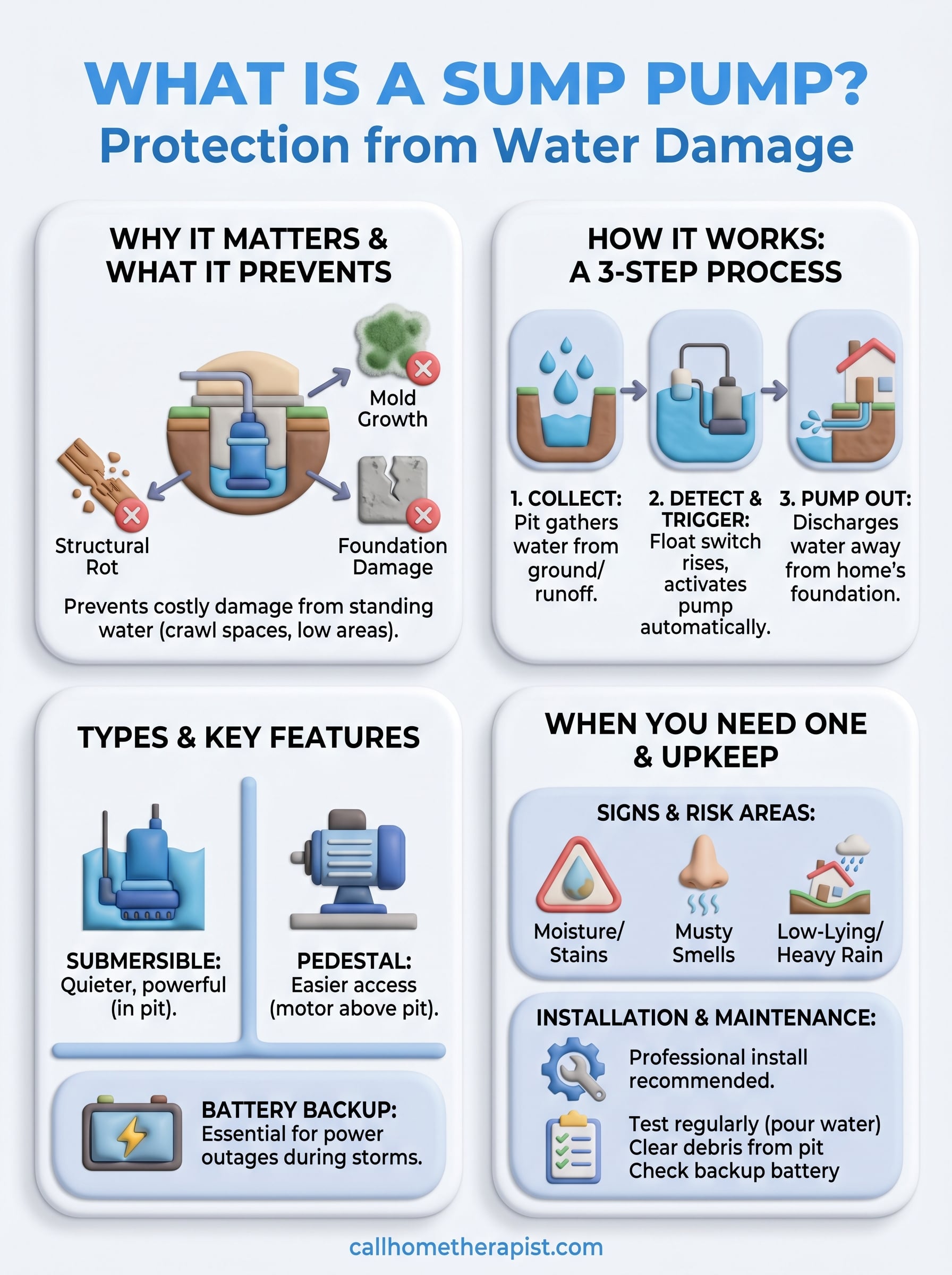
Water damage is one of the most expensive problems a homeowner can face. Structural rot, mold growth, and foundation damage can develop within 24 to 48 hours of water exposure, and repair costs often reach well into the thousands. Understanding what is a sump pump starts with understanding exactly what you’re protecting your home from.
The real cost of water damage
When water gets into your crawl space or under your foundation, it doesn’t just sit there. Moisture accelerates wood rot, weakens support beams, and creates conditions where mold spreads quickly through your home’s structure. Water damage insurance claims average over $11,000, and that number climbs fast once structural repairs are involved.
Preventing water intrusion before it starts costs far less than repairing the damage it leaves behind.
Your flooring, insulation, and electrical systems are all at risk when water has nowhere to drain. Crawl space flooding is especially common in Florida homes that lack basements, where moisture can sit undisturbed and cause damage that goes unnoticed for months.
Florida’s climate makes water management critical
Tampa Bay receives an average of 50 inches of rain per year, with much of it concentrated in a short summer storm season that can drop several inches in a single afternoon. That volume of rainfall overwhelms standard drainage quickly, especially on properties with flat grading or dense soil that doesn’t absorb water well.
Low-lying neighborhoods and older construction throughout the Greater Tampa Bay Area are particularly vulnerable to ground-level flooding after heavy storms. A properly installed sump pump gives excess water a direct path out of your home before it has a chance to cause lasting damage.
How a sump pump works step by step
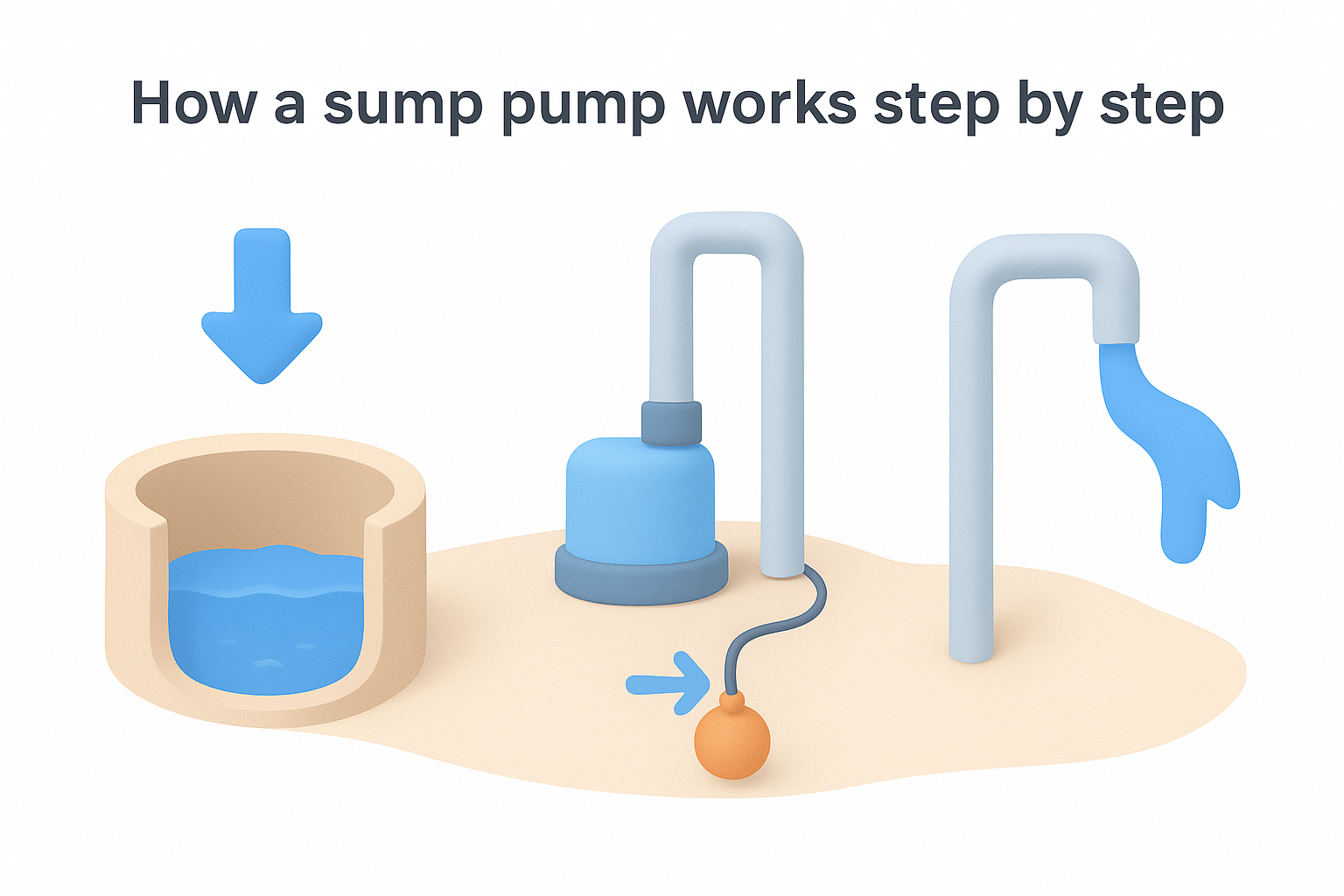
Understanding the mechanics helps you make better decisions about installation and maintenance. At its core, what is a sump pump comes down to a straightforward three-step process: collect water, detect the rise, and pump it away before it reaches your living space.
The sump pit collects water first
Water flows into a pit dug into the lowest point of your crawl space or floor. This pit, typically 18 to 24 inches deep, acts as a collection point where groundwater and runoff naturally gather before spreading elsewhere. Gravity does most of the work, directing water toward the pit rather than your walls or floor.
A properly sized sump pit is the foundation of an effective water management system.
A float switch triggers the pump automatically
When water in the pit rises to a set level, a float switch activates the pump motor. The pump then pulls water up through a discharge pipe and routes it away from your home’s foundation, typically to a storm drain, dry well, or yard drainage area.
Once the water level drops, the float switch shuts the pump off automatically. The entire cycle happens without any input from you, which is why regular testing matters – you want to confirm the system works before you actually need it.
Types of sump pumps and key features
When you’re deciding what is a sump pump that fits your home, the type you choose directly affects how well it handles water volume and how reliable it stays over time. The two most common options are submersible pumps and pedestal pumps, and each suits different situations.
Submersible vs. pedestal pumps
Submersible pumps sit inside the sump pit and operate underwater, which makes them quieter and more powerful for homes that deal with significant water intrusion. Pedestal pumps mount the motor above the pit, making them easier to access for servicing but less suited for high-volume flooding situations.
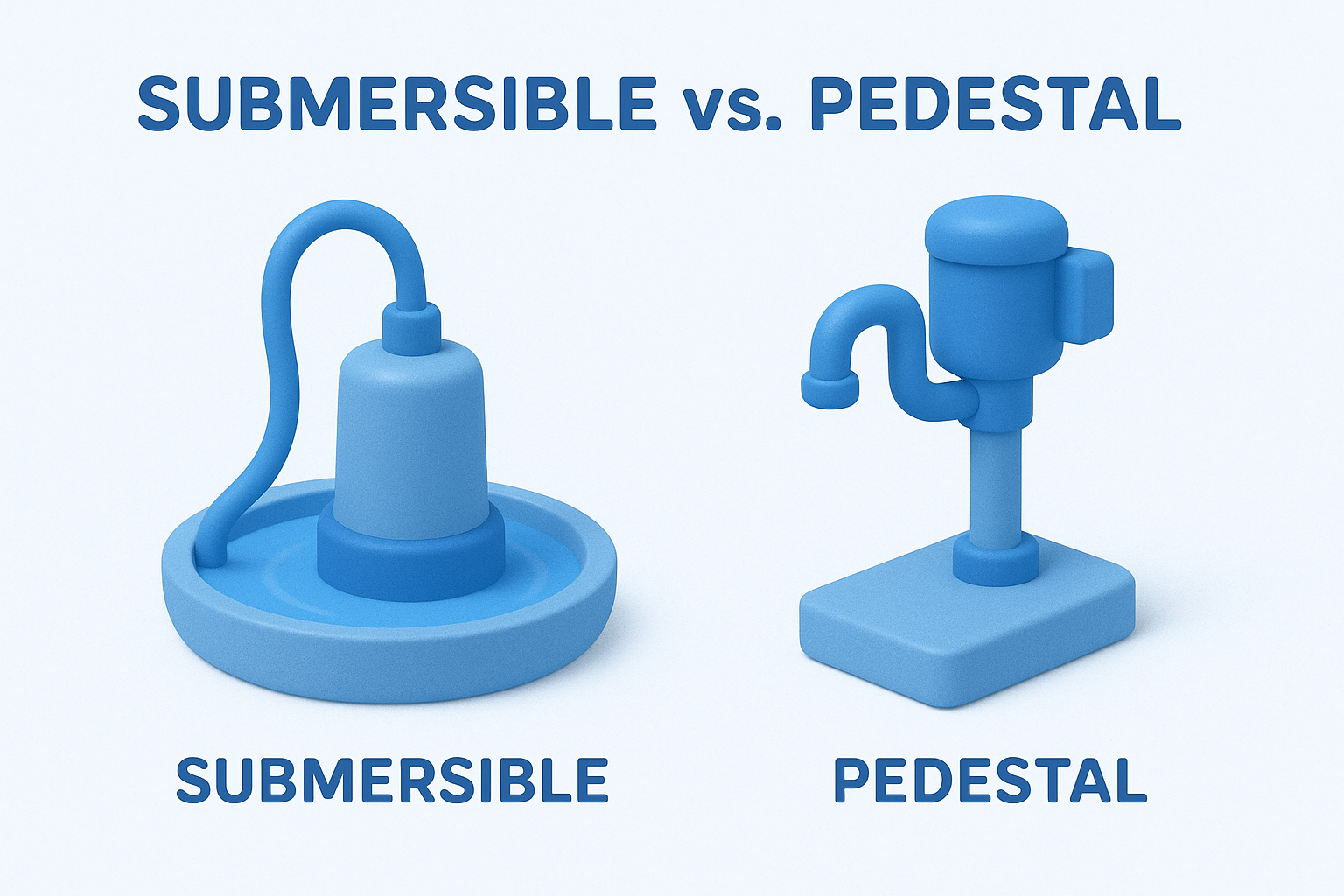
A submersible pump is typically the better long-term investment for Florida homes where heavy rain puts consistent demand on the system.
Battery backup systems
Your pump runs on electricity, so a power outage during a storm leaves you unprotected at the worst possible moment. A battery backup sump pump kicks in automatically when your main power fails, giving you continued protection through severe weather. Some systems also include water-powered backup options that rely on municipal water pressure instead of a battery.
Checking your backup system regularly is just as important as maintaining your primary pump, since a backup that fails during a storm offers no real protection.
When you need a sump pump in Tampa Bay
Tampa Bay’s climate creates specific conditions that make a sump pump a practical addition for many homes. Understanding what is a sump pump in the context of Florida’s geography helps you decide whether your property actually needs one. Flat lots, high water tables, and heavy seasonal rain all factor into that decision.
Signs your property is at risk
If your crawl space shows signs of moisture, like water stains, rust on metal supports, or a persistent musty smell, your home is already dealing with water intrusion. Low-lying properties near bodies of water or in neighborhoods with poor street drainage face the highest risk, especially during Tampa’s June through September storm season.
If water has entered your crawl space even once, it will likely happen again without a system in place to manage it.
Older homes and new construction both qualify
Older Tampa Bay homes often lack modern drainage systems, leaving them vulnerable to ground saturation during heavy rain. Newer construction in flood-prone zones may include sump pump installation as part of the original build. Either way, checking your property’s flood zone designation through your local county records helps you assess your actual risk level before making a decision.
Installation and upkeep basics for homeowners
Understanding what is a sump pump is only part of the equation. Getting it installed correctly and keeping it running reliably are what actually protect your home over time. Professional installation ensures the pit is sized properly, the discharge line routes water far enough from your foundation, and the float switch is calibrated correctly for your water table.
What installation involves
A licensed plumber will dig or enlarge the sump pit, set the pump at the correct depth, and run the discharge pipe to an appropriate drainage point away from your home. The job typically takes a few hours, and most homeowners see the system fully operational the same day. Proper discharge placement matters because routing water too close to your foundation just sends it back in.
Hiring a licensed plumber for installation avoids common mistakes that lead to pump failure when you need it most.
Maintenance tasks to schedule
Keeping your pump in good shape requires a few simple checks a couple of times each year. Pour water into the pit to confirm the float switch triggers the pump. Clear any debris from the pit, inspect the discharge line for blockages, and test your battery backup before storm season starts each June.
Next steps for a drier home
Now that you understand what is a sump pump and how it fits into your home’s water management, the next move is figuring out whether your property needs one. Reviewing your flood zone status and checking your crawl space for moisture signs gives you a solid starting point before calling anyone.
If you’ve spotted water damage, noticed a musty smell under your home, or simply want to get ahead of Tampa Bay’s rainy season, a professional assessment removes the guesswork. A licensed plumber can evaluate your drainage situation, recommend the right pump type, and handle installation the same day in most cases.
Home Therapist has served Greater Tampa Bay homeowners since 2011 with upfront pricing and no hidden fees. Whether you need a new installation or a checkup on an existing system, our team is ready to help. Schedule your sump pump service today and keep water where it belongs.
More Drain Cleaning Articles
- Sump Pump Installation Cost: 2026 Price Range & Factors
- Snake Through the Cleanout Fixed This S Habana Ave Bathroom Sink Backup: Drain Unclogging in Tampa, FL 33629
- Visit #4 on a $5 Elite Plan: Plumbing Maintenance on Chatterly Dr in Wesley Chapel, FL 33543
- When the Drain Line AND the Pump Both Fail: AC Maintenance on Blossom Ave, Tampa, FL 33614
- Shower Drain Relocation in Tampa Bay: Cost, Process, and Pipe Layout


