

Role of Condensers in Cooling: Cut AC Energy Use by 20%
Most Tampa Bay homeowners believe their AC condenser cools indoor air directly. That’s a myth costing you money. Less than 5% of HVAC users understand the condenser’s external heat rejection function. Your condenser doesn’t cool your home; it expels heat outside so your system can work efficiently. Understanding how this component really operates helps you slash energy bills and maintain peak cooling performance in our brutal Florida summers.
Table of Contents
- Introduction To Condensers In Home Cooling Systems
- How Condensers Work: The Heat Transfer Mechanism
- Types Of Condensers Used In Residential HVAC
- Common Misconceptions About Condensers In Cooling Systems
- Common Condenser Issues And How They Affect Cooling Performance
- Maintaining Your Condenser For Optimal Performance
- Conclusion: Maximizing Cooling Efficiency Through Condenser Care
- Keep Your Tampa Home Cool With Expert Condenser Care
- FAQ
Key takeaways
| Point | Details |
|---|---|
| Heat rejection is the key function | Condensers convert hot refrigerant vapor to liquid by releasing heat outdoors, not cooling indoor air directly. |
| Maintenance dramatically cuts costs | Proper condenser care can reduce AC energy consumption by up to 20% annually. |
| Common failures waste energy | Condenser malfunctions like coil fouling and fan failures cause up to 40% efficiency loss. |
| Type selection matters locally | Air-cooled condensers suit Tampa Bay better than water-cooled due to cost and water conservation. |
| Pressure affects performance | A 10% increase in condenser pressure reduces cooling efficiency by up to 7%. |
Introduction to condensers in home cooling systems
Your condenser is a specialized heat exchanger that sits outside your home. The condenser’s primary function is to convert high-pressure refrigerant vapor into liquid by releasing heat outdoors, essential for completing the refrigeration cycle and indoor cooling. Without this heat rejection step, your AC system simply cannot remove warmth from your living spaces.
Think of the refrigeration cycle as a continuous loop. Your compressor pressurizes refrigerant, raising its temperature. That hot vapor flows to the condenser outside, where heat dissipates into the air. The now-cooled liquid refrigerant travels indoors to the evaporator, absorbs heat from your home, and returns to the compressor to start again. Every component plays a distinct role in this dance.
The condenser works with three other major components:
- Compressor: Pressurizes refrigerant vapor, raising temperature and pressure
- Condenser: Releases heat outdoors, converting vapor to liquid
- Evaporator: Absorbs indoor heat, turning liquid refrigerant back to vapor
- Expansion valve: Regulates refrigerant flow between high and low pressure sides
Refrigerant is the working fluid that carries heat. It changes phase from liquid to vapor and back as it moves through the system. Understanding these basic terms helps you grasp why cleaning condensate lines and maintaining outdoor units matters so much. When any component falters, the entire cycle suffers.
Pro Tip: Label your outdoor unit with the installation date and last service date. This simple habit helps you track maintenance schedules and catch problems early.
How condensers work: the heat transfer mechanism
The magic happens through controlled pressure and temperature changes. Your compressor squeezes refrigerant vapor, dramatically increasing both pressure and temperature. This superheated vapor, often exceeding 120°F, rushes into the condenser coils outside your home. Those coils provide massive surface area for heat transfer.
Fans mounted on the condenser unit blow ambient air across the coils. Even on a 95°F Tampa day, outside air is cooler than the 120°F+ refrigerant inside the coils. Heat naturally flows from hot to cold, so thermal energy moves from refrigerant to outside air. As the refrigerant loses heat, its temperature drops below the condensation point for its current pressure.
This temperature drop triggers a phase change. The vapor condenses into liquid, releasing latent heat in the process. The now-liquid refrigerant, still under high pressure but much cooler, flows toward your indoor unit. This liquid state is crucial because only liquid refrigerant can effectively absorb heat indoors.
Here’s the step-by-step sequence:
- Compressor discharge sends hot, high-pressure vapor to condenser
- Condenser fans pull outside air across coil fins
- Heat transfers from refrigerant to ambient air
- Refrigerant temperature drops, causing condensation to liquid
- Liquid refrigerant exits condenser toward expansion valve
- Cycle repeats continuously during AC operation
Pressure directly impacts efficiency. A 10% increase in condenser pressure reduces cooling efficiency by up to 7% in split AC units. Dirty coils, failed fans, or restricted airflow all increase condenser pressure. Your compressor must work harder, consuming more electricity while delivering less cooling.
Temperature differences matter too. The greater the gap between refrigerant and outside air, the faster heat transfers. Tampa’s hot climate challenges this process. When outside air reaches 100°F, your condenser struggles more than on a 75°F day. This is why HVAC airflow’s impact on system performance becomes critical in our region.
Pro Tip: Never block airflow around your condenser unit. Keep at least two feet of clearance on all sides for optimal heat dissipation and lower energy bills.
Types of condensers used in residential HVAC
Two main condenser types serve residential cooling: air-cooled and water-cooled. Each uses different methods to remove heat from refrigerant, with distinct advantages and drawbacks for Tampa Bay homes.
Air-cooled condensers dominate residential installations. These units use ambient air as the cooling medium, relying on fans to move large volumes of air across coil surfaces. They’re self-contained, relatively affordable, and require minimal infrastructure beyond electrical connections. Most homes in our region use this type.
Water-cooled condensers circulate water through coils or cooling towers to absorb refrigerant heat. Water’s superior thermal capacity makes these units more efficient than air-cooled versions. They operate more quietly and maintain more stable performance regardless of outside air temperature. However, they demand continuous water supply, drainage systems, and regular water treatment to prevent scale buildup.
| Feature | Air-Cooled | Water-Cooled |
|---|---|---|
| Installation cost | $3,000-$7,000 | $8,000-$15,000+ |
| Water consumption | None | 2-3 gallons per minute |
| Efficiency (EER) | 10-13 | 14-18 |
| Maintenance frequency | Annual cleaning | Quarterly water treatment |
| Space requirements | Moderate outdoor area | Larger footprint with cooling tower |
| Tampa Bay suitability | Excellent | Limited by water costs |
For Tampa Bay homeowners, air-cooled condensers make the most sense. Water conservation matters in Florida, and municipal water rates add ongoing costs. Infrastructure complexity increases installation expenses significantly. Unless you operate a commercial facility with substantial cooling loads, the efficiency gains don’t justify water-cooled systems.
Air-cooled units do require diligent maintenance in our climate. High humidity promotes biological growth on coils. Pollen, dust, and salt air from the bay area coat surfaces rapidly. Types of air conditioning units vary in configuration, but all air-cooled systems need regular cleaning to maintain rated efficiency.
Key considerations when selecting a condenser:
- Match capacity to your home’s cooling load
- Choose SEER ratings appropriate for Tampa’s long cooling season
- Verify warranty coverage for coastal environments if near the bay
- Ensure adequate outdoor space for proper airflow
- Factor annual maintenance costs into total ownership expenses
Pro Tip: If you live within five miles of Tampa Bay, ask your HVAC contractor about coil coatings that resist salt air corrosion. This protection extends condenser life significantly.
Common misconceptions about condensers in cooling systems
Misunderstanding how condensers work leads to poor maintenance decisions and unrealistic expectations. Let’s clear up the most persistent myths costing Tampa Bay homeowners money and comfort.
Myth one: The condenser cools your indoor air. Wrong. The condenser removes heat from refrigerant by expelling it outdoors. Your evaporator coil indoors actually cools air. The condenser enables this process by completing the refrigeration cycle, but it never touches your indoor air. This confusion causes homeowners to neglect indoor coil maintenance while obsessing over the outdoor unit.
Myth two: Compressor and condenser are the same thing. They’re distinct components with different jobs. The compressor pressurizes refrigerant vapor. The condenser removes heat from that pressurized vapor. Less than 5% of users understand the condenser’s external heat rejection role; many confuse compressor and condenser functions. This mix-up leads to misdiagnosis when systems fail.
Myth three: Condenser cleaning is optional maintenance. Absolutely false. Dirty coils increase operating pressure, forcing your compressor to work harder. Cleaning condenser coils every 1-2 years is critical to avoid up to 20% energy loss. In Tampa’s environment, annual cleaning often makes more sense than the typical two-year interval.
Common misconceptions include:
- Bigger condensers always cool better (wrong: oversized units cycle inefficiently)
- Condenser noise indicates problems (some noise is normal during operation)
- Winter condensers don’t need attention (debris accumulates year-round)
- All condensers last 15-20 years regardless of maintenance (neglect cuts lifespan by half)
These misunderstandings stem from the condenser’s hidden role. You feel cold air from vents but never see the heat rejection happening outside. The cause-effect relationship isn’t obvious. When your AC struggles, you naturally focus on the indoor unit producing cold air, not the outdoor unit you rarely notice.
Education makes the difference. Understanding that your condenser must reject every BTU of heat removed from your home helps you appreciate its importance. Importance of condenser cleaning becomes obvious once you grasp the physics.
Pro Tip: Take monthly photos of your condenser unit. Visual records help you spot gradual coil fouling or vegetation encroachment before they impact performance.
Common condenser issues and how they affect cooling performance
Condenser problems directly impact your comfort and wallet. Recognizing symptoms early prevents expensive repairs and keeps your Tampa home comfortable during our extended cooling season.
Coil fouling tops the list of condenser failures. Dirt, pollen, grass clippings, and airborne debris coat the aluminum fins and copper tubing. This insulating layer blocks heat transfer, forcing refrigerant to stay hotter longer. Higher refrigerant temperature increases condenser pressure. Your compressor strains to maintain the same cooling output, consuming excess electricity.
Fan failures create immediate problems. Without airflow across coils, heat cannot dissipate efficiently. Refrigerant temperature and pressure spike. Your system may trigger high-pressure cutoffs, shutting down entirely. Even partial fan failure, where the motor runs slowly or intermittently, reduces cooling capacity while energy consumption climbs.
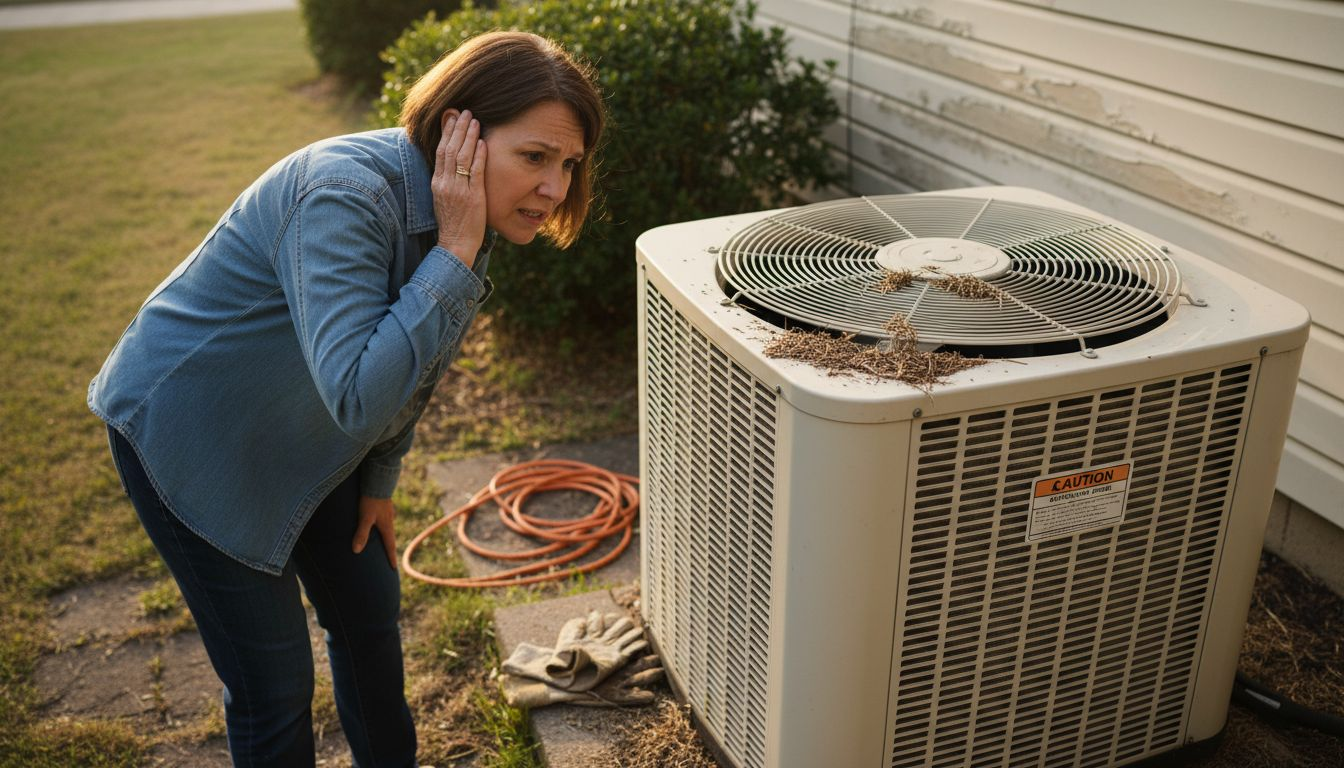
Up to 40% of home AC efficiency loss is linked to condenser malfunctions like coil fouling and fan failures. That translates directly to higher electric bills. A system pulling 40% more power delivers less cooling, creating a frustrating and expensive situation.
Watch for these warning signs:
- Electric bills climbing despite similar usage patterns
- Indoor temperatures not reaching thermostat settings
- AC running constantly without achieving desired cooling
- Frequent on-off cycling (short cycling)
- Unusual noises from outdoor unit
- Ice formation on refrigerant lines
Ignoring these symptoms compounds problems. Overworked compressors fail prematurely. Refrigerant leaks develop from excessive pressure. Indoor coils freeze due to improper refrigerant flow. What starts as a $150 coil cleaning evolves into a $3,000+ compressor replacement.
Tampa’s climate accelerates condenser degradation. High humidity promotes mold and algae growth on coils. Salt air near the bay corrodes aluminum fins. Heavy pollen seasons coat surfaces rapidly. Condenser coil problems and replacement become inevitable without preventive maintenance.
Electrical issues also plague condensers. Capacitors fail, preventing fan motors from starting. Contactors wear out, causing intermittent operation. These electrical components experience extreme temperature cycling in Florida’s outdoor environment. Annual inspections catch these problems before they strand you without AC during a heat wave.
Maintaining your condenser for optimal performance
Proper maintenance keeps your condenser running efficiently for 15-20 years instead of failing at 8-10. Tampa’s demanding climate makes regular care essential, not optional.
Regular coil cleaning every 1-2 years can reduce AC energy consumption by up to 20%. For Tampa Bay homes, annual cleaning makes more sense. Spring cleaning before summer heat arrives prepares your system for peak demand. This service includes removing debris, straightening bent fins, and washing coils with appropriate cleaners.
Follow these maintenance steps:
- Schedule professional coil cleaning each spring before cooling season
- Clear vegetation and debris within 2 feet of condenser monthly
- Inspect fan blades for damage or imbalance quarterly
- Check electrical connections for corrosion during annual service
- Monitor refrigerant levels; low charge indicates leaks requiring repair
- Replace air filters monthly to reduce system strain
- Verify proper drainage from condensate lines
Vegetation management matters more than most homeowners realize. Shrubs and grass restrict airflow, increasing condenser pressure. Falling leaves and grass clippings accumulate on coils. Maintain clear space around your unit. Trim plants regularly. Consider gravel or pavers under the unit to minimize grass clippings and dirt.
Fan operation deserves attention. Listen for unusual noises indicating bearing wear. Watch for wobbling blades suggesting imbalance. Feel for weak airflow pointing to motor problems. These simple checks during yard work catch issues before they cause failures.
Humidity creates unique challenges in Tampa. Moisture promotes corrosion on electrical components. Biological growth thrives on damp coil surfaces. HVAC maintenance checklist items address these humidity-specific concerns through targeted inspections and treatments.
Pro Tip: Rinse your condenser coils gently with a garden hose monthly from inside to outside (opposite of airflow direction). This simple step removes surface debris between professional cleanings. Never use a pressure washer, which damages fins.
Professional inspections catch problems you’ll miss. Technicians measure refrigerant pressures, test electrical components, verify proper airflow, and assess overall system health. Annual visits cost $100-$150 but prevent repairs costing thousands.
Conclusion: maximizing cooling efficiency through condenser care
Your condenser plays the crucial role of heat rejection in your home’s cooling system. Every BTU of heat removed from your living space must exit through the condenser. When this component functions optimally, your entire AC system operates efficiently.
Proper maintenance reduces energy consumption by up to 20% annually. Clean coils transfer heat effectively. Functioning fans move adequate air. Proper refrigerant charge maintains ideal pressures. These factors combine to deliver maximum cooling at minimum cost.
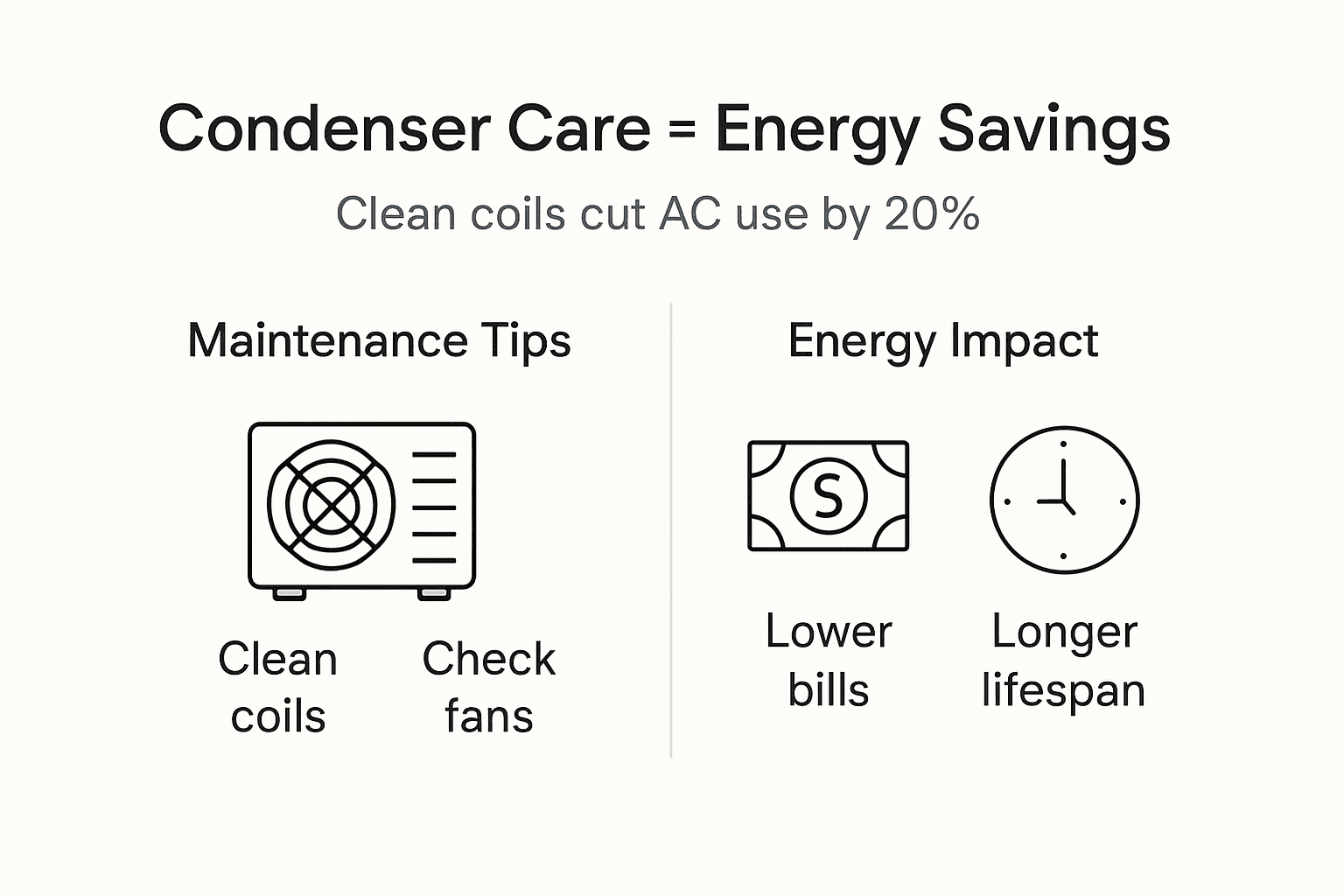
Understanding condenser operation helps you make informed decisions about maintenance timing, repair versus replacement choices, and system upgrades. You recognize warning signs before they become emergencies. You appreciate why professional service matters.
Tampa’s climate demands diligence. Our long cooling season, high humidity, and airborne contaminants stress condensers continuously. Invest in regular professional maintenance. Your reward comes through lower bills, better comfort, and longer equipment life.
Keep your Tampa home cool with expert condenser care
Professional condenser maintenance extends your AC system’s lifespan while slashing energy costs. Home Therapist’s certified technicians understand Tampa Bay’s unique climate challenges. We provide comprehensive HVAC maintenance services that keep your condenser operating at peak efficiency year-round.
Our maintenance plans include thorough coil cleaning, electrical inspections, refrigerant level verification, and fan performance testing. We catch small problems before they become expensive emergencies. Schedule your professional HVAC service today. From routine maintenance to complete air handler and duct replacement, we deliver reliable solutions for your home comfort needs.
FAQ
How often should I have my condenser cleaned to maintain efficiency?
Clean your condenser coils every 1 to 2 years minimum to maintain efficiency. Tampa’s humid environment with heavy pollen and coastal air often requires annual cleaning. Professional service removes embedded debris that garden hoses can’t reach. This investment pays for itself through lower energy bills and prevents premature system failure. Track cleaning dates to establish the right schedule for your specific location and landscape conditions. Check your HVAC maintenance schedule regularly.
What are the signs that my condenser is not working properly?
Watch for higher electric bills without increased usage, reduced cooling capacity despite the AC running constantly, and unusual noises from the outdoor unit. Frequent cycling on and off indicates pressure problems. Ice on refrigerant lines signals restricted flow. These signs of condenser issues require immediate professional attention. Early diagnosis prevents compressor failure and expensive repairs. Don’t ignore performance changes.
Can I install a water-cooled condenser in my Tampa home?
Water-cooled condensers offer higher efficiency but require significant water consumption and infrastructure that most homes lack. Installation costs run $8,000 to $15,000 or more versus $3,000 to $7,000 for air-cooled units. Ongoing water expenses and treatment needs make them impractical for residential applications. Air-cooled condenser types for Tampa homes deliver excellent performance with simpler maintenance. Stick with air-cooled unless you have commercial cooling demands.
How does condenser pressure affect my AC’s performance?
Higher condenser pressure forces your compressor to work harder, reducing cooling efficiency by up to 7% for each 10% pressure increase. Elevated pressure results from dirty coils, fan failures, or refrigerant overcharge. Your system consumes more electricity while delivering less cooling. Proper maintenance keeps pressure at design levels, optimizing performance. Understanding condenser pressure impact helps you recognize why regular service matters for your energy bills and comfort.
About This Guide
Written and reviewed by the Home Therapist Cooling, Heating & Plumbing team, a family-owned Tampa Bay HVAC and plumbing company serving the area since 2011. Our licensed techs hold Florida HVAC license CAC1819196 and Plumbing license CFC1431159, with over 1,100 five-star reviews across Tampa, St. Petersburg, Clearwater, Wesley Chapel, Lutz, Riverview, Brandon, Valrico, Apollo Beach, Palm Harbor, Land O’ Lakes, Plant City, New Port Richey, and surrounding Tampa Bay zip codes.
Honest pricing: $279 labor minimum. Upfront quotes, no high-pressure sales, no surprise fees.
Questions about your home? Call (813) 343-2212 for a real tech, or request a callback. Available 7 days a week including evenings and weekends for emergencies.
Recommended
- Essential Home Cooling Methods 2025 for Tampa Homeowners
- Clean AC Coils: Boost Efficiency 30% in Tampa Bay
- Air Conditioner Not Cooling in Certain Areas – What Should I Do? Home Therapist Cooling, Heating, and Plumbing
- Why Clean Condensate Lines – Prevent Costly AC Damage
- Outdoor Shading Guide 2026: Cut Energy Costs 25% Yorkshire
More Related Articles
- Pro Care AC Maintenance Plan Visit in Tampa, FL 33634
- Premium Therapy Plan AC Maintenance in Tampa, FL 33626
- Ductwork Replacement and Air Handler Relocation in Tampa, FL 33612
- AC Maintenance and Evaporator Coil Leak Repair in Tampa, FL 33629
- Air Conditioner Installation Repair Tampa FL Bay FL Services Review from Bonnie Wakefield


