

HVAC Return Air: Tampa Bay Home Comfort Guide
Many Tampa Bay homeowners think closing return air vents saves energy, but this common mistake actually forces your HVAC system to work harder and drives up utility bills. Return air is the unsung hero of your heating and cooling system, quietly circulating indoor air back for conditioning while maintaining the pressure balance that keeps your home comfortable. This guide reveals what return air really does, why it matters for your energy bills and air quality, and how simple maintenance steps can transform your indoor comfort.
Table of Contents
- What Is HVAC Return Air?
- How Return Air Impacts Indoor Comfort And Energy Efficiency
- Common Misconceptions About Return Air
- How Return Air Ducts And Vents Work
- Maintaining Your HVAC Return Air System For Optimal Comfort
- Enhance Your HVAC Knowledge And Comfort With Home Therapist
- FAQ
Key takeaways
| Point | Details |
|---|---|
| Return air completes your HVAC circulation loop | It pulls used indoor air back to your system for filtering and reconditioning before delivering it as supply air. |
| Proper flow cuts energy costs significantly | Maintaining clear return air pathways can reduce HVAC energy use by up to 15% through balanced system operation. |
| Closing vents backfires on savings | Blocking return air vents increases system workload and can raise energy bills by 20% while creating uncomfortable hot or cold spots. |
| Filter maintenance drives air quality | High-efficiency return air filters capture up to 85% of airborne particles, protecting your family from dust and allergens. |
| Professional balance prevents pressure problems | Return air pathways must balance with supply air to avoid pressure imbalances that harm efficiency and comfort. |
What is HVAC return air?
Return air is the used indoor air your HVAC system draws back in for filtering and reconditioning. Think of your home’s air circulation as a continuous loop: supply vents push fresh, conditioned air into your rooms, while return air vents pull that used air back to start the cycle again. This closed loop system ensures your HVAC unit constantly processes indoor air rather than pulling in unconditioned outdoor air.
Return air vents look different from supply vents. Supply vents typically have adjustable louvers and blow air into rooms, while return vents are usually larger grilles that simply draw air in. You can test which is which by holding a tissue near the vent: supply vents blow it away, return vents pull it toward the grille.
Filtering return air before it reaches your HVAC equipment protects both your health and your system. High-efficiency return air filters can capture up to 85% of airborne particulates including dust, pollen, and pet dander. Without this filtration step, contaminants would circulate endlessly through your home while potentially damaging sensitive HVAC components.
The return air pathway includes several key components:
- Return air vents or grilles mounted on walls or ceilings throughout your home
- Return air ducts connecting vents to the main HVAC unit
- Filter slots or racks where air passes through filtration media
- Return air plenum, the collection chamber before air enters the blower
Understanding how ductwork affects HVAC efficiency and air quality helps you appreciate why return air deserves attention. Every breath you take indoors has passed through this system multiple times, making return air maintenance essential for both comfort and health.
How return air impacts indoor comfort and energy efficiency
Adequate return air flow creates the pressure balance your HVAC system needs to operate efficiently. When return air pathways allow proper air intake, your system doesn’t strain to pull air back for conditioning. This balanced operation translates directly to lower energy consumption and more even temperatures throughout your Tampa Bay home.
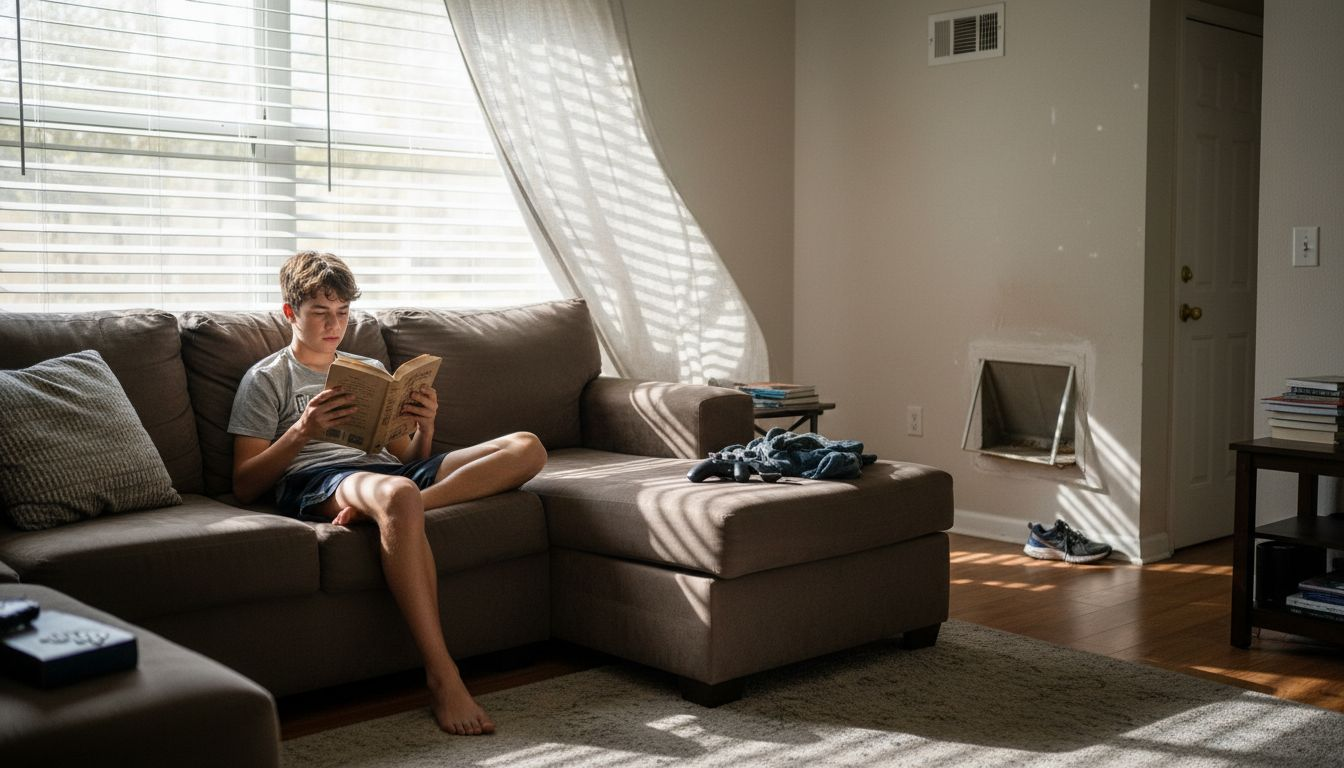
Proper return air flow improves energy efficiency by reducing the workload on your HVAC system, potentially lowering energy use by up to 15%. Blocked or insufficient return air forces your blower motor to work harder, drawing more electricity while delivering less comfort. The harder your system works, the faster components wear out and the higher your utility bills climb.
Return air temperature and humidity directly influence conditioning effectiveness. During Tampa Bay summers, return air carries heat and moisture away from living spaces back to your air conditioning unit. If return air flow is restricted, warm humid air lingers in rooms instead of cycling back for cooling and dehumidification. The result feels like your AC runs constantly without adequately cooling your home.
Maintaining clear return air pathways extends system longevity by preventing several common problems:
- Reduced airflow causes evaporator coils to freeze from inadequate heat exchange
- Increased static pressure stresses blower motors and duct seams
- Poor air circulation leads to compressor short cycling and premature failure
- Unfiltered air bypassing blocked returns damages internal components with debris
Pro Tip: Walk through your home monthly checking that return vents aren’t blocked by furniture, curtains, or storage items. This simple habit prevents most return air problems and keeps HVAC airflow balanced year round.
The connection between return air and comfort goes beyond temperature. Proper return air circulation prevents stale air pockets, reduces odors, and maintains consistent humidity levels. When return air works correctly, you notice your home simply feels better without understanding why.
Common misconceptions about return air
The most damaging myth is that closing return air vents saves energy by reducing the space your HVAC system must condition. This backwards logic actually increases energy consumption because your system still runs the same amount but struggles against reduced airflow. Closing vents creates negative pressure that can pull unconditioned air through cracks and gaps, wasting the energy you hoped to save.
Another misconception treats return air ducts as optional or secondary to supply ducts. In reality, return air pathways are equally critical for system balance. Without adequate return air capacity, even the most efficient HVAC unit cannot deliver its rated performance. The supply and return sides must work as matched partners.
Many homeowners neglect return air maintenance because these vents seem passive compared to supply vents actively blowing conditioned air. This oversight leads to clogged filters, restricted airflow, and declining indoor air quality. Return air maintenance deserves the same attention as any other HVAC component.
Ignoring blocked return vents causes cascading problems:
- Uneven room temperatures as some areas receive inadequate air circulation
- Increased dust accumulation from reduced filtration effectiveness
- Higher energy bills from system inefficiency
- Potential equipment damage from improper airflow and pressure
Closing return vents can raise energy bills by up to 20% due to system inefficiency while creating uncomfortable temperature variations throughout your home.
Some homeowners believe more return vents always means better performance. While adequate return air capacity matters, poorly placed or improperly sized vents can create their own problems. The key is balanced design that matches your HVAC system’s specifications and your home’s layout. Following your HVAC maintenance checklist helps ensure return air components receive proper attention.
The misconception that return air only matters during cooling season ignores its year round importance. In winter, return air circulation is equally vital for distributing heat evenly and maintaining indoor air quality. Tampa Bay’s mild winters still require proper HVAC operation, making return air maintenance a twelve month priority.
How return air ducts and vents work
Return air vents are strategically placed away from supply vents to promote proper air mixing and pressure balance throughout your home. This separation prevents short cycling, where conditioned air flows directly from supply to return without adequately heating or cooling the room. Typical placements include central hallways, main living areas, and sometimes inside closets or utility spaces.
Well designed return air ducts balance with supply ducts to prevent pressure imbalances greater than 0.03 inches water column, which harm efficiency. Excessive positive pressure forces conditioned air out through building envelope gaps, while negative pressure pulls in unconditioned outdoor air and humidity. Both scenarios waste energy and reduce comfort.
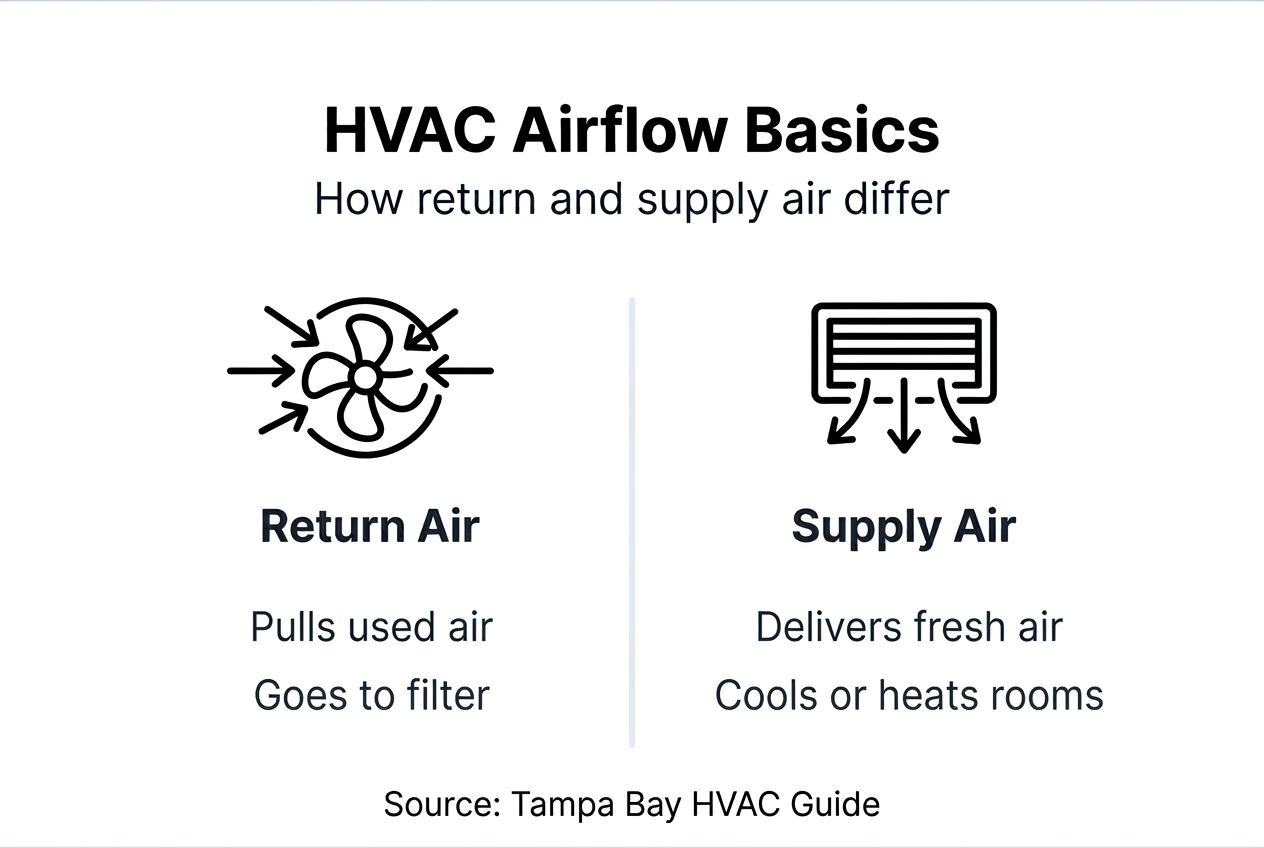
Return air passes through filters installed in plenums or ducts before reaching your HVAC unit’s blower section. Filter location varies by system design, but the principle remains the same: capture particulates before they can circulate back into living spaces or damage equipment. Some homes have filters at each return vent, while others use a single large filter at the air handler.
| Feature | Return Air Vents | Supply Air Vents |
|---|---|---|
| Primary function | Draw used air back to HVAC unit | Deliver conditioned air to rooms |
| Airflow direction | Inward toward the vent | Outward from the vent |
| Typical appearance | Large flat grilles without louvers | Smaller vents with adjustable louvers |
| Filter location | Often located at or near these vents | No filtration at these points |
| Placement strategy | Central locations for broad air collection | Distributed to condition specific spaces |
Proper ductwork and airflow balance prevents hot or cold spots by ensuring even air distribution. When return air capacity matches supply air delivery, your HVAC system maintains designed pressure relationships. This balance allows conditioned air to flow naturally into rooms, linger long enough to transfer heat or coolness, then return for reconditioning without fighting against pressure differentials.
Return air duct sizing follows specific calculations based on air handler capacity and home layout. Undersized return ducts create excessive air velocity and noise while restricting flow. Oversized returns waste space and installation cost without improving performance. Professional HVAC design accounts for these factors to optimize return air pathways during installation or renovation.
The path from return vent to air handler should be as direct as possible with minimal turns and restrictions. Each elbow, transition, or length of ductwork adds resistance that reduces airflow efficiency. Quality installations use smooth interior duct materials, proper sealing at joints, and appropriate support to prevent sagging that could restrict flow over time.
Maintaining your HVAC return air system for optimal comfort
Regular filter replacement or cleaning is the single most important return air maintenance task. Clogged filters restrict airflow, reduce indoor air quality, and force your system to work harder. Filter replacement frequency depends on filter type, home occupancy, pets, and local dust levels, but most Tampa Bay homes benefit from changes every one to three months.
Keeping return air vents and surrounding areas clear ensures unrestricted airflow. Furniture placement, window treatments, and stored items can accidentally block vents over time. Even partial blockage reduces system efficiency and can create localized comfort problems in affected rooms.
Schedule professional HVAC inspections at least annually to verify duct integrity and airflow balance. Technicians can identify return air problems invisible to homeowners, including duct leaks, improper sealing, and pressure imbalances. Early detection prevents small issues from becoming expensive repairs.
Follow these key maintenance steps to optimize return air performance:
- Identify all return air vents in your home and mark their locations
- Check monthly that furniture, curtains, or storage items don’t block vents
- Replace or clean filters according to manufacturer specifications and seasonal needs
- Vacuum return vent grilles quarterly to remove surface dust and debris
- Listen for unusual noises near return vents indicating airflow problems
- Schedule professional inspections before cooling season and heating season
- Address any signs of duct damage or disconnection immediately
Pro Tip: Set smartphone calendar reminders to replace return air filters every one to three months depending on usage and filter type for Tampa Bay’s climate, with more frequent changes during high pollen seasons or if you have pets.
Your beginner HVAC maintenance guide provides additional details on filter types and replacement procedures. Different filter ratings capture varying particle sizes, so choosing appropriate filtration for your needs balances air quality with system airflow requirements.
Watch for warning signs that indicate return air problems need professional attention. Whistling sounds near vents suggest air leaks or restrictions. Visible dust accumulation around return grilles means filters aren’t capturing particles effectively. Rooms that never reach comfortable temperatures may lack adequate return air capacity.
Consider return air upgrades if your home has been renovated or room usage has changed significantly. Adding rooms or changing floor plans can throw off original HVAC design assumptions. Additional return vents or duct modifications might be necessary to maintain proper balance and comfort. Consulting your HVAC maintenance checklist helps track when upgrades might benefit your system.
Document your maintenance activities including filter changes, professional service dates, and any problems noticed. This record helps identify patterns, ensures consistent care, and provides valuable information if system problems develop. Many homeowners discover their HVAC issues correlate with skipped maintenance when they review their records.
Enhance your HVAC knowledge and comfort with Home Therapist
Now that you understand return air’s vital role in home comfort, Home Therapist offers comprehensive resources and expert services designed specifically for Tampa Bay homeowners. Our family owned business combines certified technical expertise with genuine commitment to your satisfaction.
Explore our detailed guides covering HVAC basics for Tampa Bay homes to deepen your understanding of how heating and cooling systems work in Florida’s unique climate. When problems arise, our HVAC troubleshooting guide walks you through diagnostic steps before calling for service. For ongoing care, our beginner HVAC maintenance guide provides seasonal checklists and practical tips.
Professional inspections and repairs ensure your return air system delivers optimal comfort efficiently year round. Contact Home Therapist today for reliable service tailored to your unique needs.
FAQ
- How much return air is required?
A properly sized HVAC system needs roughly 1 square foot of return air grille area for every 400 CFM of airflow. For a typical 3-ton Tampa Bay system moving 1,200 CFM, that means at least 3 square feet of unobstructed return grille. Undersizing return air is one of the most common comfort complaints Home Therapist diagnoses in local homes.
- Can an HVAC system have too much return air?
Yes. Oversized return air pathways can pull unconditioned air from attics, crawlspaces, or wall cavities, introducing heat, humidity, and contaminants into the system. In Tampa Bay's high-humidity climate this worsens indoor moisture levels and forces the AC to work harder. A balanced return matched to your blower's rated CFM is the correct target.
- What is the return air for a 5 ton unit?
A 5-ton system moves approximately 2,000 CFM and typically requires a return air grille with at least 5 square feet of free area, often achieved with one large central return or multiple returns throughout the home. Duct sizing must also support that volume without excessive static pressure, which Home Therapist verifies with a static pressure test during every diagnostic visit.
- Are return air ducts required?
Yes. Florida requires that every forced-air HVAC system have a dedicated return air duct system sized to match the equipment. Using a closet, wall cavity, or hallway as an unlined return plenum is a code violation and a common source of efficiency loss and poor air quality in older Tampa Bay homes. Home Therapist has completed over 340 jobs in Tampa and frequently corrects improper return configurations. Call (813) 343-2212 for a FREE diagnosis.
- Do I need return air in every room?
Not necessarily. Florida Building Code requires adequate return air for proper system balance, but a single centrally located return can serve multiple open rooms. Bedrooms with closed doors typically need either a dedicated return, a transfer grille, or an undercut door of at least one inch to prevent pressure imbalance and comfort problems.
- How does a cold air return work?
A cold air return pulls warm indoor air back to your air handler, where it passes over the evaporator coil to be cooled and dehumidified before recirculating. In Tampa Bay's intense summer humidity, a properly sized return is critical because restricted airflow causes the coil to freeze and dramatically reduces dehumidification capacity.
- How far should furniture be from an air return?
Keep furniture at least 18 inches away from any return grille. Blocking a return restricts airflow across the evaporator coil, which in Tampa Bay's high-humidity summers can cause coil freeze-up, reduced cooling, and higher energy bills. Even a sofa pushed against a wall return can noticeably hurt system performance.
- Should cold air returns be high or low on the wall?
In hot, humid climates like Tampa Bay, high wall returns are generally preferred because warm, humid air rises and is more efficiently captured near the ceiling. Low returns work better in heating-dominated climates. Many local homes use both high and low returns with a seasonal damper to optimize year-round comfort.
What is the difference between return air and supply air?
Return air pulls used indoor air back to your HVAC unit for reconditioning, while supply air delivers fresh, conditioned air into your rooms. They form a continuous circulation loop that maintains balanced airflow and consistent indoor comfort throughout your home.
How often should I change my return air filters?
Return air filters should generally be changed every one to three months depending on filter type, home environment, and seasonal factors. Tampa Bay homes with pets, high occupancy, or during peak pollen seasons may need more frequent changes to maintain optimal indoor air quality and system efficiency.
Can closing return air vents lower my energy bills?
No, closing return air vents reduces airflow and forces your HVAC system to work harder, usually increasing energy costs by up to 20%. Keeping all return vents open ensures balanced airflow, proper system operation, and maximum efficiency while preventing uncomfortable temperature variations.
What signs indicate problems with return air flow?
Uneven room temperatures, unusual whistling or rushing noises from vents, higher than normal energy bills, or excessive dust buildup near return grilles can indicate return air problems. If your home never feels fully comfortable despite your system running constantly, checking return air vents and filters is a logical first troubleshooting step.
Where should return air vents be located in my home?
Return air vents are typically placed away from supply vents, often on walls or ceilings in central areas like hallways and main living spaces to efficiently draw used air. Proper placement prevents pressure imbalances, promotes consistent indoor temperature, and ensures adequate air circulation throughout your entire home.
About This Guide
Written and reviewed by the Home Therapist Cooling, Heating & Plumbing team, a family-owned Tampa Bay HVAC and plumbing company serving the area since 2011. Our licensed techs hold Florida HVAC license CAC1819196 and Plumbing license CFC1431159, with over 1,100 five-star reviews across Tampa, St. Petersburg, Clearwater, Wesley Chapel, Lutz, Riverview, Brandon, Valrico, Apollo Beach, Palm Harbor, Land O’ Lakes, Plant City, New Port Richey, and surrounding Tampa Bay zip codes.
Honest pricing:. Upfront quotes, no high-pressure sales, no surprise fees.
Questions about your home? Call (813) 343-2212 for a real tech, or request a callback. Available 7 days a week including evenings and weekends for emergencies.
Recommended
- How to Choose HVAC System for Tampa Bay Homes Easily Home Therapist Cooling, Heating, and Plumbing
- Role of HVAC in Comfort, What Tampa Homeowners Need
- Seasonal HVAC Prep: Maximizing Home Comfort in Tampa
- 7 Must-Have HVAC Upgrades 2025 for Tampa Homeowners
More Related Articles
- Cracked Horizontal Drain Pan on N Albany Ave: Air Handler Pan Replacement in Tampa, FL 33604
- What Is Ductwork? Guide to HVAC Efficiency & Air Quality
- Visit 5 AC Maintenance Uncovers a Dirty Blower Wheel on El Capistrano Dr, Tampa, FL 33634
- A $89 AC Tune-Up on Cheyenne Dr That Checked Every Box: AC Maintenance in Holiday, FL 34690
- Air Conditioner Installation Repair Tampa FL Bay FL Services Review from Bonnie Wakefield


