

8-Minute Water Heater Flush on Roseate Drive: What Micheal Found for $89 in Tampa, FL 33626
What actually happened on this visit
- Date of service: July 16, 2026
- Technician on-site: Micheal
- Service area: Roseate Drive, Tampa
- Service requested: $89 Water Heater Flush + Free Plumbing System Inspection
- Work completed: $89 Water Heater Flush + Free Plumbing System Inspection
- Time on-site: 8 minutes
- Invoice total: $89.00
On July 16, 2026, Micheal arrived at a home on Roseate Drive in Tampa, FL 33626 for an water heater flush that also included a free plumbing system inspection. The visit wrapped in 8 minutes, but what happened during those 8 minutes tells a more complete story than the price tag suggests. Micheal tested the heating elements or ignition system, inspected the anode rod, checked the TPR valve, drained the tank to clear sediment, and scanned the unit for rust, leaks, and loose connections. In Tampa’s 33626 zip code, where hard water minerals and year-round hot water demand put steady stress on residential tanks, a flush like this is less about routine box-checking and more about catching the quiet problems before they become a cold shower or a flooded utility closet.
Looking for water heater maintenance in Tampa? See our water heater maintenance in Tampa page for pricing, what is included, and same-day availability.
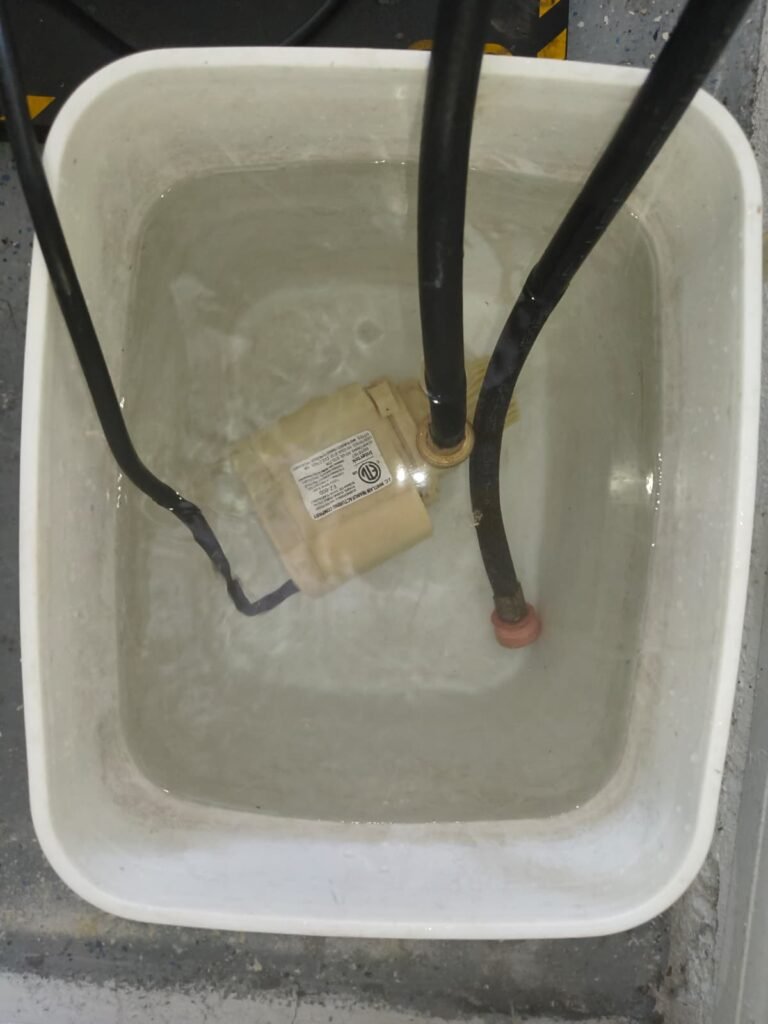
On this Roseate Drive visit in Tampa, FL 33626, Micheal handled a water heater flush that was more than a simple drain-and-go appointment. The goal was to wash sediment out of the tank, check the key safety and wear components, and give the homeowner a clear picture of the heater’s condition before small issues turned into expensive ones. This call also included a plumbing system inspection, which matters because water heater performance is often tied to the condition of the surrounding plumbing, not just the tank itself.
- Service performed: water heater flush with plumbing system inspection
- Location: Roseate Drive in Tampa, FL 33626
- Technician: Micheal
- Key items checked: heating system or ignition, anode rod, and TPR valve
- Main maintenance step: draining the tank and washing out sediment
- Additional scope: inspection for rust, leaks, and loose connections
What Micheal Actually Did During the 8-Minute Flush on Roseate Drive
A proper water heater flush is not just about opening a valve and letting water run. On this job, the service scope included testing the heating elements or ignition system depending on the heater type, inspecting the anode rod, testing the TPR valve, draining the tank, washing out sediment, and checking the unit for rust, leaks, or loose connections. Each of those steps tells us something different about the tank.
Sediment is the big reason many Tampa homeowners schedule this service. Over time, minerals settle at the bottom of the tank and create a layer between the burner or elements and the water you actually use. That buildup can reduce efficiency, shorten recovery, and make the heater work harder than it should. Flushing helps remove that material before it becomes a thicker blockage.
The TPR valve matters because it is the temperature and pressure relief valve, the safety device that allows the tank to relieve excess pressure. The anode rod matters because it is the sacrificial metal component designed to corrode first, helping protect the tank itself from internal rusting. When we inspect both during a flush visit, we are not just checking boxes. We are looking at the parts that often determine whether a water heater still has healthy service life left or is starting to age out.
The Inspection Report Is the Real Deliverable on a Tampa Water Heater Flush
This is the part many homeowners miss. The flush itself is useful, but the bigger value is the information that comes from pairing the flush with targeted inspection points. On this Tampa job, the included checks were designed to answer practical questions: Is the heater still heating the way it should? Is the tank showing early signs of rust? Are there loose connections that could become leaks? Is the anode rod still doing its job?
That is also why we do not treat every flush as routine maintenance with an automatic outcome. Sometimes a tank drains normally and the visit stays straightforward. Sometimes heavy sediment slows the process down or reveals that the unit has gone too long without service. In this case, the line item itself made that possibility clear: if a heater is too clogged and water is not flowing, extra work may be needed to remove excess sediment. That is an insider detail homeowners should know, because the condition inside the tank matters more than the label on the outside.
For this visit, the combined service came to $89 and covered the flush plus the plumbing system inspection. That price point makes sense when the goal is maintenance and condition reporting, not major repair work.
One contrarian point here is worth saying plainly. Most people think the flush is the whole service. It is not. The inspection around the flush is what helps us decide whether maintenance is still helping this heater or whether age and internal wear are starting to overtake the value of another cleaning.
Why Tampa's 33626 Homeowners Need This Flush More Than They Realize
Tampa Bay water conditions and year-round usage patterns make water heater maintenance more important than many homeowners expect. Even when a heater seems to be working fine, sediment can still be collecting at the bottom of the tank. That buildup does not always announce itself with an obvious failure. Sometimes the first clues are slower hot water recovery, popping or rumbling sounds, or higher energy use that the homeowner does not immediately connect to the tank.
On a street like Roseate Drive, the practical takeaway is simple. A flush visit gives us a chance to clean out what we can, evaluate the visible condition of the heater, and identify whether the tank still looks like a good candidate for continued maintenance. It also gives the homeowner a report on the state of the water heater, which is more useful than guessing based on whether hot water is still coming out of the tap.
Another detail that matters on jobs like this is that maintenance can expose pre-existing weaknesses in older equipment. That does not mean flushing is bad. It means neglected tanks sometimes have hidden rust or internal wear that only becomes obvious when the system is finally serviced. Honest plumbing service means saying that clearly instead of pretending every tank responds the same way.
What to Know Before You Schedule a Water Heater Flush in Tampa
Water heater flush service works best when it is treated as preventive care, not as a last resort after years of buildup. Here are a few practical tips we share with Tampa homeowners:
- If your hot water seems slower to recover than it used to, sediment is one possible cause even if the heater has not fully failed.
- Ask for the TPR valve and anode rod to be evaluated during the visit. Those two items tell you a lot about tank safety and internal wear.
- Do not assume a tank is healthy just because it is still producing hot water. Rust, loose connections, and internal buildup often develop gradually.
- If a heater has gone a long time without maintenance, be prepared for the possibility that heavy clogging can make a flush more involved.
- Keep an eye on the area around the tank after any maintenance visit. A clean visual check for seepage or corrosion can catch changes early.
The One Detail That Makes an 8-Minute Flush Worth More Than It Sounds
Eight minutes sounds fast, and it is. But speed on a job like this is not a shortcut. It is the result of knowing exactly what to look at and in what order. When Micheal arrived on Roseate Drive, the service was structured to move efficiently through five distinct checks before the drain valve ever opened.
Here is what that structure actually catches:
- Heating element or ignition test: A unit that is already struggling to heat efficiently will show signs here. If replacement is coming, better to know during a flush than during a breakdown on a July night in Tampa when temperatures don’t drop below 80.
- Anode rod inspection: This is the component most homeowners have never seen. It is a magnesium or aluminum rod that corrodes sacrificially to protect the tank lining. Once it is depleted, the tank itself starts to rust from the inside out. Tampa’s water chemistry accelerates that process.
- TPR valve test: This is the pressure relief safety valve. A failed TPR valve on a water heater is not a minor inconvenience. It is a code issue and a safety issue. Testing it costs nothing extra here.
The invoice on this job covered all of that. If sediment had been too heavy for a standard drain, an additional charge would have applied, but that was not the case on this visit. For homeowners considering a new unit down the road, we install Rheem water heaters and can walk through options during any service call. Call us at (813) 343-2212 for a free estimate.
Questions Homeowners Ask After a Roseate Drive-Style Flush Visit
How can a water heater flush really be done in 8 minutes?
When the tank has been reasonably maintained and sediment is not severely compacted, the drain and flush process moves quickly. Micheal completed this Roseate Drive visit in 8 minutes because the five inspection points are systematic and the flush itself did not require extended clearing. Heavily neglected tanks can take significantly longer, and in extreme cases an extra sediment removal step is necessary.
What happens if the flush reveals a bigger problem with my water heater?
After the flush, you receive a condition report covering every item we inspected. If the anode rod is depleted, the TPR valve is failing, or there is internal rust, we will tell you exactly what we found and what your options are. Some issues are a simple repair. Others mean the tank is nearing end of life. Either way, you leave the visit with real information rather than guesswork. If a replacement makes sense, we install Rheem water heaters and can provide a free estimate on the same call.
Does the free plumbing inspection included with this service cover the whole house?
The plumbing inspection paired with this flush is focused on the water heater’s surrounding system, the supply lines, shutoff valves, connections, and visible piping near the unit. It is not a whole-house plumbing audit, but it frequently catches issues that affect water heater performance directly, such as a corroded supply line or a shutoff valve that no longer fully closes. If we spot something elsewhere, we will flag it for you.
What does a water heater flush actually remove?
A water heater flush is meant to remove sediment that settles at the bottom of the tank over time. That sediment is usually made up of mineral deposits and debris from the water supply. When too much collects, it can act like insulation between the heat source and the water, which makes the heater less efficient and can affect recovery time. Flushing helps clear out that buildup before it gets worse.
Why inspect the anode rod during a flush?
The anode rod is one of the most important parts in a tank-style water heater because it is designed to corrode before the inside of the tank does. In simple terms, it sacrifices itself to help protect the tank from rust. During a flush visit, checking the anode rod helps us understand whether the water heater still has internal protection working in its favor or whether that defense is wearing down.
What is the TPR valve, and why test it?
The TPR valve is the temperature and pressure relief valve. It is a built-in safety device that opens if pressure or temperature rises too high inside the tank. Testing it during a maintenance visit helps confirm that the valve is not stuck and can still do its job if needed. It is one of those components homeowners rarely think about, but it plays a major role in safe water heater operation.
Can a flush reveal hidden problems in an older tank?
Yes, and that is an honest part of this kind of service. Some older or poorly maintained tanks have internal rust, scale buildup, or weak spots that are not visible from the outside. Once the heater is drained and serviced, those pre-existing issues may become more obvious. That does not mean the flush caused the problem. It means the maintenance process exposed a condition that was already there.
Is a water heater flush worth it if the heater still seems to work fine?
In many cases, yes. Water heaters often keep producing hot water even while sediment is building up and wear is progressing inside the tank. A flush and inspection visit gives you a better picture of the heater’s actual condition instead of relying only on whether hot water is still available. For Tampa homeowners, that kind of maintenance can help catch efficiency and wear issues before they turn into a no-hot-water day.
Why Tampa Homeowners on Roseate Drive and Beyond Call Home Therapist First
Home Therapist provides plumbing and HVAC service across Tampa Bay with a focus on clear communication and real diagnostics. We have served local homeowners since 2017, we hold Florida HVAC license CAC1819196 and plumbing license CFC1431159, and we have earned 1,100-plus five-star reviews by staying honest about what we find. On maintenance visits like this one, that matters. We do not treat every water heater the same, and we do not push a one-size-fits-all answer. We explain what the service includes, what the condition checks mean, and what we would watch next based on the actual equipment in front of us.
Book Your Water Heater Flush in Tampa, FL 33626 Today
If your tank has not been serviced in a while, or if you want a better read on its condition before a problem shows up, Home Therapist can help. We provide water heater flush service in Tampa, FL 33626 and throughout the surrounding area, with FREE estimates and FREE diagnosis on every service call. Call us at (813) 343-2212 to schedule service and get a clear, practical assessment from our team.
For broader context on this kind of work, see ENERGY STAR heating and cooling guidance.
More Water Heater (Tank) Articles
- Why Micheal Skipped the Flush on a 23-Year-Old Water Heater: Plumbing Visit in Tampa, FL 33609
- 28-Gallon Short Rheem Install on Seville Blvd: Water Heater Installation in Clearwater, FL 33764
- 51-Minute Water Heater Flush Cleared the Sulfur Smell on Scuba Crest St: Wimauma, FL 33598
- A $1,593.90 Rheem Install Quote That Started With New Carpet: Water Heater Installation in Tampa, FL 33635
- Water Heater Installation New Port Richey FL: When the Tank and Shower Both Fail on Shallow Creek Court, FL 34653


