

Why a Vertical 2 Ton AC Install Made Sense for This Hudson Home
A vertical 2 ton AC installation can be the right choice when a Hudson, FL 34667 home needs a compact air handler layout, updated efficiency, and built-in drain protection. This AC installation used a Daikin system with R32 refrigerant, 5 kW supplemental heat, and a float-switch-protected secondary drain setup to match the space and the climate.
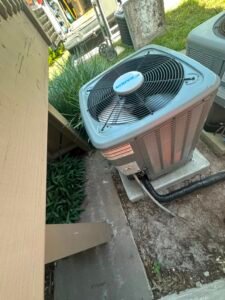
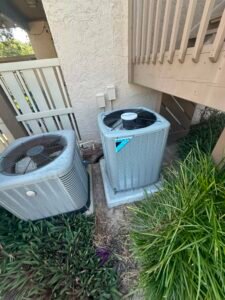
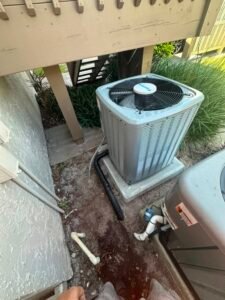
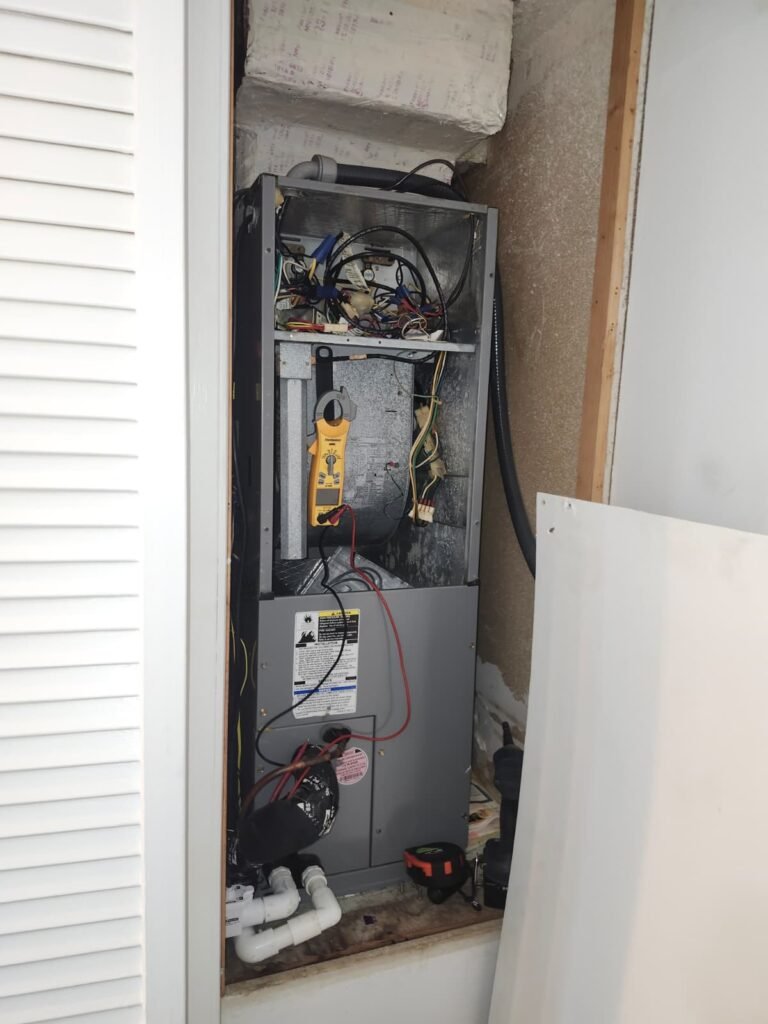
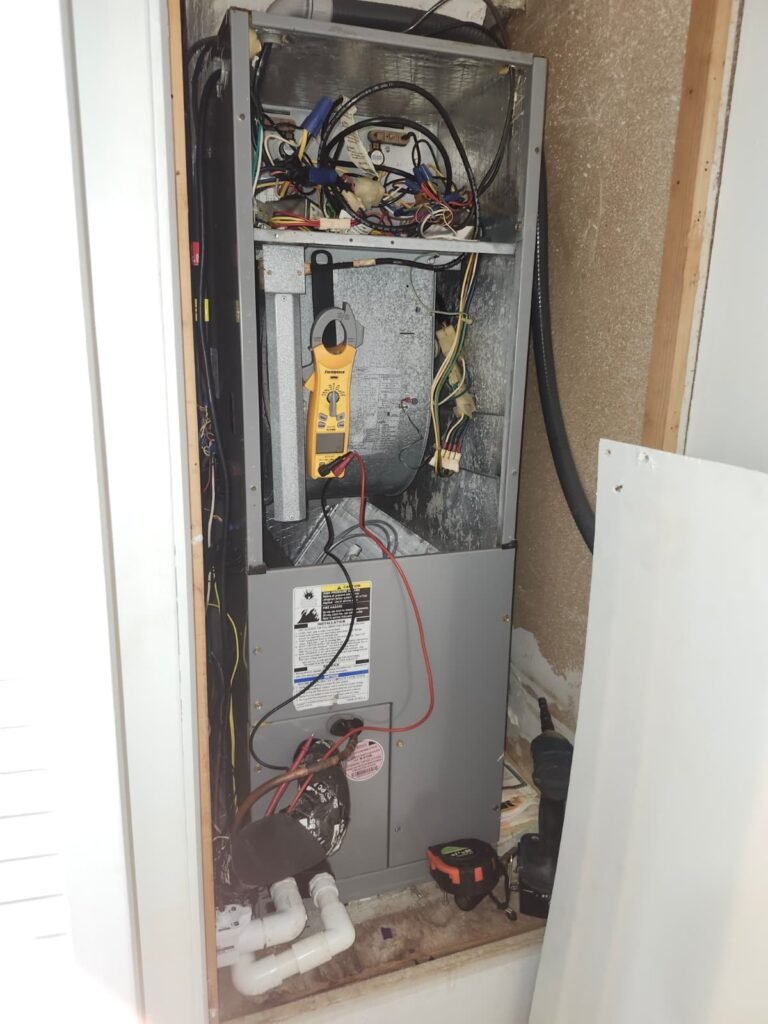
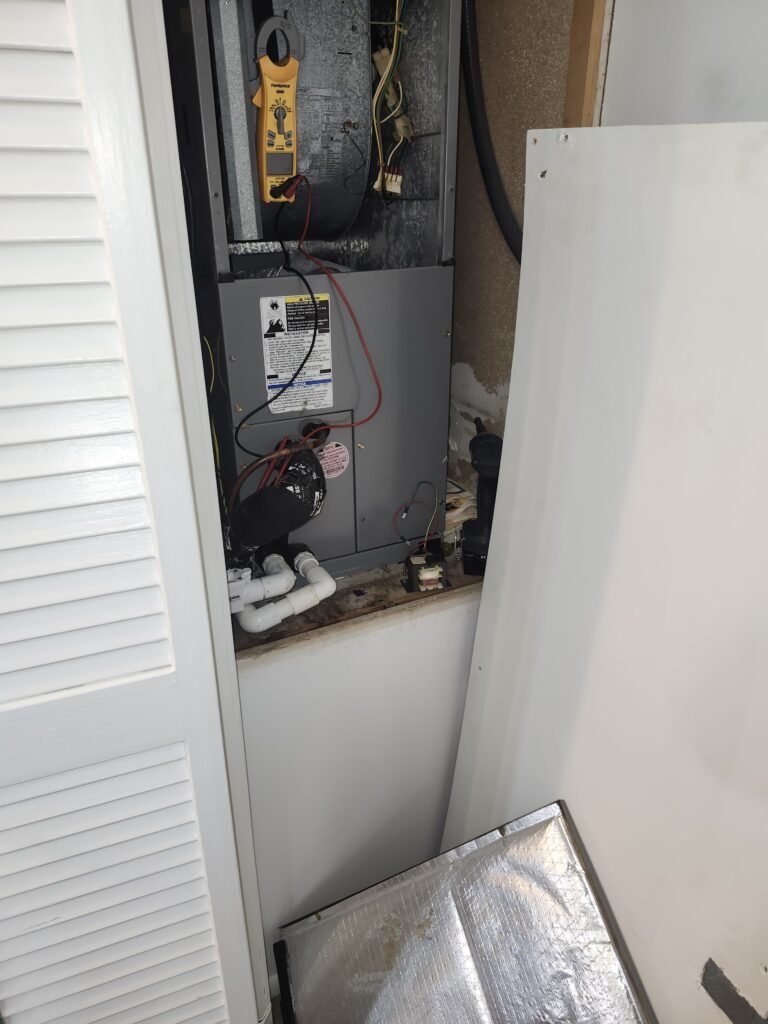
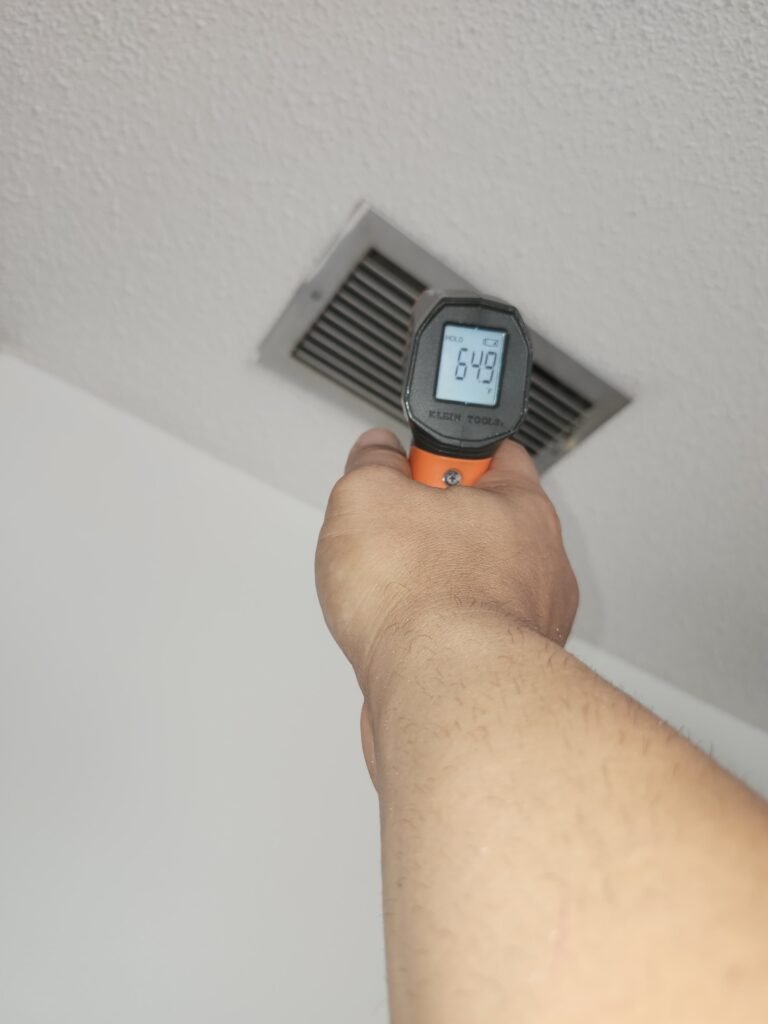
The key detail on this Wedgewood Way job was not just the equipment size. It was the vertical configuration and the installation package around it. Richard handled this AC installation in Hudson, and the scope included a 2 ton system, 5 kW heat, a programmable thermostat, a concrete pad with tie-downs, UV-protected copper insulation, locking valve caps, and a secondary drain pan with float switch protection. The outdoor condenser sat on a new pad, and part of the installation required working through a tighter placement area near the home. That combination tells homeowners a lot about how a system should be matched to real conditions, not just a brochure.
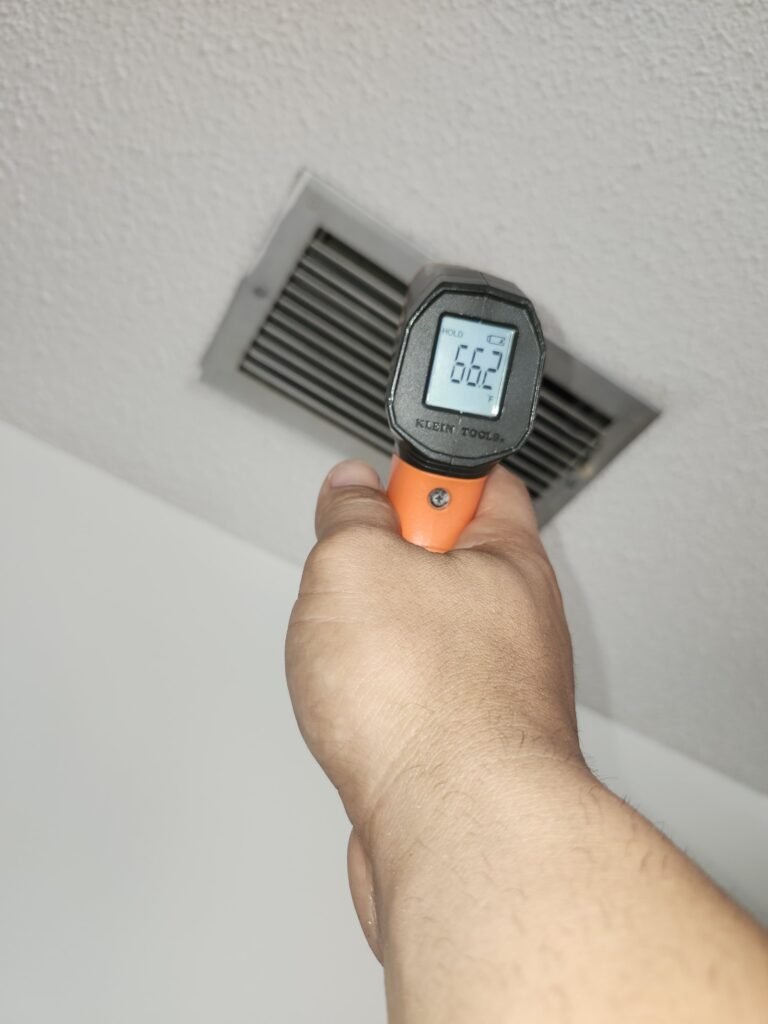
- Service performed: AC installation
- Neighborhood or street: Wedgewood Way
- Technician: Richard
- What was done: Installed a vertical 2 ton system with 5 kW heat and drain protection
- Parts replaced: Full system installation with thermostat, pad, tie-downs, and accessories
AC installation in Hudson often depends as much on layout as on tonnage.
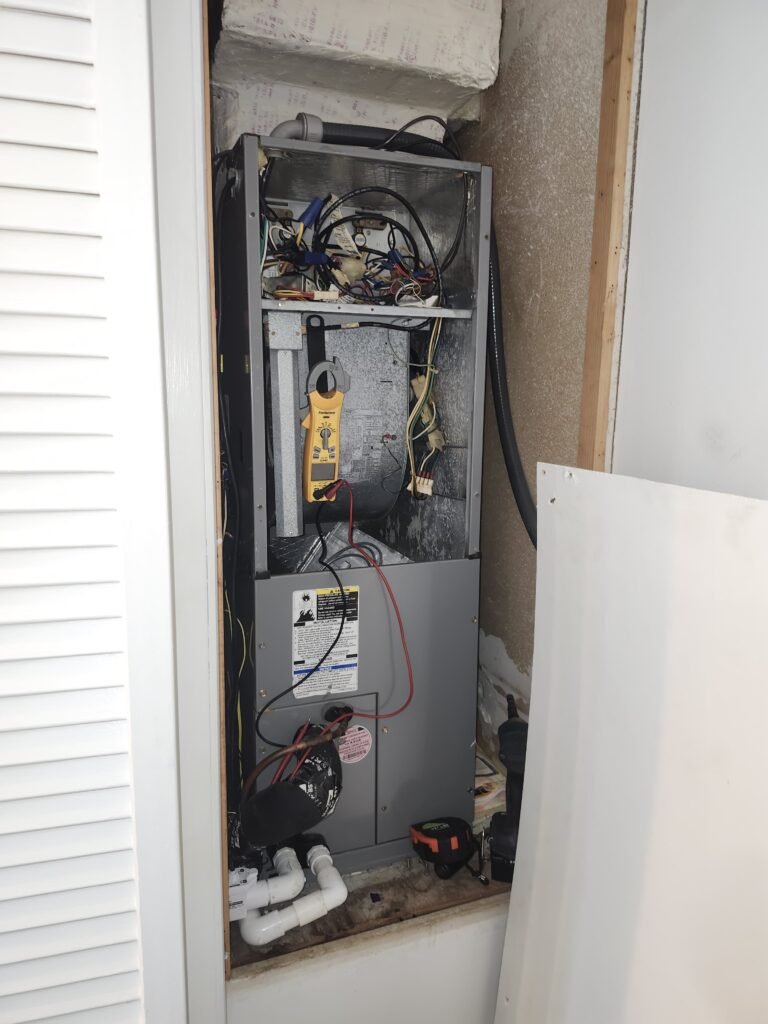
On this job, the vertical air handler setup was one of the most important decisions. Homeowners often focus first on the 2 ton rating, but the cabinet orientation matters just as much when the indoor unit has to fit the available closet or utility space cleanly and still leave room for safe wiring, drainage, and service access. In this Wedgewood Way home, the vertical arrangement made the installation practical without turning it into a cramped, hard-to-maintain setup.
That is the insider point many people miss. A system can look right on paper and still be awkward in the house if the install ignores orientation, drain routing, or access around the unit. For homeowners comparing options, the smarter question is not only, “How many tons do I need?” It is also, “Will the actual cabinet and accessory layout work in my home?” That is where real service area experience in Tampa Bay homes matters.
This 2 ton AC installation included details that matter in Florida heat and storms.
The equipment package on this Hudson job included several pieces that directly affect long-term performance. The system uses R32 refrigerant, which is part of the current shift toward newer refrigerants. It also includes 14.5 SEER2 efficiency, with the front return models noted at 15 SEER2, plus 5 kW supplemental heat for cooler weather. Those are not decorative specs. They shape operating cost, comfort, and how the system handles year-round use.
The installation materials matter just as much. This job included a durable concrete pad and tie-down kit rated up to 150 mph, which is a practical Florida detail, not a sales extra. It also included UV-protected copper insulation, locking condenser valve caps, air handler heat shields, and a programmable thermostat. The U.S. Department of Energy explains why efficiency and proper system setup both affect real-world cooling performance, and this job is a good example of that principle in practice.
Another important protective detail was the secondary drain pan with float switch. In humid Florida conditions, condensate management is not optional. That float switch is designed to help stop operation before an overflow turns into ceiling or closet damage. On an install, accessories like that often tell you more about the quality of the job than the brand badge alone.
The installation scope on this Wedgewood Way home was broader than just setting equipment.
This visit was a full installation, not a simple equipment swap. The scope included a complete system flush and sanitation of the copper lines and drain line, along with the thermostat and safety accessories already noted. That matters because a clean line set and drain path help the new system start life without contamination or leftover debris from older equipment.
The combined installation invoice came to $7,881. Because this was an install job with equipment, materials, and multiple included accessories, that total reflects the full project scope rather than one isolated part or one hour of labor.
There is also a warranty story here that homeowners should pay attention to. This system came with a 12-year manufacturer parts warranty, a 6-year unit replacement warranty on select systems, and a 1-year labor warranty from Home Therapist. Those terms are useful because they show the install was structured as a complete package, not just a box of equipment dropped into place. For sizing and design standards that inform jobs like this, the industry relies on ACCA technical manuals rather than guesswork.
The tighter outdoor placement on this Hudson install made workmanship more important.
One of the real-world details from this job was the outdoor condenser placement near a tighter exterior area. Installing around limited clearance takes more care than an open slab in the middle of a yard. The pad has to be stable, the tie-downs have to be set correctly, and the line routing and service access still need to make sense after the crew leaves.
That is another reason generic replacement talk misses the point. A good AC installation is not just about matching tonnage and efficiency. It is about leaving the next technician enough room to inspect, clean, test, and maintain the equipment without fighting the house every time. In coastal and near-coastal Florida communities like Hudson, those practical installation choices can affect how well the system holds up over time.
Homeowners researching odd phrases like “2 inch submersible pump with float switch” or “2 inch submersible pump with float switch Hudson” are usually trying to solve a protection or drainage question. On this job, the closest relevant HVAC parallel was the secondary drain pan float switch. It serves a safety role in the AC system by helping prevent water damage if condensate drainage backs up.
Pro tips for Hudson homeowners planning a vertical AC installation
Vertical AC systems work well in many Florida homes, but the surrounding details decide whether the install stays trouble-free.
- Ask about cabinet orientation early. Vertical versus horizontal is not cosmetic. It affects fit, drain routing, and future service access.
- Do not judge the install by condenser size alone. The thermostat, drain pan, float switch, pad, tie-downs, and insulation all affect long-term reliability.
- In storm-prone areas, ask what wind-rated securing method is included. Tie-downs and pad quality matter in ways homeowners do not always see on day one.
- Pay attention to drain protection. In a humid climate, a secondary pan and float switch can prevent a much larger repair later.
- Ask whether the line set and drain line will be flushed and sanitized during the installation. Starting clean helps the new system perform the way it should.
Questions homeowners ask after a vertical AC installation like this one
Why would a vertical air handler be chosen instead of another configuration?
A vertical air handler is usually chosen because it fits the available indoor space and allows better drain and service layout. On this Hudson job, the vertical setup made sense for the home’s interior arrangement and helped keep the installation practical. The right orientation can make future maintenance easier and reduce the chance of awkward drain or wiring runs.
Does a new AC system really need a float switch?
Yes, a float switch is a smart protection device on many Florida AC systems. This installation included a secondary drain pan with float switch protection because condensate management matters in our humid climate. If the primary drainage path ever backs up, the float switch can help stop operation before water spills into the surrounding area.
What does 14.5 SEER2 mean on an AC installation?
14.5 SEER2 is an efficiency rating that helps indicate how much cooling output a system delivers relative to the energy it uses. On this job, that rating was part of the homeowner’s upgrade to a more current standard. Higher efficiency does not work by itself, though. Proper installation, airflow, controls, and drain setup all influence the comfort the homeowner actually feels.
Why does a new condenser need a concrete pad and tie-down kit?
A concrete pad and tie-down kit help keep the outdoor unit stable and better secured in Florida weather. This Hudson installation included tie-down protection rated up to 150 mph, which is a meaningful local detail. The pad supports level operation, and secure mounting helps the system stay where it belongs during severe weather and heavy seasonal use.
Is R32 refrigerant something homeowners should care about?
Yes, R32 matters because it is part of the system’s overall design and current refrigerant direction. On this installation, the system used R32 as part of a newer equipment package. Most homeowners do not need to know the chemistry, but they should know that refrigerant type affects compatibility, service procedures, and the long-term path for the equipment they are installing.
Schedule AC installation in Hudson, FL 34667
Home Therapist handles AC installation work across Hudson and the greater Tampa Bay area with a focus on clear scope, solid workmanship, and practical system decisions that fit the home. We have served local homeowners since 2017, and our team brings the backing of more than 1,300 five-star reviews along with Florida licensing for HVAC and plumbing under CAC1819196 and CFC1431159. If you want a system installed with attention to layout, drainage, storm protection, and long-term serviceability, that is the standard we aim for on every job.
For homeowners in Hudson, FL 34667 who are comparing system options or planning a replacement, Home Therapist offers FREE estimates and FREE diagnosis on every service call. You can read our customer reviews, verify Florida licensing through the Florida DBPR, or call us directly at (813) 343-2212 to schedule service. Whether the project is on Wedgewood Way or elsewhere in our Hudson service area, we are here to help with straightforward recommendations and professional installation.


