

51-Minute Water Heater Flush Cleared the Sulfur Smell on Scuba Crest St: Wimauma, FL 33598
What actually happened on this visit
- Date of service: July 16, 2026
- Technician on-site: Alejandro
- Service area: Scuba Crest St, Wimauma
- Service requested: Plumbing – Free Diagnosis
- Work completed: Plumbing – Free Diagnosis · Plumbing Services -Water Heater Flush
- Time on-site: 51 minutes
- Invoice total: $249.00
On July 16, 2026, Alejandro arrived at a home on Scuba Crest St in Wimauma, FL 33598 after a new homeowner flagged a sulfur-like odor coming specifically from the hot water side. That detail, hot side only, pointed us straight at the tank before we touched anything else. In 51 minutes, Alejandro completed a full plumbing free diagnosis, drained the tank, flushed out accumulated sediment, inspected the anode rod, tested the TPR valve, and checked the heating elements and connections for any sign of rust or leaks. The invoice came to $249.00. This is exactly the kind of maintenance call that gets skipped during a home sale and ends up being the first thing a new owner has to deal with, and a flush is almost always the right place to start before any replacement conversation happens.
Looking for water heater maintenance in Wimauma? See our water heater maintenance in Wimauma page for pricing, what is included, and same-day availability.
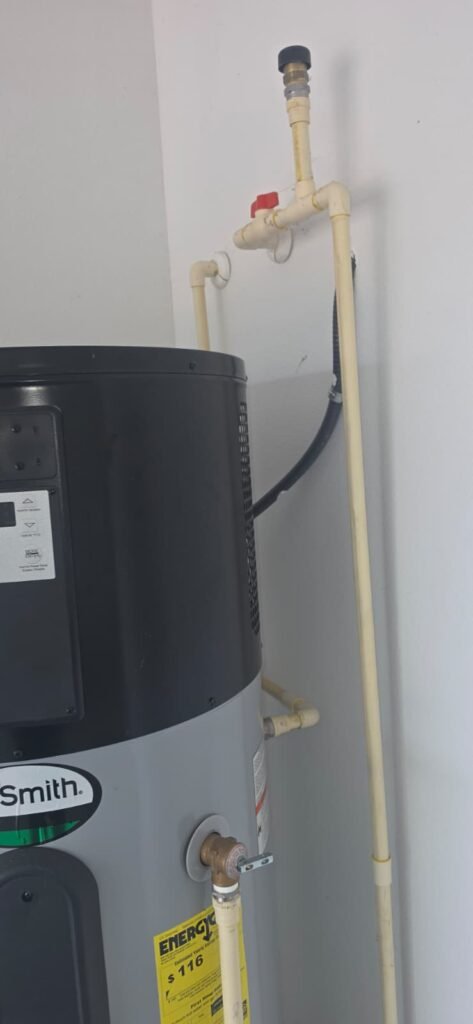
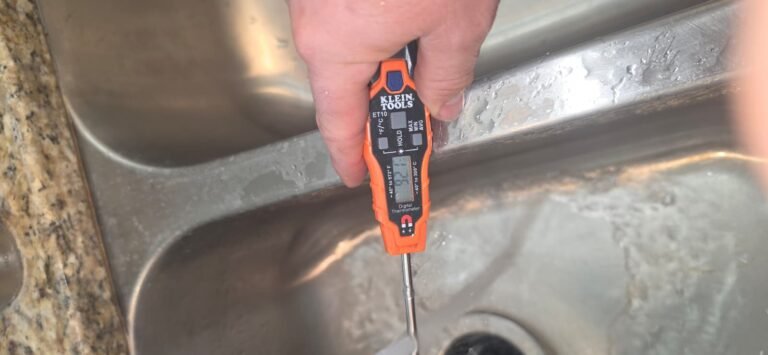
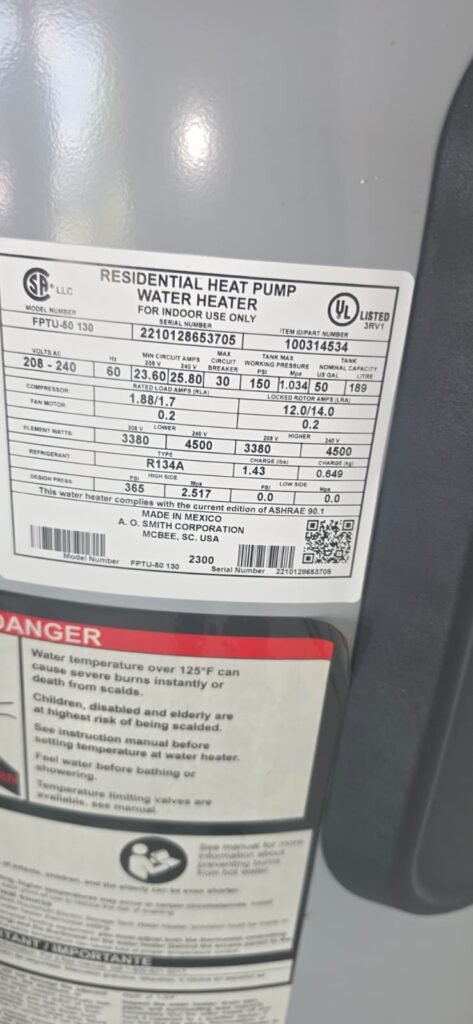
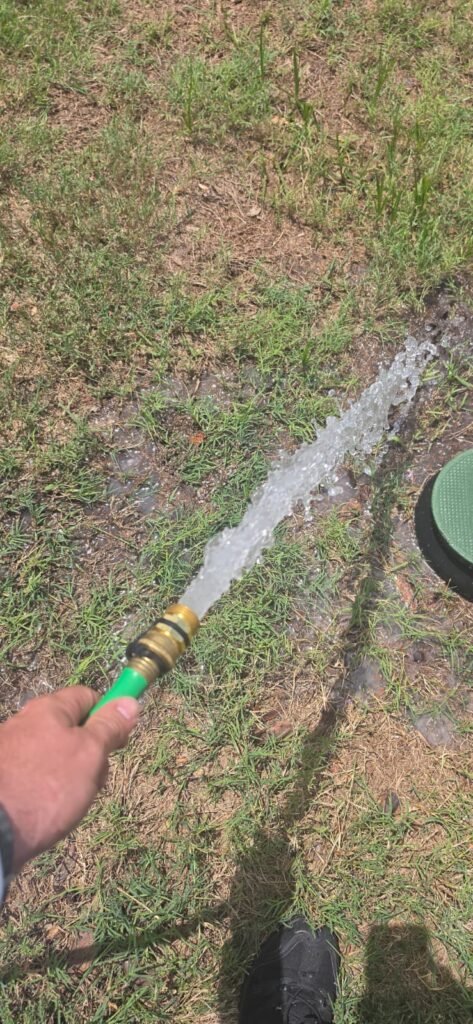
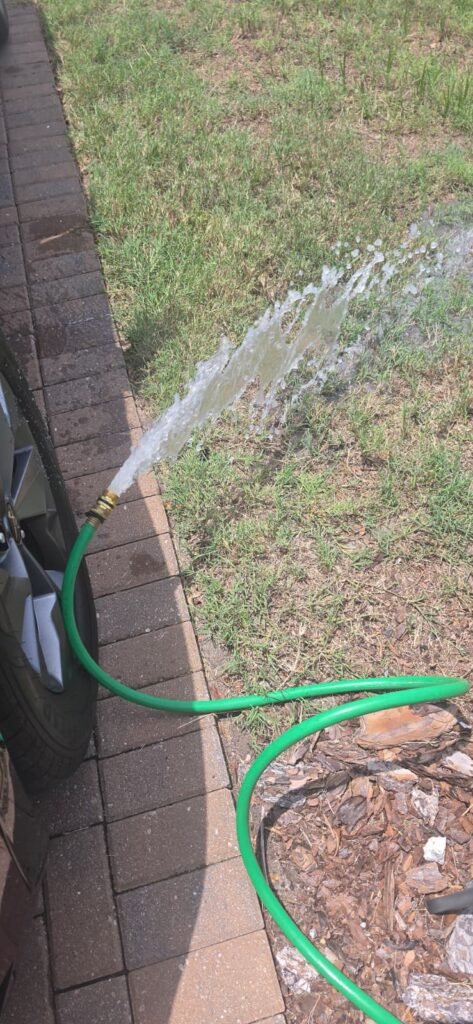
Smelly hot water was the real issue on this Scuba Crest Street call in Wimauma, FL 33598, not a lack of hot water. Alejandro met with the homeowner after they had just purchased the house and noticed an odor similar to sulfur or rotten eggs coming from the hot water side. Based on the visit scope, we performed a plumbing free diagnosis first, then completed a water heater flush and inspection to address likely sediment buildup inside the tank. This kind of call is common in tank-style systems that have gone a long time without maintenance, especially when a new owner is learning the condition of the home they just bought.
- Service performed: plumbing free diagnosis and water heater flush
- Location: Scuba Crest Street in Wimauma, FL 33598
- Technician: Alejandro
- Main concern: hot water odor similar to sulfur or rotten eggs
- Key work completed: drained the tank, washed out sediment, and inspected core safety and operating components
- Homeowner situation: the family had just purchased the house the day before the visit
Why the Sulfur Smell on This Scuba Crest St Call Pointed Alejandro Straight to the Tank
The first useful clue was the homeowner’s description. They had just bought the property and noticed that the hot water had a strong unpleasant smell. When a complaint is tied specifically to hot water, the water heater becomes the first place to investigate. That does not automatically mean the tank is failing, but it does mean the tank needs to be checked before anyone starts assuming the problem is in the whole plumbing system.
On this visit, our scope centered on the tank water heater itself. We inspected the unit and moved forward with the flush because sediment buildup is one of the most common maintenance issues inside a storage tank. Sediment settles at the bottom over time. Once it builds up, the heater has to work through that layer to warm the water. That can affect efficiency, create noise, and in some cases contribute to water quality complaints.
A lot of homeowners hear “smelly hot water” and assume they need a replacement right away. That is not always true. One of the more useful insider points on calls like this is that maintenance often deserves to happen before replacement conversations do. If the complaint lines up with a neglected tank and there is no clear evidence yet of a leak or structural failure, a flush is a practical first step.
How the Sediment Flush on This Wimauma Water Heater Actually Fixed the Efficiency and Odor Problem
A tank flush is simple in concept, but it matters because it removes material the heater should not be heating through every day. On this job, the included scope covered testing the heating elements or ignition system as applicable, inspecting the anode rod, testing the TPR valve, draining the tank, washing out sediment, and checking for rust, leaks, or loose connections. Each of those steps tells us something different about the condition of the unit.
For example, the TPR valve is a safety device that relieves excess temperature or pressure. We test it because a water heater is not just an appliance, it is also a pressurized vessel. The anode rod matters because it is designed to corrode first, helping protect the tank itself. Sediment removal matters because the material sitting at the bottom acts like a barrier between the heat source and the water. That barrier wastes energy and puts unnecessary strain on the system.
This visit covered two line items, the free diagnosis and the flush service itself, so the total was a bundled invoice rather than a single isolated task price. The combined invoice for the visit came to $249.
One detail many homeowners miss is that flushing a neglected tank is not cosmetic maintenance. It is diagnostic maintenance. Once the sediment is removed, we get a clearer picture of how the heater is really doing. If there are hidden issues such as rust, weakened fittings, or age-related wear, they become easier to identify after the tank has been serviced and inspected properly.
Why Unknown Maintenance History on a Just-Purchased Wimauma Home Made the Full Inspection Non-Negotiable
The homeowner had just purchased the home the day before the appointment. That changes how we think about a service call. When someone has lived with a water heater for years, they often know whether a smell is new, whether the heater has been flushed before, or whether performance has gradually changed. In a just-purchased home, that history is usually missing.
That is why this kind of first-visit maintenance can be valuable in Wimauma. Instead of waiting for a bigger issue, the homeowner chose to establish a baseline right away. We were able to inspect the tank, complete the flush, and give them a better understanding of the water heater’s condition. That is a smart move after a home purchase, especially when the first sign is an obvious water quality complaint from the hot side.
There was also a practical scheduling note on this call. The homeowner requested a firm arrival window and wanted advance notice before we arrived. That may sound minor, but it is part of doing the job professionally. Clear communication matters just as much as the mechanical work, especially when a family is coordinating access and settling into a new house.
What Wimauma Homeowners With Tank Water Heaters Should Know Before the Smell Starts
Tank water heaters in Florida deal with year-round use, mineral content, and long periods of unnoticed buildup. A few habits can make a big difference:
- If a bad smell shows up only on the hot water side, start by having the water heater inspected before assuming the whole home’s water supply is the problem.
- Schedule periodic flushing on tank-style heaters. Sediment does not usually announce itself until efficiency drops or water quality changes.
- Pay attention after buying a home. A water heater may look fine from the outside while still carrying years of neglected buildup inside.
- Ask for the anode rod and TPR valve to be checked during maintenance. Those two items tell you a lot about tank condition and safety.
- If hot water takes on a new odor, do not ignore it for months. Early maintenance is usually easier than dealing with a heavily neglected tank later.
Questions Wimauma Homeowners Ask About Water Heater Flushes Before and After the Visit
Can sediment buildup really cause a water heater to perform worse?
Yes. Sediment settles at the bottom of the tank and creates a layer between the heating source and the water. That forces the unit to work harder to do the same job. Over time, that can reduce efficiency, add wear, and make the system less predictable. On a maintenance call like this one, flushing the tank removes that layer and helps restore more normal operation.
Does a rotten egg smell always mean the water heater needs to be replaced?
No. A bad odor from the hot water side does not automatically mean the tank is done. It does mean the heater should be inspected. In many cases, maintenance is the right first move because it addresses buildup and helps reveal whether the issue is related to neglect, component condition, or something larger. Replacement should be based on findings, not on the smell alone.
Why inspect the anode rod and TPR valve during a flush?
Those checks help us understand both protection and safety. The anode rod is there to sacrifice itself before the tank does, so its condition gives clues about internal wear. The TPR valve is a safety control that releases excess heat or pressure if needed. A flush is the right time to inspect both because the tank is already being serviced and evaluated as a whole system.
Is a water heater flush a good idea right after buying a house?
Often, yes. A recent home purchase usually comes with missing maintenance history. If the new owner notices odor, slow recovery, or signs the heater has been neglected, a flush and inspection can establish a baseline. That was part of the value on this Wimauma visit. The homeowner did not have years of background on the unit, so maintenance helped us start with facts instead of assumptions.
What if the tank is heavily clogged?
That can happen on older or poorly maintained units. In severe cases, heavy sediment can restrict flow during the flush process and make cleanup more involved. The important thing is being honest about that possibility before the work begins. We explain the condition we see, complete the service within the agreed scope, and let the homeowner know if the tank’s existing condition points to additional work.
Why does my hot water smell like sulfur and what does a flush do about it?
The sulfur or rotten egg smell in hot water usually comes from sulfate-reducing bacteria interacting with a depleted anode rod or with sediment sitting at the bottom of the tank. Flushing the tank removes that sediment layer and gives us a chance to inspect the anode rod. In many cases, like this Wimauma visit on Scuba Crest St, the flush addresses both the efficiency issue and the odor complaint in a single appointment. Call us at (813) 343-2212 and we include a free diagnosis with every visit.
How much does a water heater flush cost in Wimauma, FL 33598?
On this specific Scuba Crest St job on July 16, 2026, the total invoice was $249.00, which covered the free plumbing diagnosis plus the full water heater flush and inspection. That included checking the anode rod, TPR valve, heating elements, and draining the sediment from the tank. Every Home Therapist service call includes a free diagnosis so you know what you are dealing with before any work is authorized. Call (813) 343-2212 to schedule.
Should a new homeowner flush the water heater right after buying a house in Wimauma?
Yes, and this Wimauma call is a good example of why. When you buy a home, the water heater’s maintenance history is almost never documented. Sediment builds up silently over years, reducing efficiency and stressing the heating elements. A flush and inspection shortly after closing gives you a clear picture of what you are working with, and it costs far less than an emergency replacement. We offer free diagnosis on every call, so there is no guesswork on the front end. Reach us at (813) 343-2212.
Why Wimauma Homeowners Call Home Therapist for Water Heater Flush and Inspection Service
Home Therapist handles plumbing and HVAC work across Tampa Bay with a straightforward approach. We are licensed in Florida for HVAC under CAC1819196 and for plumbing under CFC1431159. Since opening in 2017, we have built our reputation on clear communication, careful diagnostics, and real follow-through, which is why we have earned 1,100-plus five-star reviews. On service calls like this one, we focus on what the equipment is actually doing, what maintenance makes sense now, and what the homeowner should keep an eye on next. Home Therapist also offers FREE estimates and FREE diagnosis, so families in Wimauma can get answers before committing to larger work.
What Alejandro Actually Checked During Those 51 Minutes on Scuba Crest St
A water heater flush is not just opening the drain valve and calling it done. On this Wimauma visit, Alejandro worked through every component that contributes to the tank’s long-term reliability, not just the sediment complaint.
- Anode rod inspection: The anode rod is a sacrificial magnesium or aluminum rod that corrodes so the steel tank walls do not. In Florida’s water, especially in areas like Wimauma where water hardness can accelerate rod depletion, an ignored anode rod is one of the fastest ways to shorten a tank’s life. Alejandro checked its condition and flagged replacement if needed.
- TPR valve test: The temperature and pressure relief valve is a safety device. If it fails to open under excess pressure, the tank can become a serious hazard. This is a 30-second check that most homeowners never think about.
- Heating element and ignition check: Sediment buildup does not just affect water quality. It insulates the bottom of the tank, forcing the lower heating element to run longer and hotter to compensate. That shortens element life.
- Rust, leaks, and connection inspection: A tank that has not been maintained in years can develop slow corrosion around fittings. Catching that during a flush visit costs nothing extra. Missing it can mean a flooded utility closet.
If this tank had reached the end of its usable life, we would have recommended a Rheem replacement, which is what we install for water heater jobs. But the goal of a flush visit is always to give the existing unit a fair evaluation first. That is what happened here, and the $249.00 total covered the full scope.
Book a Water Heater Flush in Wimauma, FL 33598 and Get a Free Diagnosis Included
If your hot water smells off, your tank has not been serviced in years, or you just bought a home and want a clearer picture of the water heater’s condition, we can help. Home Therapist provides water heater flush service in Wimauma, FL 33598 and throughout the Tampa Bay area. Call us at (813) 343-2212 to schedule service. We offer FREE estimates and FREE diagnosis, and we will walk you through what we find in plain English so you can make the right decision for your home.
For broader context on this kind of work, see ENERGY STAR heating and cooling guidance.
More Water Heater (Tank) Articles
- 8-Minute Water Heater Flush on Roseate Drive: What Micheal Found for $89 in Tampa, FL 33626
- Why Micheal Skipped the Flush on a 23-Year-Old Water Heater: Plumbing Visit in Tampa, FL 33609
- A $1,593.90 Rheem Install Quote That Started With New Carpet: Water Heater Installation in Tampa, FL 33635
- Labor-Only Water Heater Install on Marsh Glen Ct: $749 Water Heater Installation in Zephyrhills, FL 33541
- Water Heater Installation New Port Richey FL: When the Tank and Shower Both Fail on Shallow Creek Court, FL 34653


