

Why Reversing the Air Handler Layout Mattered for AC Installation Tampa
A reversed horizontal air handler layout can complicate AC installation in Tampa, FL 33605 because the return connection may have to be removed and rebuilt before the new system can be set correctly. In this East 15th Avenue job, the solution was a new Goodman system installed with the return adjusted back into place, plus updated drainage, controls, and storm-ready outdoor protection.
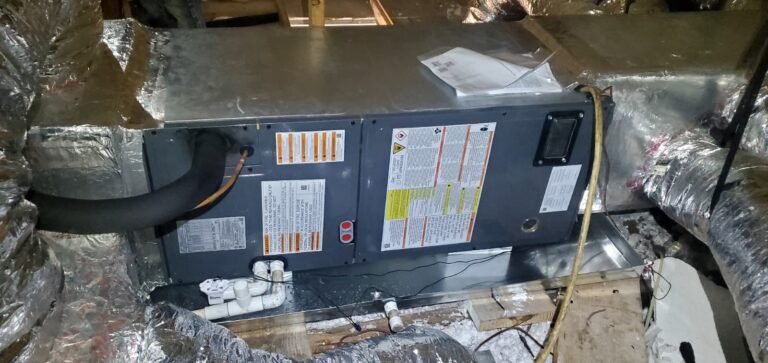
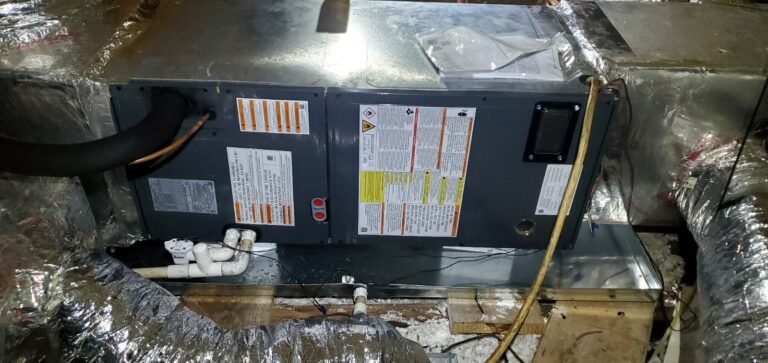
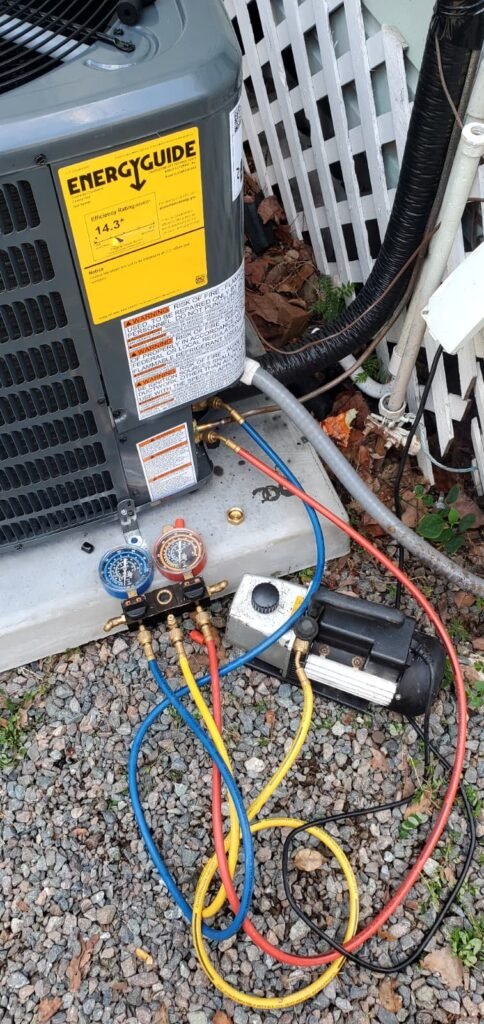
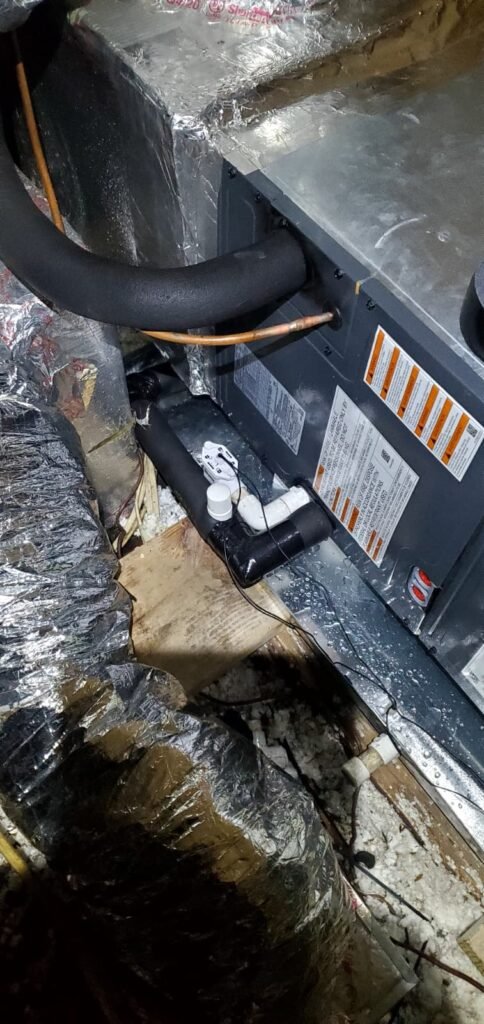
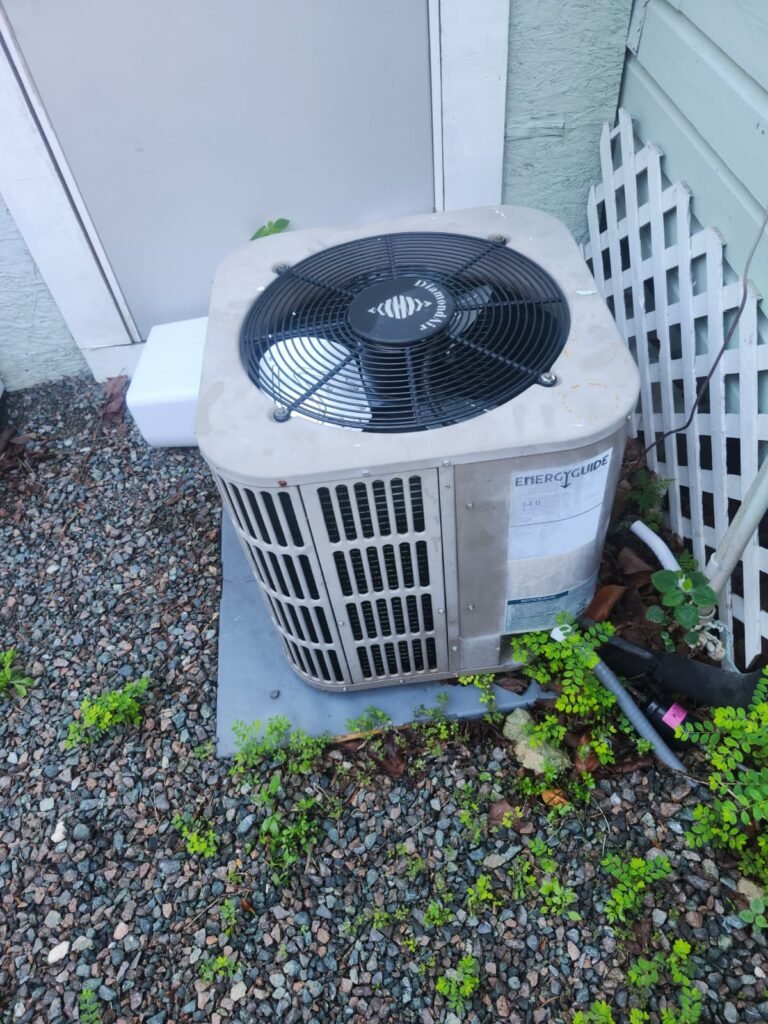
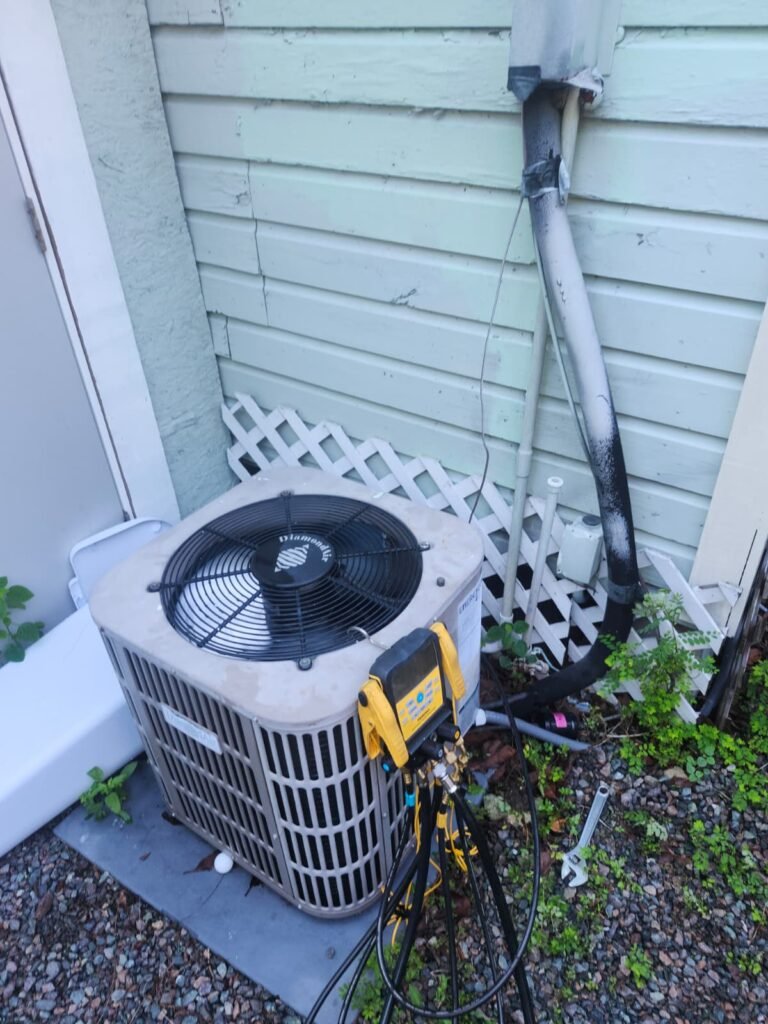
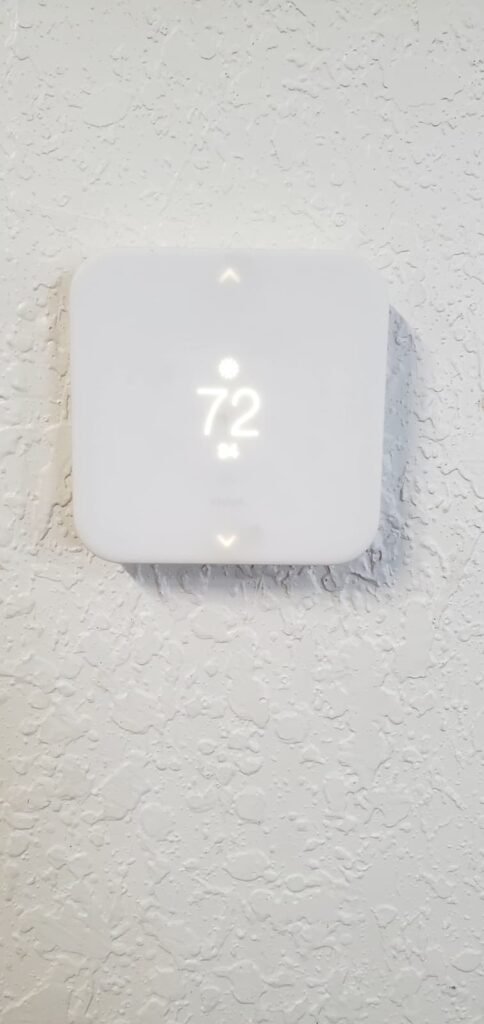
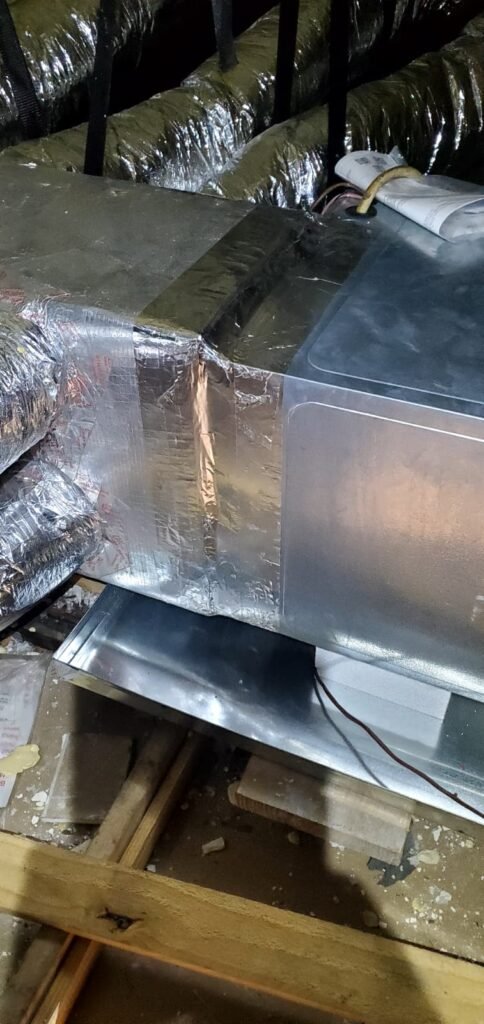
On this East 15th Avenue project in Tampa, FL 33605, Richard worked through a detail that matters more than most homeowners realize: the old setup had the air handler installed backward for the space. That meant this AC installation was not just a straight equipment swap. The return in front of the unit had to come apart so the new horizontal system could be installed properly, then be put back into position afterward. The equipment going in was a 2 ton Goodman horizontal system with 5 kW supplemental heat, and the scope also included a smart programmable thermostat, a secondary drain pan with float switch, line sanitation, and a concrete pad with tie-down protection outside.
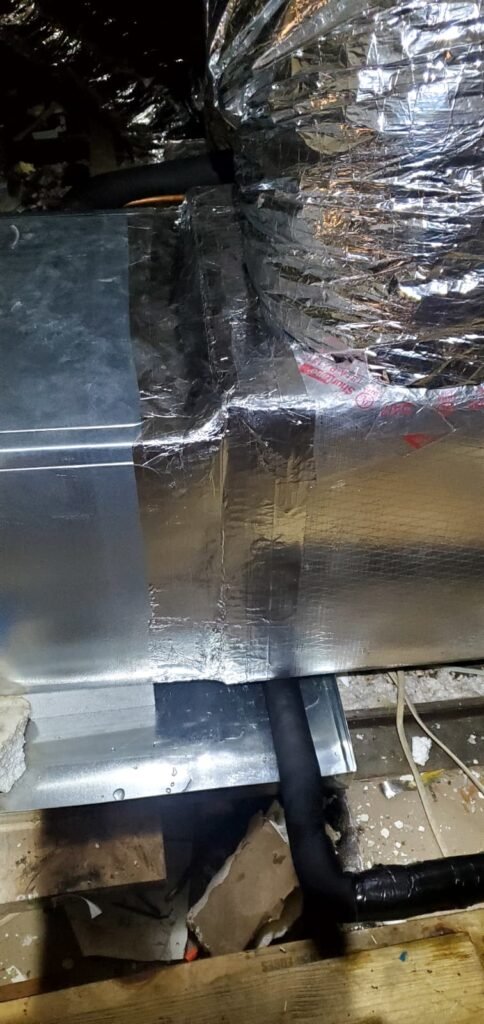
- Service performed: AC installation
- Neighborhood or street: East 15th Avenue
- Technician: Richard
- Cause: Existing air handler layout was reversed for the space
- What was done: Removed the return in front of the unit, installed the new horizontal system, and reset the return
- Parts replaced: 2 ton horizontal system, thermostat, drain pan with float switch, pad and tie-down kit
That backward air handler layout changed the whole AC installation plan in Tampa
The key fact on this job was simple: the machine orientation was wrong for the space it was in. When an air handler is set up backward in a horizontal application, access and connection points do not line up the way they should for a clean replacement. On this East 15th Avenue home, the return sitting in front of the machine had to be removed first so the new unit could actually be installed, then reinstalled after the equipment was in place.
This is one of those details homeowners usually do not see until replacement day. Most people judge an AC installation by tonnage or brand, but fit and service access matter just as much. A 2 ton system can be the right capacity and still become a problem if the layout around it forces awkward duct connections or blocks future service. That is why this job was less about dropping in a box and more about correcting the path around the unit so the installation could be done properly.
The new system for this Tampa household was a horizontal 2 ton setup with 5 kW supplemental heat. The horizontal position mattered because that tells you how the equipment sits in the space and how the return and supply connections have to meet it. The layout issue was the real story here, not just the nameplate.
The accessories on this AC installation did as much work as the equipment itself
The main equipment was only part of the value on this job. The included materials tell you whether an installation was thought through for Florida conditions, and this one was. Outside, the condenser was set on a concrete pad and secured with a tie-down kit rated up to 150 mph. In Tampa Bay, that matters because storm exposure is not theoretical. It is part of the planning.
Inside, the system included UV-protected copper insulation, locking safety caps on the condenser valves, heat shields on returns and supplies, and a smart programmable thermostat. The drainage protection also mattered. A secondary drain pan with a float switch gives the system a way to shut down before an overflow turns into ceiling or attic damage. That is especially important on horizontal attic-style equipment where drainage has to stay under control through a long cooling season.
The scope also called for flushing and sanitizing the copper lines and drain line before startup. That is a clean-start step many homeowners never hear about, but it matters because a new system should not inherit debris or contamination from the old one. For homeowners comparing quotes, this is a good example of why two installations with the same tonnage can be very different in real-world value.
For readers comparing efficiency ratings, the U.S. Department of Energy offers a useful overview of how central air efficiency standards work and why system setup matters alongside the equipment rating itself.
What this visit covered, and how the total should be understood
This was an installation job with several connected pieces of work, not a single small line-item service. The visit covered the 2 ton horizontal system installation, return removal and reset to deal with the backward layout, supplemental heat, thermostat upgrade, drain safety components, line sanitation, and the outdoor pad and tie-down setup. The combined invoice for the full AC installation came to $6,880.85.
That bundled framing matters because homeowners sometimes compare an installation total to a simple equipment swap and assume they are the same thing. They are not. On this Tampa, FL 33605 project, part of the labor was driven by the existing layout problem and the need to remove and reinstall the return so the new machine could be set correctly. That kind of site condition is exactly why one installation can be more involved than another even when the tonnage looks similar on paper.
For sizing and design standards that shape proper system selection and duct decisions, the ACCA technical manuals remain the industry reference point.
Why horizontal system details matter more in older Tampa homes
Horizontal equipment installs often reveal hidden layout problems in older Tampa homes because the unit has to share space with framing, duct runs, and return placement. A vertical closet system usually gives clearer front access. A horizontal system does not. That is why this East 15th Avenue job is a useful example of how replacement work can turn on one practical issue: whether the surrounding duct arrangement lets the new unit sit and connect the way it should.
The 5 kW heater package is another detail worth noticing. Supplemental heat is not the headline feature in Florida, but it still matters on cooler mornings and during the few times each year when a heat call is needed. Pairing that with a smart programmable thermostat gives the homeowner better control over both comfort and energy use without overcomplicating the system.
The refrigerant listed for this installation was R32, and the rated efficiency was 14.5 SEER2. Those are product-level details, but installation quality still determines whether the homeowner actually gets the comfort and operating performance the equipment is designed to deliver. In other words, the corrected layout and the supporting materials were just as important as the unit itself.
Homeowners who want to see where we work across the region can review our service area to confirm coverage around Tampa and nearby communities.
Pro Tips for Tampa homeowners planning a horizontal AC installation
Horizontal AC installation projects in Tampa go more smoothly when the surrounding layout gets as much attention as the equipment choice.
- Check the return path before install day. If the return sits directly in front of the unit, removal and rebuild work may be part of the real scope.
- Ask what storm protection is included. A concrete pad and tie-down kit matter in Florida, especially for exposed outdoor equipment.
- Do not treat the drain pan as an accessory upgrade. On horizontal systems, a secondary pan and float switch are practical protection, not fluff.
- Look past tonnage alone. A 2 ton system can still underperform if access, duct orientation, or line condition are ignored during installation.
- Pay attention to the startup details. Sanitizing copper lines and the drain line helps a new system begin clean instead of inheriting old debris.
Questions homeowners ask after a layout-driven AC installation like this one
Why would a return need to be removed during AC installation?
A return may need to be removed when it blocks access to the air handler or prevents the new unit from being positioned correctly. On this East 15th Avenue job, the return in front of the machine had to come out so the horizontal system could be installed, then be put back afterward. That is not unusual when an older layout was not ideal for future replacement work.
Does a horizontal air handler make installation harder?
A horizontal air handler often makes installation more layout-sensitive, yes. The equipment itself is not the problem, but the surrounding space usually is. On this Tampa job, the horizontal position meant the return arrangement mattered a lot, and the backward setup changed the labor plan. Horizontal systems can work very well when the duct connections and service access are handled correctly.
What does a float switch do on a new AC system?
A float switch shuts the system down if water rises where it should not. In this installation, the secondary drain pan and float switch were included to help protect the home from overflow problems. That matters in Tampa because AC systems run for much of the year, and long run times mean drainage protection is not optional on a well-planned install.
How much of an installation price comes from site conditions instead of equipment?
Site conditions can add a meaningful amount to an installation because labor changes when access or duct layout is unusual. On this job, the backward unit orientation and return removal were part of the real scope, not side notes. That is why homeowners should compare what is being done around the system, not just the equipment size and efficiency rating.
Do newer efficiency ratings guarantee lower bills?
Newer efficiency ratings help, but they do not guarantee lower bills by themselves. This Tampa, FL 33605 installation included a 14.5 SEER2 system, but the corrected layout, clean line preparation, thermostat control, and proper drainage setup are what help that equipment perform the way it is meant to. Installation quality and system fit still drive the outcome.
Schedule AC installation in Tampa, FL 33605
If you are planning AC installation in Tampa, FL 33605 and want a team that pays attention to the details around the equipment, Home Therapist is ready to help. We have served Tampa Bay since 2017, and homeowners across the area have trusted us for 1,300+ five-star reviews because we explain the work clearly and install with long-term serviceability in mind. Our HVAC license is CAC1819196, and our plumbing license is CFC1431159. You can also review our customer reviews to see how local homeowners describe their experience with our team.
For projects like this East 15th Avenue installation, the real value is not just the new equipment. It is whether the return, drainage, controls, and outdoor protection were handled the right way for the home. If you need help in Tampa or nearby ZIP codes, call Home Therapist at (813) 343-2212. We offer FREE estimates and FREE diagnosis, and we will walk you through the options without pressure.


