

Two Fiberboard Holes and One Leaking 8-Inch Run: Ductwork Repair in Clearwater, FL 33761
Two open holes in the fiberboard trunk and one incorrectly installed 8-inch duct were wasting conditioned air above this US Highway corridor property in Clearwater, FL 33761. Barbaro handled this ductwork repair after the homeowner noticed water at the ceiling and had been told by a roofing company that condensation may be coming from the duct system. We focused on the actual duct defects reported at the visit: two holes in the fiberboard trunk from the units and a leaking duct connected to the communication rooms. This job shows why ceiling moisture is not always a roof problem, especially when cooled air escapes into a hot, humid roof area.
Our ductwork repair in Clearwater page covers pricing, what is included, and how soon we can get out.
- Service performed: Ductwork repair with sealing of documented air leaks
- Location: US Highway corridor in Clearwater, FL 33761
- Technician: Barbaro
- Key findings: Two fiberboard trunk holes plus one incorrectly installed 8-inch duct
- Homeowner concern: Ceiling moisture that another company believed could be duct condensation
Ductwork Repair in Clearwater Started With the Ceiling Moisture Clue
Ductwork repair in Clearwater, FL 33761 made sense on this call because the reported symptom was not simply weak airflow. The homeowner had noticed water at the ceiling, and the roof company suspected condensation from ductwork rather than a roof leak. That distinction matters in Tampa Bay buildings because the roof area can become extremely hot and humid while the duct system carries cool, dry conditioned air. When air leaks from a supply duct or trunk, the surrounding surface temperatures and humidity conditions can create moisture problems that look unrelated to the HVAC system at first glance.
.ht-grid { display: grid !important; grid-template-columns: repeat(3, 1fr) !important; gap: 8px !important; max-width: 960px !important; margin: 0 auto !important; }
.ht-figure { margin: 0 !important; padding: 0 !important; height: 155px !important; overflow: hidden !important; border-radius: 6px !important; }
.ht-figure img { width: 100% !important; height: 100% !important; object-fit: cover !important; display: block !important; }
@media (max-width: 900px) { .ht-grid { grid-template-columns: repeat(2, 1fr) !important; } }
@media (max-width: 640px) { .ht-grid { grid-template-columns: 1fr !important; } .ht-figure { height: 200px !important; } }
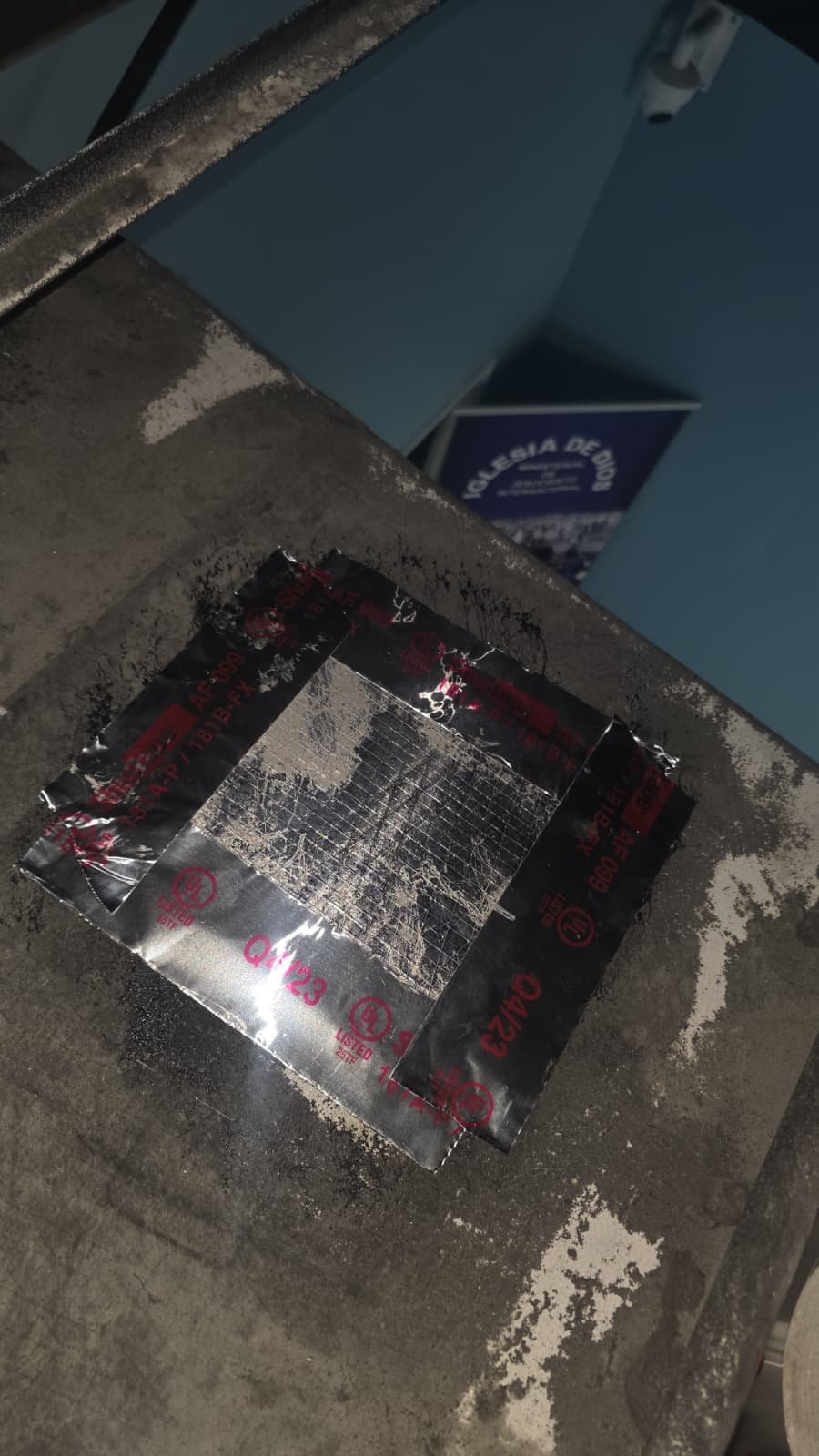
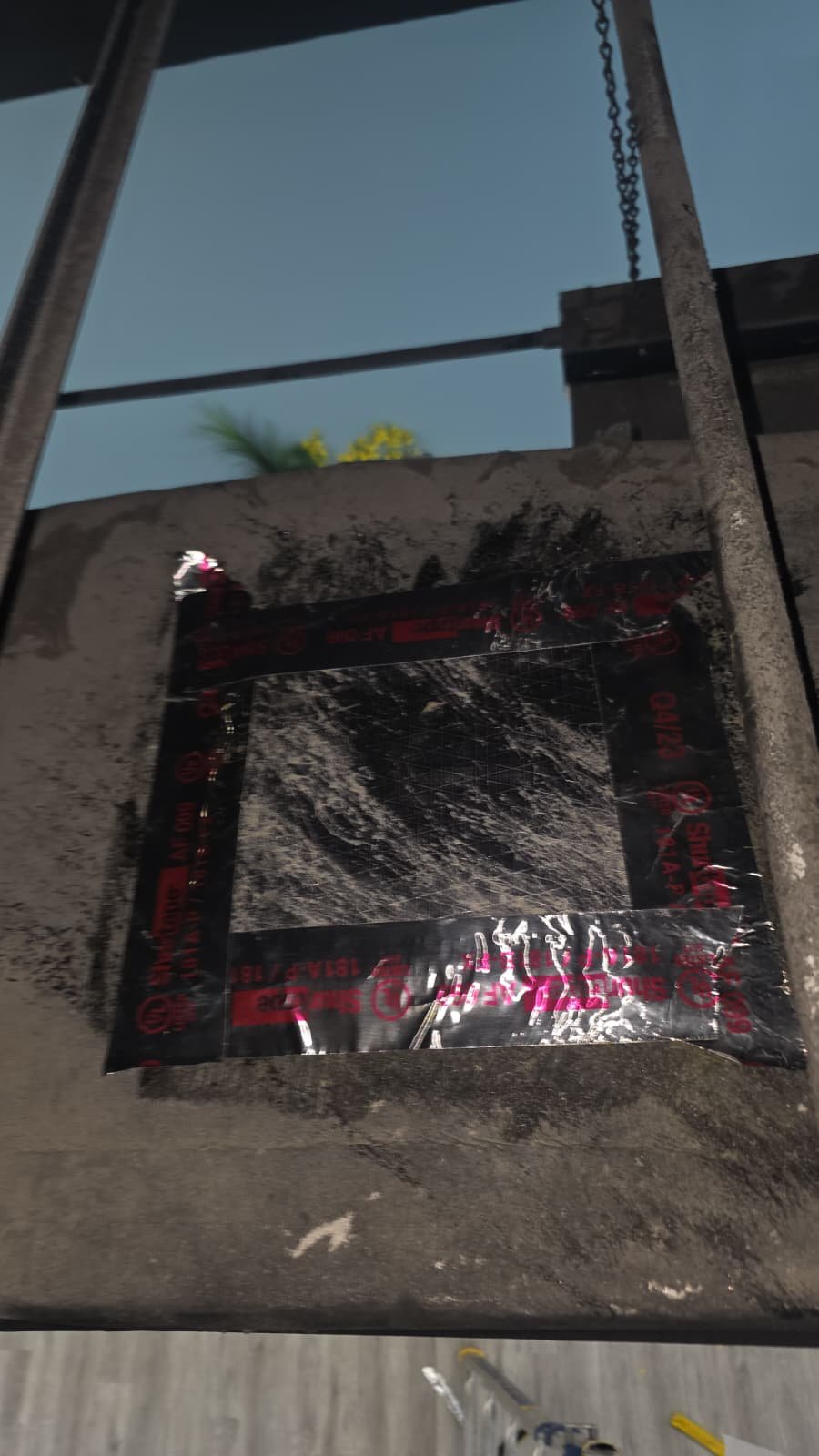
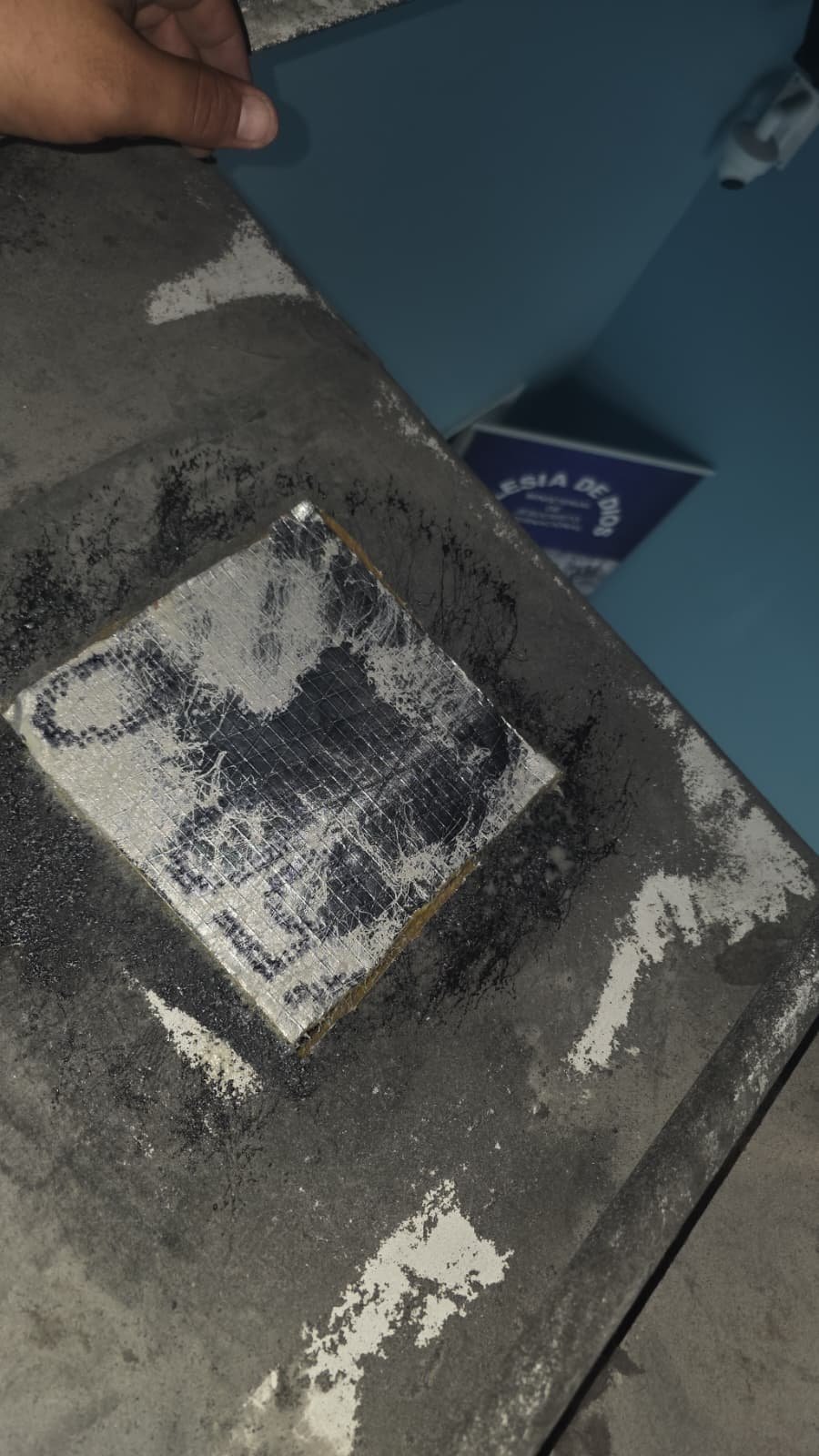
Barbaro approached this as a duct leakage and installation-quality issue rather than assuming the roof was the source. The job description identified two holes on the fiberboard trunk from the units that were losing air toward the roof area. Fiberboard trunk lines are common in Florida buildings, and they can move a large volume of conditioned air. A hole in that trunk is not a small cosmetic defect. It can send air into the wrong space, reduce delivered airflow, and create cold surfaces where humid attic or roof-area air can condense.
The important part of this diagnosis was staying grounded in what was visible and documented. We did not need to invent a refrigerant problem, a bad compressor, or an oversized equipment theory. The reported issue pointed to the duct system, and the repair scope matched that finding. The two trunk openings needed to be covered and sealed so that conditioned air stayed inside the duct pathway instead of escaping into the roof area.
This is a common place where homeowners get mixed messages. If water appears at a ceiling, the roof naturally becomes the first suspect. That is reasonable, but in a cooled Florida building, duct leakage can create condensation that mimics roof-related moisture. The better answer is not guessing. It is checking the duct path, identifying the actual openings or poor connections, and sealing the specific defects that are letting air go where it should not go.
The Two Fiberboard Trunk Holes Were the Main Air-Loss Points
The two fiberboard trunk holes were the clearest defects on this Clearwater ductwork repair because each opening allowed conditioned air to leave the system before reaching the intended rooms. A trunk line works like the main road in a duct system. Smaller runs branch from it to serve rooms or areas, but the trunk has to stay sealed for the rest of the system to perform correctly. When holes exist in that main pathway, airflow balance changes across the building.
Covering those openings was more than patching a board. The goal was to stop air movement at the defect and restore the duct trunk as a controlled air pathway. A duct repair has to hold up against pressure, vibration, and Florida humidity. If a patch does not fully cover the opening or does not seal around the edges, the system can continue to leak even though the damaged spot appears covered from a distance.
On this job, the count mattered. The scope called out two holes, not a vague statement like “some leakage.” That gave the repair a clear target and helped us keep the work focused. We always prefer that kind of specificity because it keeps the homeowner from paying for unrelated guesswork. The documented scope also helps explain why a ductwork repair can be a better first step than equipment replacement when the equipment itself is not identified as the problem.
This visit also included a Premium Home Therapy Plan discount along with the duct repair scope. Because more than one line item was part of the appointment, the combined invoice for the ductwork repair and plan discount came to $630. That figure reflects the bundled visit, not a universal price for every duct repair, because access, material, number of openings, duct type, and total sealing area can change the final estimate.
The insider point from this job is simple: airflow problems in Clearwater buildings are not always solved at the air handler or condenser. A system can be cooling properly at the equipment level while still losing useful air through duct defects. When that air escapes into a roof area, the homeowner may notice comfort issues, energy waste, or moisture symptoms before they ever see the duct opening itself.
Ductwork Repair Also Included the Leaking 8-Inch Communication Room Run
Ductwork repair also included the 8-inch duct connected to the communication rooms because that duct was incorrectly installed and leaking. An 8-inch duct run may sound small compared with the main trunk, but it can carry a meaningful amount of air to a dedicated space. If that run is poorly connected or not sealed correctly, the rooms it serves may receive less airflow while the surrounding roof or attic space receives air that was never meant to be there.
The phrase “incorrectly installed” matters because not every duct leak comes from age or damage. Some leaks come from the way a duct was connected, supported, or sealed in the first place. The homeowner’s notes also mentioned that another company believed some ducts were not properly hung. A duct that is not supported well can pull at a connection, sag, or shift enough to create gaps. Once that happens, even a decent duct run can start losing air at the joint.
For the communication rooms, the repair priority was to fix and seal the duct connection rather than treat it as a general airflow complaint. Communication rooms can be more sensitive to temperature changes than open living areas because equipment, electronics, or closed-door conditions may make airflow consistency more noticeable. We do not need to speculate about what was inside the rooms to understand the duct issue. The documented problem was a leaking 8-inch run, and the correct response was to restore the connection and seal it.
After sealing a duct defect, we verify proper operation based on the completed scope. That means we look for the obvious things that matter to the repair: the opening is covered, the connection is sealed, the duct is no longer visibly leaking at the repaired area, and the system is not dumping conditioned air into the wrong space at that point. We avoid overselling this kind of visit as a whole-building redesign when the actual job was a targeted repair.
This is why Home Therapist separates diagnosis from assumptions. A homeowner may call because of ceiling water, but the final repair can involve fiberboard trunk holes and a leaking branch duct. The symptom starts the investigation. The duct findings determine the repair.
Pro Tips for Clearwater Properties With Fiberboard Ductwork
Check moisture clues from both directions. If water appears at a ceiling, a roof inspection may be the right first step, but do not stop there when a duct runs nearby. In Clearwater’s humidity, cold air leakage above the ceiling can create condensation that looks like a building-envelope issue.
Do not ignore small holes in a main trunk. A fiberboard trunk carries air before it splits into smaller runs. Even limited openings can waste conditioned air and affect comfort in rooms farther down the duct system.
Pay attention to duct support. A duct that is not hung or supported correctly can strain its own connection. Over time, that strain can open gaps and create leaks at collars, boots, or transitions.
Ask for the repair target in plain language. A useful duct estimate should say what is being repaired, such as two trunk holes or one 8-inch leaking duct. Clear targets protect you from vague ductwork recommendations.
Think about the roof area as part of the cooling environment. Tampa Bay’s long cooling season puts ducts under constant temperature difference. Sealing matters because the duct system often passes through spaces that are much hotter and more humid than the occupied rooms.
Ductwork Repair Questions From This Clearwater Job
Can duct leaks really cause water to show up at a ceiling?
Yes, duct leaks can contribute to ceiling moisture when cool conditioned air escapes into a hot, humid space above the ceiling. The cold air can lower nearby surface temperatures, and humid air can condense on or around those surfaces. That does not mean every ceiling stain is from ductwork, but this Clearwater job had a clear duct-related concern because two fiberboard trunk holes and a leaking 8-inch duct were identified.
Why did the two holes in the fiberboard trunk matter so much?
The trunk is the main supply pathway before air branches off to individual rooms or areas. Holes in that trunk can waste air before it ever reaches the spaces the system is trying to condition. On this job, the two fiberboard holes were specifically described as losing air toward the roof area, so covering and sealing them directly addressed the documented air-loss points.
Is an 8-inch duct leak a serious problem?
An 8-inch duct can serve an important area, especially when it feeds a dedicated room or group of rooms. If that duct is incorrectly installed and leaking, the served space may not receive the airflow intended for it. The surrounding roof or attic area may receive conditioned air instead. On this visit, the 8-inch run connected to the communication rooms needed to be fixed and sealed.
Should the whole duct system be replaced when a few leaks are found?
Not automatically. This job had a defined repair scope: two holes in the fiberboard trunk and one leaking 8-inch duct connection. When the problems are specific and accessible, targeted ductwork repair can be the correct first step. Full duct replacement becomes a separate conversation only when the system has widespread damage, poor design, or repeated failures beyond isolated defects.
Why did Home Therapist not treat this as only a roofing issue?
The homeowner had already received input that condensation might be coming from the duct system, so Barbaro checked the duct conditions tied to that concern. In Florida, ceiling moisture can have more than one source. A roof issue, duct leakage, poor insulation, or humidity problem can look similar from inside the building. The documented duct holes and leaking connection gave this visit a clear HVAC repair path.
Why Choose Home Therapist for Clearwater Ductwork Repair
Home Therapist has served Tampa Bay since 2017 with licensed HVAC and plumbing work, including HVAC license CAC1819196 and plumbing license CFC1431159. Our team brings that same practical field approach to ductwork repair in Clearwater, Palm Harbor, Dunedin, Safety Harbor, and nearby communities. We service every brand, and we keep recommendations tied to what we actually find on-site. Homeowners can learn more about our team at Home Therapist Cooling, Heating, and Plumbing, see local feedback on Facebook reviews, follow current company updates on Instagram, and verify our business presence through the Better Business Bureau and the Tampa Bay Chamber of Commerce. Our 1,300+ five-star reviews reflect careful diagnostics, clear communication, and repair recommendations that match the actual issue.
Schedule Ductwork Repair in Clearwater, FL 33761
If you are seeing ceiling moisture, uneven cooling, or suspected duct leakage in Clearwater, FL 33761, call Home Therapist at (813) 343-2212. We lead every service call with FREE estimates and FREE diagnosis, then explain the findings in plain language before work begins. Whether your issue is a fiberboard trunk opening, a leaking branch run, or a duct that was never supported correctly, our team can inspect the system and help you decide the right next step without pressure.
Homeowners who want the underlying standards can read NADCA homeowner duct guidance.


