

A Low-Voltage Wire Fault Near Post Rock: AC Repair in Tarpon Springs, FL 34688
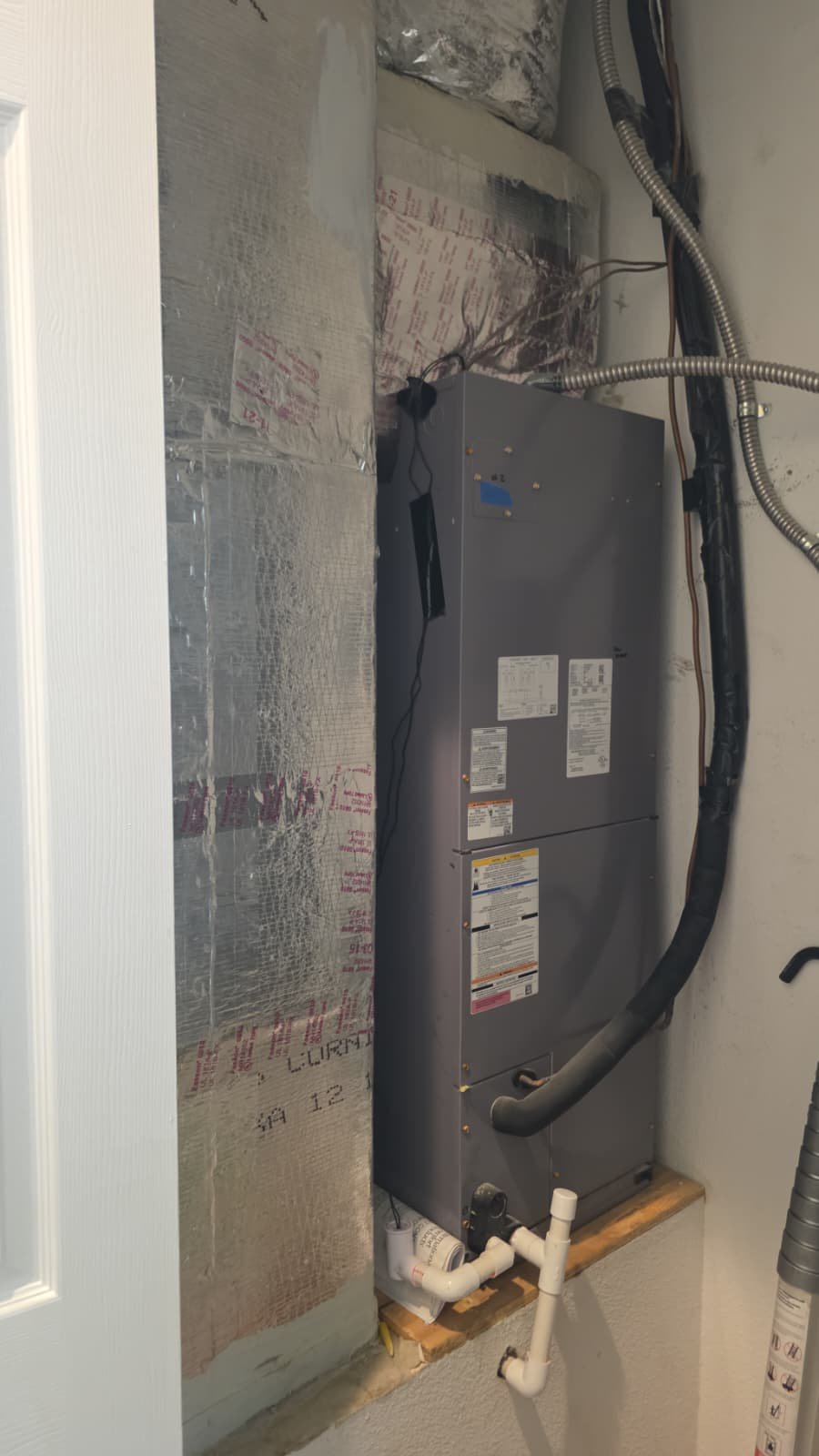
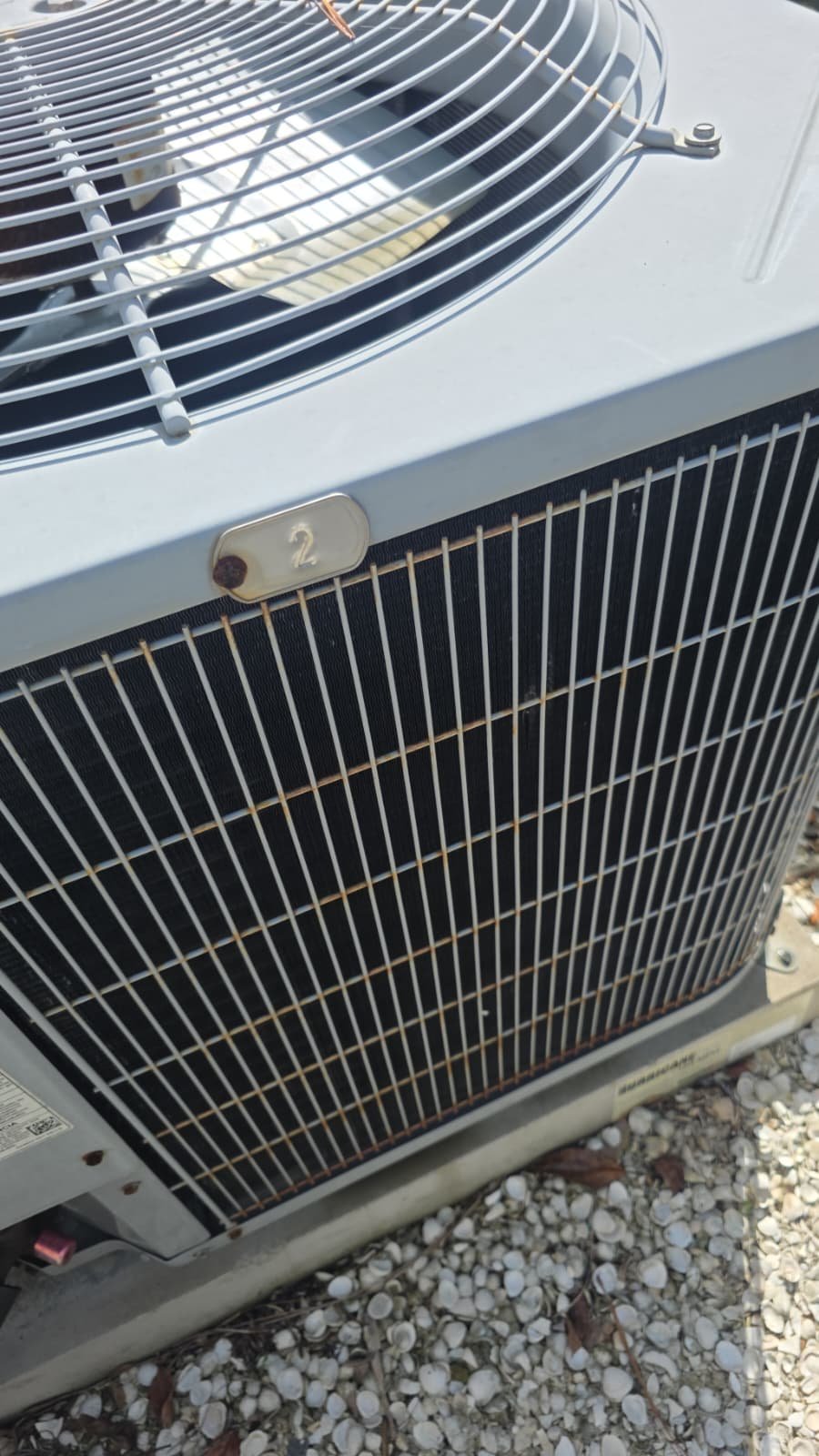
A low-voltage control wiring fault left one air conditioning system blowing warm air at a Post Rock Dr home in Tarpon Springs, FL 34688. Barbaro arrived for an AC repair after the homeowner reported that one of the household’s three systems was set to cooling but was not producing cold air. The affected outdoor unit was near the pool area, and the air handler was accessible in an indoor closet. That access mattered because this was not a refrigerant-first call or a thermostat guess. The issue traced back to the control circuit that tells the outdoor unit when to start.
Our AC repair in Tarpon Springs page covers pricing, what is included, and how soon we can get out.
- Service performed: AC repair and cable connection repair
- Location: Post Rock Dr in Tarpon Springs, FL 34688
- Technician: Barbaro
- Homeowner situation: one of three AC systems was not cooling, while the other two systems were cooling normally
- Key finding: the low-voltage control wiring had a fault at a splice or connection point
- Repair decision: repair the broken low-voltage cables rather than treat the symptom as a cooling-capacity problem
The AC Repair in Tarpon Springs, FL 34688 Started With the Control Signal, Not the Refrigerant
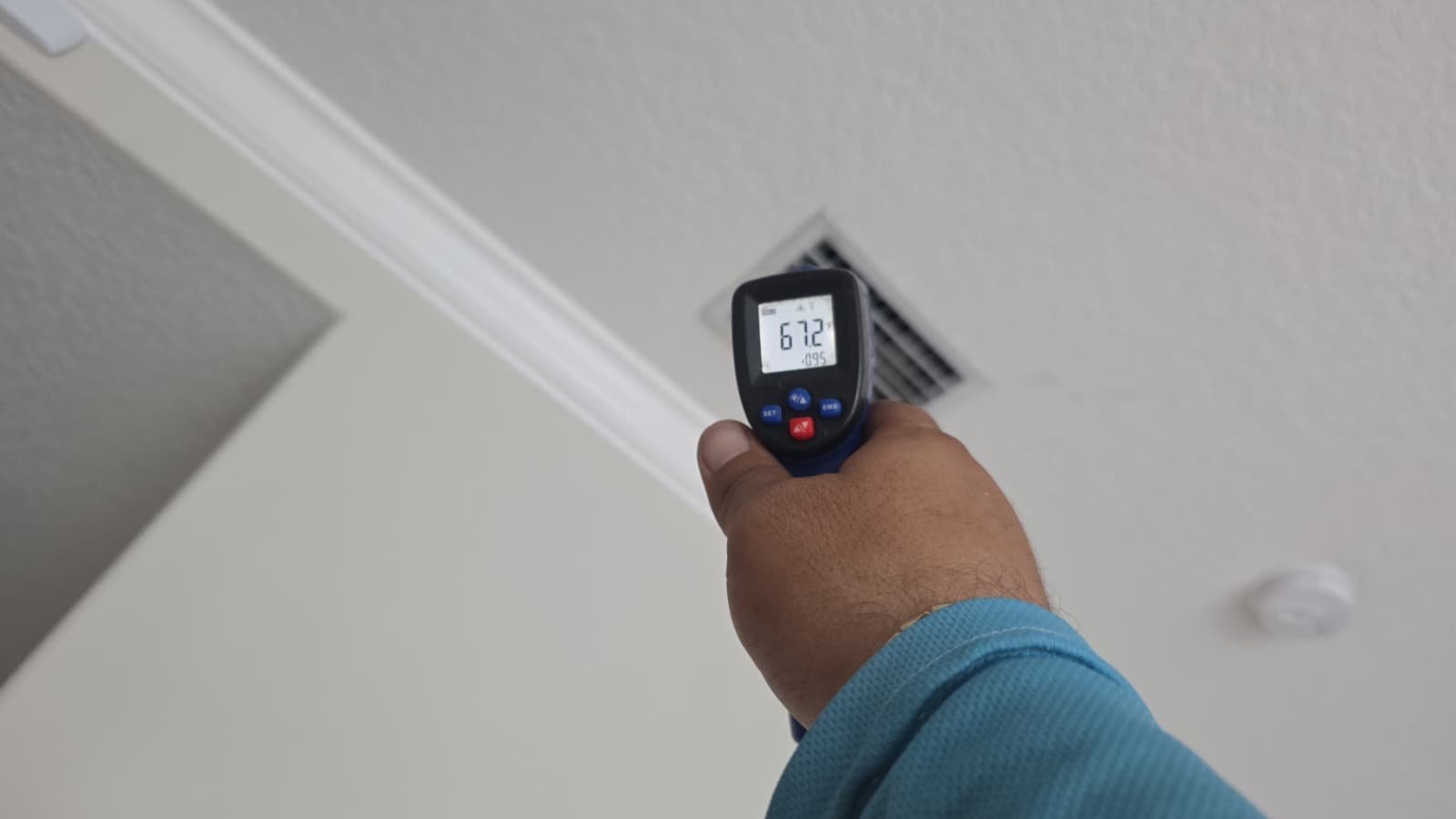
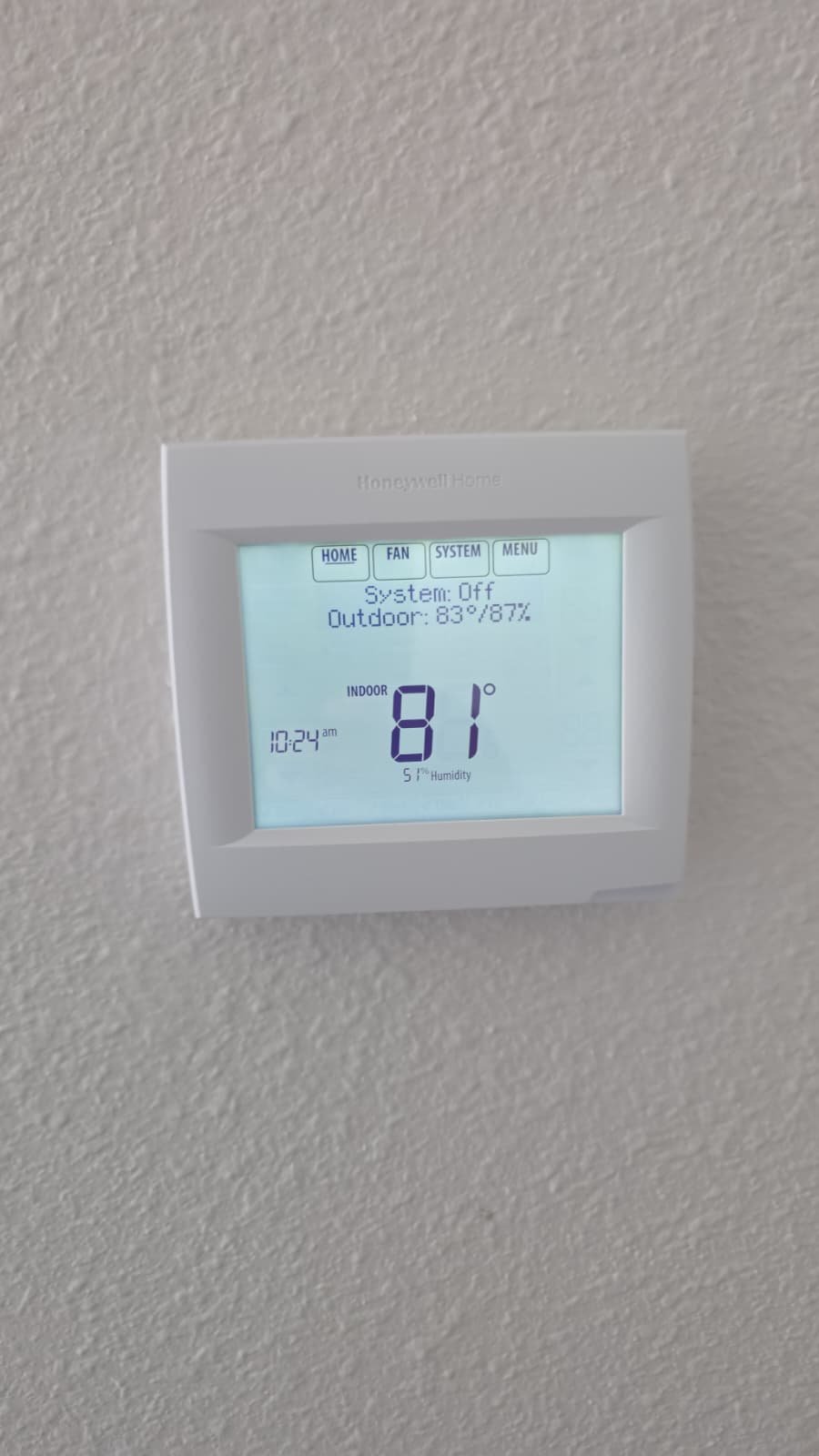
The warm-air symptom on this Tarpon Springs AC repair came from a failed control signal to the outdoor unit, not from a confirmed refrigerant problem. That distinction matters because an air conditioner can move indoor air across the vents even when the outdoor condenser is not being told to run. To a homeowner, both situations can feel the same: the thermostat is set to cool, air comes out of the grille, but the rooms do not get comfortable.
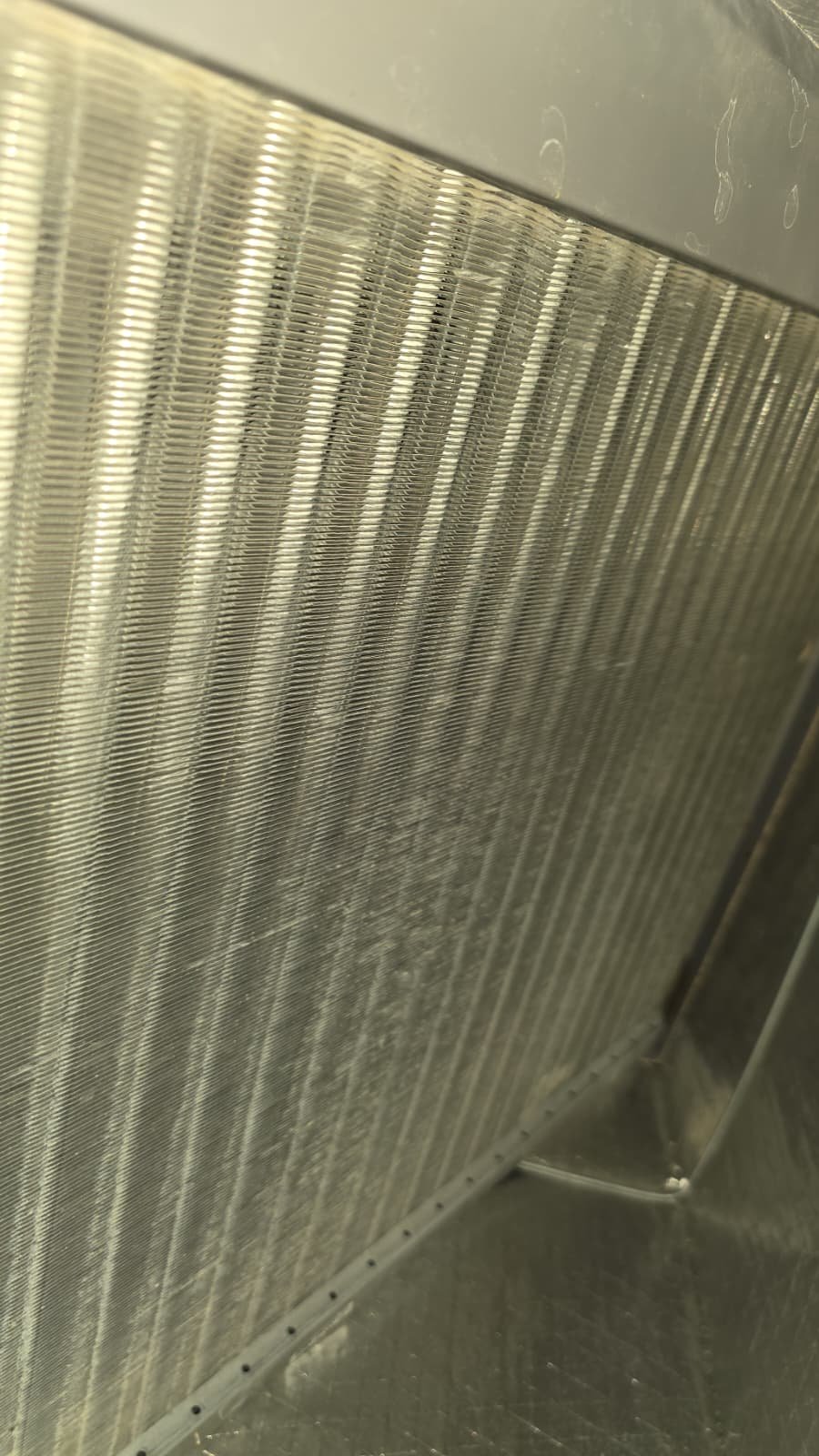
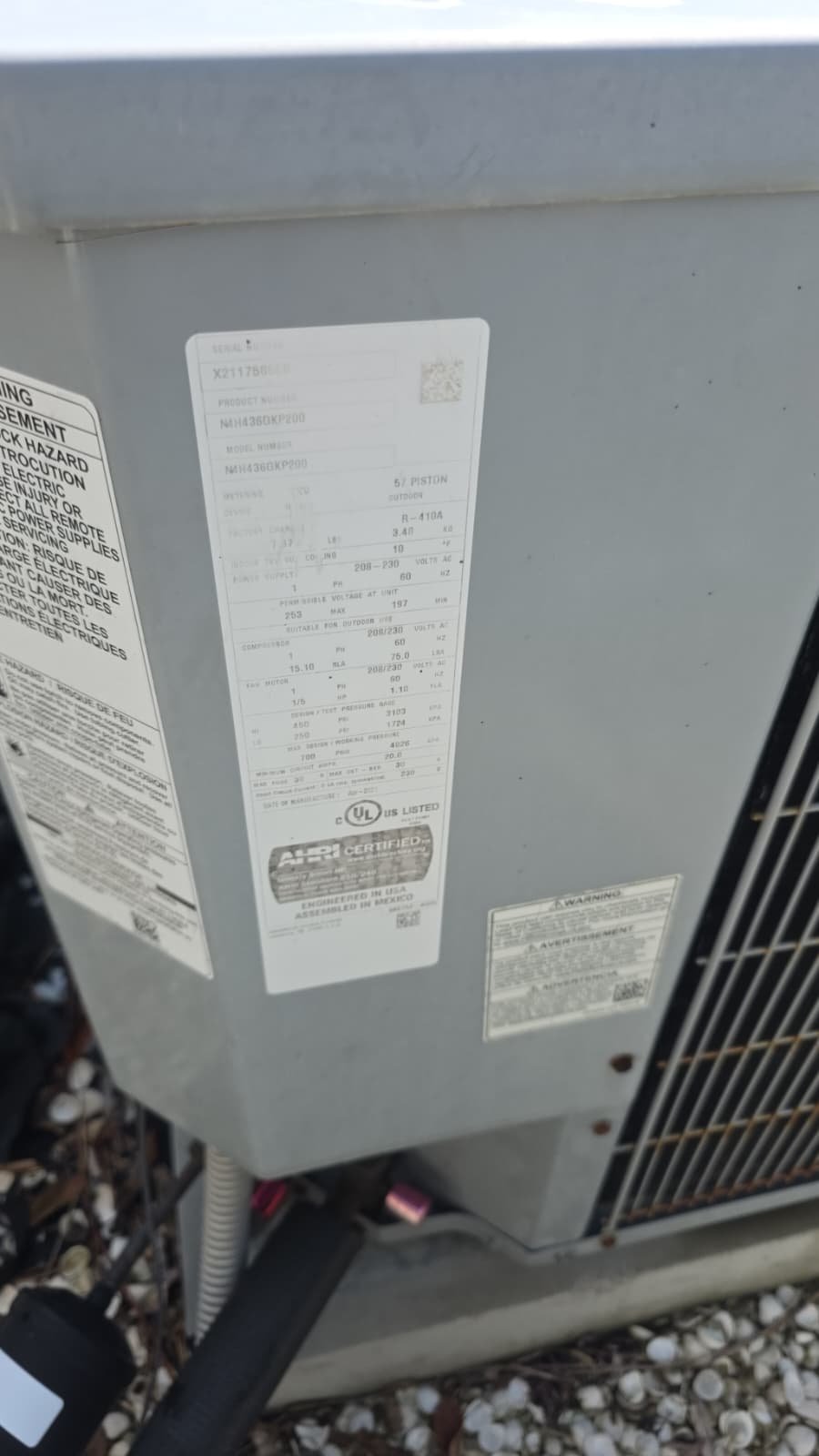
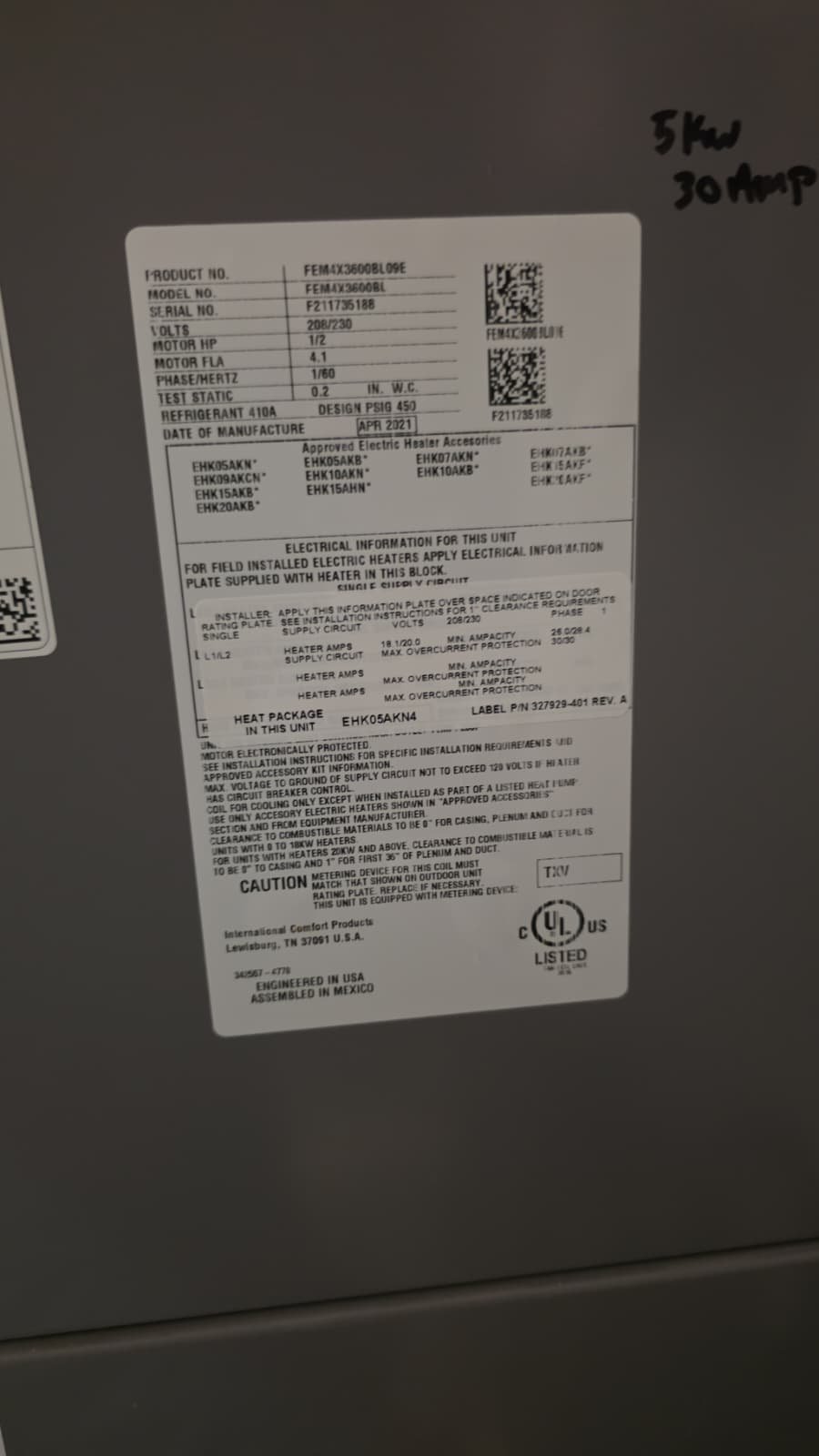
.ht-grid { display: grid !important; grid-template-columns: repeat(3, 1fr) !important; gap: 8px !important; max-width: 960px !important; margin: 0 auto !important; }
.ht-figure { margin: 0 !important; padding: 0 !important; height: 155px !important; overflow: hidden !important; border-radius: 6px !important; }
.ht-figure img { width: 100% !important; height: 100% !important; object-fit: cover !important; display: block !important; }
@media (max-width: 900px) { .ht-grid { grid-template-columns: repeat(2, 1fr) !important; } }
@media (max-width: 640px) { .ht-grid { grid-template-columns: 1fr !important; } .ht-figure { height: 200px !important; } }
Barbaro checked the system as a communication problem between the thermostat, air handler, and outdoor equipment. The low-voltage wiring is the small control wiring that carries the call for cooling. In plain English, it is the message line. When the thermostat asks for cooling, that signal needs to reach the outdoor unit so the compressor and condenser section can start. If the signal is interrupted by a short, a loose splice, or a break in the wire, the indoor blower may still move air while the outdoor cooling process does not operate correctly.
This is why the affected system was blowing warm air even though the homeowner had selected cooling mode. The house had three AC systems, and the other two were cooling normally, so the service call stayed focused on the single system that was failing. That helped keep the diagnosis narrow. We did not need to treat the whole home like a comfort imbalance. We needed to find why this one system was not receiving or completing the call for cooling.
The homeowner also shared that this was the first time this unit had presented the problem. Preventive maintenance had been done a few months earlier, and the equipment was easy to access without a ladder. Those details helped Barbaro work efficiently, but they did not change the technical conclusion. A recent maintenance visit does not prevent every wiring issue. A control wire can fail at a splice, a connection point, or along a run after vibration, age, exposure, or previous connection work weakens it.
The Broken Low-Voltage Cable Was the Specific Item That Needed Repair
The cable connection repair on this job addressed a broken low-voltage cable, which was the specific item preventing dependable cooling operation. Low-voltage wiring does not carry the same type of power as the main electrical feed to the condenser. Its job is to carry instructions. When that instruction path fails, replacing major cooling parts would not solve the real problem.
Our finding was a fault in the low-voltage control wiring at a splice or connection point. A splice is where two wire ends are joined together. A good splice keeps the signal consistent. A weak splice can create an intermittent connection, and an open or shorted splice can stop the signal altogether. The important limitation on this visit was that the exact point of failure along the full wire run was not pinpointed during the diagnostic visit. The fault was identified as being at a splice or break in the low-voltage wiring, but the full run still had to be treated as suspect.
That is why the proper recommendation was to replace the low-voltage control wire in full. Replacing the wire corrects the communication path instead of building a workaround around damaged wiring. The alternative option was to bypass the damaged wire by using the ground wire as a temporary path. That can sometimes get cooling back for the short term, but it does not remove the original damaged wire from the equation. It also leaves the homeowner depending on a workaround instead of a clean control circuit.
For this Post Rock Dr home, we treated the broken low-voltage cables as the actual repair target. The visit included the free diagnosis and the cable connection repair, with the combined invoice for the visit coming to $299. Because more than one line item was part of the visit, that amount should be understood as the combined visit total, not a standalone quote for every possible AC wiring repair in Tarpon Springs.
This AC Repair Avoided the Common Mistake of Replacing Cooling Parts Too Soon
The insider lesson from this AC repair is simple: warm air does not automatically mean a failed compressor, low refrigerant charge, or bad outdoor fan motor. On this Tarpon Springs job, the more useful question was whether the outdoor unit was being told to run. A broken control wire can make a working system act like it has a bigger cooling failure because the cooling cycle never receives a dependable start signal.
That is why we do not jump straight to replacing expensive components when the symptom is warm air. We follow the signal. The thermostat sends the call for cooling. The air handler and control circuit pass that call along. The outdoor unit must receive it. If the message breaks before the outdoor unit can respond, the equipment may never get the chance to cool the home, even if several major components are still capable of operating.
There was also a practical household detail on this call. The homeowner reported that one room had air coming from the grille while another had very little airflow, and the affected outdoor unit served one portion of the home. In a three-system property, comfort complaints can overlap. One room may feel different because of airflow, duct layout, sun exposure, or the system assigned to that area. Still, the confirmed repair item here was the low-voltage cable fault that interrupted the cooling call.
Barbaro’s decision-making kept the repair grounded. We identified the control wiring issue, explained the difference between replacing the wire and using a ground-wire bypass, and recommended the option that addressed the source. That is the difference between a repair that gets a system running and a repair that leaves the same weakness waiting to return.
Pro Tips for Tarpon Springs Homeowners With AC Wiring Faults
Tarpon Springs homes deal with a long cooling season, humidity, outdoor equipment exposure, and stormy summer weather. Those conditions can make small AC control problems show up at the worst times. These tips come directly from what this Post Rock Dr service call showed us.
Do not assume warm air always means refrigerant. Refrigerant problems can cause poor cooling, but so can a failed low-voltage control signal. If the indoor blower runs but the outdoor equipment does not respond correctly, the control circuit deserves attention before anyone talks about major component replacement.
Tell the technician how many systems serve the home. This homeowner had three AC systems, and only one was failing. That detail prevents wasted time and keeps the diagnosis focused on the correct unit, especially in larger homes where separate systems cool different areas.
Ask whether a wiring bypass is temporary or permanent. A bypass may restore operation in some situations, but it can leave the original fault in place. On this job, full low-voltage wire replacement was the better long-term recommendation because it corrected the damaged communication path.
Keep access clear around air handlers and outdoor units. The affected air handler was in an accessible closet, and the outdoor unit was reachable near the pool area. Good access helps the technician trace wiring, test connections, and complete the repair without unnecessary delays.
Schedule service before travel when cooling is uncertain. The homeowner wanted the issue handled before leaving for vacation. That was a reasonable concern, not because the situation required panic, but because a known communication fault can leave part of the home without dependable cooling while no one is available to monitor it.
Low-Voltage AC Repair Questions From This Tarpon Springs Job
Why was the AC blowing warm air if the thermostat was set to cooling?
The system was not receiving a dependable low-voltage control signal from the thermostat to the outdoor unit. The thermostat setting alone does not create cooling. The outdoor unit still has to receive the call to run. When a control wire has a short, break, or bad splice, the indoor blower can move air while the outdoor cooling equipment fails to respond correctly.
Why did Home Therapist recommend replacing the low-voltage wire in full?
Replacing the low-voltage wire in full addressed the source of the problem rather than working around it. The fault was identified at a splice or break in the control wiring, but the exact point along the full run was not pinpointed during the visit. A full replacement gives the system a clean communication path and reduces the chance of the same fault returning.
Could using the ground wire have restored cooling temporarily?
Using the ground wire as a temporary bypass may restore cooling in some cases, but it is not the proper long-term repair. A bypass does not repair the damaged wire. It leaves the original short, break, or splice issue unresolved. On this job, we explained that a bypass was an alternative, but replacing the low-voltage control wire was the cleaner repair decision.
Does recent maintenance prevent this kind of AC wiring issue?
Recent maintenance helps catch many problems, but it cannot prevent every control wiring failure. This homeowner had general maintenance a few months earlier, yet the affected system still developed a low-voltage cable fault. Wiring issues can appear from vibration, connection wear, exposure, or prior splice weakness. A repair visit is still needed when the system stops cooling.
Why did the other two AC systems still cool normally?
The home had three separate AC systems, and only one system had the low-voltage wiring fault. Separate systems can fail independently because each has its own thermostat communication path, outdoor unit, and air handler connections. The fact that the other two systems were cooling helped confirm that this was not a whole-home electrical or thermostat-use issue.
Why Choose Home Therapist for Tarpon Springs AC Repair
Home Therapist serves Tampa Bay and nearby Florida communities with licensed HVAC and plumbing service, including HVAC license CAC1819196 and plumbing license CFC1431159. We were founded in 2017 and have earned more than 1,100 five-star reviews by giving homeowners clear findings, practical repair options, and no-pressure recommendations. You can learn more about our team at the Home Therapist website, see customer feedback on Facebook reviews, and review our company profile with the Better Business Bureau. For local AC repair, we focus on diagnosing the actual failure before recommending parts.
Schedule AC Repair in Tarpon Springs, FL 34688
If one AC system in your Tarpon Springs, FL 34688 home is blowing warm air while the rest of the house seems normal, schedule service before guessing at the cause. Home Therapist offers FREE estimates and FREE diagnosis on every service call, including wiring, thermostat communication, condenser, and air handler concerns. Call (813) 343-2212 to book AC repair with a local team that explains what failed, what can wait, and what should be fixed the right way.
Homeowners who want the underlying standards can read ACCA technical standards.


