

A 12-Degree Delta T Pointed to Return Air Trouble: AC Repair in Tampa, FL 33605
A 12-degree temperature differential told us this Third Avenue system in Tampa, FL 33605 was not removing heat the way it should. Aridel arrived after the homeowner reported that the AC was taking much longer than normal to bring the house down to temperature. Instead of jumping straight to a major part replacement, we measured performance, found a return duct hole pulling hot attic air into the system, and identified a low refrigerant charge as the next likely contributor. This AC repair came down to a careful order of operations: fix the known air problem, correct the refrigerant charge, then recheck before making any TXV recommendation.
For pricing and same-day availability, see our AC repair in Tampa page.
- Service performed: AC repair with return duct sealing and R410A refrigerant added
- Location: Third Avenue area of Tampa, FL 33605
- Technician: Aridel
- Key measurement: 12-degree temperature differential, below the 18-20 degree manufacturer target range
- Key finding: A hole in the return duct was allowing hot attic air into the system
- Next-step logic: Evaluate the TXV only if the duct seal and refrigerant correction did not restore performance
The 12-Degree Temperature Split Made This AC Repair More Than a Simple Complaint
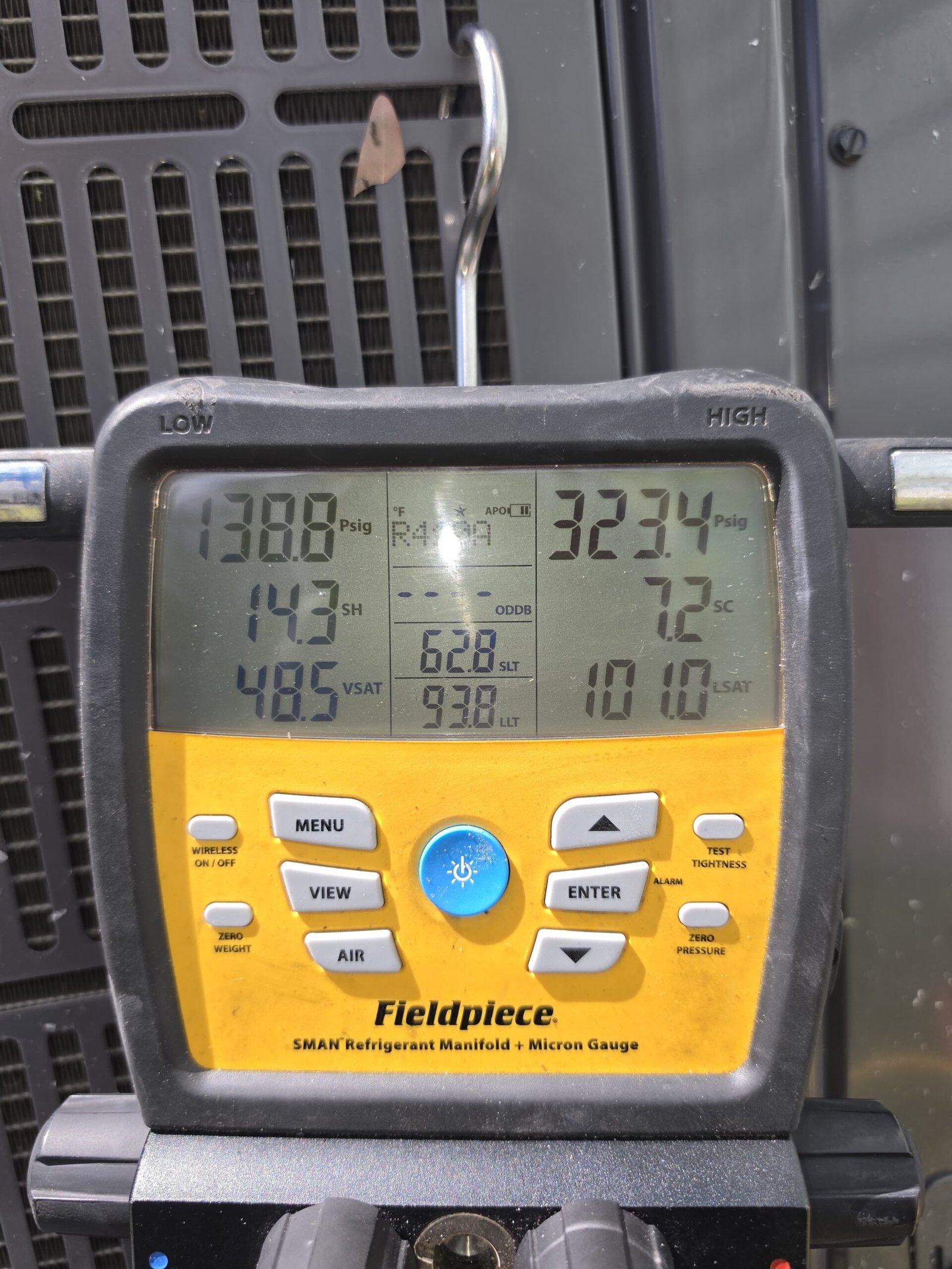
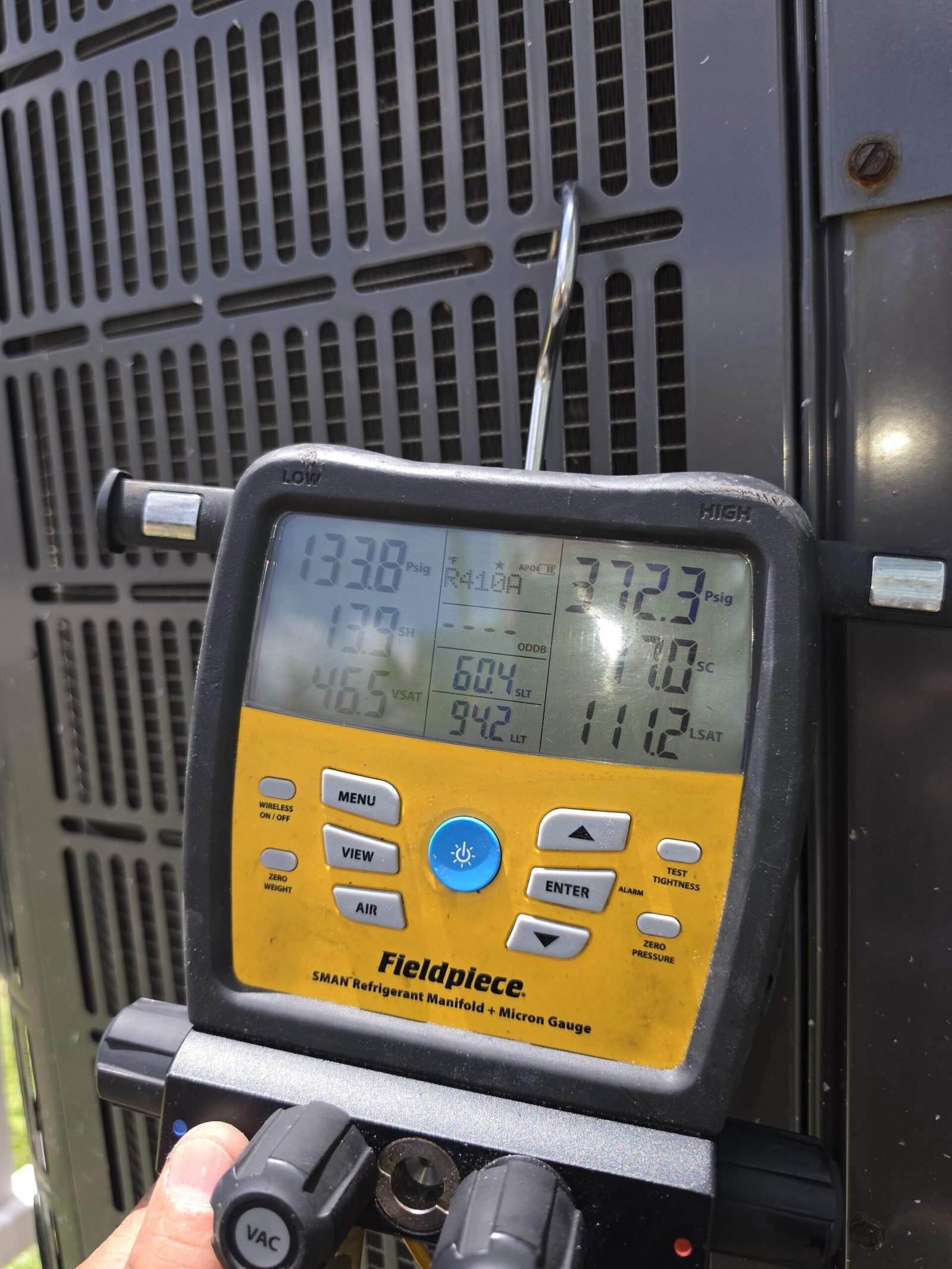
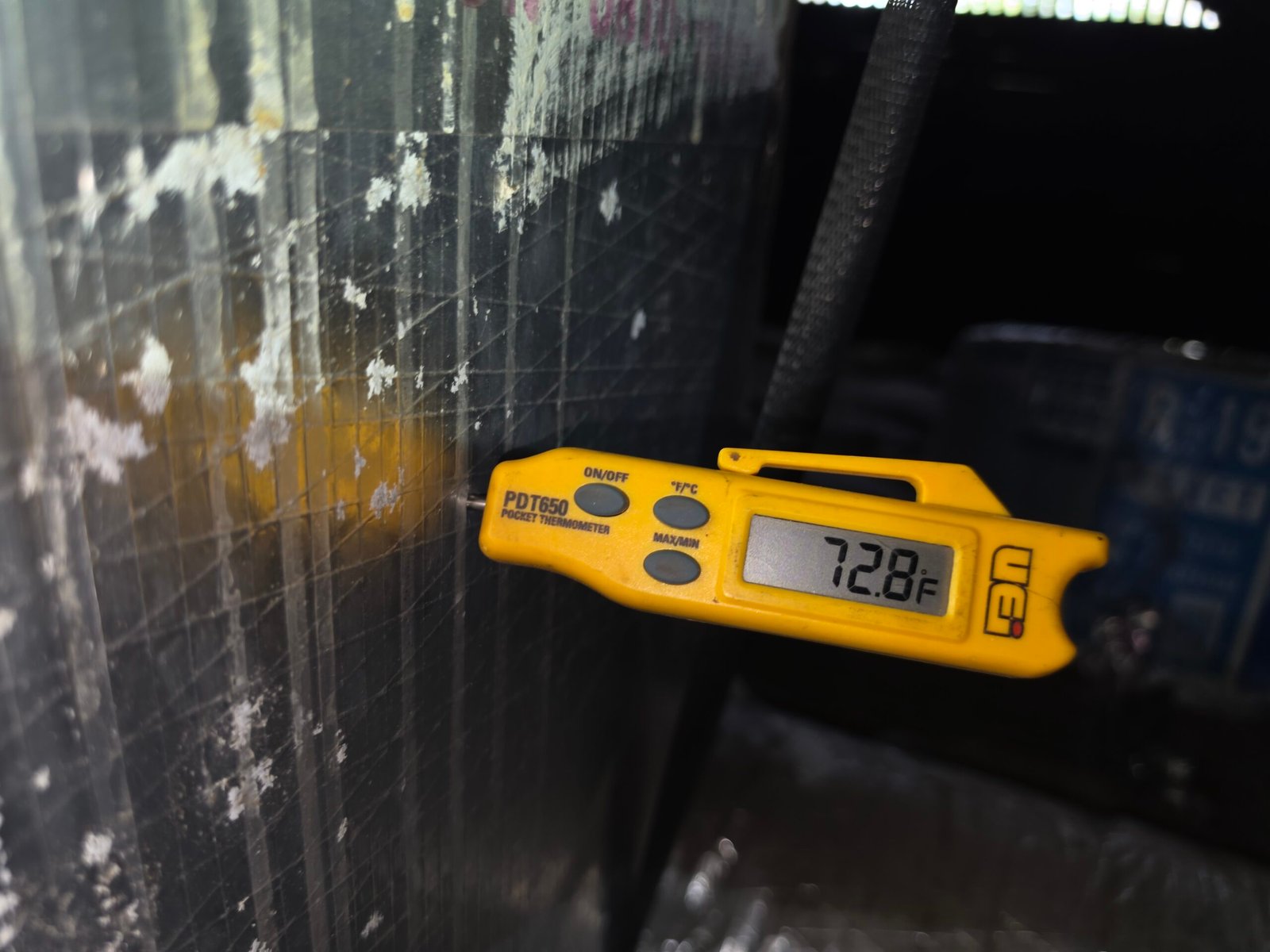
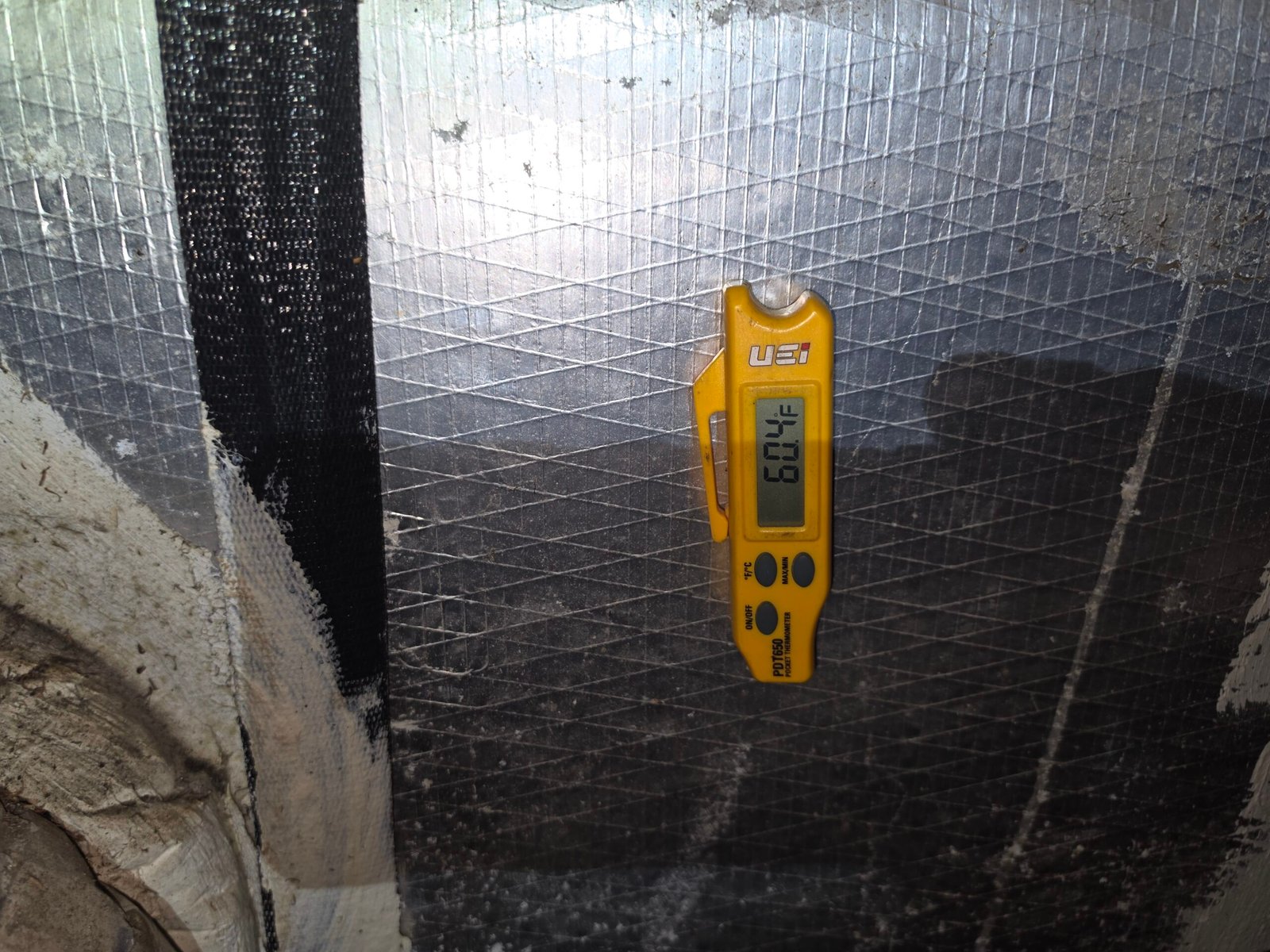
The 12-degree temperature differential on this Tampa AC repair showed that the system was cooling, but not cooling efficiently enough to satisfy the home on a normal cycle.
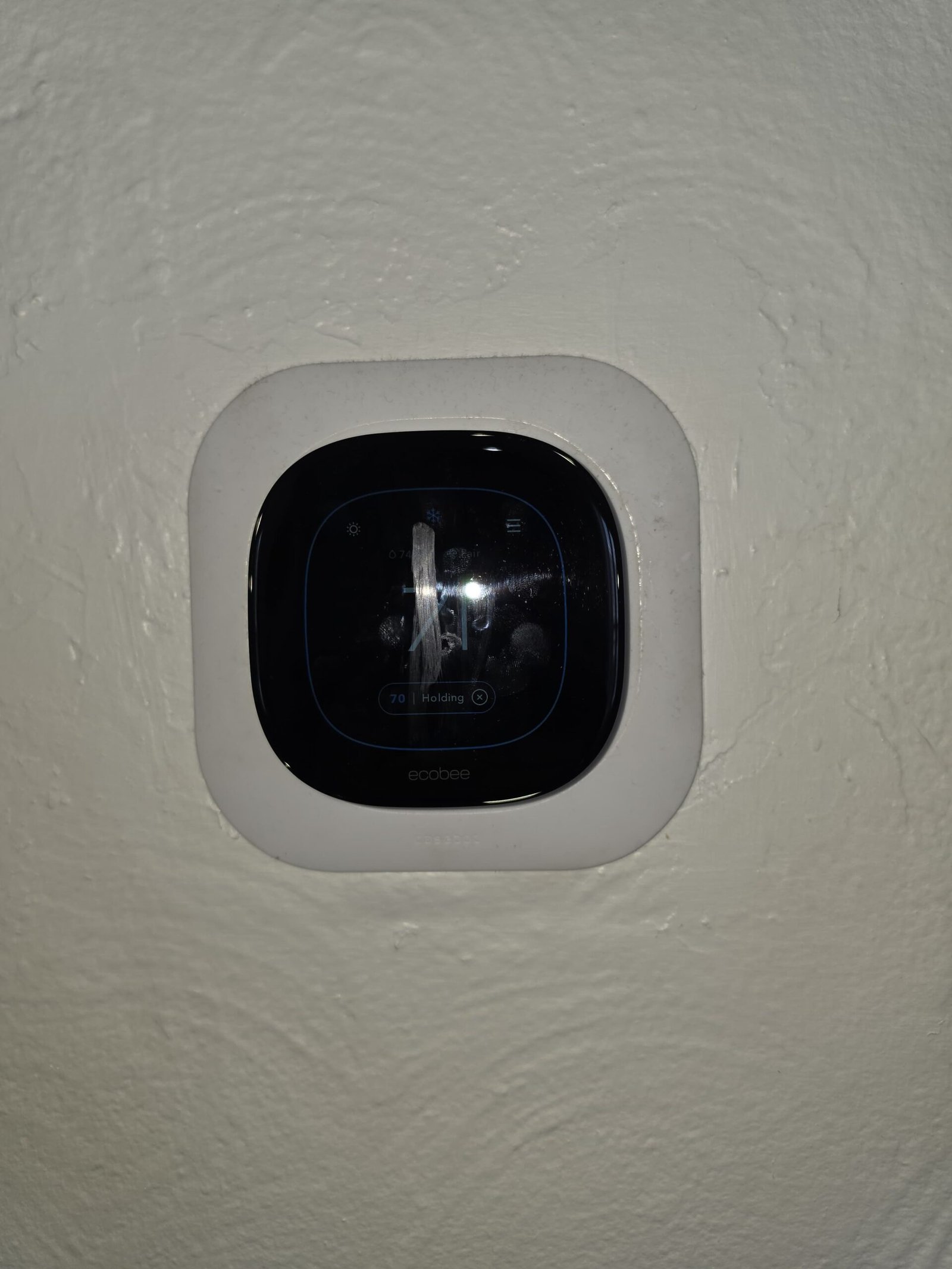
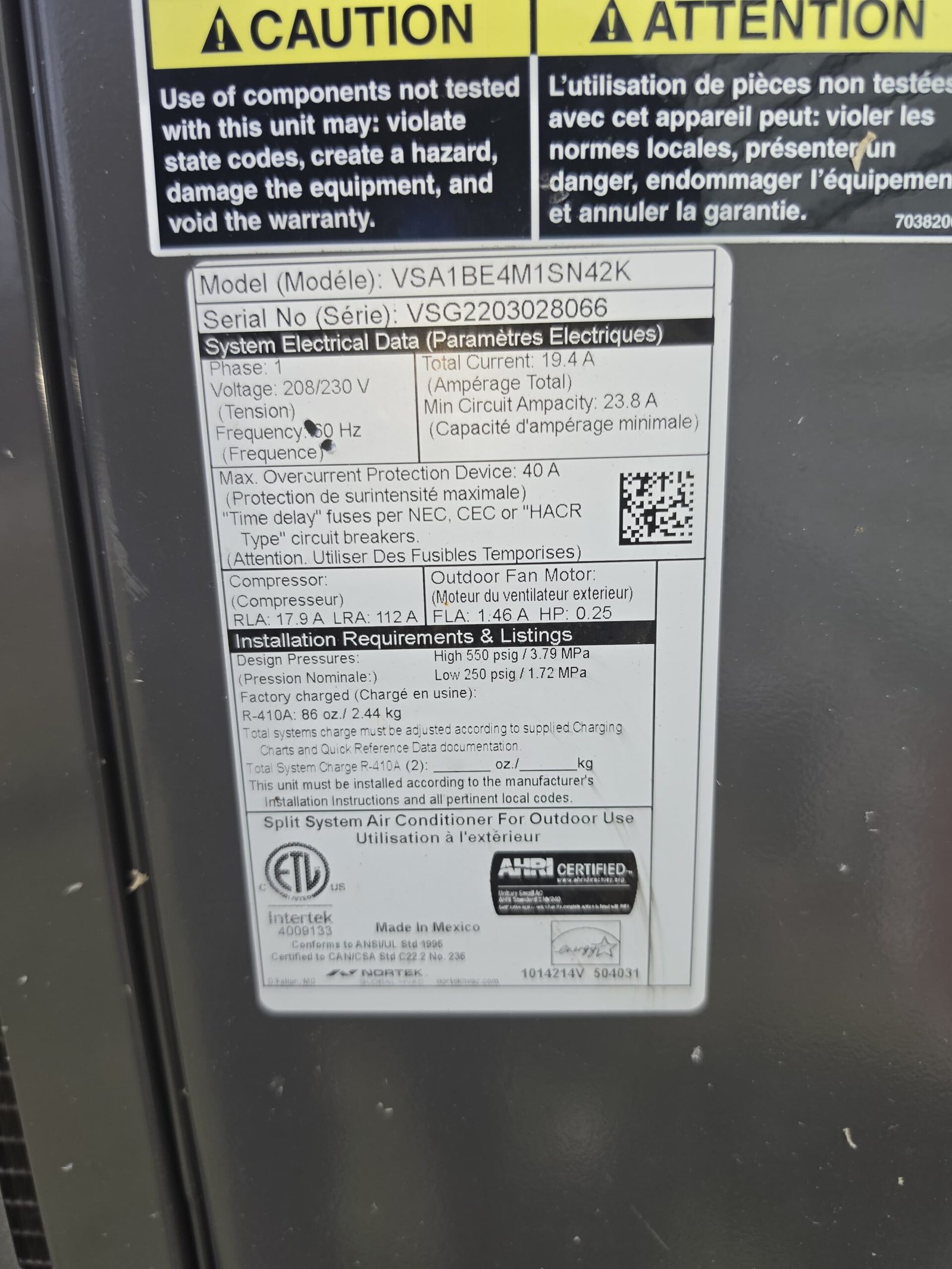
.ht-grid { display: grid !important; grid-template-columns: repeat(3, 1fr) !important; gap: 8px !important; max-width: 960px !important; margin: 0 auto !important; }
.ht-figure { margin: 0 !important; padding: 0 !important; height: 155px !important; overflow: hidden !important; border-radius: 6px !important; }
.ht-figure img { width: 100% !important; height: 100% !important; object-fit: cover !important; display: block !important; }
@media (max-width: 900px) { .ht-grid { grid-template-columns: repeat(2, 1fr) !important; } }
@media (max-width: 640px) { .ht-grid { grid-template-columns: 1fr !important; } .ht-figure { height: 200px !important; } }
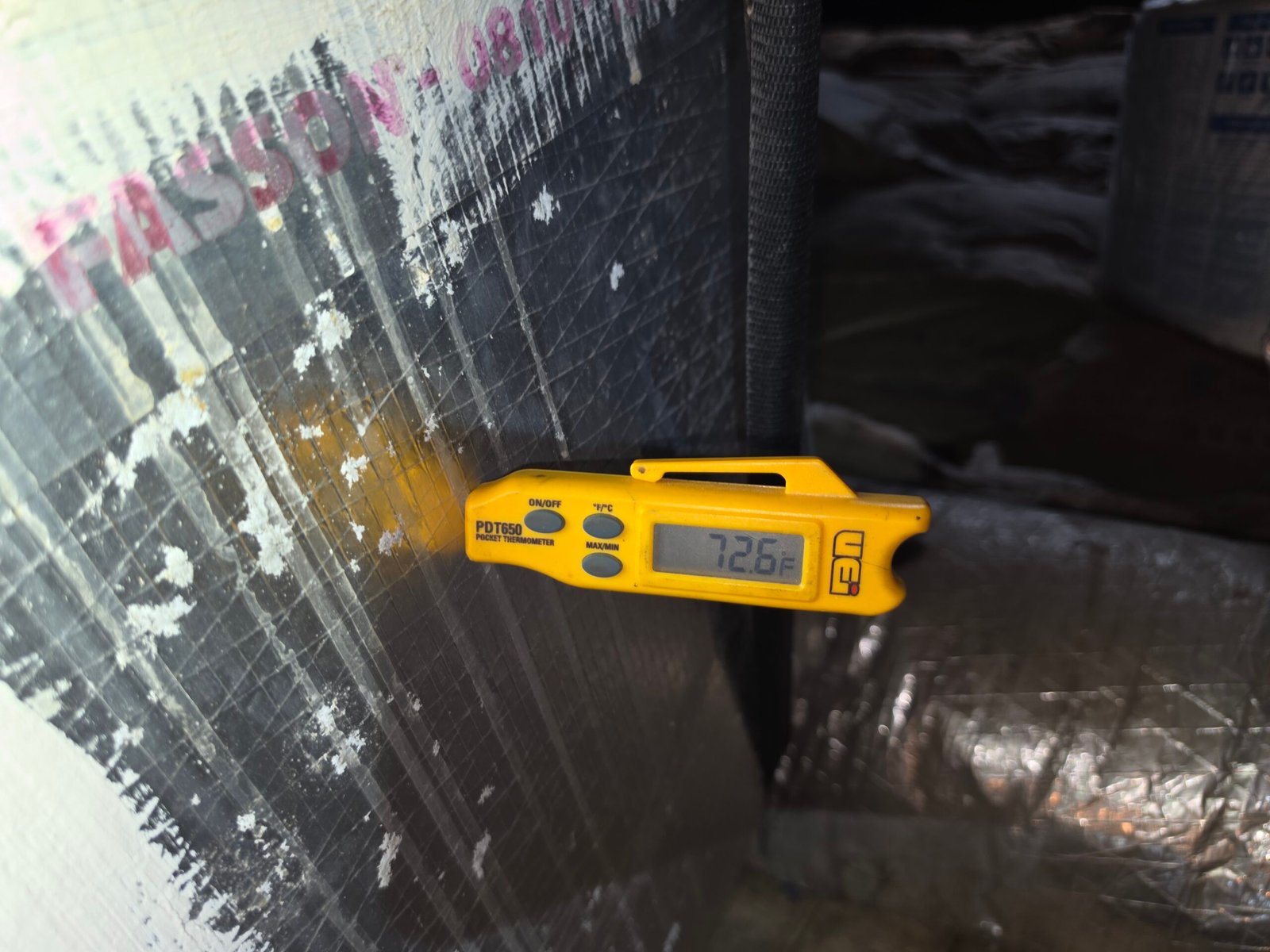
When a homeowner says the AC is “taking too long,” the first step is not guessing at a part. We look for measurable proof. In this case, Aridel measured the temperature differential, often called the delta T. That is the difference between the air entering the system and the conditioned air leaving it.
The manufacturer target range noted on this visit was 18-20 degrees. This system was only producing a 12-degree split. That number matters because it turns a vague comfort complaint into a diagnostic path. A low split can point toward airflow problems, return air contamination, refrigerant charge concerns, coil conditions, metering issues, or a combination of those factors.
On this Third Avenue job, the measurement lined up with the homeowner’s experience. The AC had not completely failed. It was running, but it could not pull the home down to temperature at the pace expected. That distinction matters. A system that runs but cools slowly needs a different diagnostic approach than a system that will not start at all.
The homeowner also needed firm timing for the visit because cleaners were scheduled at the property and the work needed to be completed before a guest arrived. That scheduling detail did not change the technical work, but it did shape how we communicated. We kept the inspection focused, explained what we could confirm, and separated known problems from suspected problems so the homeowner could make a clear decision.
The Return Duct Hole Was Pulling Hot Attic Air Into the System
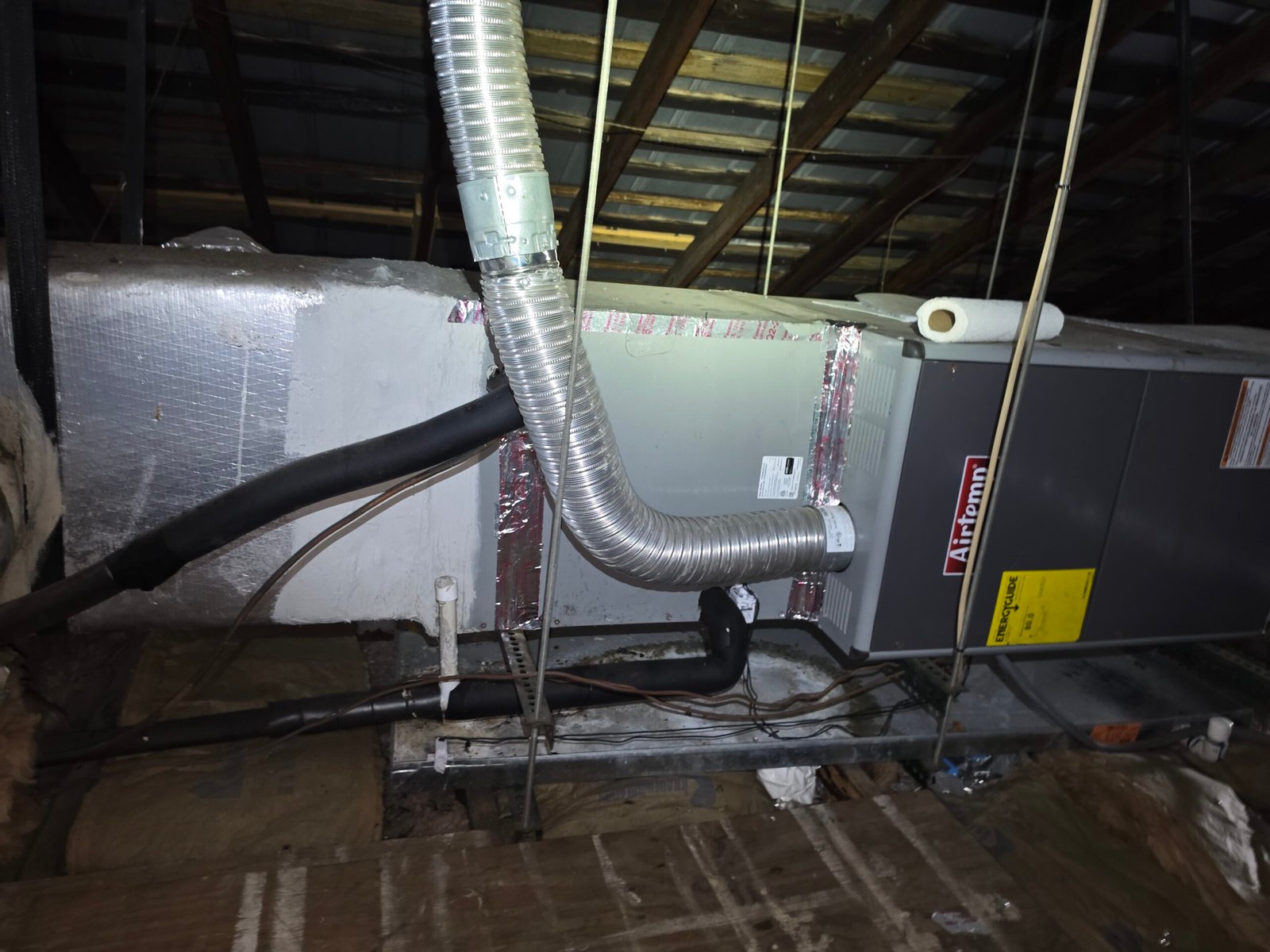
The hole in the return duct was a confirmed defect because it allowed attic air to mix with return air before the system could cool it.
A return duct is supposed to bring indoor air back to the air handler. When that duct has an opening in an attic, the system can pull in hot, humid attic air instead of only recirculating conditioned indoor air. In Tampa, that matters because attic temperatures and humidity can be much harsher than the living space. The AC then has to fight extra heat that should never have entered the return side in the first place.
That is why sealing the duct with tape and mastic was not a cosmetic repair. Mastic is a duct sealing compound that helps close gaps and reduce air leakage. Tape helps bridge and secure the repair area, while mastic provides the durable seal. Together, they stop hot attic air from being drawn into the return path.
This is also where the least invasive repair strategy mattered. A suspected TXV issue was noted, but the TXV was not confirmed as the root cause at that stage. The thermostatic expansion valve regulates refrigerant flow into the evaporator coil. If it does not feed refrigerant correctly, cooling performance can suffer. But replacing a TXV before correcting a known return air leak would put the job out of order.
We recommended sealing the return duct first because it directly addressed a confirmed issue that could explain the low temperature differential. The combined visit covered the diagnostic work, labor and materials to seal the return duct opening with tape and mastic, R410A refrigerant up to the quoted amount, and the homeowner’s premium plan status; the combined invoice came to $570.60.
That bundled framing is important because this was not a single isolated part swap. The visit included diagnosis, duct repair work, refrigerant correction, and plan-related handling in one service call.
The R410A Charge Was Corrected Before Any TXV Decision
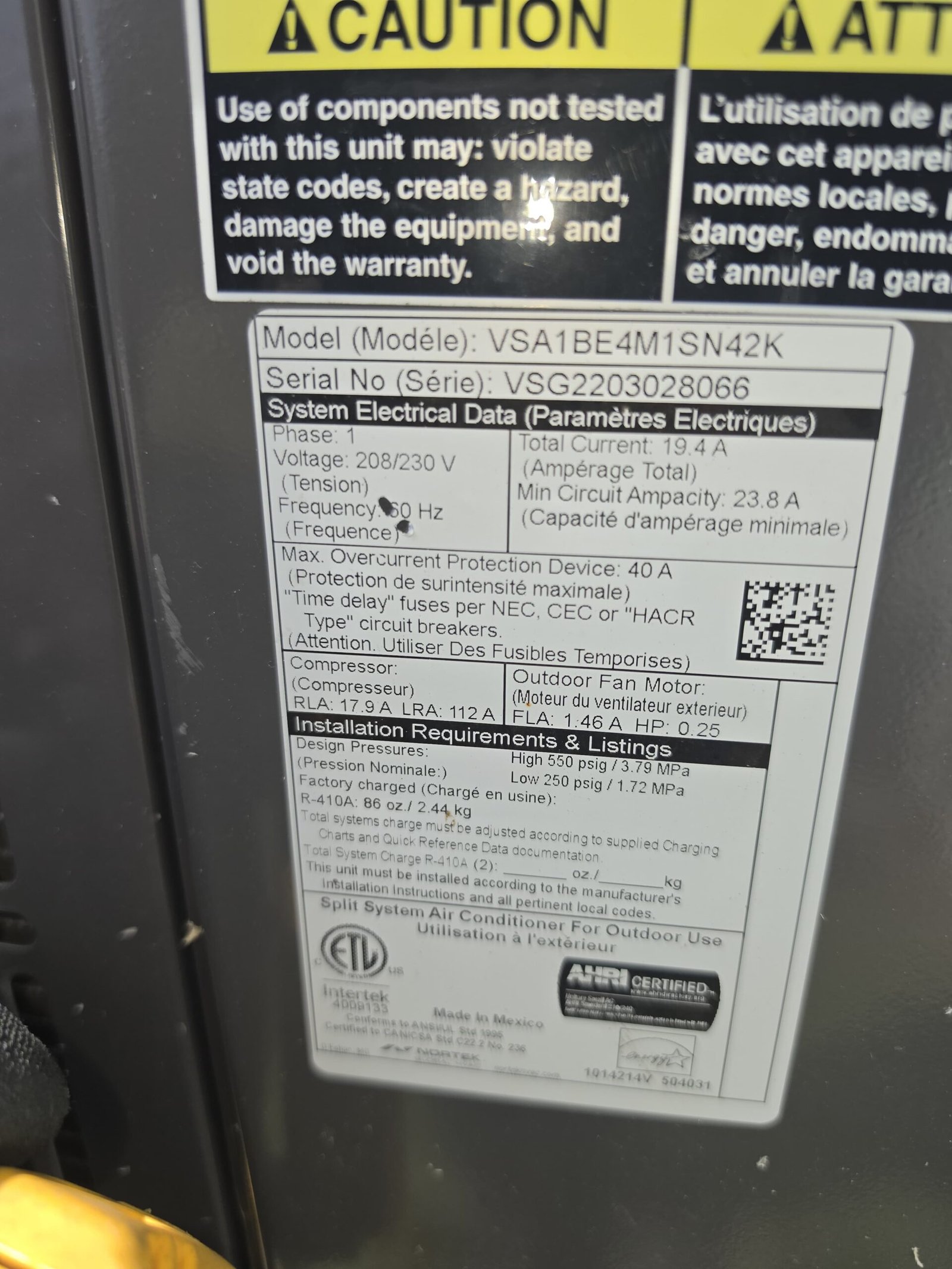
The R410A addition was the next logical step because the system was not reaching the manufacturer’s required subcooling level after the duct issue was identified.
Subcooling is one way technicians evaluate whether a cooling system has the correct refrigerant charge. In plain language, it tells us whether the refrigerant leaving the condenser has been cooled into a stable liquid state before it reaches the indoor coil. If the system is below the manufacturer’s specified subcooling target, the refrigerant charge may be low.
On this job, the recommendation was to add 1-2 pounds of refrigerant and allow for up to 3 pounds of R410A within the approved scope. That recommendation was not made as a guess. It followed the measured 12-degree temperature split, the confirmed duct opening, and the technician’s finding that the system was not reaching the expected subcooling level.
We also documented a realistic limit: adding more than 2 pounds of refrigerant can indicate that the system may have a leak. That does not automatically prove a leak in every case, but it is a meaningful warning sign. If refrigerant leaves the system, performance can decline again unless the leak is found and addressed.
The TXV stayed in the “possible, not confirmed” category. That was the right call. A TXV replacement can be a more involved repair, and the evidence on this visit supported correcting the known air and charge issues first. If the temperature differential improved after the duct seal and refrigerant correction, no TXV repair would be needed. If the system still underperformed, then further TXV evaluation would be based on fresh performance data instead of assumption.
Pro Tips for Tampa Homes With Slow Cooling and Low Delta T
Slow cooling in Tampa Bay often comes from more than one small issue stacking together, so homeowners should look for patterns instead of focusing on only one part.
Check the filter before assuming the system is low on refrigerant. The prior maintenance recommendation for this property was to replace the filter. A restricted filter can reduce airflow, affect comfort, and make diagnostic readings harder to interpret.
Do not ignore return duct leaks in attic spaces. A supply duct leak wastes conditioned air, but a return duct leak can pull attic air into the system. In a humid Tampa attic, that can drag down the temperature split and make the AC run longer.
Ask for the actual temperature differential. A phrase like “not cooling well” is useful, but a measured delta T gives the repair a technical baseline. On this job, the 12-degree split explained why the home was slow to cool.
Be cautious with refrigerant-only repairs. Refrigerant should not be treated like fuel that gets used up. If a system needs a larger addition, the possibility of a leak should stay part of the conversation.
Sequence matters. The least invasive confirmed fixes should come before major component replacement. On this Tampa job, sealing the return duct and correcting the R410A charge came before any TXV decision.
Questions From This Third Avenue AC Repair
Why did the 12-degree temperature differential matter?
The 12-degree temperature differential mattered because it confirmed that the AC was underperforming, not just taking a little longer because of weather or thermostat preference. The expected manufacturer range on this visit was 18-20 degrees. A lower split means the system is not removing enough heat from the air passing through it, so the technician needed to look at airflow, return air leakage, refrigerant charge, and metering performance.
Why did we seal the return duct before focusing on the TXV?
We sealed the return duct first because the duct hole was a confirmed problem and the TXV was only suspected. A return leak in an attic can pull hot air into the system and distort cooling performance. If we replaced a TXV before fixing that known air leak, we could have recommended a more invasive repair without proving it was needed. The better sequence was to correct the confirmed issue, then retest performance.
Does adding R410A mean the AC has a leak?
Adding R410A does not automatically prove a leak, but needing a larger amount can be a warning sign. On this visit, the scope allowed up to 3 pounds, and the notes explained that adding over 2 pounds could indicate a leak that may need attention. Refrigerant should stay sealed inside the system. If cooling problems return after the charge correction, leak evaluation becomes a more important next step.
Why was the homeowner’s timing request relevant to the service call?
The timing request mattered because the homeowner needed the property ready before a guest arrived and had cleaners scheduled at the same time. That made communication and prioritization especially important. Aridel focused on measurable diagnostics, separated confirmed findings from suspected ones, and recommended the least invasive next steps first so the homeowner could make a practical decision without unnecessary delay.
Why Choose Home Therapist for Tampa AC Repair
Home Therapist handles AC repair across Tampa Bay with the experience of a licensed HVAC and plumbing company founded in 2017. Our HVAC license is CAC1819196, and our plumbing license is CFC1431159. We service every brand, and we keep recommendations grounded in what the system actually shows during testing. Tampa homeowners can also review our local presence on Facebook reviews, Yelp, and our Better Business Bureau profile. With 1,300+ five-star reviews, Home Therapist has built its reputation on clear explanations, practical repair sequencing, and free estimates and diagnosis for Tampa Bay homeowners.
Schedule AC Repair in Tampa, FL 33605
If your AC is running but taking too long to cool your Tampa, FL 33605 home, schedule AC repair with Home Therapist. We offer FREE estimates and FREE diagnosis, and our team will start with measurable findings instead of guesswork. Call (813) 343-2212 or visit Home Therapist to request service. We will explain what we can confirm, what remains only a possibility, and which repair step makes the most sense for your system.
The industry guidance behind this approach is set out in ACCA technical standards.


