
AC Replacement Cost in Summer: Tampa Bay Price Guide
Quick answer: No, AC replacement does not cost more in Tampa because of summer itself. Our price book prices jobs by unit size, type, and efficiency level, the same whether you call in July or January. What actually changes year to year is the manufacturer's cost for the equipment, which has risen steadily since COVID and is expected to jump another 20 to 30 percent starting January 2025 as the industry shifts to new refrigerant types. Get a free Tampa estimate now, before that increase hits.
On this page: Is it more expensive to replace an AC in Tampa during summer · What did we find on this Tampa AC replacement call · Why does AC equipment pricing change every year regardless of season · How much does a new AC unit cost for a 2000 sq ft home in Tampa · Will HVAC prices go down in 2026 · Is it worth fixing a 20 year old AC unit · What should Tampa homeowners do before the next round of price increases hits · What does a free AC replacement estimate from Home Therapist include · FAQ
Is it more expensive to replace an AC in Tampa during summer?
No. At Home Therapist Cooling, Heating, and Plumbing our price book for AC replacement is set by unit size, unit type, and efficiency level, not by the calendar. A homeowner calling in July gets charged the same as a homeowner calling in January for the identical unit and the identical job. That is standard practice for a licensed contractor working off a fixed price book instead of quoting on the fly.
What actually shifts the number a homeowner sees is not season, it is the underlying cost of the equipment itself. Manufacturers set wholesale pricing on units, and that pricing moves with material costs, supply chain conditions, and federal efficiency or refrigerant rules, not with outdoor temperature. So if you get a higher quote in August than you got in February, it is almost always because equipment pricing changed in between, or because a different unit size or efficiency tier was quoted, not because it is hot outside.
That said, summer in Tampa Bay is when AC systems fail the most, because compressors and coils are working harder for longer hours against high heat and humidity. That means summer is when replacement calls spike, and a busy company may have a longer wait for scheduling in July than in November. That is a real difference, but it is about availability, not price.
If your system is struggling right now, the smartest move is to lock in a free estimate before the unit fails outright and you are stuck without cooling in a Tampa heat wave. See our AC replacement page for how our process works and what a free estimate covers.
| Pricing structure | Price book set by unit size, type, and efficiency, same in summer or winter |
| What actually changes | Cost of the units themselves, updated year to year |
| Cost driver | Material costs rising sharply since COVID |
| Projected increase | 20 to 30 percent increase expected starting January 2025 |
| Reason for increase | Shift to a different refrigerant gas type across the industry |
| Technician's advice | Replace now before the new pricing and refrigerant change take effect |
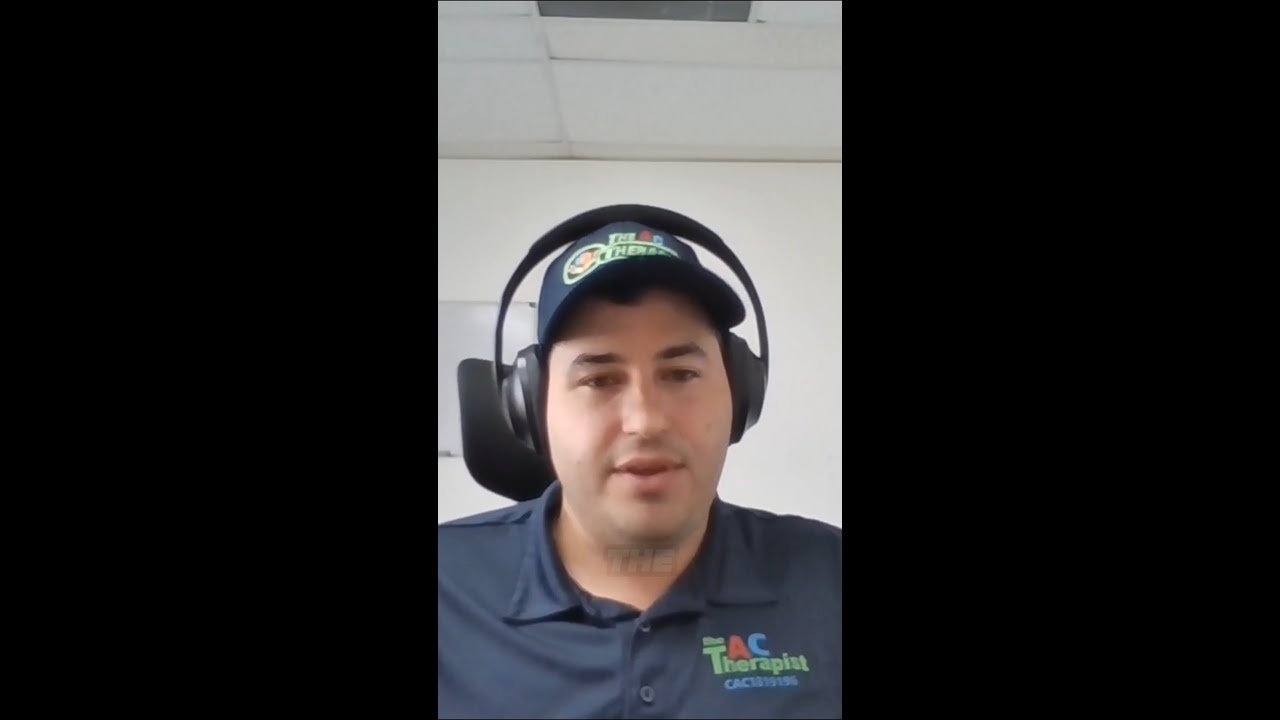
What the video shows
- 0:00 Question posed: is it more expensive to replace an AC in Tampa in summer
- 0:08 Tech explains the price book is set by unit size, type, and efficiency
- 0:18 Same price charged summer or winter, only unit cost changes
- 0:28 Material costs up sharply since COVID
- 0:35 20 to 30 percent price increase expected starting January 2025
- 0:42 Advice: get it done now before paying the premium
What did we find on this Tampa AC replacement call?
On this call our technician was asked directly on camera the same question a lot of Tampa homeowners ask: does it cost more to replace an AC unit in the middle of summer versus in December? The answer given on site was straightforward. Our price book is fixed by unit size, unit type, and efficiency level, so the labor and pricing structure does not move with the season.
He also flagged something more important for anyone shopping right now. Equipment costs themselves have climbed steadily since COVID due to material costs, and pricing is set to jump again, somewhere in the range of 20 to 30 percent starting in January 2025. Part of that increase ties back to a shift in the type of refrigerant gas the industry is moving to, a change being framed as a big efficiency upgrade but that also drives equipment cost up.
The advice given on camera was direct: if your system is old or already struggling, getting the replacement done now, before the next round of equipment price increases hits, is the better financial move than waiting. Once the new pricing and new refrigerant requirements are fully in effect, homeowners will be paying the premium on top of whatever job specifics apply to their home.
This is the kind of straight answer you get from a company that has been doing licensed HVAC work in the Tampa Bay area since 2017. We are not trying to scare anyone into a same day sale, we are telling homeowners what our own price book shows us year over year, and letting them decide when to move.
| Likely cause | Telltale sign | Safe to DIY? |
|---|---|---|
| Unit age past 15 to 20 years | Rising energy bills, frequent repair calls | No |
| Outdated refrigerant type | System uses a discontinued refrigerant that is hard and expensive to source | No |
| Failing compressor | Warm air from vents, loud grinding or clicking noises | No |
| Corroded or leaking coils | Visible rust, ice buildup on the unit, or a refrigerant leak | No |
| Undersized or oversized system for the home | Uneven cooling, short cycling, sticky indoor air | No |
| Leaky or poorly sealed ductwork | Weak airflow at vents, high bills despite a working unit | Partial, inspection ok but sealing is best left to a pro |
Why does AC equipment pricing change every year regardless of season?
Season has nothing to do with it, but the manufacturer’s price list absolutely does, and that list rarely holds steady for very long. A few forces are driving the increases homeowners are seeing year after year.
- Material costs. Copper, aluminum, and steel used in coils, cabinets, and compressors have all seen sustained cost increases since 2020, and manufacturers pass that straight through to the price of every unit.
- Refrigerant transition. The HVAC industry has been shifting away from older refrigerants toward newer, lower global warming potential blends as part of a federal phase down schedule. New refrigerant types generally require redesigned components, which adds cost to the equipment itself.
- Efficiency standard updates. Minimum efficiency requirements get revised periodically, and manufacturers redesign product lines to meet them, another cost that lands on the sticker price.
- Annual price resets. Most major manufacturers, including the Goodman and Daikin lines we install, issue new dealer pricing around the start of the calendar year, which is why January is often when equipment costs jump rather than any particular season.
None of these forces care whether it is 95 degrees in Tampa in August or 60 degrees in January. They are set at the manufacturer level, then passed to the dealer, then reflected in what a homeowner pays for the unit itself. Labor, install time, and permitting costs at a licensed company like ours tend to be far more stable than equipment costs, because those are tied to our own price book rather than a manufacturer’s shifting dealer cost.
The practical takeaway for a Tampa homeowner is this: if your unit is already on its last legs, the calendar is not your enemy, but waiting through another manufacturer price cycle usually is.
How much does a new AC unit cost for a 2000 sq ft home in Tampa?
There is no single number, because our price book prices by unit size, unit type, and efficiency level, and a 2000 square foot Tampa Bay home can land in more than one size or efficiency category depending on insulation, duct condition, sun exposure, and how the home was originally built. As a general industry range, most straightforward AC replacements for a home in that size class fall somewhere between a mid range single stage system and a higher efficiency variable speed system, with total project cost varying significantly based on which tier you choose and whether ductwork or electrical work is needed alongside the unit.
The only way to get an exact number for your specific home is a free, on site estimate. A tech needs to see your existing equipment, check your ductwork, measure your home’s actual cooling load, and confirm electrical compatibility before quoting a firm price, because square footage alone does not tell the whole story. Two 2000 square foot homes in the same Tampa neighborhood can need very different sized systems depending on ceiling height, window count, and attic insulation.
What we can tell you with confidence is that whatever your home needs, our price for that unit size, type, and efficiency level is the same whether you call us in July or January. What changes year to year is what the manufacturer charges us for the equipment itself, and that has been trending upward since 2020, with another increase expected as the industry finishes its refrigerant transition.
If you want a real number instead of a guess, request a free estimate through our AC replacement page. We will come out, look at your actual home, and give you a firm price built off our standard price book, no surprise summer markup, no guesswork.
Will HVAC prices go down in 2026?
Nothing in the current market points that direction, and the trend has been upward for several years running. Since 2020, HVAC equipment manufacturers have raised dealer pricing repeatedly, driven by material costs and the ongoing shift to new refrigerant types across the industry. Our own price book has watched equipment costs climb every year during that stretch, and the outlook for the near future, including the coming 20 to 30 percent increase expected to start in January 2025, does not suggest a reversal is coming in 2026.
A few structural reasons make a price drop unlikely in the near term. The refrigerant phase down is a federal mandate, not a temporary supply issue, so manufacturers are permanently redesigning product lines around new refrigerant blends, and that redesign cost tends to stick around in pricing rather than fade once the transition is complete. Material costs for copper and aluminum have also not meaningfully reversed since their pandemic era increases. And efficiency standards tend to ratchet upward over time, rarely backward, which pushes manufacturers toward more complex, more expensive equipment rather than simpler, cheaper units.
That does not mean every single model or brand will rise at the same rate. Pricing on specific lines can vary by manufacturer and by year, and a homeowner who shops carefully with a licensed dealer can still find a fair price on a quality system. But waiting on the assumption that prices will drop back to where they were a few years ago is not a strategy we would recommend based on what we have watched happen in this market since 2020.
If your current system is failing or already past a reasonable repair point, the math generally favors moving now rather than betting on a future discount that the industry has given no real signal is coming.
Is it worth fixing a 20 year old AC unit?
In most cases, no, and the math gets worse the older the system gets. As a general industry benchmark, a well maintained central AC system in the Tampa Bay area typically lasts somewhere in the 12 to 15 year range before major components start failing, given how many hours these systems run cooling and dehumidifying homes in our climate. A unit pushing 20 years old is well past that window, and it is usually running on borrowed time even if it is still limping along.
A few practical issues stack up against repairing a 20 year old unit. Parts availability gets harder every year, since manufacturers stop stocking components for discontinued product lines, and a tech may have to search for or special order a part, adding time and cost to what should be a simple fix. Older units, especially anything still running on refrigerant types phased out years ago, cost far more to service if they develop a leak, since that refrigerant is expensive and increasingly scarce. Efficiency is another factor. A 20 year old unit is running at a fraction of the efficiency of a new system, so the homeowner is paying more every month in electricity on top of paying for the repair itself.
The general rule of thumb we use in the field is that if a repair is going to cost more than roughly a third to half of the price of full replacement, or if the unit has already had multiple breakdowns in the past couple of years, replacement is almost always the better long term investment. A 20 year old system checks both of those boxes for most Tampa homeowners.
The exception is a unit that has been meticulously maintained and only needs a genuinely minor, low cost fix, in which case a quick repair to buy a few more months can make sense while you plan and budget for replacement. A free diagnosis from a licensed tech will tell you honestly which situation you are in before you spend money on a system that is close to done anyway.
What should Tampa homeowners do before the next round of price increases hits?
Get a free estimate now, before your unit fails and before the next equipment price increase lands. That is the direct advice given on this job, and it holds up against what we see across the Tampa Bay market every year. Waiting until an AC unit fully dies in the middle of a July heat wave puts a homeowner in the worst possible negotiating position, forced into a same day decision with no time to compare options or plan financing.
Here is a practical checklist for anyone whose system is aging or already showing warning signs:
- Schedule a free diagnosis before the unit fails completely, not after. A tech can tell you honestly whether repair still makes sense or whether you are close to the point of no return.
- Ask for the price book breakdown by unit size, type, and efficiency level, so you understand what is driving your specific quote rather than guessing.
- Get the estimate locked in before January, if your system is already failing, since equipment pricing has historically reset upward around the start of the calendar year and another notable increase is expected soon tied to the refrigerant transition.
- Compare efficiency tiers honestly against your actual electric bill, not just the sticker price, since a more efficient system can offset a chunk of the higher upfront cost over several summers of Tampa cooling loads.
- Confirm your contractor is licensed for both the mechanical work and any plumbing tie ins, such as condensate drain lines, so the whole job is covered under one accountable license.
None of this requires panic buying. It requires treating an aging AC system like the major home system it is, and getting ahead of both mechanical failure and market pricing instead of reacting to both at the same time. A homeowner who calls for a free estimate in the spring, while their system is still limping along, has far more leverage and far more time to make a good decision than one who calls after the compressor seizes on the hottest day of August.
What does a free AC replacement estimate from Home Therapist include?
It includes a full on site evaluation of your current system and home, a straight answer on repair versus replacement, and a firm price built off our standard price book, all at no cost to you. There is no charge for the visit and no charge for the diagnosis, whether you decide to move forward with us or not.
During the visit, one of our licensed technicians will look at your existing unit’s age, condition, and refrigerant type, check your ductwork and airflow, and take real measurements of your home rather than estimating off square footage alone. From there we quote based on unit size, unit type, and efficiency level, the same price book structure whether you call us in the middle of summer or the dead of winter. You will know exactly what you are being charged for and why, not a vague lump sum.
Because we are a licensed HVAC and plumbing contractor under Florida license CAC1819196 for HVAC and CFC1431159 for plumbing, we can also handle anything on the plumbing side of an install, like condensate drain issues, under the same visit and the same accountability, instead of you needing to coordinate two separate companies.
We install Goodman and Daikin systems, both known for solid reliability and strong warranty support, and we service every brand already in the field, so if you are not ready to replace yet we can still keep your current system running as long as realistically possible. Home Therapist Cooling, Heating, and Plumbing has been doing this work in the Tampa Bay area since 2017, it is family owned, and the company has built up more than 1,100 five star reviews from homeowners across the area.
If your system is aging, acting strange, or you just want a second opinion before the next price increase hits, request your free estimate through our AC replacement page. There is no pressure and no cost to find out where you stand.
For general guidance that lines up with what we do on a service call, see the U.S. Department of Energy and ENERGY STAR maintenance guidance.
Frequently asked questions
Does replacing an AC unit cost more in the summer than other seasons?
No, our price book charges by unit size, type, and efficiency level regardless of season. What changes over time is the manufacturer's cost for the equipment itself, not the time of year you call.
How much does a new AC unit cost for a 2000 sq ft home?
It depends on the unit size, type, and efficiency level your specific home needs, which varies even among homes of the same square footage. A free on-site estimate is the only way to get an exact number.
Why do AC unit prices keep going up every year?
Rising material costs since COVID and a federally mandated shift to new refrigerant types are the two biggest drivers, and both apply at the manufacturer level regardless of season.
Does Home Therapist offer free AC estimates in Tampa?
Yes, every AC replacement estimate and diagnostic visit is free, with no obligation to move forward.
What AC brands does Home Therapist install?
We install Goodman and Daikin systems and service all brands already installed in Tampa Bay homes.
Want the raw footage and full transcript? Watch the original video and read the transcript.
Key takeaways
- Labor pricing for AC replacement stays the same summer or winter, only equipment cost changes year to year.
- Equipment costs have risen steadily since COVID and are expected to jump another 20 to 30 percent starting January 2025.
- A 20 year old AC unit is almost always a replace, not repair, situation.
- Get a free estimate before your system fails, not after, for better timing and more options.
- Home Therapist installs Goodman and Daikin systems, services all brands, and offers free diagnosis on every service call.
Related reading: AC replacement in Tampa Bay.
More of our own footage on this
We have filmed this problem on real Tampa Bay service calls more than once. Each clip below is a different house and a different fault.
Need help in Tampa? See our AC replacement in Tampa, or all of our air conditioning services across Tampa Bay.
Home Therapist Cooling, Heating, and Plumbing is the local Tampa Bay team for AC replacement in Tampa and across the bay. We answer the phone fast, give FREE estimates and a FREE diagnosis on service calls, carry common parts on every van, and stand behind the work with real warranties. We service every brand and install Goodman and Daikin systems. Licensed HVAC CAC1819196 and plumbing CFC1431159.


