

Why a Vertical 2 Ton System Fit This Tampa AC Installation Better
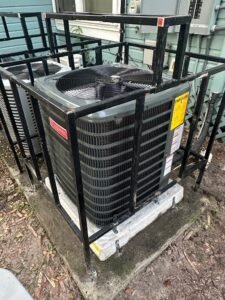
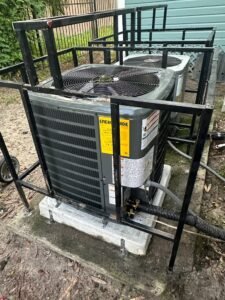
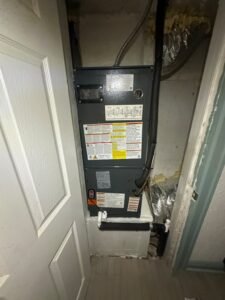
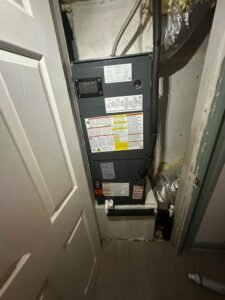
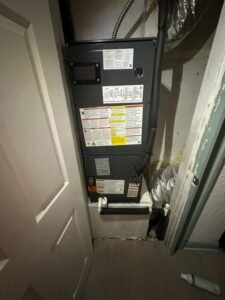
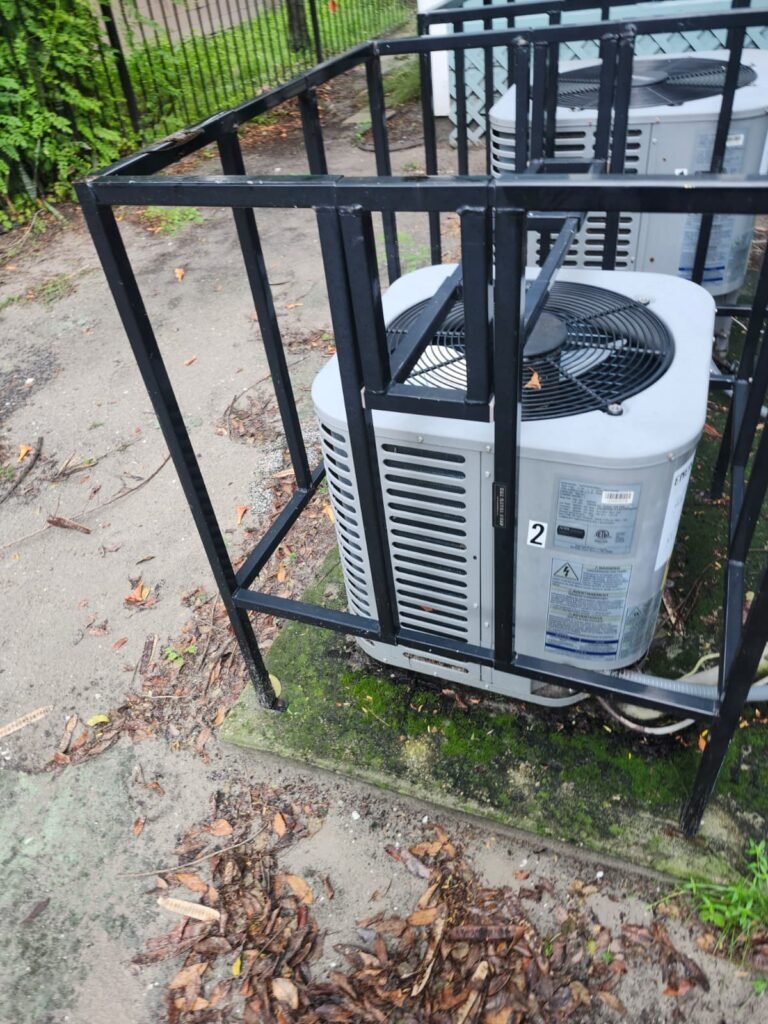
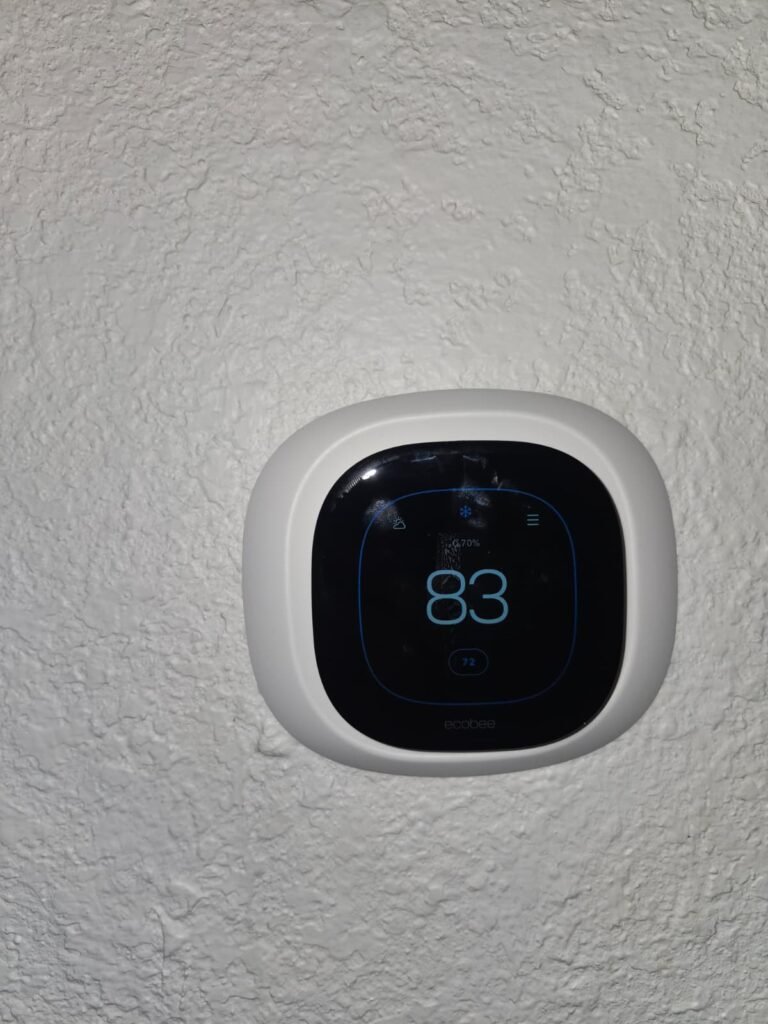
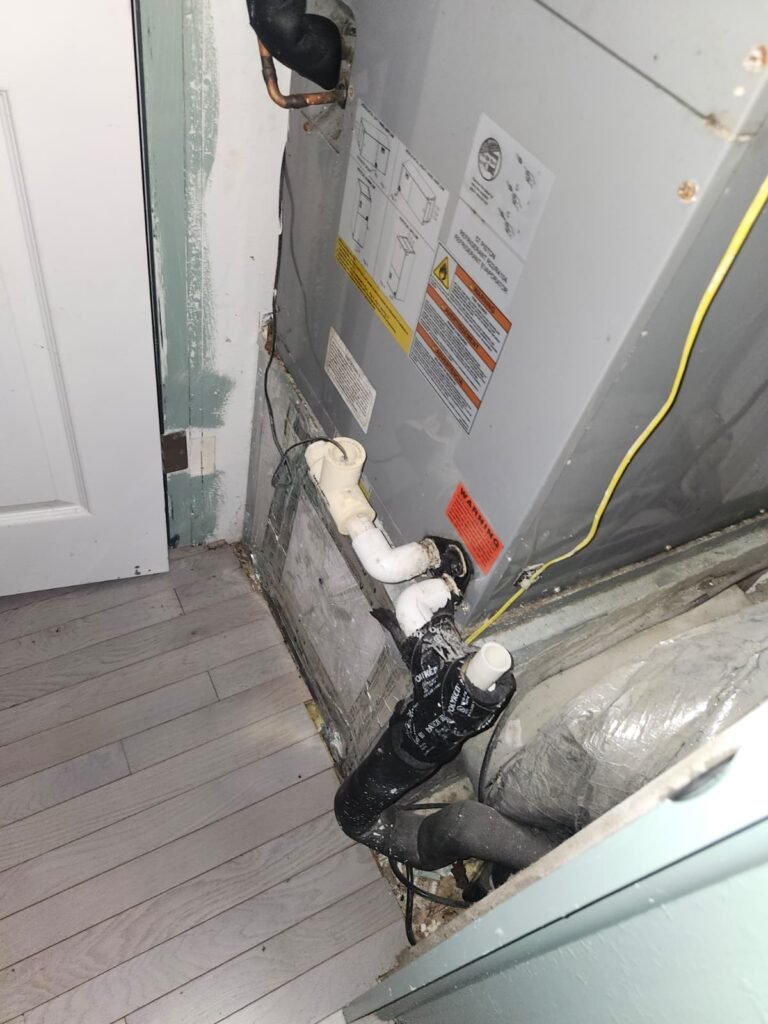
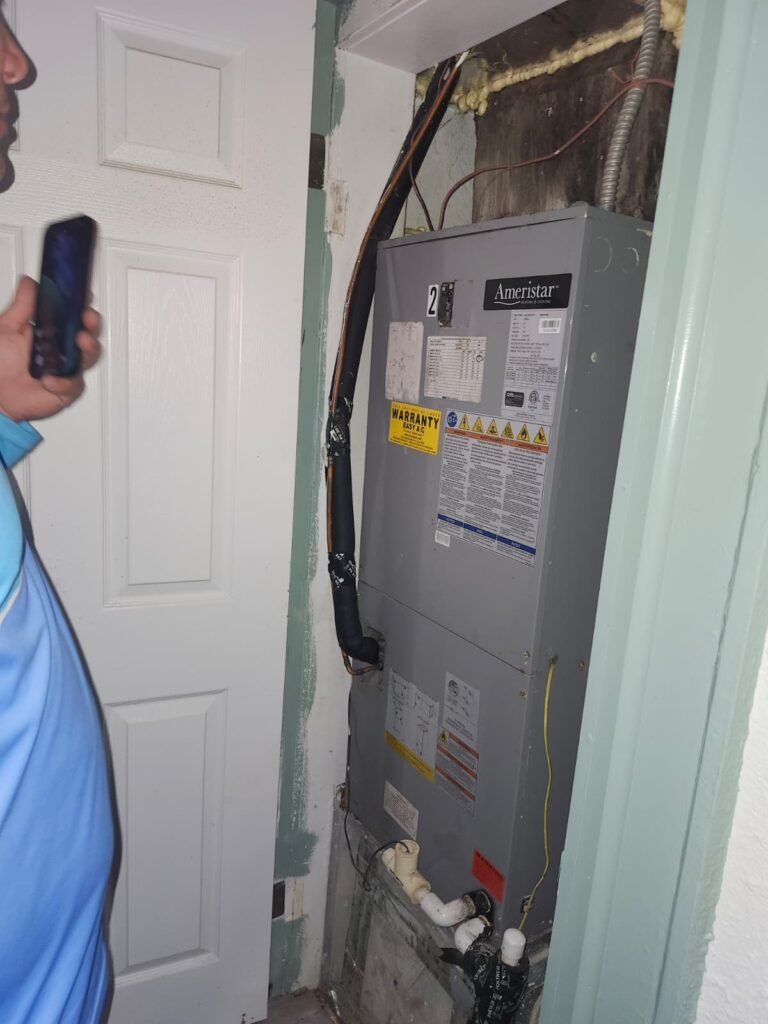
A vertical 2 ton system is often the right answer when closet space, airflow path, and matched equipment specs all need to line up in one AC installation. In Tampa, FL 33603, this AC installation centered on a Goodman 2 ton heat pump system in a vertical configuration, paired with a 5 kW heater kit, new safety accessories, and startup-ready controls.
On E Plymouth St in Tampa, FL 33603, Richard handled an AC installation built around a very specific equipment layout instead of a one-size-fits-all swap. The home needed a 2 ton heat pump system in a vertical position, not just a generic replacement, and that detail shaped the rest of the scope. This Goodman setup included a 15.2 SEER2 rating, a 5 kW heater package for supplemental heat, a smart programmable thermostat, a secondary drain pan with float switch, and hurricane-rated tie-down protection outside. The bigger lesson from this job is simple: when the configuration is right, the install goes beyond cooling and becomes a better fit for the home itself.
- Service performed: AC installation
- Neighborhood or street: E Plymouth St
- Technician: Richard
- What was done: Installed a 2 ton vertical heat pump system with thermostat, drain pan, float switch, pad, and tie-downs
- Parts replaced: Complete system and installation accessories
- Time on site: Installation started at 13:27
Vertical equipment was the key decision on this AC installation in Tampa
This AC installation in Tampa worked because the equipment matched the physical layout of the home. The selected system was a 2 ton vertical heat pump, which matters any time the indoor section has to live in a tighter closet-style space with duct connections that were built around an upright orientation. A horizontal setup can force extra transitions, awkward service access, or unnecessary duct changes. Here, the vertical position kept the install aligned with the home’s existing layout and helped preserve a cleaner path for airflow.
The equipment details also tell the story. This system was paired with a 5 kW heater for supplemental heating, a practical choice for those cooler Florida mornings when a heat pump alone may need backup assistance. It also used R32 refrigerant and carried a 15.2 SEER2 efficiency rating, which puts the job in line with current efficiency expectations. For homeowners comparing options, the configuration often matters just as much as the tonnage.
That is one reason we point readers back to our broader service area coverage. Homes across Tampa Bay may need the same cooling capacity on paper, but the install details change when the air handler position, return setup, and access space are different.
The accessories on this Tampa AC installation did real protective work
The accessories included in this AC installation were not decorative upgrades. They solved common Florida problems before those problems had a chance to become service calls. Outside, the system was set on a concrete pad and secured with a tie-down kit rated up to 150 mph. In Tampa, that kind of wind-rated protection matters. It helps stabilize the outdoor unit during severe weather and keeps the installation anchored the way it should be.
Inside, the secondary safety drain pan and float switch added another layer of protection. That pair is especially important in closet or interior installations, because a drain issue can turn into water damage before the homeowner notices it. A float switch is a simple control that shuts the system down if water rises where it should not. On this job, that safety measure was part of building the system correctly from day one, not waiting for a leak to justify it later.
The scope also included UV-protected copper insulation, locking safety caps on the condenser valves, heat shields on returns and supplies, and flushing and sanitation of the copper lines and drain line. Those details are the difference between an install that only looks new and one that is actually prepared for Florida heat, sun exposure, and long cooling seasons. For background on efficiency standards tied to modern central systems, the U.S. Department of Energy offers a useful homeowner overview.
This visit covered more than equipment delivery, and the invoice reflected the full installation scope
This was not a single-part repair or a quick changeout. The visit covered the complete AC installation scope, including the 2 ton vertical heat pump system, the 5 kW heater package, thermostat, drain protection components, outdoor pad and tie-down hardware, line and drain sanitation, and startup-related installation materials. The combined invoice for the full job came to $7,254.
The homeowner situation in the notes also showed this was a scheduled installation with ordering and payment coordination before the equipment was released. That is normal on a planned replacement. It is also why install pricing should be read in context. A full system project includes equipment, matching components, safety accessories, and labor tied to the actual layout of the home, not just the name of the outdoor unit.
One contrarian point we see often in Tampa is that homeowners naturally focus on tonnage first, but the install scope around the system is what usually determines whether the job stays trouble-free. The drain pan, float switch, thermostat setup, line sanitation, and tie-downs all matter because they reduce the odds of the next preventable callback.
Startup details matter as much as the box labels on a new system
A new AC installation only performs the way it should when the supporting details are handled carefully. On this E Plymouth St project, the installed setup included a smart programmable thermostat and a closet-mounted indoor unit with visible duct connections, which tells us the system was being built as a complete operating package rather than as loose components dropped into place. That matters for comfort, because the thermostat is the control point the homeowner actually lives with every day.
The line sanitation and drain line flush also deserve attention. Flushing the copper lines gives the refrigerant circuit a clean start, and cleaning the drain line at install helps avoid early drainage problems caused by leftover debris or contamination. Those are small line items compared with the full equipment cost, but they have an outsized effect on how cleanly the system starts its first season.
For homeowners researching what good workmanship looks like after the install, our customer reviews show how often careful scope and follow-through make the difference. Industry sizing and application guidance also comes from sources like ACCA technical manuals, which are the standards contractors use when matching system design to real homes.
Pro tips for Tampa homeowners planning a vertical AC installation
Vertical systems work best when the surrounding details are considered early, especially in older Tampa homes and tight utility spaces.
First, measure access and service clearance, not just the equipment footprint. A system that technically fits the closet still needs room for filter changes, drain protection, and future service.
Second, ask about drain safety on any indoor installation. A secondary pan and float switch are especially valuable when the unit sits near finished interior space.
Third, do not treat tie-downs and pad work as optional in Tampa Bay. Storm exposure and long outdoor run times make condenser stability important over the life of the system.
Fourth, pay attention to the thermostat included with the job. A smart programmable thermostat can help the homeowner actually use the efficiency the equipment was designed to deliver.
Fifth, ask what is being done to the existing lines and drain path during installation. A clean start on those supporting components can prevent nuisance issues later.
Questions homeowners ask after a vertical system AC installation like this one
Why would a vertical air handler be better than a horizontal one?
A vertical air handler is better when the home’s space and duct layout were built for an upright configuration. On this Tampa job, the indoor equipment position was part of the installation logic, not an afterthought. Using the right orientation helps preserve airflow, service access, and cleaner duct connections instead of forcing extra transitions that can complicate the install.
What does a float switch do on a new AC installation?
A float switch shuts the system down if water rises in the drain safety area. On this Tampa, FL 33603 installation, the float switch was paired with a secondary drain pan to help protect the home from overflow-related water damage. It is a simple safety device, but in Florida’s humid climate it can prevent a drain problem from becoming a ceiling or closet problem.
Is a 2 ton system enough for a Tampa home?
A 2 ton system can be enough, but only when it matches the home’s actual load and layout. This job used a 2 ton system because that was the selected fit for the space and installation design on E Plymouth St. Tonnage alone never tells the whole story. Airflow path, insulation, window load, and equipment position all affect whether that size is appropriate.
Why do hurricane tie-downs matter on an outdoor condenser?
Hurricane tie-downs matter because they help secure the outdoor unit during severe weather. This installation included a tie-down kit rated up to 150 mph, which is a practical Florida detail rather than a cosmetic add-on. In Tampa, a properly secured condenser has a better chance of staying stable and protected through high-wind events and long-term vibration.
What should be included in a full AC installation besides the equipment?
A full AC installation should include the components and protective details that let the system operate safely and cleanly. On this job, that meant the thermostat, pad, tie-downs, drain pan, float switch, line sanitation, drain line flush, valve safety caps, and insulated copper protection along with the main equipment. Those supporting items are part of the system, not extras to ignore.
Schedule AC installation in Tampa, FL 33603 with Home Therapist
Home Therapist handles AC installation work across Tampa Bay with a focus on matching the equipment and scope to the actual home, not forcing a generic replacement. We have served local homeowners since 2017, we hold Florida HVAC license CAC1819196 and plumbing license CFC1431159, and we have earned 1,300+ five-star reviews by staying clear, careful, and consistent on jobs like this one. That means explaining why a vertical configuration makes sense, why drain protection belongs in the scope, and why outdoor storm protection matters in this climate.
If you are in Tampa, FL 33603 and planning an AC installation, replacement, or second opinion on system layout, Home Therapist is here to help. Call (813) 343-2212 to schedule service. We provide FREE estimates and FREE diagnosis, and we service every brand. When it is time to install, our team installs Goodman and Daikin systems for air conditioning, with the same attention to fit, safety, and long-term performance that shaped this E Plymouth St project.


