

A Low-Voltage Short Burned Three AC Parts, a c contactor failure symptoms Hudson
A c contactor failure symptoms in Hudson, FL 34667 can point to a larger low-voltage problem, not just one bad part. In this case, a short in the thermostat wiring burned the air handler transformer and fuse, then required a new condenser contactor to restore normal system operation.
The bigger finding on this Wedgewood Way home in Hudson, FL 34667 was not a single failed component. Jandiel found a chain reaction in the low-voltage circuit. The air handler transformer had burned, the air handler fuse had burned with it, and the outdoor contactor also needed replacement. That matters because many homeowners search for a c contactor failure symptoms when the real cause is upstream in the control wiring. This visit shows how one shortcut in the thermostat cables can damage multiple electrical parts across the system, and why careful AC repair in Hudson has to follow the whole circuit instead of swapping one part and hoping for the best.
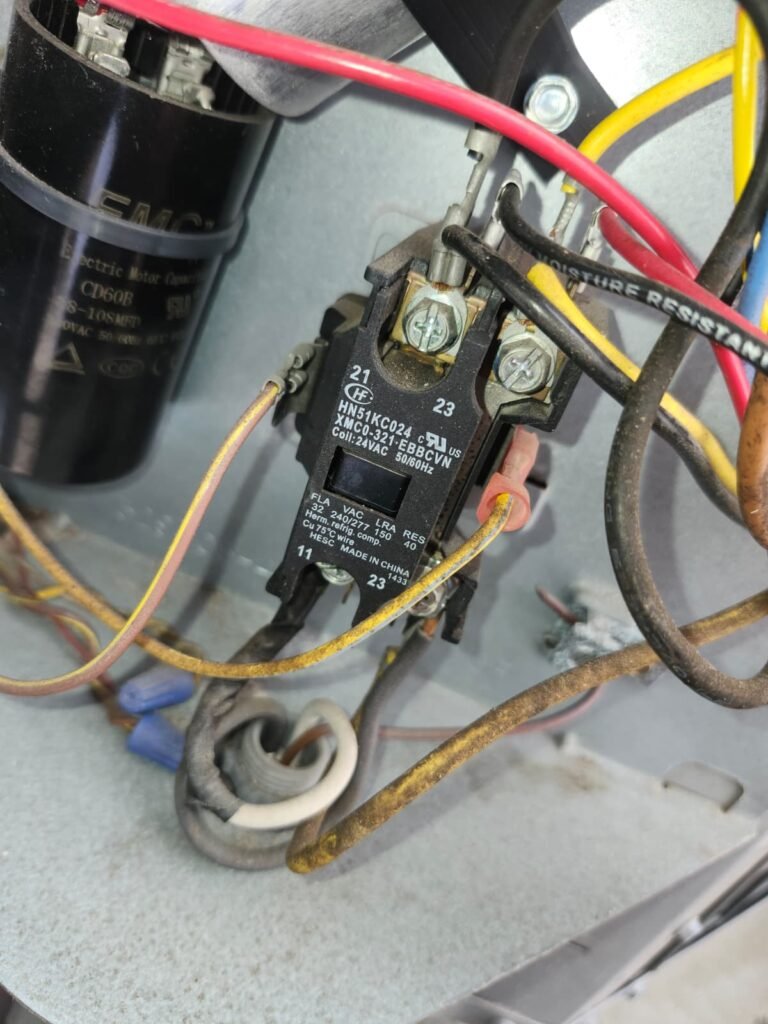
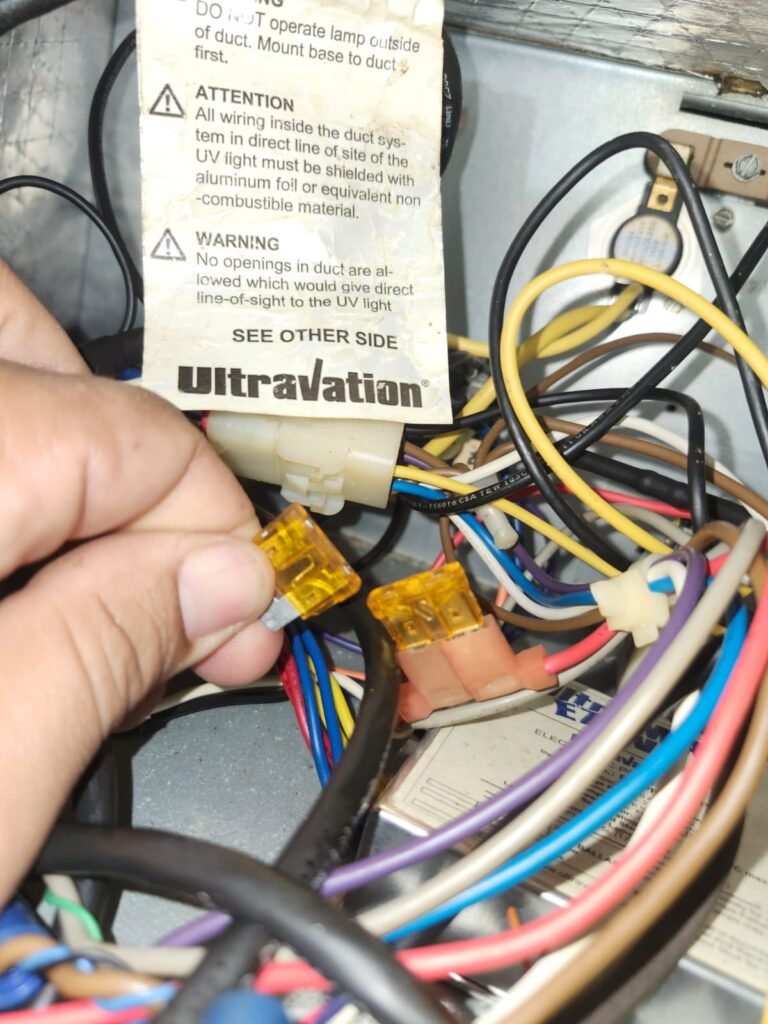
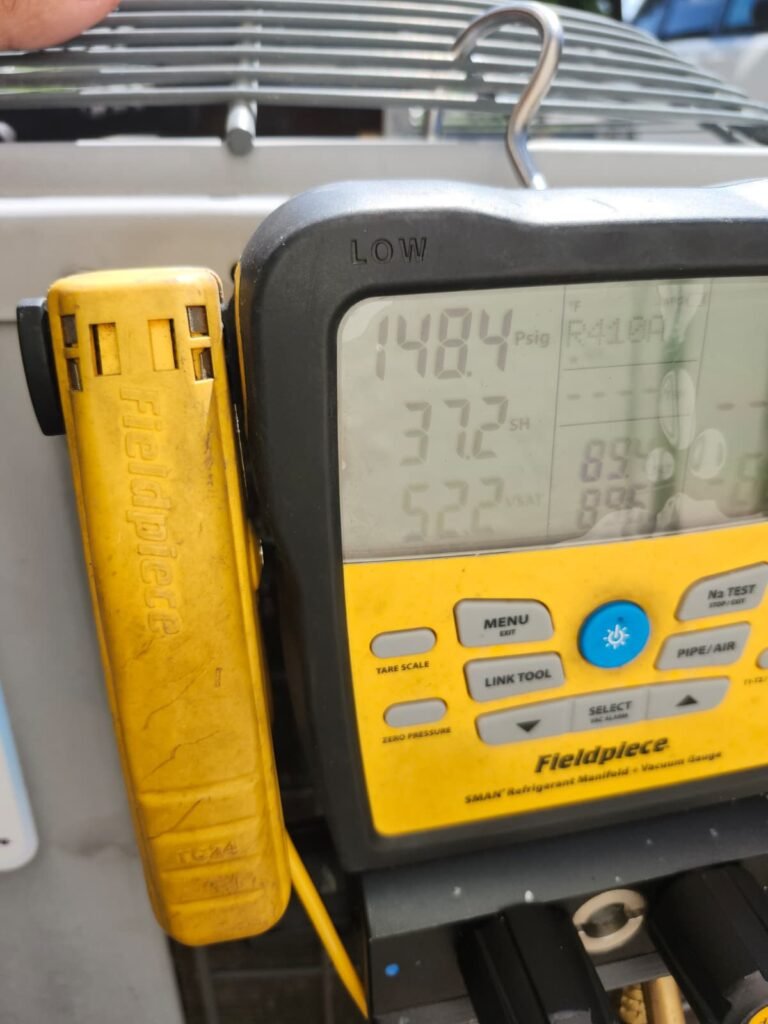
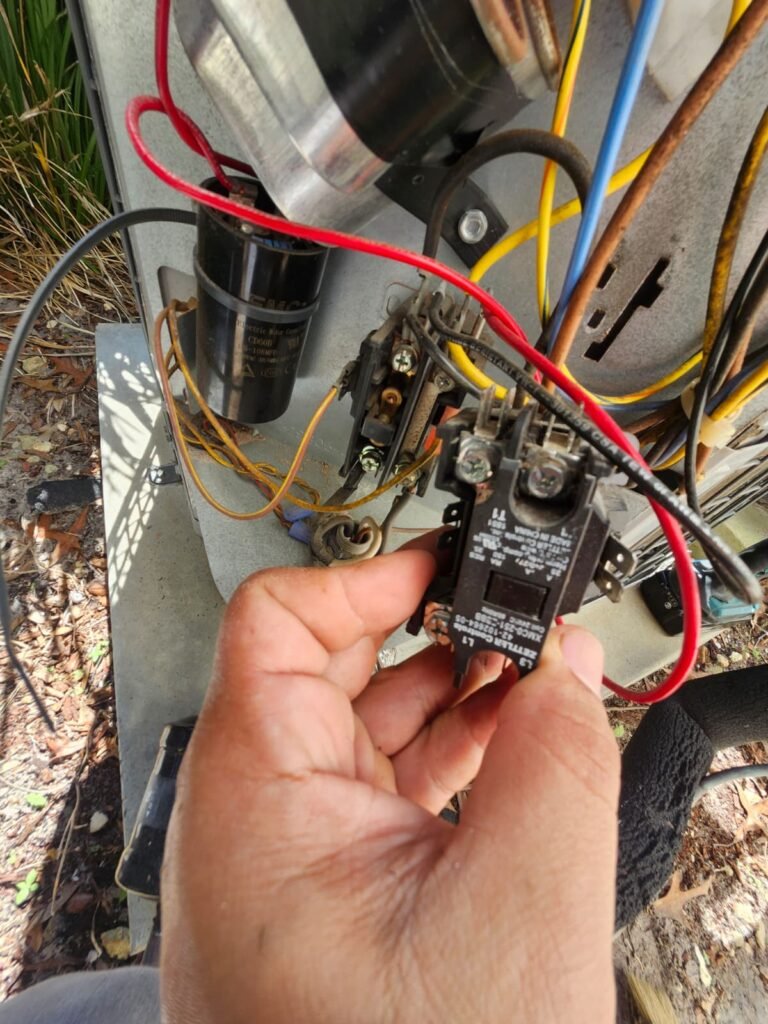
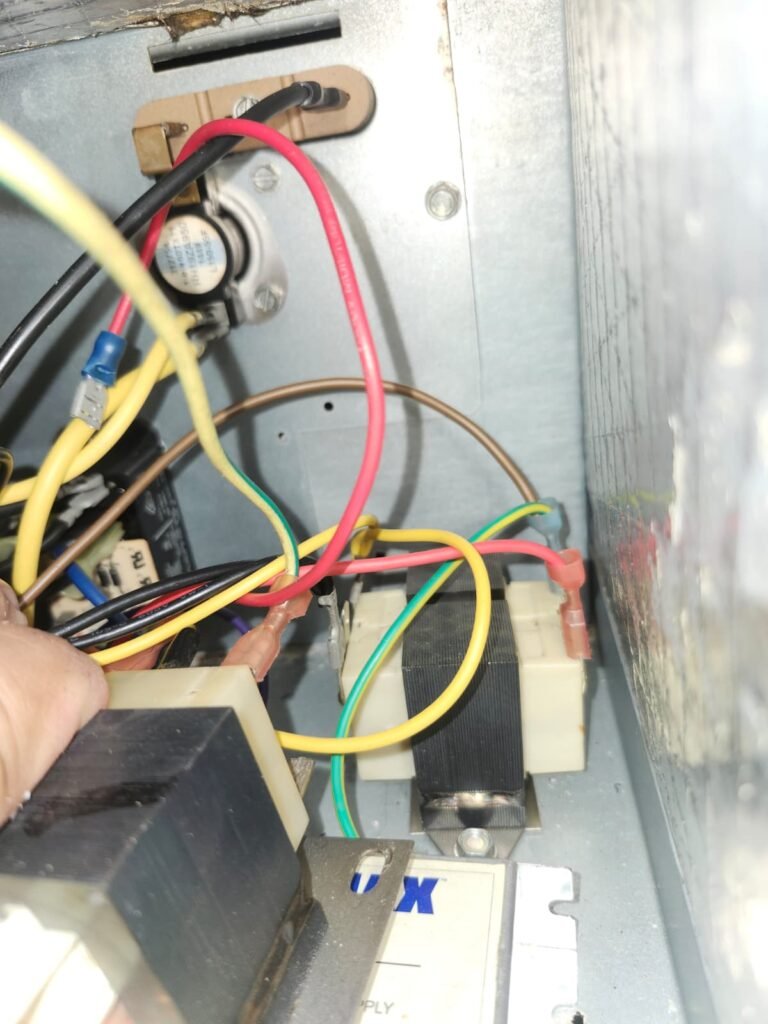
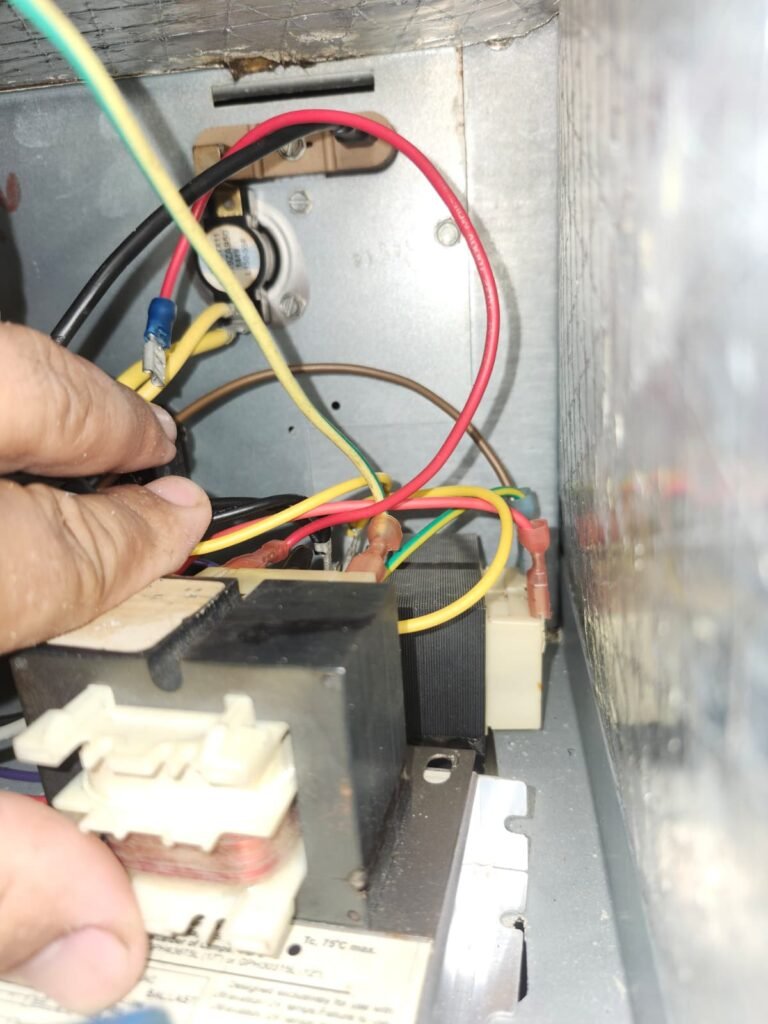
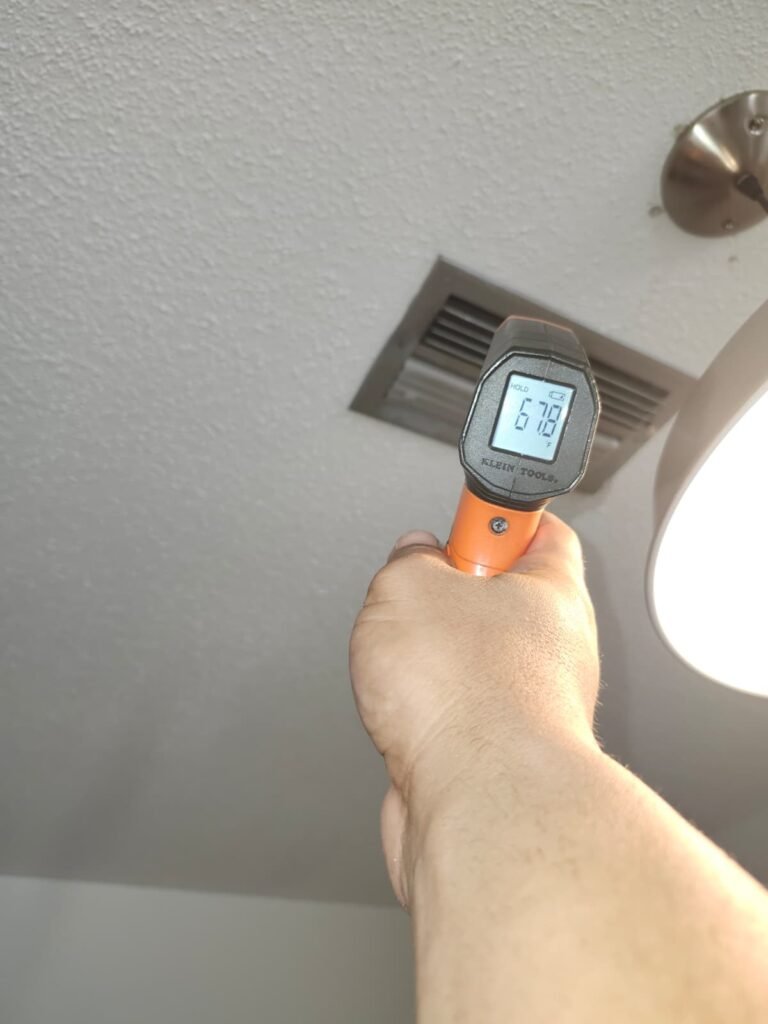
- Service performed: Transformer replacement, contactor replacement, and fuse replacement
- Neighborhood or street: Wedgewood Way
- Technician: Jandiel
- Cause: Short in the low-voltage thermostat cables
- What was done: Replaced the burned transformer, installed a new condenser contactor, and replaced the air handler fuse
- Parts replaced: Air handler transformer, condenser contactor, air handler fuse
The low-voltage short was the real problem behind these a c contactor failure symptoms
The most important fact from this Hudson call is that the contactor was not treated as an isolated failure. The notes tied the damage back to a shortcut on the low-voltage cables, specifically the thermostat wiring. In plain English, the low-voltage side is the control side of the system. It tells the air handler and outdoor unit when to turn on. When that wiring shorts, it can overload small protective and switching components before the system ever has a chance to run normally.
That is why Jandiel replaced the transformer in the air handler first, then the burned fuse, and also installed a new contactor outside. The transformer steps household voltage down to the lower control voltage the thermostat and contactor coil rely on. Once that transformer burns, the system loses a critical part of its control circuit. The fuse is there to protect that circuit, but a hard short can still take out more than one component before the failure is fully contained.
This is also where homeowners can get misled by symptoms. A system that will not start, clicks oddly, or seems partly responsive may look like a simple outdoor-unit issue. In reality, what causes a contactor coil failure Hudson homeowners ask about is sometimes damaged control wiring, not age alone.
Why replacing the contactor alone would have missed the real AC repair issue
A contactor is an electrical switch that lets the outdoor unit receive power when the thermostat calls for cooling. If the coil inside that switch is damaged, or if the contacts are burned, the condenser may not start correctly. But on this job, replacing only the outdoor switch would have left the air handler side of the failure untouched.
That is the contrarian lesson from this call. Many people assume contactor failure means the outdoor unit itself is the whole story. On Wedgewood Way, the evidence pointed to a system-wide control problem. The thermostat cable short had already burned the transformer and the fuse in the air handler. If only the contactor had been changed, the homeowner could have paid for one new part and still had an inoperative system.
This visit covered three separate electrical items, not one stand-alone repair. The combined invoice came to $967.
For homeowners comparing symptoms online, that distinction matters more than any generic list of electrical contactor failure modes. A proper diagnosis follows the path of the control signal from thermostat to air handler to condenser. That is also why we keep our articles focused on real field work instead of broad theory. The system had multiple damaged control components, and each one had to be addressed in sequence before normal operation could be verified.
What this Hudson electrical repair tells us about thermostat cable shorts
A short in thermostat wiring can create damage far beyond the thermostat itself. The thermostat cable carries the low-voltage signal that starts and stops cooling. If those wires rub through, get pinched, or touch where they should not, the system can blow a fuse, burn a transformer, or damage the contactor coil that depends on that signal.
That is one reason homeowners sometimes describe the symptom as ac blowing hot air or a system that suddenly stopped responding, even though refrigerant is not the issue. Electrical failures on the control side can make the equipment act dead, intermittent, or incomplete. The fix is not guessing. The fix is tracing what failed and why.
In Tampa Bay conditions, long cooling seasons mean contactors and low-voltage controls cycle constantly for much of the year. That does not mean every failure is normal wear. On this job, the technician notes gave a clear cause: the thermostat cables shorted and burned connected components. That is a more useful takeaway than simply saying the contactor was bad.
Homeowners who want a broader understanding of air conditioning control problems should know that electrical diagnosis is often about relationships between parts. One burned component can be the clue, but not the whole answer.
How the system was put back together after the burned fuse and transformer
The repair path here was straightforward because the failed items were clearly identified. The air handler received a new transformer so the control circuit could properly step voltage down again. The burned fuse was replaced so the protected low-voltage circuit could be restored. Outside, the condenser got a new contactor so it could respond correctly when the thermostat called for cooling.
That sequence matters. The transformer provides the control power. The fuse protects that circuit. The contactor uses that control power to open and close the high-voltage path to the outdoor equipment. If one of those pieces is left damaged, the system cannot operate as intended. When homeowners search for how to test ac contactor or compressor contactor failure, what they are really trying to understand is whether the outdoor switch failed by itself or because another control problem took it down with it.
After this kind of electrical repair, the goal is not just installing parts. The goal is verifying that the control circuit is intact again and that the cooling call can move cleanly from thermostat to air handler to condenser. That is the difference between a temporary patch and a complete repair.
Pro tips for Hudson homeowners dealing with contactor and low-voltage failures
Electrical control failures in Florida cooling systems are often more connected than they first appear. A few practical habits can help homeowners catch trouble earlier and reduce repeat damage.
- Pay attention to partial symptoms. If the thermostat responds but the outdoor unit does not, or if the system stops suddenly after acting erratic, control wiring and low-voltage parts deserve a close look.
- Do not assume every no-cool call is refrigerant related. In many Tampa Bay AC calls, the issue is electrical, especially when a fuse, transformer, or contactor has burned.
- Replace failed parts only after the cause is identified. A new contactor can fail again if the thermostat wire short that damaged it is still present.
- Ask for the control-side explanation in plain English. Homeowners should understand what part failed, what caused it, and what was done to prevent the same damage from repeating.
- Use symptom guides carefully. Articles about ac short cycling or other common problems can be helpful, but the exact cause still has to be confirmed on the actual equipment.
Questions homeowners ask after a contactor, transformer, and fuse failure
How do I know if my AC contactor is bad?
A bad AC contactor usually shows up as an outdoor unit that will not start, will not stay engaged, or acts inconsistently when the thermostat calls for cooling. On this Hudson job, the contactor was part of the failure, but it was not the only failed part. The more accurate lesson is that contactor symptoms should be checked alongside the transformer, fuse, and thermostat wiring so the root cause is not missed.
Will an AC fan run if the contactor is bad?
Yes, part of the system can appear to run even if the contactor is bad, depending on which section is affected. The indoor blower and the outdoor condenser do different jobs and rely on different parts of the control sequence. That is why some homeowners see airflow but no cooling. In a case like this one, the low-voltage short made it important to evaluate the whole control circuit, not just whether one fan moved.
Why would a contactor fail?
A contactor can fail from normal wear, electrical pitting, coil damage, or a control-side issue like a low-voltage short. On this Wedgewood Way call, the technician notes tied the failure to thermostat cables that shorted. That is a good example of why reasons for contactor failure are not always inside the contactor itself. Sometimes the switch is damaged by a wiring problem elsewhere in the system.
How do you prevent contactor failure?
You prevent some contactor failures by catching wiring and control issues early, but not every failure is fully avoidable. Regular service can help spot loose connections, heat damage, and worn control components before they burn out. More importantly, when a contactor does fail, the surrounding low-voltage circuit should be checked so a hidden short does not damage the replacement part too.
What is the typical lifespan of an AC contactor?
An AC contactor’s lifespan depends heavily on usage, electrical conditions, and climate. In Florida, long cooling seasons mean the part cycles far more often than it would in milder regions. That said, this Hudson repair was not presented as simple old age. The documented cause was a thermostat cable short, which is why the repair had to include the transformer and fuse as well as the contactor.
Schedule AC repair in Hudson, FL 34667 with Home Therapist
If your system is showing a c contactor failure symptoms, blowing a fuse, or acting like the thermostat signal is not reaching the outdoor unit, Home Therapist can help trace the problem correctly. We serve Hudson and the surrounding Tampa Bay area with licensed HVAC and plumbing service, HVAC license CAC1819196 and plumbing license CFC1431159. Since 2017, our team has built a reputation around careful diagnostics, clear communication, and more than 1,300 five-star reviews.
We keep the focus on what actually failed and what caused it, whether that means a burned transformer, a damaged fuse, or a contactor taken out by a low-voltage short. If you are dealing with an electrical cooling issue in Hudson, FL 34667, call Home Therapist at (813) 343-2212. We provide FREE estimates and FREE diagnosis on every service call, and we are happy to explain what we find in plain language so you can make the right decision for your home.


