

How to Increase Airflow in Ductwork With AC Maintenance in Tampa
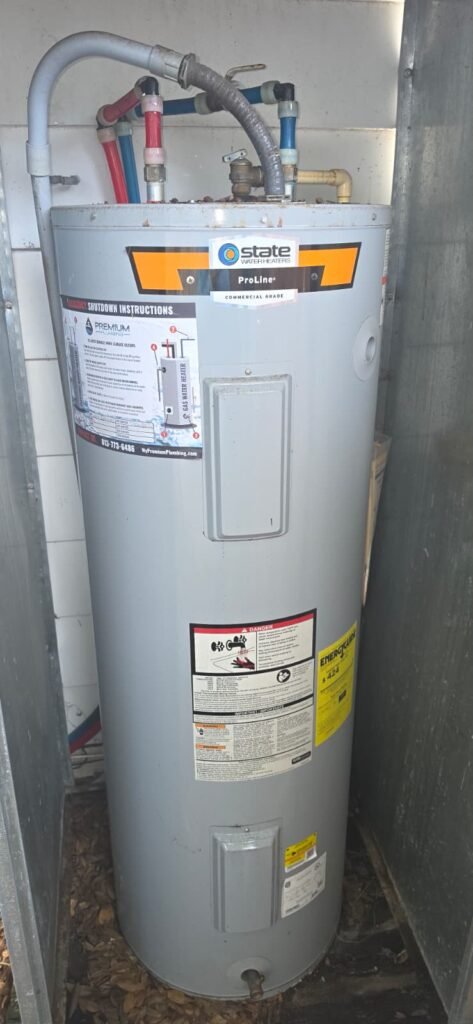
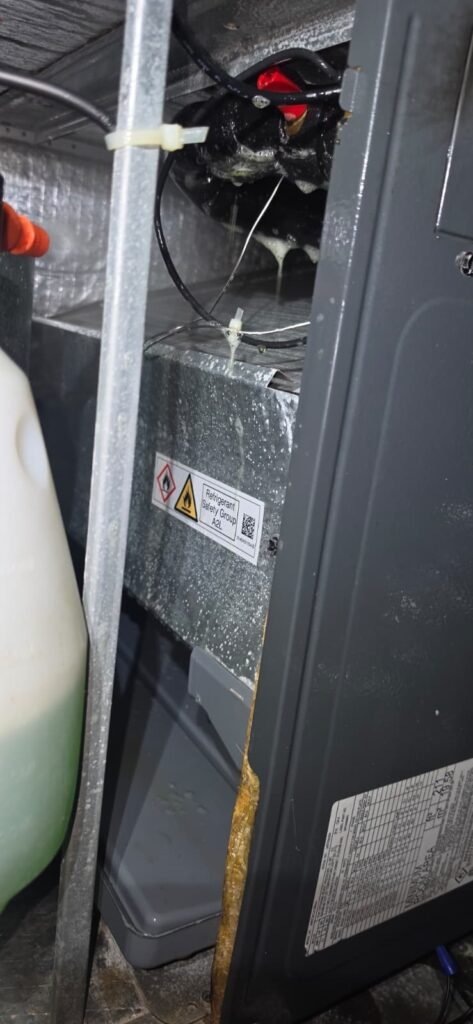
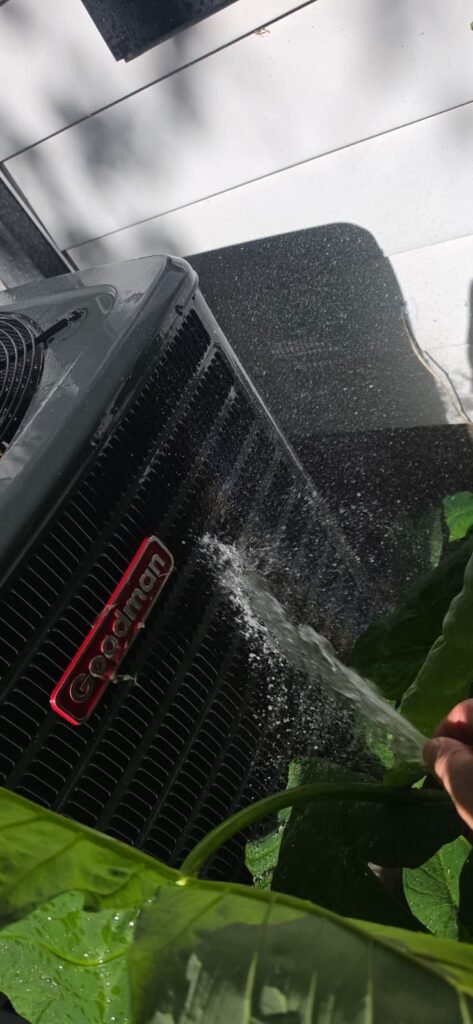
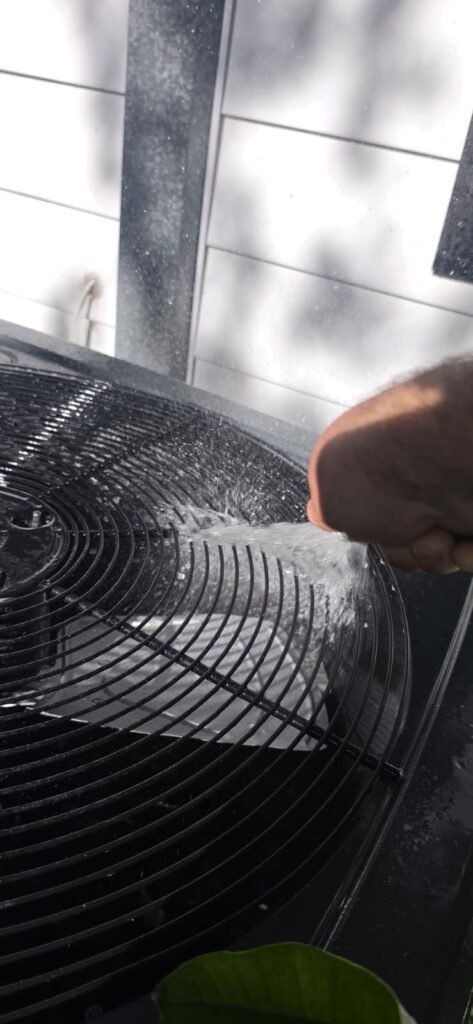
How to increase airflow in ductwork in Tampa, FL 33603 usually starts with something simpler than homeowners expect, routine AC maintenance. On a recent Visit #5 in the Banister Avenue area, Alejandro completed a maintenance visit where the system was working fine overall, but one real detail stood out from prior service history: the plenum had needed to be resealed to correct an air leakage concern. That is exactly why regular AC maintenance matters in Florida. Even when your system is cooling, small airflow losses around duct connections and plenums can quietly reduce comfort, strain the equipment, and waste energy.
In other words, if you are wondering how to increase airflow in ductwork Tampa homes depend on, the answer is not always a bigger system or a dramatic repair. Often, it is careful inspection, cleaning, testing, and catching small air-distribution issues before they turn into hot rooms, weak vents, or long run times.
Why AC maintenance matters so much in Tampa, FL 33603
Florida homes ask a lot from their cooling systems. In Tampa, the AC is not just a summer appliance, it does heavy work for much of the year. Long cooling seasons, high humidity, and frequent storms all add stress to the equipment and the air-distribution system attached to it.
That matters because airflow in ductwork is what delivers the comfort your AC produces. Even if the outdoor unit and indoor equipment are operating, poor airflow through ductwork can leave some rooms muggy, some rooms warm, and the whole system less efficient. When homeowners search for how to increase airflow in ductwork, they are often noticing symptoms of a maintenance issue that built up slowly over time.
Florida also brings extra wear factors, including:
- High humidity that makes the system run longer and work harder to remove moisture
- Dust, insulation fibers, and debris that can affect filters, coils, and blower performance
- Storm season conditions that can impact outdoor units and drainage
- Salt air in coastal areas, which can speed up corrosion on metal components
- Attic heat, which puts extra stress on ductwork, plenums, and air handlers
In a climate like ours, maintenance is not just about preventing breakdowns. It is also about protecting airflow, efficiency, and day-to-day comfort.
What routine maintenance actually catches
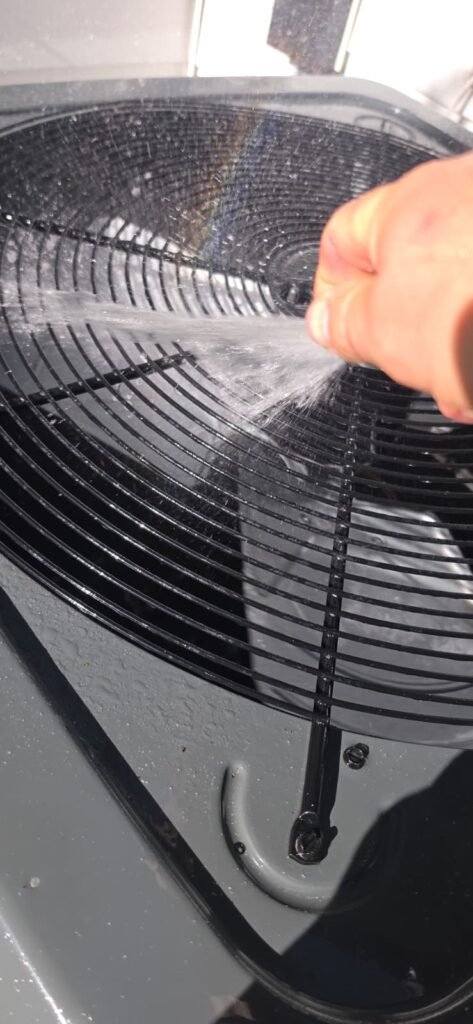
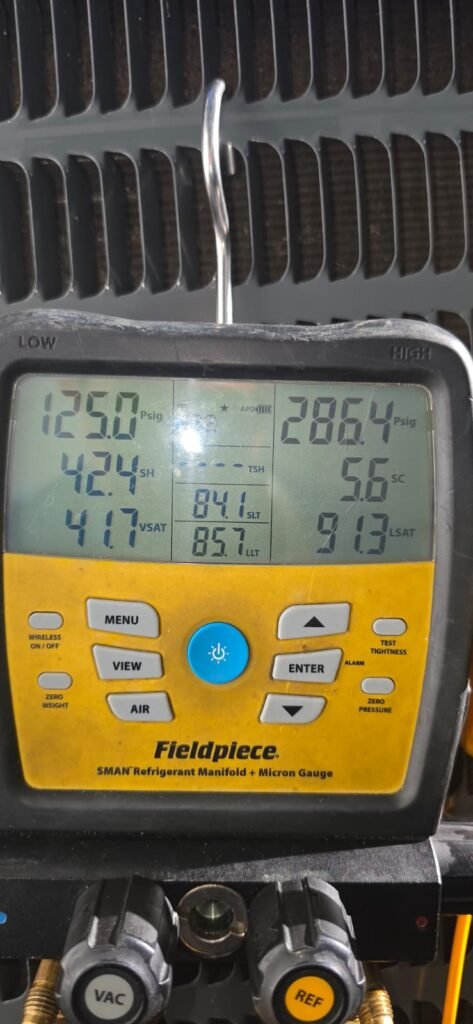
A lot of homeowners picture maintenance as a quick rinse and filter reminder. A real tune-up should go further than that. During a routine visit, we are looking at the full system, not just whether it turns on.
That includes checking items like:
- Air filter condition and airflow restriction
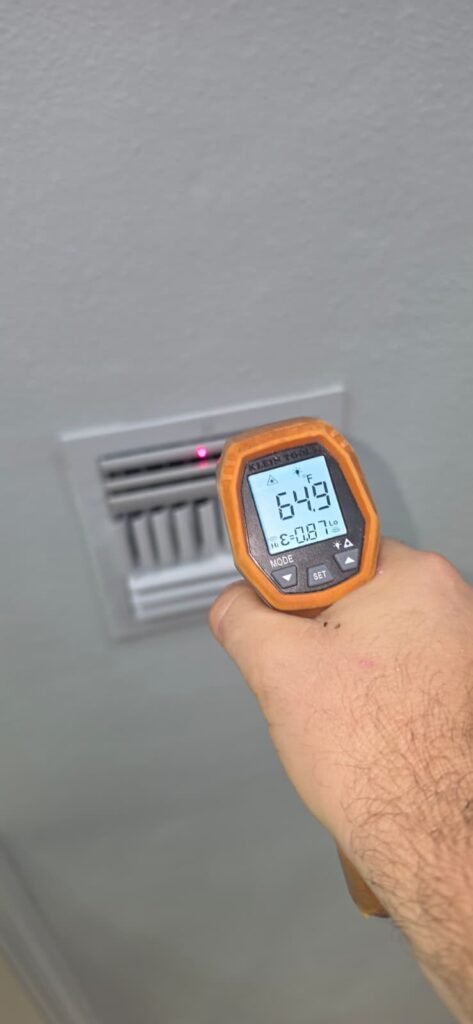
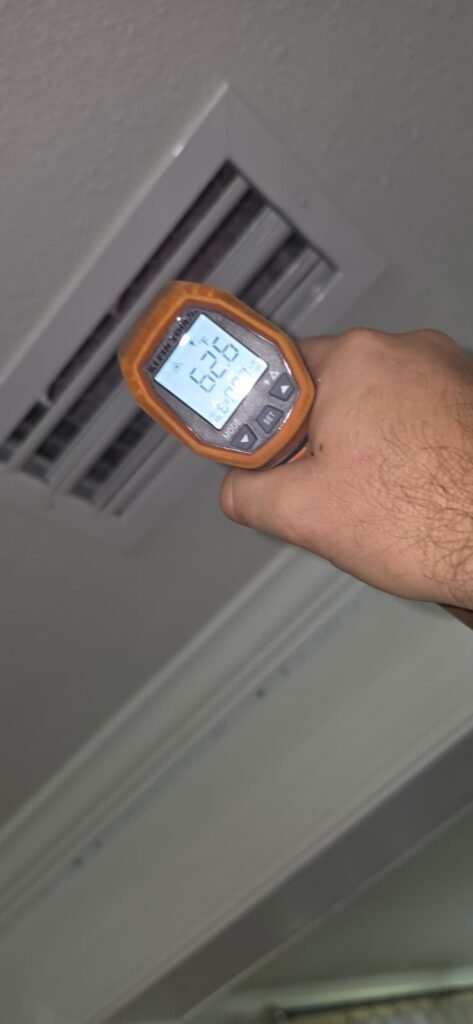
- Temperature split at the vents
- Indoor blower performance
- Evaporator and condenser coil condition
- Drain line function and safety switches
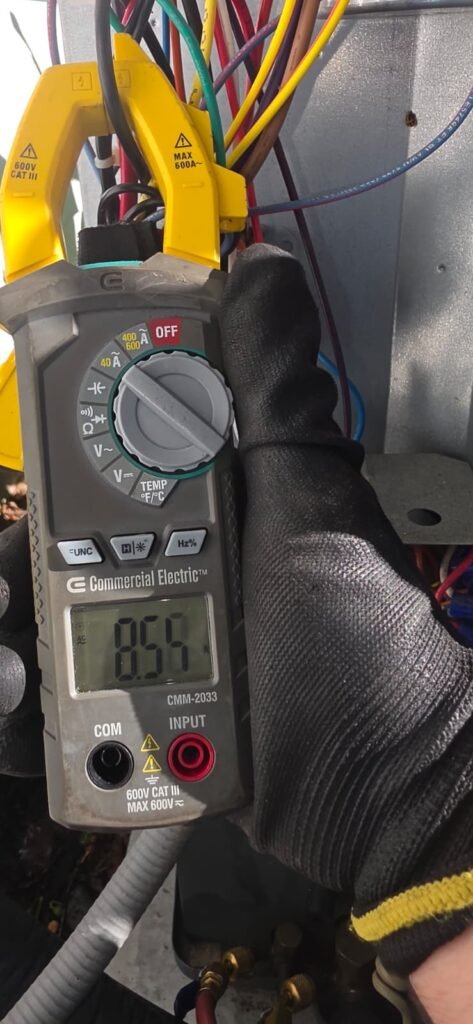
- Electrical components and amp draw
- Duct connections, plenum condition, and visible air leakage
- Thermostat operation and system response
On this Tampa maintenance visit, the system was operating fine, which is good news. But the job history included a very practical example of what maintenance can uncover and correct, the plenum appeared to have needed better sealing and was resealed so it was in good shape again. That may not sound dramatic, but it is exactly the kind of issue that affects airflow through ductwork.
The plenum is a key transition point where air moves between the equipment and the duct system. If it is not sealed well, conditioned air can escape into an attic or utility space instead of reaching the rooms where you need it. That can lead to weak airflow at vents, uneven temperatures, and longer cooling cycles. It can also make homeowners think they need a larger unit when the real problem is that some of the air is being lost before it ever gets to the living space.
If you want to understand how to adjust airflow in ductwork, this is a good example. Airflow problems are not always caused by the ducts being too small. Sometimes the issue is leakage, restriction, or poor connection at a point like the plenum.
How to increase airflow in ductwork without guessing
The best way to increase airflow in ductwork is to identify where the airflow is being lost or restricted. Guessing can waste time and money. A maintenance visit gives you a starting point based on what the system is actually doing.
In many Tampa homes, airflow ductwork problems trace back to one or more of these common causes:
- Dirty filters that choke return airflow
- Dust buildup on the blower or indoor coil
- Leaky duct connections or a leaking plenum
- Closed or blocked supply vents
- Furniture covering returns or registers
- Duct runs that have become damaged, disconnected, or compressed in the attic
That is why routine maintenance matters so much. It helps separate a true duct design problem from a basic maintenance issue. In some cases, homeowners ask about duct boosters right away. Do duct boosters actually work? Sometimes they help a specific weak run, but they are rarely the first or best answer if the underlying problem is leakage, restriction, or poor system maintenance.
When airflow pressure in ductwork is measured in inches of static pressure, that testing can tell a lot about how hard the system is pushing against restrictions. While not every maintenance visit turns into a full diagnostic on static pressure, regular service often reveals the clues that tell us when deeper airflow testing is worth doing.
For homeowners who want a broader look at where we work across the region, our service area page covers the Tampa Bay communities we serve.
The cost of ignoring a small airflow issue for a year
Most airflow issues do not start as emergencies. They start as small losses. A minor leak at a plenum, a gradually clogged filter, or a little dust buildup on the indoor side may not stop cooling right away. But over a year in Florida, that small issue can become a much bigger comfort and performance problem.
When airflow is reduced, the system usually has to run longer to satisfy the thermostat. That means more wear on motors and electrical components. It can also reduce moisture removal, which leaves the home feeling sticky even when the temperature looks acceptable on the thermostat.
Left alone, a small airflow issue can contribute to:
- Hot and cold spots from room to room
- Higher energy use from longer run times
- Extra stress on the blower and compressor
- Poor humidity control
- More dust and comfort complaints
- A repair call during the hottest part of the year instead of a routine visit
That is the real value of maintenance. It gives you a chance to catch the quiet problems while the system is still working, instead of waiting until the symptom becomes obvious enough to disrupt the whole house.
Why many Tampa homeowners join Home Therapy Club
This visit is a good example of what our maintenance plan is for. Home Therapy Club, $20 per month, or $220 if you pay for the year, is designed to help homeowners stay ahead of the small issues that routine visits can catch before they become emergency repairs.
It is a low-pressure decision with practical benefits. Regular maintenance can mean fewer breakdowns, more consistent airflow, better comfort, and priority scheduling when you do need service. In Florida, that peace of mind matters.
We also offer FREE estimates and FREE diagnosis on every service call, and we service every brand. If you want to see what other homeowners have said about working with us, you can read our customer reviews.
Pro tips to help airflow between maintenance visits
Change your filter on schedule. A clogged filter is one of the most common causes of weak airflow in ductwork.
Keep supply vents and return grilles clear. Rugs, furniture, and curtains can reduce airflow more than people realize.
Pay attention to one room that feels different. If a single room starts getting weak airflow, that can be an early clue that a duct connection or balancing issue is developing.
Do not ignore longer cooling cycles. If the system seems to run more but comfort is worse, airflow restriction may be part of the problem.
Schedule maintenance before peak summer demand. It is easier to address small airflow issues before the hottest stretch of the year.
FAQ about AC maintenance and airflow
Why do I barely feel air coming out of my vents?
Usually, weak airflow means there is a restriction or loss somewhere in the system. Common causes include a dirty filter, blower or coil buildup, duct leakage, a poorly sealed plenum, or damaged ductwork.
Do duct boosters actually work?
Sometimes, but they are not usually the first fix. If the real issue is poor maintenance, duct leakage, or a system airflow problem, a booster may only mask the symptom instead of solving it.
Should I replace 20 year old ductwork?
Sometimes, but not automatically. Older ductwork may need replacement if it is leaking badly, damaged, poorly sized, or deteriorated, but a maintenance inspection can help determine whether repair, sealing, or replacement makes the most sense.
How often should AC maintenance be done in Tampa?
For most homes, at least once or twice a year is the right approach. In Tampa’s long cooling season, regular visits help catch airflow issues, drainage problems, and wear before they become mid-season breakdowns.
If you are dealing with weak vents, uneven cooling, or you are simply trying to figure out how to increase airflow in ductwork in Tampa, FL 33603, we are here to help. Call Home Therapist at (813) 343-2212 to schedule your tune-up. We offer FREE estimates and FREE diagnosis on every service call. If you want fewer surprises and more consistent comfort, ask about joining Home Therapy Club, $20 per month, or $220 if you pay for the year.
More Ductwork & Airflow Articles
- One R6 Flex Supply Drop for the Master Bedroom: Ductwork Replacement in St. Petersburg, FL 33711
- A 2020 Unit With Airflow but No Outdoor Start: AC Repair in Tampa, FL 33611
- The 46-Year Ductwork Detail Behind a Plan Visit: AC Maintenance in Palm Harbor, FL 34684
- AC Tune-Up and Ductwork Inspection on Blossom Ave: What Barbaro Found in Tampa, FL 33614


