

What Causes Capacitor Failure When AC Airflow Turns Weak in Wesley Chapel
What causes capacitor failure in an air conditioner often comes down to heat, age, and electrical stress, and in Wesley Chapel, FL 33543, those issues showed up as weak airflow, poor cooling, and a swollen capacitor that had already failed. Replacing the failed capacitor restored normal operation and let the system cool properly again.
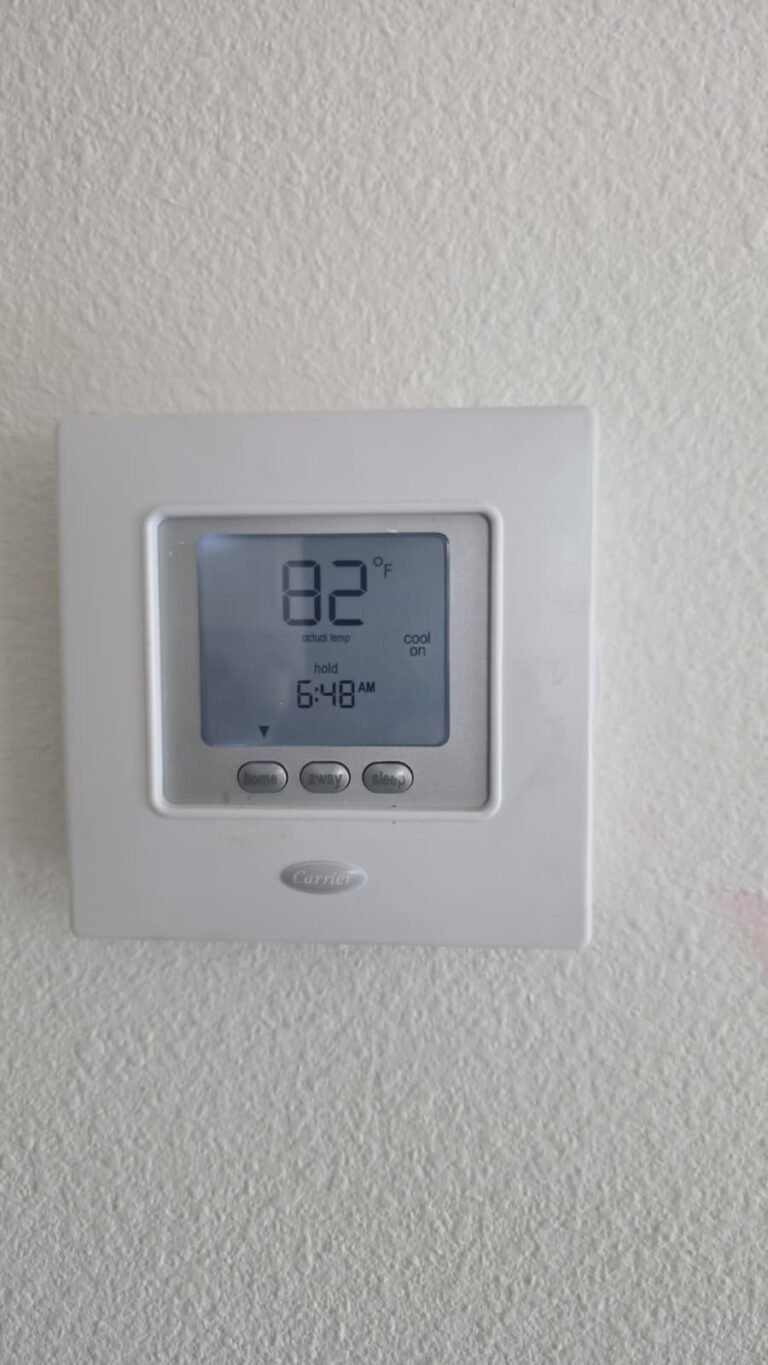
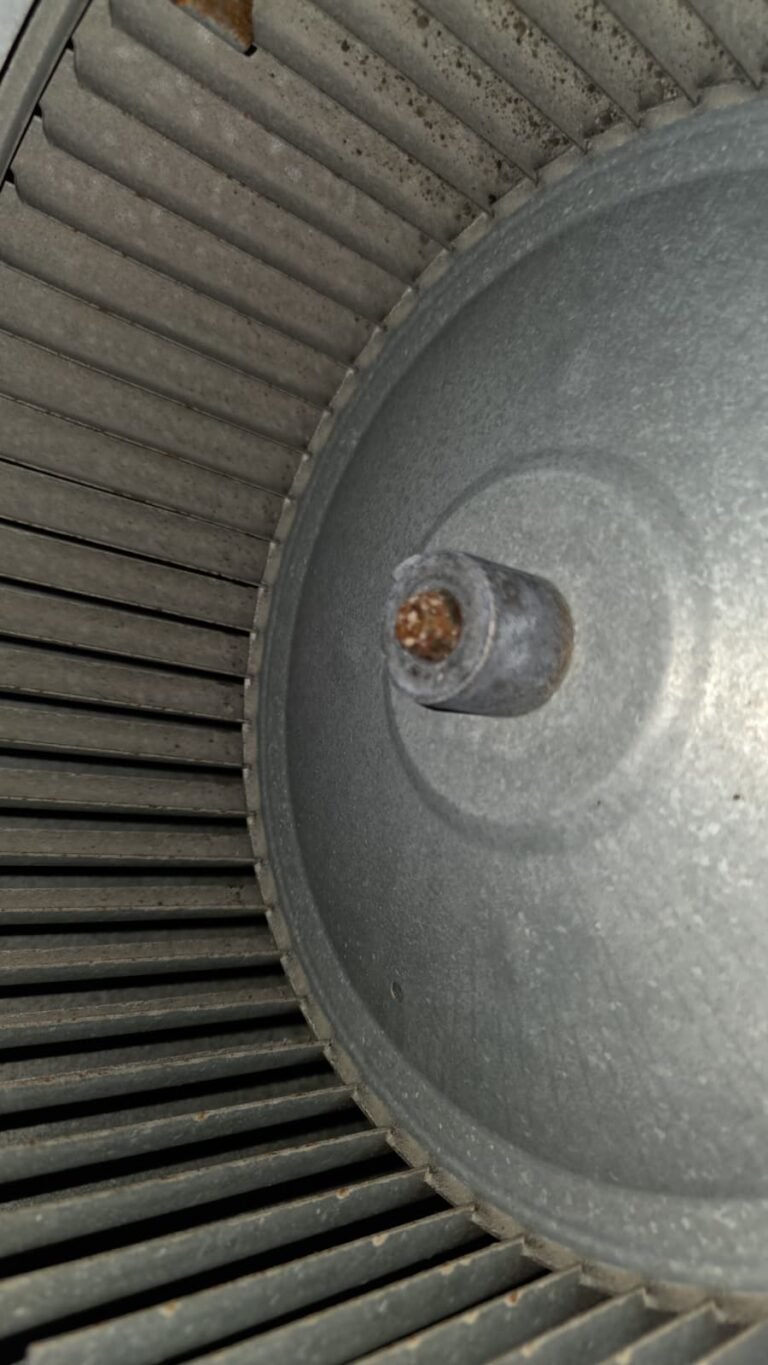
On this Lindentree Dr call in Wesley Chapel, Barbaro arrived for a free diagnostic after the homeowner reported that the AC was running but not cooling well, with lighter airflow in some rooms and indoor temperature stuck around 77 to 78 degrees. The key finding was not low refrigerant or a thermostat problem. It was a swollen capacitor and a blower motor that was running very slowly because it had been operating under strain. That combination made this a straightforward AC repair in Wesley Chapel, but it also gave us a good real-world example of what causes capacitor failure and why the symptoms can feel uneven from room to room.
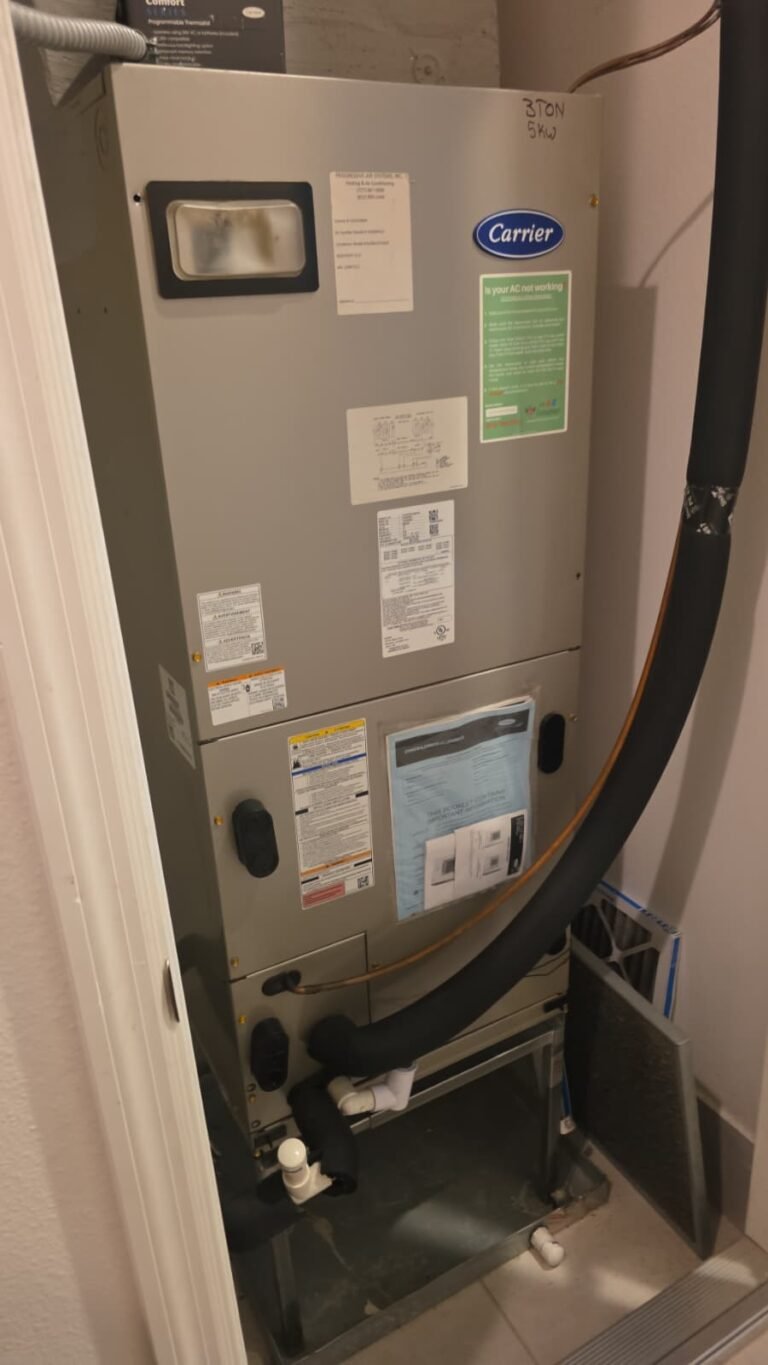
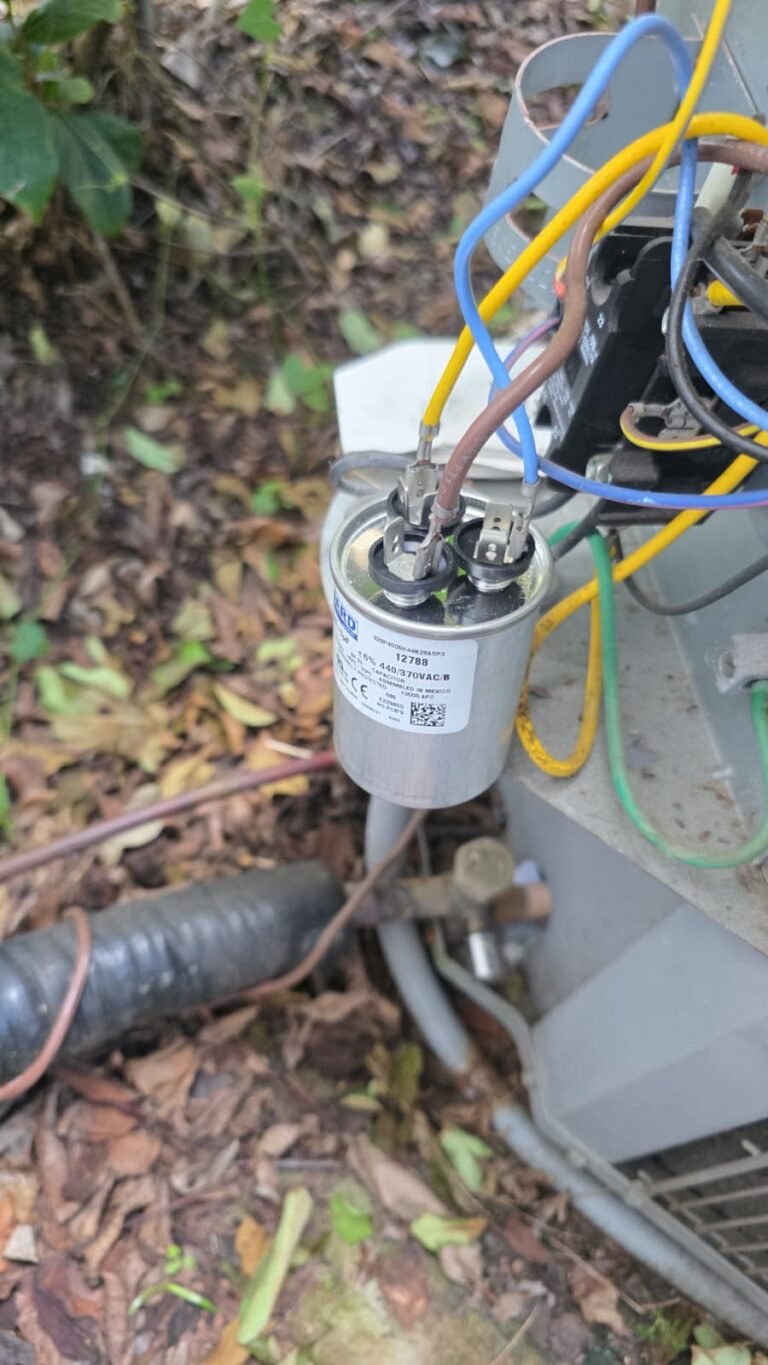
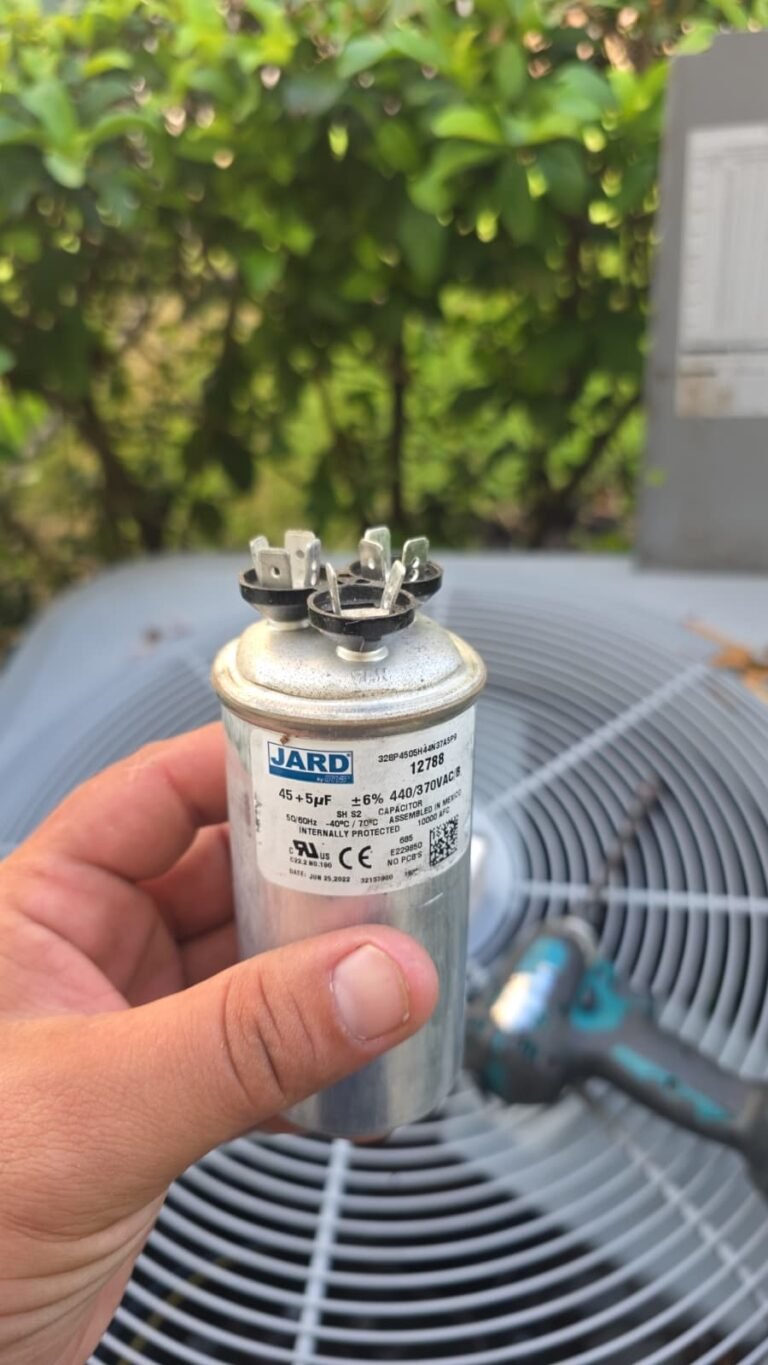
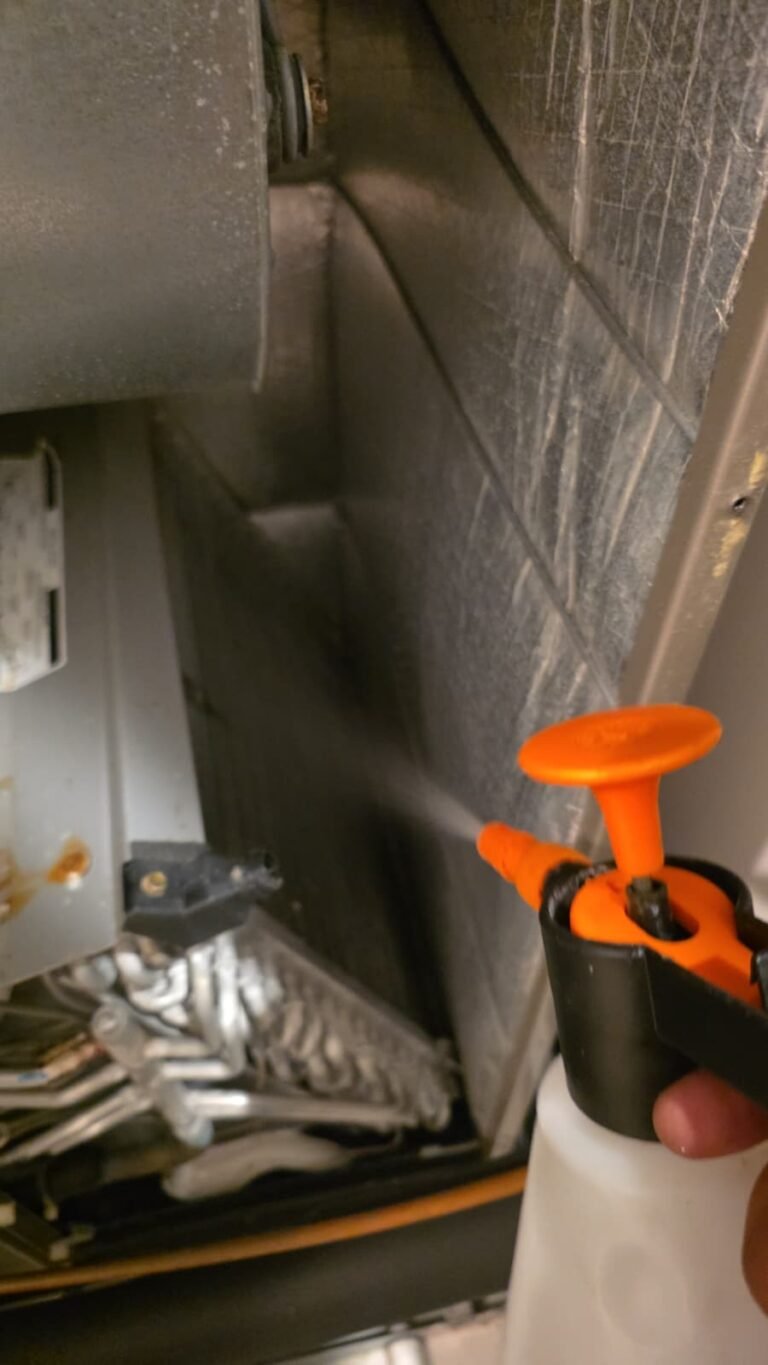
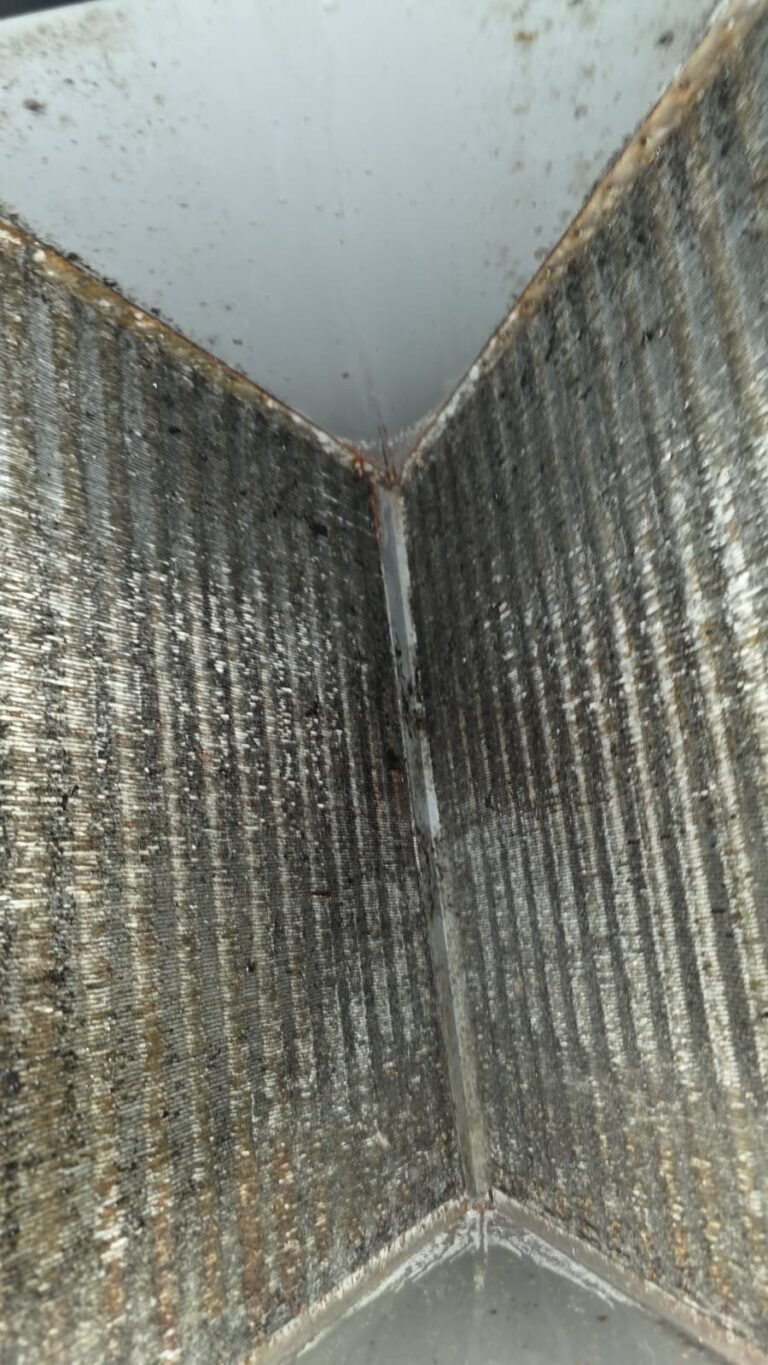
- Service performed: Free AC diagnosis and capacitor replacement
- Neighborhood or street: Lindentree Dr
- Technician: Barbaro
- Symptom: AC running but not cooling well, weak airflow, some rooms more affected
- Cause: Swollen failed capacitor causing the blower motor to run slowly
- What was done: Replaced the failed capacitor and restored operation
What causes capacitor failure on an AC system often shows up first as weak airflow, not a total shutdown.
Many homeowners expect a bad capacitor to mean the system will not start at all. That does happen, but this Wesley Chapel job showed another common failure mode. The system was still running, just not correctly. The blower motor was moving air very slowly, which made the house feel uneven and left the thermostat hovering instead of dropping. Those are classic AC capacitor failure symptoms, especially when the unit seems alive but performance keeps slipping.
A capacitor stores and releases a quick burst of electricity to help a motor start and keep running at the proper speed. When that part weakens or fails, the motor can struggle, overheat, or run below its intended output. In plain language, the motor is trying to do its job without the electrical support it was designed to have. That is why motor run capacitor failure symptoms can include weak airflow, rooms that cool at different rates, and a system that runs longer without delivering comfort.
For homeowners searching ac blowing hot air or wondering why one part of the house feels worse than another, the answer is not always refrigerant. On this call, the symptom pattern pointed us toward the motor side of the system first, and the swollen capacitor confirmed it.
The swollen capacitor told us the blower motor had likely been under strain for longer than the homeowner could see.
The most useful visual sign on this job was the capacitor itself. It was swollen, which is one of the clearest indicators of capacitor failure. A capacitor should have a normal, intact shape. When it bulges, it usually means internal breakdown from heat, age, or repeated electrical stress. In Florida, long cooling seasons make that kind of wear more common because AC systems work hard for much of the year.
Barbaro also found the blower motor running very slowly. That mattered because the failed capacitor was not just creating a comfort problem. It was forcing the motor to operate under strain for an unknown period. That is the part many homeowners do not notice right away. The thermostat may still show the system is on, and the fan may still move some air, but the motor is no longer working under normal conditions. That hidden strain is why electric motor capacitor failure symptoms should be addressed quickly once they appear.
This is also the contrarian part of the call. We could have assumed the slow blower motor meant the motor itself had failed first. Instead, the swollen capacitor gave us the cleaner explanation. Replacing the support component made more sense than jumping straight to a larger repair before verifying the root cause. That is the kind of step-by-step logic Home Therapist uses on service calls across our service area.
This capacitor replacement fixed the immediate cooling issue, but the visit also came with a realistic warning about what to watch next.
Once we replace a failed part and get the system operating again, we can verify whether the original symptom is gone. What we cannot do honestly is promise that a motor strained by a failing capacitor for an unknown amount of time has no wear at all. That was the right expectation to set on this Lindentree Dr visit. The capacitor replacement solved the main problem and restored proper operation, but the blower motor should still be monitored going forward.
The combined invoice for the free diagnosis and capacitor replacement came to $251.10. Because this visit started with our complimentary diagnostic and then moved into the repair, that total reflects the completed work at this appointment, not a generic flat number for every capacitor issue. Homeowners who want a broader comparison can review what this work typically costs before scheduling similar service.
The other recommendation here was a full system tune-up. That was not upselling. It was a practical next step because once a capacitor has failed and a motor has been stressed, a tune-up gives us a chance to check the rest of the system for wear, airflow issues, and any other conditions that were masked by the main failure. The U.S. Department of Energy also notes that regular central air conditioning maintenance helps systems operate more efficiently, which matters in a climate like Wesley Chapel where cooling season lasts most of the year.
AC repair in Wesley Chapel often comes down to separating capacitor symptoms from bigger system problems.
One reason this job matters for local homeowners is that capacitor failure symptoms can overlap with several other AC complaints. A system that runs but does not cool well can point to airflow trouble, thermostat issues, motor problems, or refrigerant problems. The difference is in the sequence of checks. Here, the homeowner’s report of light airflow and some rooms being more affected lined up with what Barbaro found at the blower motor. The swollen capacitor then gave us the physical evidence behind the symptom.
That is why diagnosis matters more than guessing from one symptom alone. If the air coming from the vents feels weak, the problem may start at the motor and its electrical components, not at the outdoor unit. If the airflow is normal but the air is warm, the path can look different. If the system starts and stops too often, that can point in another direction, including issues related to ac short cycling. Good AC repair is not about matching one symptom to one canned answer. It is about matching the symptom to the actual failed part on that specific system.
Pro Tips for Wesley Chapel Homeowners Dealing With Capacitor Failure
Capacitor problems are common in Tampa Bay cooling systems, but a few habits can help you catch them earlier and reduce extra wear on the rest of the equipment.
- If the AC is running but the house is not cooling, check whether airflow feels weaker than normal at several vents. Weak airflow can point to motor capacitor trouble, not just a thermostat issue.
- Pay attention to indoor temperature drift. If the thermostat hangs in the upper 70s while the system keeps running, that is a useful clue to share during your FREE diagnosis.
- Do not ignore visual warning signs. A swollen capacitor is a strong indicator of failure and should not be left in service.
- Schedule tune-ups before peak heat settles in. Florida systems run long hours, and catching electrical wear early can help prevent strain on blower and condenser motors.
- If some rooms are more affected than others, mention that during the call. Uneven comfort can help narrow the diagnosis faster.
Capacitor Failure Questions Raised by This Wesley Chapel AC Repair
How long does a capacitor usually last?
An AC capacitor usually lasts several years, but Florida heat and long run times can shorten that life. In Wesley Chapel, systems work hard for much of the year, so capacitors see more heat and electrical cycling than they would in milder climates. On this job, the capacitor had already swollen and failed before the system fully stopped, which shows why lifespan is better treated as a range than a guarantee.
What are two typical signs that a capacitor is bad or has failed?
Two common signs are weak or abnormal motor operation and visible swelling of the capacitor itself. On this call, the blower motor was running very slowly and the capacitor was swollen, which made the diagnosis much clearer. Homeowners may also notice longer run times, poor cooling, or airflow that feels lighter than usual even though the system still turns on.
What happens if a capacitor fails?
If a capacitor fails, the motor it supports may struggle to start, run slowly, or stop operating correctly. That is exactly what happened here. The AC was still running, but it was not cooling well because the blower motor was underpowered and strained. Left alone, that kind of condition can add wear to the motor because it is trying to operate without proper electrical support.
How do you tell if a capacitor is bad?
A bad capacitor is often identified by system symptoms plus direct inspection and testing. In this Wesley Chapel repair, the homeowner reported weak airflow and poor cooling, and Barbaro found a visibly swollen capacitor while diagnosing the slow blower motor. Homeowners should not try to handle that part themselves, since capacitors store electricity and need to be checked safely by a trained technician.
What is the average cost to replace a capacitor?
The cost to replace a capacitor varies by system, access, and what else is included in the visit. On this Lindentree Dr job, the completed visit total for the free diagnosis and capacitor replacement was $251.10. That does not mean every capacitor repair will be the same, because some calls involve additional testing, other failed parts, or maintenance performed at the same appointment.
Schedule AC repair in Wesley Chapel, FL 33543
If your system is running but not cooling, or if airflow suddenly feels weak in part of the house, Home Therapist can help. We have served Tampa Bay since 2017, and our team brings the same calm, honest diagnostic process to every call, whether the issue is a swollen capacitor, a motor under strain, or a larger airflow problem. We are fully licensed for HVAC and plumbing in Florida, CAC1819196 and CFC1431159, and we have earned more than 1,300 five-star reviews by keeping our recommendations clear and grounded in what we actually find.
For homeowners in Wesley Chapel and the 33543 area, we offer FREE estimates and FREE diagnosis on every service call. If you need air conditioning help, want a tune-up after a repair, or need a second opinion on uneven cooling, call Home Therapist at (813) 343-2212. We service every brand, and we focus on giving you a real answer about what failed, what it affects, and what the next smart step looks like for your system.


