

What Causes Capacitor Failure When a Tampa AC Already Has Drain Problems
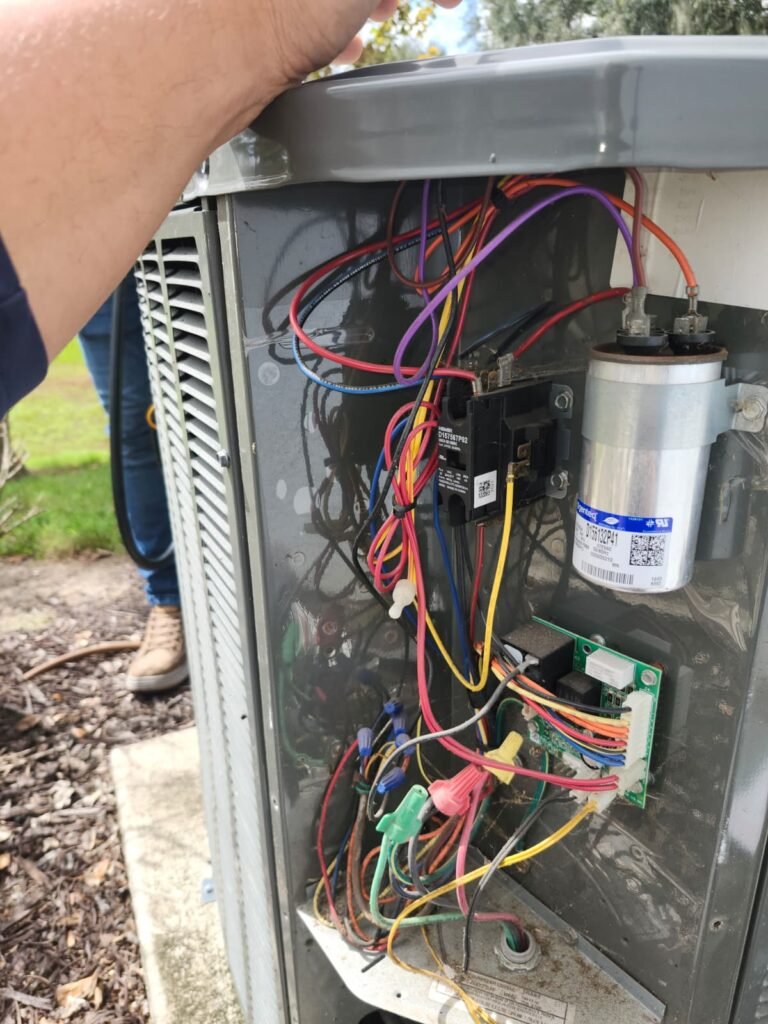
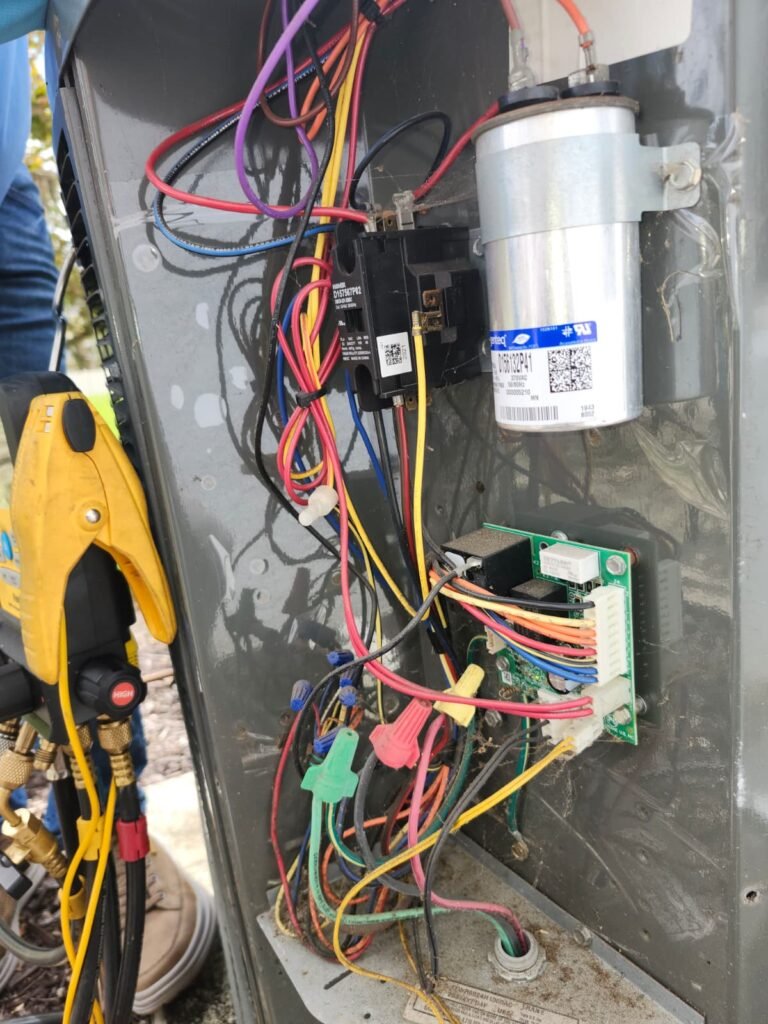
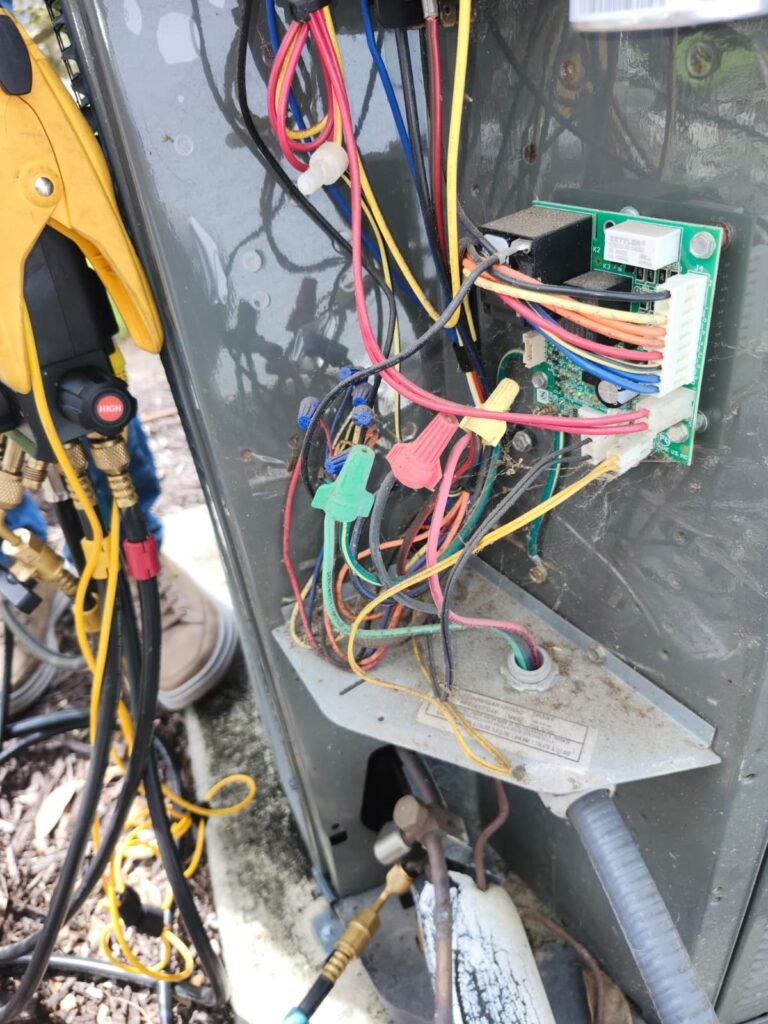
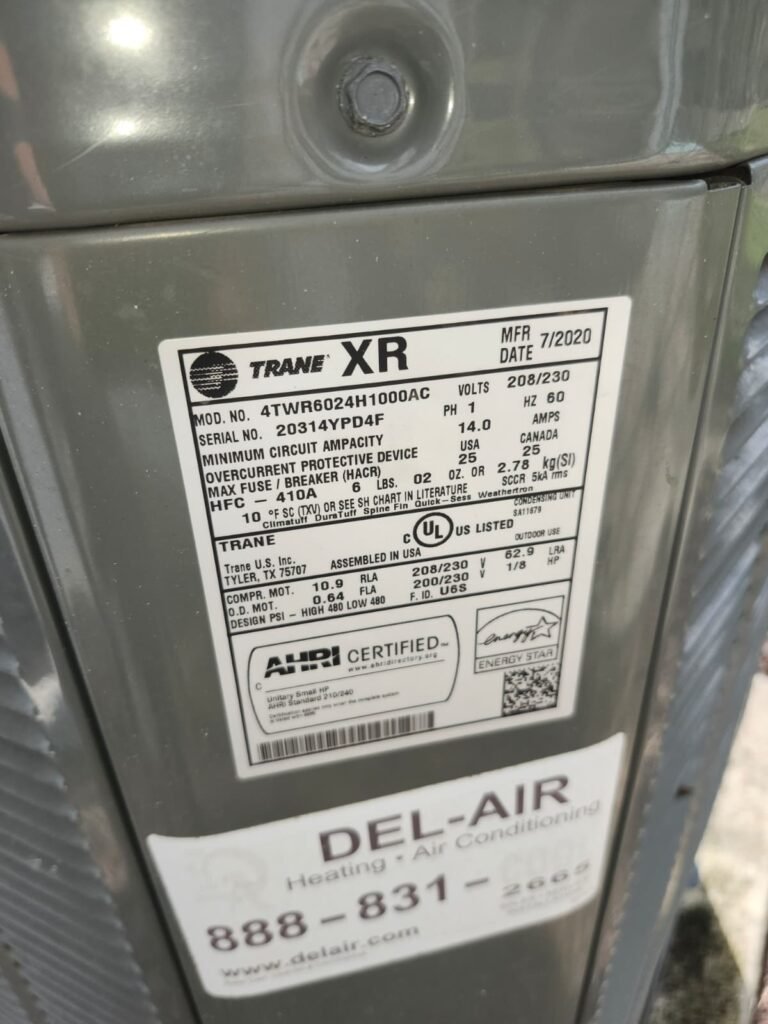
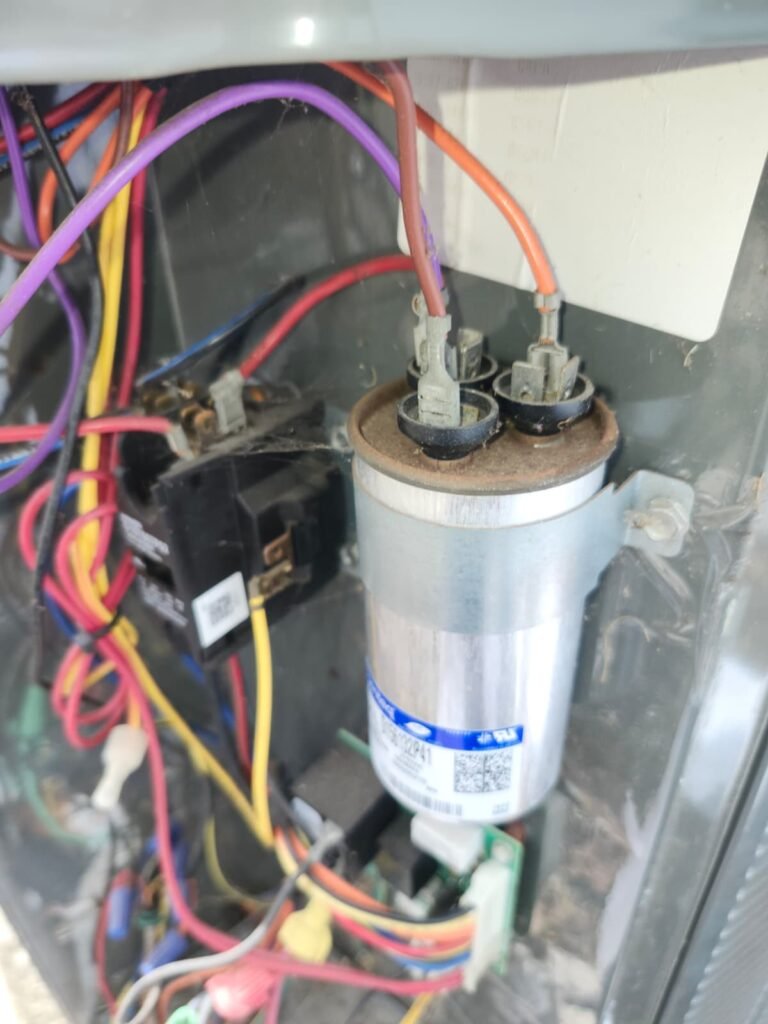
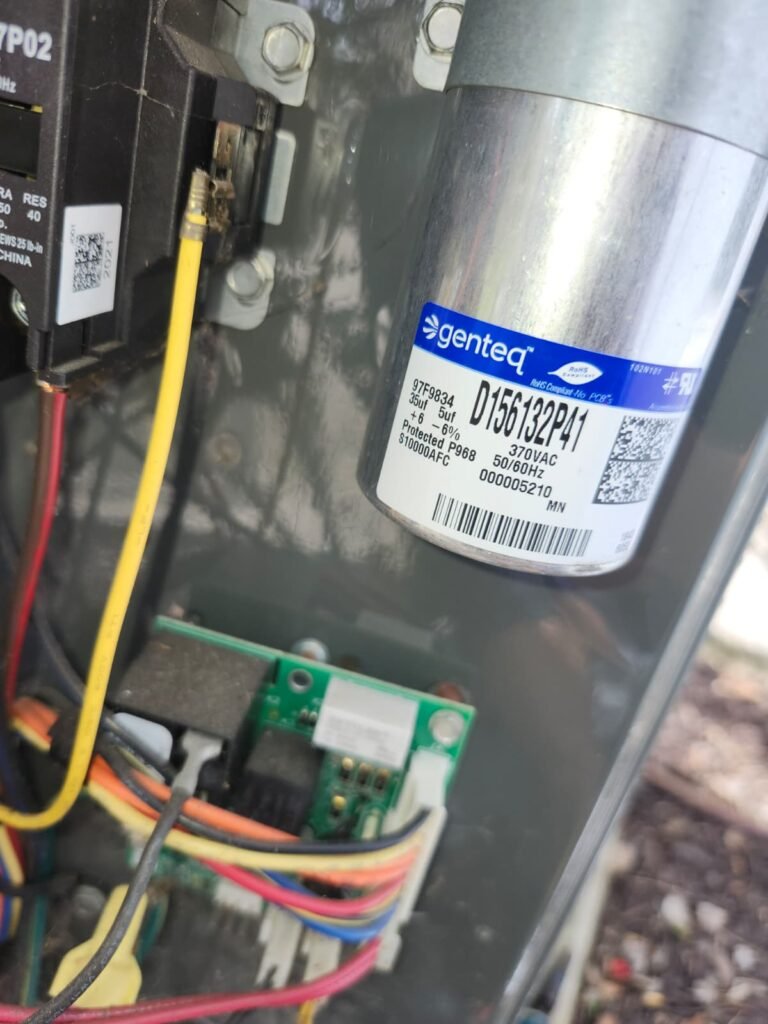
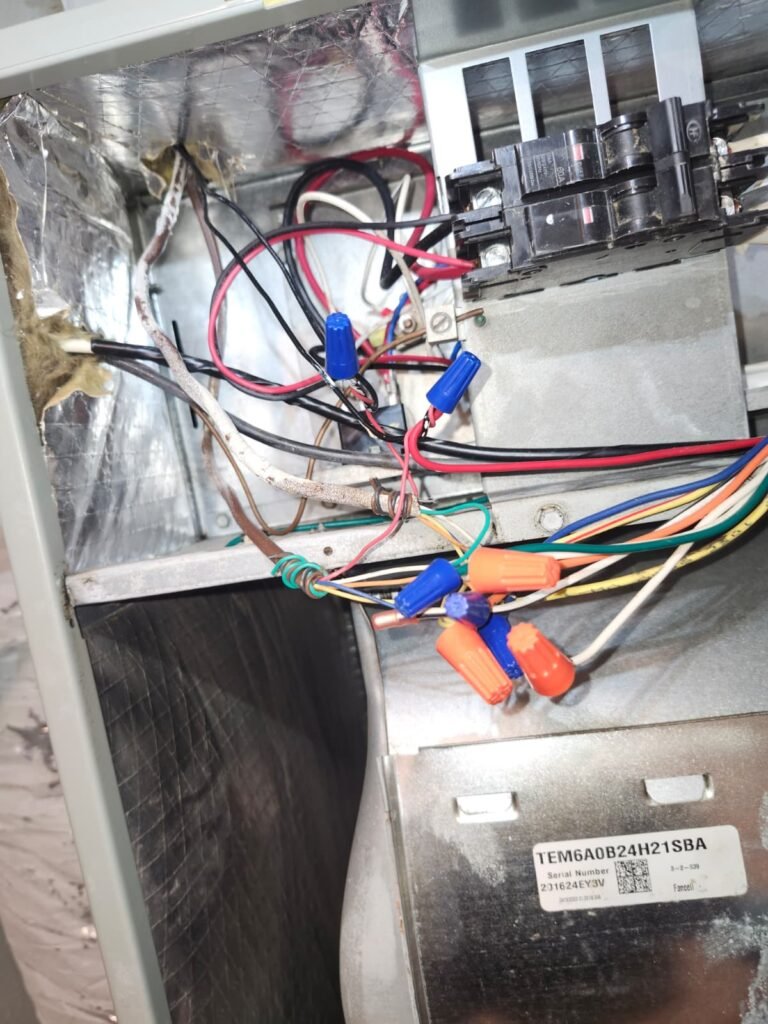
What causes capacitor failure on an air conditioner in Tampa, FL 33610? Heat, long run times, and system strain are common causes, and on this call the immediate no-cool problem came from a blocked condensate drain line and failed float switch while the capacitor tested outside its normal range and was flagged as an additional risk.
At this Spatter Dock Street home in Tampa, FL 33610, Jandiel responded to an AC repair call after the system stopped cooling and water leaked from the air handler closet on the second floor. The homeowner had been dealing with comfort problems since moving in, including a system that would stick around 75 degrees before eventually not cooling at all. Once inside the closet air handler and out at the ground-level condenser, we found the main shutdown issue quickly: the drain line was obstructed and the float switch had failed. We also found a weak capacitor and a condenser fan motor drawing high amperage, which helped explain why this system had been under strain for a while.
- Service performed: AC repair in Tampa with drain line flush and float switch replacement
- Neighborhood or street: Spatter Dock Street
- Technician: Jandiel
- Symptom: AC not cooling and leaking water from a second-floor closet unit
- Cause: Obstructed condensate drain line and failed float switch
- What was done: Cleared the drain and replaced the safety switch
What causes capacitor failure on an AC often comes down to heat and strain, not one dramatic event
Capacitor failure usually builds over time. A capacitor stores and releases a quick burst of energy to help motors start and run correctly. When a system runs hot, cycles too long, or struggles against airflow restrictions, that part ages faster. That matters on calls like this because homeowners often assume every no-cool problem starts at the outdoor unit. Here, the actual shutdown came from water management, but the capacitor was already reading outside its normal operating range, which means the system had more than one issue developing at once.
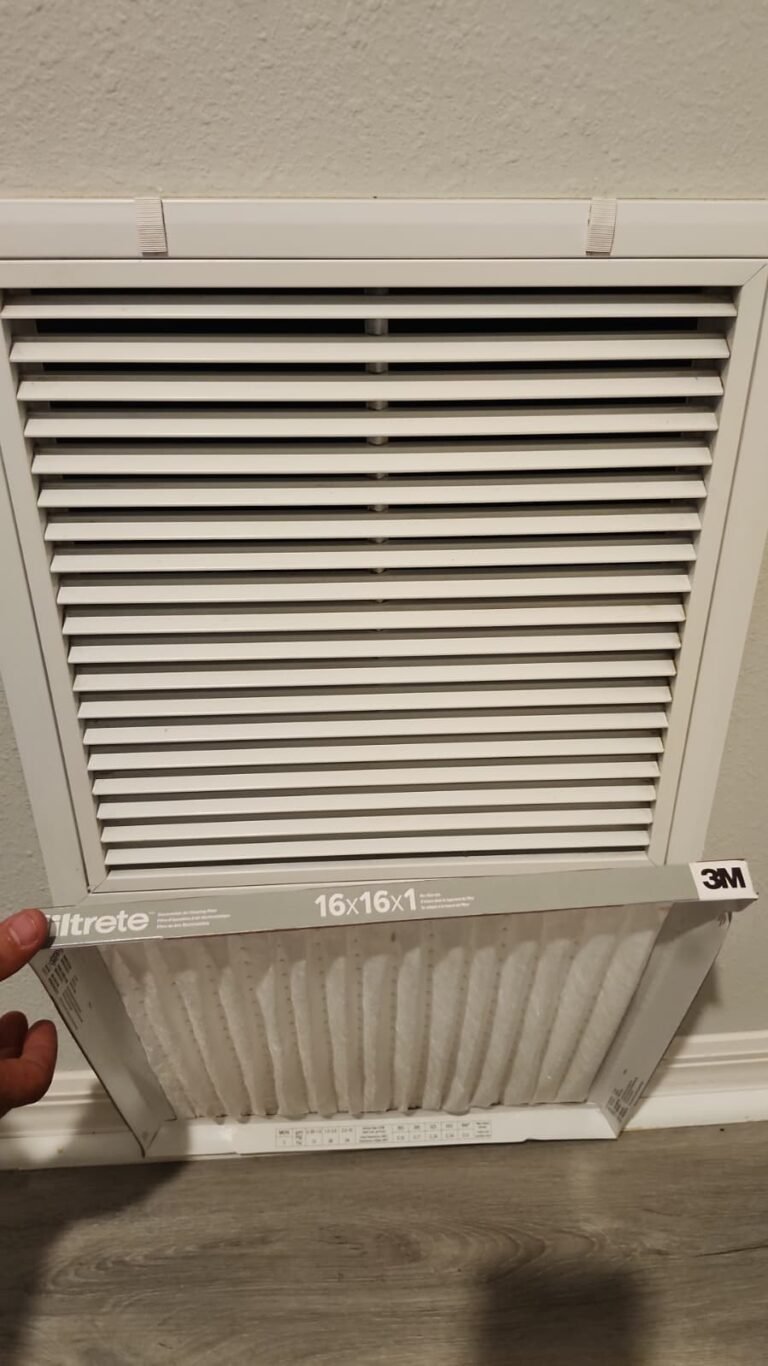
This is also where experience matters. We could have treated the water leak as the whole story and left. Instead, Jandiel checked for the reasons this system may have been working harder than it should. The undersized return opening at the bottom of the unit was one of those reasons. Restricted return air forces the blower to pull harder for less airflow, and that kind of strain can contribute to several air conditioner capacitor failure symptoms over time, especially during a long Tampa cooling season.
The blocked drain line and failed float switch were the direct reason this AC repair in Tampa could not wait
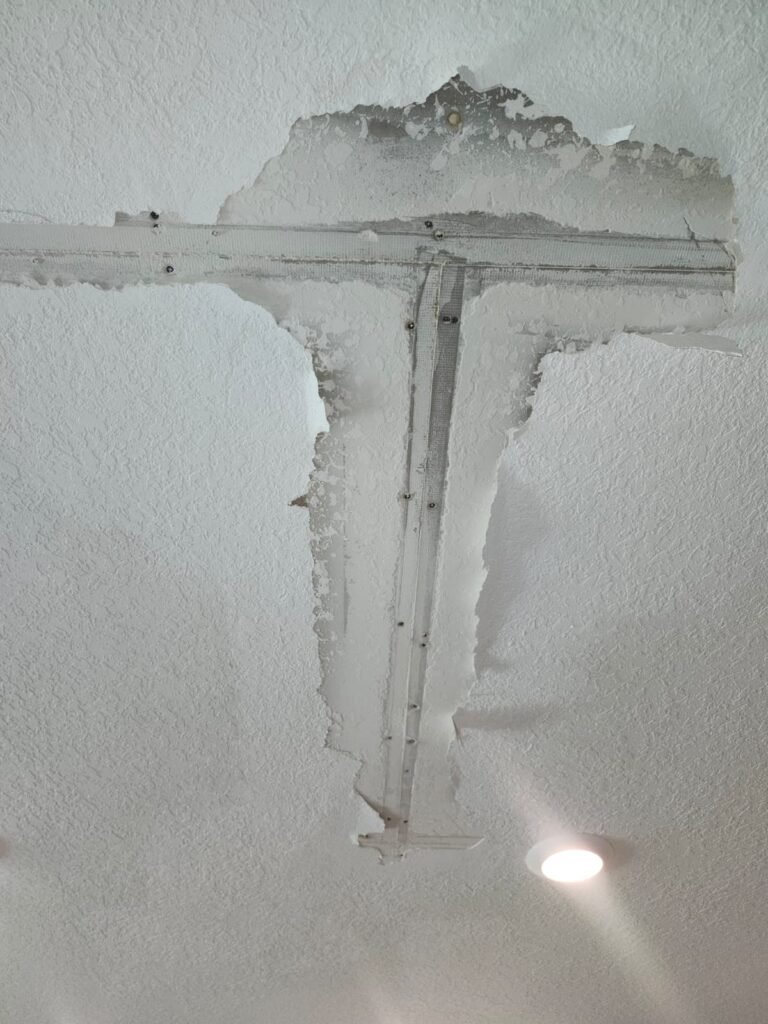
The immediate failure on this job was not the capacitor. The immediate failure was the condensate system. The drain line was obstructed, and the float switch that should have shut the unit down safely had failed. That combination let water overflow instead of stopping the equipment before damage spread. In this case, the leak was serious enough that part of the ceiling area was affected, which is exactly why these safety devices matter.
Because the air handler sits in a second-floor closet, any drainage problem carries more risk than the same issue in a garage or utility room. Water has somewhere to go, and that usually means into finishes below the unit. Jandiel’s repair focused first on restoring safe drainage and replacing the failed switch so the system had a working shutdown protection again. For homeowners searching for AC repair in Tampa, this is a good example of why a no-cool call sometimes starts with a drain problem instead of a refrigerant or compressor problem.
This visit covered three separate items including the main repair, drain line service, and float switch work. The combined invoice came to $568.
The undersized return opening helps explain why this system struggled to cool below 75 degrees
The airflow issue on this job was not a minor side note. The return opening at the bottom of the unit was too small for the amount of air the system needs to move. When return air is restricted, the blower works harder, overall circulation drops, and the evaporator coil becomes more vulnerable to freezing if the filter picks up even a modest amount of dust. When that ice melts later, homeowners may see water and assume the leak started that day, when the real chain of events began much earlier.
This is one of the more useful insider takeaways from the call. Not every water leak around an air handler means the drain line alone caused the whole problem. Sometimes the drain clog is real, but the system also has an airflow design issue that keeps setting the stage for repeat trouble. That is why we look at the full operating picture instead of treating the symptom in isolation. If you are dealing with ac blowing hot air or a unit that never seems to satisfy the thermostat, poor return airflow belongs on the checklist.
For readers wondering about what causes capacitor failure Tampa homeowners see most often, this job offers a practical answer. Excess heat, long runtimes, and added motor strain from poor airflow are a common combination. The weak capacitor did not create the water overflow, but it fit the same pattern of a system operating under stress.
The condenser fan motor warning mattered even though it was not the part that stopped the system that day
The outdoor unit on this call was at ground level, and during diagnosis Jandiel found the condenser fan motor drawing higher amperage than it should. In plain language, that means the motor was working harder than normal to do its job. A high-amp fan motor does not always fail immediately, but it is an early warning sign. It also puts more load on the electrical side of the system, which can go hand in hand with motor capacitor failure symptoms and shortened capacitor life.
This is why good diagnostics are different from part swapping. A homeowner may call because the AC is off, but the best service visit explains the problem that stopped the unit and the nearby problems likely to surface next. On this job, the priority repair was restoring drainage protection. At the same time, the weak capacitor and overamping fan motor gave the homeowner a clearer picture of what could come next if those warning signs are ignored. For broader information about air conditioning system performance, airflow and electrical health almost always affect each other.
There is also a local angle here. Tampa heat keeps condensers running hard for much of the year, and long cooling seasons expose weak electrical parts faster than milder climates do. The
Pro Tips for Tampa Homeowners Dealing With AC Water Leaks and Capacitor Warnings
These are the practical lessons from this Spatter Dock Street call:
Change filters before they look packed. On a system with limited return airflow, even a little dust can reduce circulation enough to push the coil toward freezing.
Do not ignore a water leak just because cooling still seems partially normal. In a second-floor closet installation, a clogged drain can damage surrounding finishes quickly.
If a technician mentions a capacitor reading out of range, ask what else may be stressing the system. Capacitors often fail alongside airflow or motor issues, not by themselves.
Pay attention when an AC stalls around one temperature, like 75 degrees, for long periods. That symptom can point to airflow restriction, weak electrical components, or both.
If your unit begins ac short cycling after a repair, schedule another check. Short cycles create more starts, and more starts put extra wear on capacitors and motors.
Questions Tampa Homeowners Ask After a Drain Line and Float Switch AC Repair
What causes capacitor failure on an AC system?
Heat, age, and excessive system strain are the most common causes of capacitor failure. On this Tampa job, the capacitor was already testing outside its normal range while the system also had restricted return airflow and a condenser fan motor drawing high amperage. That combination matters because capacitors do not usually fail in isolation. They often weaken while the rest of the system is being forced to work harder than it should.
Will the AC still run if the capacitor is bad?
Sometimes yes, but not for long or not correctly. A weak capacitor can let a system run poorly before it fails completely, which is why homeowners may notice reduced cooling, hard starts, or inconsistent operation first. On this call, the unit’s immediate shutdown was tied to the blocked drain and failed float switch, but the out-of-range capacitor was still a real warning sign that needed attention.
What are two typical signs that a capacitor is failing?
Two common signs are trouble starting and weak motor performance. In real service calls, that may show up as an outdoor fan struggling, the system not cooling well, or the equipment running longer than usual. On this job, the homeowner had already experienced poor cooling for weeks, and Jandiel also found a fan motor working harder than normal, which often overlaps with capacitor-related stress.
How many years will a capacitor last in Tampa?
There is no fixed lifespan, but Tampa heat can shorten capacitor life compared with cooler climates. Long run times, outdoor heat, and system strain all accelerate wear. A capacitor in a well-sized, well-airflowed system may last several years, while one in a stressed system may fail much sooner. This job is a good example because the weak capacitor showed up alongside airflow restriction and motor stress, not as a random standalone defect.
How do you prevent capacitor failure?
You reduce the strain that causes it. That means keeping airflow correct, changing filters on time, addressing fan motor issues early, and not ignoring symptoms like an AC that cannot pull below a set temperature. On this Tampa call, the biggest preventive lesson was not just replacing failed parts. It was recognizing that the undersized return opening and overworked components were creating the conditions that wear capacitors out faster.
Schedule AC Repair in Tampa, FL 33610
If your system is leaking water, stuck at one temperature, or showing early electrical warning signs, Home Therapist can help. We have served Tampa Bay since 2017, and our team brings licensed HVAC and plumbing expertise to calls where symptoms overlap. Our HVAC license is CAC1819196, our plumbing license is CFC1431159, and we have earned 1,300+ five-star reviews by being clear about what failed, what can wait, and what should be addressed first.
For homeowners in Tampa, FL 33610, we handle the kind of AC repair issues this call revealed every day, from blocked drain lines and failed float switches to airflow restrictions and capacitor warnings that point to larger system strain. If you want a careful diagnosis instead of guesswork, call Home Therapist at (813) 343-2212. We offer FREE estimates and FREE diagnosis, and we will walk you through the condition of the system in plain language so you can decide what makes sense for your home.


