

AC Repair in Tampa, FL 33610: R410A Recharge and Leak Warning
What actually happened on this visit
- Date of service: July 27, 2026
- Technician on-site: Aridel
- Service area: money rode, Tampa
- Service requested: System repair Lv. 1 – 3 lbs or less of R410A
- Work completed: System repair Lv. 1 – 3 lbs or less of R410A (Cost to add 3 lbs or less of R410A to the unit.
– This price includes the …)
- Time on-site: 120 minutes
- Invoice total: $285.00
An AC refrigerant recharge in Tampa, FL 33610 that requires close to 3 pounds of R410A is a diagnostic signal, not a routine maintenance item, and it should prompt a leak conversation before the next cooling season. On July 27, 2026, our technician Aridel responded to a service call on Money Rode in Tampa where the system had lost enough refrigerant charge to noticeably affect cooling performance. The Level 1 system repair covered adding up to 3 pounds of R410A at a total invoice of $285. Here at Home Therapist, we treat the amount of refrigerant a system needs as data. A small top-off might be residual from a previous repair. Needing closer to 3 pounds in Tampa’s 9-month cooling season, with our humidity and temperature loads, means the system has been running short for a while, and that points toward a leak that will only get worse if left unaddressed.
Looking for AC repair in Tampa? See our AC repair in Tampa page for pricing, what is included, and same-day availability.
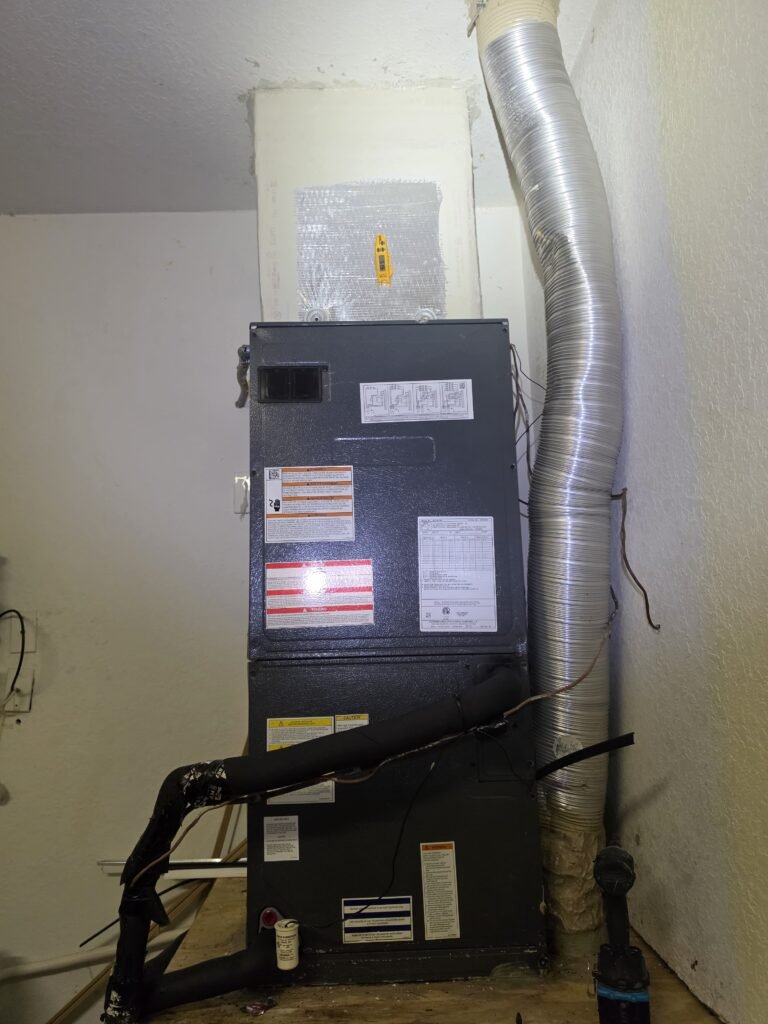
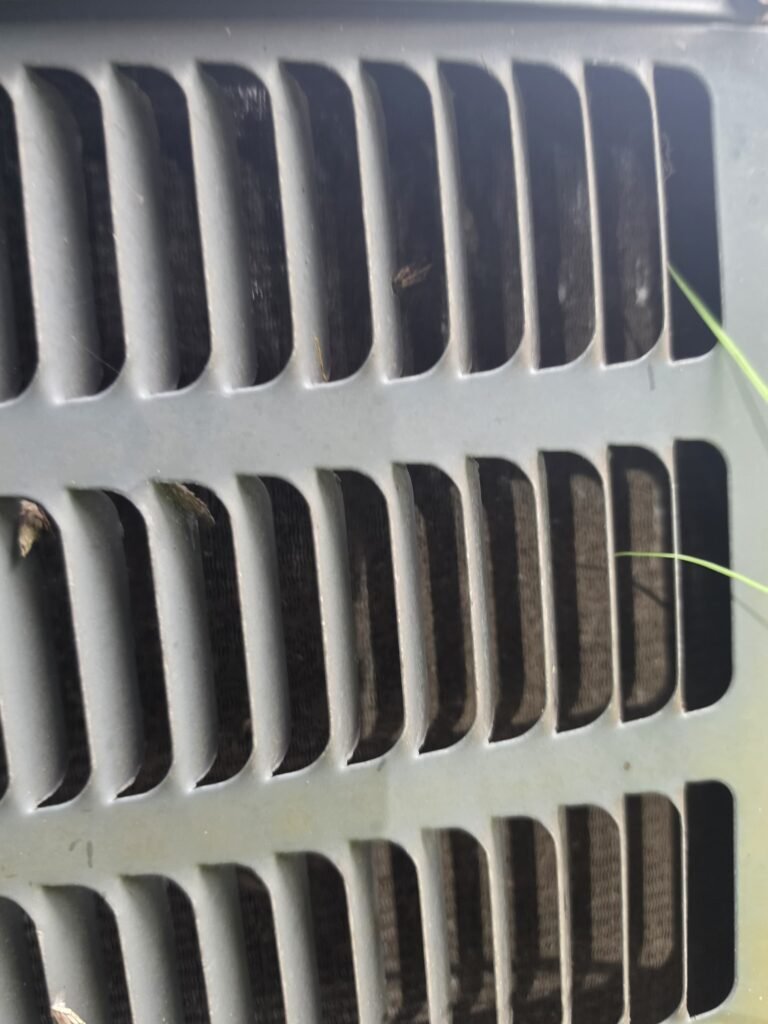
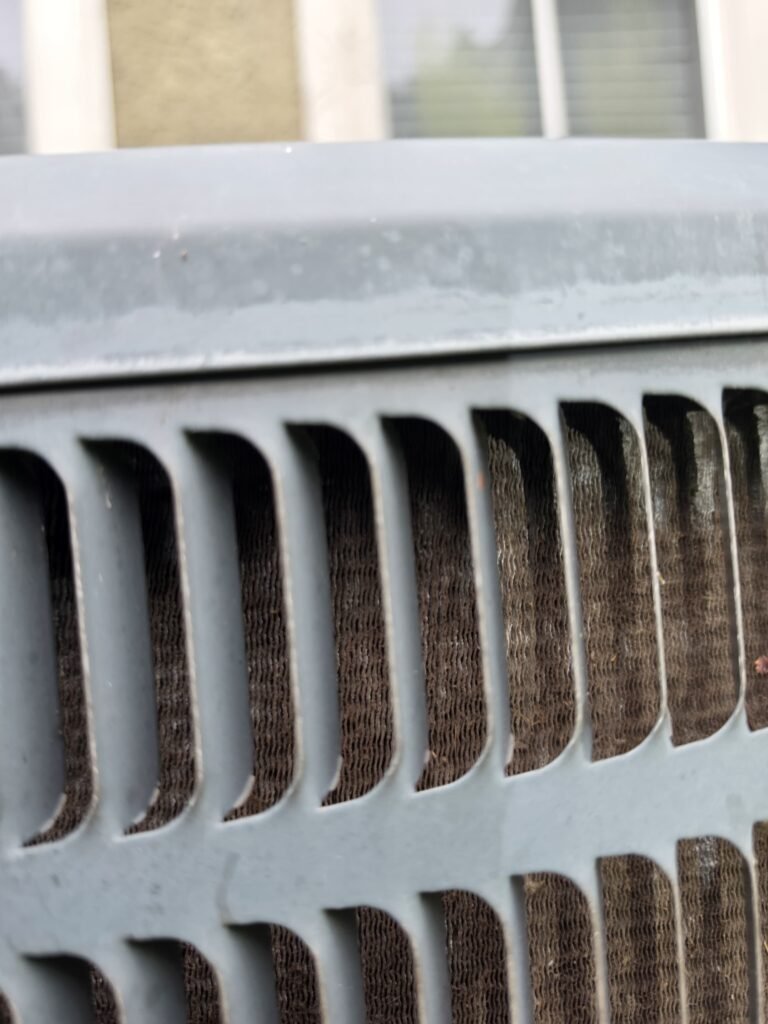
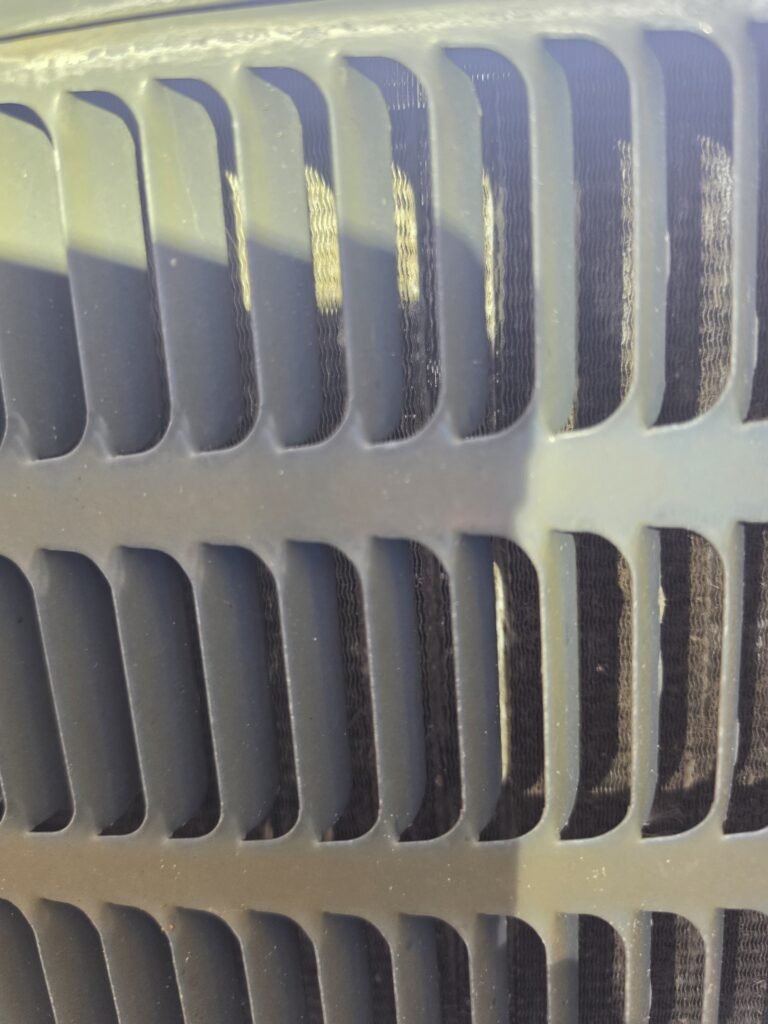
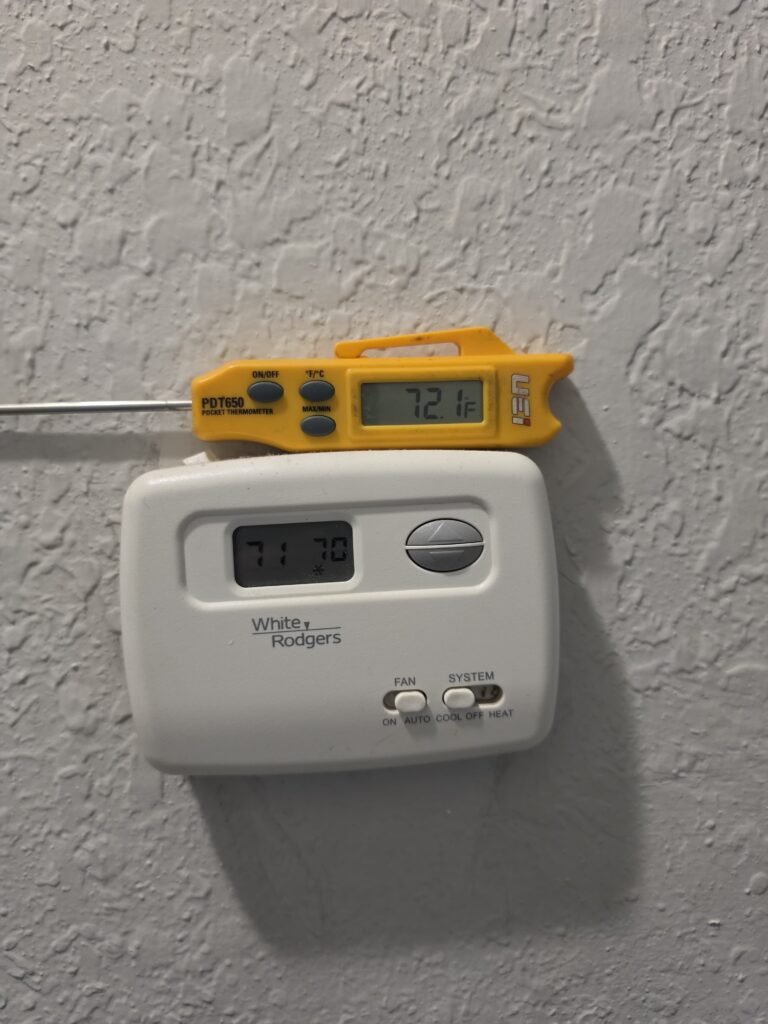
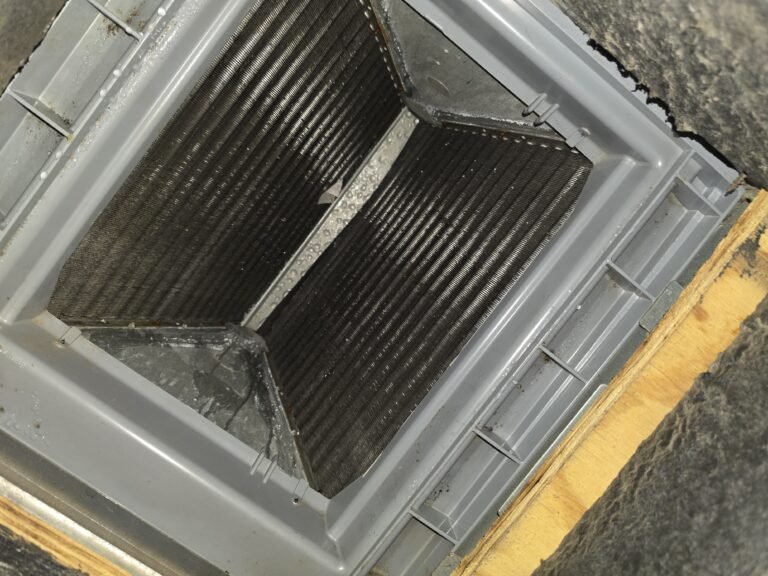
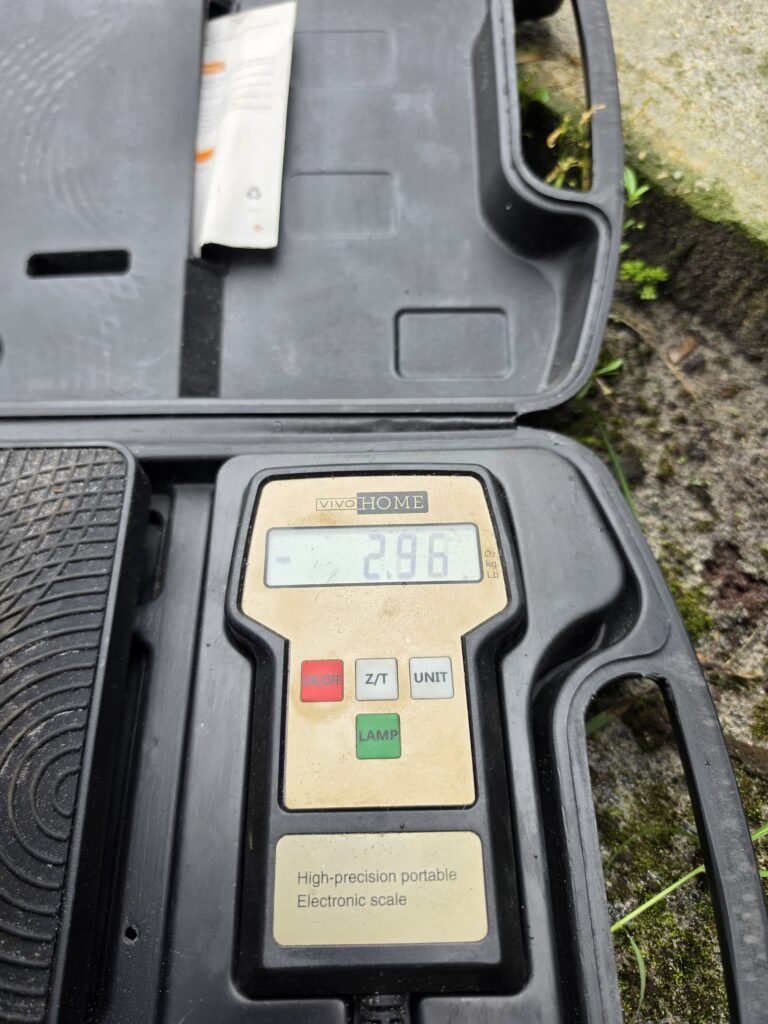
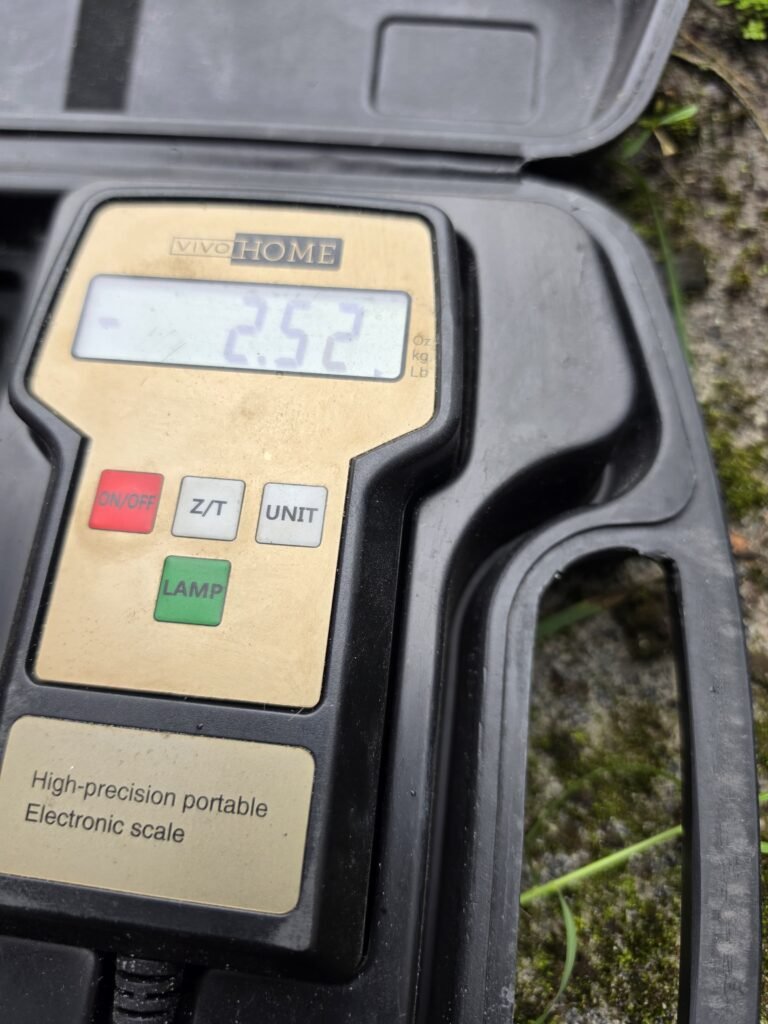
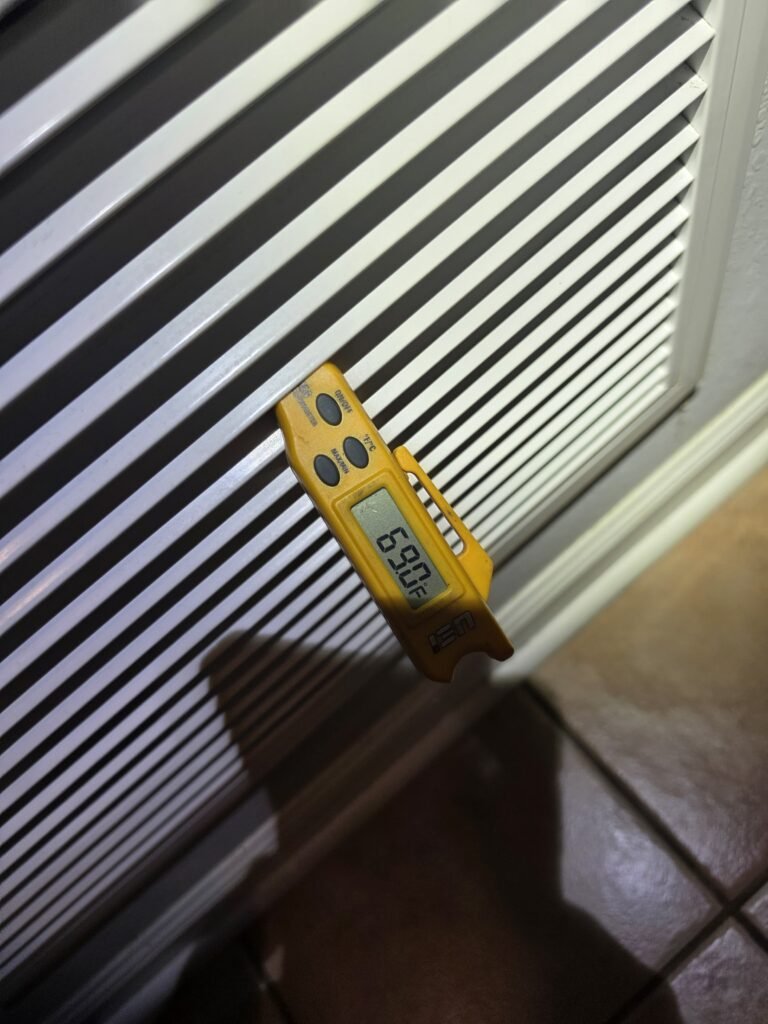
Not every AC repair call in Tampa, FL 33610 starts with a dramatic breakdown. On this Money Rode visit, Aridel handled a system repair that called for adding up to 3 pounds of R410A refrigerant. That may sound simple, but it is one of those service calls where the amount added matters. When an air conditioner needs more than a minor top-off, we pay attention to what that tells us about the system. In this case, the recharge restored operation, but the bigger takeaway for the homeowner was the warning sign behind it: needing that much refrigerant can point to a leak that should not be ignored.
- Service performed: AC repair with R410A recharge
- Location: Money Rode in Tampa, FL 33610
- Technician: Aridel
- Key item: up to 3 pounds or less of R410A added to the system
- Main takeaway: a larger refrigerant addition can indicate leakage in the system
On Money Rode, Aridel Started With the Refrigerant Charge, Not a Random Part Swap
We see plenty of calls where homeowners are told they need a major component before anyone has explained the basics. That was not the case here. The named service on this visit was a Level 1 system repair for 3 pounds or less of R410A, so the focus was the refrigerant charge itself. Refrigerant is the heat-transfer fluid inside the AC system. If the charge drops too low, cooling performance falls off because the system cannot move heat the way it was designed to.
The important detail is that refrigerant does not get “used up” like fuel. In a sealed system, it should stay in place. So when we add a meaningful amount back into the equipment, the right next thought is not just “it is cooling again.” The right next thought is “why did the charge drop?” That is the practical difference between a quick fix a useful service call.
This is also where a little insider perspective helps. Many homeowners hear “it just needs refrigerant” assume that solves the whole problem. Sometimes it restores comfort right away, which matters, especially in Tampa heat. But adding over 2 pounds is often the point where we start talking seriously about leak potential, because that is no longer a tiny correction.
Adding Up to 3 Lbs of R410A Restored Cooling, and Opened a Bigger Conversation About the System
On this job, the service scope covered the cost to add up to 3 pounds of R410A to the unit. That gave the homeowner a clear path to get the system running properly again without turning the visit into a guessing game. The repair, parts labor included, came to $285.
What matters technically is why that amount deserves context. A very small adjustment can sometimes happen after years of operation, depending on service history prior work. Once the amount climbs, the odds of an actual leak concern become harder to dismiss. That does not mean every system that takes refrigerant needs immediate replacement, it does not mean we use scare tactics. It means the homeowner deserves a straight explanation of what the charge level may be telling us.
That is the honest part of AC repair in Tampa. We can restore operation today still be clear about what may need attention next. In this 33610 call, the recharge addressed the immediate need for cooling. At the same time, the service notes built in an important caution: if the system is taking more than a minor amount of refrigerant, the leak question needs to stay on the table or the gas can escape again over time.
The Real Takeaway From This Tampa AC Repair: Refrigerant Loss Is a Symptom, Not a Routine Item
This is the point many articles skip, but it is the part homeowners actually need. Refrigerant is not like motor oil that gets topped off as part of normal upkeep. If an AC system is low, something caused that condition. Sometimes the loss is slow enough that comfort fades gradually. Other times the system struggles all at once during a stretch of heavy summer demand.
For homeowners in Tampa Bay, that distinction matters because our cooling season is long. Systems in ZIP code 33610 run hard for much of the year, so even a modest refrigerant issue can show up fast as weak cooling, longer run times, or poor humidity control indoors. A recharge can absolutely be the right repair at the time of the visit, especially when the goal is to restore cooling responsibly. But the smart long-term view is to treat refrigerant loss as evidence, not routine maintenance.
That is the contrarian truth on jobs like this. The refrigerant itself is not usually the story. The story is why the system needed it. Good service means handling both parts of that reality: getting the equipment back online helping the homeowner understand what the recharge may be signaling.
What Tampa Homeowners Should Do After an R410A Recharge
Tampa systems work through long cooling seasons, high humidity, heavy runtime. After a refrigerant-related repair, a few habits can help you catch trouble earlier avoid surprises.
- If cooling starts to fade again within a short period, do not assume it is just the weather. Repeating low-charge symptoms often mean the original leak concern is still active.
- Pay attention to run time. If your system seems to run much longer than usual to reach the thermostat setting, that can be an early clue that performance has slipped.
- Change filters on schedule. A dirty filter does not cause refrigerant loss, but it can stack airflow problems on top of a charge issue make diagnosis harder.
- Keep notes on when comfort changed. Knowing whether the problem showed up suddenly or gradually helps us narrow down what the system is doing.
- Use the free diagnostic conversation wisely. Ask what the refrigerant amount suggests about the system condition, not just whether the unit is cooling again.
What a Near-3-Pound R410A Add Tells Us About a System in Tampa's Climate
There is a threshold our techs watch closely on refrigerant calls: two pounds. Below two pounds, the addition might reflect minor residual loss or a small port leak that was sealed during a previous service. At or above two pounds, the math changes. A system holds a fixed refrigerant charge, typically between 6 and 15 pounds depending on tonnage and line set length. Losing close to 3 pounds means the system has been operating in a deficit, probably for weeks or months, working harder than it should to move heat out of the home during the hottest stretch of the Tampa Bay cooling season.
On this Money Rode call, Aridel brought the charge back up within the Level 1 scope, which covers up to 3 pounds of R410A at the 5 invoice total. That restored immediate operation. But the honest follow-up is a leak evaluation. Tampa’s coastal salt air accelerates corrosion on evaporator coils and copper line sets. We see pinhole coil leaks regularly in systems that are five to ten years old and have been exposed to humid, salty air without coil protection.
- R410A will eventually be unavailable for new equipment, making leak repairs even more cost-effective now versus waiting.
- A leaking system strains the compressor, which is the most expensive component to replace or the reason to consider a new system entirely.
- If a replacement does become the right answer, we install Goodman and Daikin systems, both built to handle Florida’s demand, with options at every budget tier.
We offer FREE diagnosis on every service call, so if your system needed a significant refrigerant addition recently, call us at (813) 343-2212 and we will evaluate where the charge went.
Common Questions After an R410A Recharge in Tampa, FL 33610
Does adding R410A fix my AC permanently, or will it lose refrigerant again?
Adding refrigerant restores cooling right away, but it does not fix the underlying cause. Refrigerant in a sealed system should not deplete. If your system needed close to 3 pounds, like the job Aridel handled on Money Rode in Tampa, FL 33610, there is likely a leak somewhere in the coil or line set. Without finding and fixing that leak, the system will lose charge again, often within the same season. A leak search is the logical next step.
How much does an R410A recharge cost in Tampa, FL?
On this specific job in Tampa, FL 33610, the Level 1 system repair covering up to 3 pounds of R410A came to $285 total. That price includes the cost of the refrigerant itself up to 3 pounds. If a system requires more than 3 pounds, the labor portion is waived and only the refrigerant cost applies. Every Home Therapist service call includes FREE diagnosis, so we assess the system before quoting additional work. Call (813) 343-2212 for current pricing.
Is R410A being phased out, and should that affect my repair decision?
Yes, R410A production is being phased down under federal refrigerant regulations, which means supply will tighten and prices will rise over time. If your system is older and has a confirmed refrigerant leak, it is worth weighing repair cost against replacement. We install Goodman and Daikin systems, which use the newer R-454B refrigerant and are built for Florida’s cooling demand. We offer FREE estimates on new installations so you can compare both options honestly. Call (813) 343-2212.
Does adding refrigerant mean my AC definitely has a leak?
Not every recharge proves a major leak on the spot, but refrigerant should remain in a sealed system. When we have to add a meaningful amount back into the unit, leak potential becomes a real concern. The larger the amount added, the less comfortable we are calling it normal drift. That is why we explain the recharge the likely implication together.
Why not just keep adding refrigerant whenever cooling drops off?
Because that treats the symptom without addressing the cause. If refrigerant is escaping, repeated recharges can turn into a cycle of temporary relief followed by another comfort problem. It is better to understand whether the system is losing charge how quickly. That gives the homeowner a clearer basis for repair decisions instead of waiting for the next no-cool day.
Is needing over 2 pounds of refrigerant a big deal?
It is significant enough that we talk about it plainly. A very small correction is one thing. Once the amount added goes beyond that, the odds of a leak concern rise. That does not automatically mean the system is beyond repair, but it does mean the homeowner should not think of refrigerant as a normal consumable. The amount added changes the meaning of the service call.
What does R410A actually do inside the system?
R410A is the refrigerant that carries heat out of the home. Your air conditioner absorbs indoor heat, moves it through the sealed refrigerant circuit, releases it outside. If the charge is low, that heat transfer process becomes less effective. The result can be warmer supply air, longer cycles, less moisture removal, which is especially noticeable in humid Tampa homes.
Should I wait until the system stops cooling again before calling?
Waiting usually makes the next visit more urgent less convenient. If you have already had a refrigerant-related repair comfort starts slipping again, it is better to have the system checked before it reaches a full no-cool condition. In Tampa’s long summer stretch, small performance changes can become major comfort issues quickly simply because the equipment runs so often.
Why Tampa Homeowners in 33610 Call Home Therapist for AC Repair
Home Therapist focuses on real diagnostics clear explanations, which matters on calls like this one. We have served Tampa Bay since 2017, homeowners trust us because we do not hide behind vague language or pushy sales talk. Our team is licensed for HVAC plumbing work, CAC1819196 CFC1431159, we have earned 1,100-plus five-star reviews by being straightforward about what we find. When a job is simple, we say so. When a repair points to a larger issue, we say that too. Home Therapist works on every brand, our service approach is built around practical solutions, honest communication, respect for the home we are walking into.
Book AC Repair in Tampa, FL 33610 With Home Therapist
If your system is struggling to keep up in Tampa, FL 33610, we are ready to help. Whether your AC has lost cooling completely or you suspect a refrigerant issue after longer run times weaker performance, Home Therapist can take a close look explain what the system is telling us. Call to schedule service. We offer FREE estimates FREE diagnosis on every service call, we are proud to serve homeowners across Tampa Bay with calm, honest AC repair that puts clarity first.
For broader context on this kind of work, see ACCA technical standards.
More AC Repair Articles
- AC Drain Line Flush in Hudson, FL 34669: Float Switch Fix Too
- Why This Florence Ave System Needed a New Blower Motor: AC Repair in Thonotosassa, FL 33592
- Why an 825 RPM Motor Match Mattered: Condenser Fan Motor Replacement in Tampa, FL 33609
- Why This Pineview Drive System Needed a New Coil: AC Repair in Holiday, FL 34691
- AC Contactor vs Relay: How to Tell Which One Is Failing in Your Tampa AC


