

Why This Eagle Crk Ln Coil Job Needed Refrigerant Pumped to the Condenser in Tampa
Refrigerant is removed from the indoor side and pumped back to the outdoor unit before certain sealed-system repairs because the refrigerant condenser circuit has to be opened safely. In this Tampa, FL 33647 job, an evaporator coil replacement, TXV replacement, line flush, filter dryer replacement, and refrigerant recharge restored normal cooling after the system was repaired correctly.
At this Eagle Crk Ln home in Tampa, FL 33647, Jandiel handled a repair that went well beyond a simple top-off. The system needed the indoor coil replaced, the metering device changed, the copper lines flushed, and the filter dryer replaced before refrigerant could be added back. The existing equipment was Carrier, and the sequence mattered. Because the sealed system had to be opened, the refrigerant first had to be pumped down to the outdoor section so the indoor work could be completed cleanly, then the system had to be vacuumed and checked for leaks before it could run again. That is the kind of AC repair in Tampa that depends on process, not guesswork.
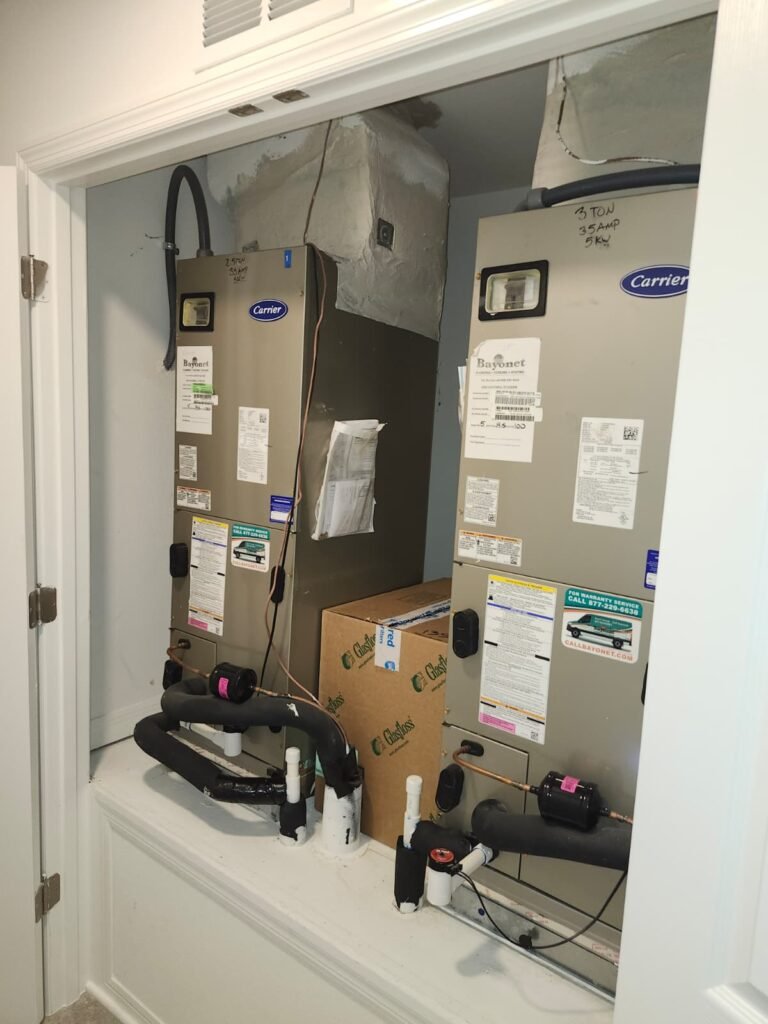
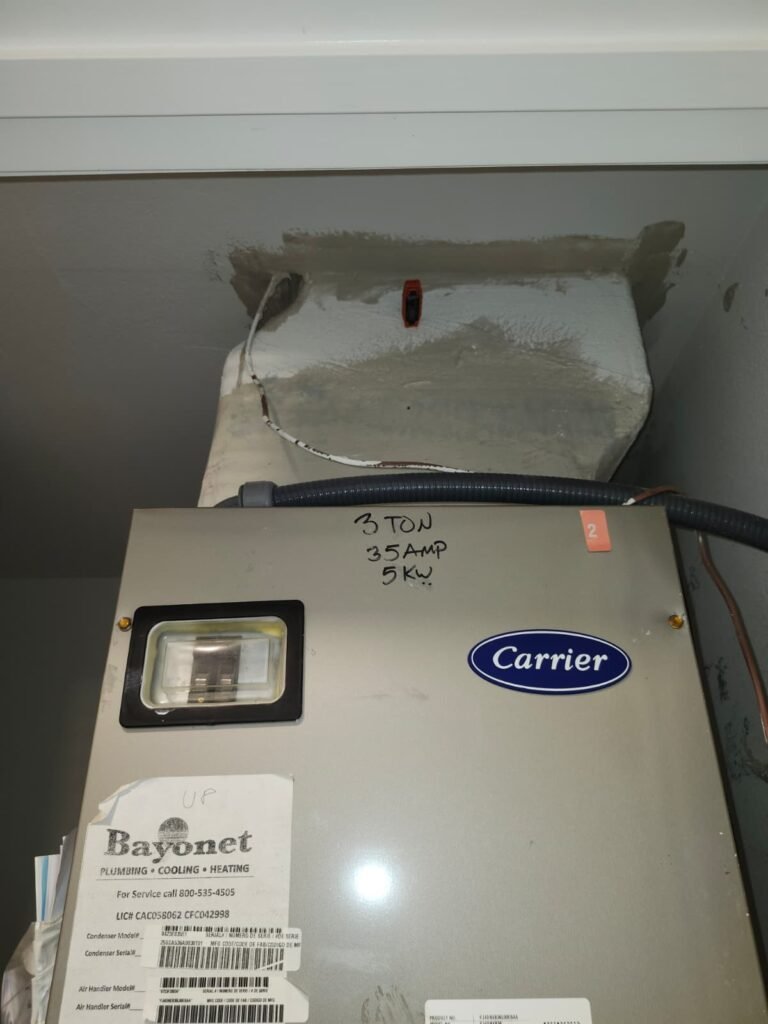
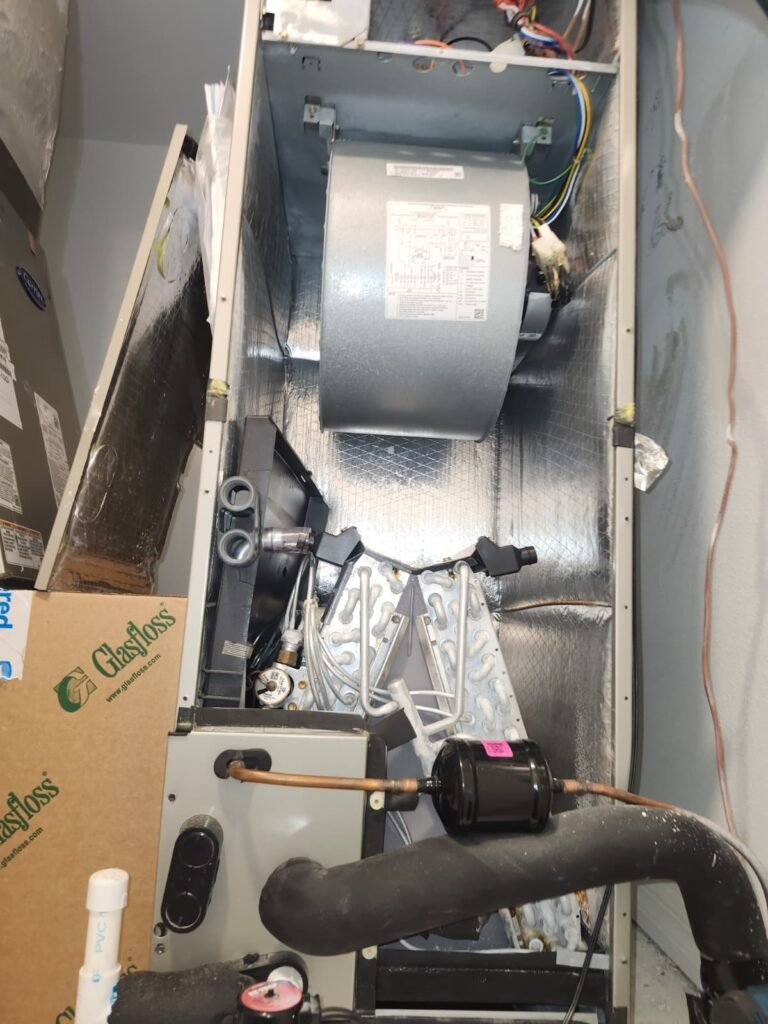
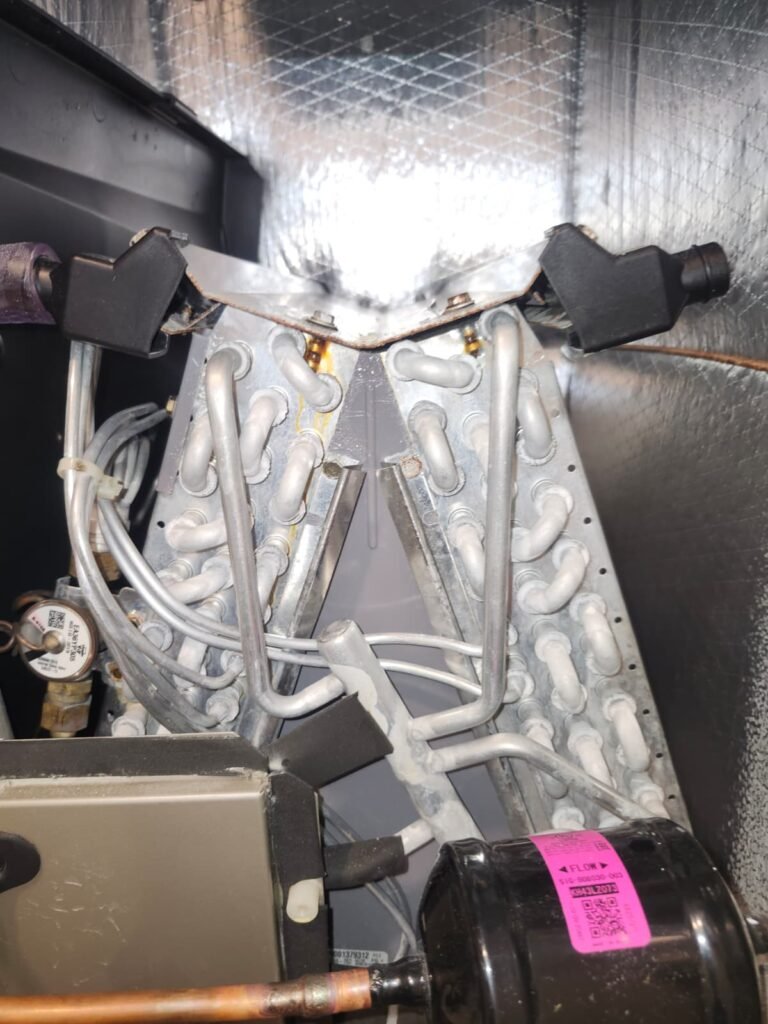
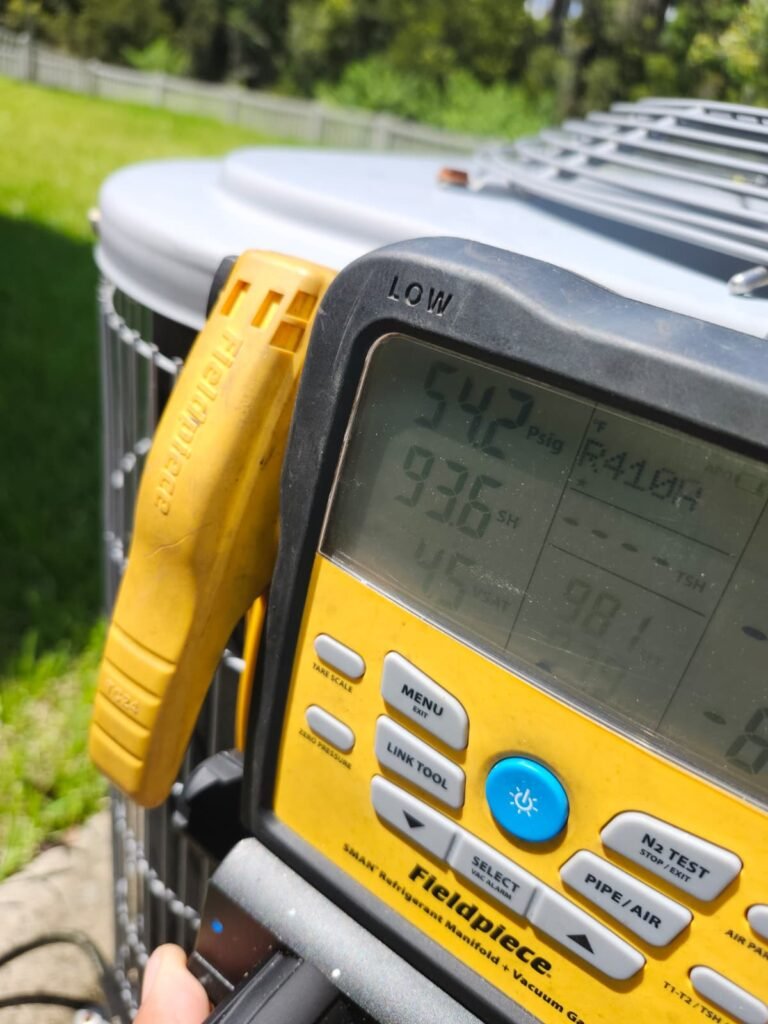
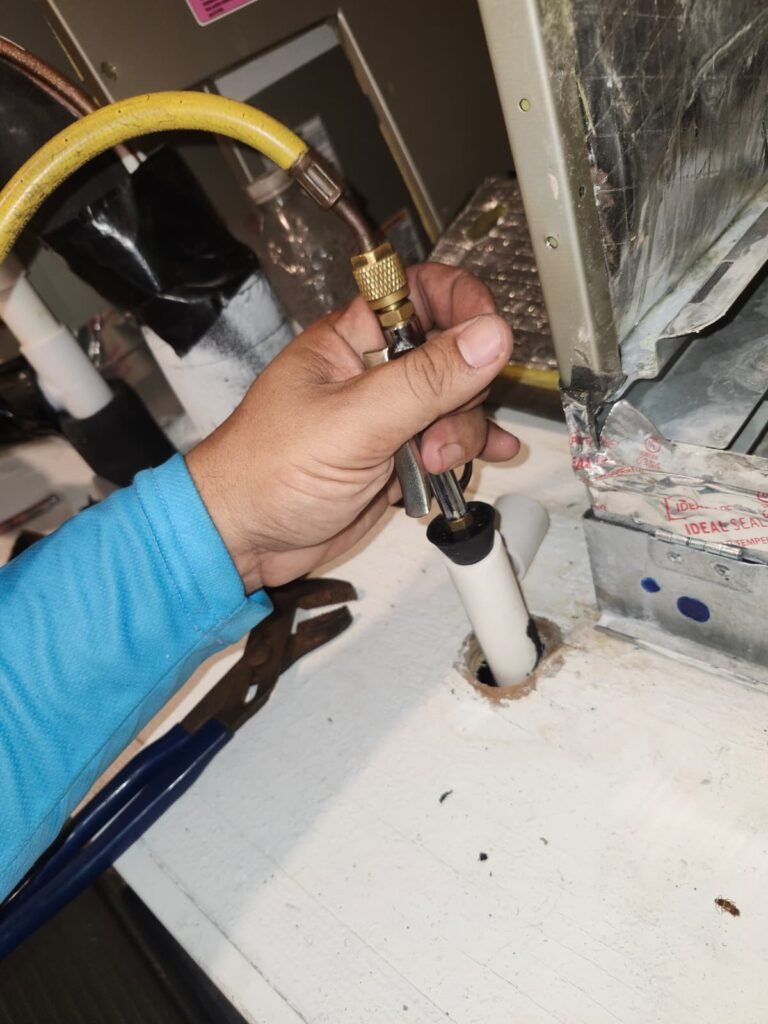
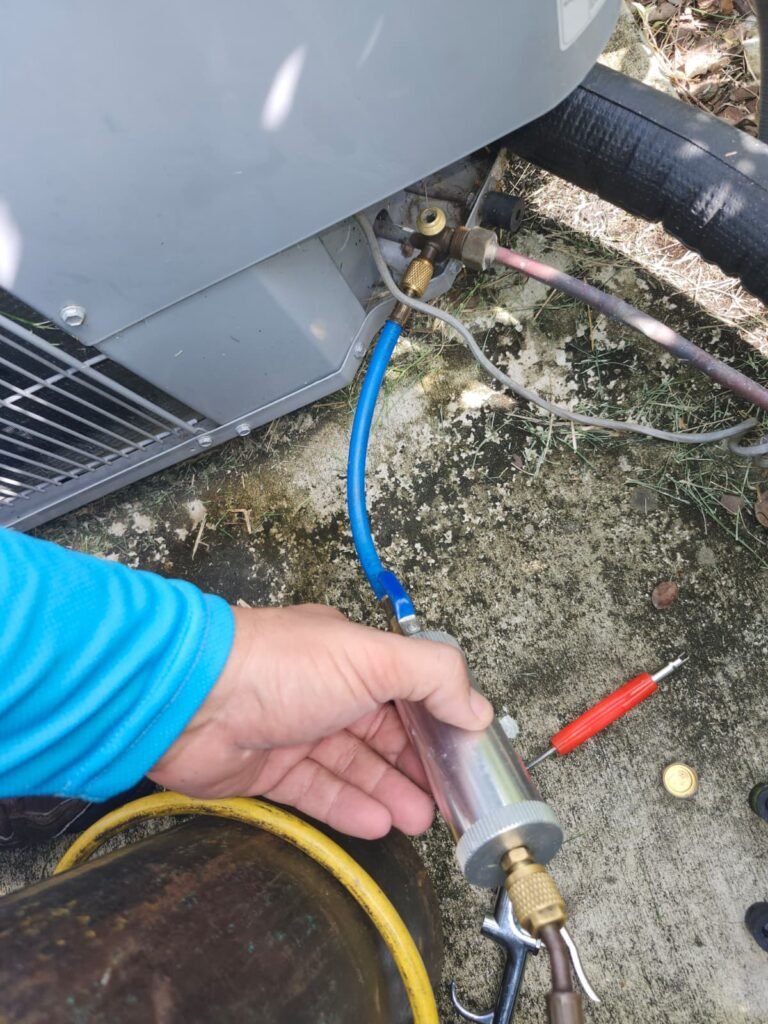
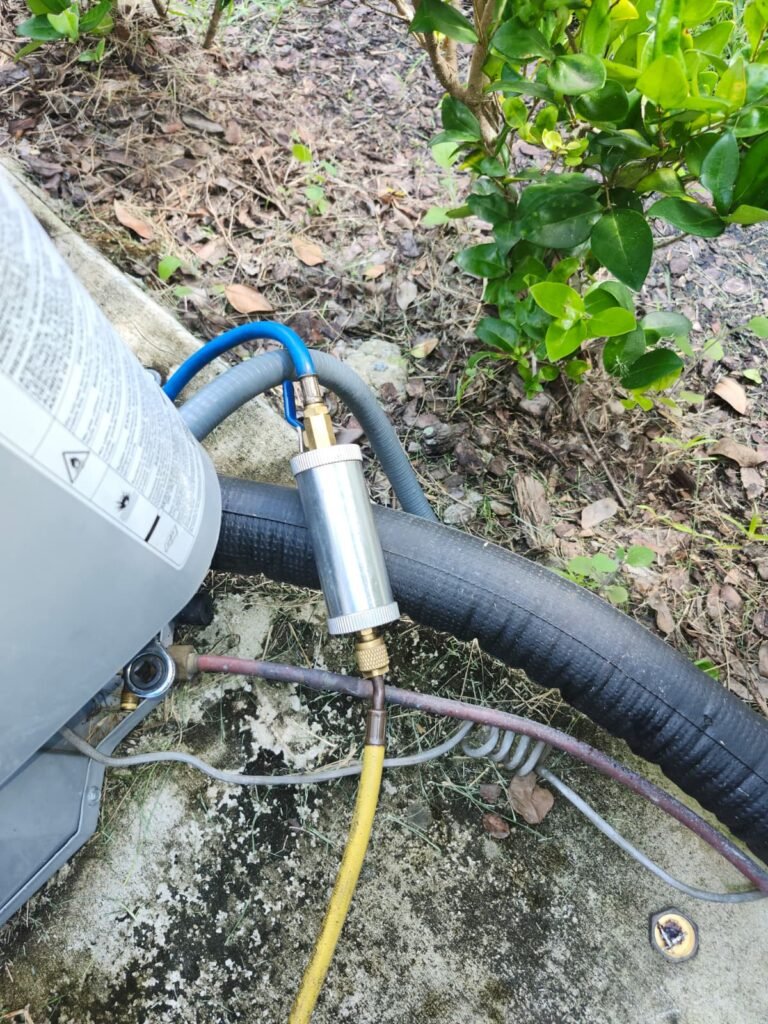
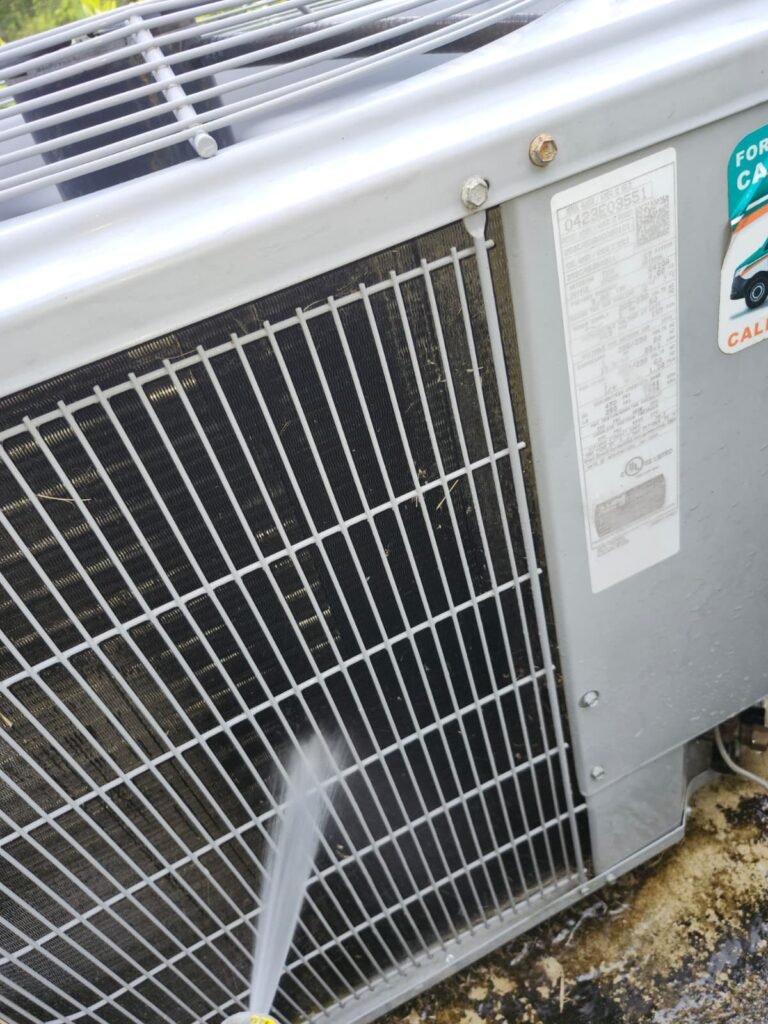
- Service performed: Air handler coil replacement, TXV replacement, line flush, filter dryer replacement, refrigerant recharge
- Neighborhood or street: Eagle Crk Ln
- Technician: Jandiel
- Cause: Indoor refrigerant circuit had to be opened for coil and TXV work
- What was done: Pumped refrigerant to the condenser, replaced parts, flushed lines, vacuumed system, checked for leaks
- Parts replaced: Evaporator coil, TXV, filter dryer
Refrigerant had to be pumped to the condenser first because this coil repair opened the sealed system
When homeowners search refrigerant condenser questions, they are usually trying to understand what happens during a major AC repair. In this case, the answer was practical. The indoor coil and TXV could not be replaced with refrigerant left spread throughout the system. Jandiel followed the proper sequence by pumping the remaining gas back to the outdoor unit, which isolated the refrigerant so the indoor components could be removed and replaced.
That matters because the TXV, or thermostatic expansion valve, controls how much refrigerant enters the indoor coil. If the coil is being changed and the TXV is being changed at the same time, the refrigerant path is being opened at critical points. Simply adding refrigerant without doing the underlying repair would not have solved anything. For homeowners dealing with ac blowing hot air, this is one of the clearest examples of why a recharge is sometimes the last step, not the first one.
This is also where a lot of confusion starts around what happens to refrigerant in the condenser. In normal operation, refrigerant releases heat outdoors and changes state as it moves through the condenser. During a pump-down for repair, the goal is different. The refrigerant is temporarily moved and contained so the indoor side can be serviced safely and legally before the system is evacuated and recharged. Refrigerant handling on sealed systems is regulated under EPA Section 608, which is why process and recovery steps matter on work like this.
The coil, TXV, and filter dryer all mattered because one repair step depended on the next
This was not a one-part visit. The indoor coil was replaced, the TXV was replaced, and the dryer filter replacement was completed with a copper line flush. Each one supports the others. The coil is the indoor heat transfer surface. The TXV meters refrigerant into that coil. The filter dryer helps keep the refrigerant circuit clean and dry by trapping moisture and debris that can damage the system.
The line flush was especially important here because the copper lines needed to be cleared before the repaired system could be put back into service. The job description called for flushing the lines with R11 and nitrogen to clear blockage, then vacuuming the system and checking soldered connections for leaks. That sequence tells you this was not a cosmetic repair. It was a sealed-system cleanup and rebuild of the indoor refrigerant path.
There is a useful insider point here. Homeowners often assume the biggest part, like the coil, is the whole repair. In reality, the accessories and cleanup steps are what protect the new parts. A new coil installed onto contaminated lines or paired with a restricted metering device can lead to repeat problems. That is why this Tampa repair included the filter dryer and line flush instead of treating refrigerant as the only issue.
This visit covered multiple line items, including the focus repair and related sealed-system work. The combined invoice came to $2,608.20.
Adding refrigerant came after the vacuum and leak check, not before
The job notes and line items make the sequence clear. After the parts were replaced, the system was vacuumed and the soldered connections were checked for leaks before refrigerant was added back. That order is a major part of doing AC repair in Tampa correctly, especially on systems that have been opened for coil and valve work.
Vacuuming the system removes air and moisture from inside the refrigerant lines and components. Moisture inside an AC system is a real problem because it can react with oil and refrigerant, contribute to restrictions, and shorten component life. Leak checking after soldering matters for the same reason. If a connection is not tight, added refrigerant will not stay where it belongs.
The line item for adding 3 pounds or more of R410A also tells homeowners something useful. Refrigerant is not a maintenance fluid like engine oil. If a system needs a meaningful amount added after repair, that refrigerant is being restored because the sealed system was opened and serviced, not because topping it off is a cure by itself. For readers comparing this with ac freezing up or warm-air complaints, that distinction matters. Recharge-only thinking misses the reason the system had to be opened in the first place.
If you are trying to understand AC repair in Tampa after a coil or TXV failure, this is the practical takeaway: refrigerant work is tied to the repair sequence. You do not skip to the last step and expect the system to be reliable.
Parts sourcing and warranty handling shaped this Tampa repair as much as the labor did
This job also included a warranty handling fee, and that is worth explaining because it is part of the real-world timeline on repairs like this. The notes show that the coil and TXV had to be ordered through the manufacturer supply channel before the repair could be completed. Specifically, Jandiel documented ordering the evaporator coil and TXV through the Carrier parts network, then coordinating pickup so the needed parts could get back to the shop.
That kind of detail matters because major sealed-system repairs often depend on exact replacement parts, not universal shelf items. A capacitor or contactor can sometimes be handled the same day. A coil cannot. When a homeowner hears that a part has to be ordered, it is not a stall tactic. It usually means the repair needs the correct component for the cabinet, refrigerant circuit, and tonnage match already in the home.
We also like being direct about warranty administration. Supplier processing fees and parts logistics are separate from the physical repair steps, which is why readers comparing scope can review what this work typically costs and see why sealed-system jobs are more involved than a basic service call.
Pro tips for Tampa homeowners facing coil and TXV repairs
Tampa systems run hard for much of the year, so sealed-system repairs deserve a little more attention after the work is complete. A few habits help protect the repair and make future service easier.
First, change filters on schedule after a coil replacement. Restricted airflow can make a good repair look bad by reducing heat transfer across the new indoor coil.
Second, do not assume warm air always means low refrigerant. On this job, the real fix involved the coil, TXV, line flush, and filter dryer. Refrigerant was part of the process, not the sole diagnosis.
Third, keep the area around the outdoor unit clear. The condenser has to reject heat efficiently, and Tampa heat puts enough load on that component already.
Fourth, save your service paperwork when warranty parts are involved. If a future technician needs to understand what was changed, that history shortens diagnosis time.
Fifth, schedule follow-up service if cooling seems off after a major refrigerant repair. Performance concerns after sealed-system work should be checked promptly, not ignored through the hottest part of the season. For broader air conditioning support, routine inspections help catch airflow or drainage issues before they complicate a refrigerant repair.
Questions homeowners ask after a refrigerant condenser repair like this one
What is a refrigerant condenser?
A refrigerant condenser is the outdoor coil where the AC releases heat and changes the refrigerant from a hot vapor toward a liquid state. In this Tampa job, the condenser also served another role during repair because the remaining refrigerant was pumped back to the outdoor section before the indoor coil and TXV were replaced. That let the sealed system be opened on the indoor side safely before vacuuming and recharging.
Can I just add refrigerant to my AC?
No, adding refrigerant alone is not the right fix when the system needs component repair. This job is a good example because the system needed a coil replacement, TXV replacement, line flush, and filter dryer replacement before refrigerant could be added back. Refrigerant supports system operation, but it does not repair a failed coil, a restricted metering device, or contamination inside the lines.
How do I know if my condenser is low on refrigerant?
You cannot confirm low refrigerant by sight alone, and symptoms can overlap with other problems. Homeowners may notice warm supply air, longer run times, or poor cooling, but those symptoms do not prove the condenser is low. On this Eagle Crk Ln repair, refrigerant handling was necessary because the sealed system was opened for major indoor repairs. Proper diagnosis comes before any recharge decision.
What happens to refrigerant in the condenser?
Refrigerant releases heat in the condenser and changes state as it moves through that outdoor coil. Under normal cooling operation, the condenser removes the heat the system picked up indoors. During this repair, the refrigerant was pumped down to the outdoor unit before indoor parts were changed, which is a service procedure rather than a normal operating condition. That difference is why homeowners often hear the same word, condenser, used in two different ways.
How do technicians pump refrigerant back into the condenser for repair?
Technicians pump refrigerant back into the outdoor unit by isolating the system so the refrigerant can be contained while indoor work is performed. On this job, that step came before the TXV and coil replacement because the indoor refrigerant circuit had to be opened. After the parts were installed, the system was vacuumed, leak checked, and then recharged. It is a controlled service sequence, not a shortcut.
Schedule AC repair in Tampa, FL 33647 with Home Therapist
If your system in Tampa, FL 33647 needs more than a quick refrigerant top-off, Home Therapist handles the kind of detailed repair work this Eagle Crk Ln job required. Since 2017, our team has focused on Tampa Bay homes with straightforward recommendations, careful diagnostics, and workmanship that respects the full system, not just one symptom. We are licensed in Florida for HVAC under CAC1819196 and plumbing under CFC1431159, and we have earned 1,300+ five-star reviews from local homeowners who wanted clear communication and solid results.
Whether the issue is a coil, TXV, refrigerant circuit cleanup, or another cooling problem, we service every brand and explain what the repair actually involves before work begins. If you want to verify who you are hiring, Florida license records are available through Florida DBPR. For homeowners in Tampa and across our service area, call Home Therapist at (813) 343-2212. We offer FREE estimates and FREE diagnosis, and we are happy to help you understand the next step before you commit to anything.


