

What Causes Capacitor Failure on a Brandon AC That Suddenly Quits?
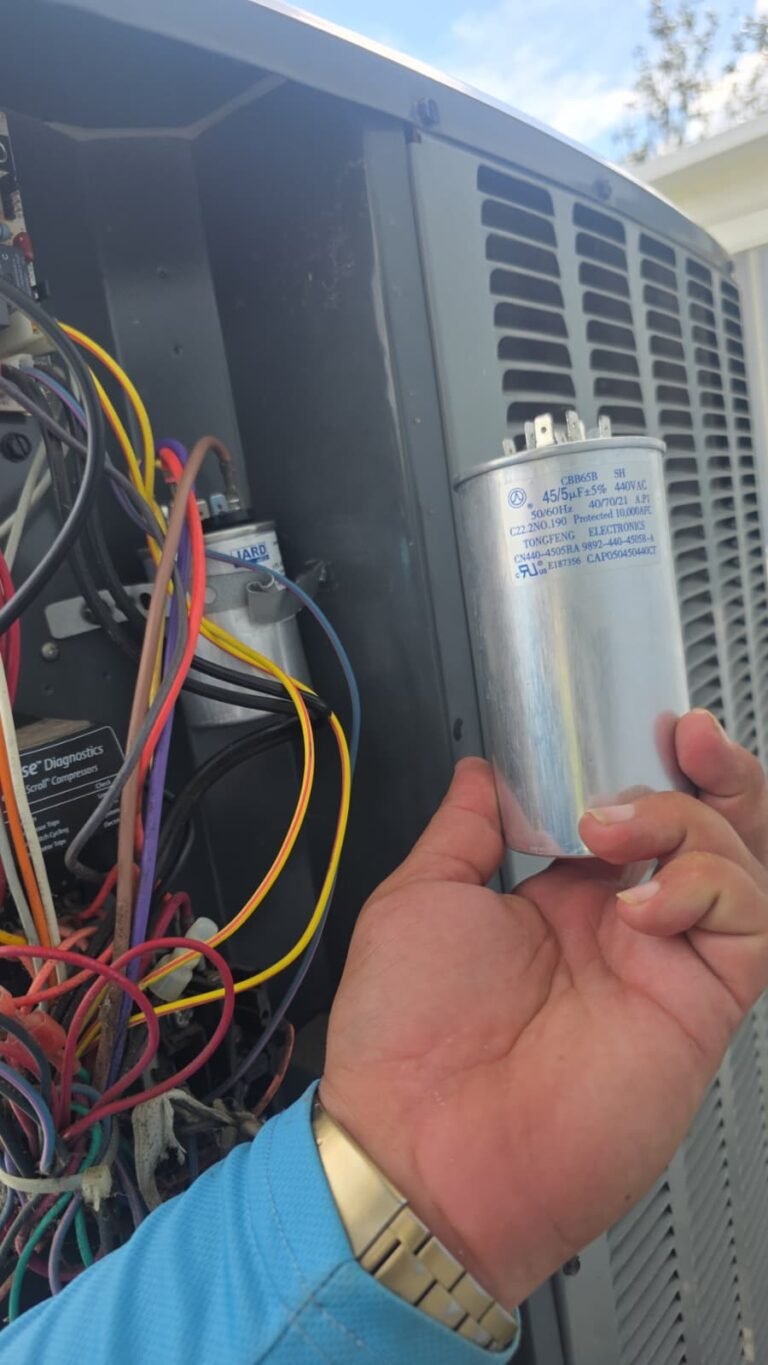
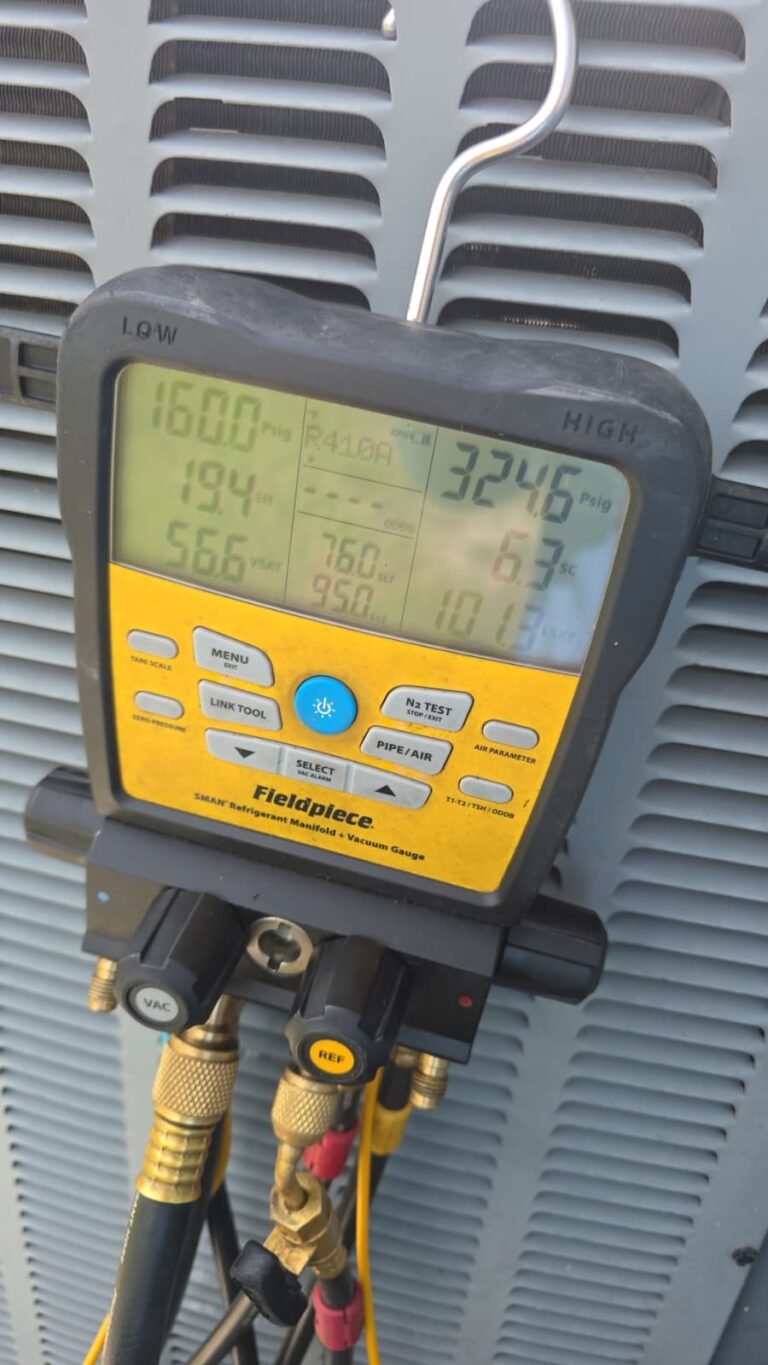
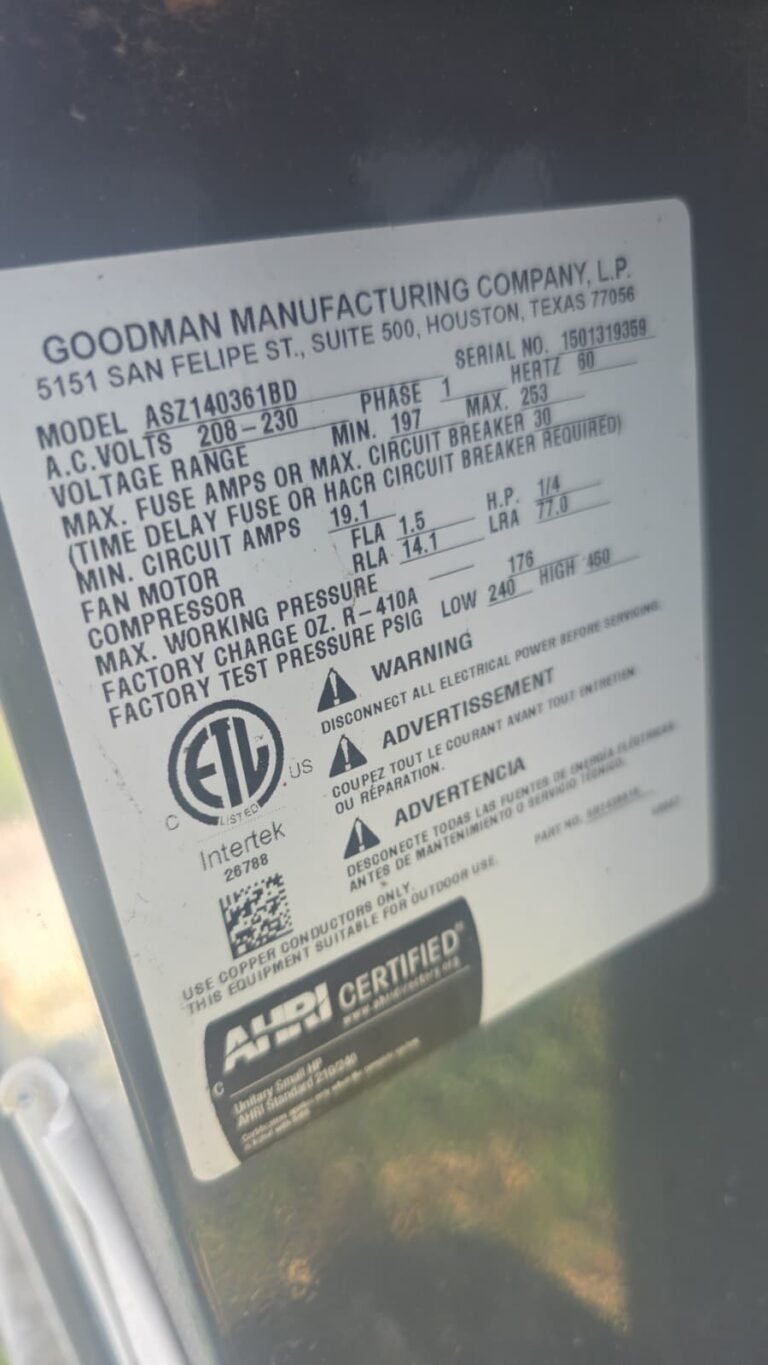
What causes capacitor failure on an air conditioner in Brandon, FL 33511? Heat, electrical stress, and normal wear are common causes, and in this case a failed capacitor kept the outdoor unit from starting until a capacitor replacement restored cooling.
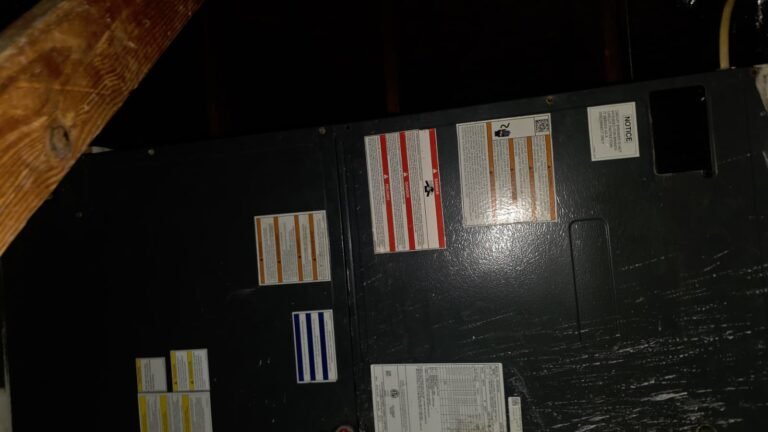
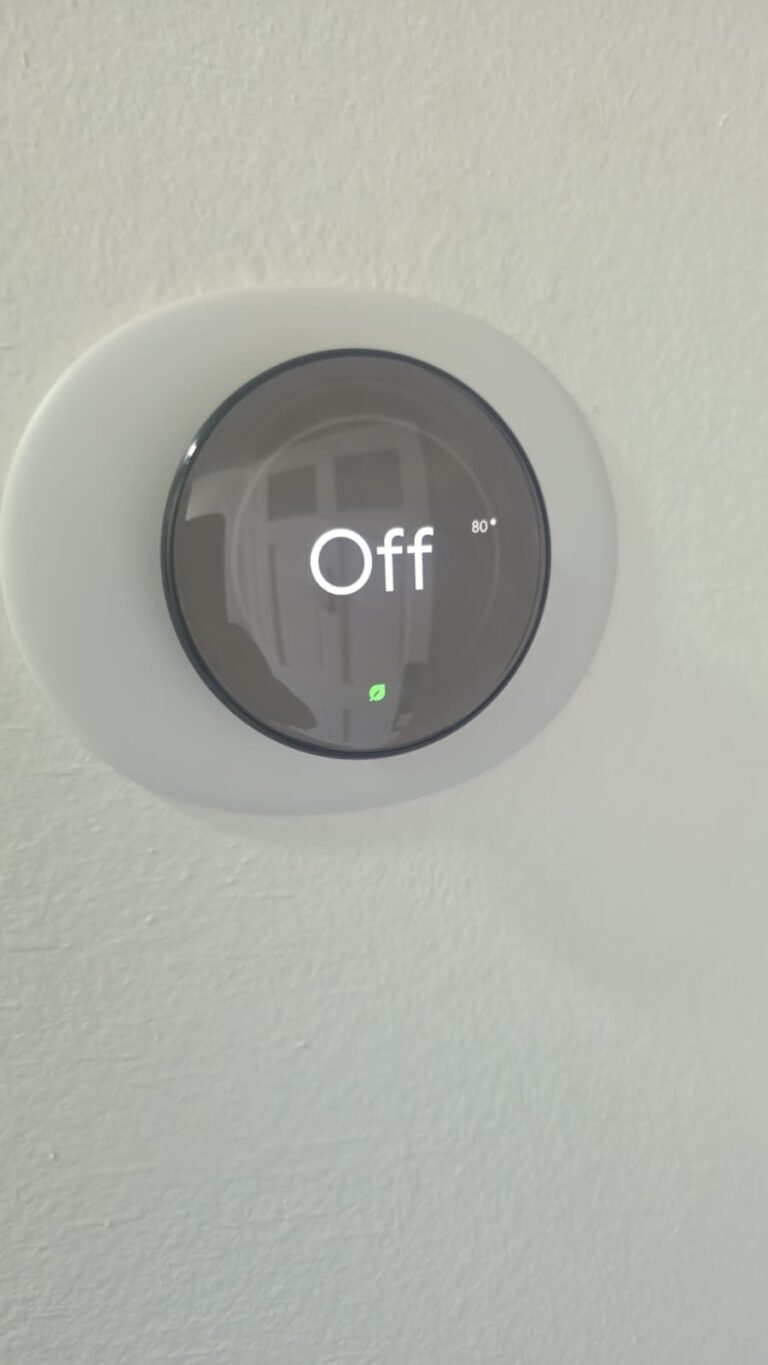
On this Shadow Pine Dr call in Brandon, Barbaro arrived for an air conditioning system that had stopped working the day before. The homeowner had recently bought the house and did not know the system age or last maintenance date, which is common on new-to-you homes in Tampa Bay. The symptom was useful right away: the air handler could still be heard running in the attic, but the condenser outside was completely off. That pointed us toward an electrical starting problem instead of a simple thermostat complaint, and the failed capacitor turned out to be the reason this AC repair in Brandon was needed.
- Service performed: Free diagnosis and capacitor replacement
- Neighborhood or street: Shadow Pine Dr
- Technician: Barbaro
- Symptom: Air handler running, outdoor unit completely off
- Cause: Failed capacitor preventing normal system operation
- What was done: Diagnosed the fault and replaced the failed capacitor
What causes capacitor failure on a Brandon AC usually comes down to heat, wear, and startup stress.
A capacitor is the electrical component that helps motors start and keep running. When it weakens or fails, the system may hum, struggle to start, or leave part of the equipment completely dead. In this Brandon job, the indoor section could still be heard, but the outside unit stayed off, which is one of the more common air conditioner capacitor failure symptoms we see during long Florida cooling seasons.
Barbaro did not treat this as an automatic refrigerant issue, because the symptom pattern did not fit. If the outdoor unit is fully unresponsive while the air handler still sounds active, a failed capacitor is often higher on the list than low charge. That is an important distinction for homeowners searching ac blowing hot air problems, because warm air at the vents does not always mean the system has lost refrigerant. Sometimes the outdoor equipment simply cannot start.
This call also had a useful homeowner detail. The system quit the day before, and the homeowner had just purchased the property, so there was no service history to lean on. That lack of maintenance history matters because capacitor failure symptoms often show up sooner when a system has been working through Tampa Bay heat without regular cleaning and inspection.
The attic air handler and dead outdoor unit told us this capacitor replacement was the right first repair.
The homeowner described hearing the air handler in the attic while the condenser outside was completely silent. That split symptom matters. It tells us the thermostat is at least calling for cooling and that part of the system still has power, but the cooling side is not completing the job. In plain English, the house feels like the AC is trying to run without actually producing cold air.
Once Barbaro confirmed the failed capacitor, the repair path became straightforward. Replacing the capacitor restored the system’s ability to run properly again. This is why motor start capacitor failure symptoms and motor run capacitor failure symptoms can look dramatic even though the failed part itself is relatively small. A capacitor does not move air or make cooling directly, but it supports the motors that do.
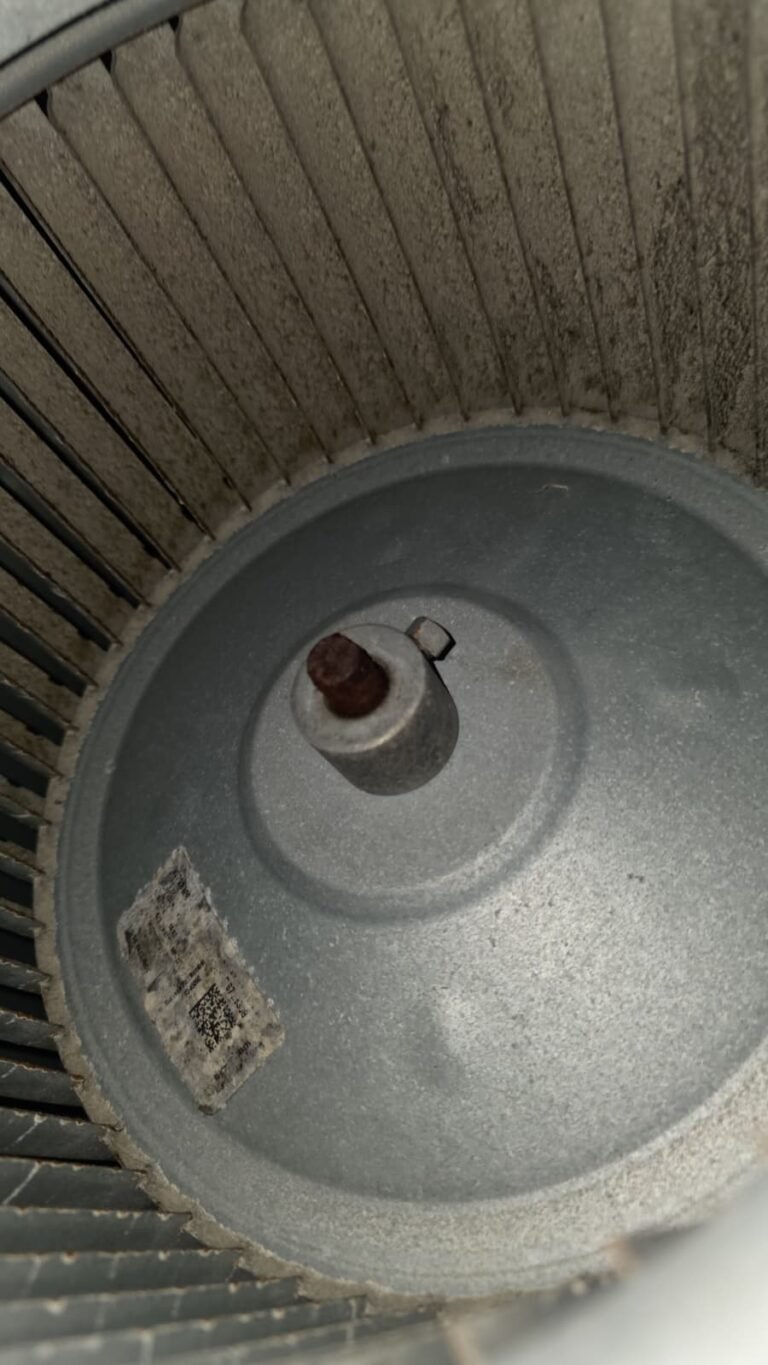
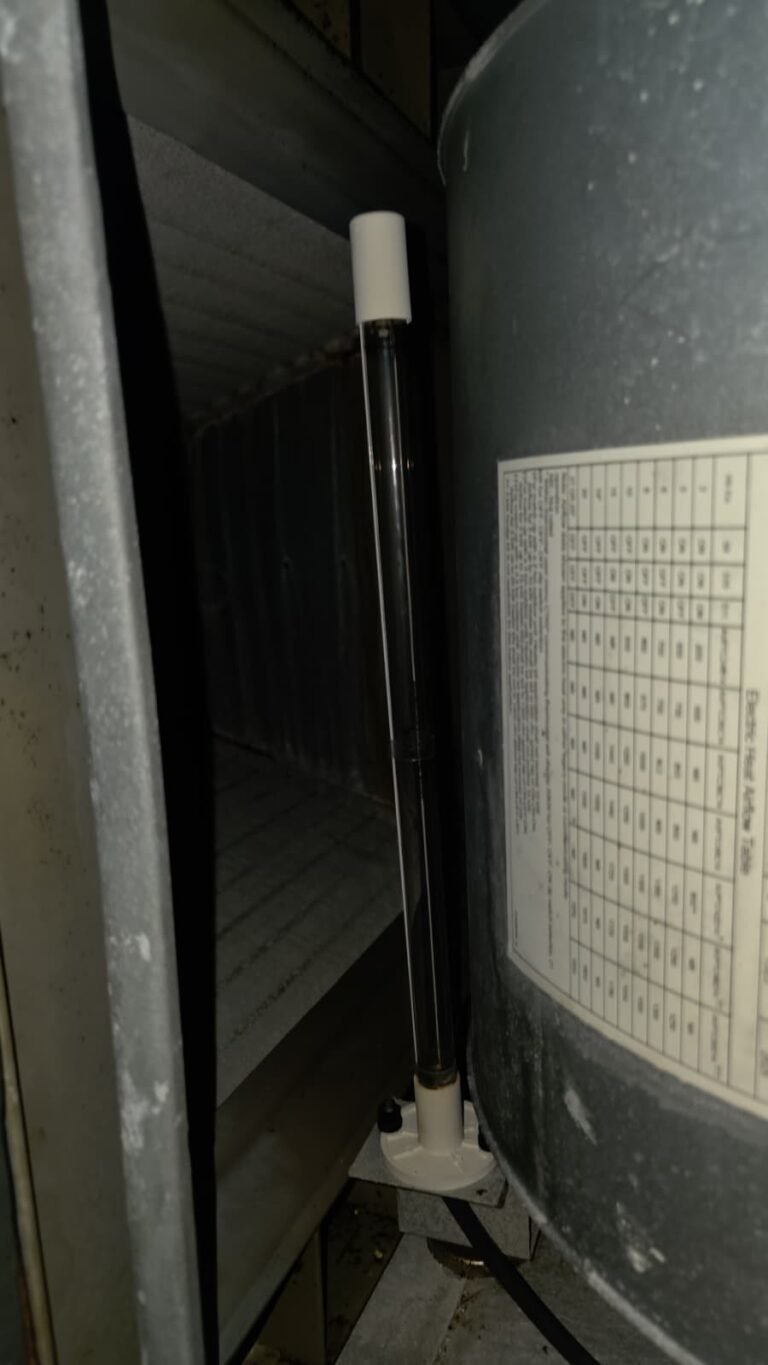
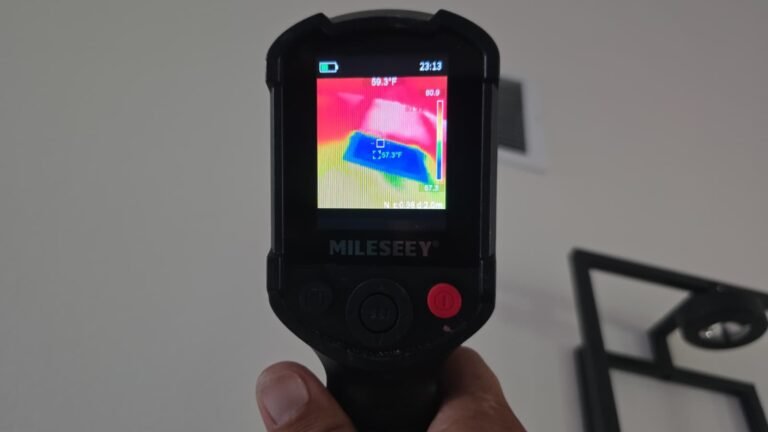
There was also a bigger lesson on this Shadow Pine Dr visit. We could have stopped at the no-cool complaint, but the diagnosis also uncovered a heavily soiled blower wheel and a gap where the air handler connected to the return duct. That gap was allowing air leakage and contributing to condensation in the area. In other words, the failed capacitor caused the immediate breakdown, but airflow restriction and duct leakage were already making the system work harder than it should.
For readers comparing options, what this work typically costs depends on the exact system and visit scope. On this visit, the combined invoice for the free diagnosis call and capacitor replacement came to $279.
The blower wheel buildup and return duct gap were separate problems that help explain why AC systems wear down faster.
A failed capacitor was the direct reason the system would not run properly, but it was not the only issue we found. The blower wheel was heavily soiled, which reduces airflow efficiency. When airflow drops, the system has to work longer to move the same amount of conditioned air through the house. Over time, that extra strain can contribute to broader wear across the equipment.
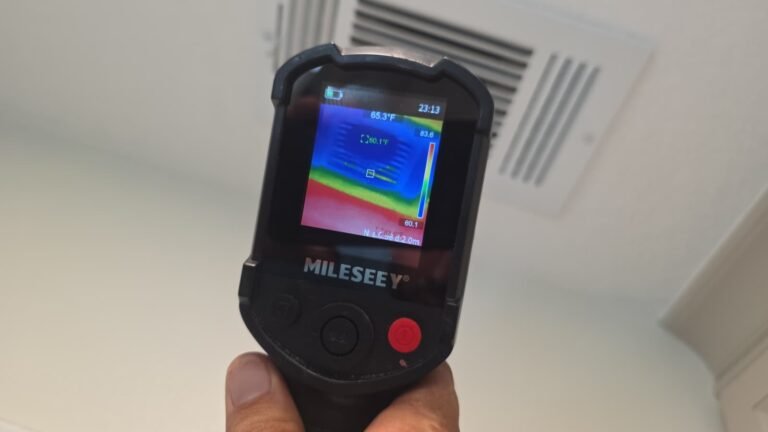
The return-side gap mattered too. At the connection between the air handler and the return duct, air was leaking and condensation was building in the area. That is not just a comfort issue. Leaky return connections can pull in unconditioned attic air, add moisture stress, and make a house feel less evenly cooled. In Brandon and throughout our service area, attic installations deal with enough heat already. Any avoidable leakage makes the system’s job harder.
This is the contrarian point many homeowners do not hear often enough: what causes capacitor failure is not always one dramatic event. Sometimes it is the slow combination of Florida heat, neglected airflow, and a system that has been compensating for other hidden issues. The capacitor is the part that finally quits, but it may not be the only thing asking for attention.
That is also why a full tune-up, blower wheel cleaning, and sealing the return connection were sensible recommendations after the repair. The goal was not to upsell a simple part swap. The goal was to address the conditions that can shorten component life and keep this no-cool problem from repeating.
How the system performed after the capacitor replacement mattered more than the part itself.
Any capacitor replacement should be judged by whether the system returns to normal operation, not just by whether a new part was installed. After the failed component was replaced, proper system function was restored. That is the outcome homeowners actually care about, especially when the original complaint was a sudden loss of cooling.
This kind of repair also shows why free diagnosis matters. A homeowner may search for air conditioning help because the house is warm, but the real issue can sit in the electrical side, the airflow side, or both. In this case, the symptom, the attic location, and the outdoor unit being fully off all helped narrow the logic quickly without guessing.
For Brandon homeowners, that is the practical takeaway. Electric motor capacitor failure symptoms can look like a major AC failure from inside the house, but the right diagnostic process separates the failed part from the larger system condition. That is how you avoid replacing the wrong thing.
Pro tips for Brandon homeowners dealing with capacitor failure symptoms
Capacitor problems are common in Florida, but a few practical habits can help you catch the warning signs sooner and reduce avoidable stress on the system.
- If the thermostat is calling for cooling and you hear the indoor unit but the condenser outside stays silent, do not assume it is a refrigerant problem. That symptom often points to a capacitor failure or another electrical issue.
- If you just bought a home and do not know the maintenance history, schedule a system check early. Unknown service history often means dirt buildup or overlooked airflow problems are already in play.
- Pay attention to attic-side issues like return leaks and condensation. In Brandon heat, attic air is harsh enough without letting the system pull in extra heat and moisture.
- Do not ignore a dirty blower wheel. Reduced airflow can make the whole system run longer, which adds wear beyond the blower section itself.
- Use trusted efficiency guidance from U.S. Department of Energy resources when comparing long-term cooling performance habits for your home.
Capacitor replacement questions that came up from this Brandon job
What is the common cause of capacitor failure?
Heat and electrical stress are the most common causes of capacitor failure. In Brandon, long cooling seasons force AC systems to start and run hard for much of the year, and that repeated stress wears capacitors down over time. On this job, the failed capacitor was the direct reason the system would not run properly, but the dirty blower wheel and return leak also showed the equipment had been working under less-than-ideal conditions.
Will the AC still run if the capacitor is bad?
Sometimes part of the AC will still run if the capacitor is bad, but cooling usually will not happen normally. That is exactly what made this call easier to narrow down. The air handler in the attic could still be heard, but the outdoor unit was completely off. That kind of split behavior is one of the clearer AC capacitor failure symptoms homeowners notice before a full diagnosis.
What are two typical signs that a capacitor is bad or has failed?
Two common signs are an outdoor unit that will not start and a system that seems to run without actually cooling the house. On this Shadow Pine Dr job, both clues showed up in a practical way. The homeowner reported the AC had stopped working, the attic unit still sounded active, and the condenser outside stayed dead. Those are strong warning signs that point toward capacitor failure modes or another electrical start problem.
How do you prevent capacitor failure?
You cannot prevent every capacitor failure, but regular maintenance lowers the odds of surprise breakdowns. Cleaning airflow components, checking electrical parts, and fixing return-side leaks all help reduce strain on the system. In this case, we recommended a full tune-up with blower wheel cleaning and sealing the air handler return connection because reducing system stress is one of the best ways to help components last longer in Tampa Bay conditions.
How expensive is it to replace an AC capacitor?
AC capacitor replacement cost depends on the system, access, and whether other work is bundled into the same visit. This Brandon call included a free diagnosis and the capacitor replacement, and the invoice was kept separate in context because every job has its own scope. The more useful question is whether the diagnosis clearly proves the capacitor is the failed part, since accurate diagnosis prevents paying for the wrong repair first.
Schedule AC repair in Brandon, FL 33511 with Home Therapist
If your system is showing capacitor failure symptoms, blowing warm air, or acting like the indoor unit is running while the outside unit stays off, Home Therapist can help. We have served Tampa Bay since 2017, and our team brings licensed HVAC and plumbing expertise to every visit. Our HVAC license is CAC1819196, our plumbing license is CFC1431159, and we have earned 1,300+ five-star reviews by staying clear, honest, and precise about what we find on site. Readers who want to verify Florida contractor credentials can also use Florida DBPR.
For homeowners in Brandon, FL 33511 and nearby neighborhoods, we offer FREE estimates and FREE diagnosis, and we service every brand. If your system just quit and you want a calm, accurate answer instead of guesswork, call Home Therapist at (813) 343-2212 to schedule service.


