

Compressor, Filter Dryer, and R410A Scope: AC Repair in Tampa, FL 33612
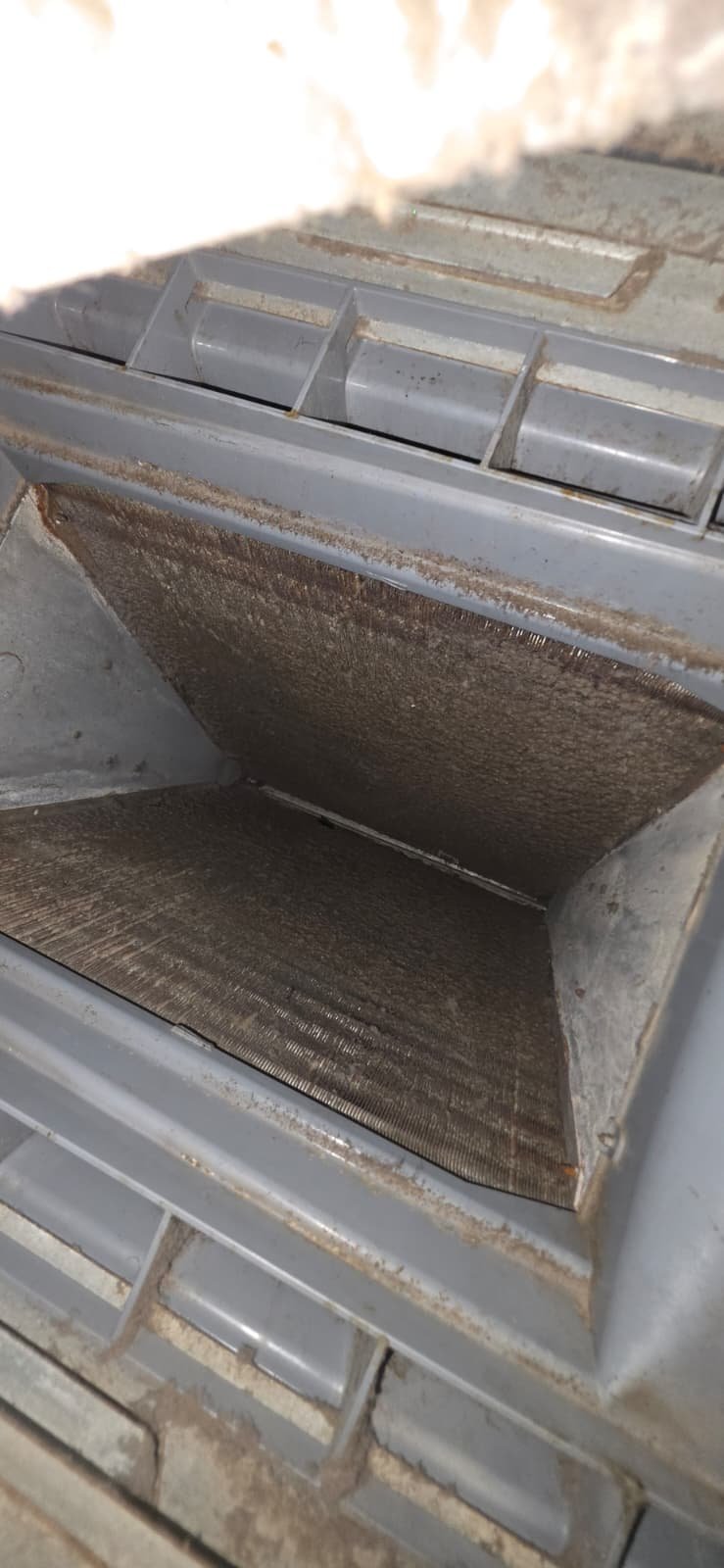
The AC repair on this Poinsettia Ave home in Tampa, FL 33612 centered on a compressor replacement, but the real job was larger than simply swapping one part. Barbaro handled a repair scope that included recovering refrigerant, removing the failed compressor, installing the new condenser compressor, replacing the capacitor, flushing the copper lines, replacing the filter dryer, cleaning the air handler coil outside the cabinet, vacuuming the system, checking soldered connections for leaks, and adding R410A refrigerant. This was the kind of Tampa repair where the supporting steps mattered just as much as the headline part.
Full pricing, what is included, and same-day availability are on our AC repair in Tampa page.
- Service performed: AC repair with compressor replacement
- Location detail: Poinsettia Ave in Tampa, FL 33612
- Technician on site: Barbaro
- Specific parts and materials: compressor, capacitor, filter dryer, R410A refrigerant
- Supporting work: copper line flush, vacuum, solder leak search, and coil cleaning
- Job coordination note: the appointment had to be confirmed with the tenant before the repair moved forward
AC Repair in Tampa, FL 33612 Required More Than a Compressor Swap
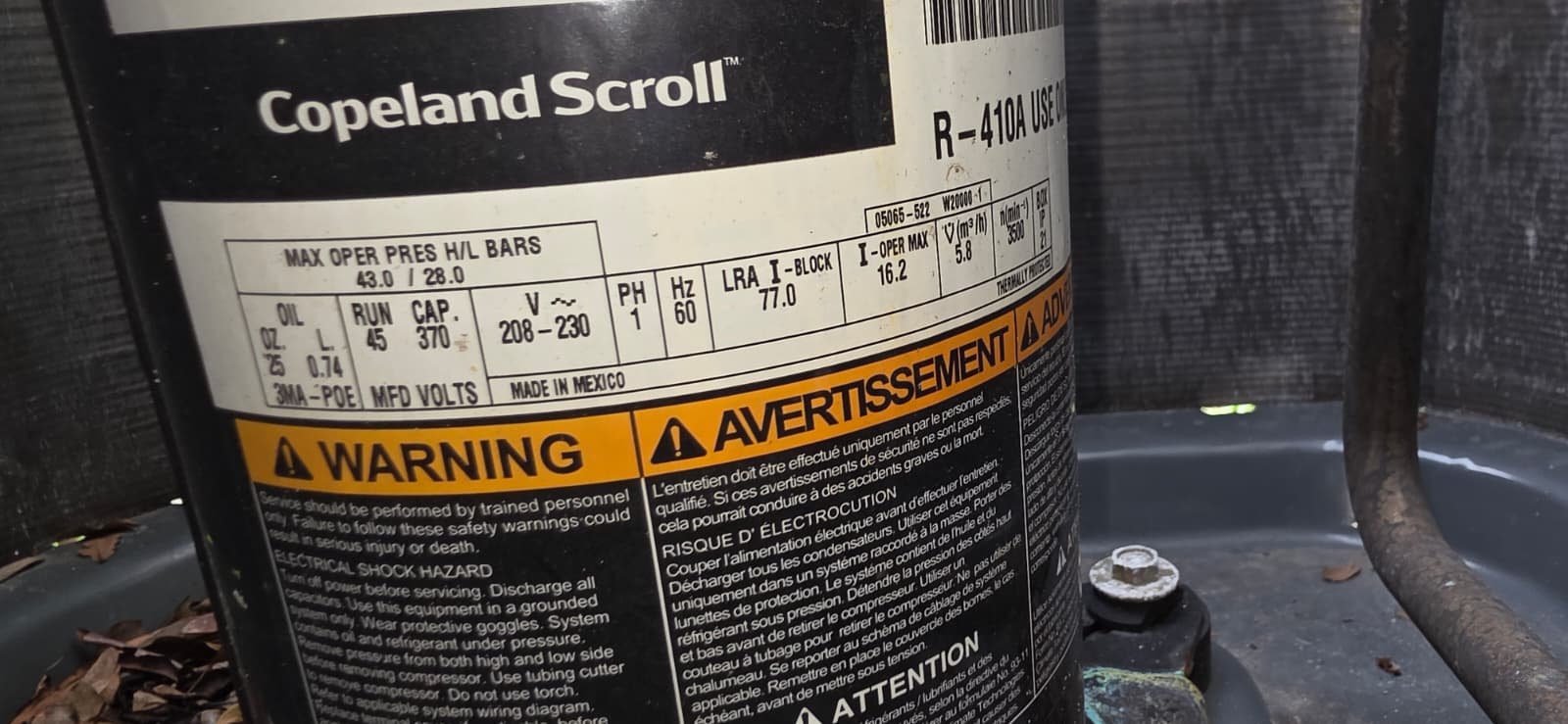
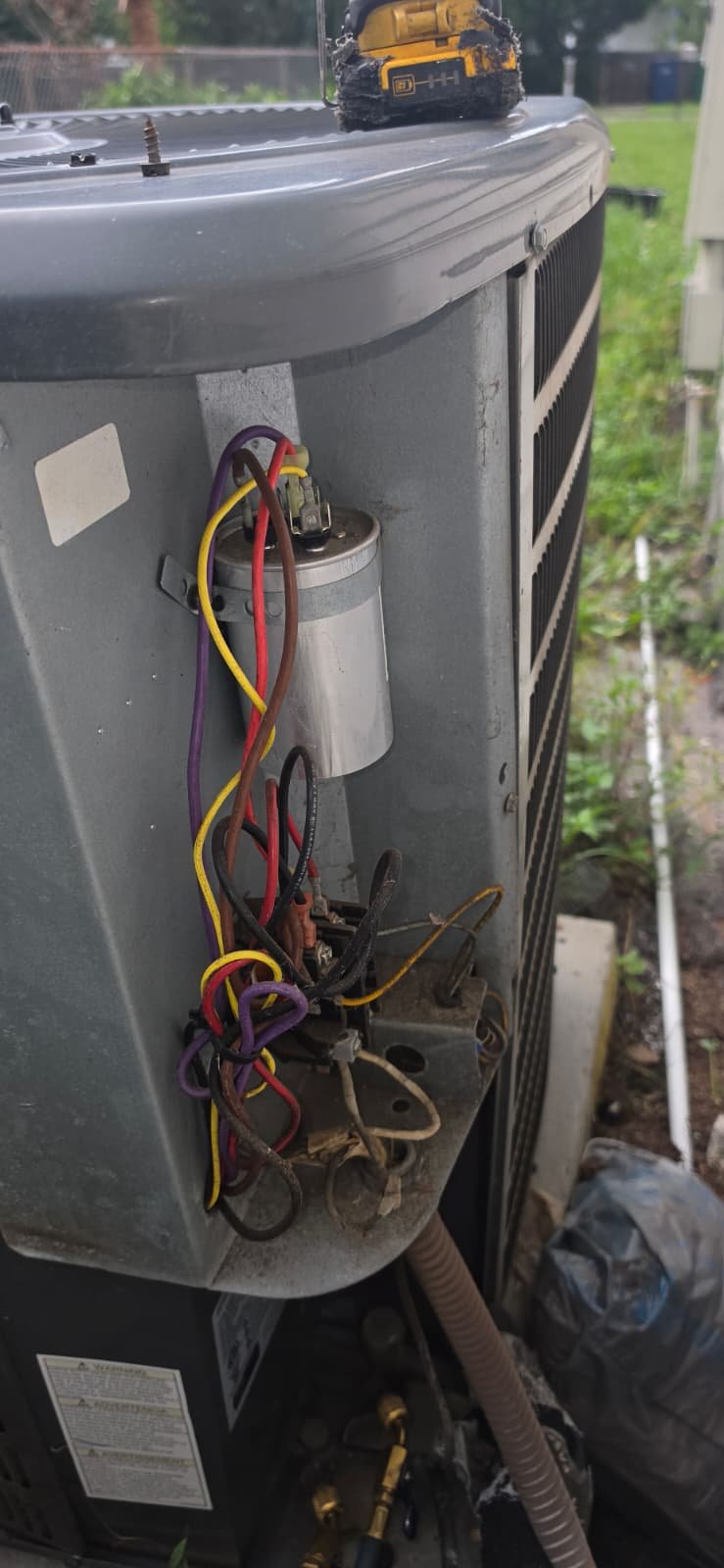
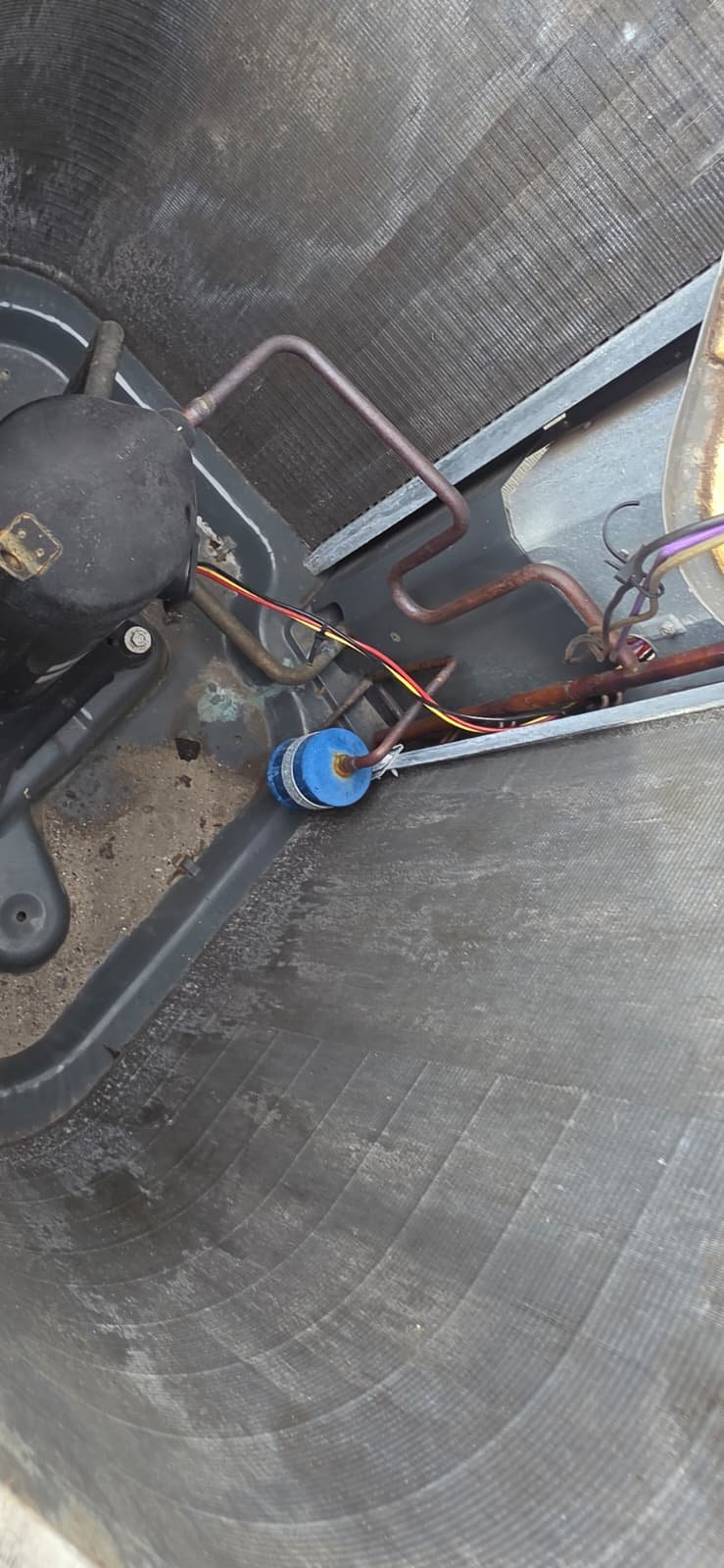
The compressor replacement drove this AC repair because the compressor is the pump that moves refrigerant through the cooling system. When that part has to come out, we are opening the sealed refrigerant circuit. That changes the repair from a simple electrical part change into a refrigerant-side repair that needs clean line work, proper evacuation, and leak checking.
.ht-grid { display: grid !important; grid-template-columns: repeat(3, 1fr) !important; gap: 8px !important; max-width: 960px !important; margin: 0 auto !important; }
.ht-figure { margin: 0 !important; padding: 0 !important; height: 155px !important; overflow: hidden !important; border-radius: 6px !important; }
.ht-figure img { width: 100% !important; height: 100% !important; object-fit: cover !important; display: block !important; }
@media (max-width: 900px) { .ht-grid { grid-template-columns: repeat(2, 1fr) !important; } }
@media (max-width: 640px) { .ht-grid { grid-template-columns: 1fr !important; } .ht-figure { height: 200px !important; } }
On this Poinsettia Ave job, the line item called for releasing and recovering the refrigerant, removing the old compressor, installing the new compressor in the condenser, replacing the capacitor, and pulling a vacuum on the system. Pulling a vacuum matters because air and moisture do not belong inside a refrigeration circuit. Moisture can react inside the system and create problems that shorten the life of the new compressor. Air in the circuit can also affect pressure readings and cooling performance.
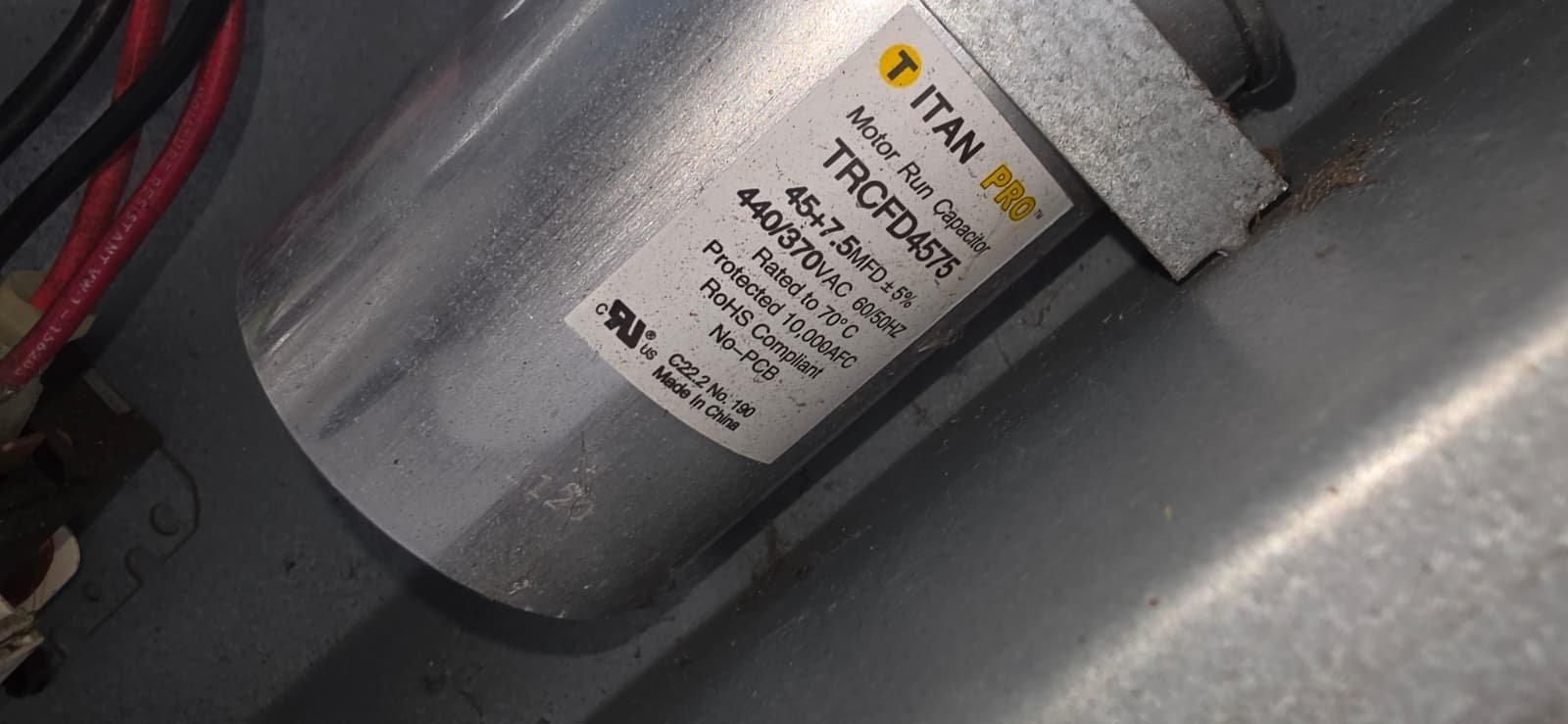
We also replaced the capacitor as part of the compressor work. A capacitor stores and releases electrical energy to help motors start and run correctly. When a compressor has been replaced, leaving a weak or questionable capacitor in place can create unnecessary stress on the new part. We did not treat the capacitor as an upsell. It was part of building a clean start-up condition for the compressor after the repair.
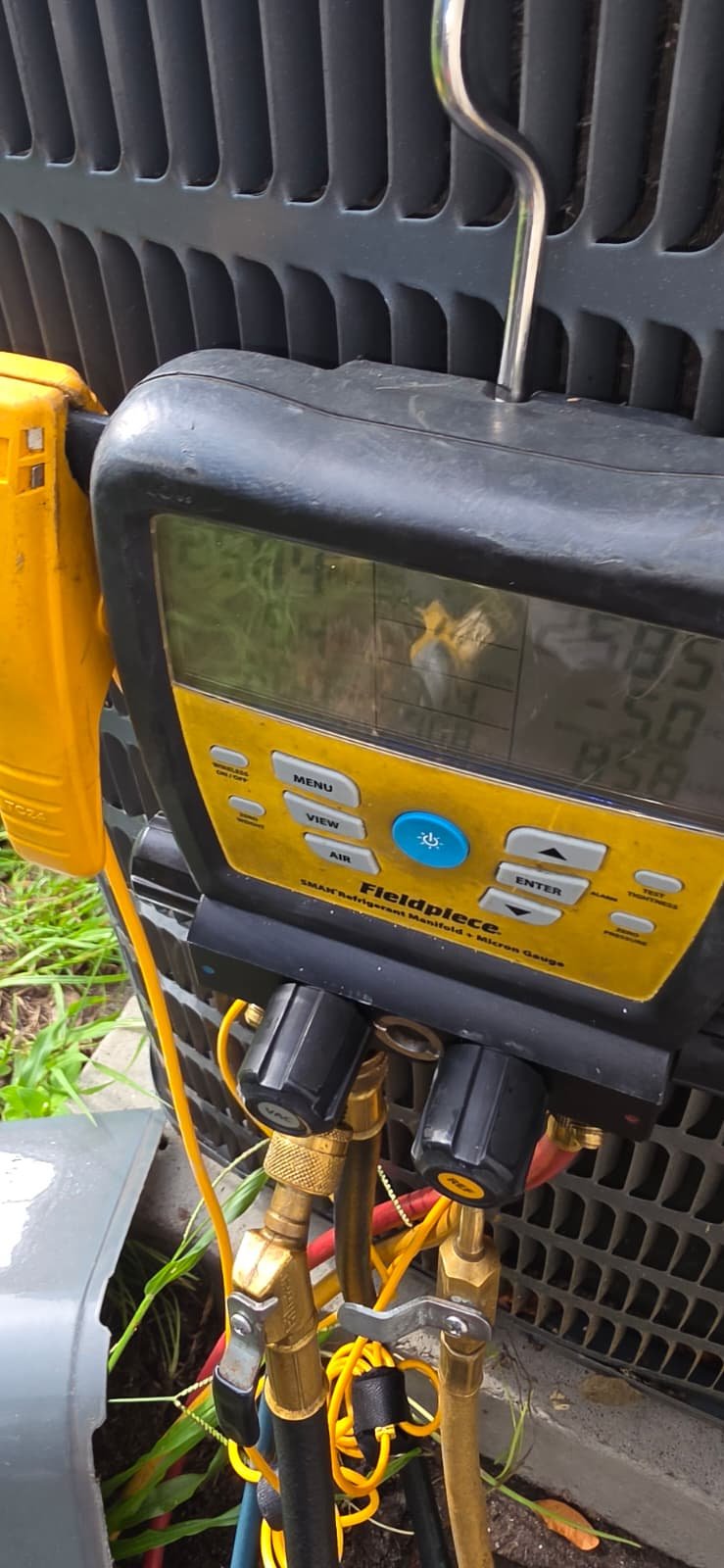
The approved scope also included more than 3 lbs of R410A refrigerant. That detail matters because refrigerant is not consumed like fuel. When a system needs that much added after sealed-system work, the charge has to be handled carefully. The job description also noted that adding over 2 pounds of refrigerant can point to a leak concern if the system was low before the repair. In this case, because we were working inside the condenser and replacing the compressor, the system needed refrigerant addressed as part of the repair process.
The Filter Dryer and Copper Line Flush Protected the New Compressor
The filter dryer replacement and copper line flush were not side items on this Tampa AC repair. They helped protect the new compressor from contamination left inside the refrigerant circuit. The approved work called for pumping down the gas to the condenser, flushing the lines with R11 and nitrogen to clear the blockage, replacing the filter dryer, replacing or cleaning the piston, vacuuming the system, checking soldered connections for leaks, and adding gas as needed.
A filter dryer is a small but important component in the refrigerant line. It helps capture moisture and debris that can travel through the system. When a compressor fails or when a sealed system has blockage concerns, the filter dryer becomes especially important. Installing a new compressor without addressing line cleanliness can leave the new part exposed to the same conditions that hurt the old one.
The copper line flush was also a practical decision. The work description specifically called out flushing the lines to clear a blockage. In plain language, that means we were not just replacing the broken part and hoping the rest of the circuit was clean. We used the flush process and nitrogen to help clear the line path before the system was evacuated and recharged.
This is an insider detail many homeowners never see on an invoice: the accessories and cleanup steps often determine whether a major AC repair holds up. A compressor is the expensive, visible part. The filter dryer, piston cleaning, vacuum, and leak search are the details that make the repair technically complete.
This visit covered multiple approved items, including the compressor replacement, filter dryer replacement with copper line flush, R410A refrigerant, parts, and a full system tune-up with the air handler coil cleaned outside the cabinet. The combined invoice for the bundled repair and maintenance scope came to $3,766.93.
The Tune-Up Helped Confirm the System After the Major AC Repair
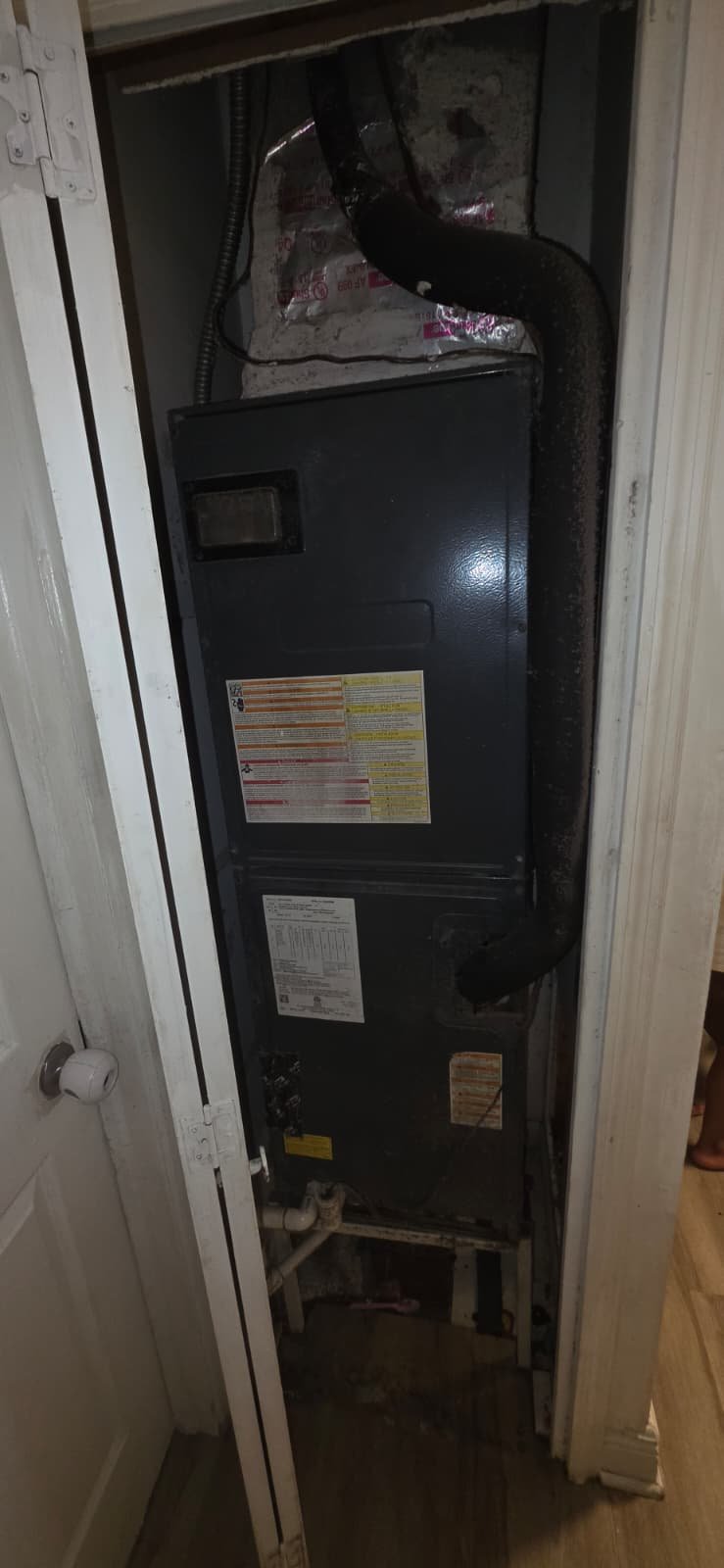
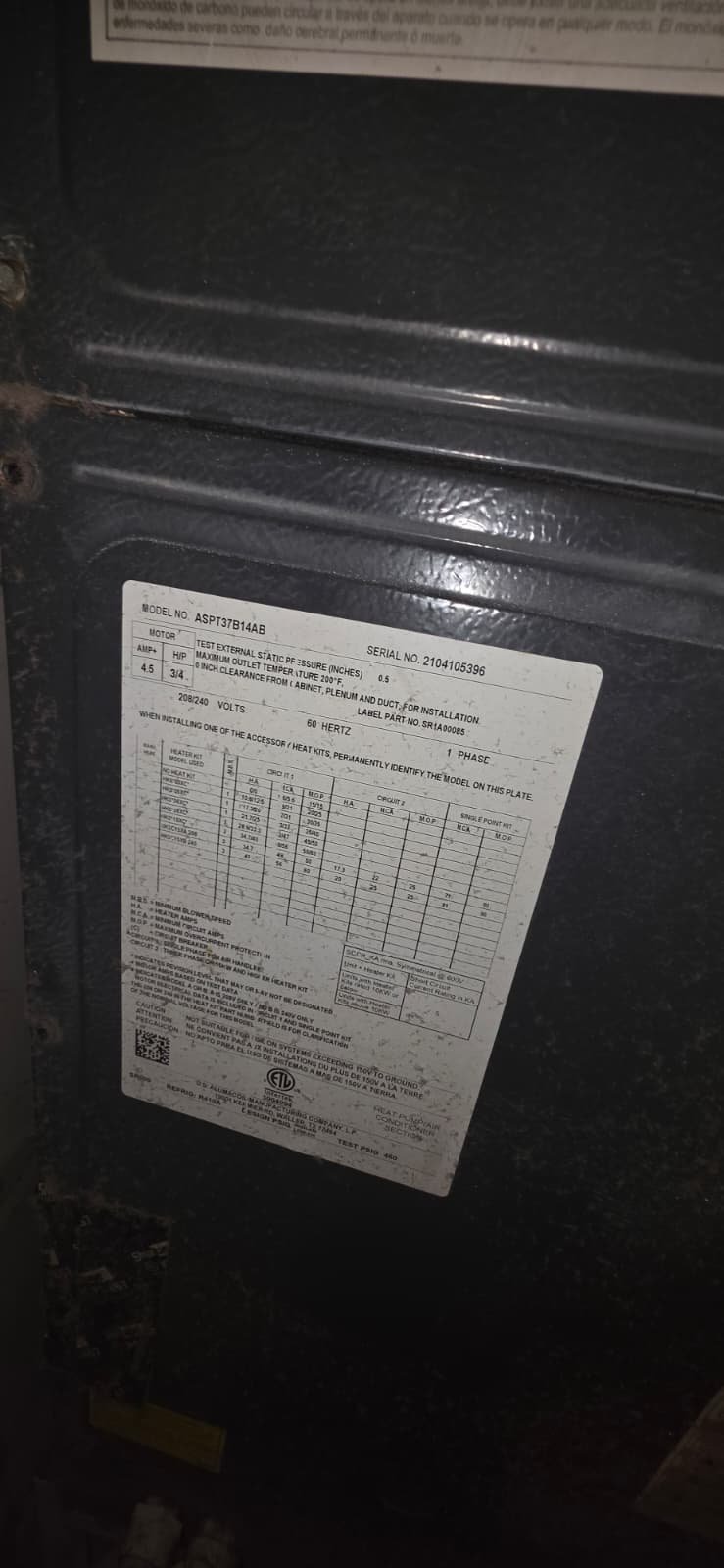
The full system tune-up gave Barbaro a chance to clean and verify supporting components after the sealed-system repair. The scope included disconnecting the air handler coil and cleaning it outside, vacuuming the system, soldering with leak search after, acid washing and sanitizing the evaporator coil, acid washing and sanitizing the condenser coil, flushing and sanitizing the drain line, inspecting refrigerant levels and pressure, checking the thermostat, and tightening wiring, contacts, capacitors, and relays.
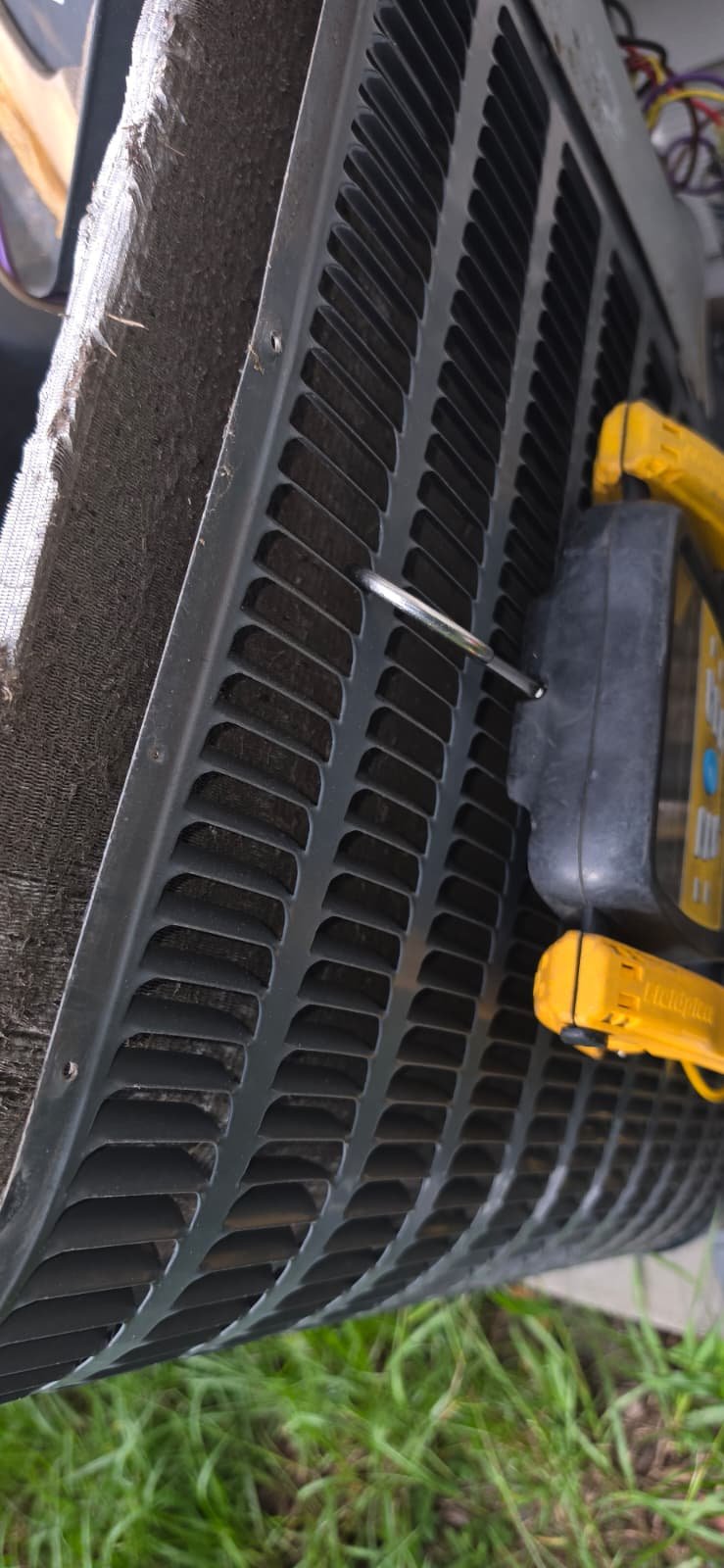
Cleaning the air handler coil outside the cabinet matters because an evaporator coil can hold dust, biological growth, and buildup that restrict airflow. Restricted airflow can make a repaired system look like it still has cooling trouble because the refrigerant side and the air side have to work together. A clean coil helps the system move heat out of the home more effectively.
The drain line service also had a specific 60 day guarantee in the approved tune-up scope. In Tampa Bay humidity, condensate drains work hard for much of the year. A clean drain line helps reduce nuisance shutdowns from float switches and helps the air handler manage moisture properly.
After major compressor work, we do not want to judge the repair from one part alone. We look at the electrical connections, refrigerant behavior, coil condition, thermostat operation, and drain performance together. That is how a repair visit becomes a complete system check instead of a single-part transaction.
Pro Tips for Tampa Homeowners Facing Compressor-Level AC Repair
Ask what else must be opened when the compressor is replaced. A compressor replacement opens the refrigerant circuit. That usually means recovery, vacuum, leak checking, and refrigerant handling are part of the real repair, not optional extras.
Do not overlook the filter dryer. When the line set has blockage concerns or a compressor has failed, the filter dryer helps protect the system from debris and moisture. It is a small part with a major job.
Take refrigerant amounts seriously. R410A charge levels affect cooling performance. If a system needs several pounds added outside of a known repair process, ask whether a leak search is part of the plan.
Clean coils matter after big repairs. A new compressor still depends on airflow. Dirty evaporator or condenser coils can make the system run hotter, longer, and less efficiently during Tampa’s long cooling season.
Coordinate access early for tenant-occupied homes. This job required appointment confirmation with the tenant. Clear access planning helps the repair crew complete the work without unnecessary delays.
Compressor Replacement Questions From This Tampa AC Repair
Why did this AC repair include a filter dryer replacement?
The filter dryer was included because the repair involved sealed-system work and a line flush to clear a blockage. A filter dryer helps remove moisture and capture debris inside the refrigerant circuit. When a compressor is replaced, protecting the new compressor from contamination is part of doing the repair correctly.
Why did the system need R410A after the compressor replacement?
The job scope required refrigerant recovery and sealed-system work inside the condenser. Once that part of the system is opened, the refrigerant charge has to be handled again before the equipment can cool properly. This visit included more than 3 lbs of R410A as part of restoring the system after the compressor and line work.
Why was the capacitor replaced with the compressor?
The capacitor helps the compressor start and run. After a compressor replacement, we want the new compressor starting under the best electrical conditions possible. Replacing the capacitor reduces the chance that a weak start component creates hard-start problems or unnecessary strain on the new compressor.
Was the tune-up separate from the repair?
The tune-up was part of the same bundled visit. It included coil cleaning, drain line flushing, thermostat checks, electrical tightening, refrigerant inspection, and other system checks. That mattered because a major AC repair should end with the system verified as a whole, not just with the replaced part installed.
Is a compressor replacement always the right choice?
No. A compressor replacement only makes sense when the diagnosis and total scope support it. We also look at system age, refrigerant needs, other component condition, and the homeowner’s goals. Home Therapist services every brand, and when replacement becomes the better choice, we provide clear options through our installed equipment lines.
Why Choose Home Therapist for Tampa AC Repair
Home Therapist has served Tampa Bay since 2017, and our team brings licensed HVAC and plumbing experience to each visit. We hold Florida HVAC license CAC1819196 and plumbing license CFC1431159, and local homeowners have left more than 1,100 five-star reviews. You can learn more about our company at the Home Therapist website, read local feedback on Facebook reviews, view our profile with the Better Business Bureau, or find us through the Tampa Bay Chamber of Commerce. We lead every service call with FREE estimates and FREE diagnosis because homeowners deserve clear information before making repair decisions.
Schedule AC Repair in Tampa, FL 33612
If your system needs compressor work, refrigerant service, coil cleaning, or another AC repair in Tampa, FL 33612, call Home Therapist at (813) 343-2212. We provide FREE estimates and FREE diagnosis, explain the repair scope in plain language, and service every brand. Our team will help you understand whether a repair, maintenance visit, or replacement estimate is the better path for your home.
For broader context on this kind of work, see ACCA technical standards.


