

A Stuck TXV Was Overloading the Refrigerant Compressor in Saint Petersburg
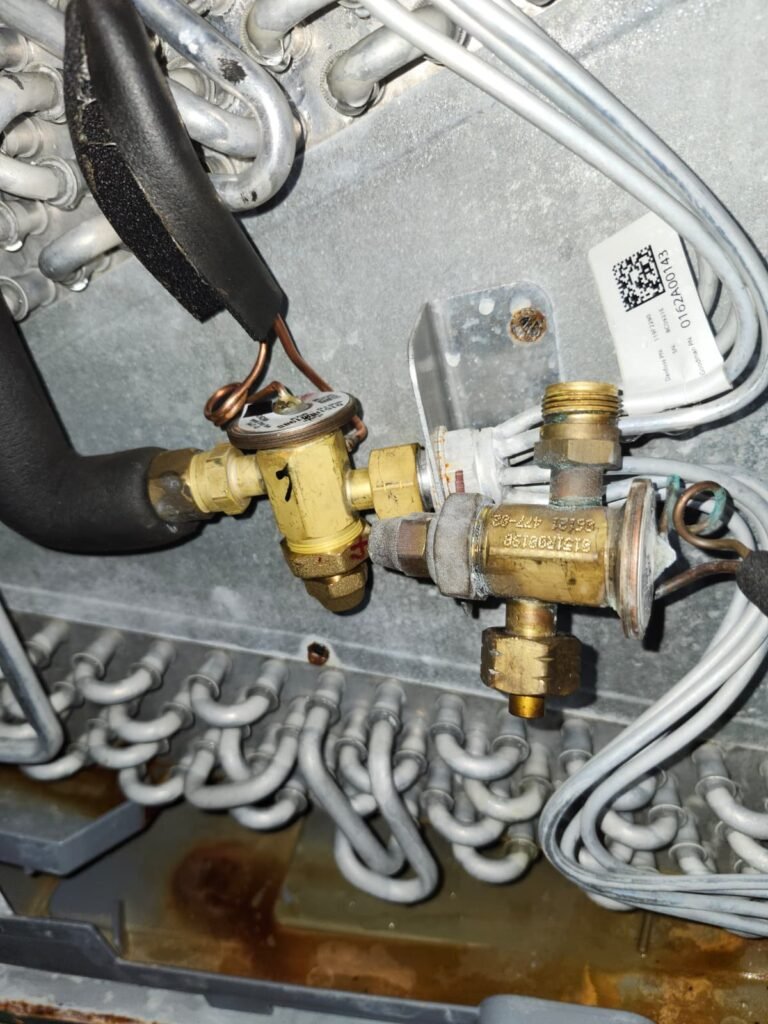
A refrigerant compressor can trip a breaker and stop starting when another part in the system restricts refrigerant flow and forces the compressor to work under abnormal pressure. In Saint Petersburg, FL 33703, this AC repair traced the no-start issue to a stuck TXV, then restored normal operation by replacing the failed metering component and related control parts.
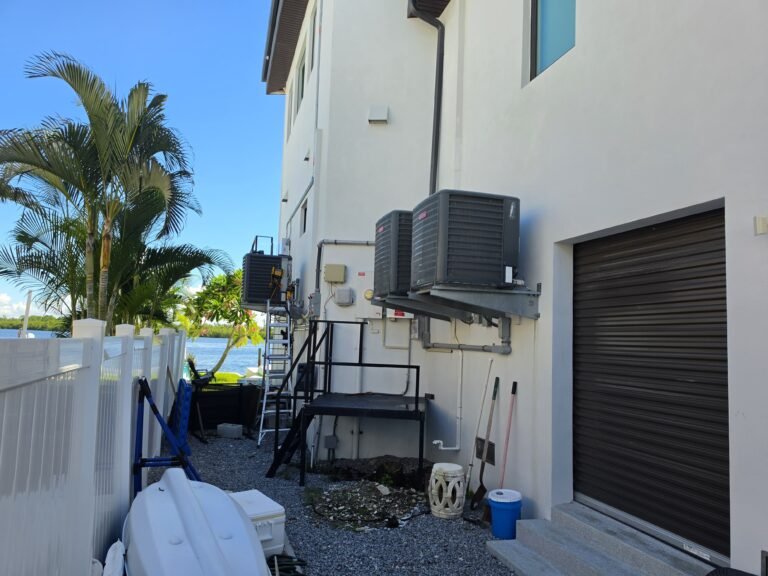
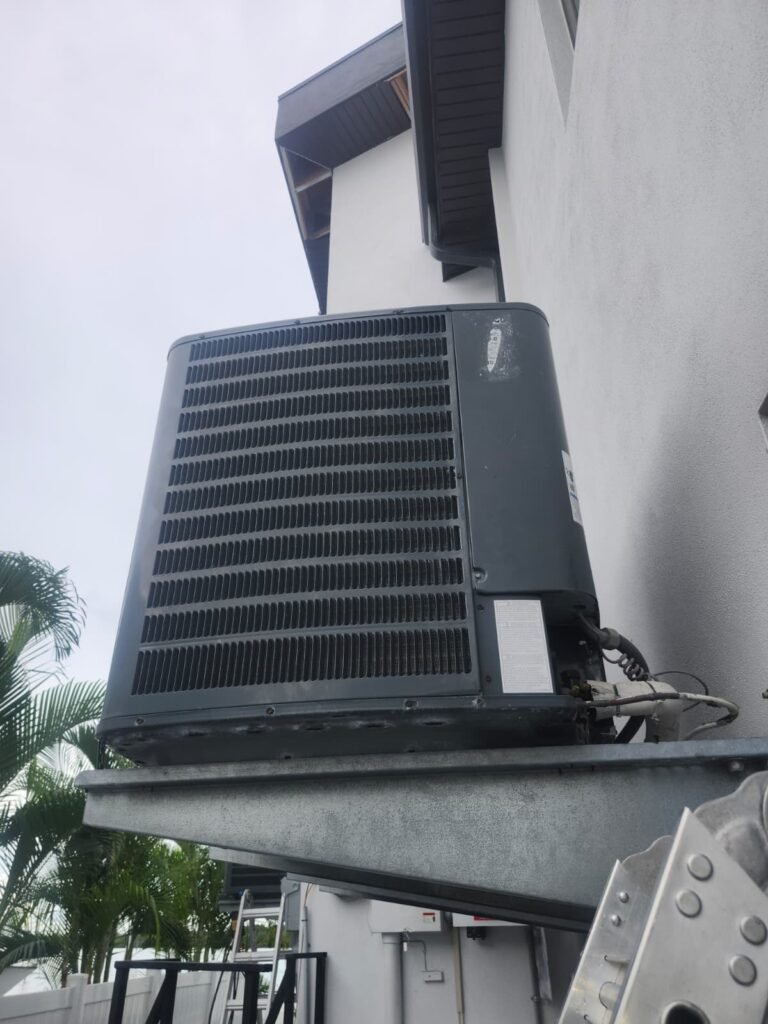
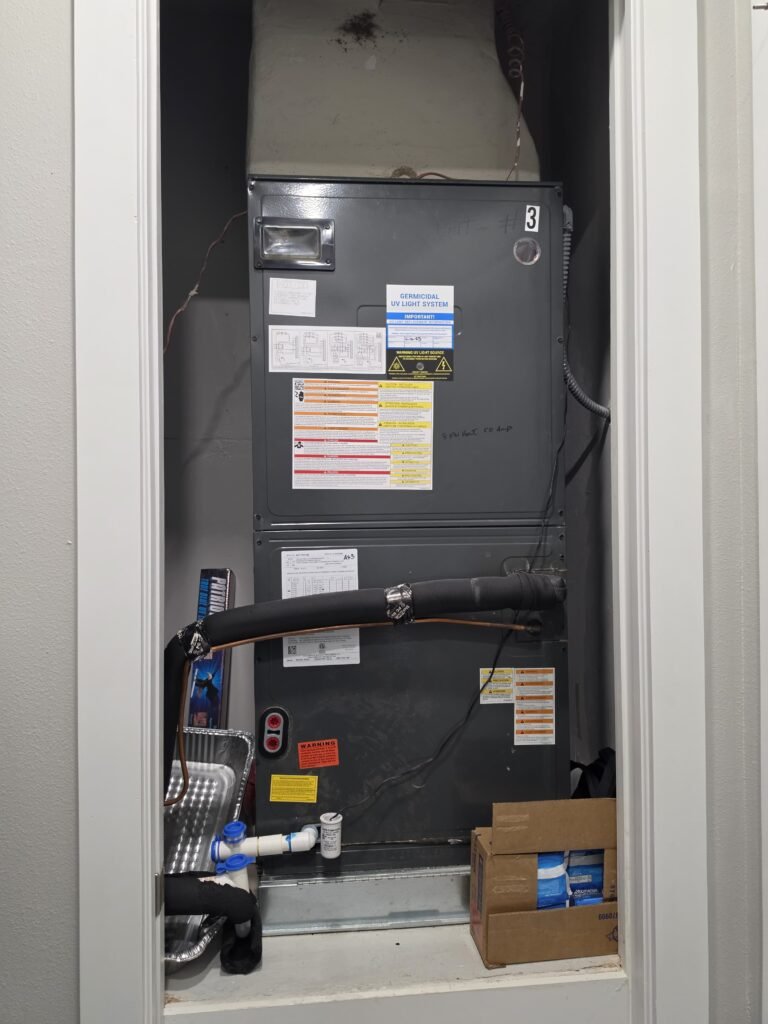
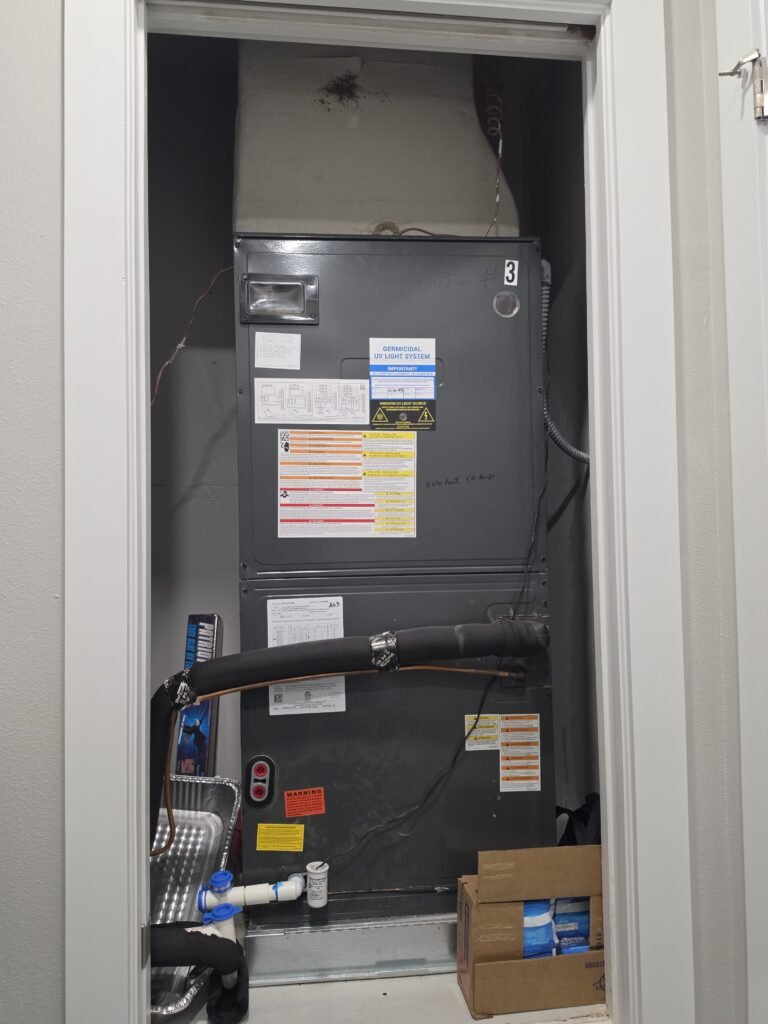
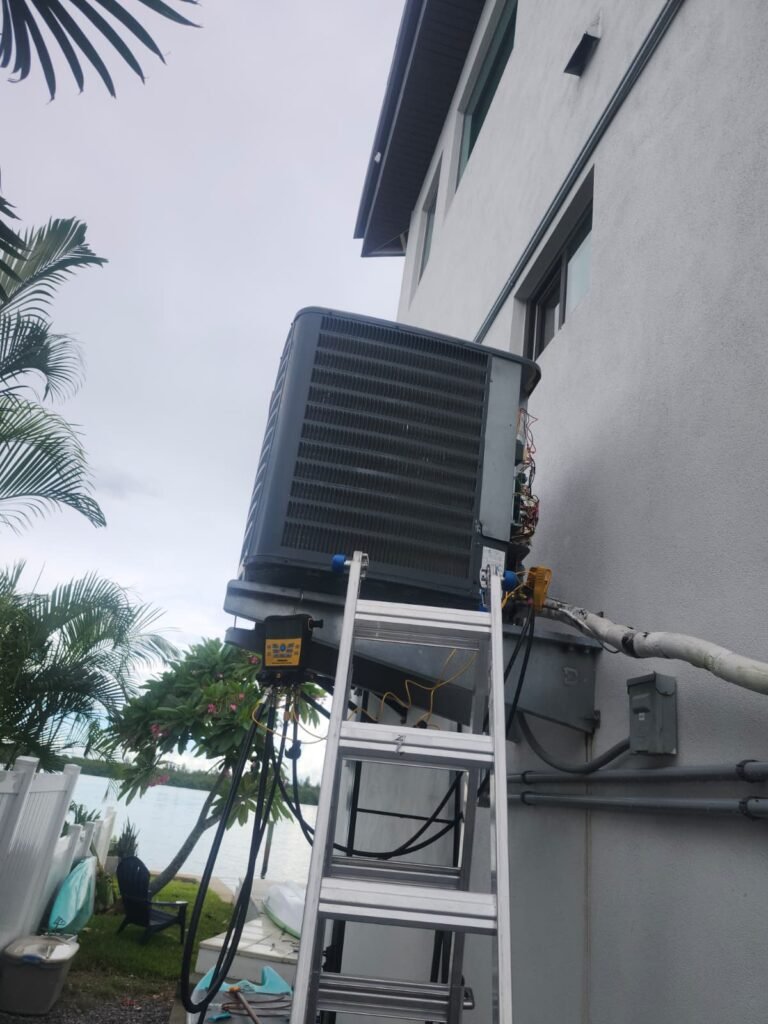
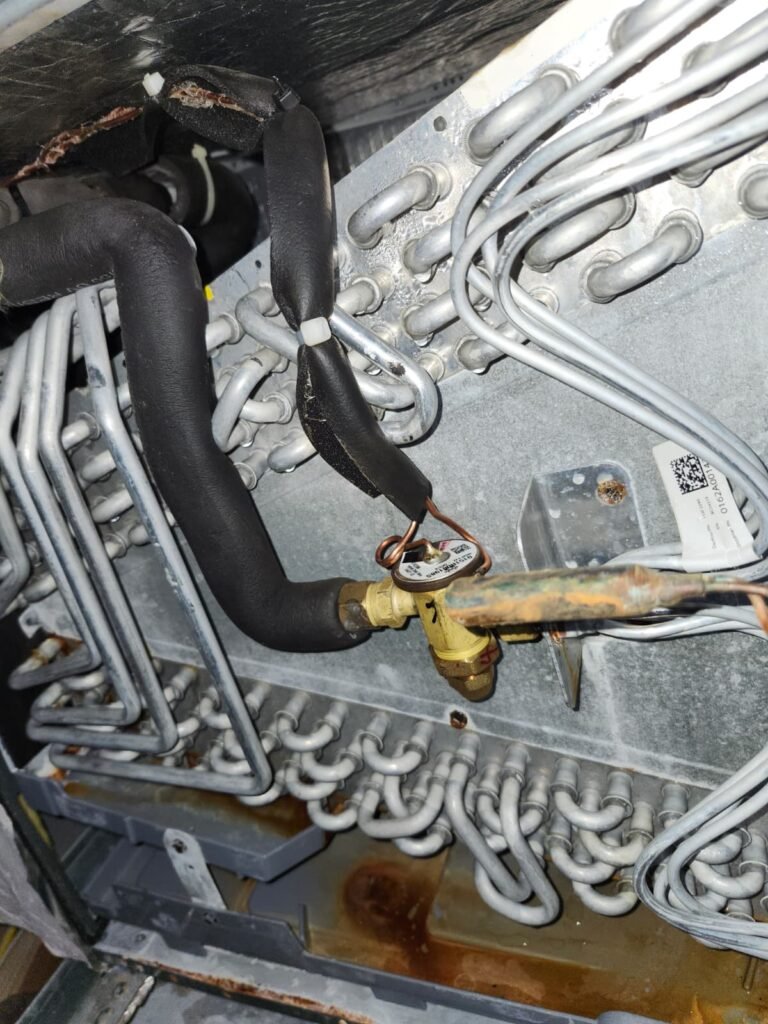
At this Arrowhead Drive Northeast home in Saint Petersburg, Jandiel was called out for two outdoor units with intermittent starting problems. The main complaint was familiar: the air handler still moved air inside, but the condenser outside either needed a breaker reset to start or had stopped responding to that reset entirely. On the first system, the diagnostic path led to a restricted TXV, which is the valve that meters refrigerant into the evaporator. When that valve sticks, the refrigerant compressor works harder than it should, pressures rise, and breaker trips start showing up as a symptom instead of the root cause. That is what made this air conditioning repair worth slowing down and diagnosing carefully.
- Service performed: AC repair with TXV replacement and control board replacement
- Neighborhood or street: Arrowhead Drive Northeast
- Technician: Jandiel
- Symptom: Outdoor condenser would not start, or only started after a breaker reset
- Cause: Restricted TXV causing elevated pressure and excess compressor load
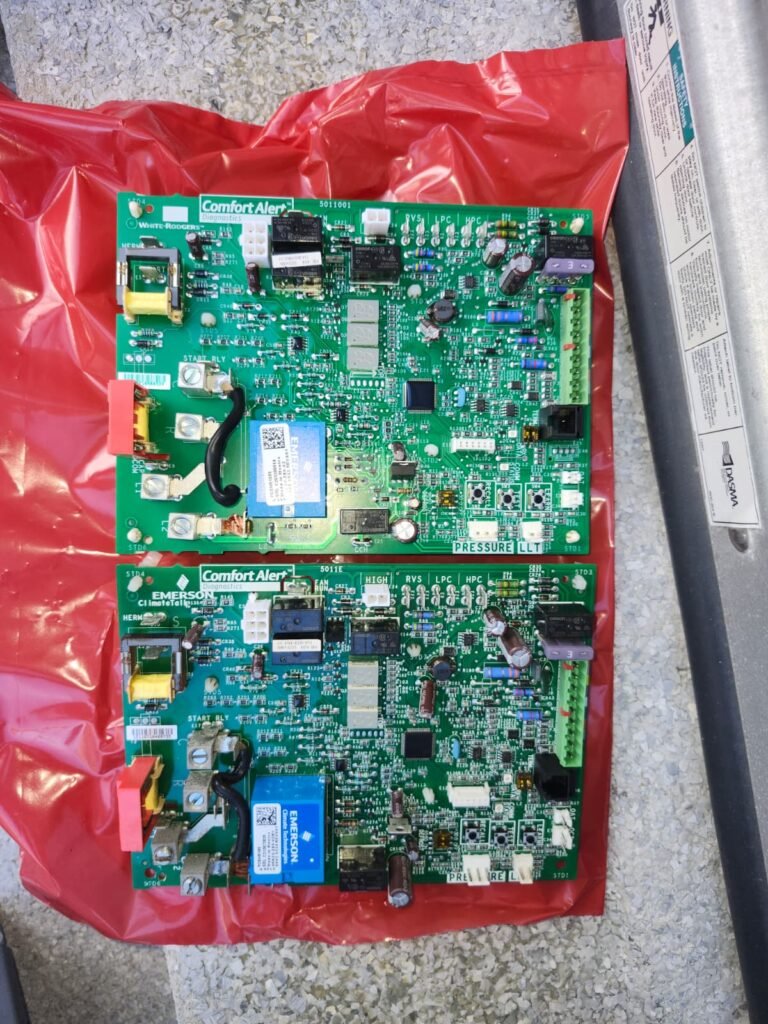
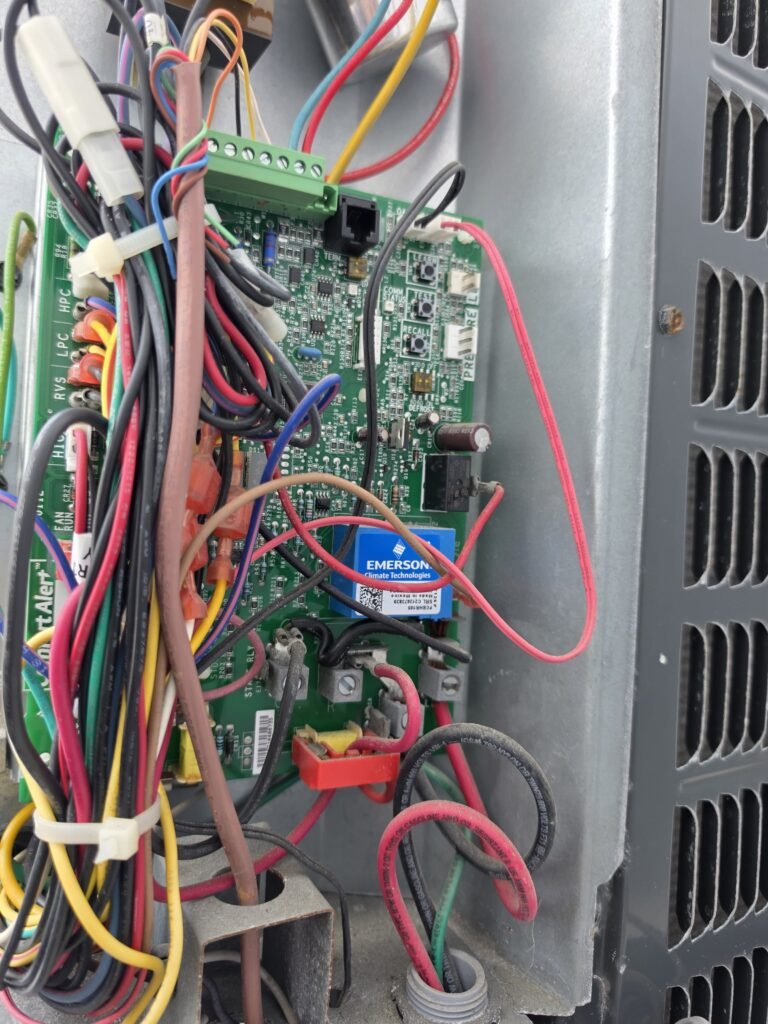
- What was done: Replaced the TXV, flushed copper lines, replaced the dryer filter, installed a control-defrost board, and added refrigerant
The refrigerant compressor problem on this Saint Petersburg AC repair started with a stuck TXV
The key finding on system one was not a dead compressor. It was a stuck thermostatic expansion valve, or TXV. That part controls how much refrigerant enters the indoor coil. Inside the compressor, what happens to the refrigerant depends on steady flow and correct pressure conditions. When the TXV restricts that flow, the compressor keeps trying to do its job against rising pressure, and that extra strain shows up as heat and amp draw. In plain English, the refrigerant compressor was being overworked by a bottleneck somewhere else in the system.
That matters because breaker-tripping condensers often get misread as simple electrical failures. In this case, the symptom was electrical, but the cause was refrigerant-side. The homeowner had been able to reset the breaker before, which made the issue look intermittent for a long time. Once the restriction worsened, the reset stopped helping. That pattern is exactly why a full diagnosis matters more than swapping a part and hoping for the best. For homeowners trying to understand air conditioning issues, this is a good example of how one failed metering component can create a much bigger-looking compressor complaint.
How does a refrigerant compressor work in Saint Petersburg systems like this one?
A refrigerant compressor pulls in low-pressure refrigerant vapor and compresses it into a high-pressure vapor so the system can reject heat outdoors. That is the short answer to how does a refrigerant compressor work Saint Petersburg homeowners often ask after a no-cool call. Refrigerant enters the compressor as a vapor, not a liquid, and the compressor depends on that vapor moving freely through the cycle.
On this job, the line carrying refrigerant from the evaporator to the compressor could not support normal operation because the stuck TXV had disrupted the balance of the whole cycle. Using the process of compression, a compressor increases refrigerant pressure, but it cannot compensate for a restriction forever. That is the insider takeaway from this call: a breaker trip can be the end result of a refrigerant control problem, not proof that the compressor itself has failed. That distinction saved this household from jumping straight to a far larger repair before the system could be evaluated correctly.
Because this visit involved multiple line items on the same call, the invoice reflected the combined work rather than one single part swap. The total for the TXV replacement, copper line flush, dryer filter replacement, added refrigerant, and control-defrost board work came to $2,377.45.
The right repair here was to remove the restriction first, then stabilize the rest of the circuit
Once the restricted TXV was identified, replacing that valve became the necessary first step. There is no honest way to judge compressor health while the system is operating under a known refrigerant restriction. Jandiel’s approach was to restore proper metering first, flush the copper lines, replace the dryer filter, and then address the control side with a board replacement listed on the job. That sequence matters because each of those components supports clean, stable refrigerant movement and reliable system operation.
The added refrigerant on the ticket also fits that same logic. After opening the sealed system for a TXV repair and line work, the charge has to be brought back into operating condition by a technician licensed to handle refrigerants under EPA Section 608 rules. This is also where many homeowners hear terms like compressor refrigerant, refrigerant compressor oil, or refrigerant leak compressor and assume the compressor itself is always the failed part. On this call, the evidence pointed elsewhere first. That is the contrarian lesson: replacing the compressor before correcting the restriction would have been premature.
The second unit complaint made this Arrowhead Drive Northeast call more than a one-symptom visit
This was not a simple one-system dispatch. The homeowner asked us to evaluate two separate outdoor units because both had shown a history of needing breaker resets to start. Job notes also made clear that the issue had been happening for a long time, even dating back to when the household moved in, and previous installers had not found the cause. That homeowner situation matters because long-running intermittent faults often create a lot of understandable doubt. When a system starts after a reset once or twice, it is easy for everyone involved to suspect the breaker, thermostat, or a random glitch.
Instead, this Saint Petersburg air conditioning call showed why persistent no-start behavior should be tracked as a pattern. One system had a documented refrigerant-side restriction. The second system also needed evaluation because similar symptoms do not always come from the same failure mode. In other words, two condensers at one address can act alike for completely different reasons. That is one reason we keep our diagnosis grounded in what each piece of equipment is actually doing, not in assumptions based on the first symptom we hear. Homeowners dealing with ac blowing hot air or outdoor units that will not start often see how those symptoms overlap in real life.
Pro tips for Saint Petersburg homeowners dealing with breaker-reset AC problems
Breaker resets are a symptom, not a repair. If an outdoor unit starts only after power is cycled, the safer next step is diagnosis, not repeated resetting. Repeated resets can keep forcing a stressed component to run under the same bad conditions.
Pay attention to the split between indoor airflow and outdoor operation. On this call, the air handler still ran while the condenser outside did not. That detail helps narrow the problem and is useful to share when scheduling service.
Do not assume the compressor is bad just because the breaker trips. A restricted TXV, a control issue, or another system imbalance can overload the compressor and imitate compressor failure.
In coastal Pinellas County, long cooling seasons put a lot of runtime on AC systems. Intermittent faults that seem minor in spring can become hard failures once summer demand stays high.
If your system has had repeated issues since move-in, mention that history. That timeline helped frame this call and pointed us toward a deeper root-cause approach instead of a quick reset-and-go visit. You can also review our what this work typically costs page to understand how more involved AC repairs are usually scoped.
Refrigerant compressor questions that came up from this Saint Petersburg job
What is a refrigerant compressor?
A refrigerant compressor is the component that pressurizes refrigerant vapor so the AC system can move heat outdoors. In a central air system like the one on this job, the compressor is one of the main parts in the outdoor unit. It does not create cooling by itself. It works as part of a cycle, which is why a stuck TXV elsewhere in the system can still overload it and create a no-start complaint.
Does the refrigerant change state in the compressor?
No, refrigerant normally stays in vapor form inside the compressor. The compressor raises the pressure and temperature of that vapor, but the actual change from vapor to liquid happens later in the condenser coil. That matters on a job like this because the compressor depends on proper vapor return. When refrigerant flow is disrupted by a stuck TXV, the compressor can be forced to operate under conditions it was not designed to handle.
Is refrigerant a high-pressure gas when entering the compressor?
No, refrigerant enters the compressor as a low-pressure vapor and leaves as a high-pressure vapor. That basic sequence helps explain why restrictions elsewhere matter so much. If the metering device is not feeding the system correctly, the compressor cannot simply overcome that problem indefinitely. On this Saint Petersburg call, the restriction increased system stress until breaker trips became the visible symptom.
How much does a refrigeration compressor cost?
The cost of a compressor repair depends on whether the compressor is actually the failed part and what other work is required around it. This job is a good example of why that question needs context. The combined invoice covered a TXV replacement, line flush, filter drier replacement, refrigerant, and board work, not a compressor replacement. A no-start condenser can point toward the compressor, but diagnosis determines whether that is truly where the money should go.
What is the most common cause of compressor failure?
Compressor failure is often caused by the wrong operating conditions, not just age alone. Overheating, poor refrigerant flow, electrical stress, contamination, and repeated operation under abnormal pressure all shorten compressor life. On this call, the stuck TXV was the important finding because it was creating the kind of strain that can damage a compressor if left unresolved. That is why correcting the restriction first was the right move.
Schedule air conditioning repair in Saint Petersburg, FL 33703
If your outdoor unit only starts after a breaker reset, or your system is moving air inside but not cooling properly outside, Home Therapist can help you sort out the cause without guesswork. We have served Tampa Bay since 2017, and our team brings licensed HVAC and plumbing expertise to every call, including HVAC license CAC1819196 and plumbing license CFC1431159. We also have 1,300+ five-star reviews from local homeowners who wanted clear answers and careful work, not pressure.
For households in Saint Petersburg and the 33703 area, we handle diagnostics, repairs, and replacement planning across all major equipment brands, and we keep the explanation straightforward when a refrigerant compressor symptom is actually being caused by another part in the system. If you want a second opinion on repeated breaker trips, intermittent no-start problems, or a system that has been acting up since move-in, check our service area and give us a call at (813) 343-2212. We offer FREE estimates and FREE diagnosis, and we will walk you through what we find in plain English.


