

Where the Float Switch Sits on an AC Unit, and Why It Mattered in Tampa
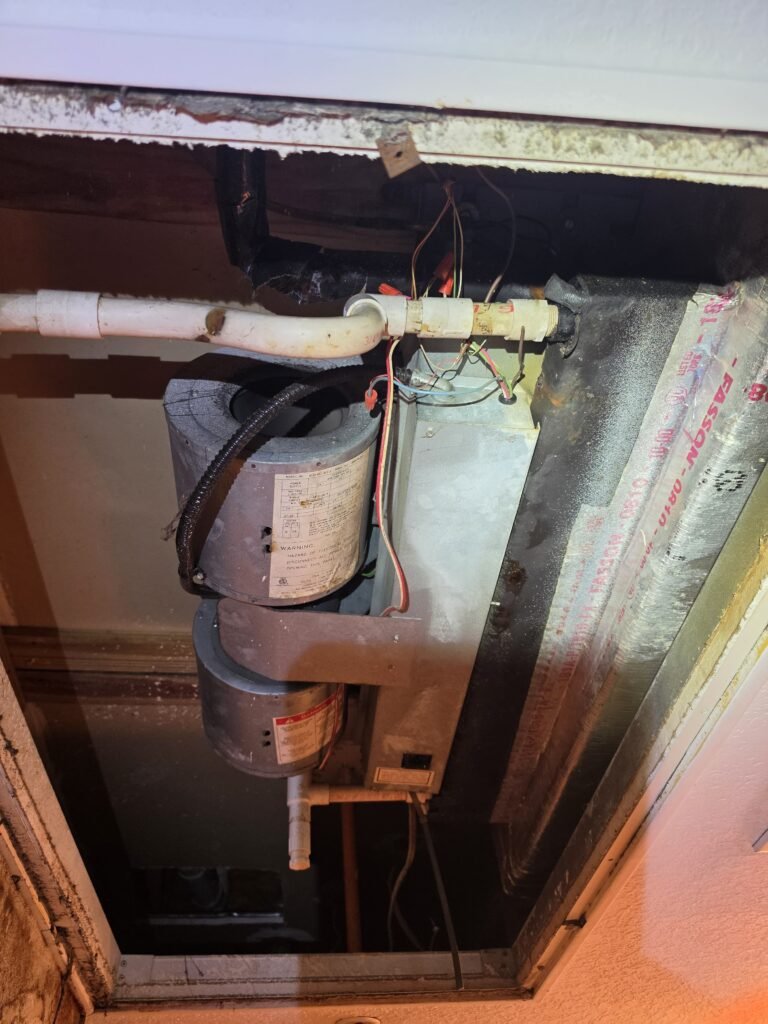
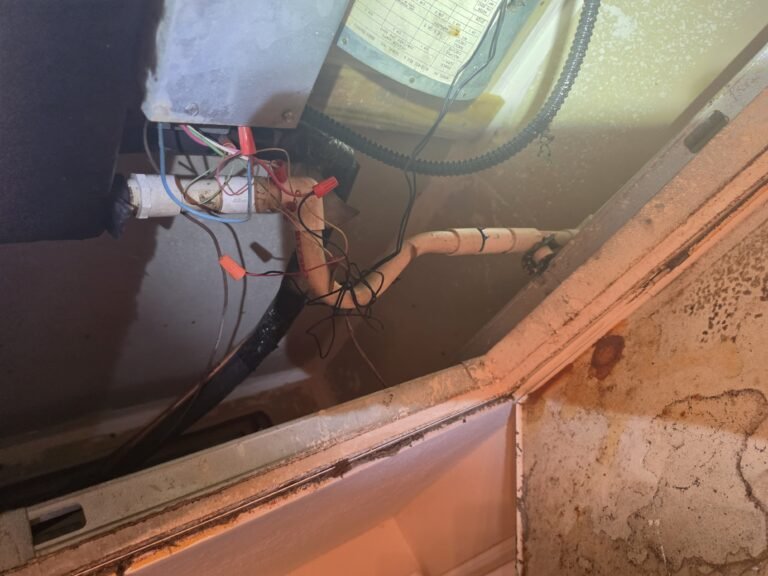
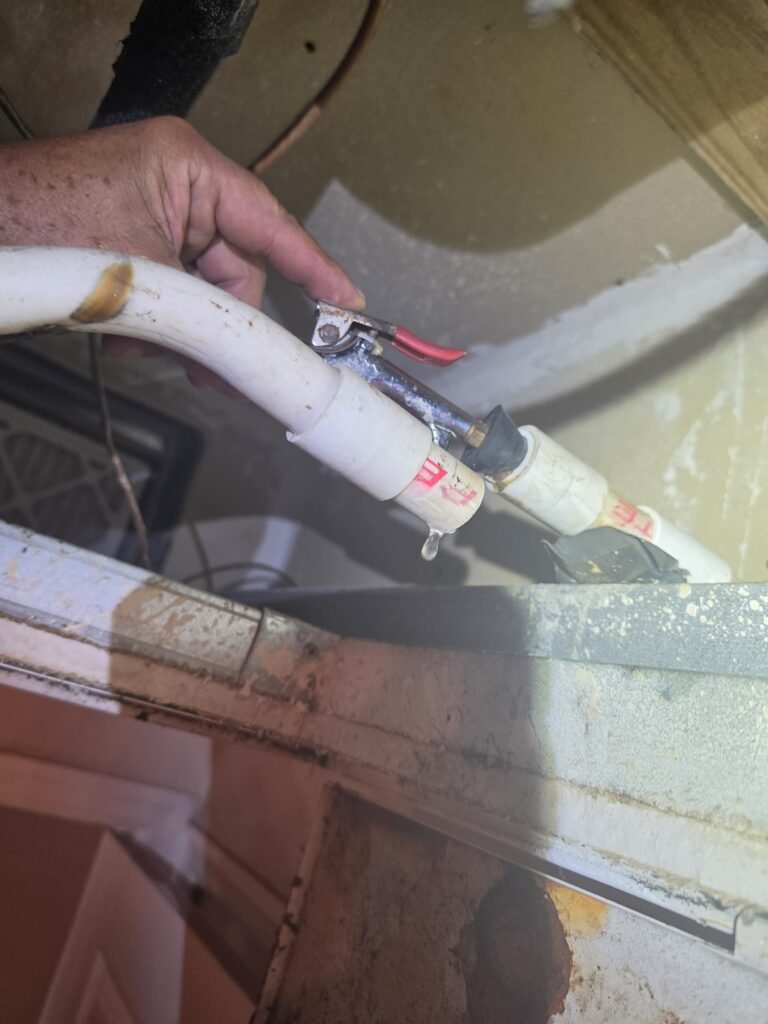
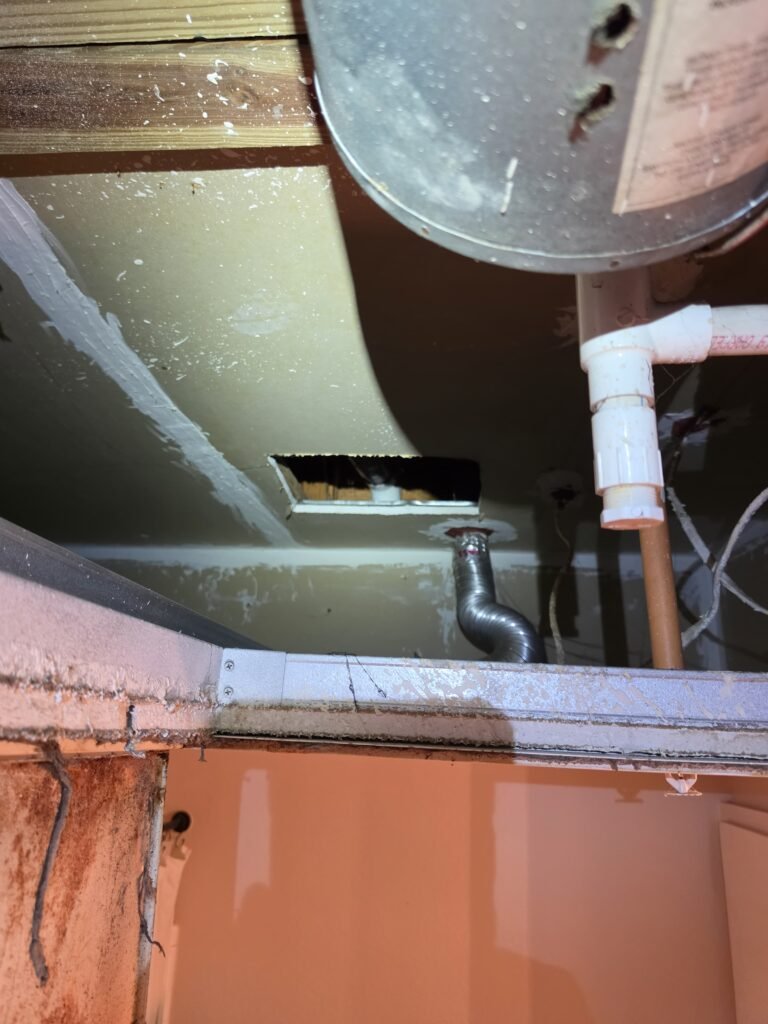
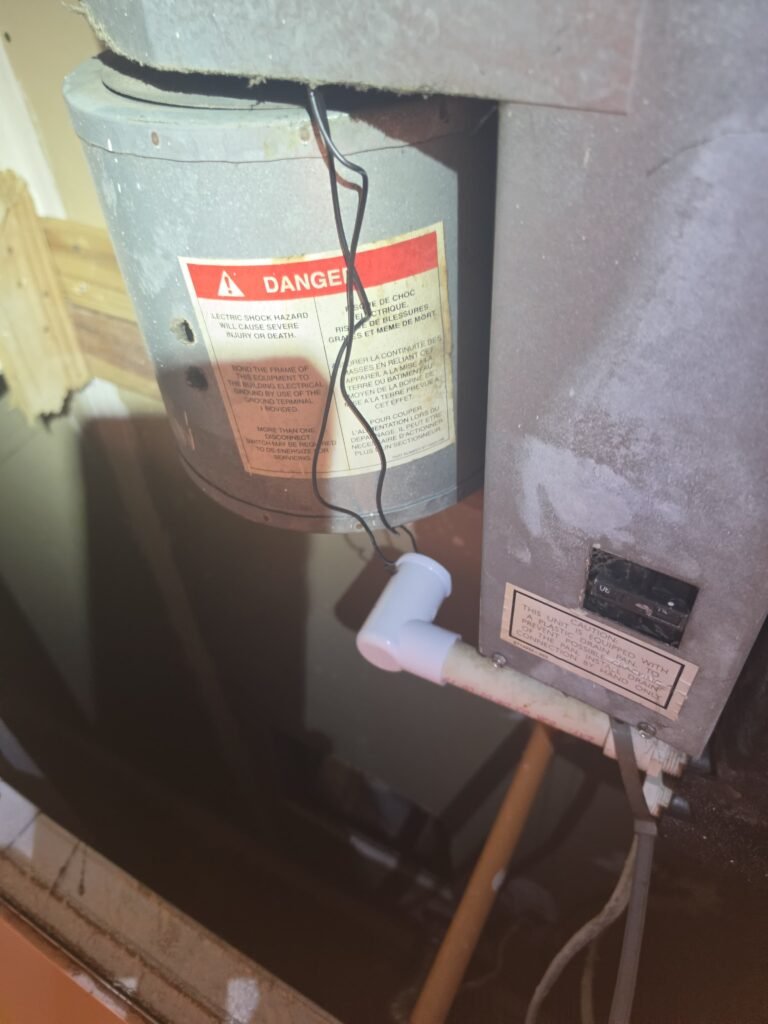
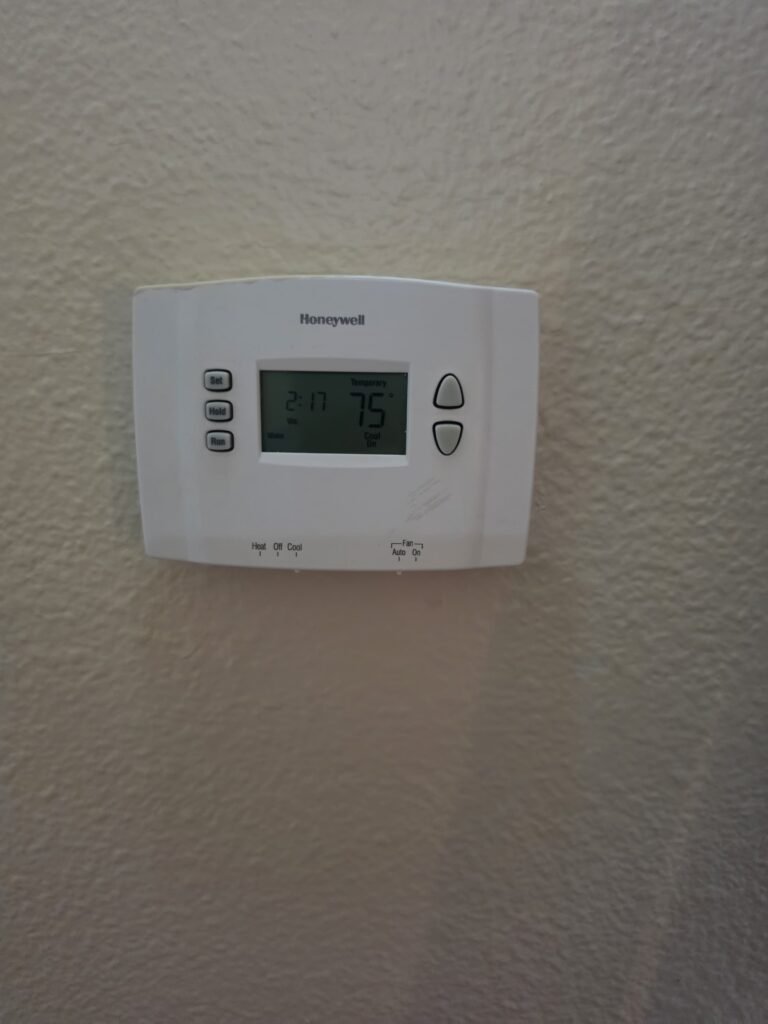
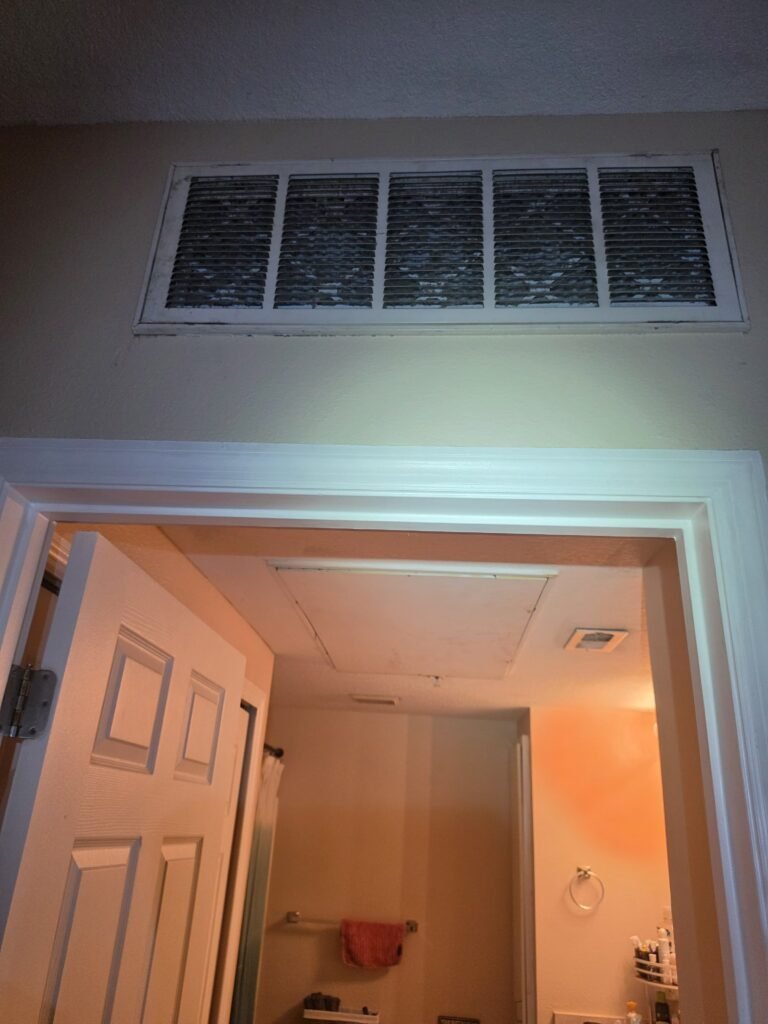
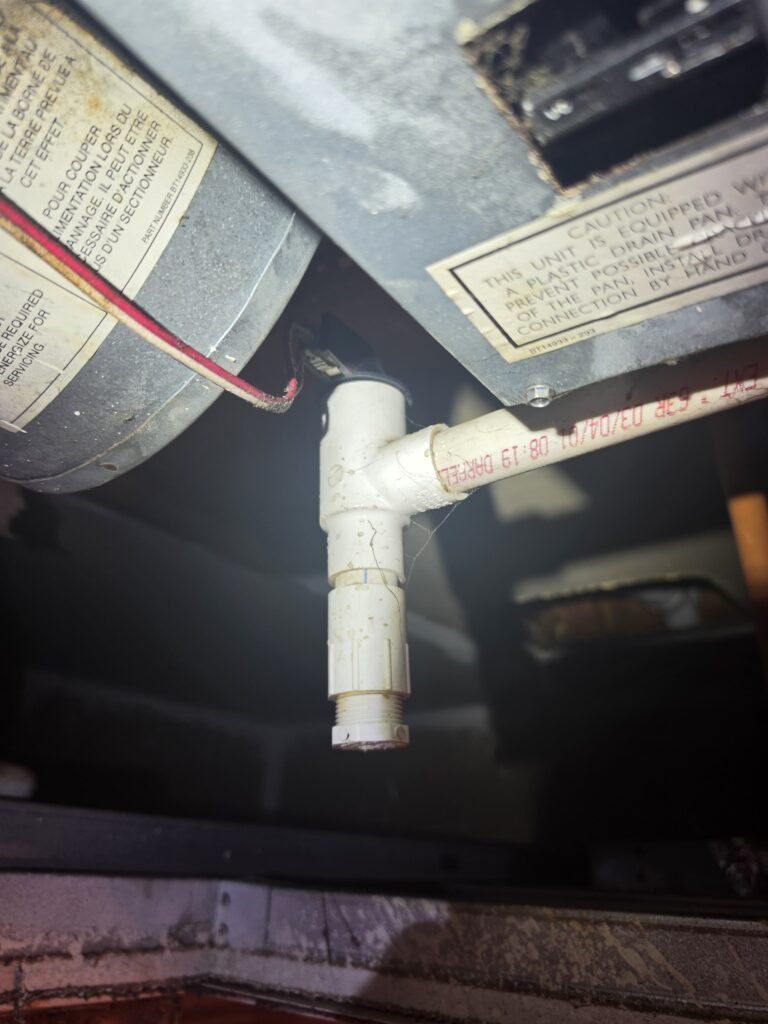
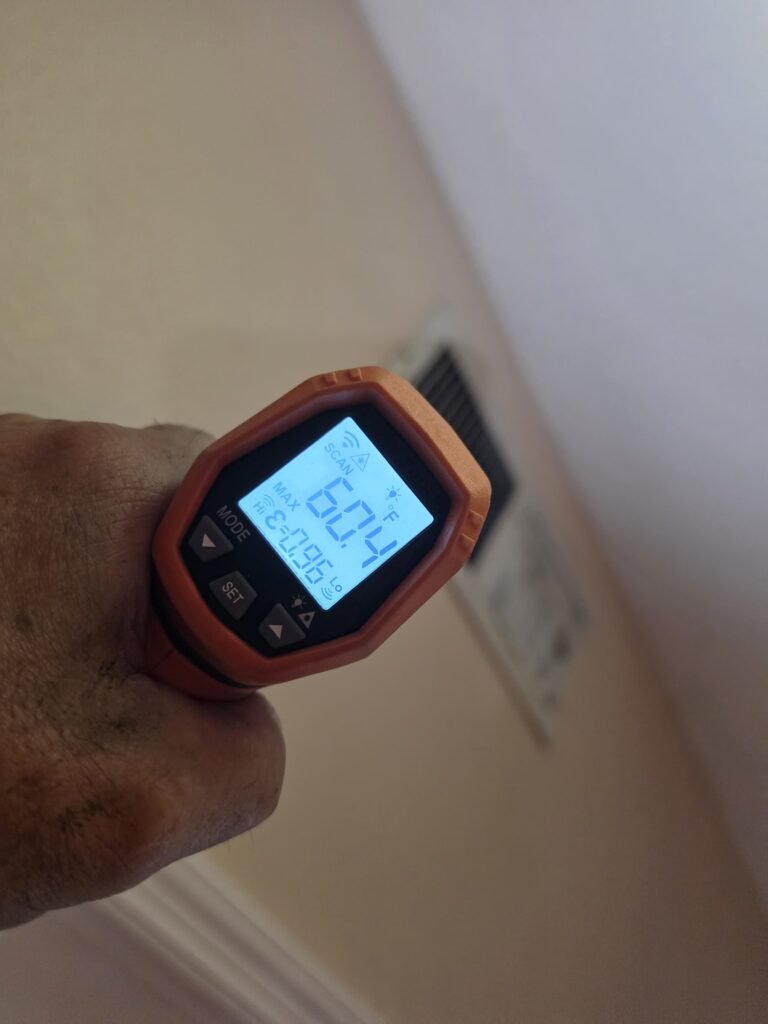
Where the float switch sits on an AC unit depends on the system, but in Tampa, FL 33605 it is usually installed at the drain pan or condensate drain line near the indoor air handler so it can shut cooling off before an overflow causes damage. On this Palm Ave AC repair call, a clogged drain line caused ceiling water, and adding a float switch gave the system a safety shutoff.
On this Palm Ave call in Tampa, FL 33605, Aridel responded after the homeowner reported water dripping from the ceiling and indoor temperatures that would not drop below 75 degrees. The indoor unit appeared to be above the bathroom, with the condenser up on the roof, so the first priority was stopping active water damage. Once Aridel traced the issue, he found the condensate drain line obstructed and confirmed that the overflow was coming from backed-up condensate, not from a plumbing leak. He also noted oil residue and low refrigerant pressures on the existing system, which pointed to a separate leak concern on an older R-22 setup.
- Service performed: Free AC diagnosis, drain line flush, and float switch installation
- Street: Palm Ave
- Technician: Aridel
- Symptom: Water dripping from the ceiling and AC not cooling below 75 degrees
- Cause: Obstructed condensate drain line, with separate signs of refrigerant loss
- What was done: Cleared the drain line and added a safety float switch
On this Tampa AC repair call, the float switch belonged at the indoor drain point, not the rooftop condenser
The answer to where is the float switch on ac unit is almost always tied to the part of the system that handles condensate water. In this home, that meant the indoor air handler area above the bathroom, because that is where the drain pan and condensate line can overflow. A float switch for AC is a safety device that senses rising water and interrupts cooling before the pan spills over. Since the tenants were seeing water at the ceiling, the switch needed to protect the indoor section where the backup was actually happening, not the outdoor equipment on the roof.
This is also why a clogged drain can look confusing to a homeowner. The system may still run, but the ac float switch installation is meant to stop operation when water rises to an unsafe level. Without that protection, a blocked line can keep feeding a leak into drywall or a bathroom ceiling cavity. For readers looking for AC repair in Tampa, this is one of the clearest examples of why drain protection matters as much as cooling performance.
The obstructed drain line explained the ceiling leak, while low cooling pointed to a second issue
The ceiling leak on this Palm Ave job came from an obstructed condensate drain line. That is the direct failure mode behind the water complaint, and flushing the line addressed the immediate overflow risk. In plain language, the air handler pulls humidity out of the air while it cools. That water has to leave through the drain line. When the line clogs, the water backs up into the pan and eventually spills where it should not.
Aridel also found oil residue around the AC equipment and refrigerant pressures below normal levels. Those two findings matter because they often travel together. Oil around the system can indicate refrigerant escaping with compressor oil, and low pressures support that concern. The homeowner’s no-cool complaint, or at least weak-cool complaint, was not explained by the drain line alone. The system was also about 20 years old and used R-22 refrigerant, which the EPA Section 608 framework has made increasingly difficult to service as older refrigerants phase out of regular production and handling becomes more specialized.
That is the insider point on this job: not every AC leak from the ceiling is the whole story. We could stop the active water problem with the drain line flush and add an ac safety float switch, but the cooling side still showed signs of a separate refrigerant issue on an aging system. Those are two different problems, and treating them as one would have been a bad diagnosis.
The drain line flush and float switch replacement work solved the immediate risk without overstating the repair
The work completed on this visit was focused and honest. Aridel cleared the blocked condensate line and installed the float switch so the system would have a shutoff if water backed up again. That is the right move when the immediate concern is ceiling water and the homeowner needs protection now. It does not pretend to erase the age of the system or the refrigerant leak indicators, but it does stop the active overflow and reduce the chance of repeat damage from the same drain issue.
Because this visit included more than one line item, the invoice needs context. The free diagnosis, drain line flush, and float switch install were bundled together on the same call, and the combined invoice came to $558. That total should not be read as a universal price for every float switch AC unit repair, because access, drain layout, and whether a clog is the only issue all change the scope.
Homeowners searching for air conditioning help often ask whether an ac float switch reset is enough after a shutdown. On a job like this, resetting without clearing the clog would only restart a system that still has nowhere for condensate to go. The fix has to match the cause.
What this Palm Ave job shows about older R-22 systems in Tampa, FL 33605
This Palm Ave service call showed why older AC systems can present layered symptoms. One complaint was visible water damage risk. The other was poor cooling, with the space not getting below 75 degrees. The drain line flush handled the water side. The oil residue, low pressures, and R-22 refrigerant pointed to a larger system condition issue that the homeowner needed to understand separately.
That distinction matters in Tampa because long cooling seasons put stress on both drainage and refrigerant circuits. A system can have an ac drain pan float switch problem, a clogged line, and a cooling performance problem at the same time. If you are already dealing with symptoms like ac blowing hot air or rooms that never quite recover in the afternoon, a drain repair may solve the water but not the comfort issue. The homeowner on this call got a clear explanation of both, which is how these decisions should be made.
Pro tips for Tampa homeowners asking where the float switch is on an AC unit
First, look for the float switch near the indoor air handler, not the outdoor condenser. On many systems, the ac drain float switch is mounted at the drain pan or inline on the condensate piping because that is where water problems start.
Second, do not assume a float switch is bad just because the system stopped cooling. A shutdown can mean the switch is doing its job after sensing high water. Before anyone talks about an ac float switch reset, the drain line itself needs attention.
Third, if your ceiling is dripping near a bathroom or hallway return, mention that exact location when you call. It helps narrow down whether the air handler may be in a ceiling cavity above that area.
Fourth, older systems in Tampa often have more than one problem at once. A drain clog can be obvious, while weak cooling may still point to airflow or refrigerant concerns that need separate diagnosis.
Fifth, if your system does not already have a float switch for AC pan protection, adding one is usually a smart safeguard in our humid climate. It will not prevent clogs, but it can prevent a small clog from becoming a ceiling repair.
Float switch and drain line questions raised by this Tampa job
Where is the float switch on an AC unit?
The float switch is usually located at the indoor air handler near the drain pan or on the condensate drain line. On this Tampa, FL 33605 job, that location mattered because the water problem was happening at the indoor section above the bathroom area, not at the rooftop condenser. The switch has to monitor rising condensate where overflow begins, so its location follows the drainage path, not the outdoor equipment.
How can you tell if an AC float switch is bad?
You can tell an AC float switch may be bad if it does not shut the system off during a backup, or if it keeps the system off even after the drainage issue is corrected. On this call, the bigger problem was the clogged line itself, so the solution was not just testing a switch. A proper check looks at whether water is present, whether the drain is clear, and whether the switch responds correctly to changing water level.
How do you reset an AC float switch?
You reset an AC float switch by correcting the water backup first, then restoring system operation if the switch has tripped. The key point is that a reset is not a repair. On this Palm Ave job, clearing the obstruction came before adding the switch protection. If a homeowner only resets the system without addressing the clogged condensate line, the overflow condition can return and the ceiling leak can continue.
Do all AC units have a float switch?
No, not all AC units have a float switch installed. Many systems should have one, especially in places like Tampa where air handlers often sit in attics, closets, or ceiling spaces where overflow can damage finishes below. This job is a good example of why adding one matters. The clogged line caused visible leaking, and a properly installed float switch gives the system a chance to shut down before that kind of water damage gets worse.
How much does it cost to replace an AC float switch?
The cost to replace an AC float switch depends on whether the visit is only for the switch or includes other work like drain clearing and diagnosis. On this service call, the float switch work was bundled with a free diagnosis and a drain line flush, so the combined invoice reflected the full visit rather than a standalone switch price. Access to the indoor unit and whether the drain line is also clogged both affect what the final scope looks like.
Schedule AC repair in Tampa, FL 33605 with Home Therapist
If you are dealing with ceiling water, weak cooling, or you are trying to figure out where a float switch on AC unit systems is supposed to be, Home Therapist can help. We have served Tampa Bay since 2017, and our team brings licensed HVAC and plumbing expertise to calls where water and cooling symptoms overlap. Our HVAC license is CAC1819196, our plumbing license is CFC1431159, and we have earned more than 1,300 five-star reviews by staying clear, calm, and specific about what we find.
For homeowners in Tampa, FL 33605, we handle real-world AC repair issues like clogged condensate lines, float switch installation, poor cooling complaints, and older system diagnostics without pressure or guesswork. If a repair is the right next step, we will explain it. If a bigger system issue is present, we will explain that too. Call Home Therapist at (813) 343-2212 to schedule service. We offer FREE estimates and FREE diagnosis, and we are proud to serve homes across our service area with practical solutions that fit the actual problem.


