

What Causes Capacitor Failure During AC Maintenance in St. Petersburg


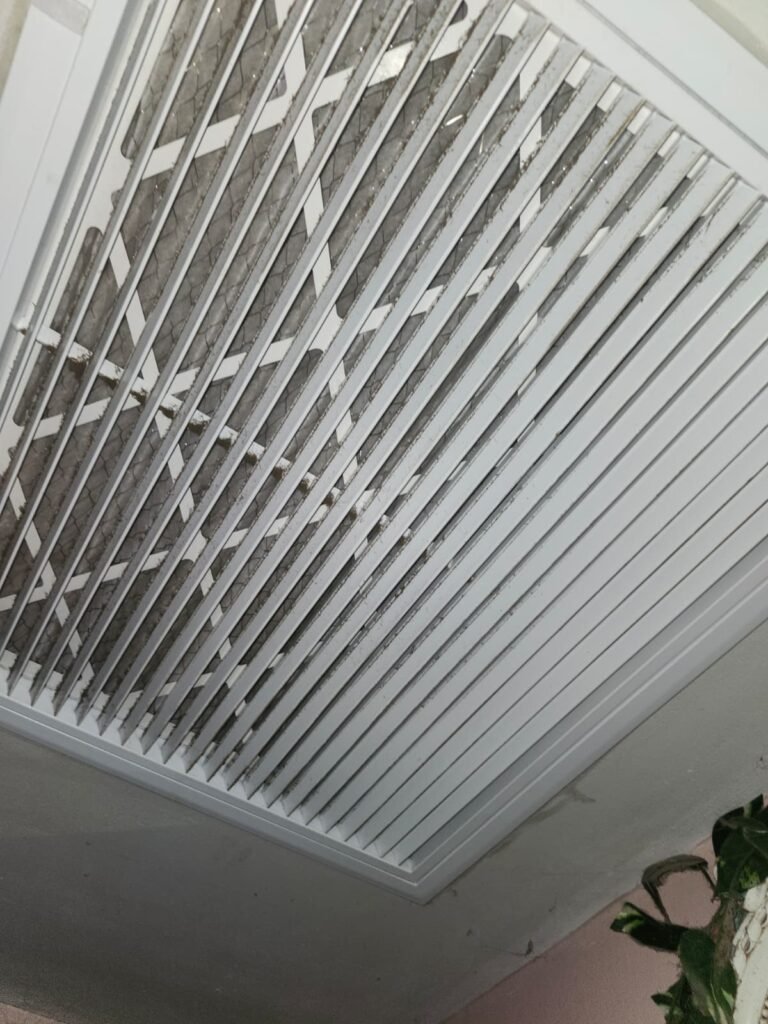


What causes capacitor failure, and why does it matter during AC maintenance in St. Petersburg, FL 33714? In Florida, the short answer is heat, long run times, power fluctuations, and simple wear. On a recent maintenance visit near 45th Avenue North, our technician Jandiel found a system that had shut down from a clogged condensate drain, and during the same visit he confirmed the capacitor was reading out of acceptable range. That is exactly why routine maintenance matters here. Small electrical parts can weaken quietly long before the system stops cooling.
One routine visit in St. Petersburg showed why maintenance matters
This visit was a scheduled maintenance plan visit, but it turned into a good reminder of how much a tune-up can uncover. The system itself was relatively young, installed in 2022, and overall it was still in good condition. Even so, the visit revealed three separate issues that matter in Florida homes: a clogged condensate drain line that had shut the system down, a weak UV bulb, and a capacitor that tested outside the acceptable range.
That capacitor detail is the one we want to focus on here, because it is the kind of problem homeowners usually cannot see coming. The system may still run, or it may seem a little inconsistent, until one hot day it struggles to start, short cycles, or stops altogether. In this case, the capacitor had also been flagged on prior visits, which shows how maintenance creates a paper trail. You can spot a part that is drifting out of spec before it becomes an emergency.
What causes capacitor failure in Florida AC systems?
Capacitors help start and run key motors in your air conditioner, including the compressor and fan motor. When people ask what causes capacitor failure, the most common answer is a mix of age, heat stress, voltage issues, and heavy use. In Florida, all of those show up more often than they do in milder climates.
Our cooling systems run for much of the year, not just a few summer months. That means more start cycles, more operating hours, and more exposure to attic heat and outdoor heat. Add storm season and power fluctuations, and electrical components take a beating. Near the coast, salt air can also speed up corrosion on metal parts and connections. Even inland, high humidity creates a tougher environment for HVAC equipment.
Capacitor failure symptoms can be subtle at first. You might hear the system trying to start, notice weaker airflow, find that the home takes longer to cool, or hear a humming sound from the outdoor unit. Sometimes the thermostat is calling for cooling but the equipment does not respond the way it should. Those are common air conditioner capacitor failure symptoms, but they can overlap with other issues too. That is why testing matters more than guessing.
For homeowners searching what causes capacitor failure St. Petersburg, the local answer is simple: our climate keeps AC systems working hard almost nonstop, and hard work exposes weak components sooner.
What a maintenance visit actually catches before you feel it
A good AC maintenance visit is not just a quick filter glance. It is meant to catch the little things that turn into no-cool calls later. On this St. Petersburg visit, the clogged drain line was the immediate shutdown issue, but the capacitor reading was the more important long-term finding. A drain backup can often be cleared and flushed. A capacitor that is testing weak is different. It is a warning that the motors it supports may be under extra strain every time the system starts or runs.
That is one reason we take readings during tune-ups instead of waiting for a full failure. A capacitor can be weak without being completely dead. When that happens, the system may still limp along for a while. But weak electrical support can lead to harder starts, increased stress on the compressor or fan motor, and more wear on the system overall.
This visit also included a recommendation for duct insulation improvements at the plenum and ductwork. That matters in Florida too. When insulation is in poor condition, the system has to work harder to deliver cool air effectively, especially in hot attic spaces. The ENERGY STAR program and the U.S. Department of Energy both emphasize that system efficiency depends on more than the equipment itself. Air distribution and insulation play a real role.
If you want to see whether we cover your neighborhood, our service area page is a quick place to check.
The cost of neglect is usually bigger than the original issue
We never like to use scare tactics, because not every weak capacitor fails tomorrow. But ignoring a known issue for another season is still a gamble, especially in Florida. What starts as a capacitor reading slightly out of range can become a no-start condition on a hotter day, often when the system is already under maximum load.
When that happens, the homeowner does not just deal with one worn part. They deal with the inconvenience of a breakdown, the rush of emergency scheduling, and the possibility of added strain on more expensive components. The same logic applies to a clogged drain line. Left alone, it can keep tripping safeties and shutting the system down. Poor duct insulation can keep energy use higher than it needs to be. A weak UV bulb can stop doing the job it was installed to do.
Routine maintenance helps separate normal wear from actual system decline. In this case, the unit was only a few years old and was still in overall good shape. That is an important point. A targeted repair recommendation does not mean the whole system is failing. It means maintenance is doing its job by identifying a specific issue while the rest of the equipment is still worth protecting.
Why many homeowners join Home Therapy Club
This is exactly the kind of visit that makes a maintenance plan worthwhile. A homeowner called because the AC was not functioning, and during that same visit we were able to clear the drain line, complete the scheduled maintenance, and identify a capacitor issue before it turned into a bigger electrical failure.
Our Home Therapy Club, $20 per month, or $220 if you pay for the year, is designed for that kind of preventive care. Routine visits help catch wear early, reduce surprise breakdowns, and make it easier to stay ahead of the small items that Florida systems deal with year after year. Members also appreciate priority scheduling when something does come up.
If you are comparing providers, you can also browse our customer reviews to see how homeowners across Tampa Bay describe their experience with our team.
Pro tips between maintenance visits
Change or check your filter regularly. A clogged filter can raise strain across the system and reduce airflow.
Pay attention to slow starts, humming, or inconsistent cooling. Those can be motor capacitor failure symptoms and are worth having checked.
Keep an eye on your condensate drain line. If you notice water around the air handler or repeated shutdowns, call before it becomes a bigger issue.
Make sure supply vents are open and unobstructed. Restricted airflow makes the system work harder than it should.
After storms or flickering power, notice whether your AC sounds or behaves differently. Voltage events can be hard on electrical components.
FAQ about AC maintenance and capacitor problems
How many years will a capacitor last?
It varies, but many AC capacitors do not last as long in Florida as homeowners hope. High heat, long cooling seasons, and power fluctuations can shorten lifespan, which is why regular testing during maintenance is so useful.
What are the two typical signs that a capacitor is bad or has failed?
The most common signs are trouble starting and inconsistent operation. Homeowners may hear humming, notice the fan or compressor struggling to kick on, or find the system cooling poorly even though the thermostat is calling.
Will the AC still run if the capacitor is bad?
Sometimes yes, at least for a while. A weak capacitor can let a system keep running poorly before it fails completely, which is one reason capacitor failure AC issues are often caught during tune-ups instead of after a total shutdown.
What happens when a capacitor fails?
The motors it supports may not start or run correctly. That can leave you with no cooling, intermittent operation, or extra strain on the compressor and fan motor. It is usually a smaller issue when caught early than when ignored.
If your system is due for AC maintenance in St. Petersburg, FL 33714, or you have noticed possible AC capacitor failure symptoms, give Home Therapist a call at (813) 343-2212. We offer FREE estimates and FREE diagnosis on every service call. If you want fewer breakdowns and a better chance of catching issues like this before they turn into an emergency, ask about joining Home Therapy Club, $20 per month, or $220 if you pay for the year, or schedule your next tune-up with our team.


