

Capacitor Failure Was the First Fix on 45th Ave N in St. Petersburg
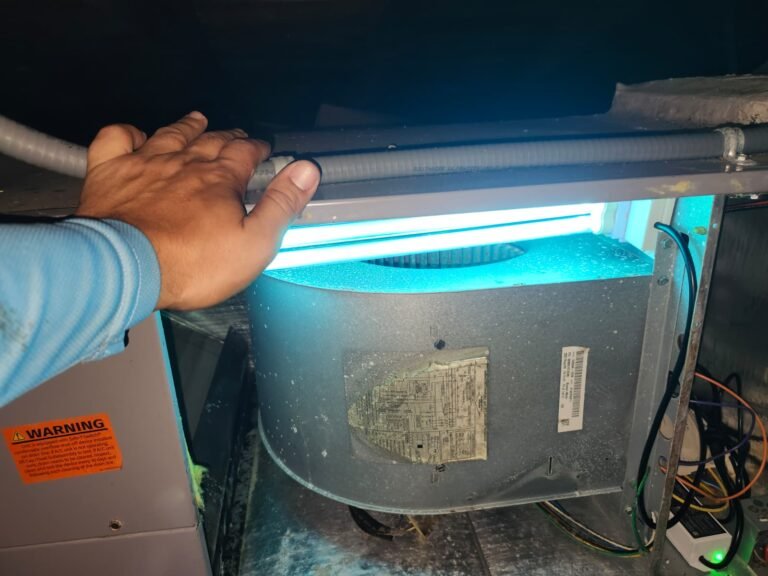
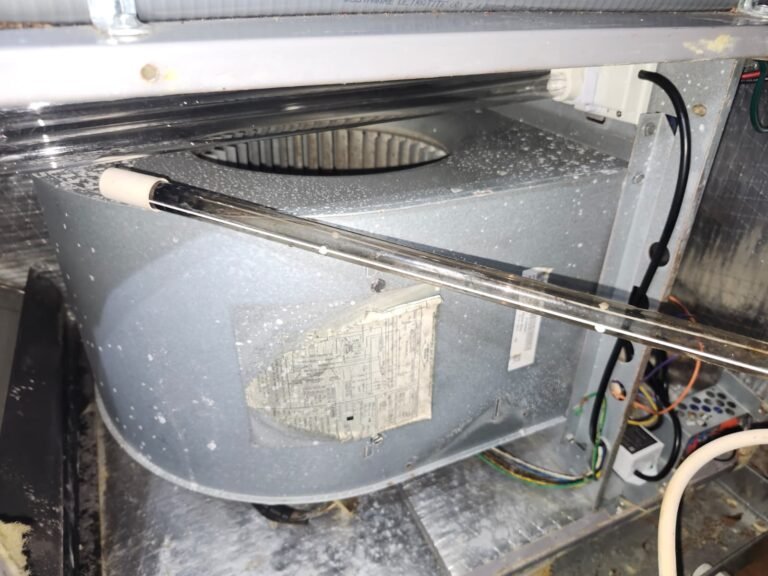
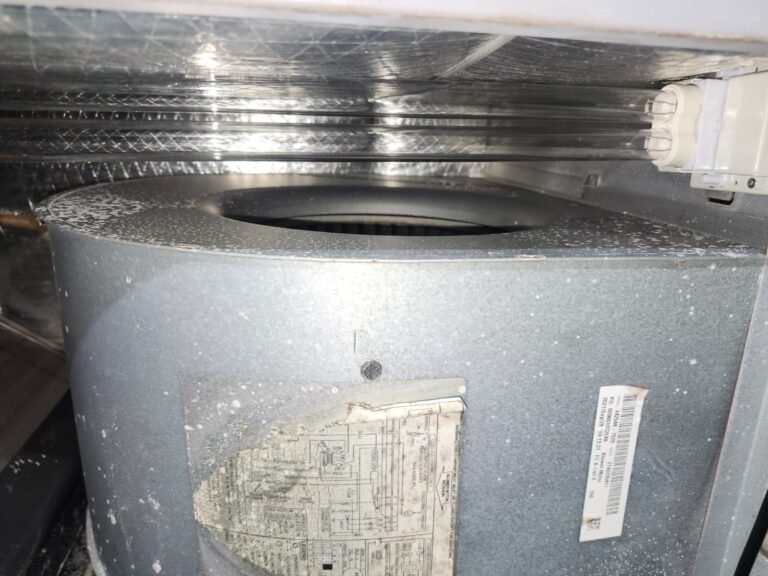
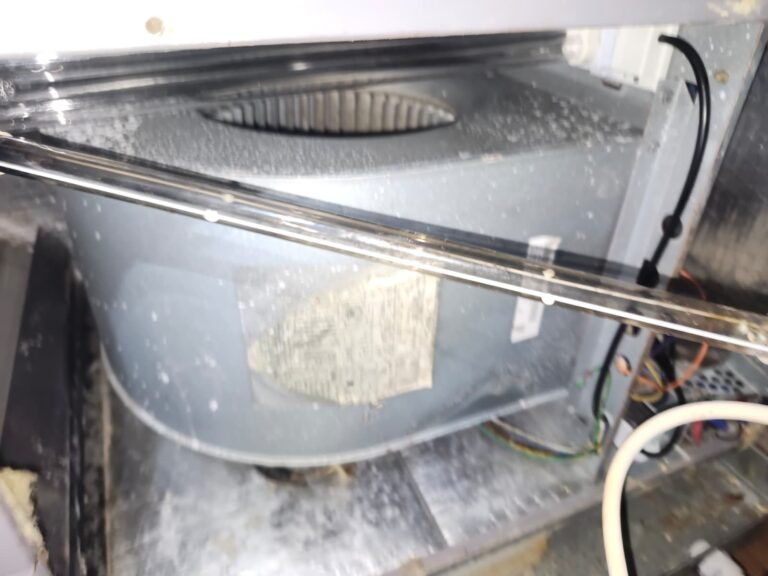
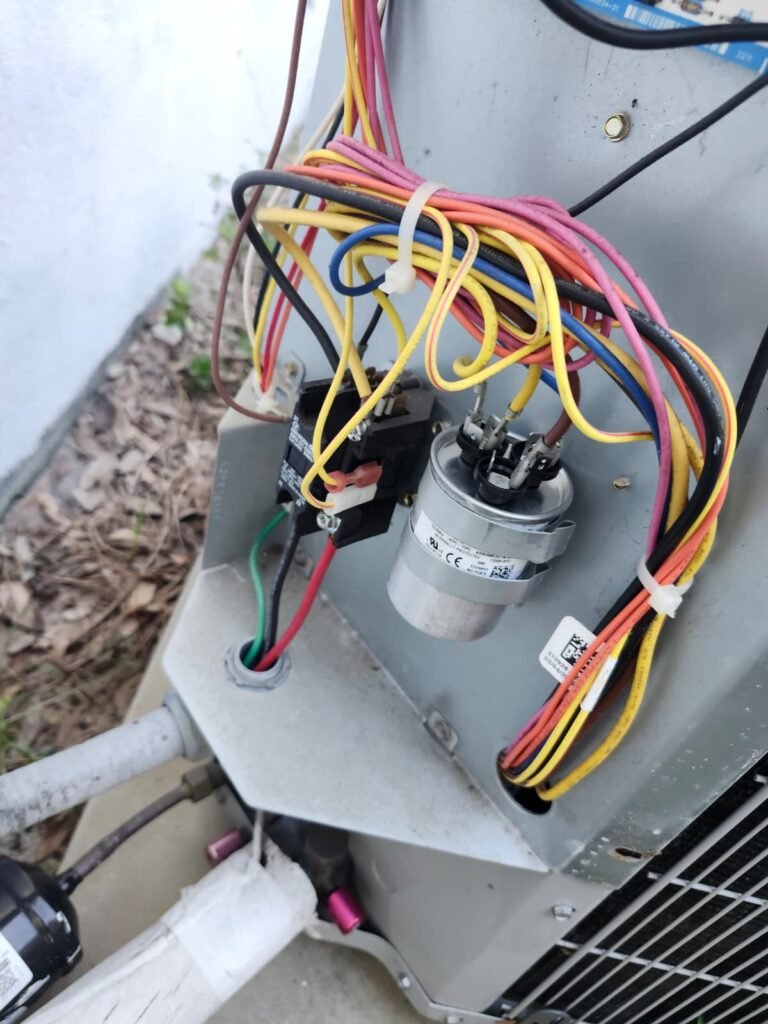
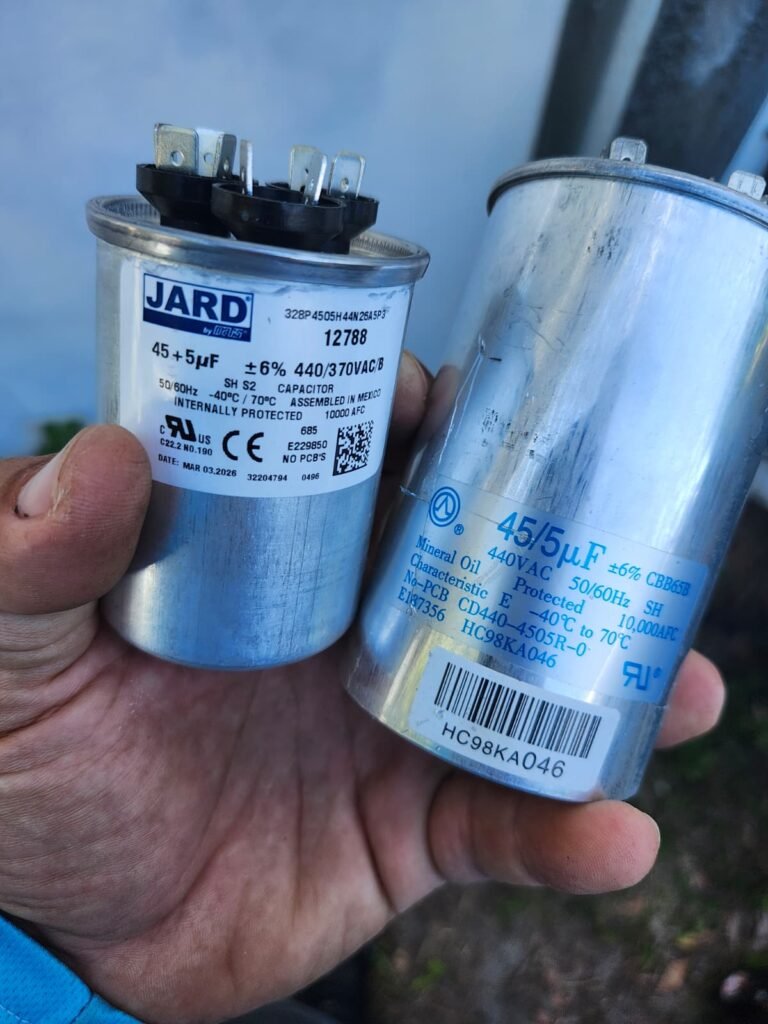
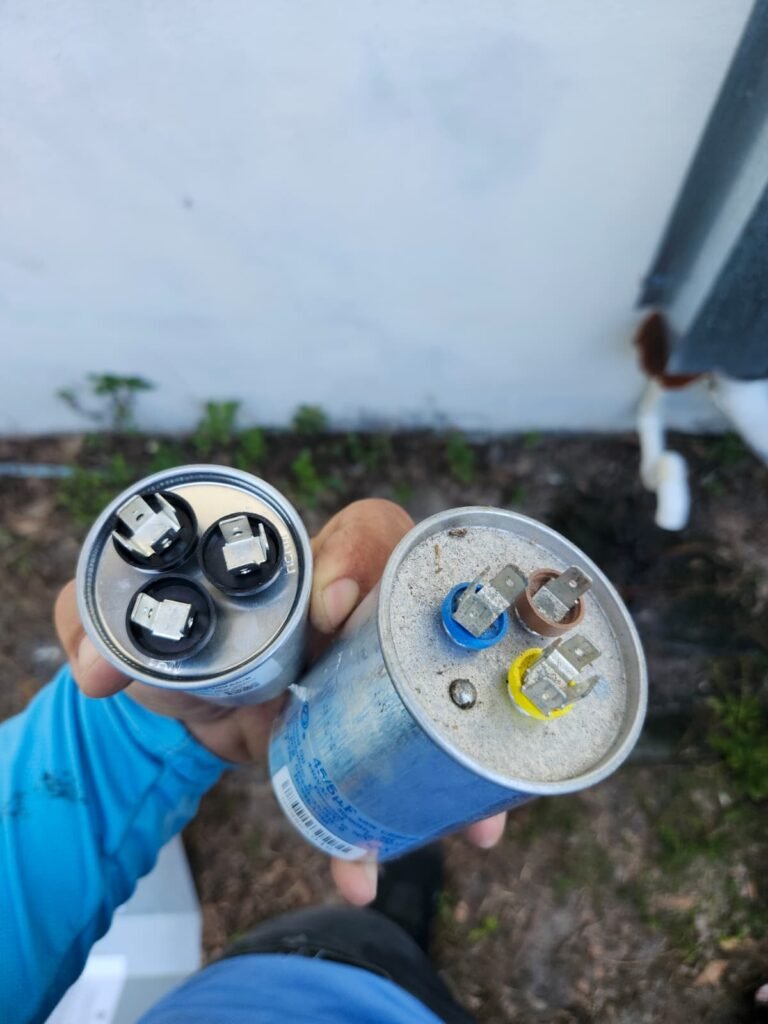
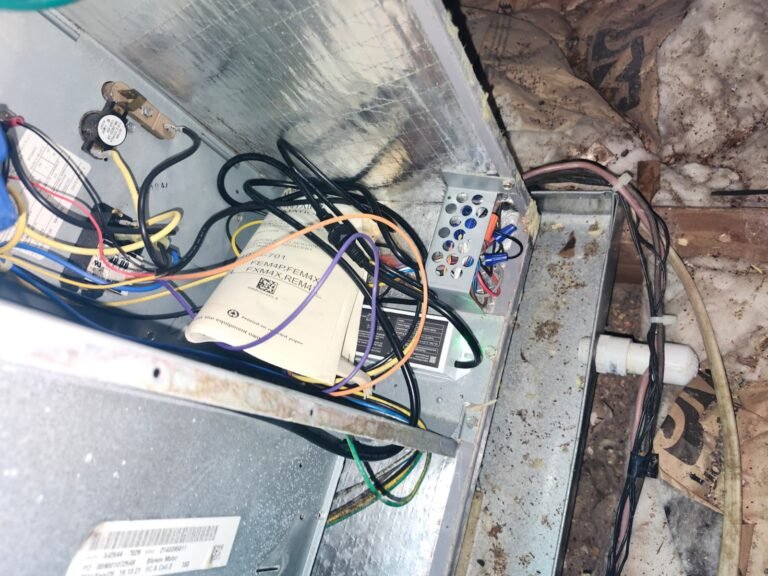
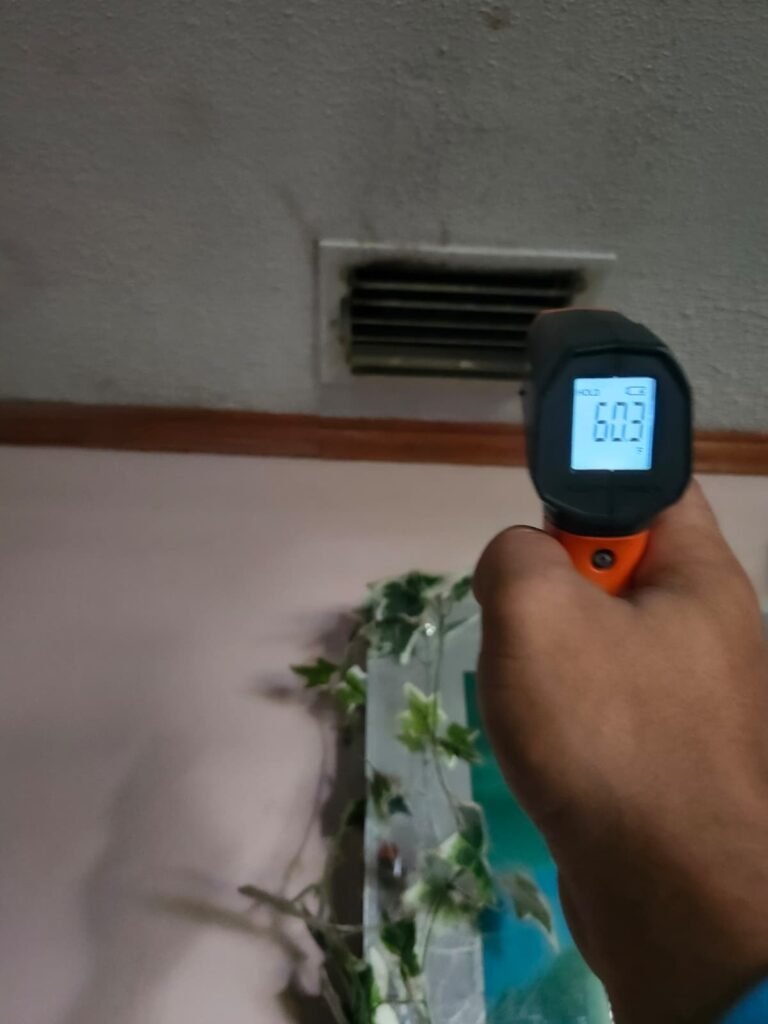
Capacitor failure in St. Petersburg, FL 33714 often shows up as an outdoor unit that struggles to start or cool properly, and the fix is usually a targeted AC repair rather than a full system replacement. On this visit, the failed capacitor was replaced and a new UV light air treatment system was added inside the air handler.
At this 45th Ave N home in St. Petersburg, FL 33714, Jandiel handled a two-part visit that started with the cooling side of the system and ended with an indoor air treatment upgrade. The first issue was capacitor failure, which is one of the most common reasons an AC system has trouble starting in Florida heat. From there, the scope also included installing a UV light inside the air handler. That combination made this job useful to document because it shows how one service call can solve an immediate AC repair need while also improving conditions inside the equipment cabinet.
- Service performed: Capacitor replacement and UV light air treatment installation
- Neighborhood or street: 45th Ave N
- Technician: Jandiel
- Cause: Capacitor failure
- What was done: Replaced the failed capacitor and installed a UV light inside the air handler
The capacitor failure was the immediate AC repair issue on this St. Petersburg visit.
The first priority on this call was the failed capacitor. In plain language, the capacitor is the electrical component that helps the motor start and run correctly. When it weakens or fails, the system may hum, hesitate, or stop cooling the home the way it should. That is why capacitor failure often gets mistaken for a much larger breakdown. In this case, replacing the capacitor addressed the actual fault instead of pushing the homeowner toward unnecessary equipment changes.
For homeowners searching for AC repair in St. Petersburg, this is a good example of why diagnosis matters. A bad capacitor can create air conditioner capacitor failure symptoms that feel dramatic, but the repair itself is often straightforward when the failed part is identified early.
This visit covered two separate items, the capacitor replacement and the UV light air treatment installation. The combined invoice for everything completed during the appointment came to $655.20.
The UV light was installed inside the air handler because coil-area biological growth control matters in Tampa Bay humidity.
After the capacitor replacement, Jandiel installed a new ultra violet air treatment system inside the air handler. That location matters. A UV light mounted inside the cabinet remains positioned where moisture tends to collect around the coil area, which is exactly where microbial growth can become a recurring maintenance issue in our climate. In a place like St. Petersburg, long cooling seasons and constant humidity make that part of the system work hard for most of the year.
This is also where a contrarian point helps homeowners. Many people think indoor air add-ons are only about the air moving through the house. In reality, one of the practical reasons to install a UV light is to help keep the inside of the air handler cleaner over time. The benefit is not just about the air stream. It is also about reducing growth on surfaces that stay damp during normal AC operation.
Homeowners comparing options in air conditioning often focus only on the outdoor unit, but the air handler is where moisture management and cleanliness can affect long-term performance just as much.
What causes capacitor failure in St. Petersburg is usually heat, long run time, and delayed service after the first symptoms.
When people ask what causes capacitor failure St. Petersburg homes see so often, the short answer is heat stress over time. Capacitors live in a tough environment, especially during a Florida cooling season that can feel nearly continuous. Repeated starts, long run cycles, and high cabinet temperatures all add wear. Once the part weakens, the system may still try to run, which is why homeowners often notice AC capacitor failure symptoms before a total shutdown.
The important takeaway from this 45th Ave N job is that capacitor failure modes do not always announce themselves with one dramatic event. Sometimes the symptom is simply reduced cooling performance or a system that struggles to start reliably. That is also why homeowners sometimes confuse capacitor problems with ac blowing hot air or even ac short cycling. The symptom is real, but the root cause has to be verified before any repair decision is made.
For broader guidance on central system operation and efficiency, the U.S. Department of Energy has useful homeowner information. For this job, though, the practical lesson was local: in St. Petersburg ZIP code 33714, heat and runtime are hard on start and run components, so small electrical parts should never be dismissed.
This two-part visit shows why one service call can solve a breakdown and improve the system at the same time.
There is a useful pattern in jobs like this. The homeowner needed the immediate AC repair handled first, and that part could not wait. But once the failed capacitor was replaced, the same appointment also created room to complete a planned air treatment improvement inside the air handler. That kind of combined scheduling is often easier for households that want a firm appointment window and do not want the date moved around.
It also keeps the scope honest. The capacitor replacement solved the active electrical problem. The UV light installation addressed a separate air handler condition and long-term cleanliness goal. Those are two different decisions, and they should be explained that way. If you want a sense of what this work typically costs, the best comparison is always one that separates a focused repair from optional system improvements added during the same visit.
Pro tips for St. Petersburg homeowners dealing with capacitor failure and air handler upgrades
Capacitor failure symptoms often start small, so a system that hesitates, struggles to start, or cools inconsistently deserves attention before it turns into a no-cool call on a hotter day.
UV lights work best when they are installed in the right location inside the air handler. Placement matters because the goal is to affect the damp surfaces where growth tends to develop, not just add another accessory to the system.
Florida humidity puts pressure on both electrical components and the inside of the air handler. That means electrical repairs and moisture-related upgrades are often connected by climate even when they are separate line items.
If your AC has started showing motor capacitor failure symptoms, do not assume the whole condenser is failing. A precise diagnosis can keep the repair smaller and more affordable.
When scheduling service in Tampa Bay, a firm appointment window matters more than many homeowners realize. It helps planned add-on work happen during the same trip instead of requiring another visit later.
Capacitor failure questions that came up from this St. Petersburg job
How much does it cost to fix a capacitor?
The cost to fix a capacitor depends on whether the visit includes only the repair or additional work completed at the same appointment. On this St. Petersburg job, the invoice was bundled because the visit included both a capacitor replacement and a UV light installation. That is why homeowners should compare scope, not just totals. A capacitor repair by itself is different from a combined visit that also adds equipment inside the air handler.
How common is capacitor failure?
Capacitor failure is very common in Florida AC systems. Long cooling seasons, high outdoor temperatures, and repeated start cycles make capacitors one of the more frequent electrical repair items we see. This 45th Ave N call is a good example because the failed capacitor was the first issue that needed to be corrected before anything else on the system could move forward.
Will the AC still run if the capacitor is bad?
Yes, an AC can sometimes still try to run when the capacitor is bad, but it usually will not run correctly. A weak or failed capacitor may let the system hum, struggle to start, or cool poorly instead of shutting down cleanly right away. That partial operation is exactly why capacitor failure symptoms can confuse homeowners and delay the right repair.
What are the signs that my AC start capacitor is bad?
Common signs of a bad AC start capacitor include hard starting, inconsistent cooling, humming, or a system that seems to have power but does not begin normal operation. In real service calls, those symptoms are often grouped together under the broader complaint that the AC is not acting right. This St. Petersburg repair fit that pattern because the failed capacitor was the first fault that had to be addressed.
Can I replace my AC capacitor myself?
No, replacing an AC capacitor is not a safe do-it-yourself project for most homeowners. Capacitors store electrical energy, and the repair involves working around energized equipment and system components that need to be handled correctly. A trained technician can confirm that capacitor failure is actually the problem, replace the part safely, and verify proper operation afterward instead of guessing from symptoms alone.
Schedule AC repair in St. Petersburg, FL 33714 with Home Therapist
When a system starts showing capacitor failure symptoms, or when you want to improve the condition inside the air handler at the same time, Home Therapist handles both kinds of work with clear scope and real diagnostics. We have served Tampa Bay since 2017, and our team brings the backing of HVAC license CAC1819196 and plumbing license CFC1431159, along with 1,300+ five-star reviews from local homeowners. That matters because good service is not just about replacing a part. It is about identifying the actual cause, explaining what is optional versus necessary, and leaving the system operating the way it should.
If you are in St. Petersburg, FL 33714 or elsewhere in our service area, call Home Therapist at (813) 343-2212. We offer FREE estimates and FREE diagnosis on every service call, and we service every brand. Whether you are dealing with AC repair, early capacitor failure signs, or planning an indoor air quality upgrade for your current system, our team can help you make the next step with confidence and without pressure.


