

Why Preserving the Refrigerant Charge Mattered on Palm Warbler Lane in Ruskin
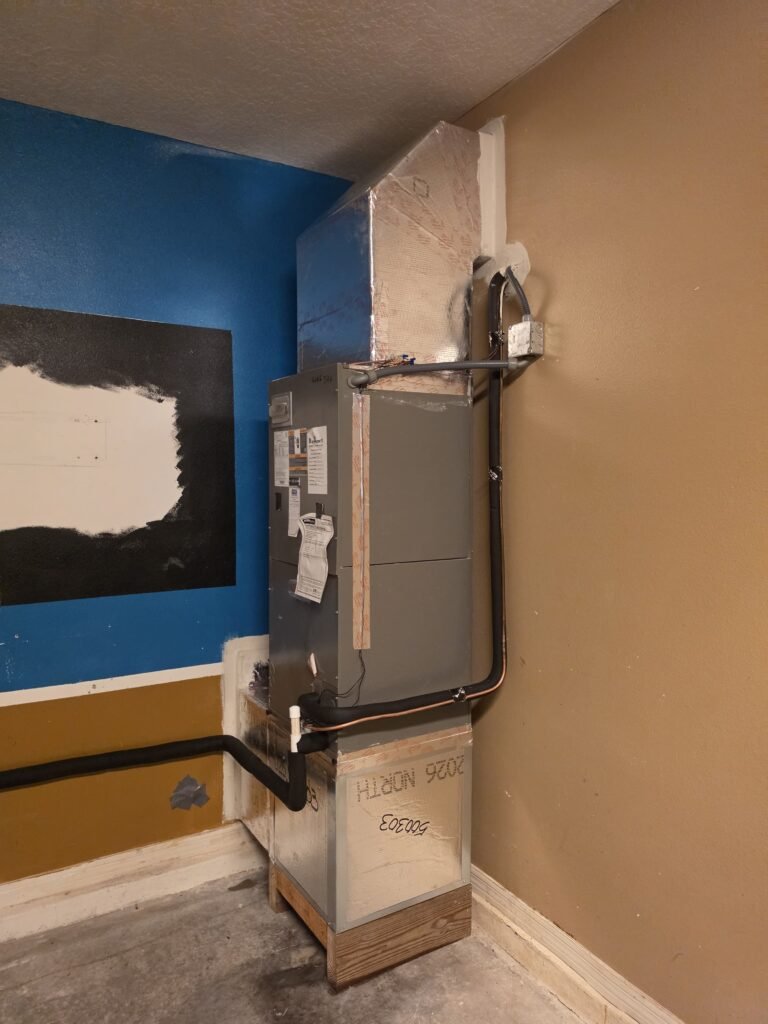
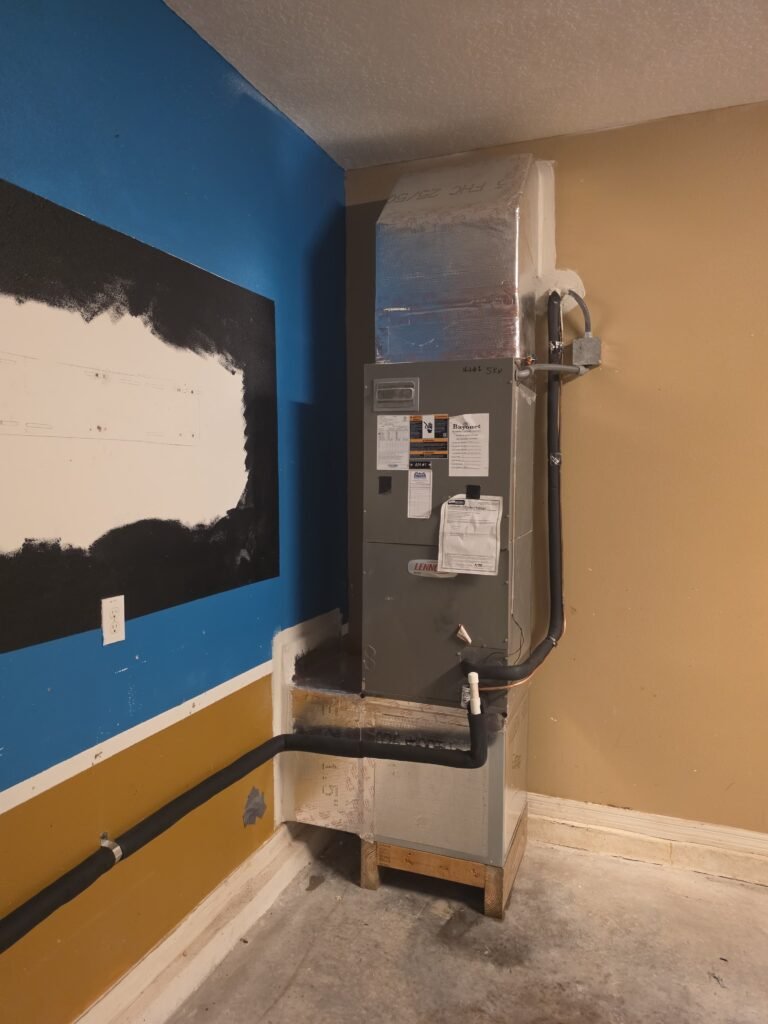
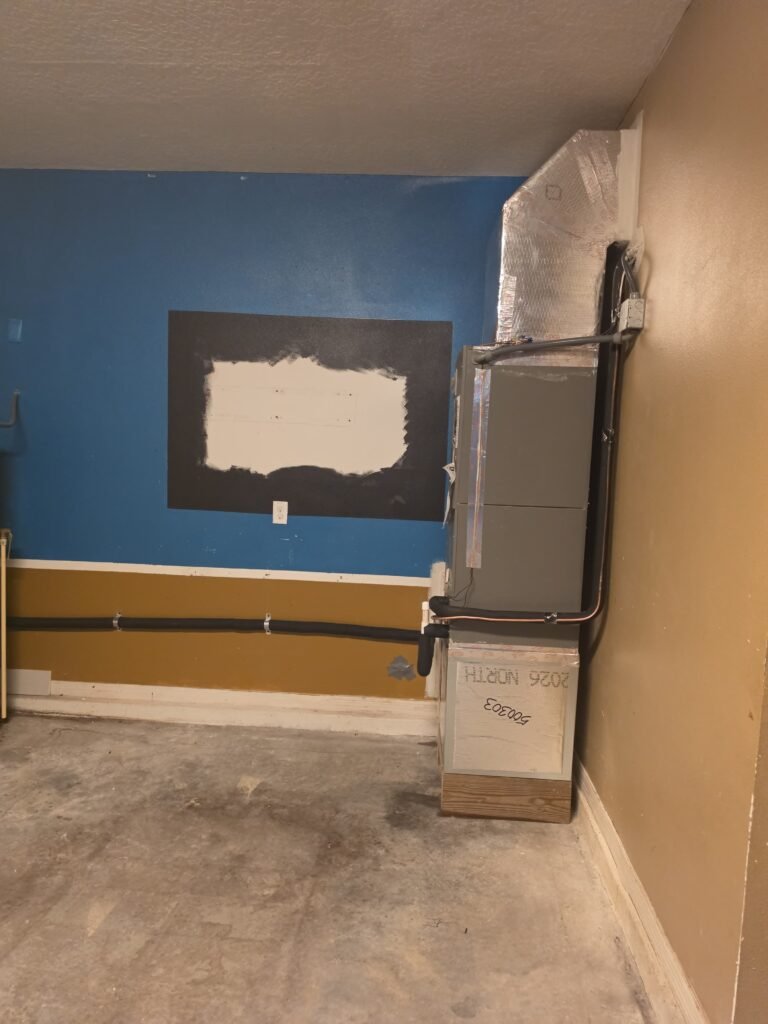
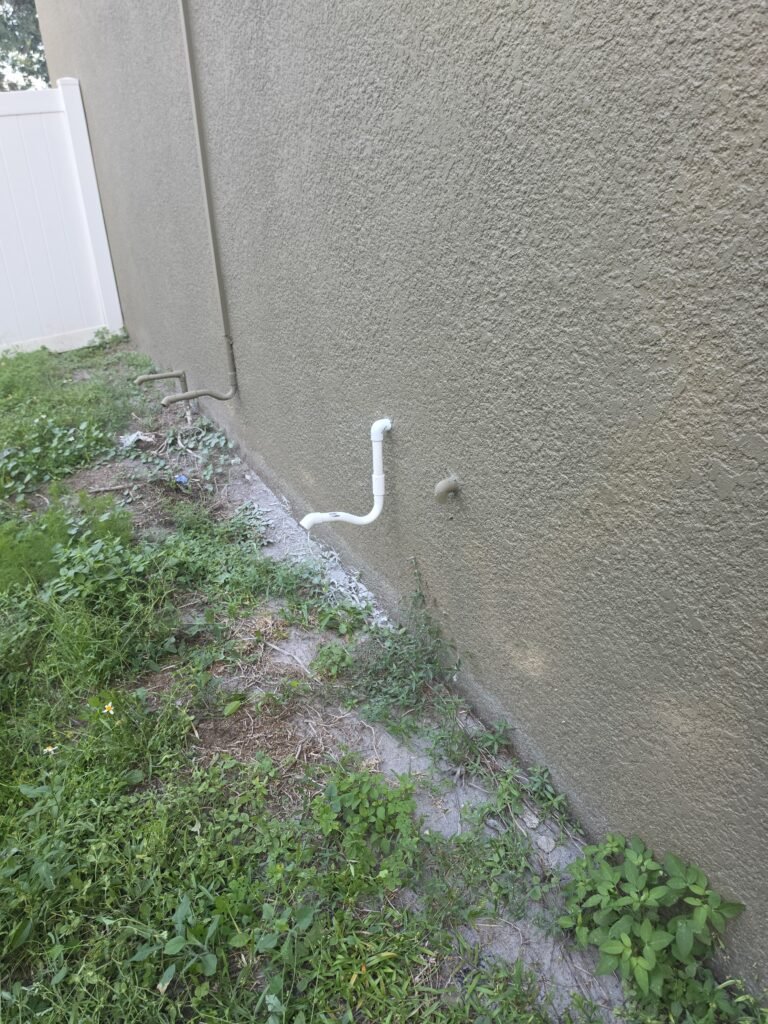
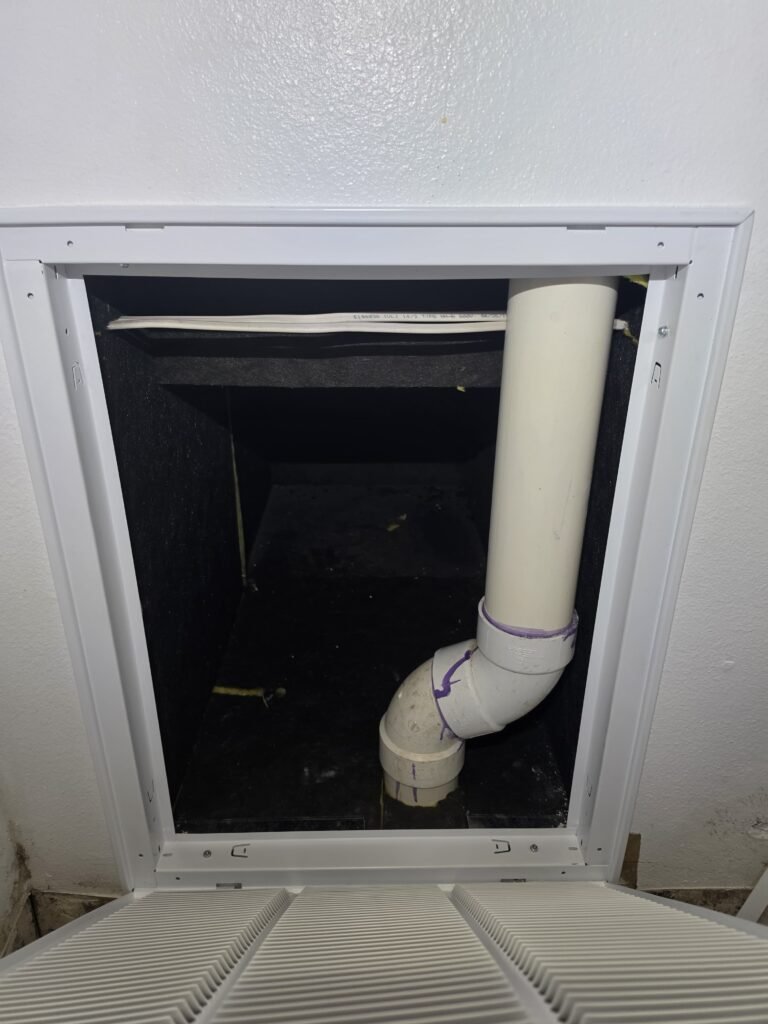
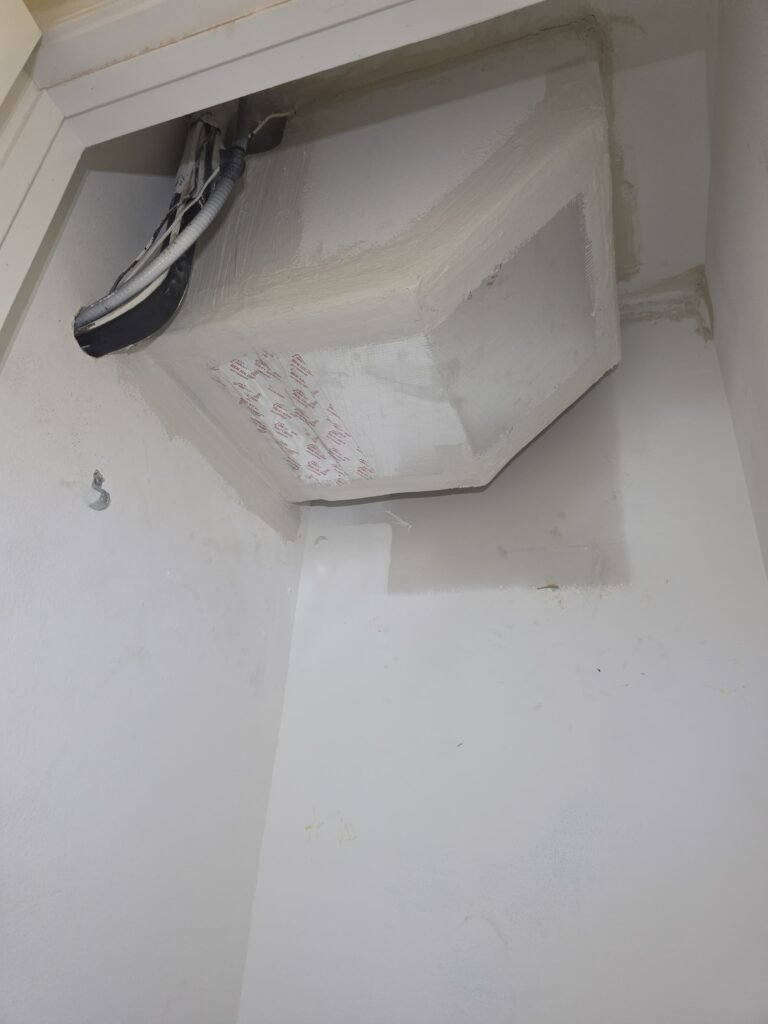
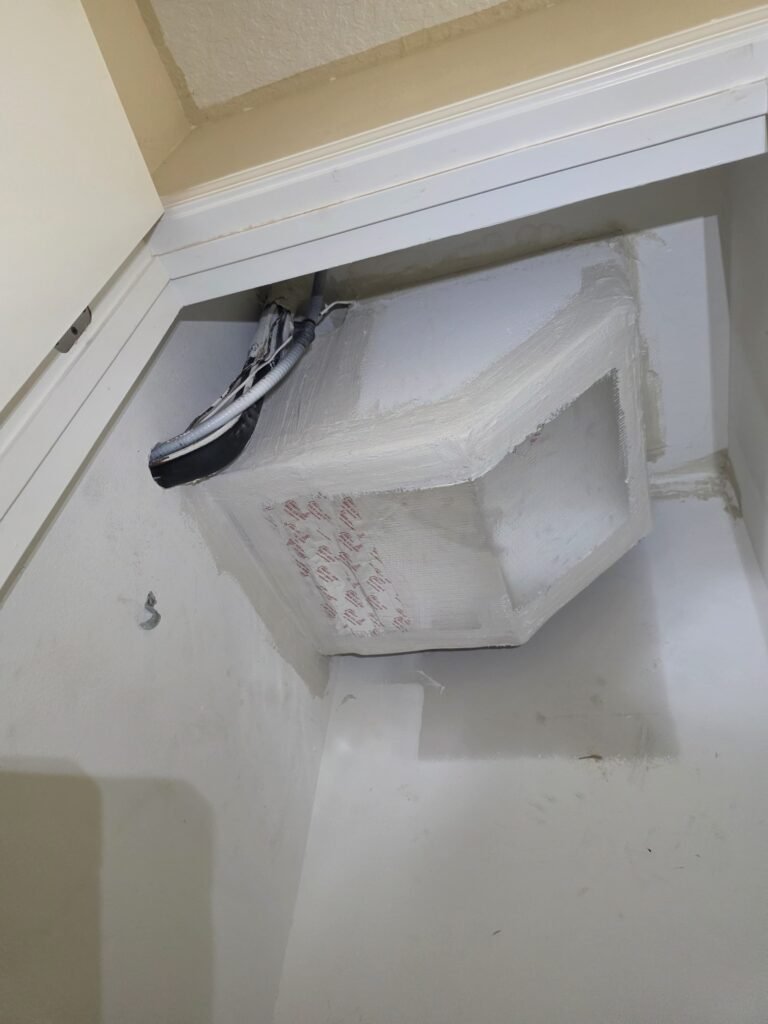
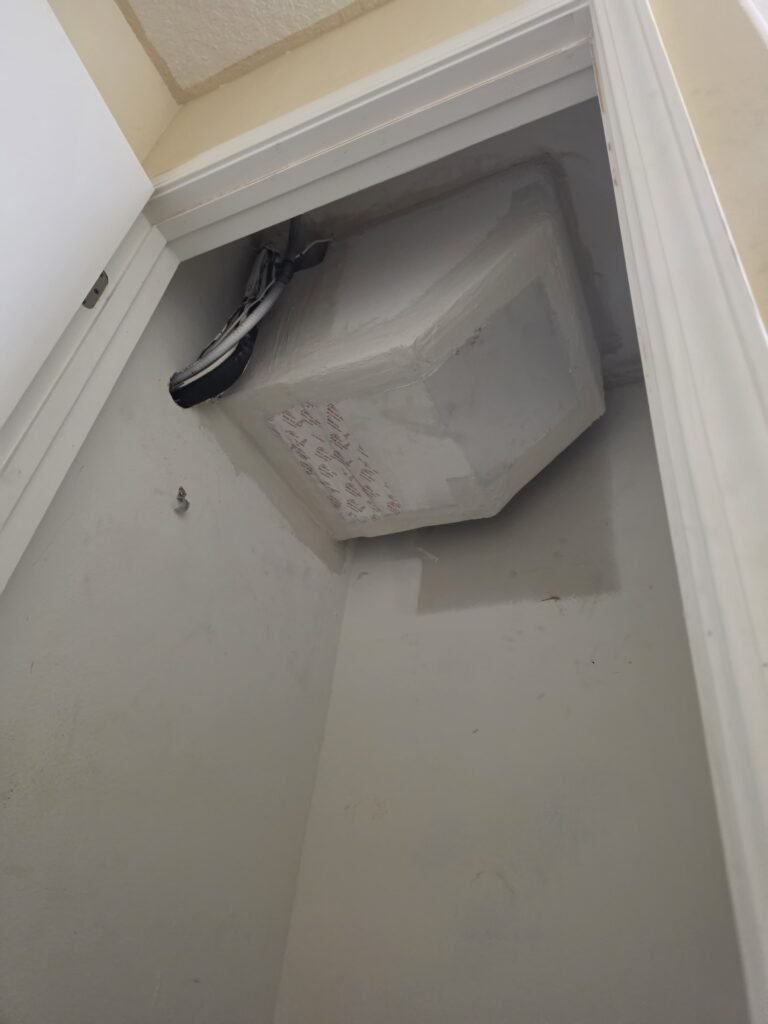
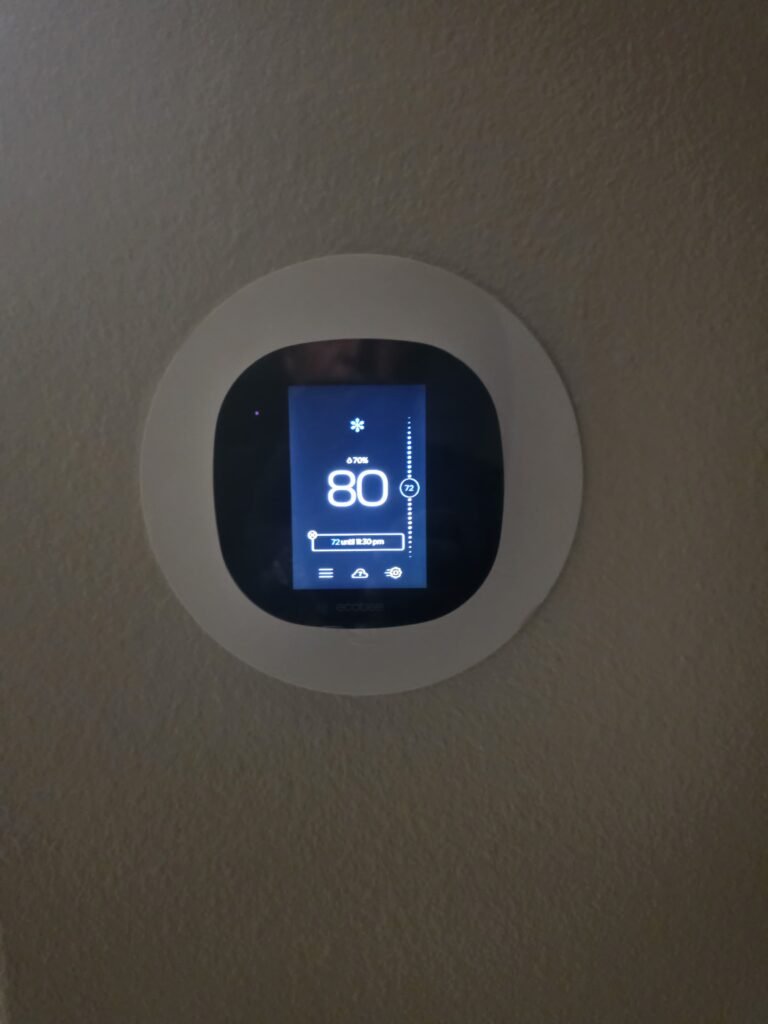
A refrigerant charge has to be preserved carefully when an air handler is moved, or the system can lose cooling performance, take on moisture, and require extra corrective work. In this Ruskin, FL 33570 repair, the refrigerant was pumped down, the air handler was relocated, the system was vacuumed, and the charge was topped off as needed before startup.
On Palm Warbler Lane in Ruskin, Aridel and our crew handled a Level 3 system repair that was more involved than a simple reconnect. The job included air handler relocation, a new coffin box, a new air plenum, and a new PVC drain line routed to the exterior. The key technical step was preserving the refrigerant charge before moving the equipment. That matters because once an air handler changes position, the copper lines, electrical connections, drainage, and airflow all have to work together again. This visit is a good example of why a refrigerant charge issue is not always about a leak or a recharge. Sometimes the real work is protecting the existing refrigerant while the system itself is being reconfigured.
- Service performed: Air handler relocation with ductwork and PVC drain line replacement
- Street: Palm Warbler Lane
- Technician: Aridel
- Cause: The air handler needed to be moved without losing the system refrigerant
- What was done: Pumped down the system, moved copper lines, reconnected high and low voltage, vacuumed the system, added R410A as necessary, built a new coffin box and plenum, and ran a new PVC drain line
- Measurement: New drain line run up to 30 feet
The refrigerant charge had to be preserved before the air handler could move
The most important fact on this job is that the refrigerant charge was not treated like something to casually vent and replace. Aridel pumped down the system first to preserve the gas already in the equipment. That step stores the refrigerant in the proper part of the system so the air handler can be moved and the copper lines adjusted without wasting charge or contaminating the system. Homeowners searching for refrigerant charge answers often assume every refrigerant-related visit means the unit is low. On a job like this, the smarter move is controlled recovery inside the system, then a vacuum and final charge adjustment after everything is back in place.
That is also where the search phrase how to drain refrigerant from ac compressor Ruskin can be misleading. In the field, the goal is not simply to drain AC refrigerant. The goal is to handle refrigerant in a controlled, legal, and equipment-safe way so the system can be reopened and reassembled correctly. Refrigerant handling is regulated under EPA Section 608, and that matters on relocation work just as much as it does on major repairs.
The new coffin box, plenum, and line adjustments changed more than just equipment position
Relocating an air handler changes the physical relationship between the unit and the duct system. On this Palm Warbler Lane job, our crew did not just shift the cabinet and leave the old transitions in place. We installed a new coffin box and a new air plenum so the duct connections matched the new layout. That matters because poor transitions can create airflow restriction, noise, and uneven delivery to the rooms served by the system.
The copper lines also had to be adjusted to the new position, and both high and low voltage had to be reconnected where the unit now sat. That combination of tasks is why this was a bundled repair visit, not a single small fix. The combined invoice for the relocation, ductwork changes, and new PVC drain line came to $4,000. Framed correctly, that number reflects several connected scopes completed in one visit, not just a refrigerant charge adjustment by itself.
When airflow and equipment position both change, proper duct design becomes part of system performance. That is one reason industry references like the ACCA technical manuals remain important. The air handler can be mechanically connected and still underperform if the transitions and plenum are not thought through.
The new PVC drain line was just as important as the refrigerant work
The drain line portion of this job deserves equal attention because moving an air handler also changes how condensate leaves the system. In Florida, that is never a side detail. If the new drain path is wrong, water can back up, trip safeties, or create repeated service calls even when the cooling side is operating normally.
Here, our crew ran a new PVC drain line from the air handler to the outside of the house, with exterior line cover included as needed, for a run of up to 30 feet. That gave the relocated unit a proper drainage path instead of trying to force the old route to work from a new location. For homeowners dealing with drainage issues elsewhere on the property, we also have a page on drain cleaning in Ruskin, but this job was specifically about condensate drainage tied to HVAC equipment relocation, not a general plumbing stoppage.
This is one of those insider points many homeowners do not hear: the accessories and supporting materials often decide whether the repair lasts. The air handler, duct transitions, refrigerant circuit, and drain line all have to agree with the new layout. If even one of those pieces is left half-finished, the callback risk goes up.
Vacuuming the system and adding R410A as needed protected long-term performance
Once the air handler was moved and reconnected, the system still was not ready to run immediately. Aridel vacuumed the system before startup. That step removes air and moisture from the refrigerant circuit after it has been opened. Moisture inside the sealed system is a problem because it can affect performance and shorten component life. A proper vacuum is what separates careful refrigerant work from a rushed reconnect.
After that, R410A was added as necessary. That wording matters. It does not mean the system automatically needed a full recharge. It means the final refrigerant charge was adjusted based on what the system required after the relocation and reconnection work. That is a very different situation from a homeowner calling because the AC is low on refrigerant from a leak. In this Ruskin job, the refrigerant charge conversation was tied to preserving, reopening, evacuating, and recommissioning the system after physical relocation.
For homeowners reading this in Tampa Bay, the practical takeaway is simple: if someone says they can just drain refrigerant, move the unit, and turn it back on, that is not a complete process. The vacuum step and final charge correction are what protect the system after the move.
Pro tips for Ruskin homeowners dealing with air handler relocation and refrigerant charge work
One good rule is to think about airflow, drainage, and refrigerant as one project, not three separate ones. When an air handler moves, every connected system changes with it.
Another tip is to ask whether the existing drain route still makes sense from the new location. In a humid Florida climate, condensate management is too important to leave as an afterthought.
If a contractor talks only about adding refrigerant, ask what their plan is for preserving the charge, vacuuming the system, and verifying operation after reconnection. Those steps are what keep a relocation from turning into a performance problem later.
It also helps to ask how many duct connections are affected by the new plenum. On this job, the plenum scope specifically accounted for duct connections, which is a sign the layout was being considered instead of guessed.
Finally, if the new equipment position changes service access, mention that before work starts. A clean relocation should make future maintenance easier, not harder.
Refrigerant charge questions that came up on this Ruskin job
How do you calculate refrigerant charge after moving an air handler?
The refrigerant charge is finalized after the system is reassembled, evacuated properly, and checked in operation. On this Ruskin job, the charge was preserved first, then the system was vacuumed, and R410A was added only as necessary after the move. That is different from guessing based on symptoms alone. Relocation work changes line position and system setup, so the charge has to be handled as part of recommissioning.
How much does it cost to recharge AC refrigerant?
The cost to recharge AC refrigerant depends on why the charge needs attention. In this case, the homeowner was not paying for a simple refrigerant top-off by itself. The invoice covered bundled work that included air handler relocation, ductwork changes, electrical reconnection, vacuuming, and a new PVC drain line. That is why refrigerant pricing should always be read in the context of the full scope.
How do you fix a low refrigerant charge?
A low refrigerant charge is fixed by correcting the reason it is low, then charging the system properly. This Palm Warbler Lane job was not centered on a leak diagnosis. It centered on preserving the existing refrigerant during relocation, evacuating the system after reopening it, and adjusting the final charge as needed. If the cause had been a leak, the repair path would have been different.
Can I recharge refrigerant myself?
No, refrigerant should not be handled as a do-it-yourself task. This job is a good example of why. Preserving the charge, reopening the system, pulling a vacuum, and adding R410A correctly all require the right equipment and legal handling practices. Homeowners often search how to drain refrigerant from ac unit, but in practice, improper handling can damage the system and create compliance issues.
How do I tell if my AC is low on refrigerant?
Low refrigerant usually shows up as a performance problem, but symptoms alone do not tell the whole story. Weak cooling, longer run times, or icing can point in that direction, but this Ruskin repair shows another side of the issue. Refrigerant charge can also become part of a larger mechanical project, like relocating an air handler, where the system needs controlled handling rather than simple topping off.
Schedule air handler and refrigerant charge work in Ruskin, FL 33570
If you need air handler relocation, duct modifications, condensate drain updates, or refrigerant charge work in Ruskin, Home Therapist is here to help. We have served Tampa Bay since 2017, and our team brings licensed HVAC and plumbing experience to jobs that cross mechanical and drainage details. Our HVAC license is CAC1819196, our plumbing license is CFC1431159, and homeowners across the area have left us 1,300+ five-star reviews because we explain the work clearly and do not rush the details that matter.
For readers in Ruskin and the 33570 area, this kind of project is exactly why careful scope matters. Moving an air handler is not just about shifting a cabinet. It affects airflow, drainage, wiring, and refrigerant handling all at once. If you want a second opinion or need a crew that can walk you through the options calmly, call Home Therapist at (813) 343-2212. We offer FREE estimates and FREE diagnosis, and you can also browse our customer reviews or check our wider service area to see where we work across Tampa Bay.


