

Why Refrigerant Charge Checks Matter During AC Maintenance in St. Petersburg
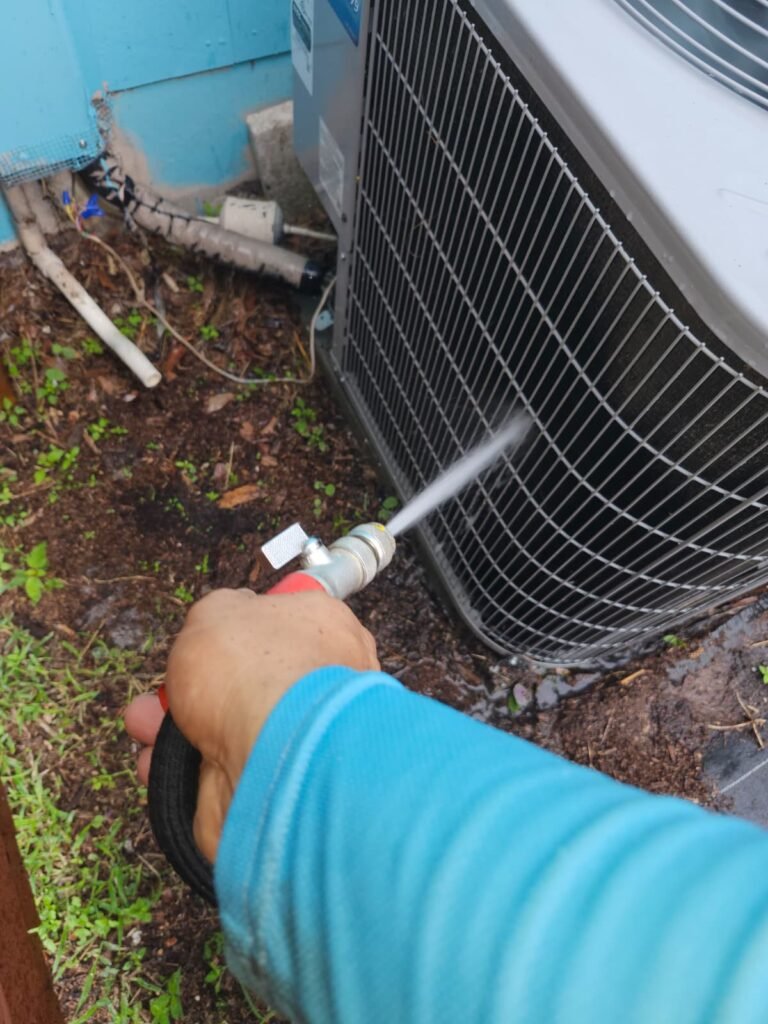
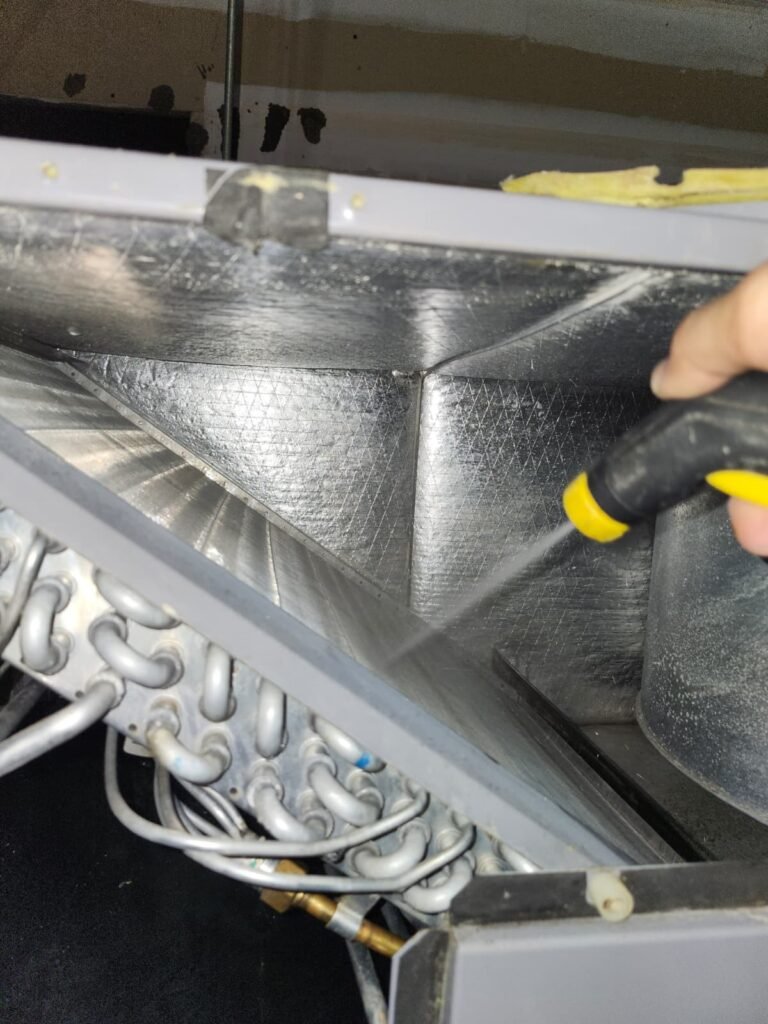
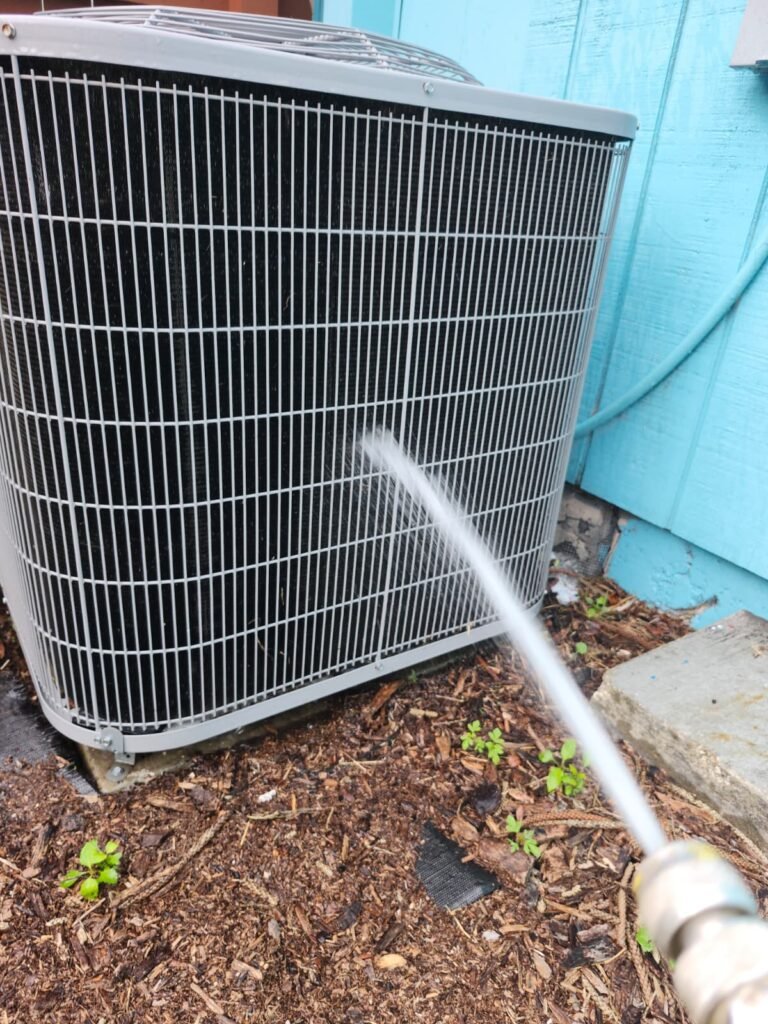
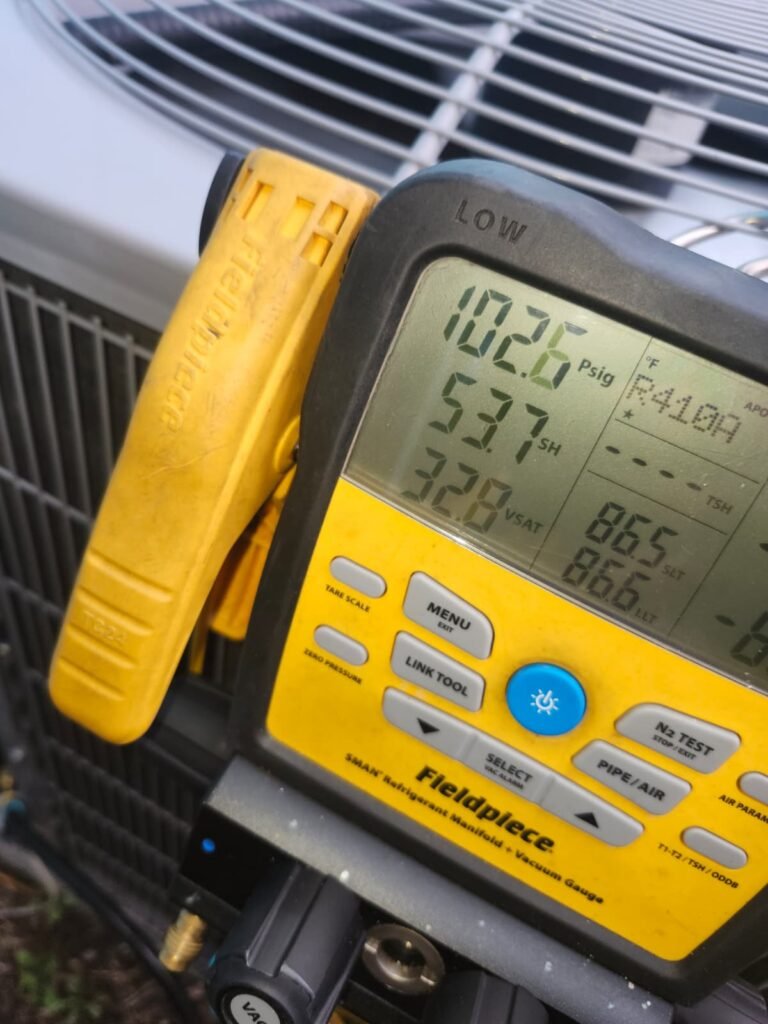
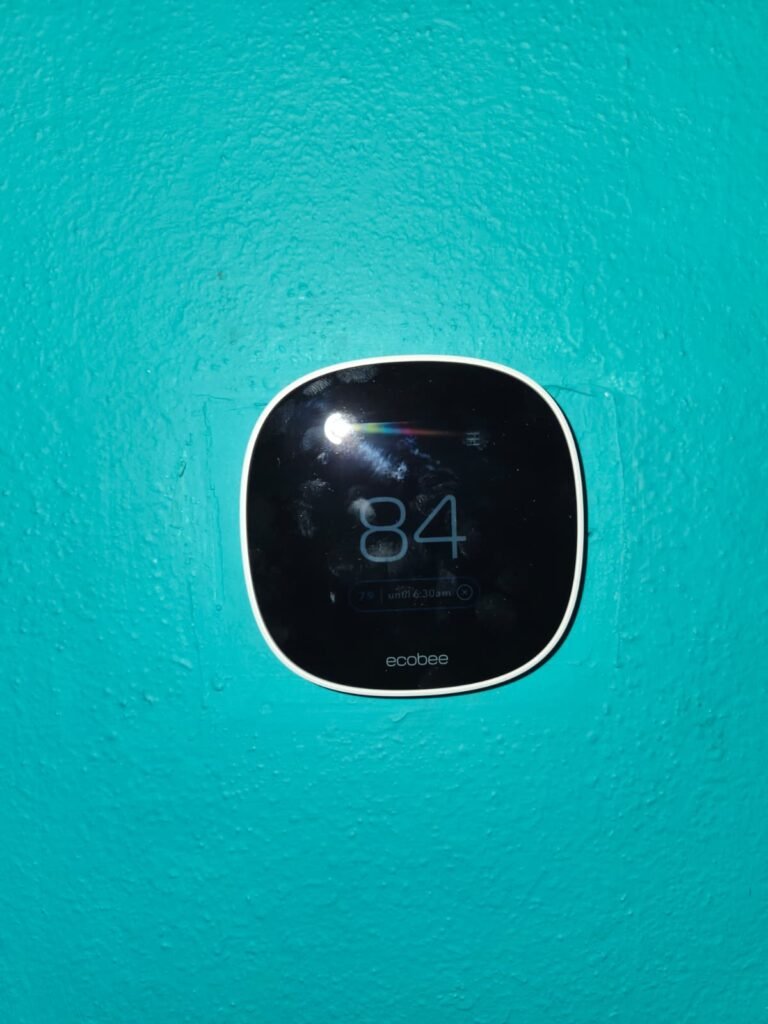
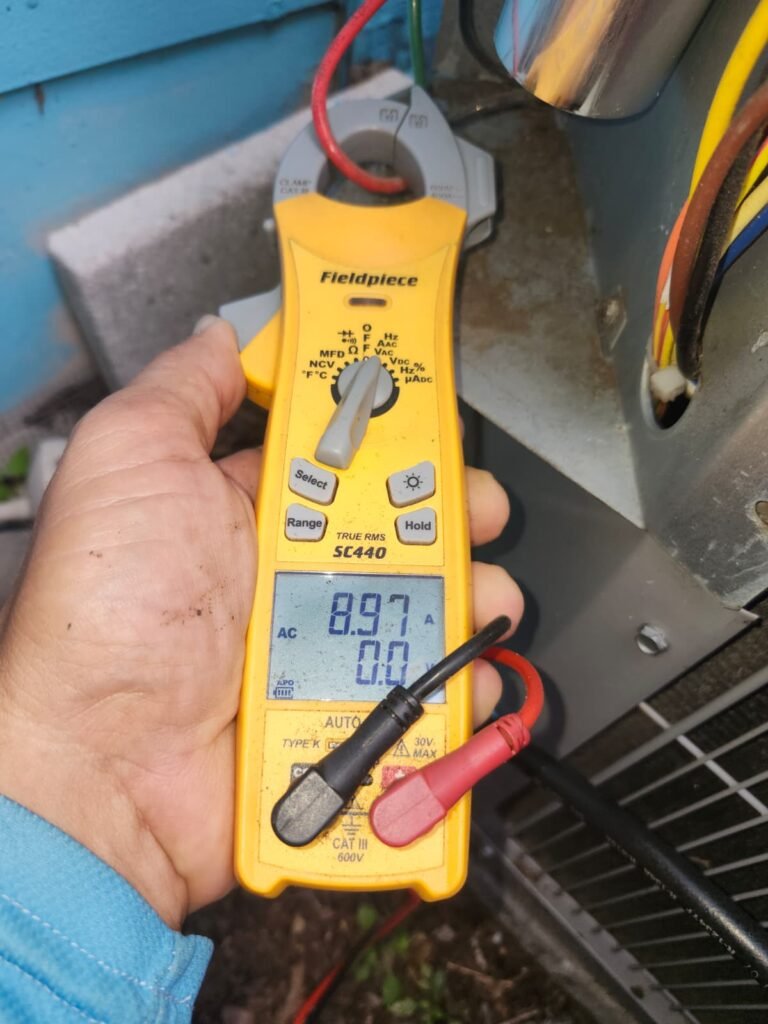
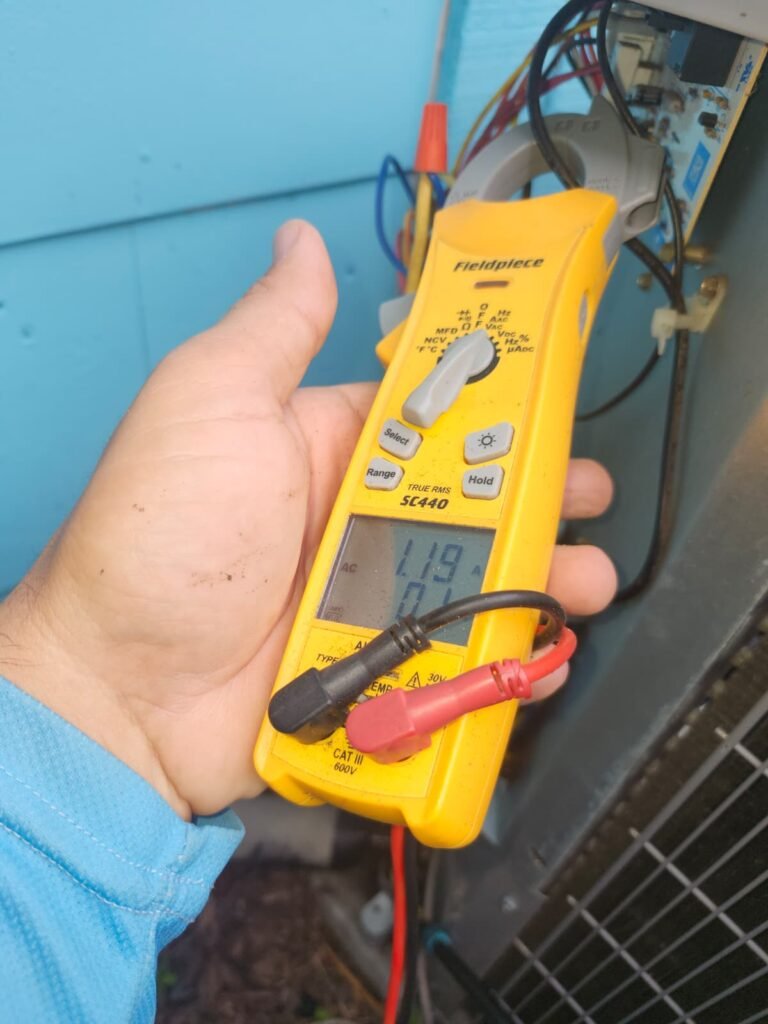
If you are wondering why refrigerant charge air conditioner checks matter during AC maintenance in St. Petersburg, FL 33711, the short answer is this: low refrigerant is usually a symptom, not a routine top-off item. During a recent Visit #4 maintenance appointment on 17th Avenue South, our technician Jandiel found operating pressures below normal, then confirmed oil traces at the evaporator coil area, a strong sign of an active refrigerant leak. That is exactly why regular maintenance matters in Florida. It helps catch the cause early, before a small performance issue turns into a no-cooling call in the middle of summer.
What made this St. Petersburg maintenance visit worth paying attention to
This visit was part of the customer’s regular preventive service through our Home Therapy Club in St. Petersburg, FL 33711. The system itself is a 2022 unit, so this was not an old, neglected air conditioner at the end of its life. It was a newer system that still needed careful testing.
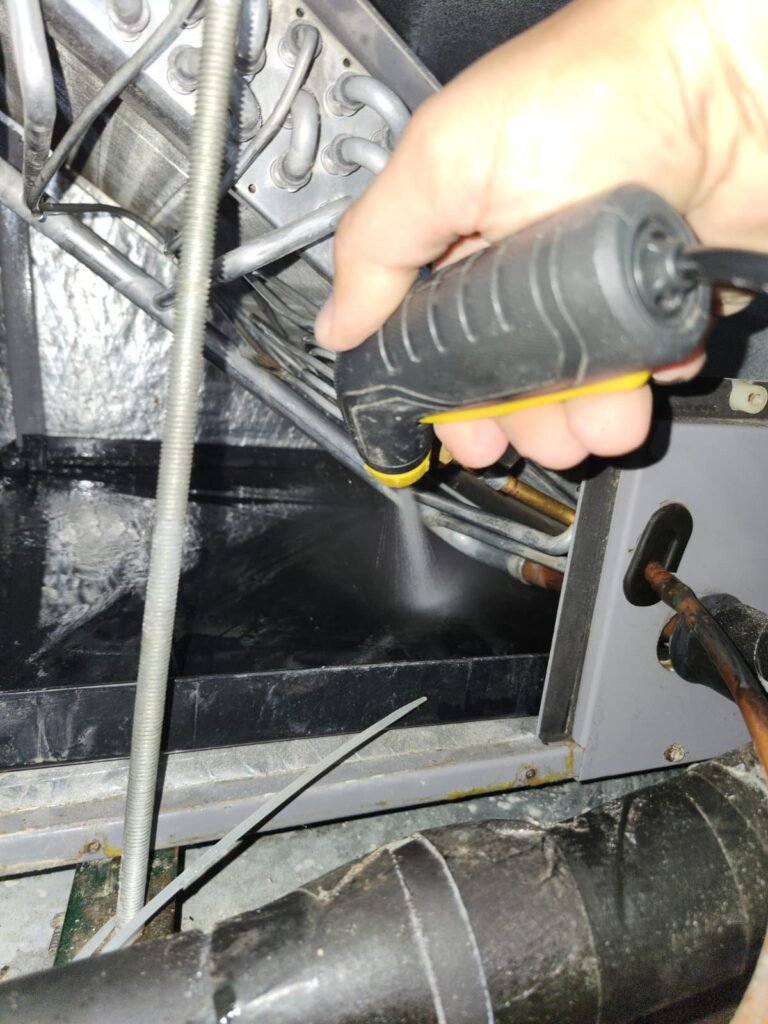
During the tune-up, Jandiel checked system operating pressures and found them lower than normal. That led to a leak search. At the coil and evaporator area, he found oil residue, which is one of the most useful real-world clues we look for when tracking down a refrigerant problem. Refrigerant carries oil through the system, so when oil shows up where it should not, that often points to the leak location. In this case, the evidence strongly suggested the evaporator coil was leaking.
That detail matters because many homeowners hear phrases like ac refrigerant charge or charge refrigerant and assume the fix is simply adding more refrigerant. In reality, when charge is low, the bigger question is why it is low.
Why Florida is especially hard on air conditioners
Florida homes ask a lot from their cooling systems. In St. Petersburg, the AC is not just for a few hot afternoons. It runs for long stretches of the year, often with high humidity, heavy afternoon heat, and very little off-season recovery time. That constant workload puts wear on coils, blower assemblies, capacitors, drain systems, and electrical components.
Humidity makes the job harder. Your air conditioner is not only cooling the air, it is also removing moisture. That means longer run times and more condensate moving through the system. Over time, that can expose airflow problems, dirt buildup, and drain issues that might not show up as quickly in a drier climate.
Near the coast, salt air can also speed up corrosion on outdoor components and sometimes contribute to premature wear on metal surfaces throughout the system. Add storm season, power fluctuations, and year-round use, and it becomes easier to see why routine AC maintenance is not optional in this part of Florida. It is basic system protection.
For homeowners trying to understand how to charge refrigerant St. Petersburg searches can be misleading, because refrigerant performance is tied to airflow, coil condition, outdoor temperature, metering, and leak status. A proper maintenance visit looks at the whole picture, not just one gauge reading.
What a routine maintenance visit actually catches
A good tune-up is not just a quick rinse of the outdoor unit. It is a chance to spot developing issues while the system is still running. On this visit, the most important finding was the low refrigerant charge, confirmed by below-normal operating pressures and signs of oil at the evaporator coil. That is a textbook example of something maintenance can catch before the homeowner ends up with a complete loss of cooling.
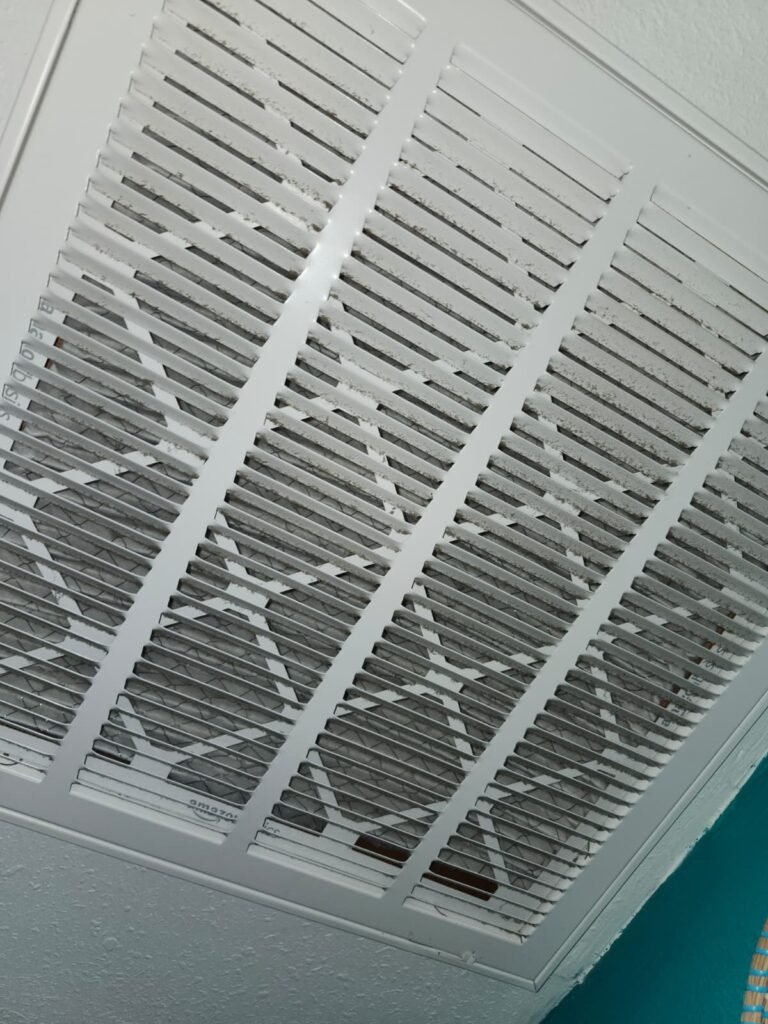
We also cleaned the blower assembly during this visit. That matters more than people think. A dirty blower can reduce airflow, hurt comfort, and make the system work harder than necessary. Ductwork at the property was also found to be dirty, which can further affect airflow and efficiency.
In other words, one routine visit can uncover several layers of performance issues:
- Low refrigerant charge or a developing refrigerant leak
- Oil residue around coil areas that points to leak location
- Blower dirt buildup that restricts airflow
- Dirty ductwork that can reduce system efficiency
- Warranty-related repair opportunities that are easier to address before a full failure
This is also a good place to clear up a common misunderstanding. Refrigerant does not get used up like gas in a car. If an air conditioning refrigerant charge is low, there is usually a leak somewhere in the sealed system. That is one reason refrigerant handling is tightly regulated under EPA Section 608. The goal is not just to refill the system, it is to diagnose and repair it correctly.
What happens if a small refrigerant issue gets ignored
When refrigerant charge is low, the system can still seem like it is working, at least for a while. It may cool a little less evenly, run longer, struggle during the hottest part of the day, or leave the house feeling sticky. That is exactly what makes low charge easy to miss without maintenance.
If it goes unaddressed for a season or longer, a small leak can become a much bigger problem. The system may lose enough charge that the evaporator coil gets too cold and starts icing. Airflow can drop. Cooling capacity falls off. The compressor has to work under stress, and that is one of the most expensive parts of the system to replace. Even if the immediate issue started at the coil, neglect can spread the damage.
That is why we are careful not to treat a low refrigerant charge as a simple refill whenever the readings suggest more is going on. In this St. Petersburg visit, the maintenance check gave the homeowner time to review options before the system reached an emergency point.
For general efficiency guidance, the U.S. Department of Energy also notes that keeping central air systems properly maintained helps preserve performance and reduce unnecessary strain.
Why regular plan visits make sense in Tampa Bay
This kind of visit is exactly why many homeowners choose the Home Therapy Club, $20 per month, or $220 if you pay for the year. Regular maintenance does not guarantee that parts will never fail, but it does improve the odds that you will catch problems while they are still manageable.
With a maintenance plan, you are not waiting until the house is hot and uncomfortable to find out something has been drifting out of spec for months. You are scheduling eyes on the system before peak season puts the most stress on it. That often means fewer surprise breakdowns, better efficiency, and a clearer path when a repair is needed.
It also helps with planning. In this case, because the system was still within manufacturer parts warranty, the maintenance visit uncovered that fact while the unit was operational. That gives the homeowner more room to make a decision instead of reacting under pressure.
If you want to learn more about where we work across the region, you can check our service area. If you want to see what local homeowners say about working with us, our customer reviews speak for themselves.
Pro tips for homeowners between maintenance visits
- Change or check your air filter regularly. A clogged filter can mimic bigger AC problems by choking airflow.
- Pay attention to longer run times. If your system suddenly seems to run all day, low refrigerant charge or airflow issues could be part of the reason.
- Look for water or ice around the indoor unit. Ice on refrigerant lines or the coil area is a warning sign, not something to ignore.
- Keep supply vents open and unobstructed. Closing vents can hurt airflow balance and make the system work harder.
- Schedule maintenance before the hottest stretch of the year. It is easier to fix a developing issue when the system is still cooling.
FAQ about AC maintenance and refrigerant checks
How can I tell if my AC needs refrigerant?
You usually cannot confirm it without testing. Common warning signs include longer cooling cycles, weak cooling, ice buildup, and higher indoor humidity, but gauge readings and leak inspection are what tell the real story.
Can I recharge AC refrigerant myself?
No, not in the way a central home AC system should be serviced. Residential air conditioning refrigerant charge work requires proper tools, correct charging methods, and legal refrigerant handling practices. More importantly, adding refrigerant without finding the leak usually does not solve the problem.
Will AC stop working if refrigerant is low?
Yes, it can. Some systems keep running for a while with reduced performance, but as charge drops further, cooling capacity falls, icing can start, and the system may eventually stop keeping up or shut down on a fault.
How much does an AC refrigerant recharge cost?
It depends on the refrigerant type, how much charge is missing, and whether there is an underlying leak that needs repair. The bigger point is that recharge alone is often not the full repair. We provide FREE estimates and FREE diagnosis on every service call so you can understand the actual problem first.
If your AC has not been checked recently, now is a good time. In Florida, small issues rarely stay small for long. Whether your system seems fine or you have noticed longer run times, uneven cooling, or rising humidity indoors, a routine maintenance visit can catch problems early, just like this St. Petersburg inspection did.
Call Home Therapist at (813) 343-2212 to schedule your tune-up or ask about joining the Home Therapy Club, $20 per month, or $220 if you pay for the year. We offer FREE estimates and FREE diagnosis on every service call, and we service every brand.


