

Drain Gurgling Smell Tampa FL: What Is Actually Causing It?
Drain gurgling smell Tampa homeowners notice almost always traces back to one of three problems: a blocked or undersized vent stack, a dry P-trap, or a partial drain blockage creating back-pressure in the pipe. In Tampa Bay’s climate, all three happen more often and more aggressively than national averages suggest. Here is how to identify which one you have and what fixing it actually involves.
Key Takeaways: Gurgling Drains and Sewer Smell in Tampa Homes
- A gurgling drain that appears in multiple fixtures at once almost always points to a vent stack problem, not a local drain blockage.
- Sewer smell in a Tampa home is most often a dry P-trap from infrequent use, a cracked trap, or a compromised wax ring at the toilet base.
- Tampa’s high humidity and warm attic temperatures accelerate algae and debris buildup inside vent pipes more than in drier climates.
- Seasonal hurricanes and tropical storms deposit debris, leaves, and nesting material onto roof-penetrating vent stacks each year.
- Florida Building Code Section 903 governs vent pipe sizing; undersized vents are one of the most common deficiencies found during older Tampa home inspections.
- FREE diagnosis on every plumbing call; $279 is labor on approved repair work only.
What Causes Drains to Gurgle in a Tampa Home?
Gurgling is a pressure symptom. It happens when a draining fixture pulls air through a water seal instead of through a properly vented air pathway. That means either the vent pathway is blocked, too small, or absent from that fixture entirely.
In Tampa Bay homes, the most common causes break down like this:
| Gurgling Pattern | Most Likely Cause | Urgency |
|---|---|---|
| One fixture gurgles when that same fixture drains | Partially clogged drain line local to that fixture | Moderate – schedule service |
| Toilet gurgles when you run the washing machine or tub | Shared vent or main stack restriction; possible partial drain blockage on the shared horizontal branch | High – book within days |
| Multiple drains gurgle simultaneously | Main vent stack blocked or main drain line partially obstructed near the cleanout | High – book soon |
| Slow drain plus gurgling plus sewer smell together | Main sewer line partial blockage with pressure backing into the vent system | Urgent – call same day |
| Gurgling only after heavy rain | Vent cap blocked by storm debris; sewer line overloaded by infiltration | Moderate – check vent cap |
Why Does Tampa’s Climate Make Vent Problems Worse?
Tampa Bay homes deal with three vent-related stressors that homeowners in drier climates rarely encounter at the same intensity:
Year-round biological growth inside vent pipes. Warm attic temperatures (attics in Tampa regularly reach 140 to 160 degrees Fahrenheit in summer) and high humidity create a continuous growth environment for algae, mold, and organic buildup inside horizontal vent runs. Vent pipes in a Tampa home can accumulate biological restriction year-round, not just during the freeze-thaw cycle that clears northern pipes.
Hurricane and tropical storm debris. Every storm season, roof-penetrating vent stacks collect leaves, palm fronds, seed pods, and occasionally nesting birds or squirrels. Florida’s Florida Building Commission requires vent terminations to be screened, but screens clog in debris-heavy storm events and are often removed during roof replacements without being reinstalled.
High-volume AC condensate production. Tampa homes run their AC systems most of the year. That continuous operation means large daily volumes of condensate water move through drain lines connected to the same drain-waste-vent system that handles plumbing fixtures. A partially sluggish drain system that performs fine in the off-season can back up and gurgle during peak summer condensate production.
What Causes Sewer Smell Inside a Tampa Home?
Sewer gas inside a house almost always means one of the following: a P-trap has lost its water seal, a toilet wax ring has failed, a cracked pipe is leaking gas into a wall or cabinet, or a roof vent is blocked and forcing sewer gas back down through fixture traps under negative pressure conditions.
Dry P-Traps
Every fixture drain has a P-trap: the curved pipe section under a sink, tub, or floor drain that holds a small amount of water. That water is the seal between your living space and the sewer system. If a fixture sits unused for several weeks, evaporation can dry the trap entirely. This is especially common in:
- Guest bathrooms used infrequently
- Utility sink traps in garages
- Floor drains in laundry rooms
- Outdoor shower or utility hose bib drains
The fix is simple: run water for 30 to 60 seconds to refill the trap. If the smell returns within a few days, the trap may be cracked or have a leak that is draining it prematurely.
Failed Toilet Wax Ring
A toilet wax ring seals the base of the toilet to the floor flange. In Tampa Bay homes built on slab foundations, floor movement from soil shifting, expansive clay activity, and thermal cycling can break the wax seal over time. A failed ring allows sewer gas to enter the bathroom, usually noticed as a smell that worsens in warm weather when sewer gas production increases.
Blocked Roof Vent
A fully blocked vent stack creates a siphon effect as drains run. Instead of pulling air down through the vent, the system pulls air through the nearest P-trap, breaking the water seal. You will typically hear gurgling at a fixture before you smell sewer gas from that same drain. If multiple drains gurgle and you notice sewer smell afterward, a blocked vent stack is the most likely explanation.
How Is a Vent Problem Diagnosed?
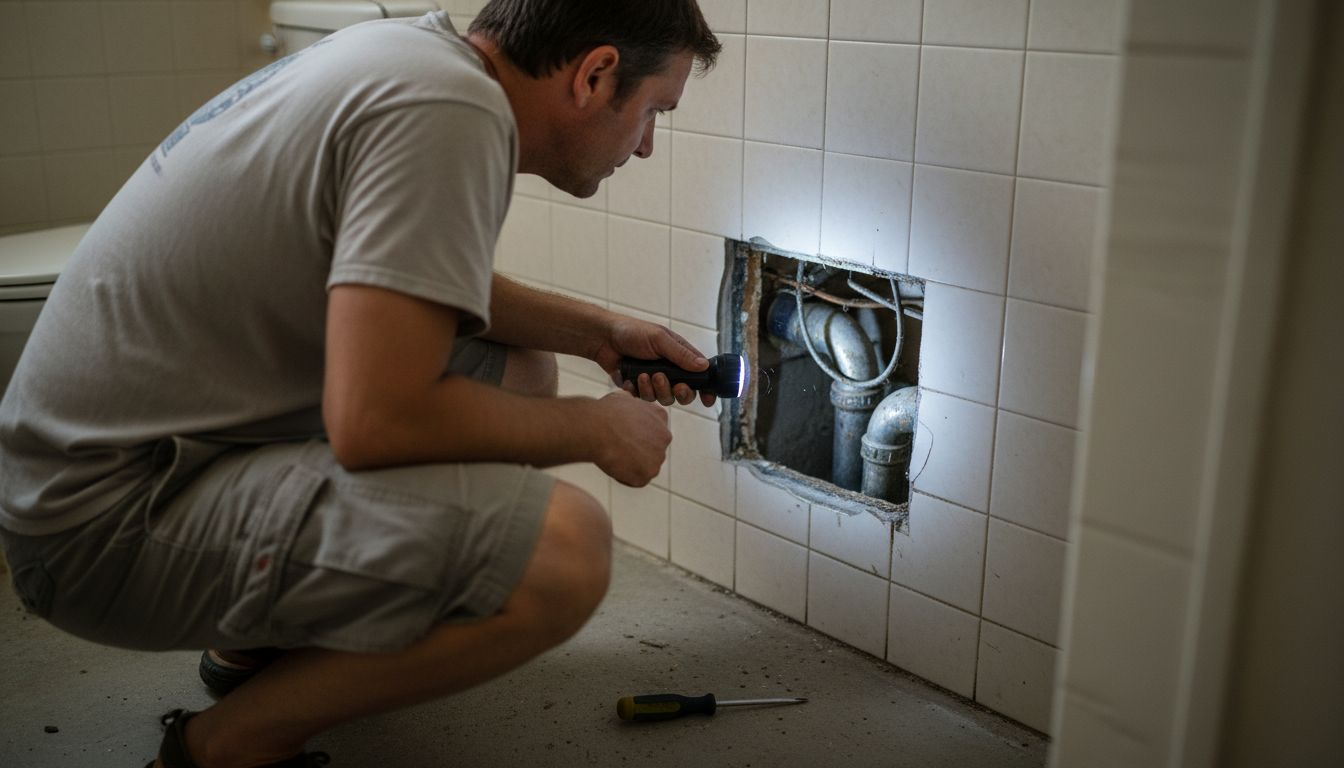
A licensed plumber can diagnose most vent problems using a combination of visual inspection, pressure testing, and camera inspection for main line blockages. For roof vent access, we use a roof-safe camera run down the vent stack from the top termination or pressurize the system to locate restrictions.
Do not attempt to clear a roof vent yourself unless you have proper fall protection equipment and are comfortable on a Florida roof pitch. Falls from rooflines are a leading cause of serious injuries in DIY home maintenance, and Tampa’s tile or metal roofing is not forgiving.
For main line and branch drain blockages that are contributing to gurgling, our drain cleaning service in Tampa uses motorized cable and hydro-jetting equipment to clear blockages that standard consumer snakes will not reach.
What Does Florida Building Code Require for Plumbing Venting?
Florida adopts the International Plumbing Code with state amendments. For residential work in Hillsborough County and Pinellas County, the key venting requirements include:
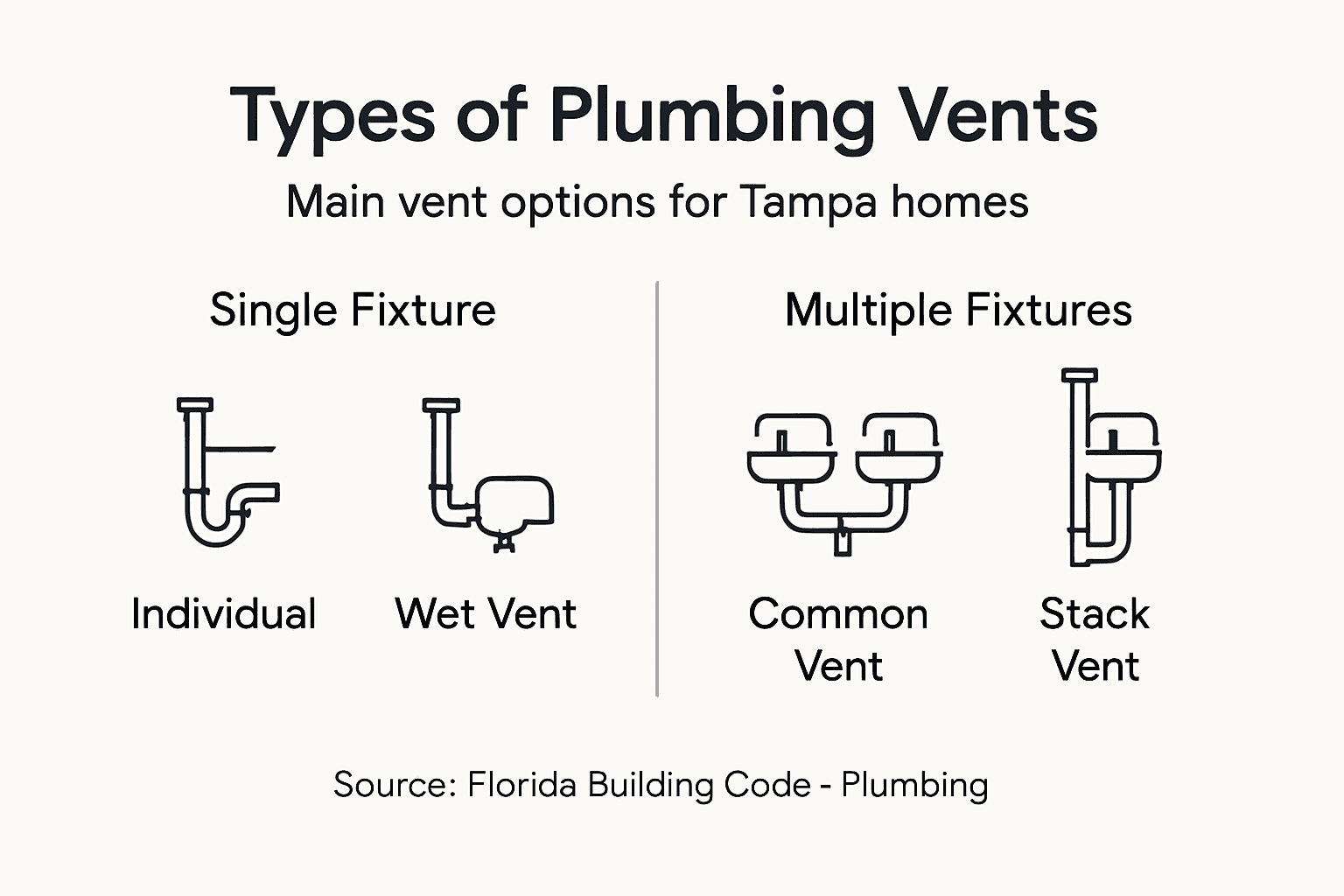
- Every trap must be vented. AAVs (air admittance valves) are code-permitted in Florida for some applications but cannot serve as the only vent for an entire system.
- Vent pipes must terminate at least 6 inches above the roof surface and at least 10 feet horizontally from any window, door, or air intake.
- Minimum vent pipe diameter is 1.25 inches for individual fixtures; main stack vents typically must be at least 3 inches for residential construction.
- Vent pipe material must be approved for the application; ABS and PVC are standard for new residential work in Florida.
Undersized or improperly routed vents are among the most common deficiencies uncovered during pre-purchase inspections of older Tampa Bay homes. See our plumbing inspection checklist for what a professional inspection covers.
What Should You Do Right Now If Your Drain Is Gurgling?
- Test if the gurgle is isolated to one fixture or appears across multiple drains. Multiple fixtures gurgling simultaneously means call a plumber; this is not a DIY drain cleaning situation.
- Run water in all infrequently-used fixtures for 60 seconds to refill any dry P-traps.
- Check if gurgling began after a recent storm. Storm debris in a roof vent is a common post-hurricane symptom.
- If you smell sewer gas anywhere inside the home, open windows, leave the area, and call a plumber. Sewer gas contains hydrogen sulfide and methane, both of which are health hazards at sustained concentrations.
- Do not pour chemical drain openers into a gurgling drain. If the line is partially blocked and pressure is already building, chemicals can create an unsafe pressure situation and cause damage.
For any gurgling or sewer smell concern in the Tampa Bay area, call Home Therapist at (813) 343-2212. We offer FREE estimates and FREE diagnosis on every call. See our full plumbing services and service area coverage across Tampa Bay.
Sources: EPA WaterSense.
Frequently Asked Questions: Gurgling Drains and Sewer Smell in Tampa
Why does only my toilet gurgle when I run the washing machine?
The toilet and washing machine likely share a horizontal drain branch or a common vent. When the washing machine discharges a large volume of water quickly, it can create enough pressure in the shared line to push air up through the toilet trap, which you hear as gurgling. This typically points to either a partial blockage in the shared drain line or a restriction in the shared vent. It should be evaluated by a plumber rather than ignored, because it often progresses to a full backup.
Can I clear a blocked vent stack with a garden hose?
Sometimes, but only if you can safely access the roof vent termination. Running a hose down the vent can flush loose debris. A more serious blockage from biological buildup, a bird nest, or a collapsed section will require professional equipment. If the hose water does not drain freely back down and you feel resistance, stop and call a plumber rather than forcing water into a fully blocked vent.
How much does it cost to fix a gurgling drain in Tampa?
Diagnosis is FREE on every Home Therapist call. Simple drain cleaning for a single-line blockage typically is $279 for approved service work. Camera inspection or main line cleaning for a more complex blockage runs higher. We provide written pricing before any work starts. See our Tampa Bay plumbing pricing page for general ranges.
Is sewer smell in a Tampa home dangerous?
At low concentrations, sewer gas is primarily an odor nuisance. At sustained higher concentrations in enclosed spaces, hydrogen sulfide and methane both present health and explosion risks. If the smell is strong, persistent, or making anyone feel unwell, leave the area, ventilate the space, and call a plumber and potentially the gas company for a safety check before returning.
Will a Tampa home fail inspection for plumbing venting issues?
A licensed home inspector will flag venting deficiencies in an inspection report. In Florida, the most common findings in older homes are missing vent screens on roof terminations, AAVs used in applications where they are not permitted, and undersized individual vent pipes from pre-code-era bathroom additions. These are typically negotiable repair items rather than absolute sale-stoppers, but they do require a licensed plumber to correct before many lenders will approve financing.
More Drain Cleaning Articles
- 28-Minute Kitchen Drain Strainer Replacement on Reynoldswood Dr: Sealed and Leak-Free in Tampa, FL 33618
- Loose Toilet, Leaking Sink Lines, and a Bad P-Trap on Grant Creek Dr: A Plumbing Inspection Toilet Sink Repair in Tampa, FL 33647
- 29-Minute P-Trap Cleanout on Cherrywood Ln: Sink P-Trap Unclogging in Riverview, FL 33579
- Blower Motor Replacement in Riverview, FL 33578: Warranty Processing and Full Tune-Up on Mathog Rd
- Shower Drain Relocation in Tampa Bay: Cost, Process, and Pipe Layout


