

Annual Plumbing Inspections Cut Tampa Bay Repairs 65%
Homeowners who skip annual plumbing inspections are 3x more likely to experience emergency plumbing failures within a year. Tampa Bay’s humid, salty environment makes your plumbing especially vulnerable to corrosion, leaks, and hidden damage that escalates quickly without professional oversight. This guide shows you why annual inspections protect your home, how they save money, and what Tampa Bay homeowners need to know about preventing costly plumbing emergencies through proactive maintenance.
Table of Contents
- Introduction To Annual Plumbing Inspections
- Why Annual Plumbing Inspections Matter
- Regional Environmental Impacts On Plumbing In Tampa Bay
- Common Misconceptions About Plumbing Inspections
- What Inspectors Check During Annual Plumbing Inspections
- Cost-Benefit Analysis Of Annual Plumbing Inspections
- Implementing Annual Plumbing Inspections For Your Tampa Bay Home
- Summary And Next Steps
- Protect Your Tampa Bay Home With Expert Plumbing Services
- Frequently Asked Questions
Key Takeaways
| Point | Details |
|---|---|
| Emergency Repair Reduction | Annual inspections reduce emergency repairs by up to 65% through early detection of minor faults. |
| Regional Vulnerability | Tampa Bay’s humidity and salt air increase corrosion risks, accelerating pipe damage significantly. |
| Common Misconceptions | Homeowners often delay inspections believing no visible problems means no issues exist. |
| Comprehensive Checks | Professional inspections include pipe integrity, pressure testing, drain assessment, and corrosion detection. |
| Long-Term Savings | Proactive maintenance extends plumbing system lifespan and prevents expensive emergency replacements. |
Introduction to Annual Plumbing Inspections
Annual plumbing inspections involve a certified plumber examining your entire plumbing system to identify current problems and potential failures before they escalate. These comprehensive checks assess visible pipes, hidden connections, water pressure, drainage efficiency, and fixtures throughout your home. The goal is catching small issues like minor leaks, early corrosion, or developing blockages while they’re still inexpensive to fix.
Common plumbing problems plaguing homeowners include:
- Slow leaks behind walls causing hidden water damage
- Corroded pipe joints weakening structural integrity
- Mineral buildup restricting water flow and pressure
- Tree root intrusion damaging underground sewer lines
- Failing water heaters nearing end of service life
Tampa Bay’s environment intensifies these risks dramatically. High humidity keeps moisture levels elevated year round, accelerating metal corrosion and creating ideal conditions for mold growth. Coastal salt air penetrates homes and directly attacks metal pipes, fixtures, and fittings. Heavy seasonal rains stress drainage systems and can shift soil around underground pipes. Understanding why inspect plumbing pipes in Tampa Bay becomes critical when your local climate actively works against your plumbing infrastructure daily.
Why Annual Plumbing Inspections Matter
Early detection saves thousands of dollars by catching problems while repairs remain simple and affordable. 65% of residential plumbing failures stem from neglected minor faults detectable in annual inspections. A small pipe crack costs $150 to repair immediately but can cause $5,000 in water damage if left unnoticed for months. Professional inspections identify these vulnerabilities before they become catastrophes.
Key benefits of annual plumbing inspections include:
- Preventing water damage by finding leaks before visible ceiling stains or floor warping appears
- Controlling mold growth by eliminating hidden moisture sources feeding fungal colonies
- Reducing water waste through identification of running toilets, dripping faucets, and inefficient fixtures
- Extending equipment lifespan by maintaining optimal operating conditions for water heaters and pressure systems
- Protecting home value by preventing structural damage from undetected plumbing failures
Inspections reveal problems invisible to homeowners during daily routines. Plumbers use specialized cameras to examine inside drain pipes, pressure gauges to detect subtle flow issues, and moisture meters to find hidden leaks. This professional equipment catches developing problems months before symptoms become obvious.
Pro Tip: Schedule your annual inspection during Tampa Bay’s dry season (November through April) when plumbers have more availability and outdoor pipe access is easier.
Understanding the importance of plumbing inspections in Tampa and what to expect in a plumbing inspection helps homeowners prepare mentally and financially for this essential maintenance.
Regional Environmental Impacts on Plumbing in Tampa Bay
Tampa Bay’s coastal location creates unique plumbing challenges that inland homes never face. The combination of environmental factors accelerates system degradation and requires more vigilant maintenance than moderate climates.
Primary regional threats include:
- Salt-laden coastal air corroding exposed pipes, fixtures, and water heater components faster than inland environments
- Year-round high humidity maintaining moisture levels that promote rust, corrosion, and mold growth
- Sandy, shifting soil destabilizing underground pipes and creating stress points that develop into cracks
- Aggressive tree roots seeking water sources and penetrating sewer lines through tiny gaps
- Seasonal heavy rainfall overwhelming drainage systems and exposing weaknesses in aging pipes
Salt-based corrosion can reduce pipe lifespan by 25-30% if untreated in coastal areas like Tampa Bay. This shortened lifespan means plumbing systems that might last 40 years inland may require replacement after just 28-30 years here. Regular inspections identify corrosion early when protective treatments or targeted repairs can extend system life significantly.
“Coastal homeowners face accelerated plumbing degradation from salt air and humidity that creates a perfect storm for pipe corrosion. Annual inspections become essential maintenance rather than optional service in these high-risk environments.”
Tampa Bay’s rainy season from June through September stresses plumbing systems with increased water volume and pressure fluctuations. Water heater maintenance in Tampa becomes especially critical as these units work harder during humid months. Understanding coastal plumbing corrosion effects helps homeowners appreciate why local plumbing requires more attention than national averages suggest.
Common Misconceptions About Plumbing Inspections
Several myths prevent homeowners from scheduling timely inspections, leading to avoidable damage and expensive emergency repairs. Correcting these misunderstandings helps you make informed maintenance decisions.
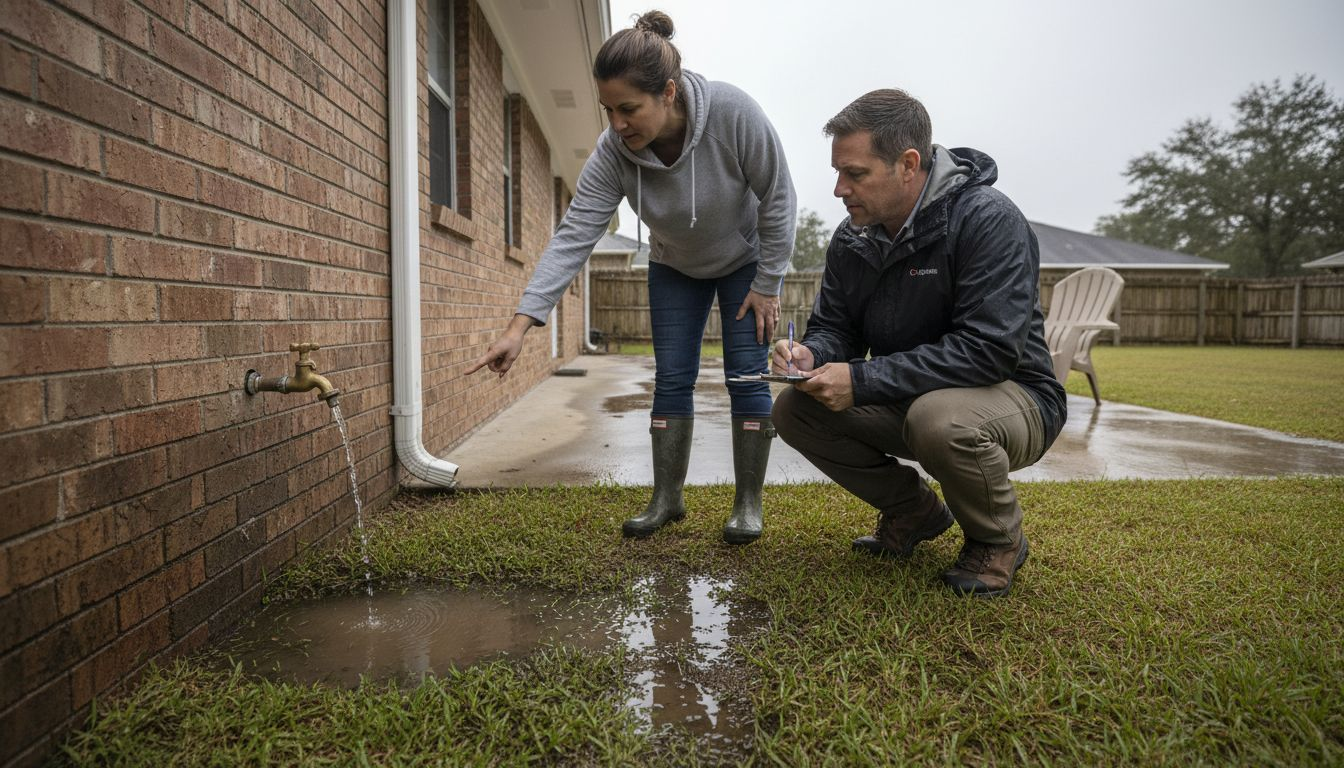
No visible problems means no inspection needed. Hidden issues behind walls, under slabs, or in crawl spaces cause the most expensive damage precisely because they remain invisible until catastrophic failure occurs. Small leaks can run for months before ceiling stains appear, by which time mold colonies have established and structural wood has rotted.
Inspections cost too much for preventive service. Annual inspections typically cost $100-$150, while emergency repairs for burst pipes, water damage restoration, and mold remediation easily exceed $3,000-$8,000. The inspection investment prevents exponentially larger bills.
DIY maintenance covers everything important. While checking for visible leaks and running toilets helps, homeowners lack specialized cameras for drain inspection, pressure testing equipment, moisture detection tools, and training to identify subtle corrosion patterns. Professional inspections catch problems DIY methods miss completely.
New homes don’t need inspections yet. Construction defects, improper installations, and warranty-period failures often appear within the first two years. Early inspections document these issues while builder warranties still cover repairs.
Pro Tip: Keep inspection reports in your home maintenance file. They provide valuable documentation for insurance claims and help future plumbers understand your system’s history.
Prioritizing regular inspections protects your investment and prevents the stress of emergency plumbing failures. Scheduling your plumbing inspection becomes straightforward once you understand the protective value these services provide.
What Inspectors Check During Annual Plumbing Inspections
Comprehensive plumbing inspections follow systematic checklists covering every component of your water supply and drainage systems. Understanding this process shows why professional service provides value DIY approaches cannot match.
Inspectors examine:
- All accessible pipes, joints, and connections for signs of leaks, corrosion, or improper installation
- Water pressure throughout the system using gauges to identify flow restrictions or dangerous high pressure
- Drain and sewer lines with camera equipment to detect blockages, root intrusion, or deteriorating pipes
- Toilet function including tank components, seals, and flush efficiency
- Faucet and fixture operation checking for drips, leaks, and proper shut-off valve function
- Water heater condition including tank integrity, temperature settings, pressure relief valve operation, and sediment buildup
- Exposed pipe insulation in unconditioned spaces to prevent freezing damage during rare cold snaps
- Outdoor hose bibs and irrigation connections for leaks and proper winterization
Professional plumbers use thermal imaging cameras to detect temperature variations indicating hidden leaks behind walls. They inspect crawl spaces and attics where homeowners rarely venture but where plumbing problems often develop unnoticed. Drain cameras reveal the interior condition of sewer lines, showing root intrusion, cracks, or sagging pipes before sewage backs up into your home.
Detailed inspection checklist details ensure no component gets overlooked during professional service. This systematic approach catches problems at their earliest, most affordable stages.
Cost-Benefit Analysis of Annual Plumbing Inspections
The financial case for regular inspections becomes clear when comparing preventive costs against reactive repair expenses. Hard data shows dramatic savings for homeowners who maintain inspection schedules.
| Service Type | Average Cost | Frequency | Annual Investment |
|---|---|---|---|
| Annual Inspection | $100-$150 | Once yearly | $100-$150 |
| Emergency Repair | $500-$2,000 | As needed | Unpredictable |
| Water Damage Restoration | $2,500-$8,000 | Per incident | Preventable |
| Pipe Replacement | $3,000-$15,000 | Every 30-40 years | $75-$500/year |
Key financial benefits include:
- Emergency repairs cost 3 to 5 times more than scheduled maintenance due to after-hours service charges, rushed parts ordering, and collateral damage repair
- Annual inspections reduce emergency plumbing calls by approximately 65% through early problem detection
- Extended system lifespan from proper maintenance delays expensive replacement projects by 5 to 10 years
- Lower water bills from identifying and fixing inefficient fixtures and hidden leaks
- Preserved home value by preventing structural damage that affects resale prices
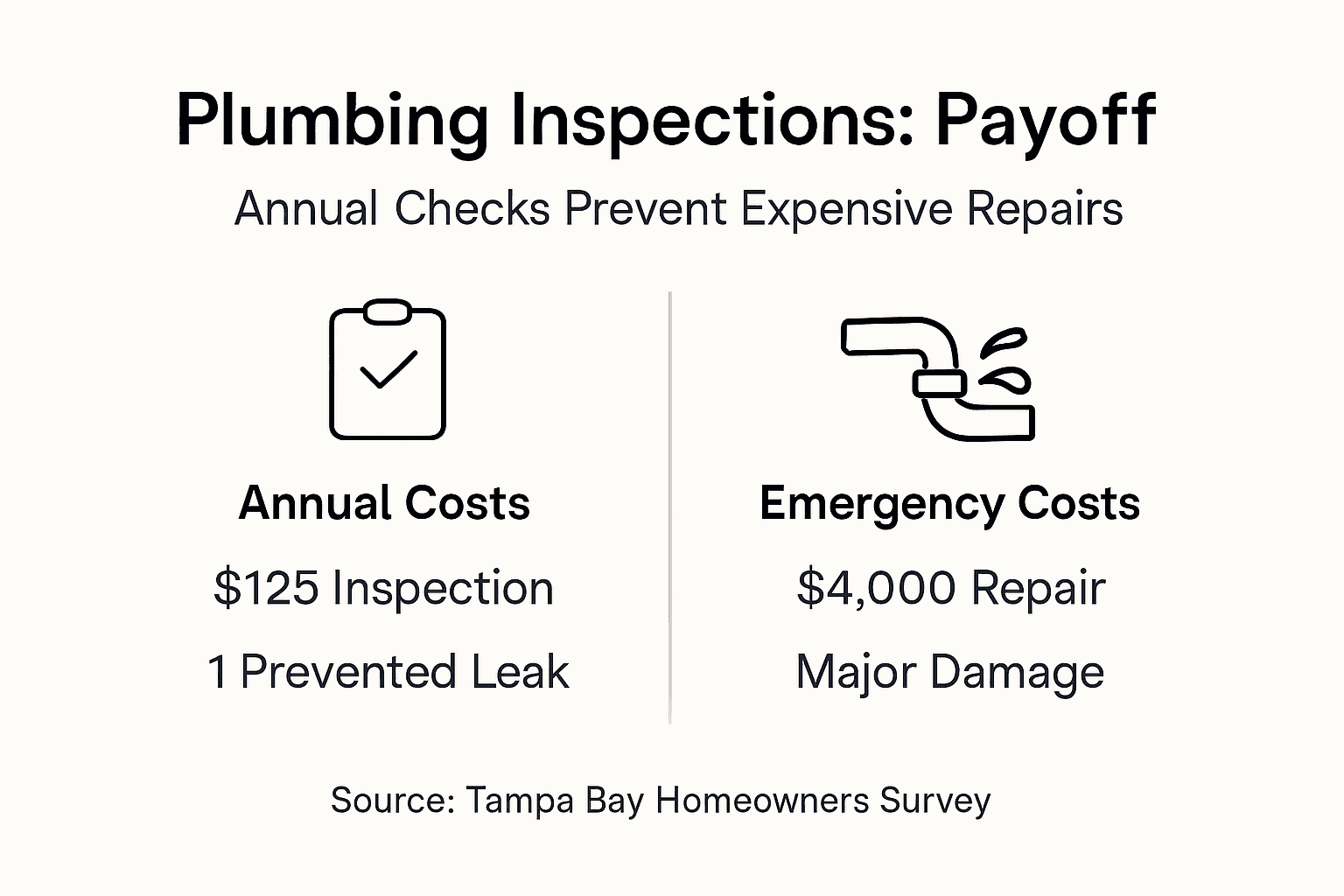
A $125 annual inspection that prevents one $4,000 emergency repair pays for itself 32 times over. Most homeowners experience multiple preventable issues over a decade, multiplying savings substantially. Maintenance plans and options often bundle inspections with priority service and discounted repairs, providing even greater value.
Implementing Annual Plumbing Inspections for Your Tampa Bay Home
Taking action on plumbing inspections requires selecting qualified professionals and establishing a maintenance schedule suited to your home’s specific needs.
Choose a licensed Tampa Bay plumber experienced with coastal plumbing challenges. Local expertise matters because regional environmental factors require specialized knowledge. Verify licensing, insurance, and customer reviews before scheduling.
Schedule inspections annually at minimum, or bi-annually for coastal properties with elevated corrosion risk. Homes within 5 miles of the Gulf face more aggressive salt air exposure and benefit from twice-yearly checks.
Prepare a written history of past plumbing issues to discuss with your inspector. Document previous repairs, recurring problems, and any concerns you’ve noticed. This information helps plumbers focus on vulnerable areas.
Follow up promptly on recommended repairs or maintenance. Inspection reports prioritize issues by severity. Address urgent items immediately and budget for recommended preventive work within 3 to 6 months.
Set calendar reminders for future inspections aligned with seasonal considerations. Schedule during Tampa Bay’s dry season when weather permits thorough outdoor inspections and repairs proceed without rain delays.
Keep all inspection reports and repair records organized. This documentation proves valuable for warranty claims, insurance purposes, and helps future plumbers understand your system’s history.
Pro Tip: Ask your plumber to show you where main shut-off valves and individual fixture shut-offs are located during the inspection. Knowing these locations saves critical time during plumbing emergencies.
Scheduling plumbing services becomes routine once you establish annual maintenance habits. Consider repiping and plumbing service advice if your inspection reveals widespread aging pipe issues requiring comprehensive updates.
Summary and Next Steps
Annual plumbing inspections deliver measurable protection for Tampa Bay homeowners facing aggressive environmental challenges. The 65% reduction in emergency repairs, combined with extended system lifespan and prevented water damage, makes inspections one of the most cost-effective maintenance investments you can make. Tampa Bay’s salt air, humidity, and seasonal rainfall accelerate plumbing deterioration beyond national averages, requiring more vigilant care than inland properties.
Taking action now prevents tomorrow’s costly emergencies. A single undetected leak can cause thousands in structural damage while running up water bills for months. Professional inspections catch these problems early when fixes remain simple and affordable. The $100-$150 annual investment protects your home’s value, prevents emergency stress, and delivers peace of mind knowing your plumbing operates safely and efficiently.
Contact trusted local plumbing professionals to schedule your comprehensive inspection today. Don’t wait for visible problems to force emergency service at premium rates. Leak inspection and diagnosis services provide the thorough assessment your home needs to stay protected year-round.
Protect Your Tampa Bay Home With Expert Plumbing Services
Your plumbing system works hard every day, and Tampa Bay’s challenging environment makes professional oversight essential for long-term performance. Home Therapist’s certified plumbers bring decades of local experience protecting coastal homes from corrosion, leaks, and preventable failures.
Our comprehensive plumbing maintenance plans include annual inspections, priority scheduling, and exclusive member discounts on repairs. We understand Tampa Bay plumbing challenges and provide customized solutions for your home’s unique needs. Our leak inspection and diagnosis services use advanced detection equipment to find hidden problems before they cause expensive damage. Schedule your plumbing service today and experience the peace of mind that comes from working with Tampa Bay’s trusted family-owned plumbing experts.
Frequently Asked Questions
How often should Tampa Bay homeowners schedule plumbing inspections?
Most Tampa Bay homes need annual inspections to catch developing problems before they escalate. Coastal properties within 5 miles of the Gulf face accelerated salt air corrosion and benefit from bi-annual inspections. Homes older than 30 years or those with previous plumbing issues should also consider twice-yearly professional checks. Contact local certified plumbers to establish a schedule tailored to your home’s age, location, and system condition.
Are annual plumbing inspections expensive for Tampa Bay homeowners?
Annual inspections typically cost between $100 and $150, which is substantially less than emergency repair bills averaging $500 to $2,000 per incident. Water damage restoration from undetected leaks often exceeds $5,000. The small preventive investment saves money long-term and prevents the stress of emergency plumbing failures.
What do plumbers look for during an annual inspection?
Plumbers examine all accessible pipes, joints, and fixtures for leaks, corrosion, and wear. They test water pressure throughout your system, inspect drains and sewer lines for blockages, and assess your water heater’s condition. Specialized cameras explore inside pipes to reveal hidden damage, while moisture meters detect leaks behind walls.
Can I rely on DIY plumbing maintenance instead of professional inspections?
DIY maintenance helps with basic tasks like checking for visible leaks and ensuring toilets flush properly. However, homeowners lack the specialized cameras, pressure testing equipment, and training to detect hidden corrosion, sewer line damage, or developing failures behind walls. Professional inspections provide comprehensive system assessment that DIY methods cannot match, catching problems months before symptoms become obvious.
About This Guide
Written and reviewed by the Home Therapist Cooling, Heating & Plumbing team, a family-owned Tampa Bay HVAC and plumbing company serving the area since 2011. Our licensed techs hold Florida HVAC license CAC1819196 and Plumbing license CFC1431159, with over 1,100 five-star reviews across Tampa, St. Petersburg, Clearwater, Wesley Chapel, Lutz, Riverview, Brandon, Valrico, Apollo Beach, Palm Harbor, Land O’ Lakes, Plant City, New Port Richey, and surrounding Tampa Bay zip codes.
Honest pricing:. Upfront quotes, no high-pressure sales, no surprise fees.
Questions about your home? Call (813) 343-2212 for a real tech, or request a callback. Available 7 days a week including evenings and weekends for emergencies.
Recommended
- Access for Plumbing Inspections in Tampa, FL Bay Area Services Home Therapist Cooling, Heating, and Plumbing
- Estimate for Plumbing Repair Costs in Tampa, FL Home Therapist Cooling, Heating, and Plumbing
- Plumbing Inspections in Tampa, FL Bay Area: What to Expect? Home Therapist Cooling, Heating, and Plumbing
- Certificado para Inspecciones de Plomería en Tampa Bay, FL Home Therapist Cooling, Heating, and Plumbing
- 7 Essential Rental Property Maintenance Checklist Tips – Rental Income Insurance
More Related Articles
- Customer-Supplied Water Heater Installed on 12th Ave S: Labor-Only Plumbing Job in St. Petersburg, FL 33711
- Stiff and Unreliable: Main Shutoff Valve Replacement on Pointer Dr, Palm Harbor, FL 34683
- Sewer and Water Line Both Needed Replacing: Underground Pipe Replacement on 9th Ave S, St. Petersburg, FL 33711
- Visit #4 on 30th Ave N: Tankless Water Heater Flush and Maintenance in St. Petersburg, FL 33710
- Garbage Disposal Humming Not Spinning: Grant Park Tampa FL 33619 Job


