

The Compressor Scope That Needed More Than a Swap: AC Repair in Riverview, FL 33579
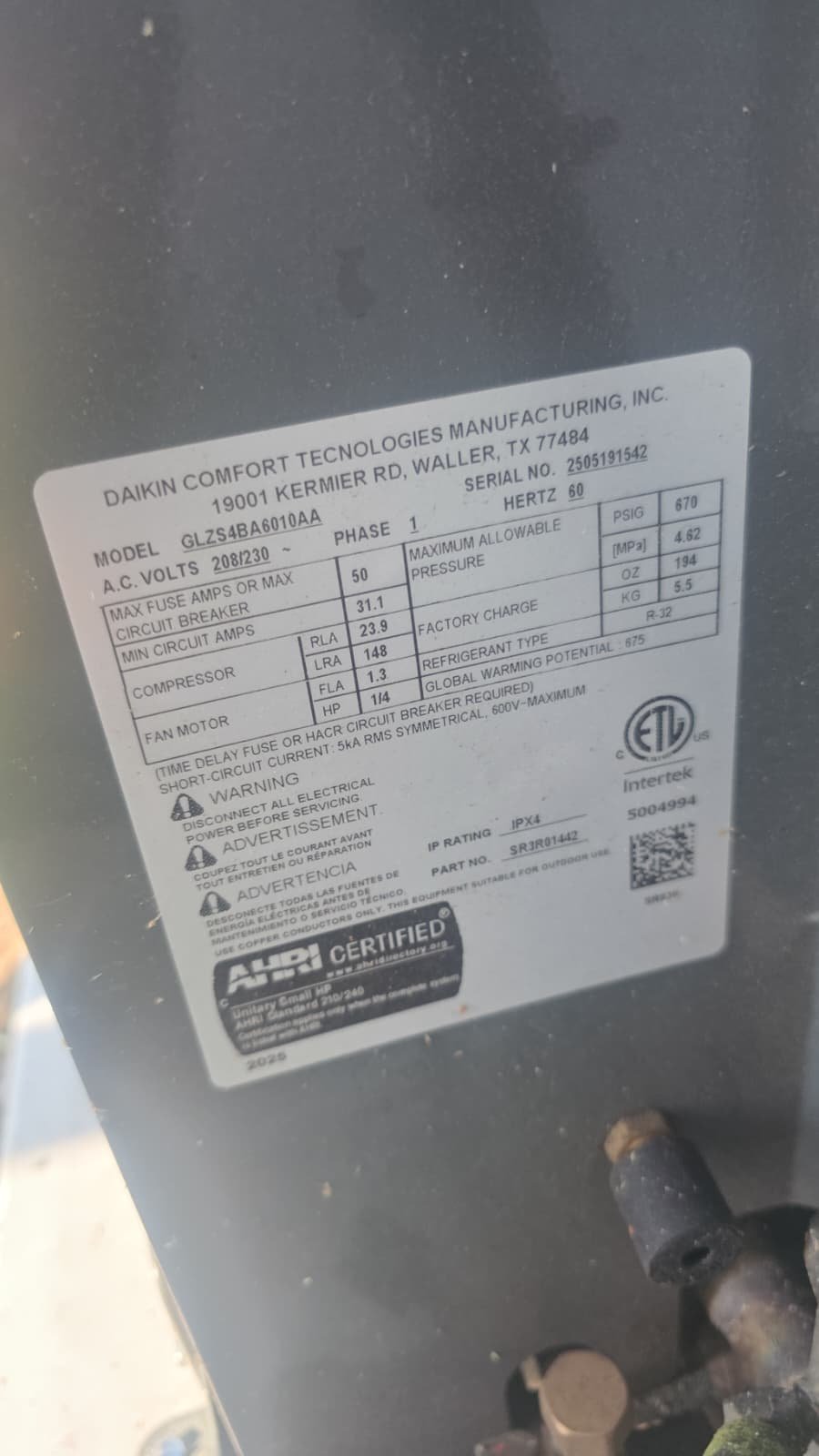
This Ac Repair In Riverview">AC repair in Riverview, FL 33579 started as a compressor replacement, but the real scope on this Lynmoor Drive home went beyond setting a new compressor in place. Barbaro handled a condenser repair that required refrigerant recovery, compressor removal, capacitor replacement, a filter dryer replacement, copper line flushing, evacuation, and R32 charging. The notes also identified part YP51K1TPFV8A1 and confirmed the new condenser compressor was covered under warranty. That combination matters because compressor work is not just a parts swap. Once we open a refrigeration circuit, cleanliness, moisture control, leak checking, and proper evacuation decide whether the repair has a fair chance to last.
For pricing and same-day availability, see our AC repair in Riverview page.
- Service performed: compressor replacement with related condenser repair work
- Location: Lynmoor Drive in Riverview, FL 33579
- Technician: Barbaro
- Named repair item: new condenser compressor, under warranty
- Related work: filter dryer replacement, copper line flush, capacitor replacement, vacuum, leak check, and R32 charge
- Specific refrigerant note: the repair included R32, with pricing tied to adding three pounds or more
AC Repair in Riverview, FL 33579 Required Opening the Refrigeration Circuit
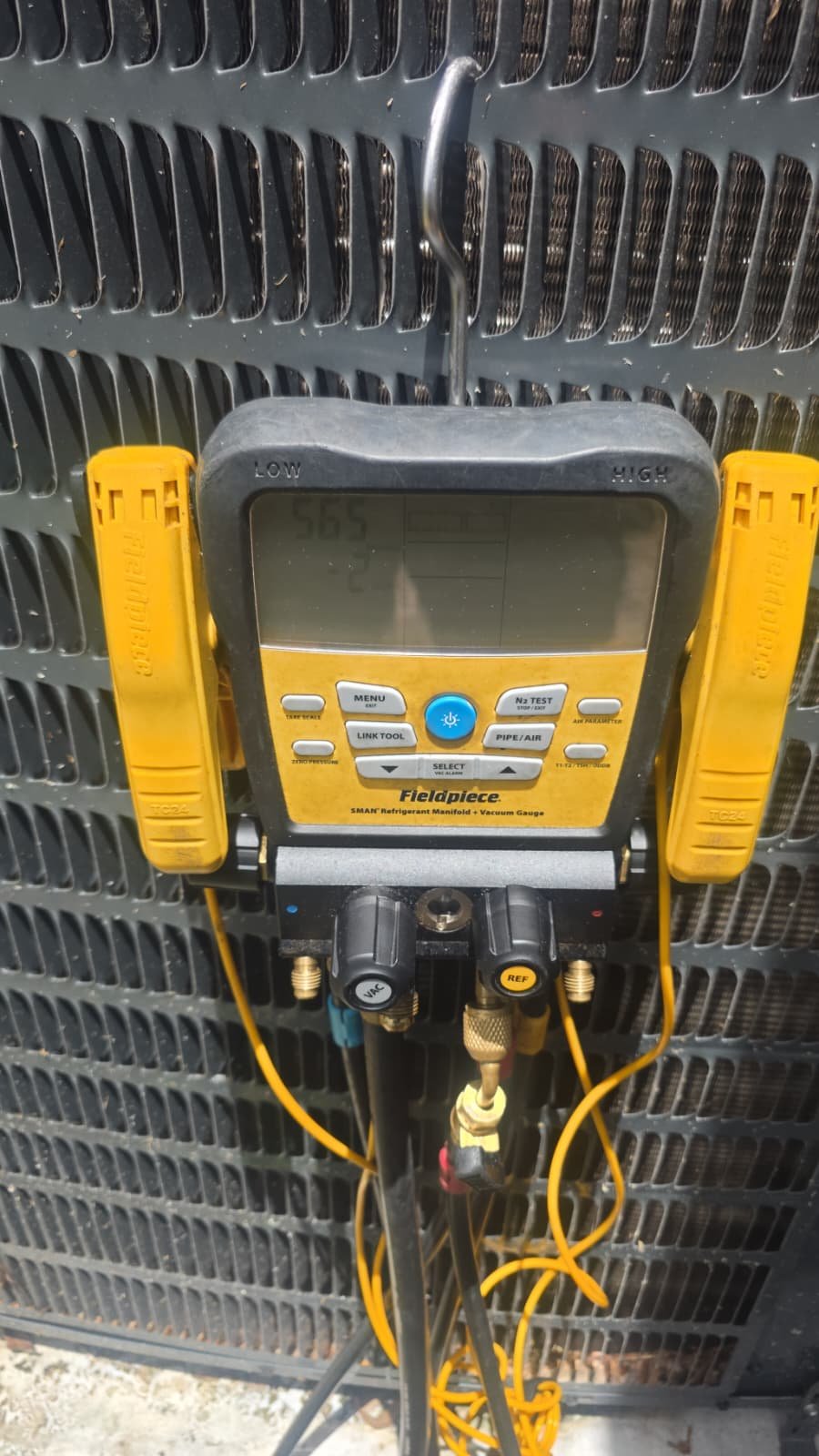
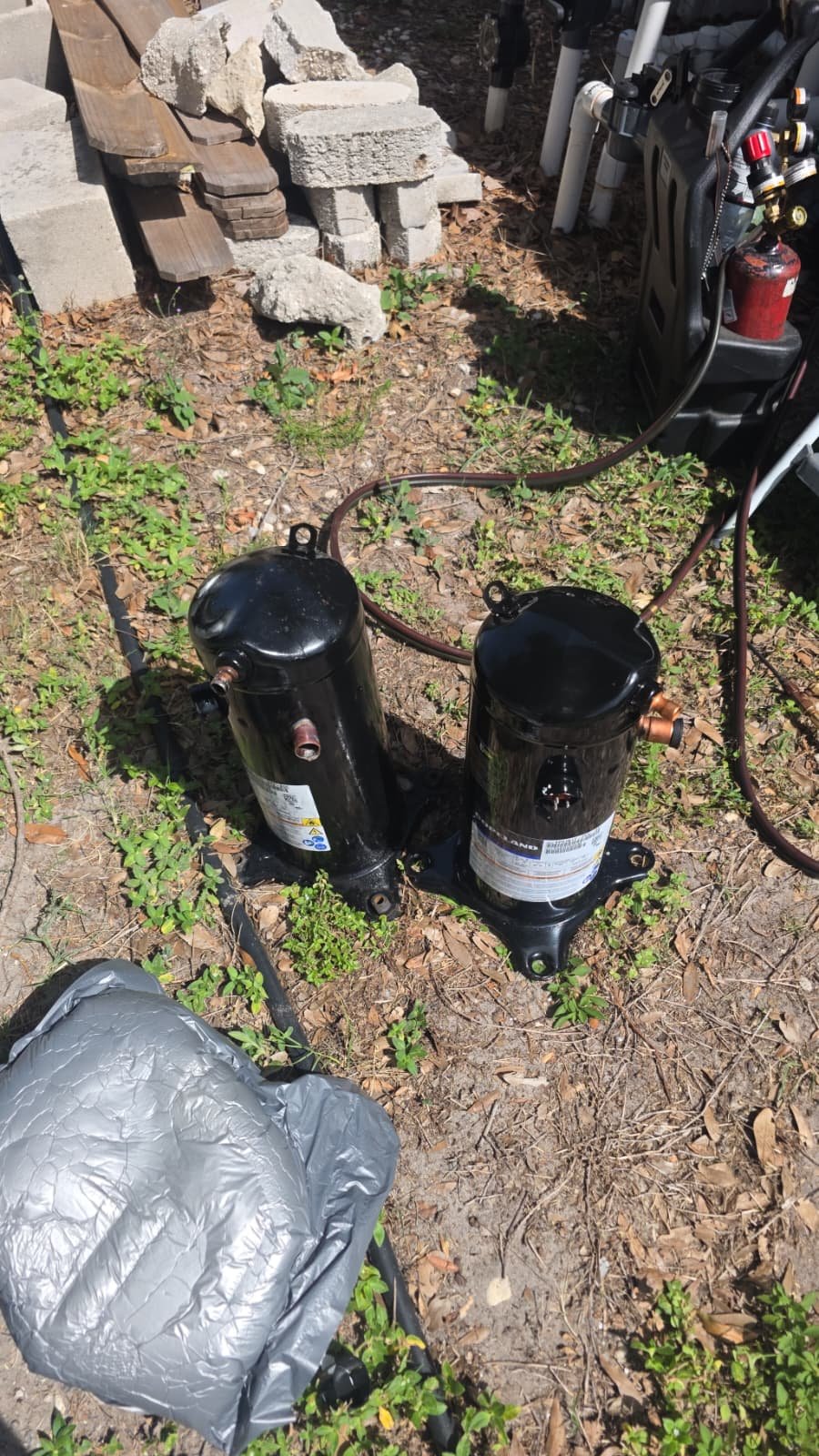
The compressor replacement on this Riverview system required refrigerant recovery before any internal condenser work could begin. A compressor sits inside the sealed refrigeration circuit, so we cannot treat this kind of AC repair like replacing an outdoor fan blade or a contactor. The refrigerant has to be released or recovered properly, the old compressor has to come out, and the new compressor has to be installed without leaving contamination behind.
.ht-grid { display: grid !important; grid-template-columns: repeat(3, 1fr) !important; gap: 8px !important; max-width: 960px !important; margin: 0 auto !important; }
.ht-figure { margin: 0 !important; padding: 0 !important; height: 155px !important; overflow: hidden !important; border-radius: 6px !important; }
.ht-figure img { width: 100% !important; height: 100% !important; object-fit: cover !important; display: block !important; }
@media (max-width: 900px) { .ht-grid { grid-template-columns: repeat(2, 1fr) !important; } }
@media (max-width: 640px) { .ht-grid { grid-template-columns: 1fr !important; } .ht-figure { height: 200px !important; } }
That is why this job description included more than the compressor itself. We replaced the capacitor, evacuated the system, and prepared the unit for a full refrigerant recharge because the system had to be opened inside the condenser. A capacitor is a small electrical component that helps the compressor start and run correctly. Replacing it during this repair reduced the chance of putting a new compressor back into service with a weak starting component still in the circuit.
The new condenser compressor was listed as warranty-covered, which helped define the parts side of the repair. The labor and related materials still mattered because the compressor is only one part of a larger refrigeration process. On this visit, the combined invoice covered multiple line items, including the compressor replacement, filter dryer replacement with copper line flushing, R32 refrigerant, miscellaneous parts, and the applied discount. The combined invoice came to $1,284.
For homeowners comparing compressor repair options, that bundled context matters. A compressor line item by itself does not show everything required to do the job correctly. Once the sealed system is opened, the supporting steps become part of the repair, not optional extras.
The Filter Dryer and Copper Line Flush Were the Key Cleanup Steps
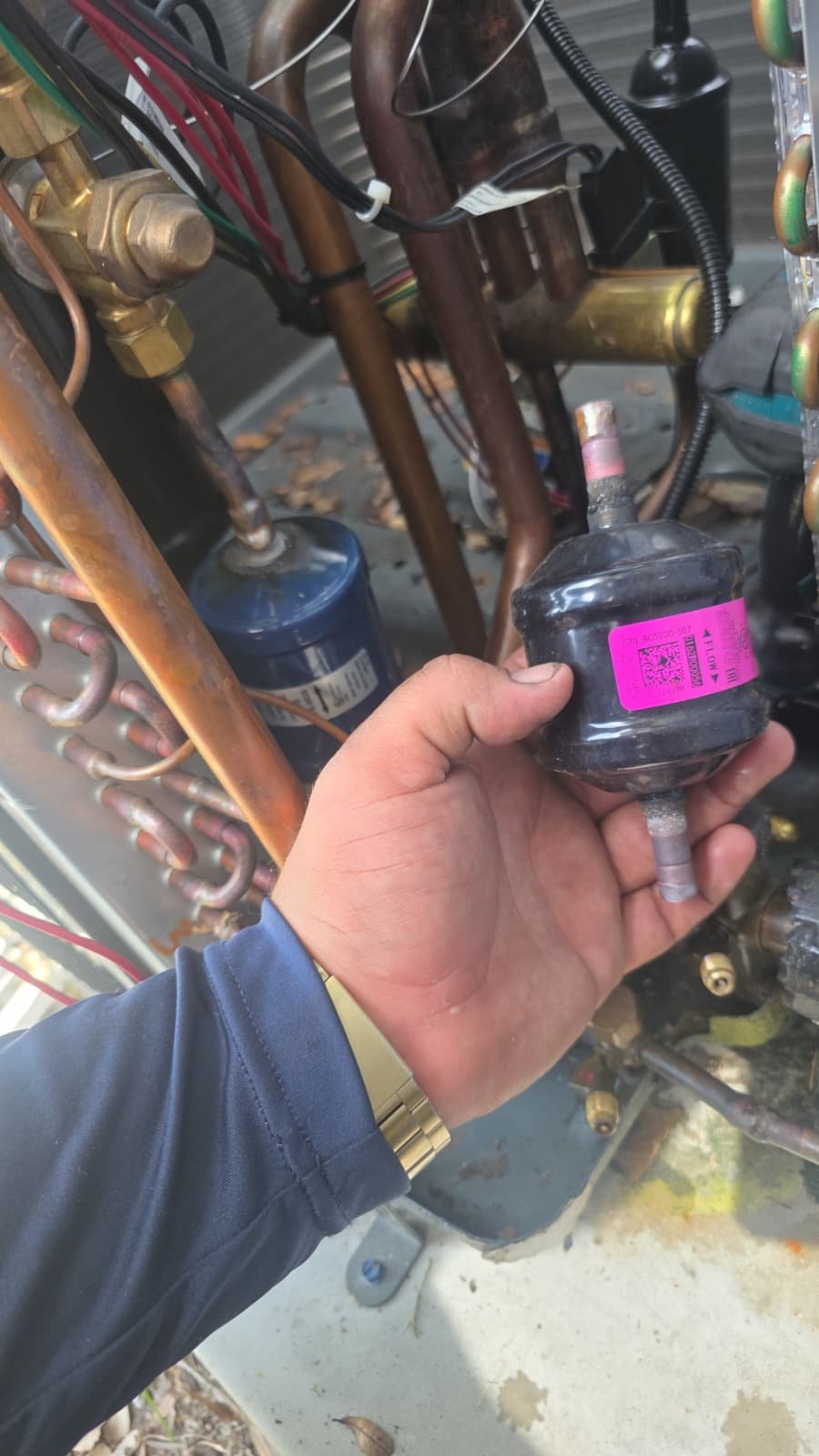
The filter dryer replacement and copper line flush were included because this repair involved clearing the refrigerant path, not just replacing a failed mechanical part. The job scope called for pumping down the gas to the condenser, flushing the lines with R11 and nitrogen to clear a blockage, replacing the filter dryer, replacing or cleaning the piston, pulling a vacuum, checking soldered connections for leaks, and adding refrigerant as needed.
A filter dryer does two jobs in an air conditioning system. It catches debris moving through the refrigerant circuit, and it helps remove moisture. Moisture is a problem because it can react inside the system and create acids or restrictions. Debris is a problem because it can block small metering points, especially around the piston or other flow-control components.
The copper line flush mattered because the job notes specifically called out clearing a blockage. When we flush refrigerant lines, we are trying to remove leftover oil, contamination, and restriction-causing material from the line set before the system goes back into service. Nitrogen helps push the flushing agent and debris out of the copper lines. That step is especially important after compressor work because the old compressor can leave contamination behind when it fails internally.
This is the insider detail many homeowners never see: a compressor replacement can fail early if the rest of the refrigerant circuit is dirty. The new compressor may be the obvious part, but the cleanup work around it often determines whether the repair is complete. On this Lynmoor Drive job, the scope properly treated the compressor, filter dryer, copper lines, piston, vacuum, and leak check as one connected system.
R32 Charging Changed How We Verified the Riverview AC Repair
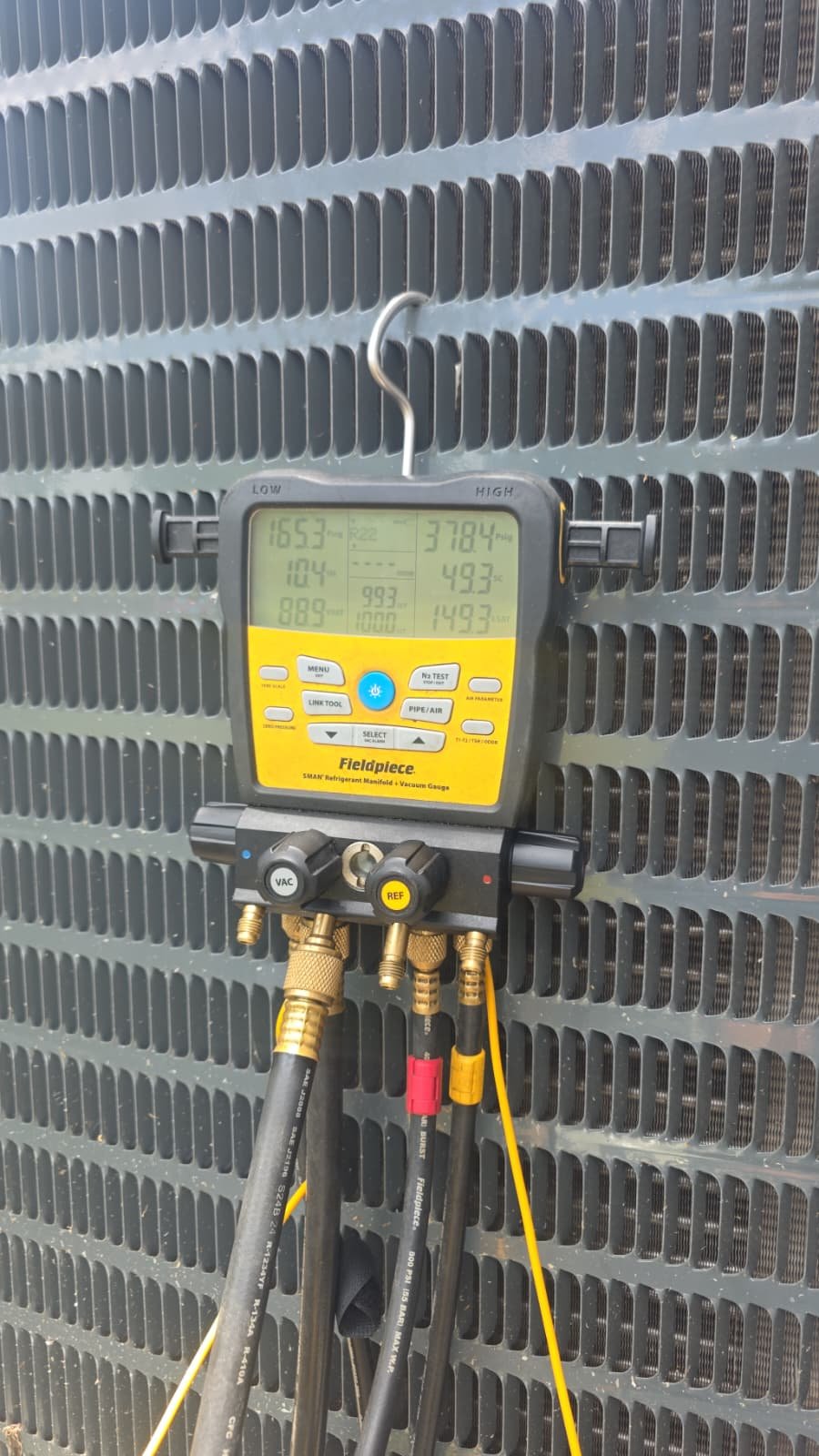
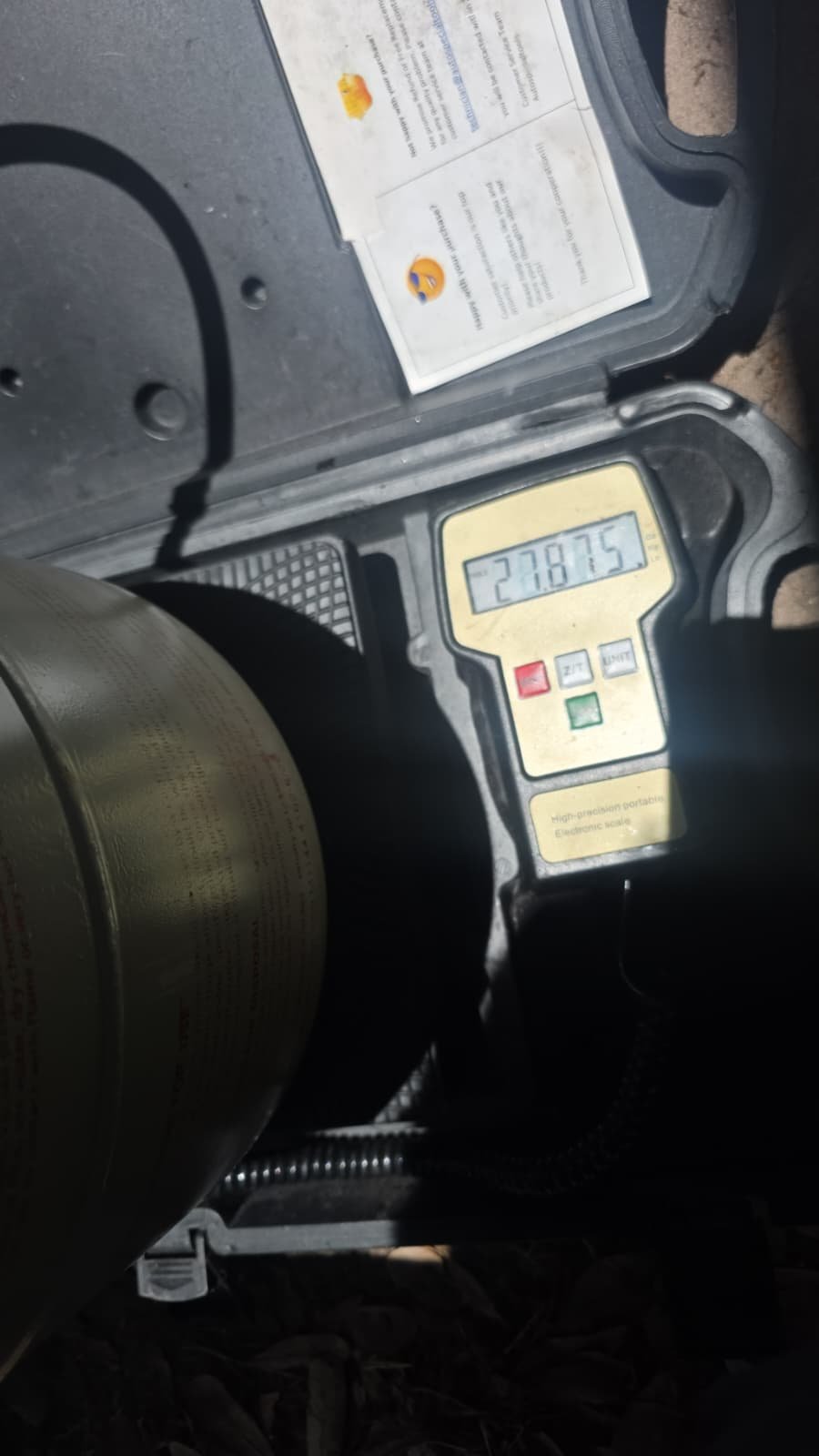
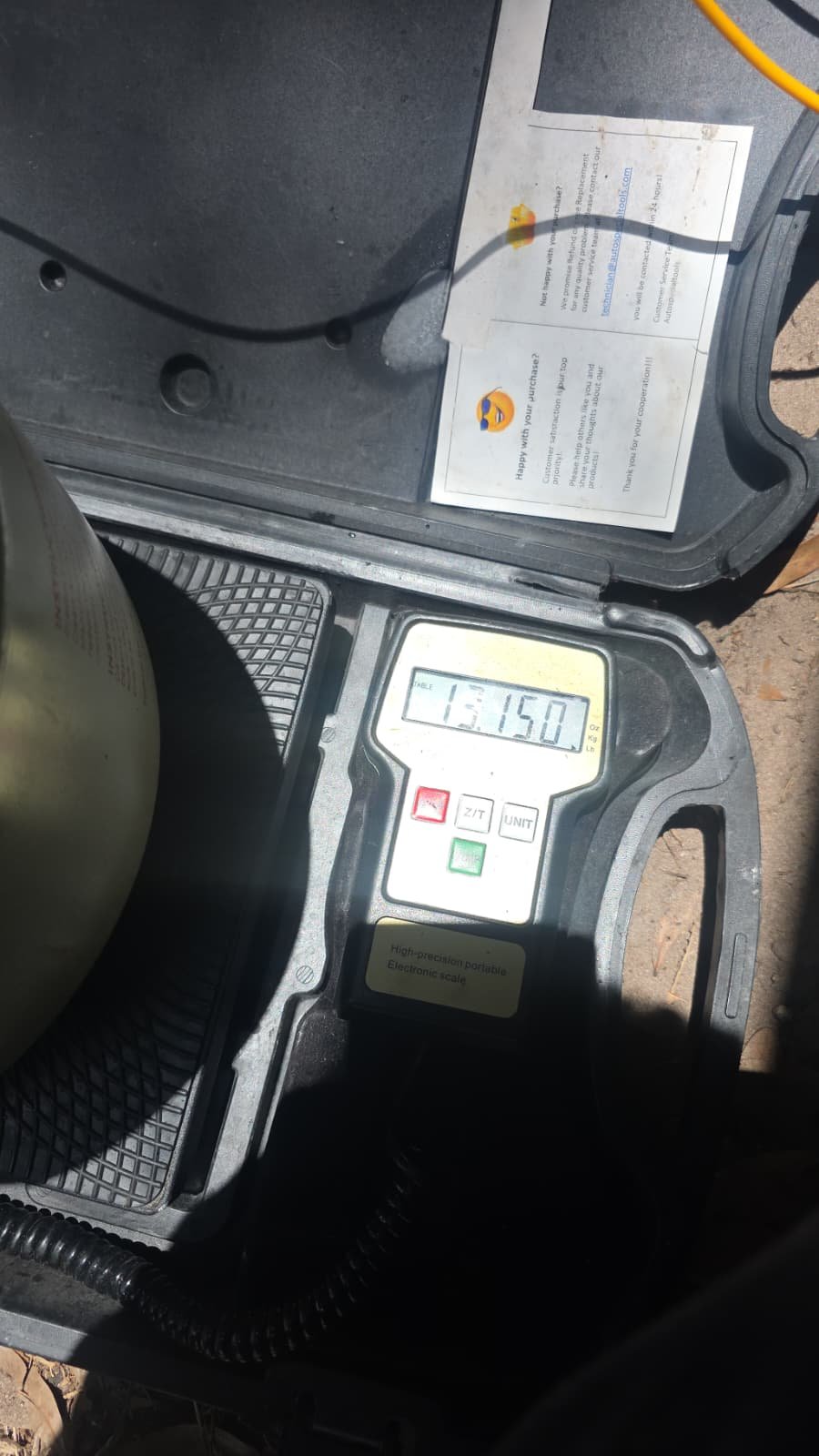
The R32 refrigerant line item made this AC repair in Riverview more specific than a generic compressor call. The job included system repair pricing for three pounds or more of R32, and the description warned that adding more than two pounds of refrigerant can indicate a leak that needs to be addressed. We did not treat that note as a scare tactic. We treated it as a practical diagnostic reminder.
When a system loses refrigerant, the technician has to think about two separate questions. First, how much refrigerant does the system need to operate after the repair? Second, why was refrigerant needed in the first place? On this job, the refrigerant had to be replaced because we were working inside the condenser, not simply because the system was low. That distinction matters. Opening the sealed system for compressor replacement changes the refrigerant handling process.
After soldering and sealed-system work, checking the soldered connections for leaks protects the repair. A leak check is not just a formality. Any leak at a connection can waste refrigerant, reduce cooling performance, and make the homeowner think the compressor repair failed when the real issue is a loss of charge. Pulling a vacuum also matters because it removes air and moisture before refrigerant goes back into the system.
Barbaro approached this repair as a full sealed-system service. The part number YP51K1TPFV8A1 appeared in the notes, and the compressor was tied to Goodman parts availability. The brand reference here is simply part of the repair record. The important field decision was not brand preference. It was making sure the compressor replacement, line cleanup, vacuum, leak check, and R32 charging all matched the actual condition of the system.
Pro Tips for Riverview Homeowners Facing Compressor AC Repair
Compressor repair decisions in Riverview should focus on the whole sealed system, not just the compressor price. Tampa Bay heat keeps outdoor condensers working through a long cooling season, and that steady load makes small electrical or refrigerant problems show up faster.
Ask whether the filter dryer will be replaced when the refrigerant circuit is opened. A new filter dryer helps protect the system from moisture and debris after major sealed-system work. It is a small part compared with a compressor, but it plays a major role in cleanup.
Ask whether the line set needs flushing. If there is a blockage, contamination, or compressor-related debris, flushing the copper lines can be the difference between a complete repair and a repeat failure. This Lynmoor Drive job included that step because the scope called for clearing a blockage.
Pay attention to refrigerant notes. If a system needs more than a small refrigerant adjustment during ordinary service, the technician should explain why. In this case, R32 was needed because the repair required opening the condenser circuit. That is different from simply topping off a leaking system.
Keep the outdoor condenser area clear. Riverview yards can grow fast during humid months. Grass clippings, vines, and leaves around the condenser make heat rejection harder, which adds stress to the compressor during peak cooling days.
Compressor Replacement Questions From This Lynmoor Drive Job
Why did this compressor replacement include a filter dryer replacement?
The filter dryer was included because the refrigeration circuit was opened for compressor work. Once that happens, moisture and debris control become part of the repair. A filter dryer helps trap particles and absorb moisture before they can move through the system. On this Riverview job, that step paired with the copper line flush because the scope also called for clearing a blockage.
Why did the copper lines need to be flushed?
The job scope called for flushing the lines with R11 and nitrogen to clear a blockage. That tells us the repair was not limited to removing one compressor and installing another. Flushing helps move contamination out of the copper line set before the system is evacuated and recharged. Without that cleanup, debris can restrict refrigerant flow and put unnecessary stress on the new compressor.
Does adding three pounds or more of R32 always mean there is a leak?
No. On this job, refrigerant replacement was expected because the repair required work inside the condenser. When a sealed system is opened for compressor replacement, the refrigerant handling process changes. The job description still included a smart warning: adding more than two pounds during ordinary service can point toward a leak. The context of why refrigerant was needed matters.
Why replace the capacitor during a compressor repair?
The capacitor helps the compressor start and run. If a weak capacitor remains in place after a compressor replacement, the new compressor can struggle during startup. This job included capacitor replacement as part of the compressor scope. That decision made sense because the electrical starting side and the mechanical compressor side work together every time the system turns on.
Was this a replacement recommendation for the equipment brand?
No. This was a repair of the existing condenser system, not a recommendation to replace the air conditioner with the same brand. Home Therapist services every brand, and repair articles may name the equipment or parts involved when the job record provides that information. Replacement recommendations follow our installed equipment standards, which are separate from repair documentation.
Why Choose Home Therapist for Riverview AC Repair
Home Therapist has served Tampa Bay homeowners since 2017 with licensed HVAC and plumbing service. Our HVAC license is CAC1819196, and our plumbing license is CFC1431159. We service every brand, and we bring the same diagnostic discipline to compressor repairs, drain issues, tune-ups, and full system evaluations. Homeowners can review our company through Facebook reviews, connect with us on Instagram, and verify our local business presence with the Better Business Bureau. With more than 1,100 five-star reviews, we focus on clear findings, practical repair options, and no-pressure guidance for Riverview and the surrounding Tampa Bay area. You can also visit Home Therapist online for service information.
Schedule AC Repair in Riverview, FL 33579
If your system in Riverview, FL 33579 needs compressor work, refrigerant service, or a second look after a major failure, call Home Therapist at (813) 343-2212. We lead with FREE estimates and FREE diagnosis, then explain what we find in plain language before work begins. Whether the answer is a targeted repair or a larger equipment conversation, our team will keep the scope focused on the facts of your system and your home.
The industry guidance behind this approach is set out in ACCA technical standards.


