

Warm Air Pointed to One Worn Capacitor: AC Repair in Tampa, FL 33618
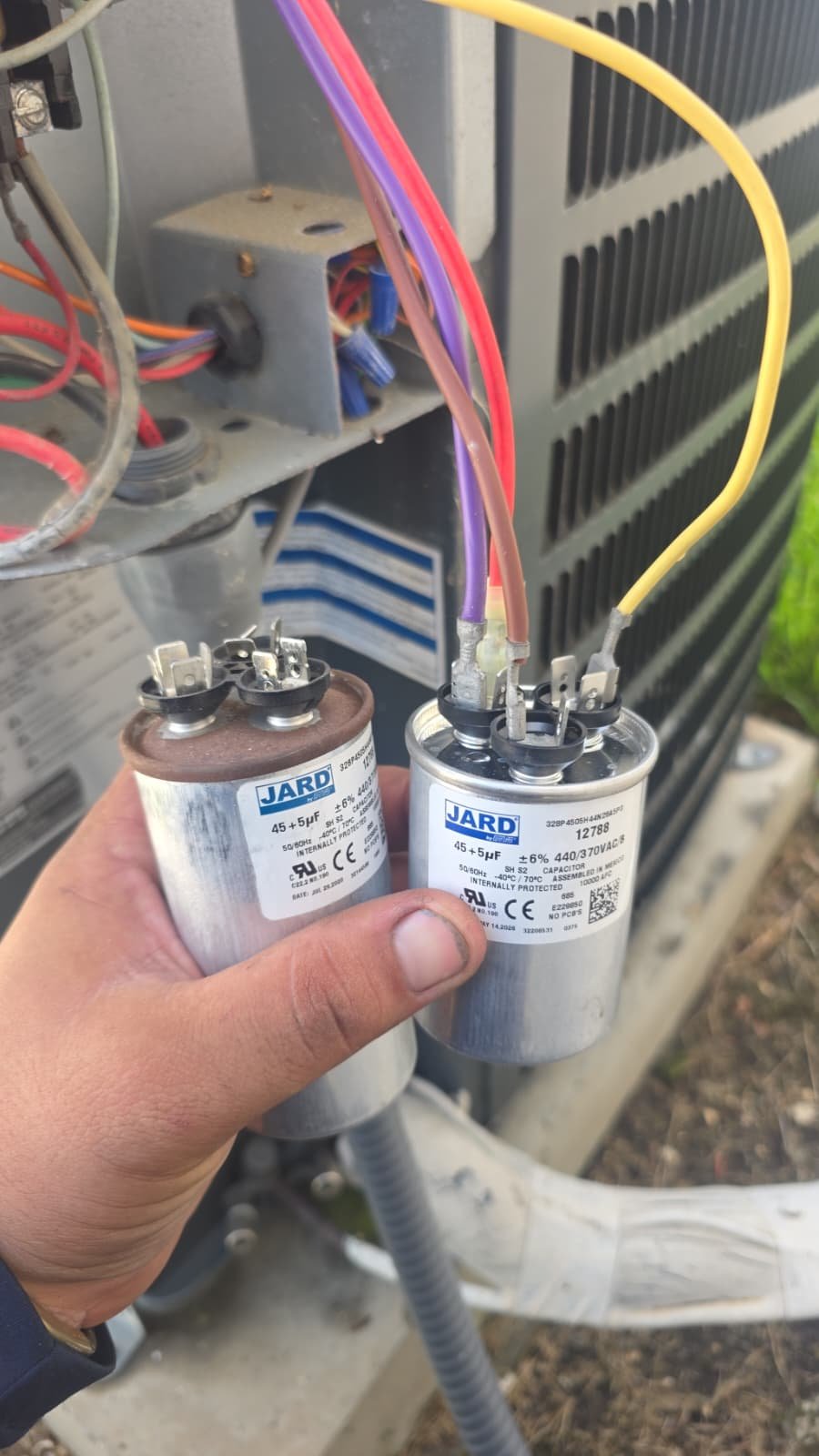
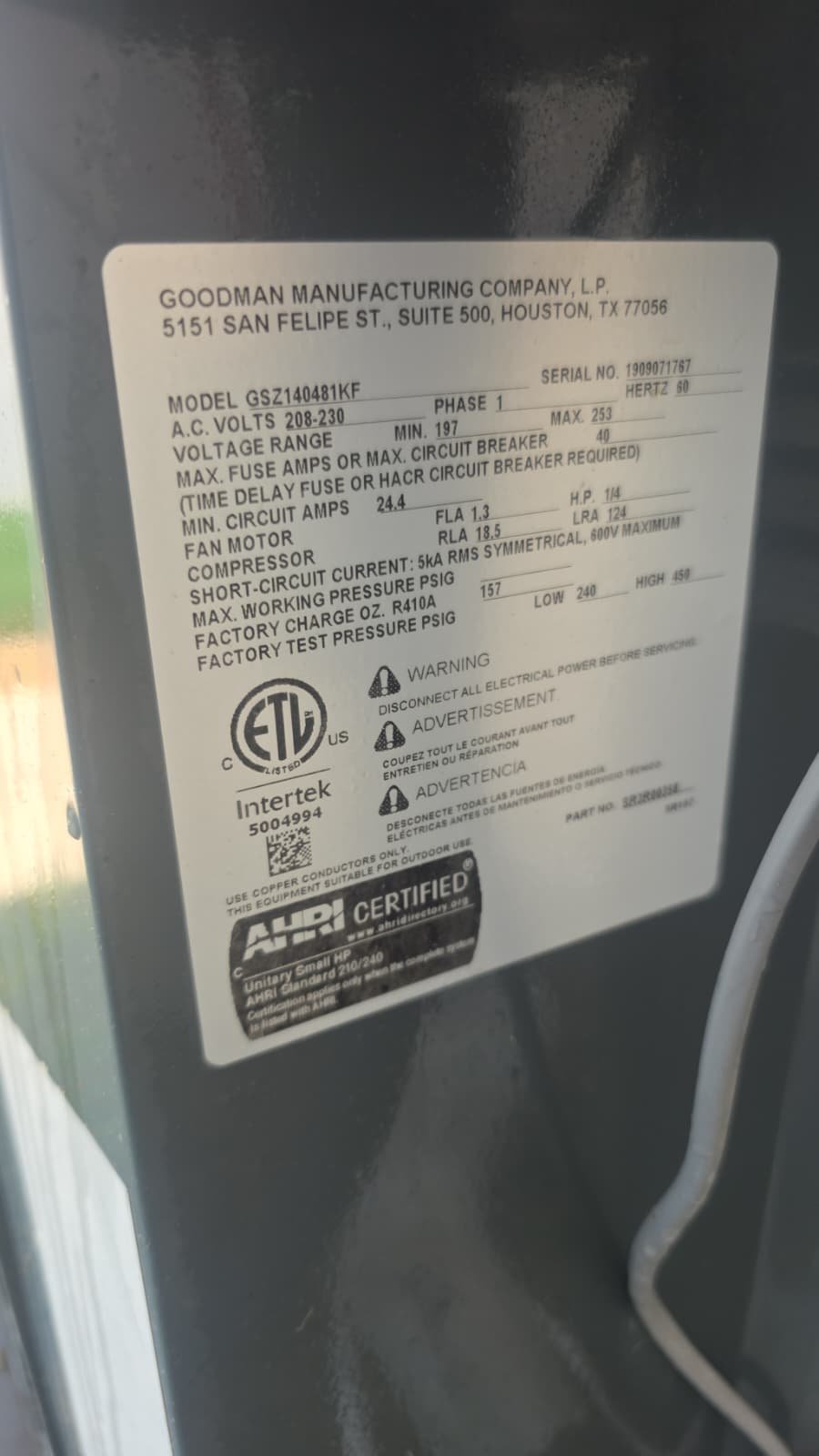
The AC system at this Pleasant Lake Drive home in Tampa, FL 33618 was running, the blower was moving air, and the vents had normal airflow, but the air coming out was warm instead of cold. Barbaro arrived during the requested afternoon window for a FREE diagnosis and focused on the difference between airflow problems and cooling problems. The equipment was approximately 7 years old, and the key finding was a damaged run capacitor with age-related deterioration. For this AC repair, replacing the capacitor was the right corrective step because the system could run without producing proper cooling when the motors could not start and operate efficiently.
For pricing and same-day availability, see our AC repair in Tampa page.
- Service performed: AC repair with capacitor replacement
- Location context: Pleasant Lake Drive in Tampa, FL 33618
- Technician on site: Barbaro
- Homeowner situation: system running, airflow present, but vents blowing warm air
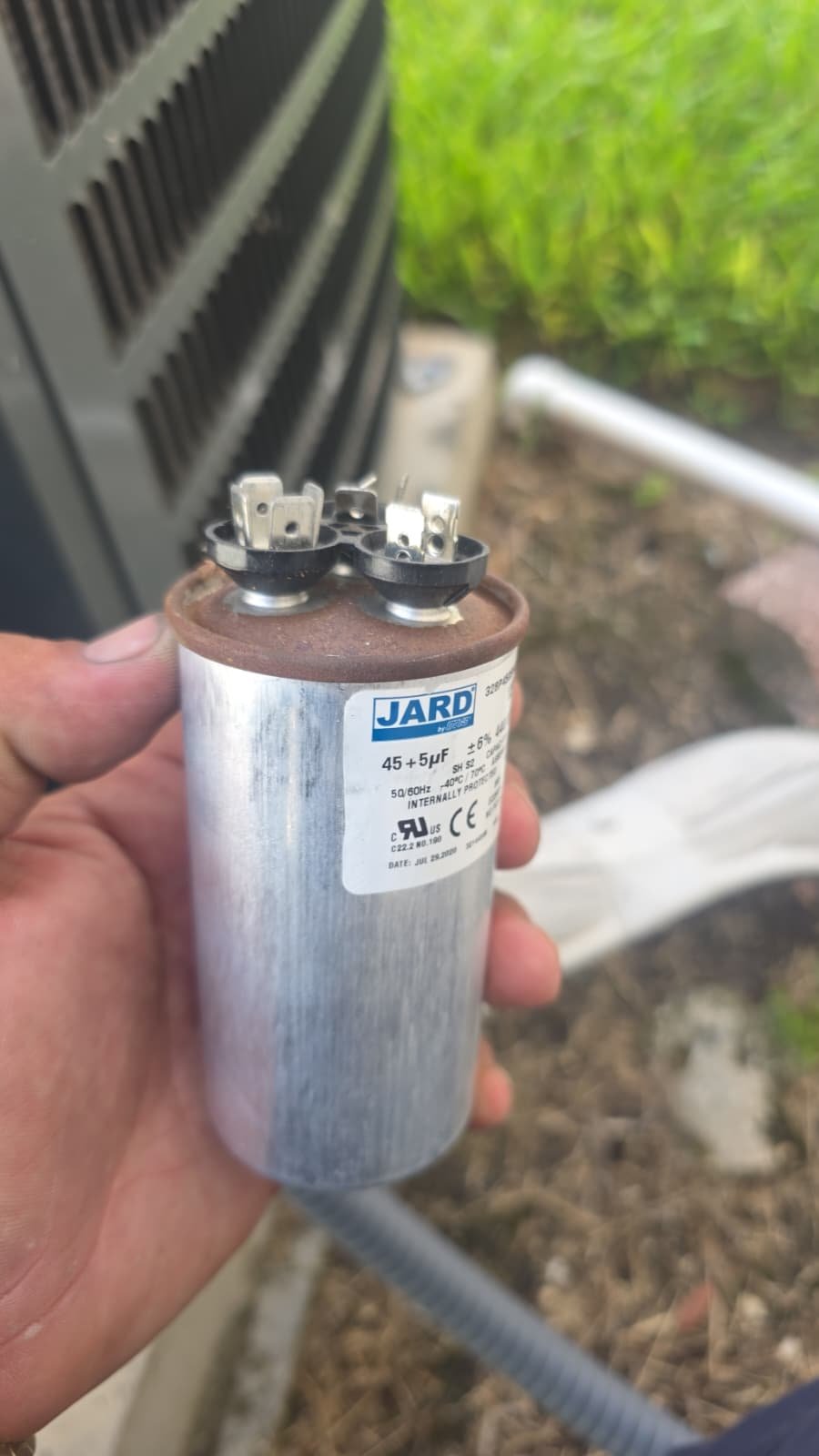
- Key finding: damaged run capacitor on an approximately 7-year-old system
- Repair completed: new capacitor installed to restore normal operating condition
The AC repair in Tampa, FL 33618 started with a warm-air symptom, not an airflow failure
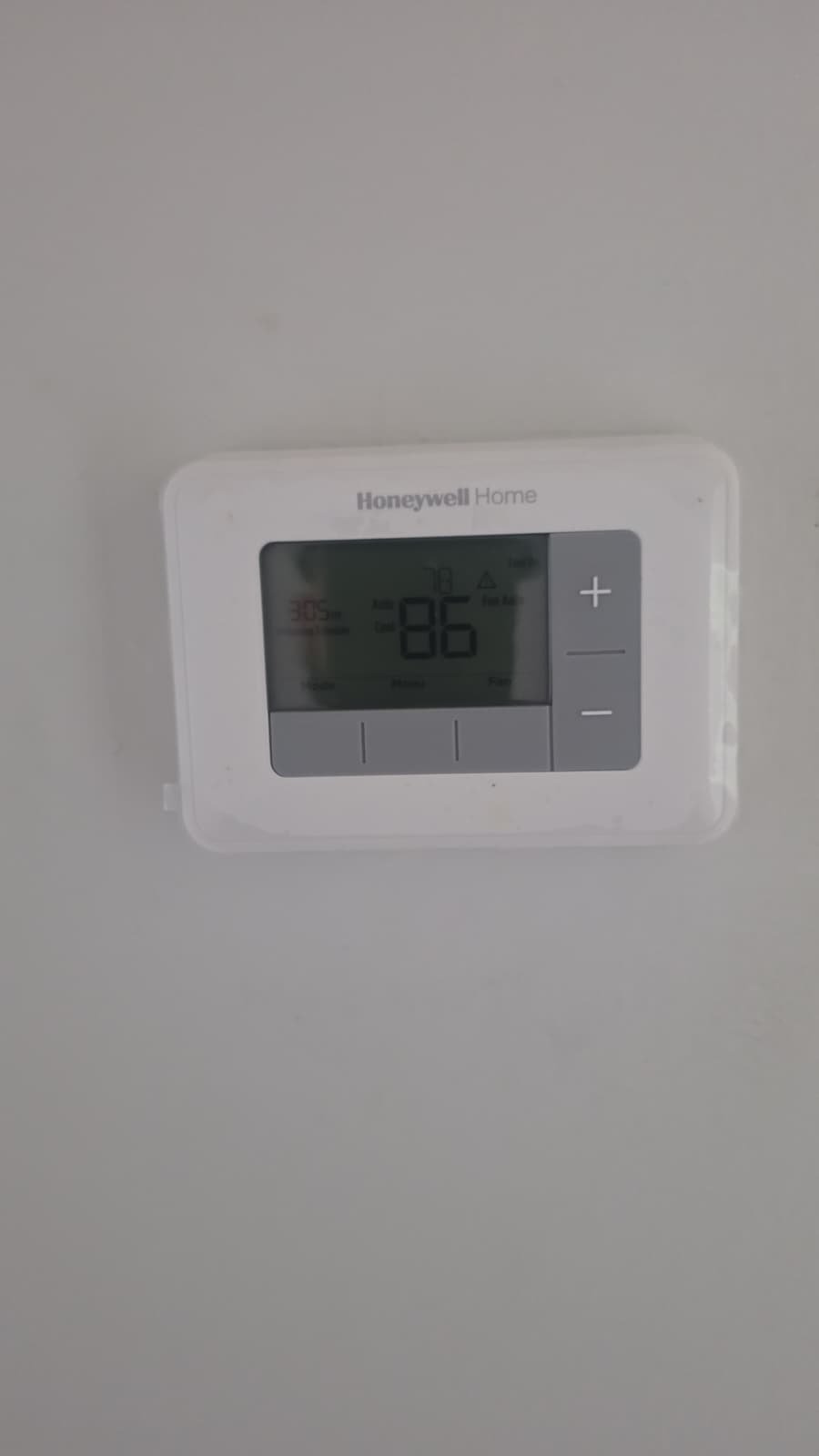
This AC repair in Tampa, FL 33618 had a helpful clue before the panel ever came off: the homeowner reported that the system turned on normally and produced normal airflow, but the air from the vents was completely warm. That matters because a home can feel uncomfortable for several different reasons. Weak airflow points us toward filters, blower issues, duct restrictions, or an indoor fan problem. Normal airflow with no cooling points us toward the outdoor side of the system, the compressor circuit, electrical starting components, or refrigerant-side performance.
.ht-grid { display: grid !important; grid-template-columns: repeat(3, 1fr) !important; gap: 8px !important; max-width: 960px !important; margin: 0 auto !important; }
.ht-figure { margin: 0 !important; padding: 0 !important; height: 155px !important; overflow: hidden !important; border-radius: 6px !important; }
.ht-figure img { width: 100% !important; height: 100% !important; object-fit: cover !important; display: block !important; }
@media (max-width: 900px) {.ht-grid { grid-template-columns: repeat(2, 1fr) !important; } }
@media (max-width: 640px) {.ht-grid { grid-template-columns: 1fr !important; }.ht-figure { height: 200px !important; } }
Barbaro treated the call as a diagnostic problem, not a guess. The indoor air handler was in a closet, and the condenser was outside. Since the blower was already moving air through the vents, the inspection focused on why the refrigeration cycle was not producing cold air. A run capacitor became the center of the diagnosis because that part helps the compressor and fan motor maintain the electrical phase shift they need to start and run under load.
In plain terms, a run capacitor stores and releases electrical energy in a controlled way. It does not cool the air by itself. It supports the motors that make cooling possible. When it weakens, the system may still sound like it is trying to operate, but the compressor or fan motor can struggle, run inefficiently, or fail to start correctly. That matches the symptom from this visit: the homeowner had air movement, but not cold air.
The capacitor showed signs of degradation consistent with normal end-of-life wear for equipment of this age. The service report listed the system age at approximately 7 years, which sits inside the typical capacitor lifespan range of 5-10 years. Tampa heat can shorten that range because outdoor electrical components work through a long cooling season, repeated starts, high attic and outdoor temperatures, afternoon storms, and ongoing electrical stress.
Why the run capacitor was the right AC repair decision on Pleasant Lake Drive
The run capacitor on this Pleasant Lake Drive job was damaged, and the failure mode was age-related deterioration. That is a specific finding, not a broad assumption. We did not need to turn this visit into a larger repair without evidence. The system had a defined electrical component failure, and replacing that component matched both the symptom and the inspection result.
This is where many homeowners get nervous, especially when the AC is running but not cooling. It is easy to assume the system needs refrigerant, a compressor, or a full replacement. In this case, the better insider take is the opposite: a running system blowing warm air does not automatically mean a refrigerant leak or a failed compressor. A weak run capacitor can create motor strain and reduce compressor or fan efficiency before anything larger has failed. Finding the smaller failed part early can keep the repair focused.
For this visit, the capacitor replacement, parts and labor, came to $279. We mention that in context because this was a single corrective repair after a FREE diagnostic visit, not a bundled installation quote or a multi-system project.
The new capacitor needed to match the system’s original equipment specifications for microfarad rating and voltage. Those values are not interchangeable. A capacitor with the wrong rating can make a motor run outside its intended design, which can increase heat, reduce efficiency, or shorten motor life. Matching the correct specifications protects the equipment better than simply installing a part that looks similar.
After replacement, the goal was straightforward: restore the system to normal operating condition and verify that the cooling problem was resolved. The service report also recommended considering a hard start kit or surge protector. A hard start kit can help a compressor start more smoothly under certain conditions, while a surge protector helps guard sensitive electrical components from voltage spikes. Those recommendations were not scare tactics. They were practical options based on a capacitor failure on a system working through Tampa’s heat and storm-prone electrical environment.
This 7-year-old capacitor fit a common Tampa heat pattern
A 7-year-old run capacitor in Tampa sits in the window where age, heat exposure, and electrical stress often show up together. The service report noted a typical capacitor lifespan of 5-10 years, and this unit was approximately 7 years old. That timing helped explain why the failure looked like normal end-of-life wear instead of an unusual event.
Capacitors live a hard life in Florida. The outdoor condenser cabinet sits through long summer run times, high humidity, radiant heat, afternoon storms, and frequent start cycles. Each start cycle asks the electrical components to support a motor under load. Over time, the capacitor can weaken internally even if the rest of the system still looks serviceable. That is why a capacitor can fail before a homeowner sees obvious damage from the outside.
The practical lesson from this AC repair is that a small electrical part can have a large comfort effect. A capacitor does not look dramatic, but it supports the compressor and fan motor. When it degrades, the motor may pull harder than it should, the compressor may struggle, and the outdoor unit may not remove heat from the home properly. The homeowner feels the result at the vents as warm air.
We also pay attention to how the problem was described. The homeowner did not say there was no airflow. The note said airflow was present and the system was running. That detail kept the diagnostic path focused. Good HVAC troubleshooting starts with listening to the symptom carefully, then confirming the part that best explains it.
Pro Tips for Tampa homeowners after a capacitor replacement
Pay attention when airflow feels normal but the air is warm. That combination often points away from a basic airflow restriction and toward the cooling side of the system. It does not prove a capacitor failure by itself, but it gives a technician a strong starting point.
Ask whether the replacement capacitor matched OEM specifications. The microfarad rating and voltage matter. The correct capacitor helps the motor start and run as designed. The wrong part can create avoidable stress even if the system turns on.
Consider electrical protection in storm-heavy areas. Tampa Bay’s summer storms can create voltage events that are rough on HVAC components. A surge protector can help protect the control board, capacitor, and other electrical parts from sudden spikes.
Do not assume warm air means the largest possible repair. This Pleasant Lake Drive system needed a capacitor, not an automatically larger recommendation. A measured diagnostic process protects the homeowner from unnecessary work.
Schedule cooling checks before peak heat when possible. Capacitors often fail under load. A pre-season check can catch weak electrical components before the system is running its hardest during Tampa’s long cooling season.
Capacitor replacement questions from this Tampa AC repair
Why was the AC running but blowing warm air?
The system still had airflow, which means the indoor blower was moving air through the vents. The problem was that the cooling cycle was not producing cold air. Barbaro found a damaged run capacitor, a part that helps the compressor and fan motor start and run correctly. When that part weakens, the system can appear to run while the outdoor equipment struggles to remove heat from the home.
Is a 7-year-old capacitor failure normal in Tampa?
Yes, it can be normal. The service report listed this system at approximately 7 years old and noted that run capacitors often last 5-10 years. Tampa heat, long run times, and electrical stress can shorten that lifespan. A capacitor failure at this age does not automatically mean the entire AC system is failing. It means the electrical starting component reached the point where replacement was needed.
Why not replace the compressor or fan motor instead?
The finding pointed to the run capacitor, not a confirmed compressor or fan motor failure. A failing capacitor can make motors work harder and can create symptoms that feel serious inside the home. Replacing the verified failed part first is the responsible repair path. If testing shows the motor or compressor has also failed, that becomes a separate conversation based on evidence.
What does matching OEM capacitor specifications mean?
It means the replacement capacitor must match the intended microfarad rating and voltage for the equipment. Those values control how the capacitor supports the motor electrically. A part that is close in size or shape is not enough. The right rating helps the compressor and fan motor operate the way the manufacturer designed them to operate.
Should this homeowner add a hard start kit or surge protector?
The service report recommended considering a hard start kit or surge protector because the failed capacitor showed age-related deterioration and the system works in a demanding Tampa environment. A hard start kit can help certain compressors start more smoothly. A surge protector helps guard against voltage spikes. We present those as protective options, not as a substitute for a proper repair.
Why choose Home Therapist for Tampa AC repair
Home Therapist has served Tampa Bay since 2017 with licensed HVAC and plumbing service, including HVAC license CAC1819196 and plumbing license CFC1431159. Our team has earned 1,300+ five-star reviews by explaining the finding, the repair choice, and the cost before moving forward. You can learn more about us on the Home Therapist website, see customer feedback on Facebook reviews, and verify our local presence through the Better Business Bureau and the Tampa Bay Chamber of Commerce. We service every brand and keep the conversation focused on what the system actually needs.
Schedule AC repair in Tampa, FL 33618
If your AC is running but blowing warm air in Tampa, FL 33618, call Home Therapist at (813) 343-2212. We lead with FREE estimates and FREE diagnosis, then explain the finding in plain language before any repair begins. Whether the issue is a capacitor, an electrical component, or another cooling problem, our team will trace the symptom carefully and recommend the right next step for your home.
The industry guidance behind this approach is set out in ACCA technical standards.


