

False Leak Signal, Normal Pressures: AC Repair in Largo, FL 33771
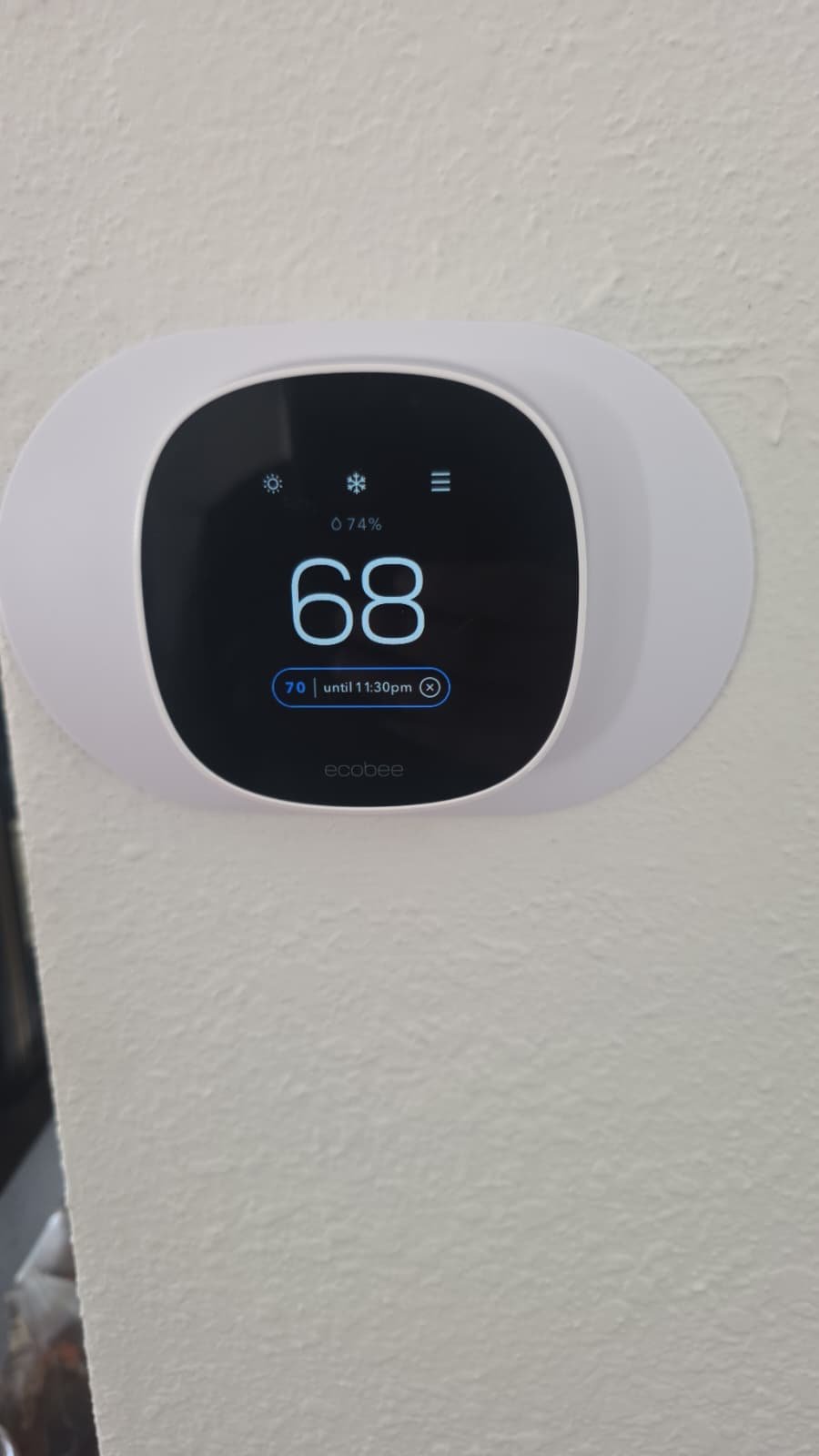
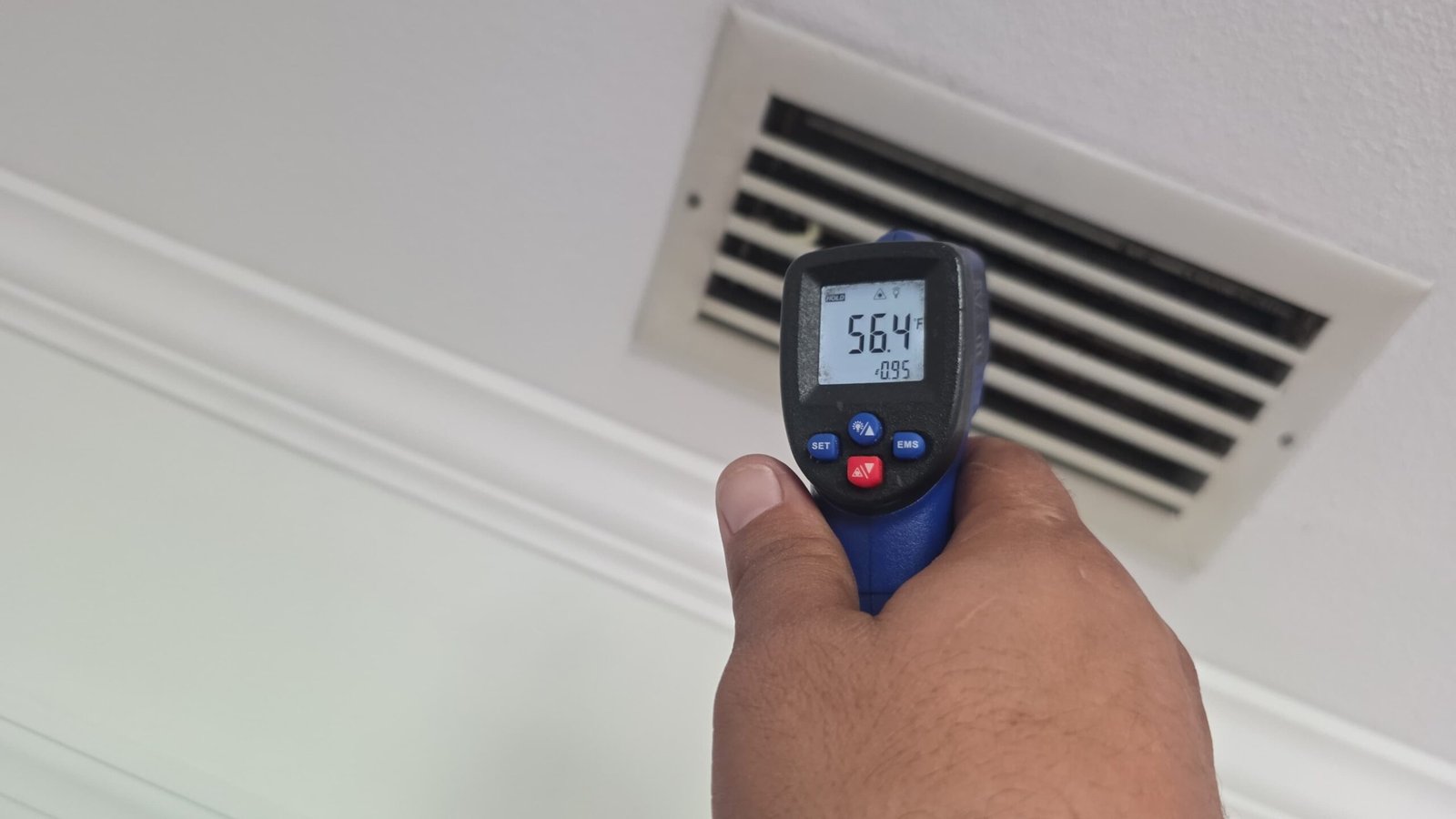
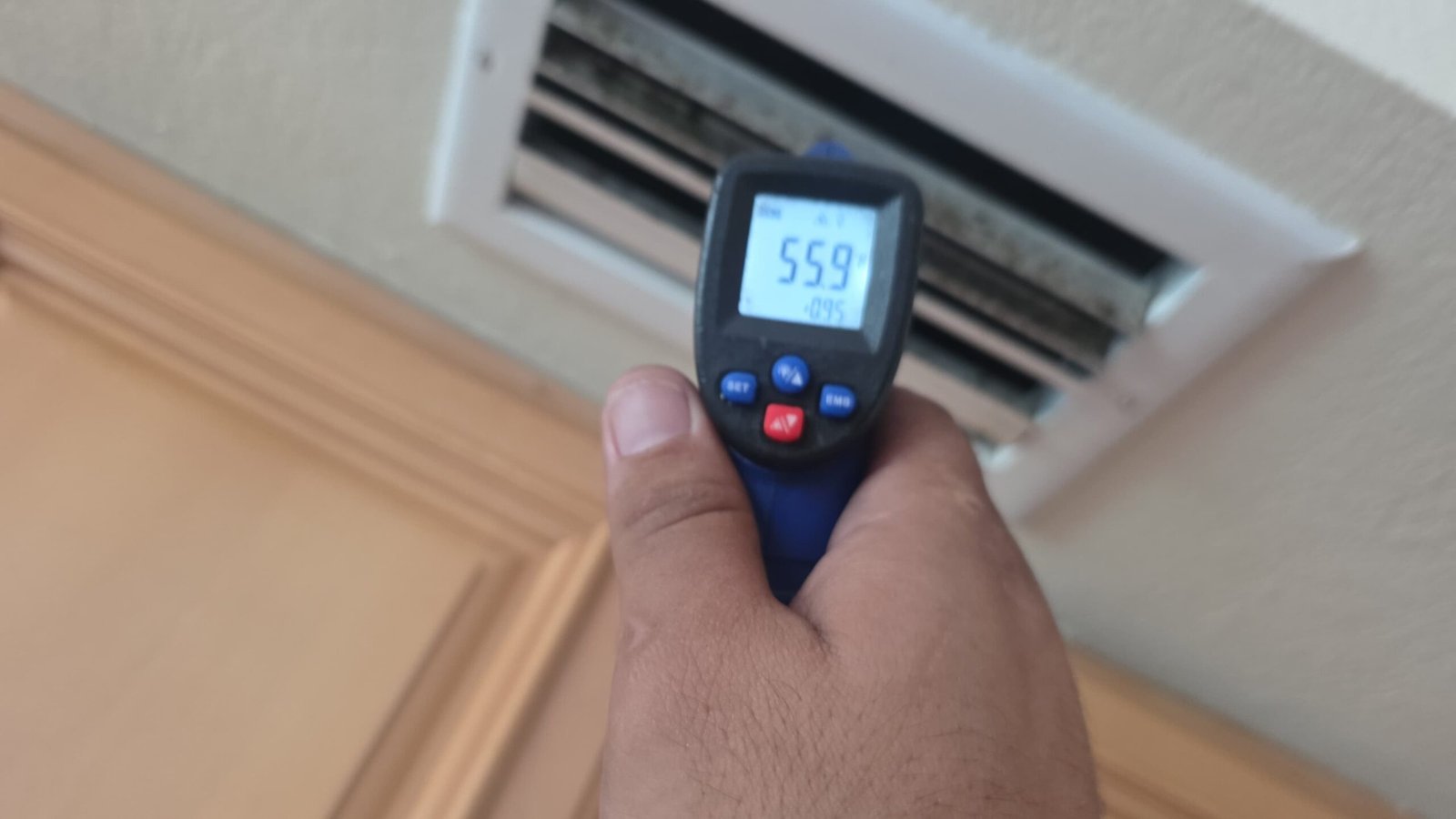
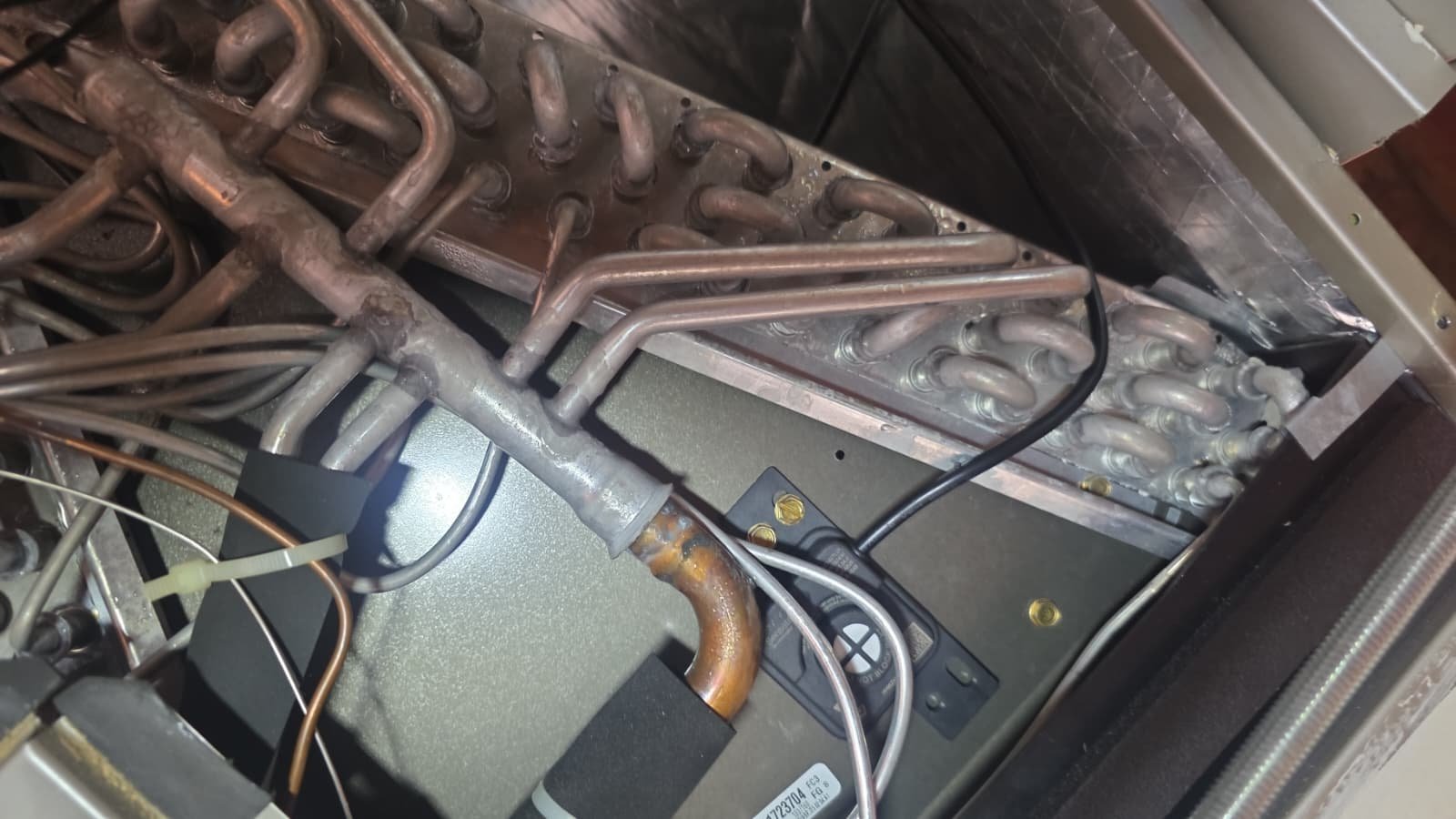
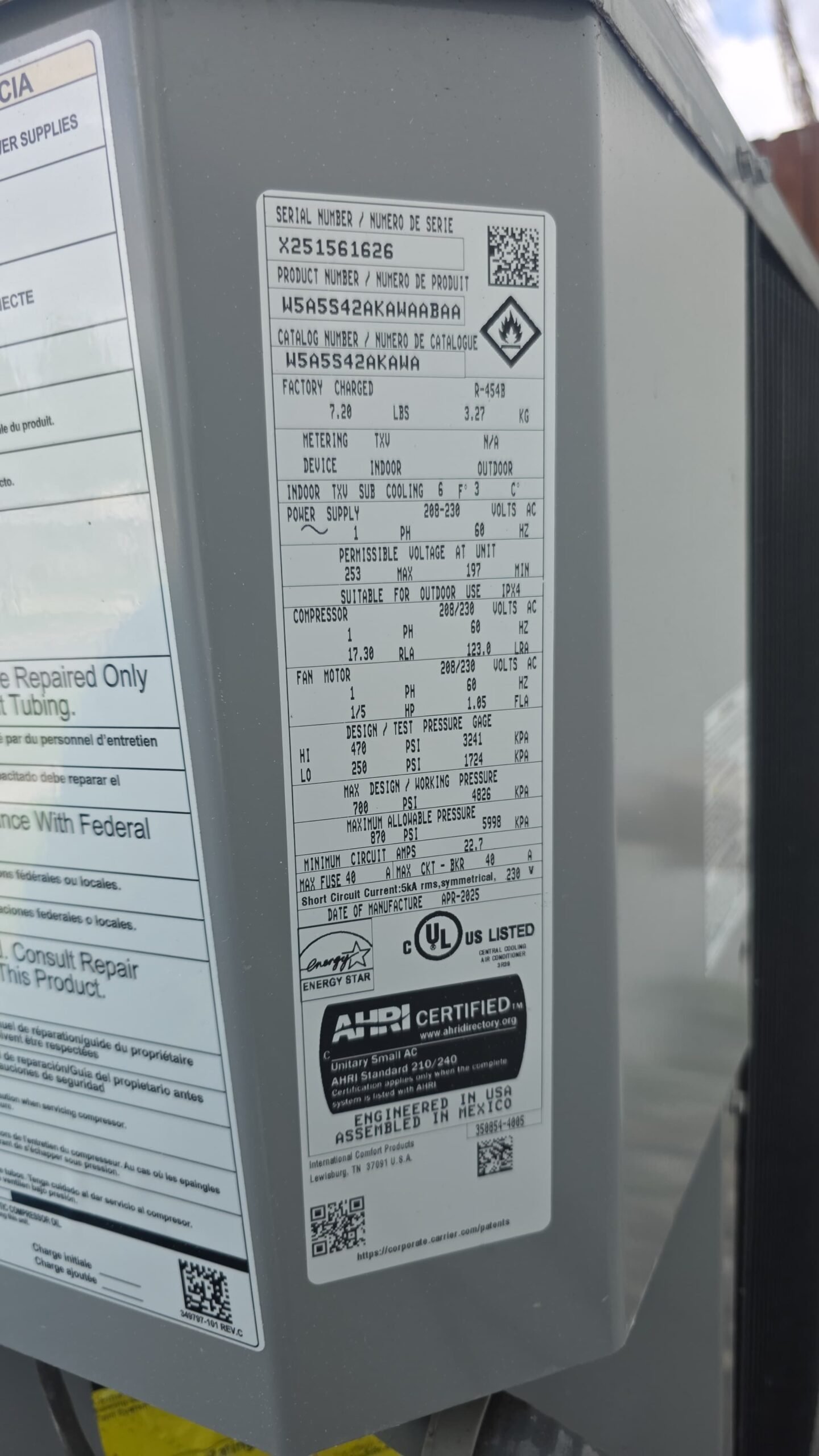
A false refrigerant leak signal changed the direction of this AC repair in Largo, FL 33771. The homeowner on Hillcrest Dr reported that the outdoor condenser fan was not running, the indoor air felt warm, and the outside unit seemed dead. Barbaro arrived for the free diagnosis expecting a possible outdoor unit fault, but the field readings told a more specific story. The dissipation sensor, also described in the notes as the GLS sensor, was sending the wrong signal to the control board. Refrigerant pressures checked within the normal operating range, and no refrigerant leaks showed up during the inspection.
Full pricing, what is included, and same-day availability are on our AC repair in Largo page.
- Service focus: AC repair after a free diagnostic visit
- Location: Hillcrest Dr in Largo, FL 33771
- Technician: Barbaro
- Reported symptom: outdoor condenser fan not running, warm air inside, outside unit dead
- Key finding: faulty dissipation sensor signal, not a confirmed refrigerant leak
- Access note: the air handler was in the garage, and a 10-foot ladder was expected to help with access
The AC repair in Largo started with a dead outdoor unit complaint
The first useful fact on this Largo AC repair was the homeowner’s symptom description: the condenser fan outside was not running, the home was getting warm air inside, and the outside unit appeared dead. That combination can point in several directions. A failed capacitor, a control issue, a locked-out system, a bad motor, or a safety signal can all make an outdoor unit stop responding.
.ht-grid { display: grid !important; grid-template-columns: repeat(3, 1fr) !important; gap: 8px !important; max-width: 960px !important; margin: 0 auto !important; }
.ht-figure { margin: 0 !important; padding: 0 !important; height: 155px !important; overflow: hidden !important; border-radius: 6px !important; }
.ht-figure img { width: 100% !important; height: 100% !important; object-fit: cover !important; display: block !important; }
@media (max-width: 900px) {.ht-grid { grid-template-columns: repeat(2, 1fr) !important; } }
@media (max-width: 640px) {.ht-grid { grid-template-columns: 1fr !important; }.ht-figure { height: 200px !important; } }
Barbaro did not treat the warm-air complaint as proof of low refrigerant. That matters because adding refrigerant to a system that does not need it can create a new problem instead of solving the original one. The correct first step was to compare the reported symptom with what the equipment was actually telling the control system.
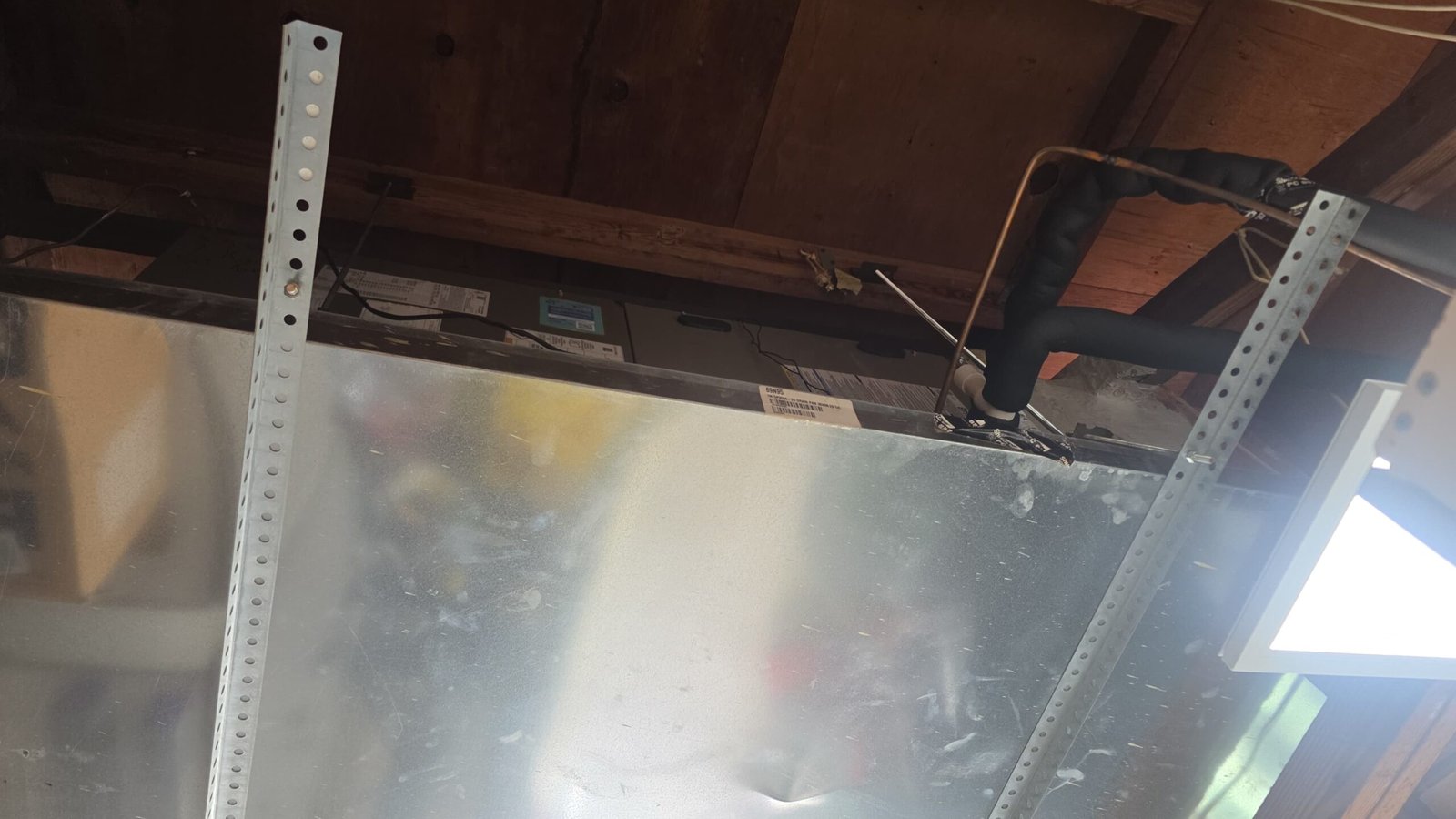
The notes also mentioned that the air handler was in the garage and that a 10-foot ladder would help with access, though a 6-foot ladder might also work. That detail may sound small, but access affects how efficiently a technician can inspect both sides of a split HVAC system. On a no-cool call, we need to understand what the indoor equipment is doing and what the outdoor equipment is being told to do.
In this case, the operational complaint led to a sensor-focused diagnosis rather than a parts-swapping repair. The outdoor fan not running was the symptom. The dissipation sensor sending an incorrect signal was the finding that explained why the control side needed attention.
The faulty dissipation sensor was the key finding on Hillcrest Dr
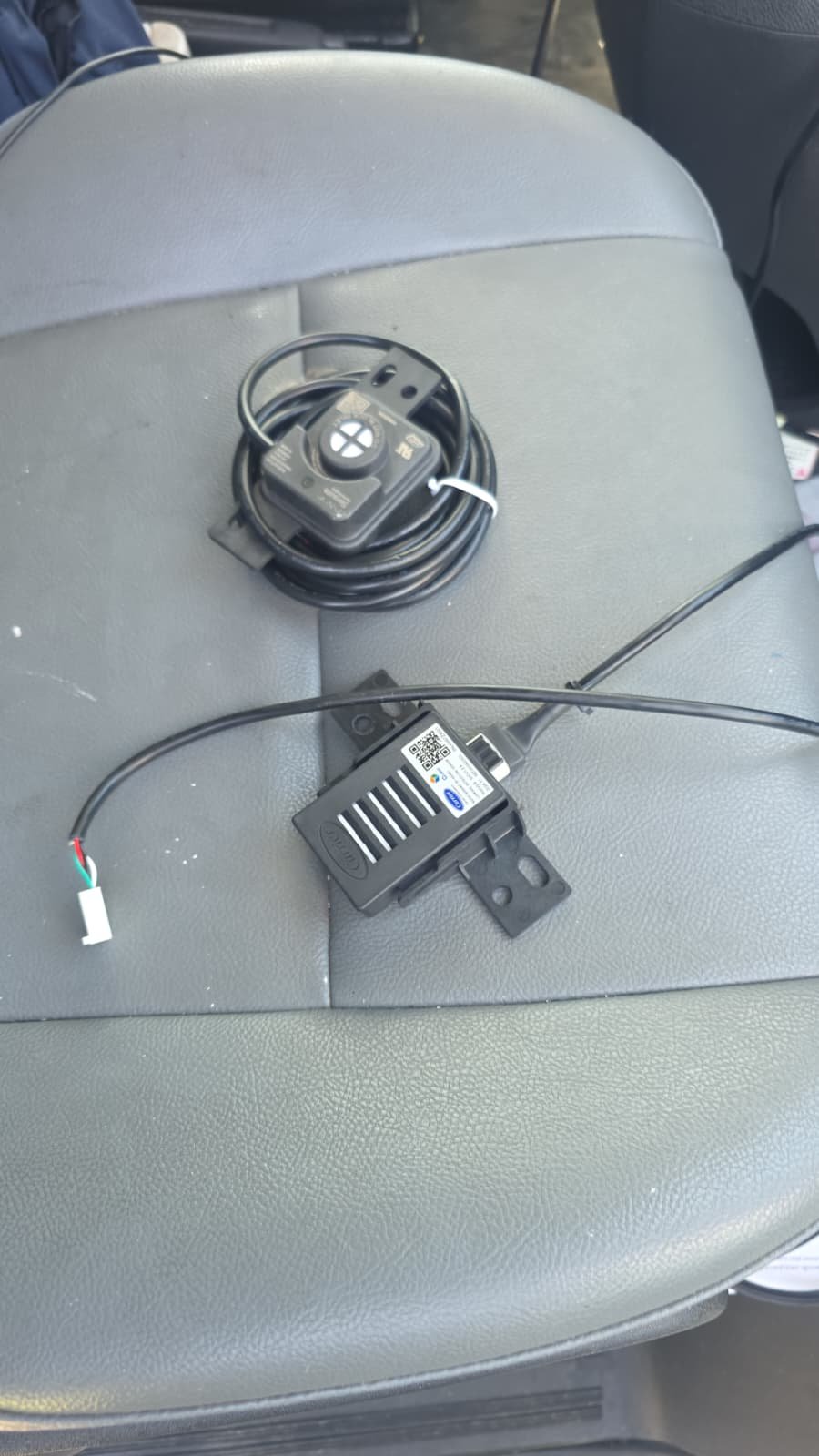
The dissipation sensor was sending an incorrect signal to the control board or unit. In plain English, a sensor is supposed to report a condition accurately so the system can decide whether it is safe to run. When that signal is wrong, the system can respond as if a problem exists even when the measured condition does not support it.
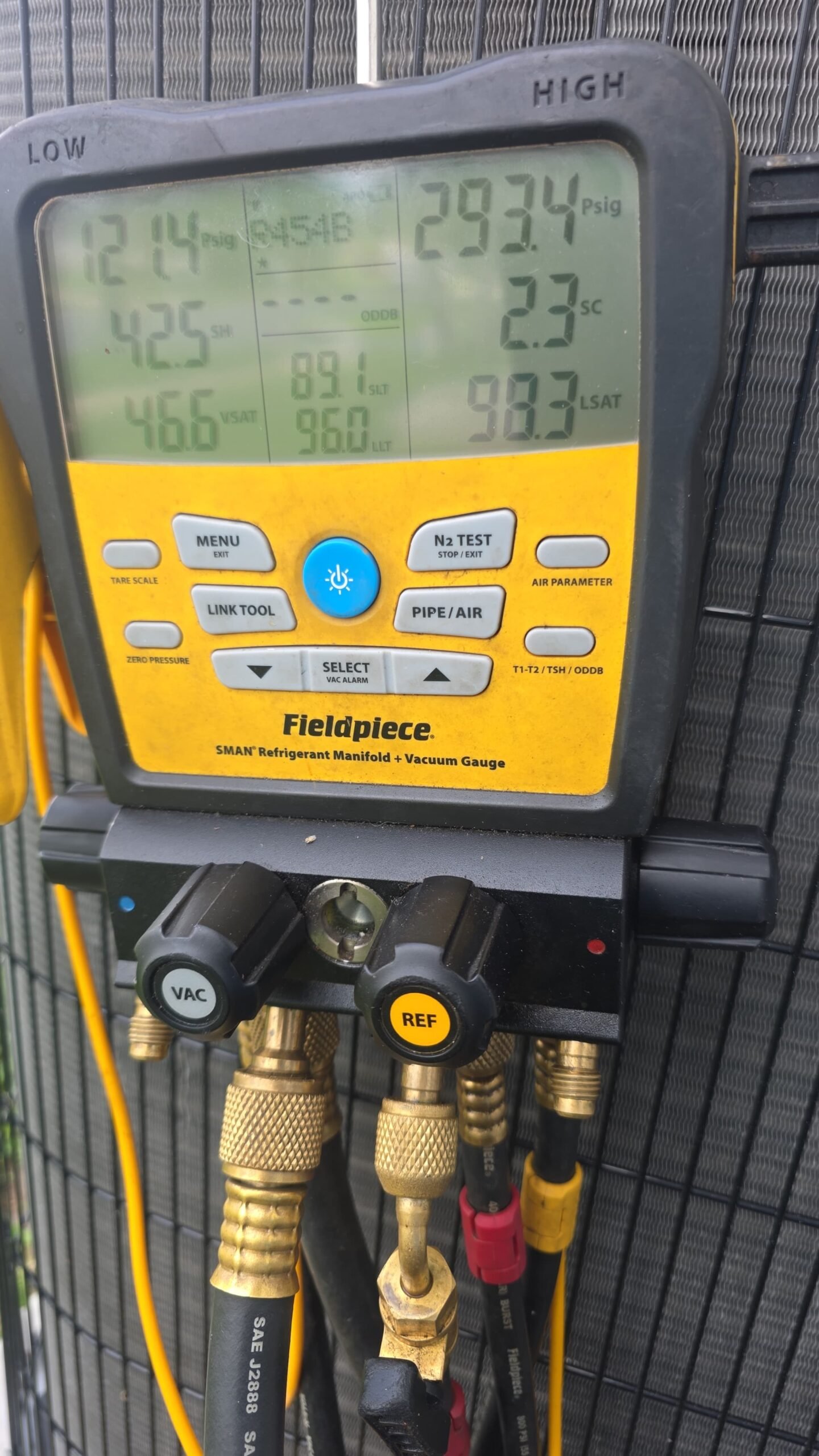
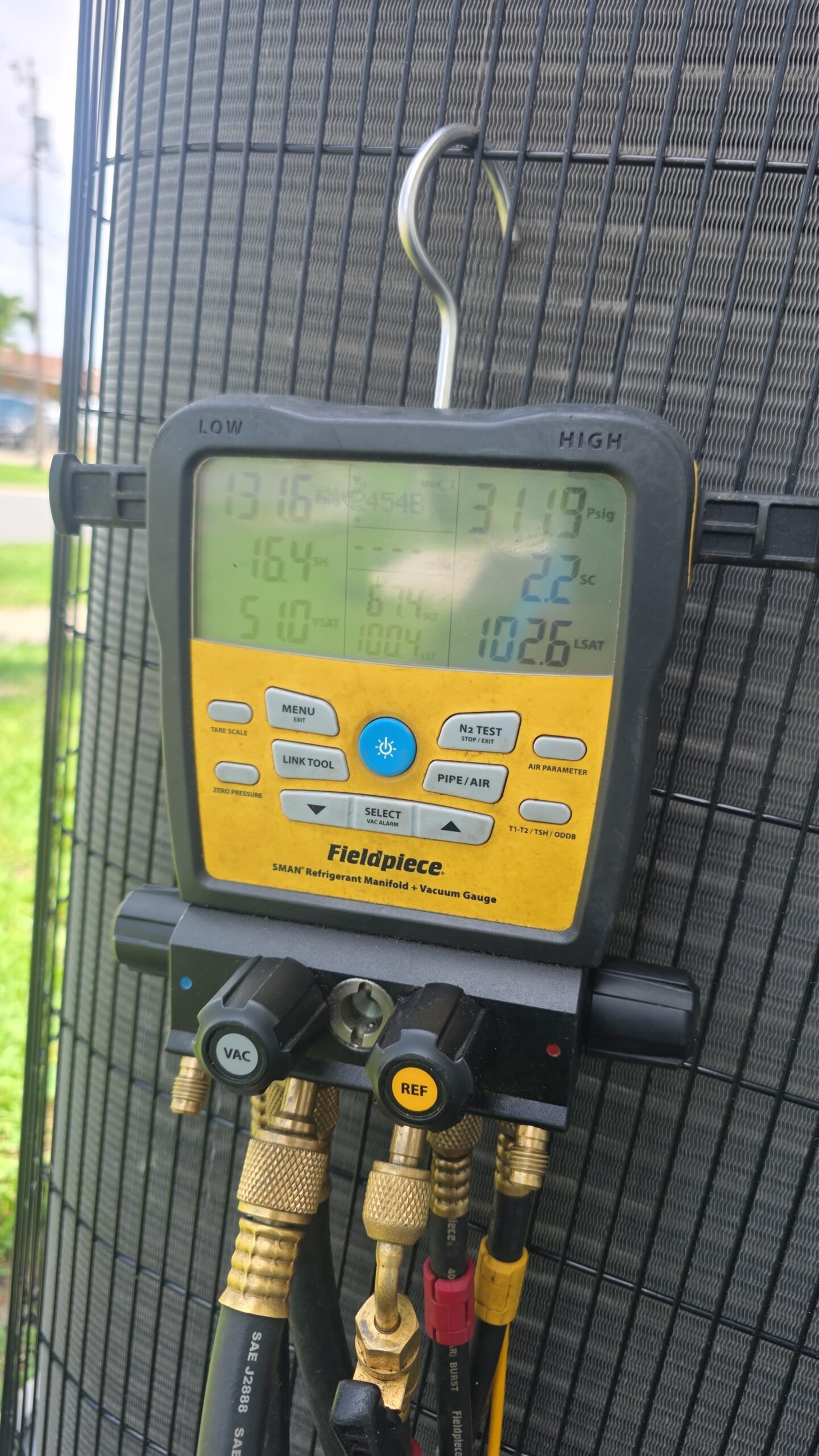
That is exactly why Barbaro checked the refrigerant pressures. The field note said the sensor was indicating a refrigerant leak, but the pressures were good. The written findings also stated that refrigerant pressures were within normal operating range and that no refrigerant leaks were detected during inspection. Those two facts are important because they separate a true refrigerant-side failure from a control-signal problem.
Most homeowners hear warm air from the vents and assume the system needs refrigerant. This job is a good example of why that assumption can be expensive and wrong. A warm-air complaint can happen when the outdoor unit is not being allowed to run correctly. If a faulty sensor tells the control board that the system has a refrigerant issue, the equipment may protect itself or limit operation even though the charge is not the root cause.
Our recommendation was to replace the faulty dissipation sensor to restore proper communication with the unit’s control system. No additional repairs were recommended at that time because the pressure readings and leak inspection did not support a broader refrigerant repair.
Normal refrigerant pressures kept this from becoming the wrong repair
The most important technical decision in this AC repair was what we did not do. We did not turn a sensor signal into a refrigerant repair without proof. The refrigerant pressures were checked and found to be within the normal operating range, and no leaks were detected at the time of inspection. That gave Barbaro a clear path: replace the failed sensor, then verify that the unit communicates properly with the control system.
A control board depends on accurate inputs. If a sensor reports a false condition, the board can make a correct decision based on bad information. That is frustrating for homeowners because the symptom looks dramatic, but the repair may be smaller and more targeted than expected.
This visit included the free diagnosis, labor to replace the sensor, and supplier warranty handling related to the part process, with the warranty handling discount reflected in the job. The labor-only sensor replacement visit came to $279. We frame it that way because this was not a generic AC repair price for every no-cool call. It was the invoice for this specific Largo visit and scope.
The part was ordered through the supplier, and the job notes show that the next step was to obtain the sensor for replacement. That sequence matters. A technician should not bypass the evidence just because the first symptom sounds like a common failure. Here, the better repair path came from comparing the sensor message against the refrigerant data.
Pro Tips for Largo homeowners when an AC sensor reports a leak
Do not assume warm air means low refrigerant. In the Tampa Bay cooling season, warm air can come from many causes. A dead outdoor unit complaint can involve controls, sensors, electrical components, or airflow. Refrigerant should be checked with field readings, not guessed.
Ask what proved the diagnosis. On this Hillcrest Dr job, the proof was the mismatch between the sensor’s leak signal and the normal refrigerant pressures. A good AC repair diagnosis should connect the symptom, the test, the finding, and the recommendation.
Keep access details ready before the technician arrives. The homeowner noted that the air handler was in the garage and that ladder access might be needed. That helps our service crew plan the visit and reduces delays once we arrive.
Take sensor issues seriously, but calmly. A bad sensor can keep equipment from operating correctly, but it does not automatically mean the most expensive failure has occurred. The right response is targeted testing.
Schedule service before peak heat when possible. Largo homes work their AC systems through a long, humid season. If a system has already shown a control or sensor issue, early diagnosis can keep a small problem from turning into repeated no-cool calls.
Sensor and no-cool questions from this Largo AC repair
Why did the outdoor condenser fan stop if the refrigerant pressure was normal?
The outdoor fan complaint was the symptom, not the final diagnosis. On this job, the dissipation sensor was sending an incorrect signal to the control board or unit. If the control system receives a bad safety or condition signal, it can stop normal operation even when refrigerant pressures are within range. That is why Barbaro checked the pressure data before recommending the sensor replacement.
Does a sensor leak signal always mean the AC system has a refrigerant leak?
No. A sensor signal needs to match field evidence. On this Largo visit, the sensor indicated a refrigerant leak condition, but the refrigerant pressures checked within the normal operating range and no leaks were detected during the inspection. That made the faulty sensor the repair target. The correct repair was to restore accurate communication with the control system, not add refrigerant without evidence.
Why was the repair described as labor-only sensor replacement?
The job record separated the free diagnosis, labor to replace the sensor, and supplier warranty handling connected to the needed part. That means the invoice reflected this specific warranty-related sensor process, not a universal price for every no-cool repair. Home Therapist explains this clearly because bundled or warranty-handled HVAC visits can otherwise be easy to misunderstand.
What should a homeowner tell the dispatcher on a no-cool call?
The homeowner gave helpful information: the outdoor condenser fan was not running, warm air was blowing inside, the outside unit seemed dead, and the air handler was in the garage with ladder access considerations. Details like those help us send the technician prepared. They do not replace diagnosis, but they help the visit start in the right direction.
Why choose Home Therapist for AC repair in Largo
Home Therapist has served Tampa Bay homeowners since 2017 with licensed HVAC and plumbing service. Our HVAC license is CAC1819196, and our plumbing license is CFC1431159. We bring the same careful diagnostic process to Largo AC repair that Barbaro used on this Hillcrest Dr visit: verify the symptom, test the equipment, and recommend only what the evidence supports. Homeowners can also find us on Facebook reviews, Instagram, and YouTube. For additional trust signals, our company is listed with the Better Business Bureau and the Tampa Bay Chamber of Commerce, and we have earned 1,300+ five-star reviews.
Schedule AC repair in Largo, FL 33771
If your AC is blowing warm air, the outdoor unit is not running, or a sensor warning does not match how the system is acting, schedule AC repair in Largo, FL 33771 with Home Therapist. We lead with FREE estimates and FREE diagnosis, then explain the findings in plain language before recommending repairs. Call (813) 343-2212 or visit Home Therapist Cooling, Heating, and Plumbing to request service for your Largo home.
For broader context on this kind of work, see ACCA technical standards.


