

Why a Water Heater Drain Pan Mattered on 32nd Ave N in St. Petersburg
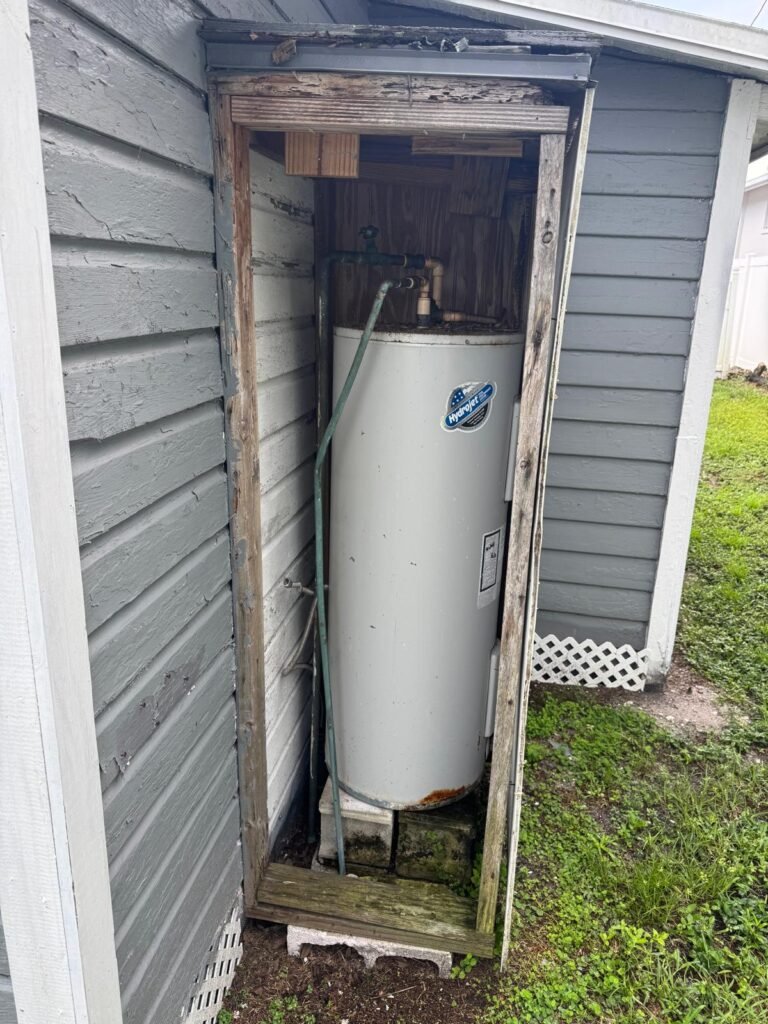
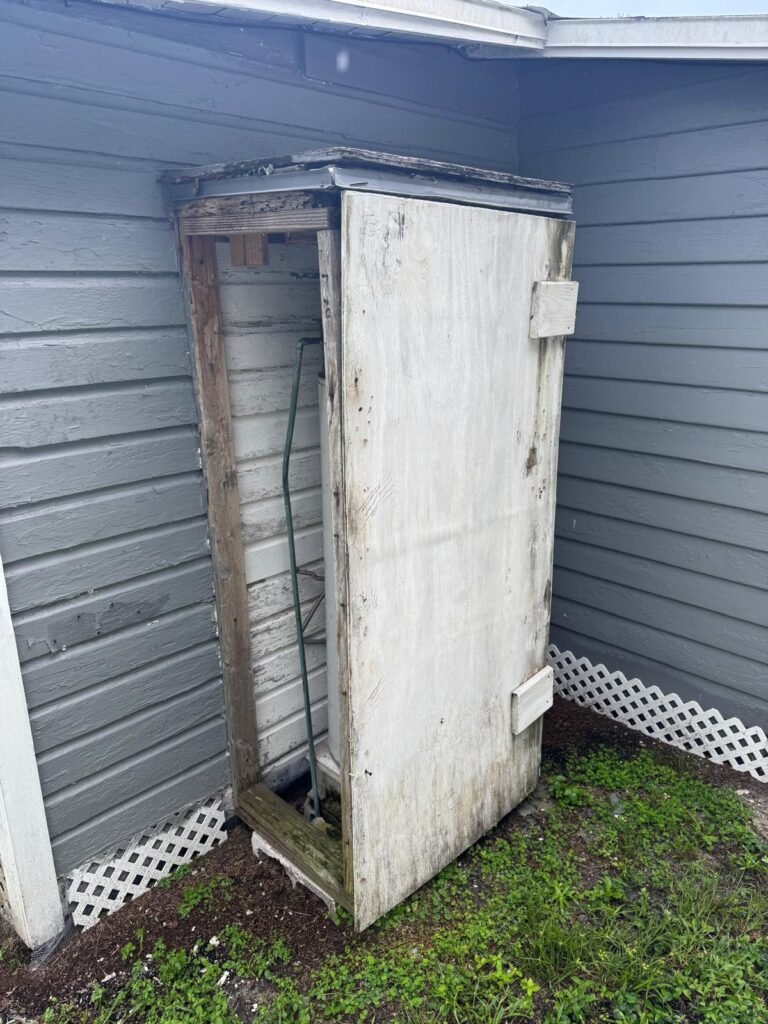
A water heater drain pan matters when a failed tank or connection could send water into the surrounding area, and that was part of this water heater installation in St. Petersburg, FL 33704. The solution here was a new 30 gallon electric tank installed with a drain pan, discharge line, and updated connection details sized for the space.
The key detail on this job was not just that the old heater had died. It was that the replacement sat outside in a tight enclosure at a small 32nd Ave N property in St. Petersburg, 33704, where fit, drainage, and service access all mattered. Lester was assigned to this call after the homeowner reported a dead unit at a detached mother-in-law suite behind an older 1925 home. Because no photo was available before the visit, our team had to plan this as a verify-first installation instead of guessing from a phone description. The replacement scope centered on a 30 gallon Rheem electric water heater, plus the accessories that make the installation safer and cleaner over time.
- Service performed: Water heater installation
- Neighborhood or street: 32nd Ave N
- Technician: Lester
- Symptom: Old water heater died
- What was done: Planned replacement with new 30 gallon electric tank, drain pan, discharge line, service valve, and hot water line insulation
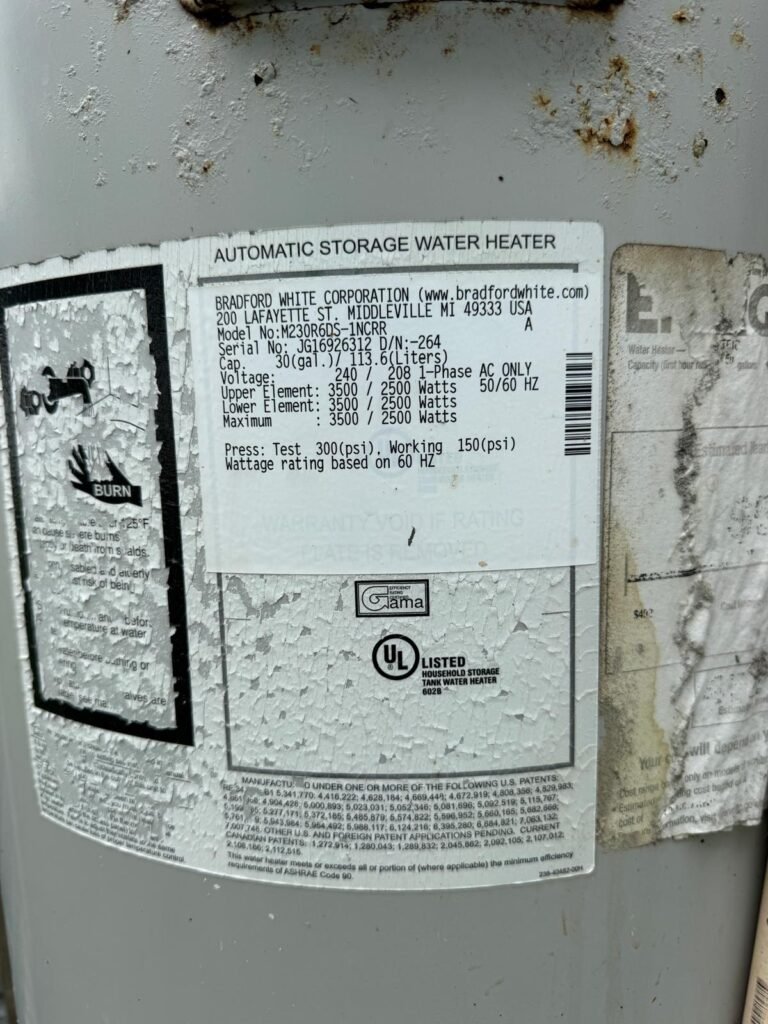
- Specifics: 4500 watt unit, medium size at 40 1/2 x 20 1/4 inches
The water heater drain pan was a practical part of this St. Petersburg installation, not an extra
The drain pan mattered on this job because the replacement water heater was going into an exterior enclosure at an older, compact structure, where even a small leak can create rot, staining, or hidden moisture problems. A lot of homeowners search for a drain pan for water heater only after they see water where it should not be. In this case, the pan was included in the installation scope from the start, along with a discharge line, so any future leakage has a directed path instead of pooling under the tank.
That is also why we do not like to reduce a water heater replacement to gallons alone. Capacity matters, but so do footprint, height, pipe orientation, and whether the area gives us room to install a hot water heater drain pan correctly. This detached suite was described as a very small home, around 400 square feet, and the existing heater location was outside behind the house. Those details change how a smart install is planned. Homeowners looking for water heater installation in St. Petersburg usually benefit from that kind of site-specific planning more than from a generic online sizing chart.
The 30 gallon electric tank had to match the enclosure, the connections, and the actual household use
The selected equipment for this visit was a 30 gallon medium electric unit rated at 4500 watts, with listed dimensions of 40 1/2 inches high by 20 1/4 inches in diameter. Those measurements were not filler in the estimate. They were part of the decision. In a narrow enclosure, an extra inch or two can affect whether the tank fits, whether the piping can be connected cleanly, and whether future service can happen without tearing things apart.
This is one of the more overlooked parts of installing water heater drain pan assemblies in older St. Petersburg properties. The pan has to fit the heater, and the heater has to fit the space with the pan under it. If the old unit is already in a cramped wooden enclosure, the installer has to think through the sequence, not just the product label. That is why our original estimate clearly noted that the final fit and connection layout had to be verified on site before ordering and installing. For homeowners comparing sizes, our guide on 40 vs 50 vs 75 gallon water heater explains why real-world space often decides the answer before gallon count does.
The included accessories also tell the story of this scope. Hot water line insulation helps reduce standby heat loss at the outlet. A service valve makes future work cleaner and faster. The drain pan and discharge line help manage water if the tank or fittings ever leak. Those are not flashy items, but they are the details that separate a rushed swap from a well-planned install.
This visit was about replacing a dead heater, but the old enclosure set the real challenge
The homeowner’s situation was straightforward on the surface: the old heater had died, no photo could be provided ahead of time, and a new one was needed for the small detached living space. The harder part was the age and layout of the property. The notes described a very old 1925 house and a mother-in-law suite in the back, which usually means tighter clearances and less forgiveness when dimensions are off.
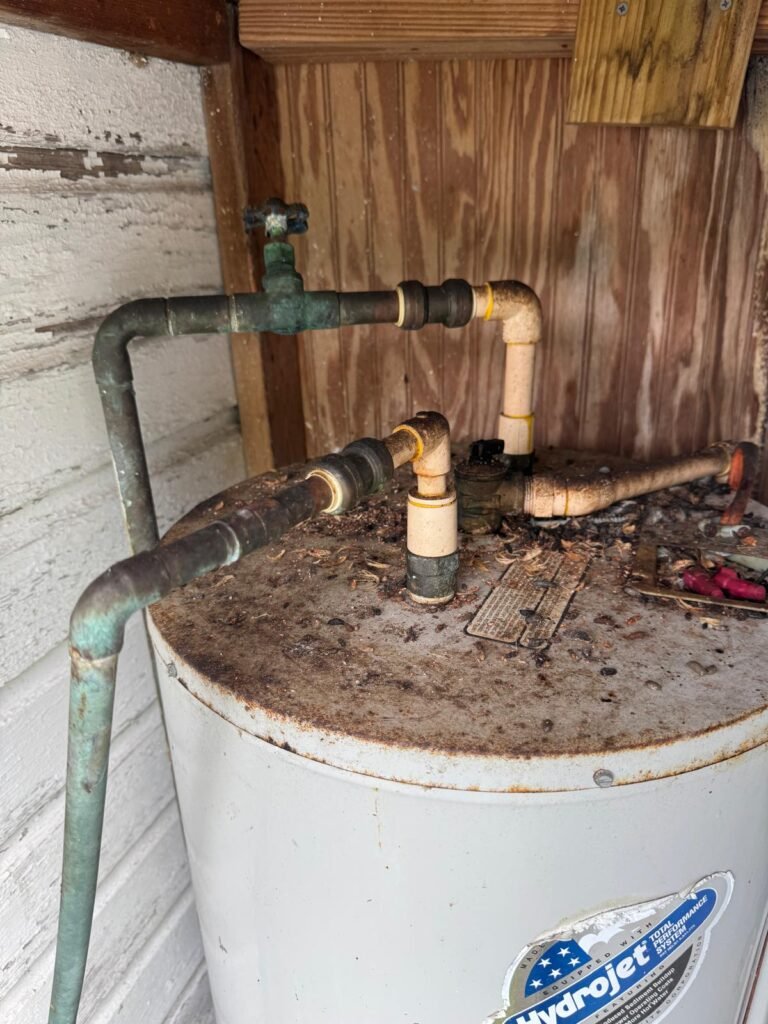
That is where a contrarian point matters. Most people think the tank is the whole job. It is not. The enclosure and drainage path usually tell us more about how the install should be handled than the label on the front of the heater. The photo context from this job supported that concern too, showing an older tank in a narrow wooden enclosure and visible rust at the top piping area. In a setup like that, installing drain pan for water heater protection is part of managing the location, not just the appliance.
This visit covered more than one line item, including the client report and the planned replacement scope. The combined invoice came to $1,484.
When a tank has already failed, the next question is often whether to repair vs replace water heater components or move directly to installation. In a case where the old heater is dead and the property details still need on-site confirmation, replacement planning is usually the more honest path than trying to promise a repair outcome from incomplete information. We break that decision down further in our repair vs replace water heater guide.
Water heater drain pan questions often come down to where the pan sends water
A water heater pan drain only helps if the water has somewhere to go. That is why this scope included both the drain pan and the discharge line. Homeowners often ask whether a plastic water heater drain pan or aluminum water heater drain pan is the main issue, but on jobs like this the more important question is whether the pan is correctly sized and whether the drain route is thought through for the actual location.
In St. Petersburg, exterior placements and older accessory structures make that especially relevant. An outside enclosure can make a leak feel less urgent because the heater is not sitting in a hallway closet. But water can still damage framing, soak the base area, or create a mess that stays hidden until the enclosure is opened. If you want a broader look at options and expectations, our page on what this work typically costs explains the variables that change an installation scope.
For code-related questions, the best public reference is the Florida Building Code, which is one reason we verify location details before finalizing an install plan in older homes.
Pro tips for St. Petersburg homeowners with outdoor water heater enclosures
Outdoor water heater enclosures in coastal Pinellas County need a little more planning than homeowners expect. Here are the practical takeaways from this job:
First, measure the enclosure before choosing a tank. Height and diameter both matter, especially if a drain pan for hot water heater protection also has to fit underneath.
Second, do not skip the discharge path. A hot water tank pan drain needs a clear destination, not just a pan sitting under the tank.
Third, if the old unit has rust around the top connections, mention that during scheduling. That clue often points to a larger scope than a simple swap.
Fourth, older detached suites and back structures often have tighter access than the main house. Tell the dispatcher if the unit serves a separate living area, like this one did.
Fifth, if you cannot send photos, expect a verify-first visit. That is not a delay tactic. It is how accurate installations happen without ordering the wrong tank.
Water heater drain pan questions from this St. Petersburg job
Do I need a drain pan under my water heater?
Yes, a drain pan is often the smart choice when a leak could damage the surrounding area. On this St. Petersburg job, the new tank was going into an outdoor enclosure at a small detached suite, so including a water heater drain pan and discharge line made sense as part of the installation scope. The pan is there to catch and redirect leakage, not to fix a failing tank after the fact.
What size drain pan do I need for my hot water heater?
The right drain pan size depends on the actual heater dimensions, not just the gallon label. This job used a 30 gallon medium electric unit listed at 40 1/2 inches high by 20 1/4 inches in diameter, so the pan had to work with both the tank and the enclosure space. That is why measurements matter so much in older properties and tight installations.
Where does a water heater drain pan drain to?
A water heater drain pan should drain through a proper discharge line to an approved location. On this job, the installation scope specifically included both the drain pan and the discharge line because a pan without a path for water is only a partial solution. The exact routing always depends on the site layout, which is why on-site verification comes before final equipment decisions in tricky spaces.
Is it code to put a pan under a water heater?
Code requirements depend on the installation location and the risk of water damage, so the answer is location-specific. In practice, if a leaking tank could damage the surrounding structure or create hidden moisture problems, a pan is often part of a responsible installation plan. This older St. Petersburg property is a good example of why we verify the location carefully instead of treating every replacement as a standard swap.
Can you install a drip pan under an existing water heater?
Yes, sometimes a pan can be added under an existing heater, but access and layout decide whether it is practical. In a narrow enclosure like the one on this job, it is much easier to install the pan correctly during replacement than to retrofit one later around an already connected tank. That is one reason planning the pan during the install phase usually leads to a cleaner result.
Schedule water heater installation in St. Petersburg, FL 33704
If your water heater has failed or you are trying to sort out whether the location needs a drain pan, discharge line, or a different tank size, Home Therapist can help. We have served Tampa Bay since 2017, and our team brings licensed plumbing and HVAC experience to older homes, detached suites, and tight utility spaces across St. Petersburg. Our plumbing license is CFC1431159, our HVAC license is CAC1819196, and we have earned 1,300+ five-star reviews by being clear about what we find and honest about what the job actually requires.
For homes in St. Petersburg and 33704, we start with FREE estimates and FREE diagnosis so you can understand the condition of the existing setup before committing to the wrong equipment. If the challenge is sizing, enclosure fit, or deciding what accessories should be included, we will walk you through it plainly. To schedule service, call Home Therapist at (813) 343-2212. You can also learn more about our broader plumbing services or read our customer reviews before booking.


