

A Damaged Gas Sensor Stopped This Tampa Heating Repair on MLK Blvd
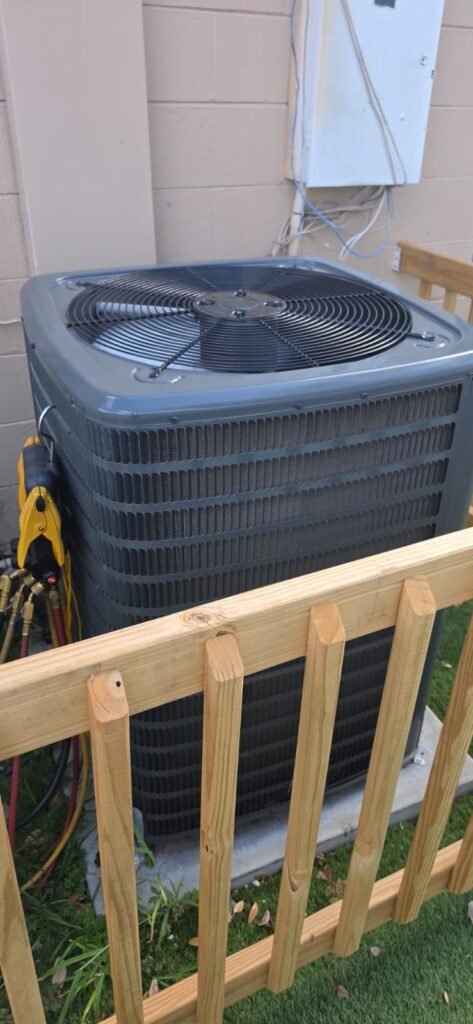
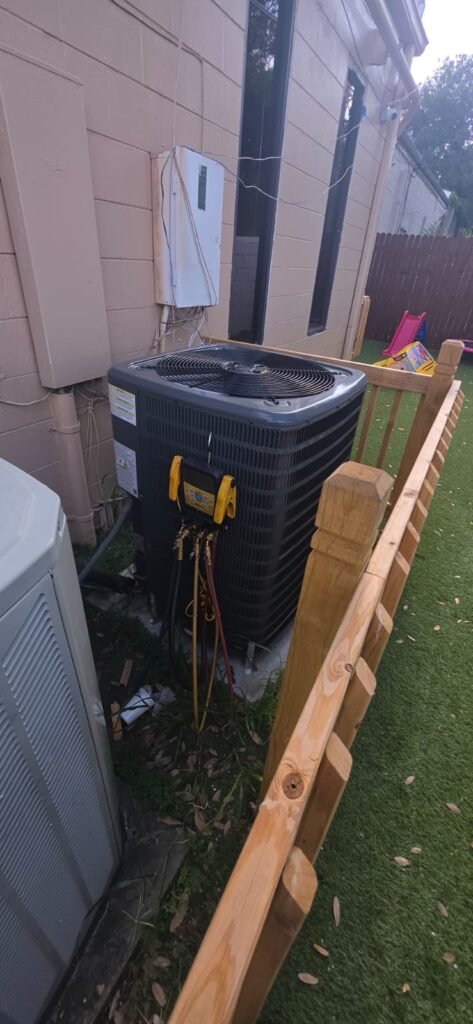
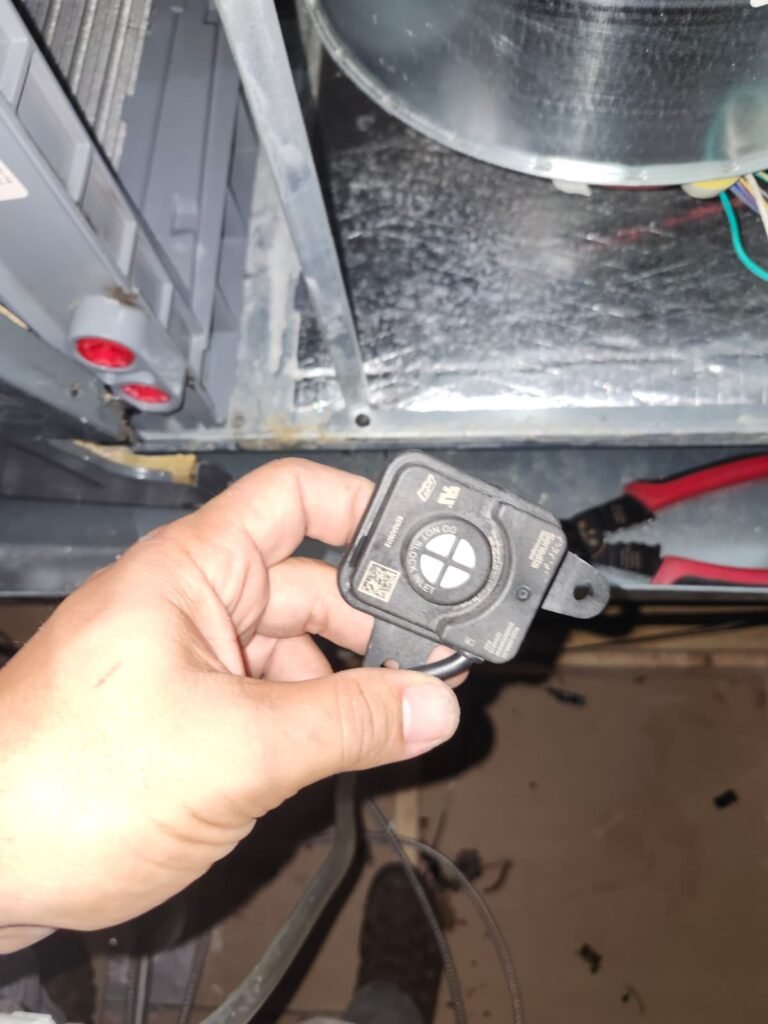
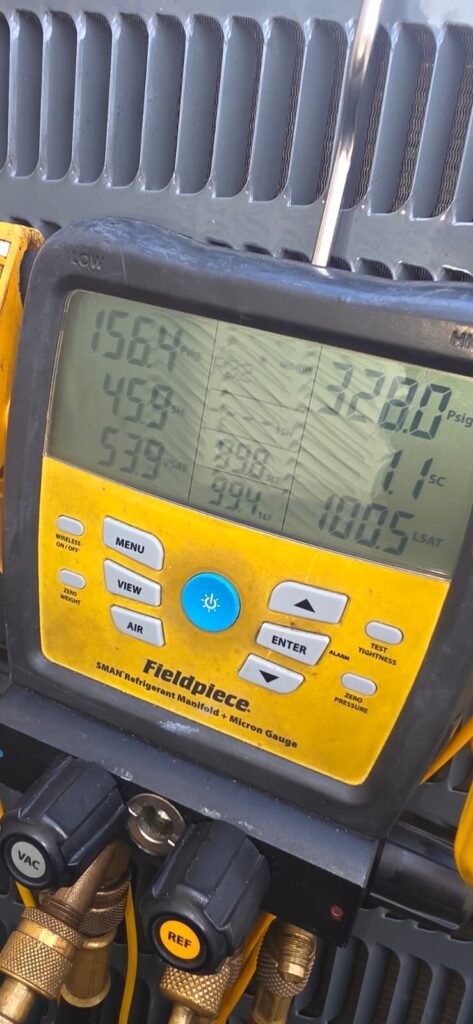
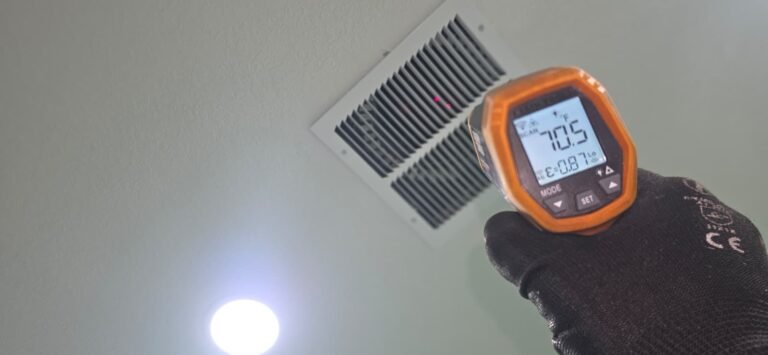
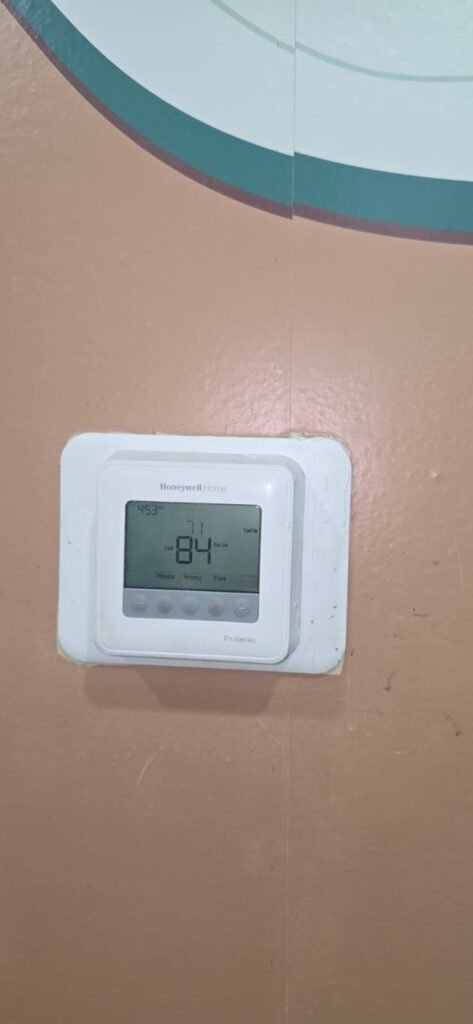
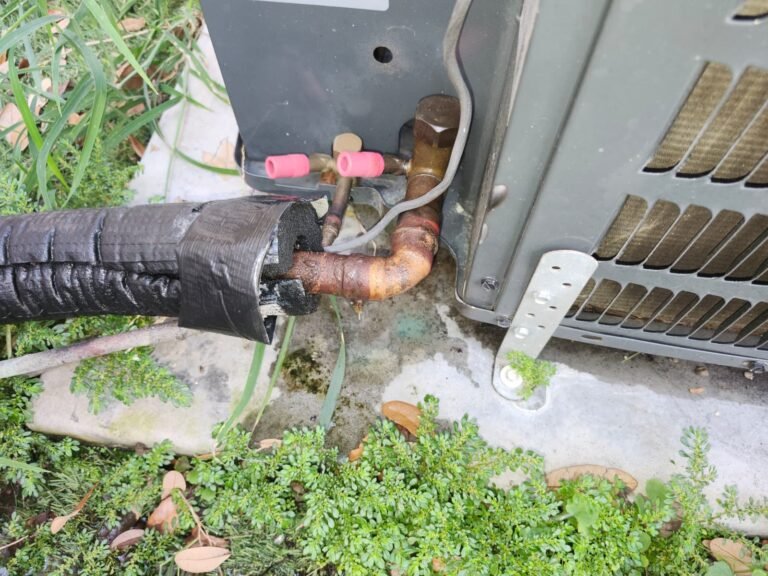
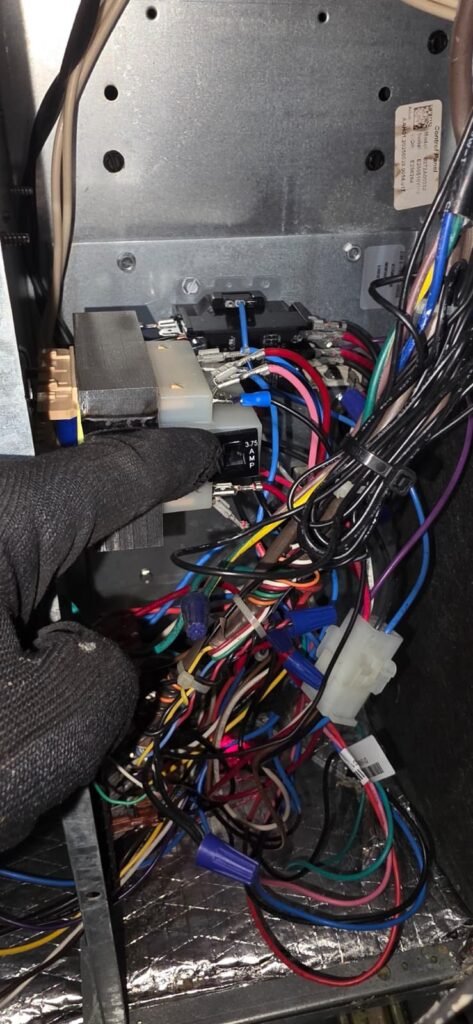
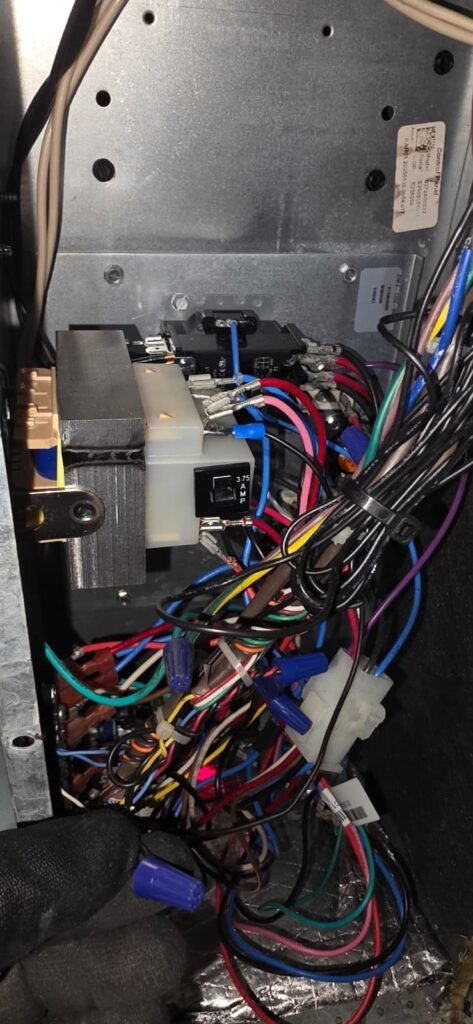
A damaged gas sensor can shut a heating system down completely, even when the rest of the equipment is still capable of running. In this heating repair in Tampa, FL 33607, the failed sensor was the reason the system would not operate, and replacing that part was the proper fix to restore normal, safe function.
At this MLK Blvd property in Tampa, Jandiel was called out because the system was not operating at all. The key finding on this visit was not a broad system failure. It was one specific safety component: the gas sensor. Once Jandiel confirmed that the sensor was damaged, the path forward became much clearer. A temporary bypass could make the unit run again, but that would leave the equipment operating without the safeguard it was designed to use. For this Tampa heating repair, the real lesson was simple: one small part can stop the whole system when that part is tied to safe operation.
- Service performed: Heating system diagnosis and gas sensor replacement recommendation
- Neighborhood or street: MLK Blvd
- Technician: Jandiel
- Symptom: System not operating
- Cause: Damaged gas sensor
- What was done: Full diagnostic with recommendation for proper repair instead of long-term bypass
The heating repair in Tampa came down to one damaged gas sensor
The most important fact from this call is that the system was not down because of a mystery issue. It was down because the gas sensor was damaged. That matters because a gas sensor is not a comfort-only part. It is tied to whether the equipment can operate as intended. When that sensor fails, the unit may lock out or shut down rather than continue running under unsafe or unverified conditions.
That is why this was a true heating repair in Tampa, not just a reset or quick workaround. Jandiel was able to fully assess the system during the visit, and there were no diagnostic limitations noted. In plain language, that means the team was not guessing. The cause was identified, the role of the failed part was understood, and the recommendation was based on what the system needed to operate the way it was designed.
Many no-heat calls feel bigger to the homeowner than they turn out to be. That is one of the insider truths on jobs like this in Tampa Bay. A full shutdown does not always mean a major assembly has failed. Sometimes one safety-related component stops the entire sequence, and replacing that component is the correct repair.
Bypassing the sensor could restore operation, but it was not the right long-term answer
The clearest decision on this job was also the one worth explaining most carefully. A bypass was possible as a temporary measure. That means the system could potentially be made to run again without the failed sensor actively doing its job. But temporary operation and proper operation are not the same thing.
We do not like leaving homeowners with the impression that “running again” automatically means “fixed.” In this case, the damaged gas sensor was preventing normal operation for a reason. The safer and more durable solution was to replace the sensor itself and restore the original safeguard, not to rely on a workaround. That is the kind of distinction that often gets lost on heating calls, especially when the immediate pressure is simply getting the unit back on.
The homeowner also had the sensor available for coordination, which helped narrow the visit toward the actual repair path instead of a broad parts search. This visit included the diagnosis, labor-related scope, and warranty handling tied to the needed part. The combined invoice for everything associated with this visit came to $439.
For readers comparing situations, our page on what this work typically costs gives broader context, but the important detail on this Tampa call is that the total covered more than a single line item.
What this MLK Blvd call says about heating and cooling warranty questions
This job also touched a question homeowners ask all the time: if a part is under warranty, does that mean the whole visit is free? Usually, no. Warranty coverage often applies to the part itself, while labor, diagnosis, and supplier processing can still be part of the visit scope. That is exactly why this call included a warranty handling fee alongside the labor-related work.
The target search phrase for this article, pure enrichment heating pad warranty, is obviously from a different product category than HVAC equipment, but the homeowner question behind it is familiar: people want to know what a warranty actually covers when something stops working. On heating and cooling systems, the answer depends on the equipment brand, the part involved, registration status, and how the supplier processes the claim. A warranty can reduce out-of-pocket cost on the component, but it does not erase the skilled work needed to diagnose the problem, coordinate the part, and verify operation after the repair.
That is why we explain warranty scope plainly on service calls. If you are dealing with a heating and cooling warranty issue in Tampa, the useful question is not just whether the part is covered. The better question is what the full visit includes, and whether the proposed repair restores safe operation instead of just getting the unit to limp along.
Homeowners who want a broader overview of our heating can see how we handle diagnosis, repair, and replacement planning across Tampa Bay.
Clear diagnosis matters more than a fast guess on no-heat calls in Tampa
The strongest takeaway from this Tampa, FL 33607 visit is that accurate diagnosis saves homeowners from solving the wrong problem. If someone had treated this as a general no-heat complaint without identifying the failed gas sensor, the result could have been wasted time, repeat visits, or a system running on a bypass longer than it should.
Jandiel was able to fully assess the equipment, isolate the issue, and explain why replacing the sensor was the proper recommendation. That kind of clarity matters in a city like Tampa where heating problems may not happen every week, but when they do happen, they are often urgent because the system simply will not run at all. Even in Florida, a heating call deserves the same disciplined process as a cooling call: verify the symptom, identify the failed component, understand its role in the sequence, and choose the repair that returns the system to intended operation.
If you are comparing providers, checking customer reviews helps you see whether a company consistently explains findings instead of hiding behind vague language.
Pro tips for Tampa homeowners dealing with gas sensor and warranty issues
Florida homeowners do not use heat as often as cooling, which is exactly why heating problems can go unnoticed until the first cold stretch. A few practical habits can make situations like this easier to handle.
First, do not assume a complete shutdown means the whole system is worn out. As this MLK Blvd call showed, one failed safety component can stop operation by itself.
Second, treat bypasses as temporary only. If a technician explains that a workaround gets the unit running but removes a safeguard, plan for the actual repair rather than living with the workaround.
Third, keep any warranty paperwork or registration emails tied to your equipment. Heating and cooling warranty claims move faster when the equipment information and ownership records are easy to verify.
Fourth, ask what the visit total includes. On some calls, the part may be covered while labor or supplier processing is not. Clear scope prevents confusion later.
Fifth, if your system changes behavior when the weather finally cools off, schedule service before the next cold front. In Tampa Bay, heating systems can sit idle for long stretches, and the first day you need heat is the worst day to discover a sensor issue.
Questions this Tampa heating repair raises about gas sensors and warranties
What does a gas sensor do in a heating system?
A gas sensor helps the system verify safe operating conditions, which is why a failure can stop the unit entirely. On this Tampa call, the damaged sensor was preventing operation, not just reducing performance. Parts like this are tied to the equipment’s control logic and safety sequence, so replacing the failed sensor was the proper fix instead of treating the shutdown like a minor inconvenience.
Can a heating system run with a bad gas sensor?
Yes, a system may sometimes be bypassed temporarily, but that is not the same as a proper repair. In this MLK Blvd job, bypassing the failed sensor could restore function in the short term, but it would leave the unit operating without the safeguard the manufacturer intended. That is why we recommended replacing the sensor rather than relying on the bypass.
Why is my heating system not working if the rest of the unit seems fine?
A heating system can stop working because one critical control or safety part has failed, even if larger components are still intact. That is exactly what happened in Tampa, FL 33607. The issue was not described as a full equipment breakdown. It was one damaged gas sensor that prevented the unit from operating normally, which is why focused diagnosis mattered so much.
Does an HVAC warranty cover everything on a repair visit?
No, an HVAC warranty usually does not cover every cost tied to a repair visit. This Tampa job included warranty-related handling along with labor scope, which is common when a covered part still requires diagnosis, coordination, and installation work. Homeowners should ask whether the part, labor, processing, and any additional service items are each covered or billed separately.
Can I still get help if I am not sure what my warranty covers?
Yes, a service company can still diagnose the problem and explain the likely warranty path even if you do not know the details up front. On calls like this, the first priority is identifying the actual failed part. Once that is clear, the discussion about heating and cooling warranty coverage becomes much more useful because it is tied to a real component and a real repair plan.
Schedule heating repair in Tampa, FL 33607 with Home Therapist
Home Therapist handles heating and cooling calls across Tampa Bay with a clear, practical approach: find the real cause, explain it plainly, and recommend the repair that restores proper operation. We have served local homeowners since 2017, and our team brings the backing of HVAC license CAC1819196 and plumbing license CFC1431159. We are proud of our 1,300-plus five-star reviews because they reflect the same thing this Tampa job required, honest diagnosis without pressure or vague answers.
If your system in Tampa, FL 33607 is not operating, or if you are trying to sort out a warranty-related repair without guessing, Home Therapist is ready to help. We service every brand, and we focus on solutions that make sense for the actual equipment in front of us. Call us at (813) 343-2212 to schedule service. We offer FREE estimates and FREE diagnosis, and we are happy to help homeowners anywhere in our service area understand what their system needs before they commit to the next step.


