

Drain Replacement Signs in Tampa: Cast Iron, PVC, and Clay Drain Life by ZIP Code
Drain replacement signs in Tampa differ from the national average because the city’s housing stock concentrates three pipe materials across distinct construction eras: cast iron in pre-1975 neighborhoods, PVC in the 1980s and 1990s expansion areas, and clay tile in some of the oldest city-core blocks. Knowing your pipe material and its typical lifespan in Tampa’s specific soil and climate conditions is the starting point for any honest drain repair-vs-replace conversation. Every Home Therapist drain inspection starts with a FREE diagnosis before any repair work is priced.
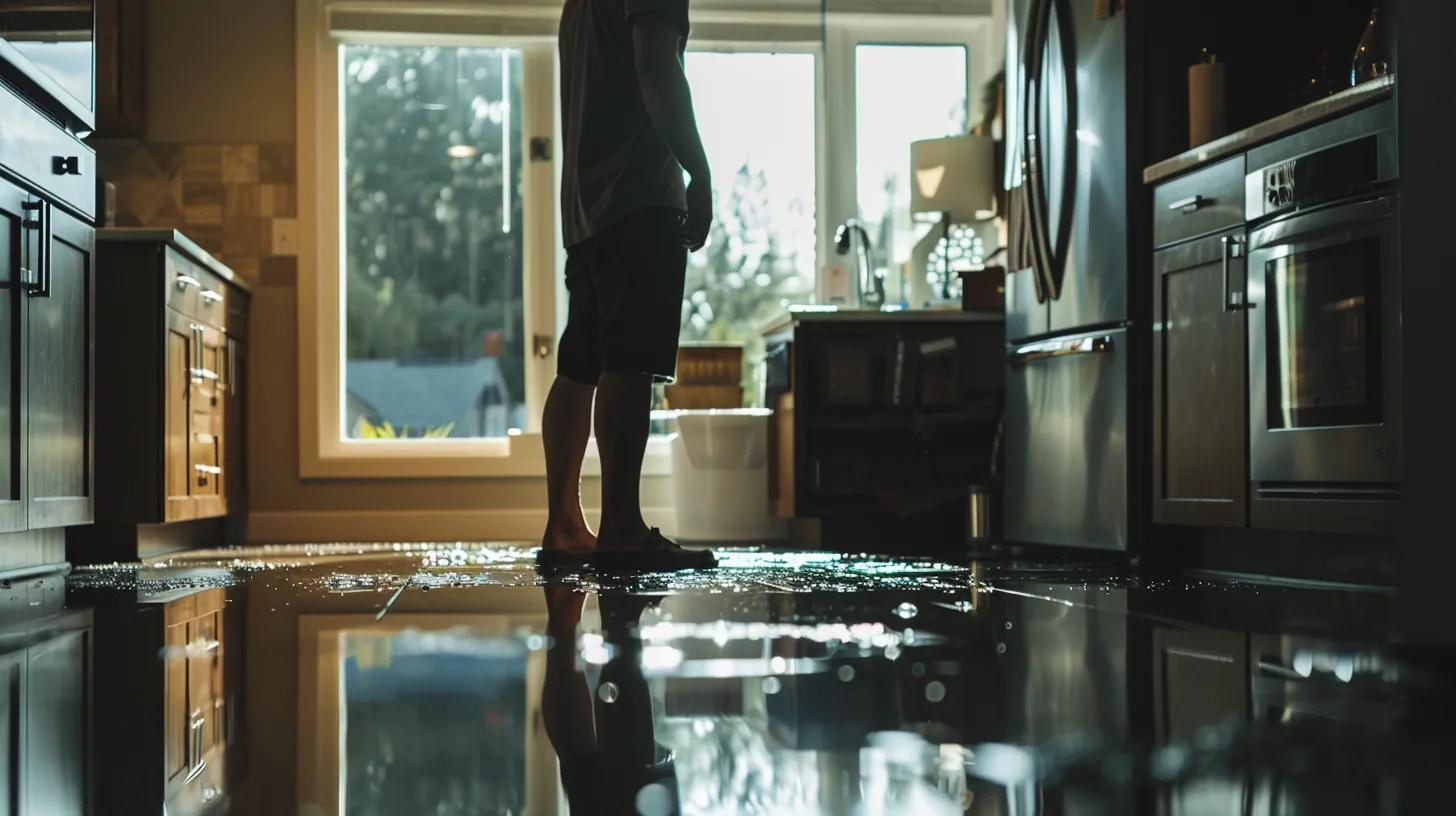
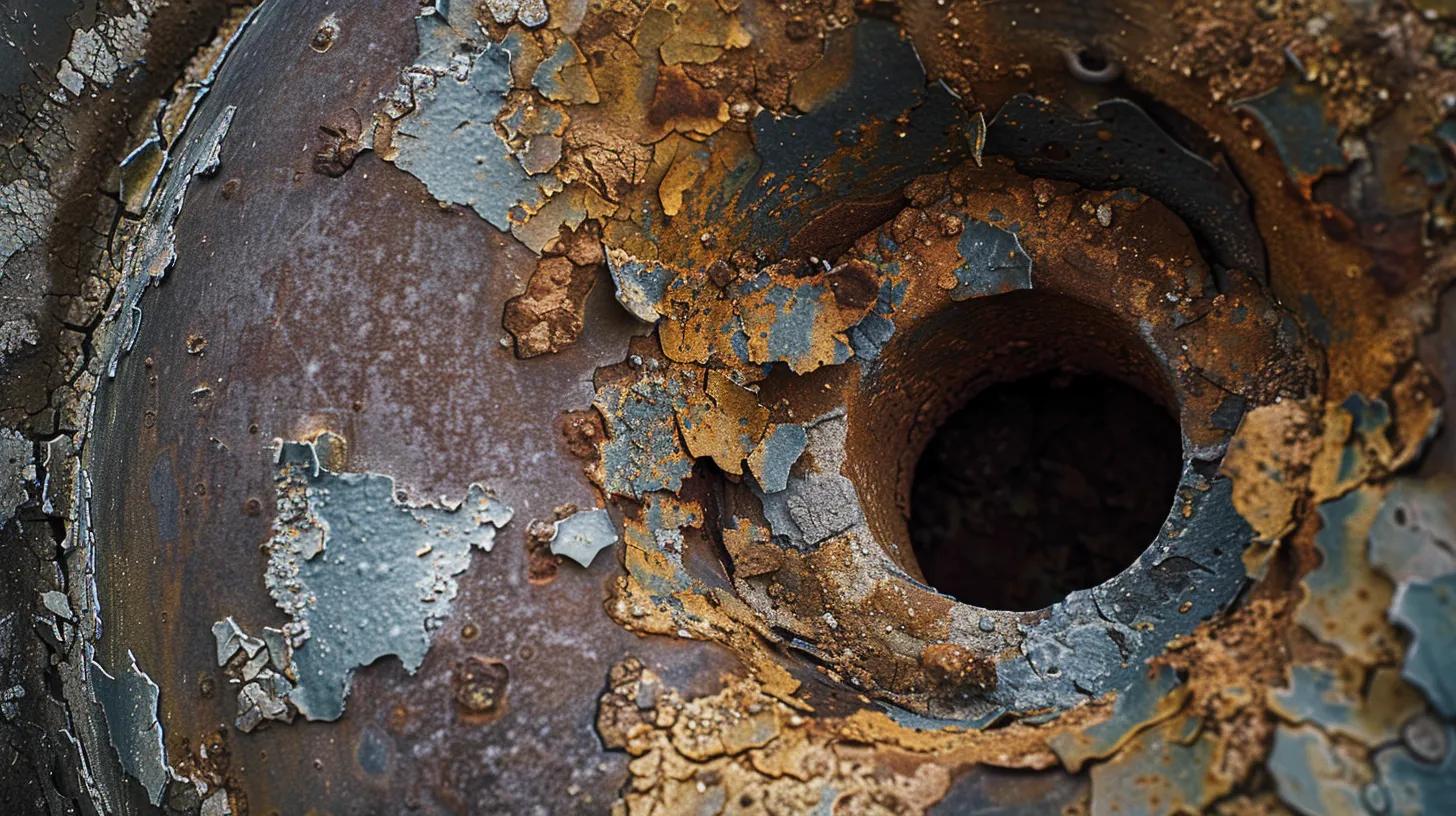
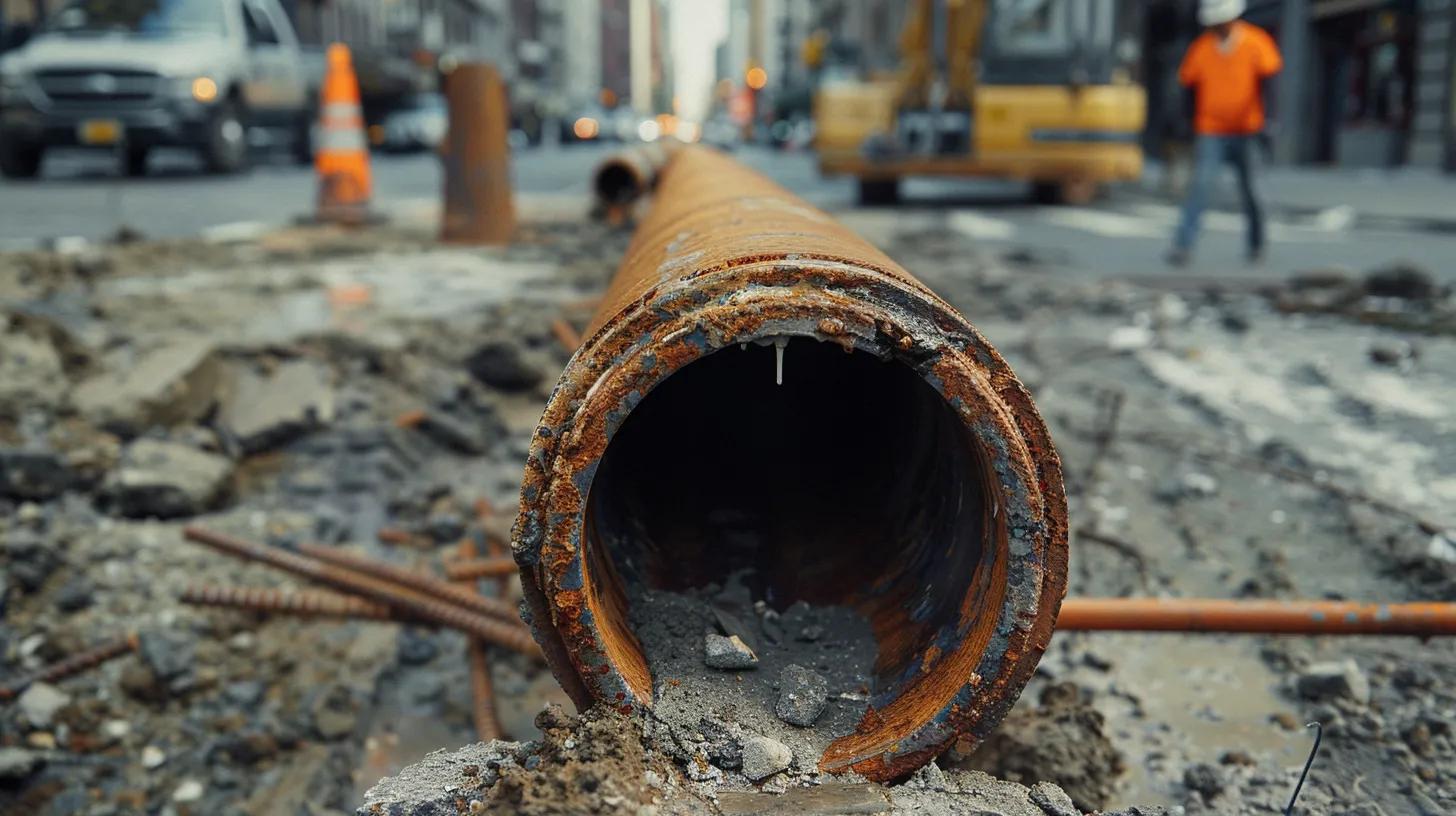
What Drain Pipe Material Is in Your Tampa Home?
The fastest way to narrow your drain material is by construction decade:
- Built before 1975: Cast iron drain lines are most common in neighborhoods like Seminole Heights, Ybor City, South Tampa, and Carrollwood’s older blocks. Cast iron has a 50 to 75 year lifespan, but internal corrosion and joint failure accelerate once the protective coating erodes.
- Built 1975-1995: PVC became the dominant residential drain material in Tampa’s suburban expansion in Brandon, Temple Terrace, New Tampa, and parts of Wesley Chapel. PVC is rated for 25 to 40 years under normal conditions.
- Built before 1940: Clay tile drains appear in Hyde Park, Palma Ceia, and the oldest Seminole Heights blocks. Clay is brittle and highly vulnerable to tree root intrusion and Tampa’s expansive soils.
- Built 1995-present: Modern construction primarily uses PVC or ABS. These are the youngest drain systems in the area and rarely need replacement before 20 to 25 years of age.
A camera inspection confirms what is actually in the ground. Our drain inspection tips for Tampa homeowners explain what that camera visit looks for and how to read the results.
How Tampa’s Soil and Climate Shorten Drain Lifespans
According to the U.S. Environmental Protection Agency, aging sewer infrastructure is one of the top causes of residential plumbing failures nationally, with soil conditions being a major accelerating factor. Tampa’s specific conditions are more aggressive than national averages for three reasons:
- Sandy, expansive soils: Hillsborough County’s soil profile includes areas with high clay content that swell when wet and contract when dry. This soil movement stresses rigid cast iron and clay pipe joints over decades.
- High water table: In low-lying areas near Old Tampa Bay and the Hillsborough River, pipes sit in consistently wet soil, which accelerates corrosion on any pipe material with iron content.
- Aggressive root systems: Mature live oaks, which are common throughout South Tampa, Seminole Heights, and Hyde Park, have root systems that can extend 50 to 100 feet from the trunk. Those roots follow moisture gradients directly toward cracked or joint-leaking drain lines.
Drain Replacement Signs by Pipe Material and Tampa Neighborhood
| Pipe Material | Typical Tampa Neighborhoods | Expected Lifespan | Primary Failure Mode |
|---|---|---|---|
| Cast iron | Seminole Heights, South Tampa, Ybor City, Hyde Park, Carrollwood (older) | 50-65 years in Tampa | Internal corrosion, joint scaling, root intrusion |
| Clay tile | Hyde Park, Palma Ceia, pre-1940 Tampa core | 40-60 years | Root intrusion, collapse, offset joints from soil movement |
| PVC (1980s-90s) | Brandon, Temple Terrace, New Tampa, older Wesley Chapel | 25-40 years | Joint separation from soil movement, root intrusion at joints |
| Modern PVC/ABS | New construction throughout Tampa Bay | 40+ years | Rare; usually improper installation or root intrusion |
What Are the Most Reliable Drain Replacement Signs in Tampa?
1. Persistent Slow Drains That Return After Professional Cleaning
A slow drain that clears after a professional cleaning but returns within 2 to 4 weeks is the most common signal that the drain has a structural problem rather than a blockage problem. The cleaning removed the obstruction, but the underlying cause (a root intrusion point, a pipe sag, or a partial collapse) is re-accumulating debris faster than normal. When this cycle repeats more than twice in a year, camera inspection is the next step before spending more on cleanings.
2. Multiple Fixtures Draining Slowly Simultaneously
When a single drain is slow, the blockage is usually in the branch line serving that fixture. When multiple fixtures slow down at the same time, or when using one fixture backs up another, the problem is in the main sewer line or a shared branch. Main line problems in cast iron homes over 50 years old are more likely to require replacement than repair because the corrosion is typically widespread rather than localized.
3. Gurgling Sounds From Drains After Use
Gurgling is a sign that air is entering the drain system from a partial blockage or a compromised vent stack. In Tampa’s older neighborhoods with cast iron vents, the vent pipe itself can rust through above the roofline and allow air to enter from above rather than through the vent cap. This can mimic a main line blockage symptom. A camera inspection distinguishes between a vent issue and a main line structural problem.
4. Soft or Sunken Spots in the Yard Over the Drain Line
A drain line that has collapsed or is leaking underground creates a void in the soil above it. Over time, that void causes the surface to settle or feel spongy underfoot. In Tampa’s sandy soil areas, this can happen more quickly than in denser soils because sand moves freely into the void. Any visible yard depression directly above where the sewer line runs to the street should be camera-inspected promptly.
5. Sewage Odor That Persists After Cleaning
Drain odors that return within a week of a professional cleaning, or that seem to come from the floor near a floor drain, suggest that sewer gases are venting through cracks in the drain line rather than through the vent stack as designed. In cast iron pipe systems, the joints where sections connect are common crack points after decades of thermal cycling and corrosion. Sewer gas contains hydrogen sulfide, which the Occupational Safety and Health Administration identifies as a respiratory hazard at sustained indoor concentrations.
6. Camera Inspection Reveals Root Intrusion or Offset Joints
A camera inspection on a cast iron drain line in a pre-1975 Tampa home that shows root tendrils growing into the pipe at multiple joint locations is a strong indicator for replacement rather than continued cleaning. Cutting roots clears the line temporarily, but the root system’s growth pattern will recolonize the same entry points within 6 to 18 months. If the joints are also visibly offset from soil movement, the structural integrity of the line itself is compromised. Our drain replacement services overview covers when lining is an option versus full excavation replacement.
Is There a Tampa-Specific Replacement Timeline for Cast Iron Drains?
For cast iron drain lines in Tampa’s pre-1975 neighborhoods, the practical guidance is:
- Age 40-50: Camera inspect every 2 years; repair known problem spots
- Age 50-60: Camera inspect annually; budget for replacement within 5 to 10 years
- Age 60-plus: Assess for full replacement; the cost of repeated cleaning and patching over 5 years often approaches or exceeds replacement cost
The full replacement cost for a 4-inch cast iron main drain line running from the house to the street in Tampa typically runs $3,500 to $8,000 depending on line length, depth, and surface materials above the line (concrete driveway vs. lawn). Our Tampa drain replacement and repair page has current pricing ranges.
What Happens During a Drain Assessment at Home Therapist?
Our plumbing team starts with a visual inspection of accessible cleanouts, a flow test at multiple fixtures, and if symptoms suggest a structural problem, a camera inspection of the main drain line. We identify the pipe material, show you what the camera sees, and give you a written recommendation with options: cleaning only, spot repair, or full replacement. Every assessment includes a FREE diagnosis. There is no trip charge and no obligation to proceed. Call (813) 343-2212 or visit the plumbing services page to request a visit.
Key Takeaways
- Tampa drain replacement signs depend on pipe material: cast iron (pre-1975 neighborhoods) fails through corrosion and root intrusion; PVC (1980s-90s) through joint separation
- Tampa’s sandy, expansive soils and high water table shorten drain lifespans compared to national averages
- Slow drains that return within weeks of cleaning, multiple simultaneous slow fixtures, yard depressions over the drain line, and persistent sewage odor are the most reliable replacement indicators
- Camera inspection is the only way to confirm whether cleaning or replacement is warranted
- Cast iron systems in Tampa that are 60 or more years old should be budgeted for replacement rather than continued patching
- FREE diagnosis on every visit; $279 applies to approved repair work only
How do I know if my Tampa home has cast iron or PVC drain pipes?
The fastest non-invasive method is to look under a sink at the drain tailpiece and P-trap. If the visible drain pipe is dark gray or black and feels heavy when you tap it, it is likely cast iron. White or gray lightweight pipe is PVC. Alternatively, the construction year of the home and the neighborhood it is in narrows the likely material significantly before any inspection.
Does Home Therapist do camera drain inspections?
Yes. Camera inspection is part of our drain assessment process for any main line symptom. We run the camera, show you the footage, and explain what we see before recommending repair or replacement. Our drain inspection tips explain what to expect during the visit and how to interpret the camera findings.
Can a partial drain repair extend the life of a cast iron system?
Spot repairs on isolated problem sections of a cast iron drain line can buy several years. Epoxy pipe lining is an option in some cases. However, if multiple sections are corroded or the pipe joints are offset throughout, patching individual spots becomes more expensive over 5 years than a full replacement, especially in Tampa’s root-heavy neighborhoods where root intrusion will continue at every weakened joint.
How long does a drain line replacement take in Tampa?
A standard main drain line replacement from house to street for a single-family Tampa home takes 1 to 2 days in most cases. This assumes normal soil conditions. Jobs near mature live oak root systems or in areas with existing concrete surfaces above the line take longer. We pull the required Hillsborough County plumbing permit, which typically takes 1 to 3 business days before work starts.
Do tree roots in my drain mean I need full replacement?
Not necessarily immediately. If the camera shows roots at only one or two joints and the pipe wall is otherwise intact, root cutting plus a drain lining treatment at the intrusion point may provide several more years of service. If the roots appear at many joints throughout the line, and especially if the pipe shows corrosion or offset at those joints, replacement is more cost-effective long-term than cutting roots every 12 to 18 months.
More Drain Cleaning Articles
- Drain Repair vs. Replacement Cost in Tampa: How to Decide (and What to Budget)
- How Often Should You Clean Your Drains in Tampa, FL?
- AC Drain Pan Flagged on Visit 3: What Barbaro Found on S Kissimmee St Before It Became a Flood in Tampa, FL 33616
- Do You Offer Drain Cleaning Services in Tampa, FL?
- Shower Drain Relocation in Tampa Bay: Cost, Process, and Pipe Layout


