

HVAC Trends in 2025: Smarter, Greener Comfort for Tampa
Sweltering Florida summers and unpredictable weather make comfort a top priority for Tampa homeowners. The push for smarter, more energy-efficient HVAC solutions is stronger than ever, driven by technologies that offer real-time performance monitoring and remote control through mobile apps. Investing in these smart HVAC systems lets you enjoy lower utility bills, greater environmental responsibility, and personalized comfort. Get ready to discover how cutting-edge innovations and sustainability trends are reshaping home climate management in 2025.
Table of Contents
- Defining HVAC Trends And Misconceptions
- Smart HVAC Systems And Home Integration
- Energy-Efficient Innovations For 2025
- Sustainable Cooling And Heating Technologies
- Financial Impacts And Cost-Saving Strategies
Key Takeaways
| Point | Details |
|---|---|
| Smart HVAC Integration | Modern HVAC systems offer comprehensive ecosystem management, combining multiple functions like real-time monitoring and predictive maintenance. |
| Sustainable Technologies | Innovative cooling and heating technologies focus on energy efficiency and reducing environmental impact, becoming essential for responsible homeowners. |
| Financial Strategies | Homeowners should use incentives and invest in advanced technologies to reduce long-term costs while enhancing comfort and efficiency. |
| Importance of Data | Utilizing detailed metrics and machine learning helps homeowners optimize energy usage and maintain their HVAC systems effectively. |
Defining HVAC Trends and Misconceptions
The HVAC landscape in 2025 has dramatically transformed from traditional cooling and heating approaches. Tampa homeowners now expect smart technologies that deliver precision comfort while minimizing energy consumption. Smart technologies are reshaping HVAC performance tracking through advanced data interpretation and mobile connectivity.
Contrary to previous misconceptions, modern HVAC systems represent far more than basic temperature regulation. These sophisticated systems now combine multiple functions:
- Real-time performance monitoring
- Automatic system diagnostics
- Personalized energy efficiency optimization
- Integrated environmental impact tracking
Consumers increasingly recognize that HVAC investments involve comprehensive ecosystem management rather than simple equipment replacement. IoT-enabled systems now provide remote access that allows homeowners unprecedented control over their indoor environments.
Modern HVAC isn’t just about comfort, it’s about intelligent, sustainable living.
The industry has witnessed significant shifts in technological integration and environmental responsibility. Updated refrigerant standards, improved SEER2 ratings, and advanced diagnostic capabilities demonstrate how HVAC systems have become more intelligent and environmentally conscious.
Here’s a comparison of traditional versus smart HVAC systems and their impact on home management:
| Aspect | Traditional HVAC | Smart HVAC 2025 |
|---|---|---|
| Main Function | Basic temperature control | Integrated climate ecosystem |
| Control Method | Manual thermostats | Remote and automated access |
| Maintenance | Scheduled checkups | Predictive, AI-powered |
| Energy Efficiency | Fixed operation | Dynamic, usage-based |
| Environmental Impact | Higher emissions | Sustainability-focused |
| User Insight | Minimal tracking | Detailed real-time metrics |
Pro tip: Research your specific home’s energy profile before upgrading to ensure maximum compatibility with emerging HVAC technologies.
Smart HVAC Systems and Home Integration
In 2025, smart HVAC systems have evolved from luxury features to essential home management technologies. Advanced IoT technologies now enable predictive maintenance that transforms how Tampa homeowners interact with their home climate control systems. These intelligent systems go far beyond traditional temperature regulation, offering comprehensive environmental management.
The integration of smart HVAC technologies involves multiple sophisticated capabilities:
- Real-time indoor air quality monitoring
- Machine learning-powered performance optimization
- Seamless connectivity with home automation platforms
- Automated energy consumption tracking
- Personalized comfort zone management
Home integration has become a critical consideration for modern HVAC systems. Smart sensors and AI are now fundamental to building management, allowing homeowners unprecedented control and insight into their living environments. These technologies enable precise climate control while simultaneously reducing energy consumption and environmental impact.
Smart HVAC isn’t just technology, it’s an intelligent ecosystem managing your home’s comfort and efficiency.
Moreover, the newest HVAC systems offer comprehensive data analysis, allowing homeowners to make informed decisions about energy usage, equipment maintenance, and environmental sustainability. By leveraging machine learning algorithms, these systems can predict potential maintenance issues, optimize performance, and provide transparent insights into home energy dynamics.
Pro tip: Consult with HVAC professionals who specialize in smart home integration to ensure your system is configured for maximum efficiency and compatibility.
Energy-Efficient Innovations for 2025
The HVAC industry in 2025 has undergone a transformative shift towards sustainable climate control technologies. Cloud-based energy management systems are revolutionizing how Tampa homeowners approach cooling and heating efficiency, delivering unprecedented control and environmental responsibility.
Key energy-efficient innovations for residential HVAC systems include:
- Advanced AI-powered fault detection algorithms
- Renewable energy source integration
- Smart grid compatibility
- Eco-friendly refrigerant technologies
- Predictive maintenance capabilities
Modern HVAC technologies are now designed with comprehensive sustainability goals in mind. These systems go beyond traditional energy savings, implementing sophisticated strategies that dynamically adjust performance based on real-time environmental conditions and household usage patterns.
Energy efficiency is no longer an optional feature, it’s a fundamental design requirement for modern HVAC systems.
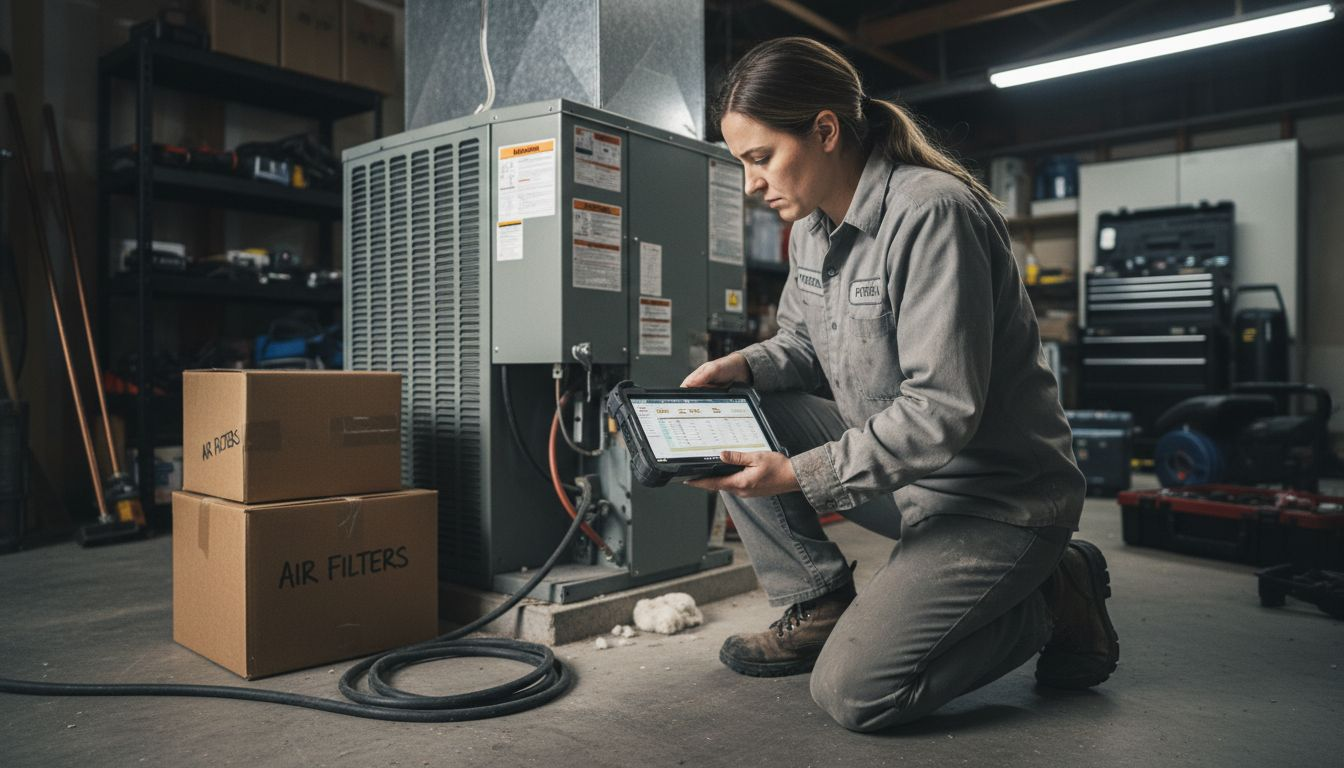
The newest innovations focus on holistic approaches to energy management. By leveraging machine learning and advanced sensors, these systems can optimize performance, reduce waste, and provide homeowners with transparent insights into their energy consumption. The result is a more responsive, intelligent approach to home climate control that balances comfort with environmental consciousness.
Pro tip: Consider scheduling an energy audit with a professional to identify your home’s specific efficiency opportunities and potential HVAC upgrade pathways.
Sustainable Cooling and Heating Technologies
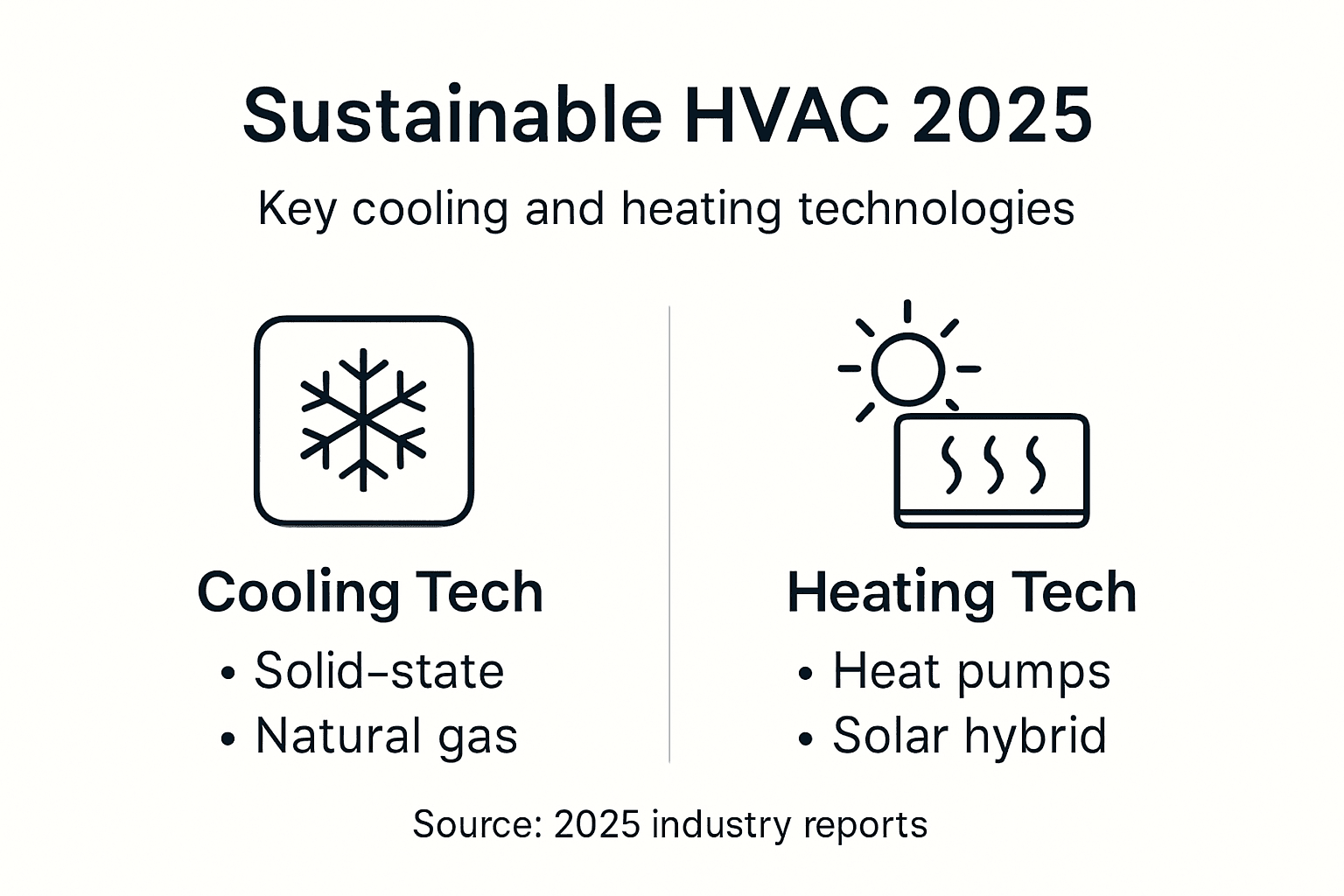
The landscape of home climate control is undergoing a radical transformation, driven by urgent environmental imperatives and technological innovation. Elastocaloric solid-state cooling technologies represent a groundbreaking approach to zero-emission temperature management, moving beyond traditional refrigerant-based systems.
Key sustainable cooling and heating technologies for Tampa homeowners include:
- Passive design strategies that minimize energy consumption
- Natural refrigerant alternatives
- Advanced thermal management systems
- Zero-emission cooling technologies
- Energy recovery ventilation methods
The newest sustainable technologies focus on comprehensive environmental strategies that go beyond simple energy efficiency. These innovations aim to dramatically reduce greenhouse gas emissions while maintaining optimal home comfort levels. By integrating cutting-edge materials science and intelligent design principles, modern HVAC systems can now deliver exceptional performance with minimal environmental impact.
Sustainable cooling is no longer a future concept, it’s an immediate necessity for responsible homeowners.
The global perspective on cooling technologies is shifting rapidly. Comprehensive approaches now combine advanced equipment design, smart energy management, and innovative materials to create holistic climate control solutions. These technologies not only reduce energy consumption but also provide homeowners with unprecedented control and transparency about their environmental footprint.
Pro tip: Investigate local incentives and rebates for installing energy-efficient HVAC technologies that can offset initial investment costs.
Financial Impacts and Cost-Saving Strategies
The HVAC industry in 2025 is experiencing a complex financial landscape that demands strategic adaptation and innovative thinking. Strategic inventory management becomes critical for homeowners and contractors navigating rising equipment costs and evolving technological requirements.
Key financial strategies for Tampa homeowners include:
- Leveraging government energy efficiency incentives
- Investing in predictive maintenance technologies
- Exploring service contracts with flexible terms
- Implementing smart thermostat solutions
- Conducting regular energy efficiency assessments
The financial dynamics of HVAC systems have transformed from simple equipment purchases to comprehensive investment strategies. Modern homeowners now view their climate control systems as long-term financial assets that require strategic planning and ongoing optimization.
Smart financial management in HVAC is about reducing costs while maximizing home comfort and efficiency.
Technological innovations are creating new opportunities for cost savings and revenue generation. Industry growth is driven by suburban expansion and increasing demands for energy-efficient solutions, which means homeowners who strategically invest in advanced technologies can potentially offset initial expenses through long-term savings.
The table below summarizes key financial benefits of adopting advanced HVAC in 2025:
| Benefit | Description | Long-term Impact |
|---|---|---|
| Incentive Utilization | Leverage federal or local rebates | Reduces upfront costs |
| Predictive Maintenance | Early issue detection cuts repair expenses | Lowers ownership costs |
| Smart Energy Management | Automated optimization of consumption | Ongoing utility savings |
| Flexible Service Terms | Custom contracts for individual needs | Budget-friendly upgrades |
Pro tip: Request multiple quotes and compare long-term operational costs, not just initial installation prices, when evaluating HVAC system investments.
Upgrade to Smart and Sustainable Comfort with Home Therapist
Navigating the 2025 HVAC landscape means embracing smarter, greener solutions that provide precise comfort while reducing energy usage and environmental impact. If you are a Tampa homeowner struggling with rising energy costs or outdated systems lacking predictive maintenance and remote control capabilities now is the time to take action. Our team understands the challenges of integrating smart HVAC technologies like AI-powered optimization and eco-friendly refrigerants designed for sustainability and cost savings.
Explore expert guidance and services at our HVAC Archives – Home Therapist Cooling, Heating, and Plumbing. Partner with our certified technicians who specialize in smart home integration and energy-efficient upgrades tailored to your unique home profile. Don’t wait for costly breakdowns or inefficient systems to impact your comfort and budget. Visit Home Therapist Cooling, Heating, and Plumbing today to schedule a consultation and start transforming your home into a smart, sustainable living space. For real examples of success stories check out our Case Studies Archives and discover how smart HVAC solutions can change the way you experience comfort.
Frequently Asked Questions
What are the key features of smart HVAC systems in 2025?
Smart HVAC systems in 2025 offer integrated climate management, real-time performance monitoring, predictive maintenance capabilities, personalized energy efficiency optimization, and seamless connectivity with home automation platforms.
How do smart HVAC systems improve energy efficiency?
Smart HVAC systems enhance energy efficiency by using AI-powered algorithms to optimize performance based on real-time environmental conditions and household usage patterns, leading to dynamic energy management and reduced waste.
What innovations make HVAC systems more sustainable in 2025?
Innovations in 2025 include elastocaloric solid-state cooling technologies, natural refrigerant alternatives, advanced thermal management systems, and energy recovery ventilation methods that aim to reduce greenhouse gas emissions while maintaining comfort.
How can homeowners maximize the financial benefits of upgrading their HVAC systems?
Homeowners can maximize financial benefits by leveraging government energy efficiency incentives, investing in predictive maintenance technologies, implementing smart energy management solutions, and regularly conducting energy efficiency assessments.
About This Guide
Written and reviewed by the Home Therapist Cooling, Heating & Plumbing team, a family-owned Tampa Bay HVAC and plumbing company serving the area since 2011. Our licensed techs hold Florida HVAC license CAC1819196 and Plumbing license CFC1431159, with over 1,100 five-star reviews across Tampa, St. Petersburg, Clearwater, Wesley Chapel, Lutz, Riverview, Brandon, Valrico, Apollo Beach, Palm Harbor, Land O’ Lakes, Plant City, New Port Richey, and surrounding Tampa Bay zip codes.
Honest pricing:. Upfront quotes, no high-pressure sales, no surprise fees.
Questions about your home? Call (813) 343-2212 for a real tech, or request a callback. Available 7 days a week including evenings and weekends for emergencies.
Recommended
- Why Choose Energy Efficient HVAC Systems in Tampa
- 7 Must-Have HVAC Upgrades 2025 for Tampa Homeowners
- Programmable HVAC: Boosting Comfort and Savings in Tampa
- Role of Home Comfort Systems in Tampa Bay Homes
More Related Articles
- Shorted Low-Voltage Wiring Left This St. Petersburg Heater Blowing Cold Air: HVAC Repair on Kelly Dr N, St. Petersburg, FL 33703
- January AC Tune-Up Valrico FL: What Jandiel Found on Lithia Ridge Blvd Pre-Season
- A $89 Tune-Up on S 69th St That Kept a Good System Running Great: Cooling and Heating Maintenance in Tampa, FL 33619
- 12-Year-Old Coil with Organic Growth: AC Tune-Up and Cooling & Heating Maintenance in Odessa, FL 33556
- Air Conditioner Installation Repair Tampa FL Bay FL Services Review from Bonnie Wakefield


