

AC Low-Voltage Electrical Failure Apollo Beach: Transformer, Fuse, Contactor on Signet Dr
An AC low-voltage electrical failure Apollo Beach call on January 12, 2026 sent technician Barbaro to a home on Signet Dr, FL 33572. The system was completely dead. What he found in 30 minutes of diagnosis: What he found: a burned air handler transformer, a blown low-voltage fuse, cut float switch wiring, and a worn condenser contactor. Total invoice was $89, which covered the maintenance visit and the diagnosis. Approved repairs included a new transformer, fuse, and contactor. This post walks through exactly what happened, why each component failed, and what Apollo Beach homeowners should know about low-voltage electrical problems in a salt-air coastal climate.
Key Takeaways
- Barbaro completed a 30-minute diagnostic visit on Signet Dr, Apollo Beach 33572 on January 12, 2026.
- Root cause: thermostat cable short created a chain reaction: blown fuse, then burned transformer, then system shutdown.
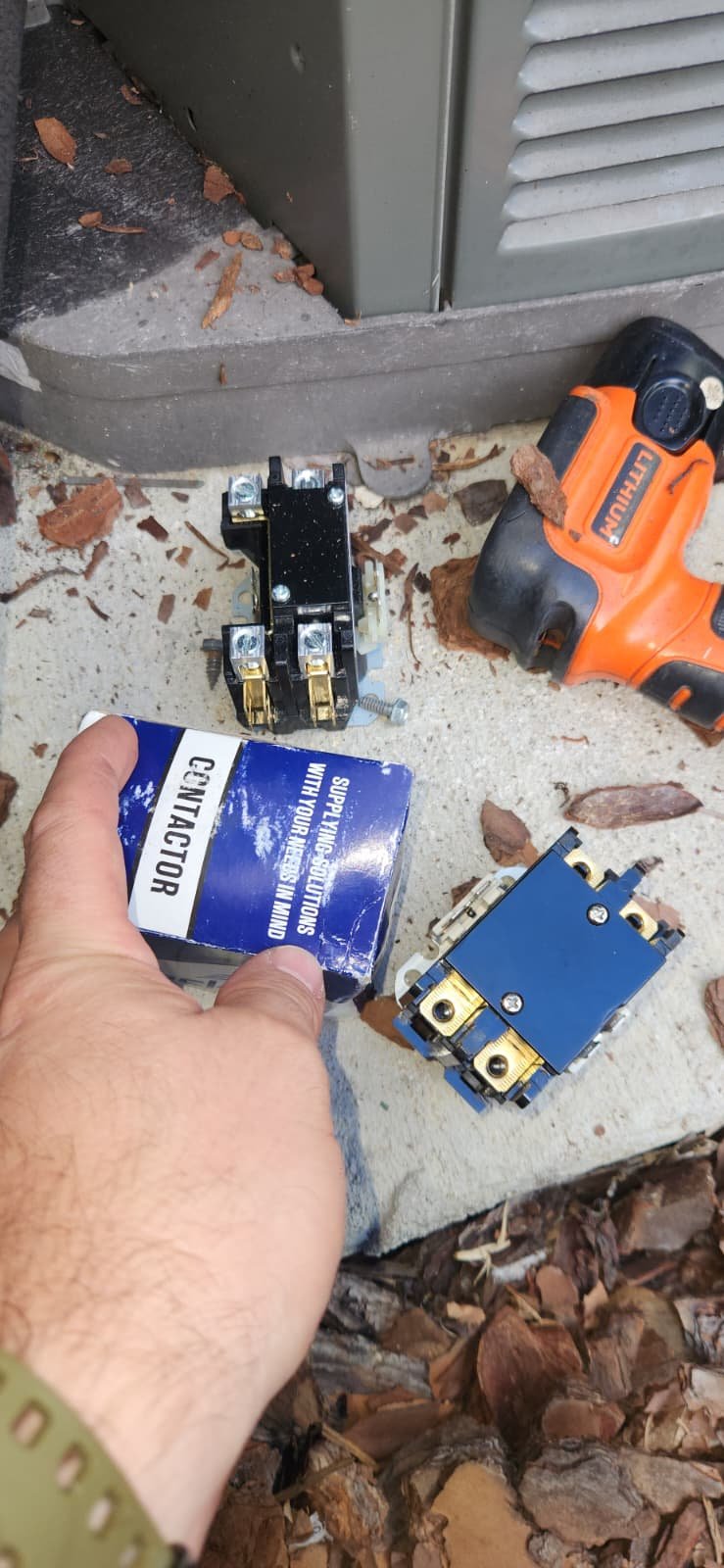
- The condenser contactor was also worn from heavy use and replaced at the same visit.
- Float switches were found old and improperly wired, creating an ongoing short risk.
- Salt air and near-constant run times in Apollo Beach accelerate electrical component wear compared to inland Florida.
- FREE diagnosis on all service calls. Labor on approved repair work is $279.
What Is AC Low-Voltage Electrical Failure Apollo Beach Homeowners Face and Why It Happens?
The low-voltage side of your HVAC system runs at 24 volts and controls almost everything that makes the system respond to your thermostat: the transformer steps down line voltage to 24V, the fuse protects the circuit, the thermostat wiring carries the control signal, and safety devices like float switches interrupt the circuit when a problem is detected. When any part of that circuit fails, the system goes offline completely even though the 240V line power is still present.
In Apollo Beach, FL 33572, two factors accelerate low-voltage electrical wear beyond what most HVAC technicians encounter in drier inland markets:
- Salt air: Apollo Beach sits directly on Tampa Bay. Salt in the air accelerates corrosion on wire terminals, transformers, and contactor contact surfaces. A contactor that might last 8 to 10 years inland may show pitting and wear in 5 to 7 years here.
- 9-month cooling season: The system cycles on and off far more times per year than national averages. Contactors, in particular, are rated for a finite number of switching cycles. High-cycle environments shorten the life of every relay and switch in the system.
What Barbaro Found on Signet Dr: Step-by-Step Findings
Finding 1: Burned air handler transformer
The transformer inside the air handler converts line voltage (240V or 120V) down to 24V for control circuits. Barbaro confirmed the existing transformer had burned out. The cause was a short in the thermostat cable: when low-voltage wiring shorts to ground or to another conductor, it draws excess current through the transformer, which overloads and burns. A burned transformer cannot be reset. It requires replacement.
Finding 2: Blown low-voltage fuse
The low-voltage fuse sits in series with the transformer’s secondary output. Its job is to blow before the transformer does. On this system, both the fuse and the transformer had failed, which typically indicates the short was sustained long enough to overcome both protections. Barbaro traced the short to the thermostat cable before replacing either component, to avoid repeating the failure cycle.
Finding 3: Old and improperly wired float switches
Float switches are safety devices wired in series with the low-voltage control circuit. When the condensate drain pan fills with water, the float rises and opens the circuit, shutting the system down. The homeowner had been told the float switches were previously replaced. Barbaro found otherwise: the switches showed clear signs of age, and one had a wire that was completely cut. A cut wire eliminates the safety function entirely and, depending on how it is terminated, can also create a persistent low-voltage short.
Finding 4: Worn condenser contactor
At the outdoor unit, Barbaro inspected the contactor: an electrically controlled switch that connects high-voltage power to the compressor and fan motor when the thermostat calls for cooling. The contactor showed pitting on the contact surfaces from years of high-cycle operation, consistent with Apollo Beach’s long cooling season. A pitted contactor can cause intermittent starting, compressor stress from incomplete electrical connection, and eventual hard failure.
What Was Repaired on This Visit: Sequence and Reasoning
Barbaro completed the repairs in this order:
- New air handler transformer: Replaced the burned unit with a correctly rated replacement. Verified polarity and secure connections before energizing the secondary circuit.
- New low-voltage fuse: Installed a properly sized fuse in the low-voltage circuit to restore protection. A fuse that keeps blowing indicates an unresolved short; this one was stable after the thermostat cable short was addressed.
- Thermostat cable inspection and correction: Traced the wiring to confirm the short source and corrected the routing to reduce re-short risk.
- Float switch documentation and homeowner education: Showed the homeowner the condition of the existing float switches and explained the short risk. Replacement of the float switches was recommended as a next step.
- New condenser contactor: Approved by the homeowner during a follow-up phone call. Installed and tested for clean electrical connection.
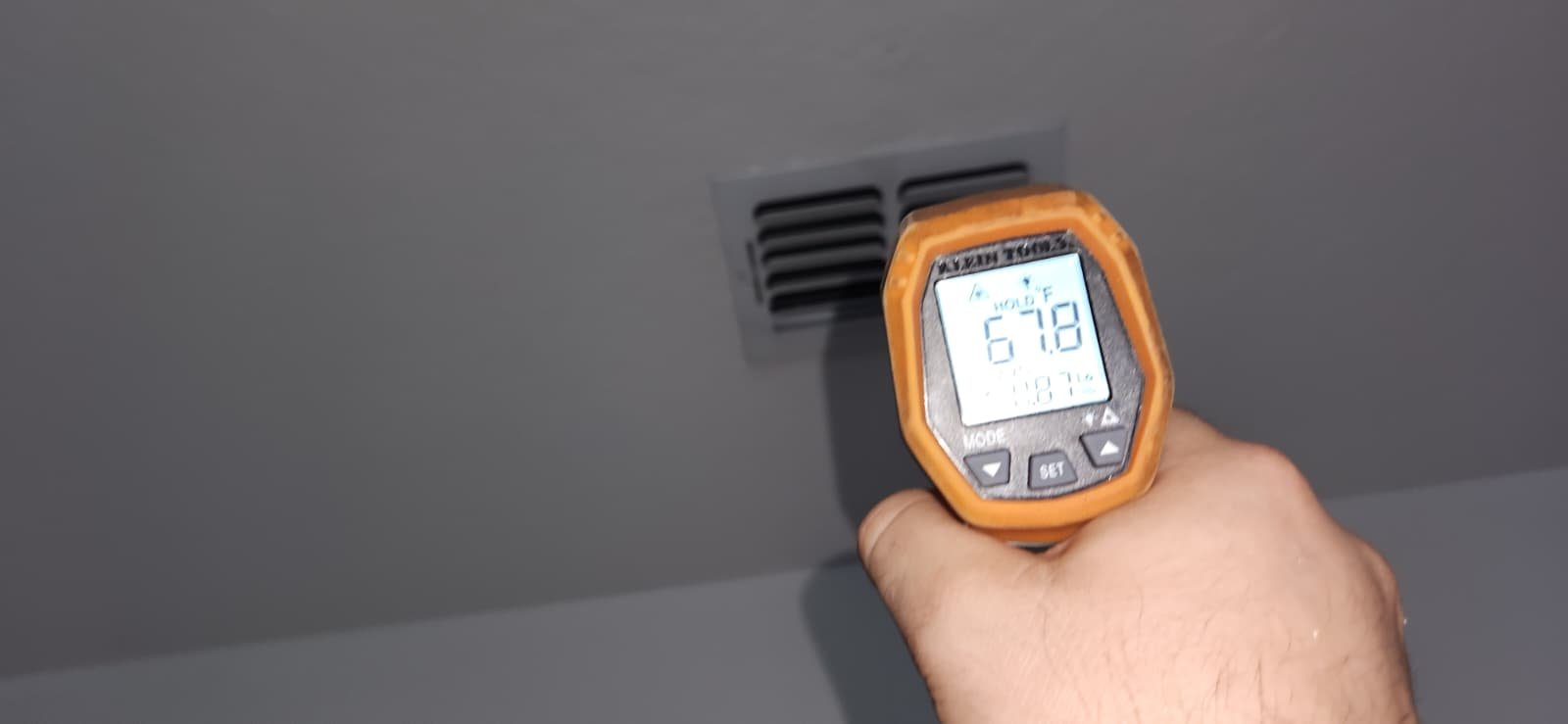
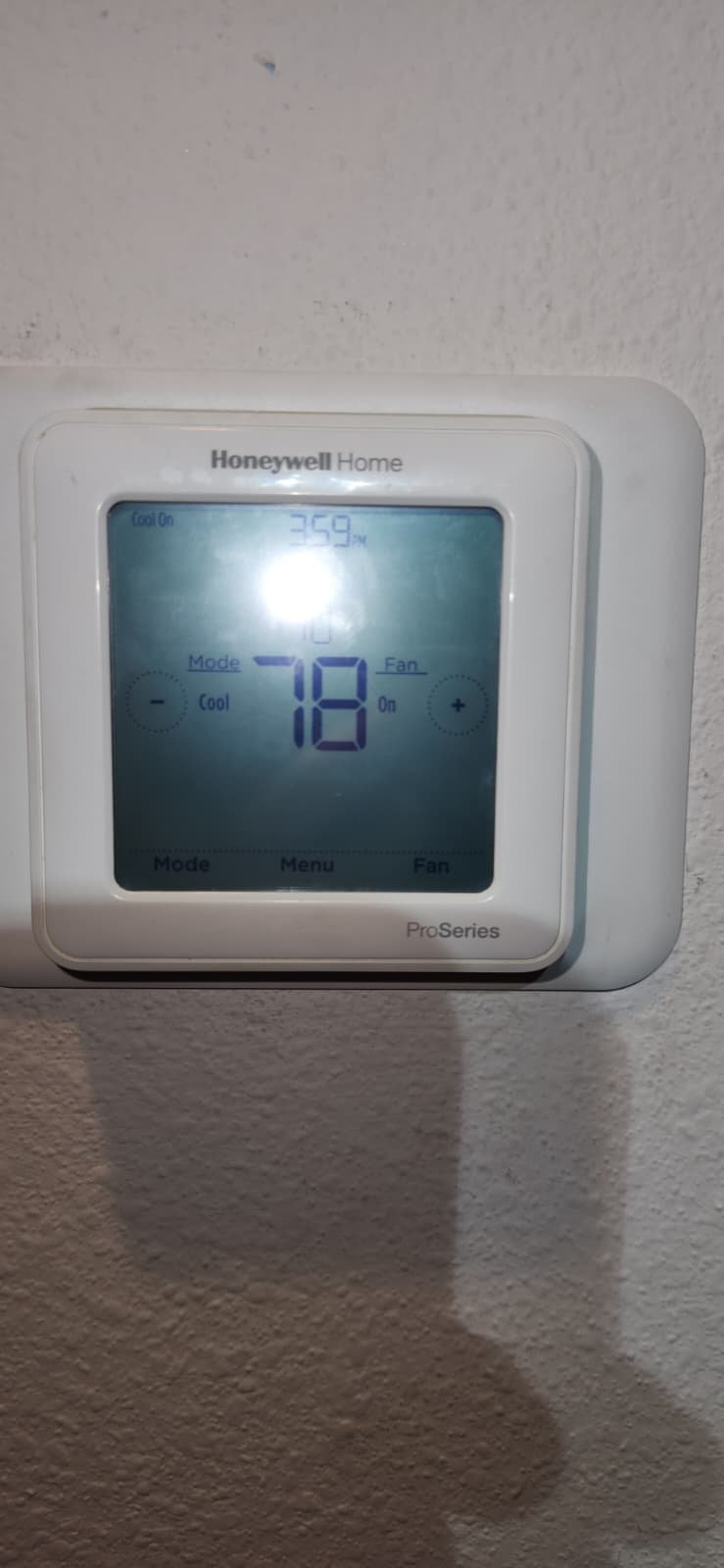
After all repairs, Barbaro verified thermostat communication, low-voltage stability, outdoor unit startup, and airflow from the blower motor. System was returned to stable operation.
AC Low-Voltage Electrical Component Reference: What Each Part Does and What It Costs
| Component | Function | Failure Sign | Typical Life in Apollo Beach |
|---|---|---|---|
| Air handler transformer | Steps line voltage down to 24V for controls | System completely unresponsive to thermostat | 7-12 years (shorter if shorts occur) |
| Low-voltage fuse | Protects transformer from shorts | No power to thermostat or controls | Lasts until a short event; replace after any short |
| Condenser contactor | Connects high-voltage power to outdoor unit | Outdoor unit hums but does not start; intermittent starting | 5-8 years at Apollo Beach cycle rates |
| Float switch | Shuts system off when drain pan fills | System keeps running with full drain pan; or false trips | 5-10 years; check wiring integrity annually |
| Thermostat cable | Carries 24V control signals between units | Blown fuse, burned transformer, erratic operation | 15-25 years; fails faster if pinched or corroded |
According to the US Department of Energy and ENERGY STAR central AC guidelines, proper HVAC maintenance and timely component replacement are the most cost-effective ways to extend system life. Each of the components above is far less expensive to replace during a planned visit than during an emergency call on a 97-degree day.
Why Does a Thermostat Cable Short Burn the Transformer?
The most common question after a burned transformer call is: why did this happen? The short answer involves Ohm’s Law. When the thermostat cable shorts (a bare wire touches ground or another conductor), the secondary circuit of the transformer is connected almost directly across its output terminals with near-zero resistance. Current flow spikes to a level the fuse and transformer are not rated to handle continuously. The fuse blows first. If the short persists or is intermittent, the transformer absorbs the excess energy and eventually burns its windings. The result is two failed parts from one cable fault.
In Apollo Beach, thermostat cable shorts are often traced to:
- Cables pinched by the air handler access panel being reinstalled without checking clearance
- Corrosion-weakened insulation on older wiring that eventually cracks and touches metal
- Incorrect thermostat installation where a wire is stripped too far and grounds against a metal junction box
- Old wiring that was not properly secured and vibrated against sharp edges over time
Maintenance Tips for Apollo Beach Homeowners: Low-Voltage Electrical Care
- Never ignore a fuse that blows more than once: A fuse that keeps blowing means the short source is still present. Replacing the fuse without finding the short just delays the next transformer failure.
- Treat float switch wiring as a safety system: A cut or disconnected float switch wire is not a minor issue. It removes the drain overflow protection and can contribute to ongoing shorts in humid Florida climates.
- Include contactor inspection in annual maintenance: Apollo Beach’s high cycle rates mean contactors show wear faster than average. A tech who checks contact surface condition annually can recommend replacement during a planned visit instead of an emergency call.
- Be careful during thermostat replacements: DIY thermostat installs are the leading cause of blown fuses and burned transformers we see in Apollo Beach. If you are not confident about the wiring, call for help.
- Schedule your annual tune-up before March: Before the 9-month cooling season fully ramps up is the best time to catch weak electrical components. Home Therapist offers a tune-up starting at $89 that covers refrigerant check, wiring inspection, component condition review, and drain service.
How do I know if my HVAC transformer has burned out?
If your thermostat is completely unresponsive (no display, no response to settings changes) and the system is not running even though the breaker is on, a burned transformer is a strong possibility. Other signs include a faint electrical burning smell near the air handler, or a visible scorch mark on the transformer body if you open the panel. Do not attempt to test it yourself with a multimeter unless you are trained to work around live electrical panels. Call (813) 343-2212 for a FREE diagnosis.
Why does my AC outdoor unit hum but not start in Apollo Beach?
A condenser that hums but does not start most often points to a failed capacitor (which gives the compressor and fan motor the starting push) or a worn contactor (which handles the power connection itself). Both are common in Apollo Beach due to high cycle rates and salt air corrosion. Barbaro checks both components during any diagnostic visit. Do not keep resetting the breaker if the outdoor unit hums without starting; it stresses the compressor.
What is a low-voltage fuse and where is it located?
The low-voltage fuse is a small fuse, typically 3 to 5 amps, located on the control board or in a fuse holder inside the air handler cabinet. It protects the transformer’s secondary output. If your thermostat has no power but the breaker is intact, the low-voltage fuse is the first thing a tech checks. It is inexpensive but cannot be replaced without addressing the underlying short if one caused it to blow.
Can I prevent AC low-voltage electrical failures in Apollo Beach?
You can significantly reduce risk through annual inspections that include wiring condition checks, float switch testing, and component measurements. Salt air and high cycle rates make electrical wear unavoidable over time, but catching components at early failure stage (borderline capacitor reading, slightly pitted contactor) during a planned visit is far less disruptive than an unplanned breakdown. Home Therapist’s $89 maintenance visit includes these checks.
How serious is a cut float switch wire?
Very. A cut float switch wire has two potential consequences: the drain safety protection is eliminated (meaning the system will keep running even if the drain pan fills and overflows, risking water damage), and depending on how the cut wire is terminated, it can create an intermittent short in the low-voltage circuit. On this Apollo Beach job, Barbaro documented the condition and strongly recommended replacement before the next season.
Does Home Therapist install Goodman and Daikin systems in Apollo Beach?
Yes. For homes where the diagnostic visit reveals aging equipment that is approaching end of service life, Home Therapist installs Goodman and Daikin AC systems across Apollo Beach and Hillsborough County. We can discuss options at any diagnostic or maintenance visit. Goodman covers value-tier replacements; Daikin covers premium and variable-speed options. Call (813) 343-2212 for a FREE estimate on installation.
Schedule AC Electrical Repair or Maintenance in Apollo Beach, FL 33572
If your system is dead, intermittent, or showing signs of electrical trouble in Apollo Beach, Home Therapist is ready to help. Call (813) 343-2212 to schedule service. We provide FREE diagnosis with every service call, and our $89 maintenance visit covers the kind of electrical inspection that caught this Signet Dr situation before it became a summer emergency.
For related service information, see our AC repair Apollo Beach page, our AC maintenance for Apollo Beach, our plumbing repair in Apollo Beach, and our mini-split maintenance guide for Apollo Beach. For general Apollo Beach HVAC work and our Premium Therapy Plan, see our Apollo Beach maintenance plan page.
More AC Repair Articles
- Out-of-Level Drain Line Caused a Garage Water Leak on Larch Ln: AC Drain Line Repair in New Port Richey, FL 34653
- AC Drain Line Repair New Port Richey FL: Why Slope Costs More Than a Flush on Larch Ln
- 18-Minute Copper Line Rupture Fixed on Bloomington Dr: HVAC Copper Line Repair in Tampa, FL 33635
- Shorted Low-Voltage Wiring Left This St. Petersburg Heater Blowing Cold Air: HVAC Repair on Kelly Dr N, St. Petersburg, FL 33703
- AC Contactor vs Relay: How to Tell Which One Is Failing in Your Tampa AC


