

HVAC Indoor Air Quality Tampa: How Your System Affects the Air
Your HVAC system is the single biggest driver of indoor air quality in a Tampa home. It controls humidity, filters airborne particles, and ventilates stale air. In our climate, where outdoor humidity often tops 80 percent, an HVAC system that holds indoor humidity near 45 to 55 percent is your main defense against mold, dust mites and that musty smell.
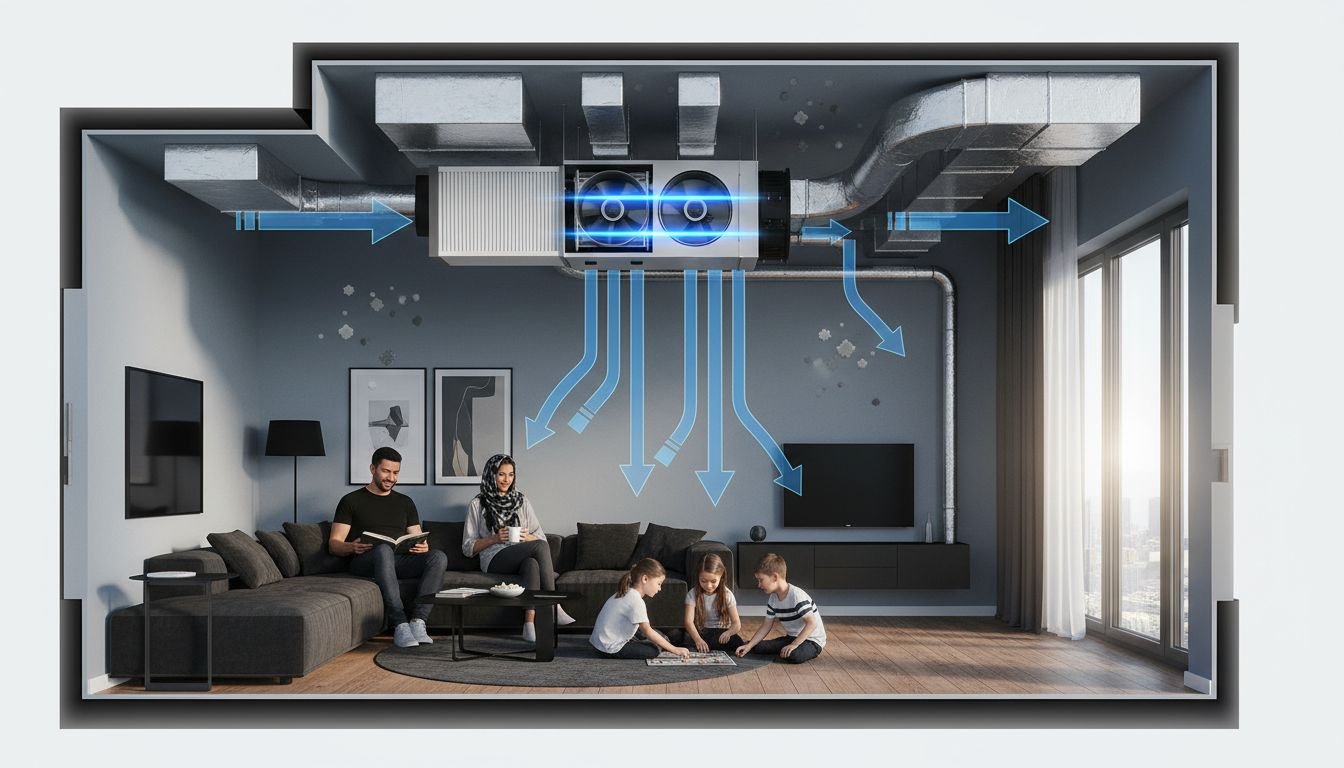
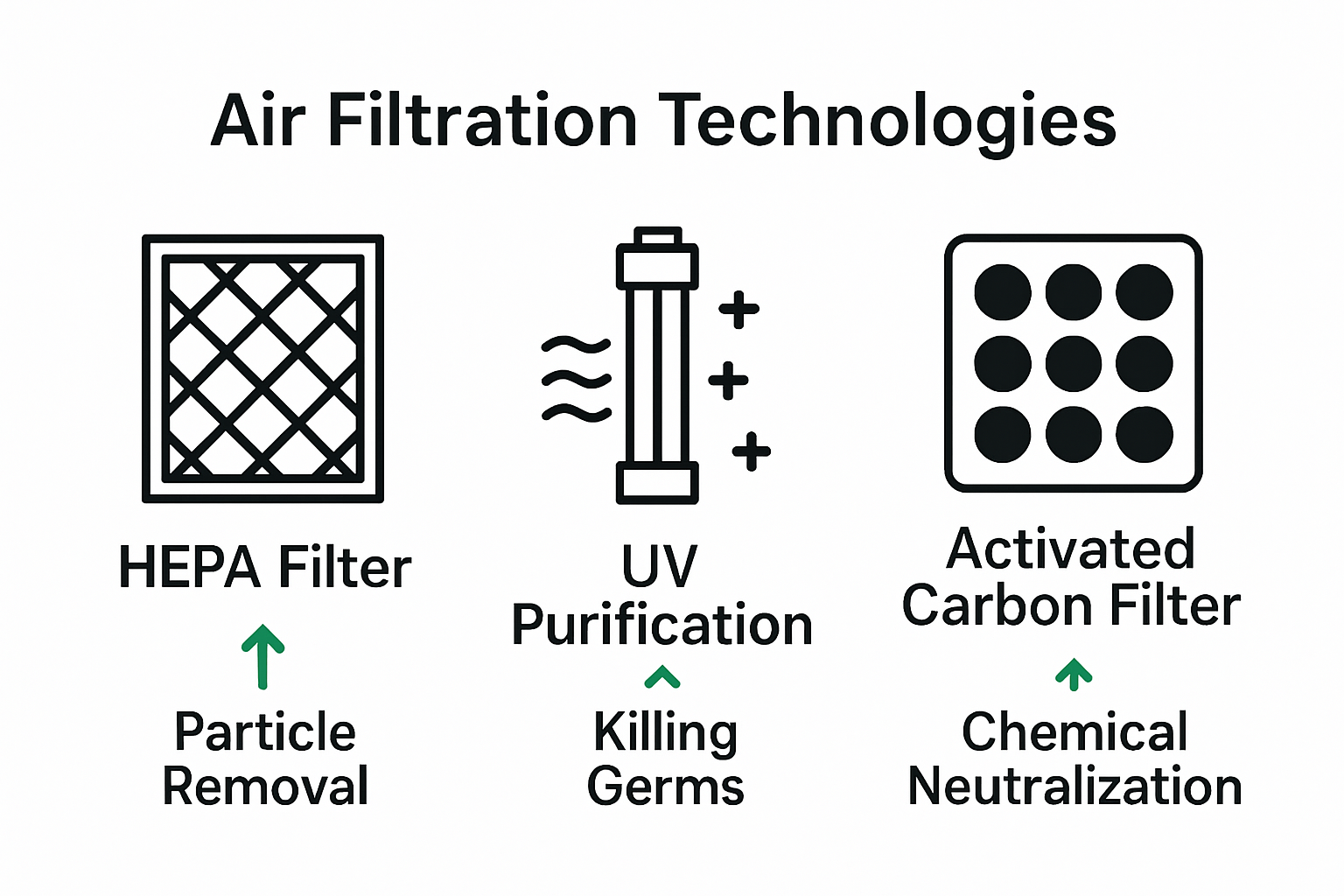

People think of air conditioning as just temperature, but in Tampa the bigger story is moisture and particles. Strong HVAC indoor air quality Tampa performance comes down to four levers: how well the system removes humidity, the filter rating you run, whether you add air-treatment like UV, and how you bring in fresh air without dumping in humidity. Get those right and the air feels cleaner, drier and healthier. Get them wrong and you get mold, allergies and high bills. Here is how each piece works in our climate.
HVAC indoor air quality Tampa starts with humidity control: how does it work?
An air conditioner removes moisture as a byproduct of cooling: warm humid air passes over the cold coil, water condenses out, and it drains away. The problem in Tampa is that an oversized system cools the room fast and shuts off before it pulls enough moisture out, leaving the house cold but clammy at 65 percent humidity. The EPA notes that keeping indoor humidity below roughly 60 percent is key to controlling mold, and the comfortable target is 45 to 55 percent. A right-sized system that runs longer cycles, or a dedicated dehumidifier paired with the AC, is how you hit that range. If your home feels muggy even with the AC running, that is a specific, fixable problem covered in high humidity despite AC.
What MERV filter rating should a Tampa home use?
The filter is your first line against dust, pollen and mold spores, and the MERV rating tells you how fine it captures. Higher is not always better, because a too-restrictive filter chokes airflow on a residential system and can hurt both comfort and the equipment. The sweet spot for most Tampa homes is MERV 8 to 13.
| MERV Rating | What it captures | Best for |
|---|---|---|
| MERV 1 to 4 | Large dust and lint only | Minimum protection; not recommended |
| MERV 8 | Dust, pollen, mold spores | Typical Tampa home, good baseline |
| MERV 11 to 13 | Fine particles, smoke, finer allergens | Allergy sufferers, pets |
| MERV 14+ | Bacteria-size particles | Usually too restrictive for home systems |
Whatever rating you pick, change it on schedule. In Tampa’s long cooling season a filter loads up fast, and a clogged filter is a top cause of weak airflow and even frozen coils. If allergy symptoms are worse indoors than out, the filter and duct cleanliness are the first things to check; see allergies worse indoors.
Do UV lights and ERVs improve indoor air quality in Florida?
Two add-ons go beyond filtration. A UV light installed at the indoor coil targets the mold and bacteria that love to grow on a cold, damp Florida coil, keeping the coil and drain pan cleaner so the system is not blowing spores through the house. It treats the air-handler, not the whole room, but in a humid climate that coil is exactly where biological growth starts. A musty smell from the vents often traces back to coil growth; see mold smell from vents for the diagnosis.
An ERV, or energy recovery ventilator, brings in fresh outdoor air while transferring heat and some moisture out of the incoming air, so you ventilate a tight modern home without dumping raw 80 percent humidity inside. The EPA’s guidance on improving indoor air quality highlights ventilation as one of the three core strategies alongside source control and filtration. For homes where dust, odors or duct leakage are the issue, our air duct cleaning in Tampa and broader indoor air quality services address the whole picture rather than one symptom.
When should you call a Tampa tech about air quality?
Call when you notice musty odors, visible condensation on vents or windows, allergy symptoms that ease when you leave the house, or a clammy feeling even with the thermostat low. Those point to humidity, filtration or coil problems that an HVAC tech can diagnose and fix. Home Therapist gives FREE estimates and FREE diagnosis on service calls, so you learn the root cause before spending anything; the $279 labor charge applies only toce you approve actual repair work.
Key Takeaways
- Your HVAC system controls humidity, filtration and ventilation, the three pillars of indoor air quality in Tampa.
- Keep indoor humidity at 45 to 55 percent; oversized AC that short-cycles leaves homes cold but clammy and mold-prone.
- Run a MERV 8 to 13 filter for most homes and change it often in our long cooling season; higher MERV can choke airflow.
- UV lights keep the damp Florida coil clean, and ERVs add fresh air without importing 80 percent outdoor humidity.
- FREE estimates and FREE diagnosis on service calls; $279 is the labor on approved repairs only.
Frequently Asked Questions
What indoor humidity level prevents mold in a Tampa home?
Aim for 45 to 55 percent and keep it under 60 percent. The EPA links humidity below roughly 60 percent to mold control, and a right-sized AC or a paired dehumidifier is how Tampa homes hold that range against 80 percent outdoor humidity.
What MERV rating is best for a Tampa air conditioner?
MERV 8 to 13 suits most homes. MERV 8 is a solid baseline; MERV 11 to 13 helps allergy sufferers and pet owners. Going higher than 13 often restricts airflow too much on a residential system.
Are UV lights worth it for HVAC in Florida?
In a humid climate they help, because they target the mold and bacteria that grow on the cold, damp indoor coil. They keep the coil and drain pan cleaner so the system is not circulating spores, which is a common cause of musty vent odors.
What is an ERV and does my Tampa home need one?
An energy recovery ventilator brings in fresh air while transferring heat and moisture out of the incoming air. Tighter modern homes benefit most, since it ventilates without importing Tampa’s high outdoor humidity. A tech can advise based on your home’s tightness.
More Indoor Air Quality Articles
- Adding UV Light for Air Conditioner Installation in Tampa Bay, FL
- Mini Split System Refrigerant Refill Services Project in Plant City, FL 33565
- Organic Growth on the Blower and Rodent-Chewed Return Ducts: AC Maintenance Findings in Palm Harbor, FL 34684
- Hose Bib Replacement on Greenery Ct: Plumbing Repair + AC Maintenance in Tampa, FL 33618
- Mini Split Installation for Florida Rooms and Garages in Tampa, FL: What to Expect


