

Prepping HVAC for Summer: Homeowner’s Full Checklist
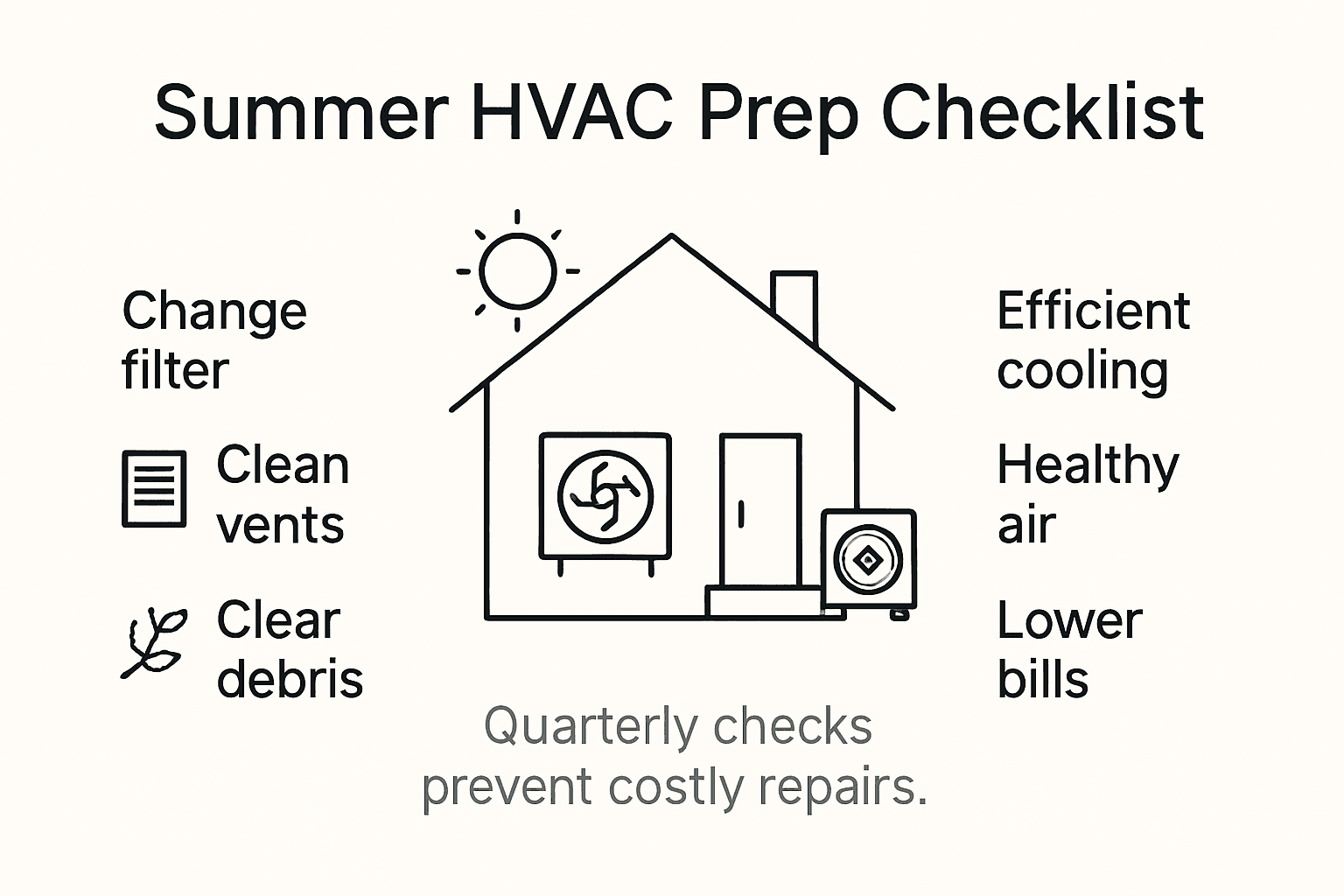
Most American families in Tampa Bay see energy bills spike by as much as 30 percent every summer, making HVAC preparation more vital than ever. The intense Florida heat tests every cooling system, and ignoring basic maintenance means paying more for less comfort. Practical upkeep like checking filters and cleaning vents will help you maintain efficient cooling and avoid unexpected costs, all while keeping your home cool when the American summer hits its peak.
Table of Contents
- Step 1: Inspect and Replace Air Filters
- Step 2: Clean Vents and Check Airflow
- Step 3: Clear Debris Around Outdoor Unit
- Step 4: Test Thermostat and Cooling Controls
- Step 5: Schedule Professional HVAC Maintenance
Quick Summary
| Key Point | Explanation |
|---|---|
| 1. Regularly Change Air Filters | Inspect and replace HVAC air filters every 3 months for optimal performance and air quality. |
| 2. Clean Vents for Airflow | Remove debris from vents and ensure airflow is unobstructed for efficient cooling throughout your home. |
| 3. Maintain Outdoor Unit Area | Clear debris around your outdoor HVAC unit every quarter to prevent damage and enhance efficiency. |
| 4. Test Thermostat Functionality | Regularly check your thermostat to ensure accurate temperature regulation and prompt system response. |
| 5. Schedule Professional Maintenance | Arrange seasonal maintenance checks to ensure your HVAC system operates efficiently and to catch potential issues early. |
Step 1: Inspect and Replace Air Filters
Maintaining clean air filters is crucial for keeping your HVAC system running efficiently during Tampa Bay’s hot summers. According to Consumer Reports, most disposable air filters last three to 12 months, but regular inspection helps ensure optimal performance.
To start, locate your HVAC system’s air filter compartment, typically found near the return air duct or inside the blower compartment. Carefully remove the existing filter and examine its condition. Signs you need a replacement include visible dust buildup, discoloration, or a gray or dark appearance. When selecting a new filter, match the size precisely with your current filter’s dimensions, typically printed on its side. Pay attention to the MERV rating – higher ratings provide better filtration but may restrict airflow, so choose a rating recommended by your HVAC manufacturer.
Experts recommend changing filters every three months to prevent system strain and maintain indoor air quality. For homes with pets, children, or located in dusty areas, you might need more frequent replacements. After installing the new filter, make sure it’s seated correctly and the airflow direction arrow points toward the furnace or air handler.
Pro tip: Keep a log of your filter replacement dates and set a calendar reminder to check your filter quarterly to maintain your HVAC system’s peak performance.
Here’s a summary of air filter types and their main benefits:
| Filter Type | Typical Lifespan | Filtration Level | Ideal Household |
|---|---|---|---|
| Fiberglass | 1 month | Basic dust removal | Low allergen, no pets |
| Pleated | 3-6 months | Moderate filtration | Most homes |
| HEPA | 6-12 months | Highest filtration | Allergy-sensitive |
| Washable | Several years | Varies by model | Eco-friendly homes |
Step 2: Clean Vents and Check Airflow
According to ASHRAE standards, proper ventilation is critical for maintaining indoor air quality and system efficiency. Cleaning your vents and checking airflow helps ensure your HVAC system delivers cool air effectively throughout your Tampa Bay home during the intense summer months.
Start by visually inspecting all supply and return air vents in each room. Remove the vent covers carefully using a screwdriver and use a vacuum with a brush attachment to remove dust and debris from inside the vent openings and along the vent edges. For hard-to-reach areas, use a microfiber cloth or extendable duster to clean thoroughly. Duct inspections reveal potential air leakage points that can significantly impact system performance, so pay attention to any gaps or loose connections around the vent areas.
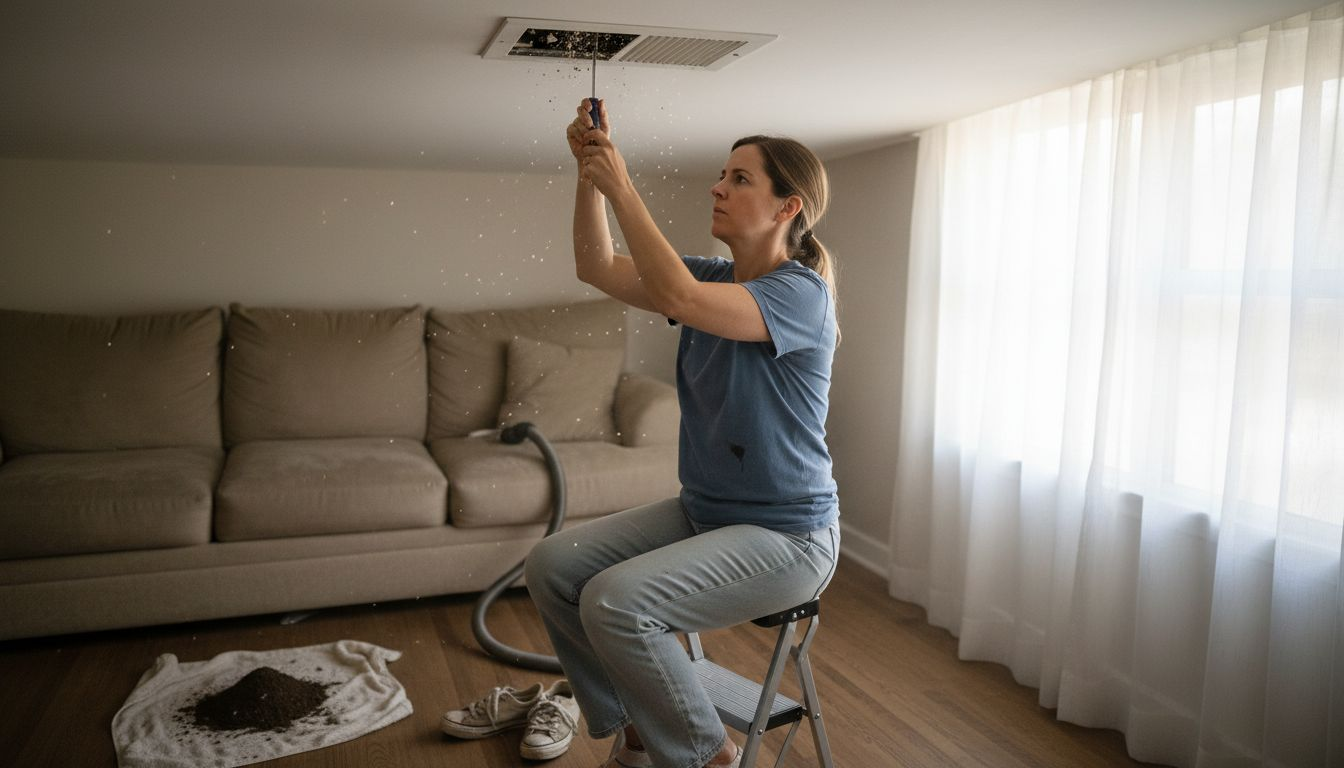
To check airflow, turn on your HVAC system and hold a lightweight piece of tissue paper near each vent. The tissue should move consistently when the system is running, indicating proper air circulation. Uneven or weak airflow might signal blockages or potential issues with your ductwork that require professional attention. If you notice significant airflow variations between rooms, it could indicate problems with duct design or potential obstructions.
Pro tip: Consider scheduling a professional duct cleaning every three to five years to maintain optimal HVAC performance and indoor air quality.
Step 3: Clear Debris Around Outdoor Unit
Effective debris management is crucial for maintaining your HVAC system’s performance and preventing potential damage. Your outdoor HVAC unit works hard during Tampa Bay’s intense summer heat, and keeping its surrounding area clean is essential for optimal functioning.
Begin by turning off the power to your outdoor unit at the circuit breaker for safety. Carefully remove any leaves, branches, grass clippings, or other organic materials within a two to three foot radius around the unit. Use a rake or garden gloves to clear debris, ensuring you do not damage the unit’s delicate fins or components. Trim back any nearby bushes or vegetation that might obstruct airflow or drop leaves and twigs onto the unit. For stubborn dirt or small debris, use a soft brush or leaf blower set to a low setting to gently clean the unit’s exterior without bending the aluminum fins.
Inspect the unit’s base and surrounding ground for any signs of standing water, uneven settling, or potential drainage issues. Ensure the area remains well graded so water flows away from the unit, preventing moisture buildup that could lead to corrosion or mechanical problems. If you notice any significant damage or persistent debris accumulation, consider consulting a professional HVAC technician for a comprehensive inspection.
Pro tip: Create a quarterly outdoor maintenance schedule to keep your HVAC unit clear and functioning efficiently throughout the year.
Step 4: Test Thermostat and Cooling Controls
Programmable thermostats play a critical role in managing your home’s cooling efficiency and comfort, especially during Tampa Bay’s scorching summer months. Testing your thermostat and cooling controls ensures your HVAC system will respond accurately when you need it most.
Begin by turning on your air conditioning system and setting the thermostat to cooling mode. Verify that the system starts within a few minutes of changing the temperature setting. Listen for the typical startup sounds of your air conditioning unit and feel the air coming from your vents to confirm cool air is flowing. Certified technicians recommend thorough testing to validate proper system operation and temperature regulation. Check each room to ensure consistent cooling and that the temperature matches your thermostat settings. If you have a programmable or smart thermostat, test its scheduling features by setting different temperatures for various times of the day and confirming the system responds accordingly.
Pay close attention to any unusual sounds, inconsistent cooling, or delays in system response. These could indicate underlying issues with your thermostat or HVAC system that might require professional inspection. If you notice significant discrepancies between the set temperature and actual room temperature, your thermostat might need calibration or replacement.
Pro tip: Keep your thermostat manual handy and consider taking a photo of your current settings as a reference point for future troubleshooting.
Step 5: Schedule Professional HVAC Maintenance
ASHRAE standards emphasize the critical importance of regular professional HVAC maintenance for preserving system performance and efficiency. Scheduling a professional maintenance check before Tampa Bay’s intense summer heat arrives can prevent unexpected breakdowns and ensure your cooling system operates at peak performance.
Contact a reputable local HVAC technician and schedule a comprehensive system inspection. During this service, a professional will thoroughly examine your entire cooling system, including checking refrigerant levels, cleaning condenser coils, lubricating moving parts, testing electrical connections, and calibrating your thermostat. Professional maintenance helps identify early signs of wear, reduce energy consumption, and extend your system’s operational life. Expect the technician to provide a detailed report of your system’s condition and recommend any necessary repairs or improvements.
Be prepared to discuss your home’s specific cooling needs, including any recent changes in occupancy, home modifications, or comfort issues you have experienced. Ask about recommended maintenance frequency for your specific HVAC system model and the technician’s observations about its current condition. Request documentation of the services performed and keep this for your home maintenance records.
Pro tip: Schedule your HVAC maintenance during the spring shoulder season when technician availability is higher and you can address any issues before peak summer demand.
Compare these common HVAC issues and recommended professional maintenance checks:
| Issue | Symptom | Recommended Service | Benefit |
|---|---|---|---|
| Weak Airflow | Uneven room cooling | Duct inspection/cleaning | Better air circulation |
| Thermostat Delay | Slow AC startup | Thermostat calibration | Faster response |
| Strange Noises | Loud or unusual sounds | Parts lubrication/check | Quieter operation |
| Poor Cooling | Room not cooling well | Refrigerant/top-off, coils | Restores efficiency |
Get Your HVAC Summer-Ready with Trusted Tampa Bay Experts
Preparing your HVAC system for the challenging Tampa Bay summer heat involves crucial steps like inspecting air filters, cleaning vents, and testing thermostats. These tasks can feel overwhelming, especially when tight schedules and unexpected HVAC issues arise. You want reliable cooling, proper airflow, and peace of mind without the hassle of trying to troubleshoot complex problems yourself.
At Home Therapist Cooling, Heating, and Plumbing, we understand the importance of comprehensive HVAC maintenance before the heat waves hit. Our certified technicians offer expert services including professional filter replacement, duct inspections, and thermostat calibration so your system runs efficiently and keeps your home comfortable all summer. Dont wait for temperature spikes or unexpected breakdowns to act. Explore our reliable HVAC services to schedule your pre-summer system check and enjoy lasting comfort with the local team Tampa Bay homeowners trust.
Frequently Asked Questions
- How much does it cost to run an AC diagnostic test?
Home Therapist provides a free diagnosis on every visit, so there is no charge to run an AC diagnostic test when you book a service call. A technician inspects your system, identifies the fault, and gives you a clear repair quote before any work begins. Call (813) 343-2212 to schedule.
- What is the 3 minute rule for air conditioners?
The 3-minute rule means you should wait at least three minutes before restarting your AC after it shuts off or loses power. This pause lets refrigerant pressure equalize across the system, protecting the compressor from starting under high load. Skipping this step is a leading cause of compressor failure, especially during Tampa Bay's long summer cooling season.
- Is 77 a good temperature for AC in summer?
Yes, 77 degrees Fahrenheit is a reasonable summer setpoint for most Tampa Bay homes. It balances comfort with energy efficiency and reduces the runtime strain that comes with Tampa's extreme heat and humidity. Setting the thermostat higher when the home is empty and using a programmable or smart thermostat to recover before you return is an effective way to extend equipment life.
How often should I inspect and replace my HVAC air filters?
Regularly inspect your HVAC air filters every month, and replace them every three months to maintain efficiency. Set a calendar reminder to check on your filters, especially if you have pets or live in a dusty area.
What steps can I take to clean my vents and check airflow?
Begin by removing the vent covers and vacuuming out dust and debris inside the vents. After that, turn on your HVAC system and hold a lightweight piece of tissue paper near each vent to check for consistent airflow; if the tissue moves, your airflow is good.
How do I clear debris around my outdoor HVAC unit?
To clear debris, first turn off the power to the unit, then remove leaves and other organic materials within a two to three-foot radius. Regularly maintain this area to ensure optimal airflow, checking for standing water or drainage issues as well.
What should I do to test my thermostat and cooling controls?
Test your thermostat by turning on your air conditioning and adjusting the temperature settings. Ensure that cool air flows from the vents within a few minutes; if there are inconsistencies, you may need to calibrate or replace your thermostat.
Why is scheduling professional HVAC maintenance important before summer?
Scheduling professional maintenance helps identify any potential issues before the heat arrives, ensuring your system runs efficiently. Contact a local technician to inspect and service your system in the spring for optimal performance during the summer months.
What common HVAC issues should I look out for during inspection?
Look out for weak airflow, unusual noises, or poor cooling performance. If you notice significant discrepancies, such as uneven cooling between rooms, consider scheduling a professional duct inspection or service to resolve these problems.
About This Guide
Written and reviewed by the Home Therapist Cooling, Heating & Plumbing team, a family-owned Tampa Bay HVAC and plumbing company serving the area since 2011. Our licensed techs hold Florida HVAC license CAC1819196 and Plumbing license CFC1431159, with over 1,100 five-star reviews across Tampa, St. Petersburg, Clearwater, Wesley Chapel, Lutz, Riverview, Brandon, Valrico, Apollo Beach, Palm Harbor, Land O’ Lakes, Plant City, New Port Richey, and surrounding Tampa Bay zip codes.
Honest pricing:. Upfront quotes, no high-pressure sales, no surprise fees.
Questions about your home? Call (813) 343-2212 for a real tech, or request a callback. Available 7 days a week including evenings and weekends for emergencies.
Recommended
- HVAC Troubleshooting Steps for Homeowners: Easy Guide – Home Therapist Cooling, Heating, and Plumbing
- 7 Essential HVAC Maintenance Checklist Tips for Homeowners – Home Therapist Cooling, Heating, and Plumbing
- Air Conditioning Maintenance Guide for Tampa Bay Homes – Home Therapist Cooling, Heating, and Plumbing
- The Essential Guide to Regular HVAC Maintenance – Home Therapist Cooling, Heating, and Plumbing
- What Is Plumbing and Why It Matters Locally
More Related Articles
- Why Choose Energy Efficient HVAC Systems in Tampa
- Daikin Heat Pump Installation in Tampa, FL 33606: 2.5-Ton R32 System on S Westland Ave, New Year’s Eve 2025
- What Is HVAC Short Cycling and Its Impact
- Do HVAC Economizers Work in Tampa’s Humid Climate? What Homeowners Need to Know
- Air Conditioner Installation Repair Tampa FL Bay FL Services Review from Bonnie Wakefield


