

Storm Power Dips Damaged More Than a Capacitor in Spring Hill
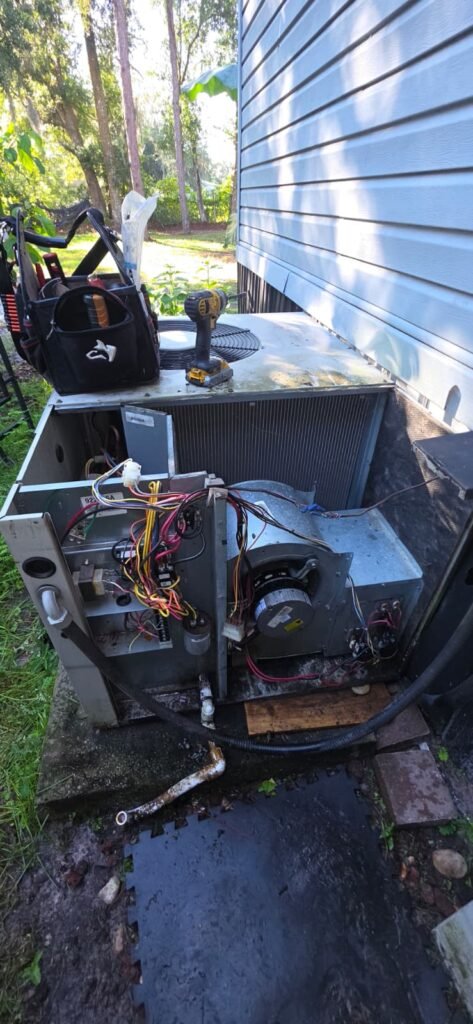
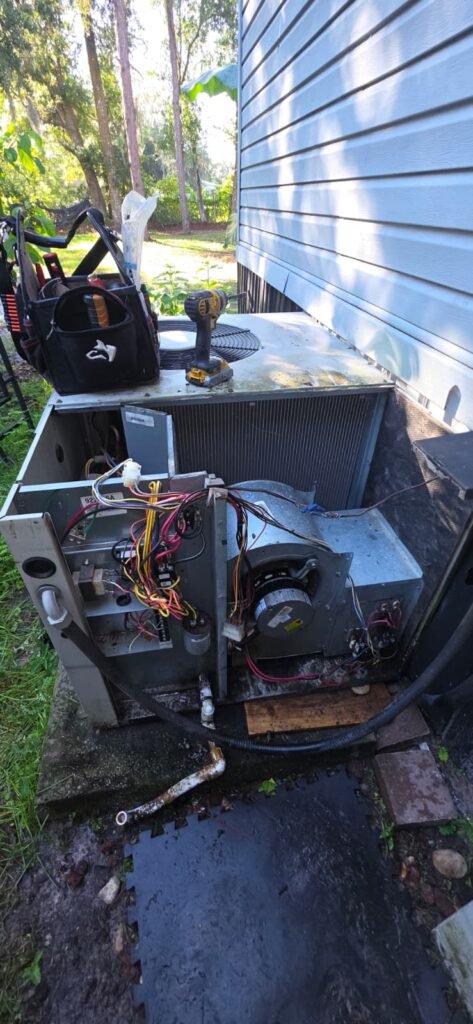
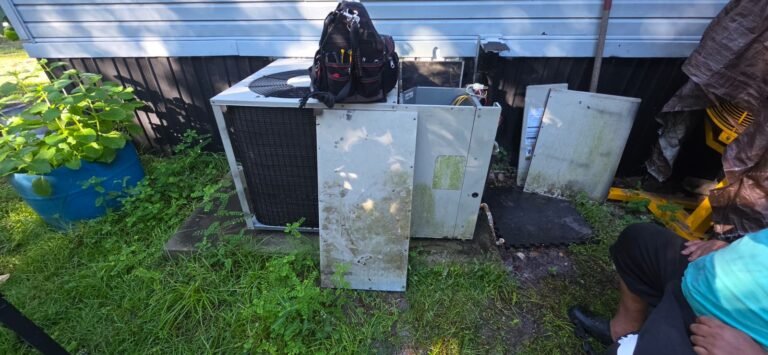
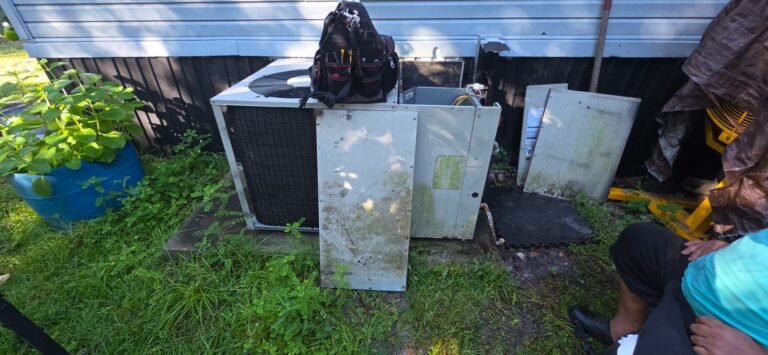
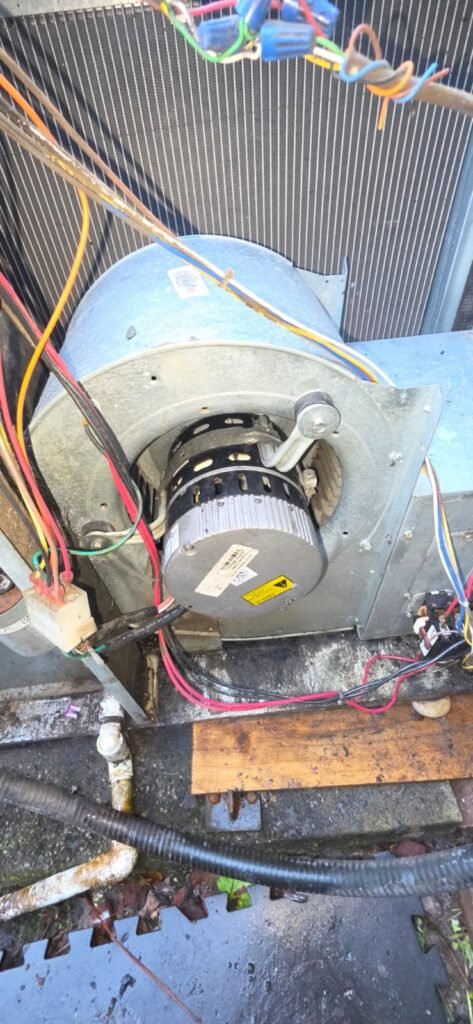
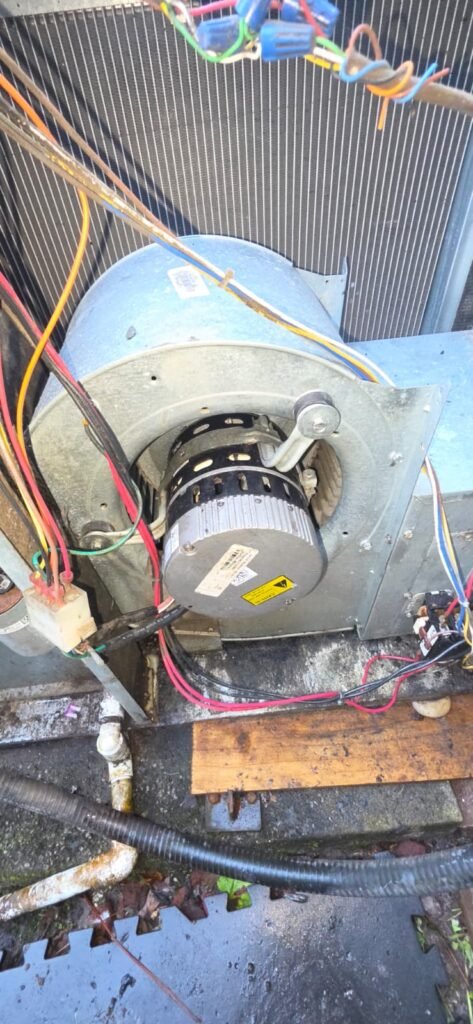
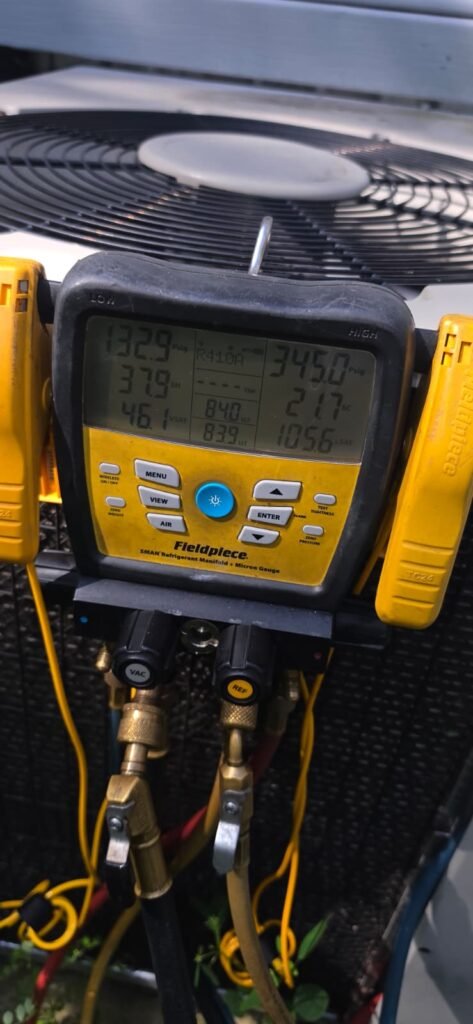
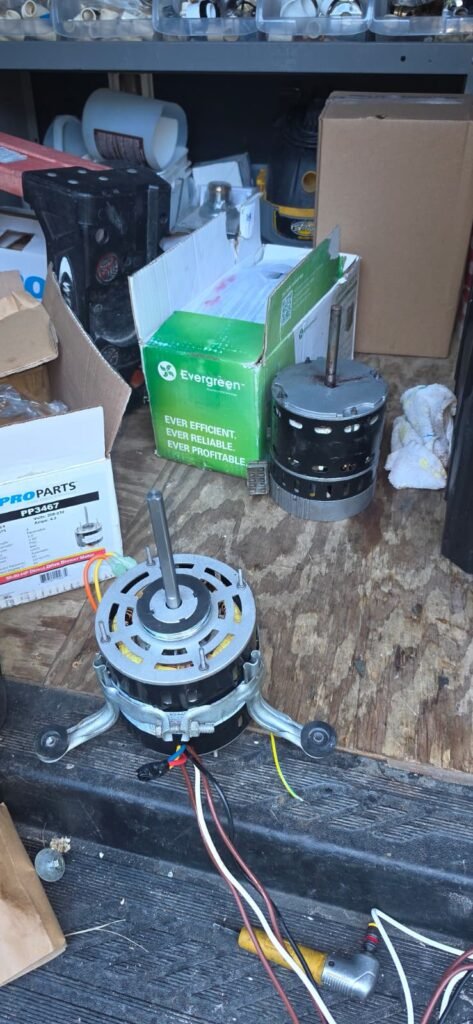
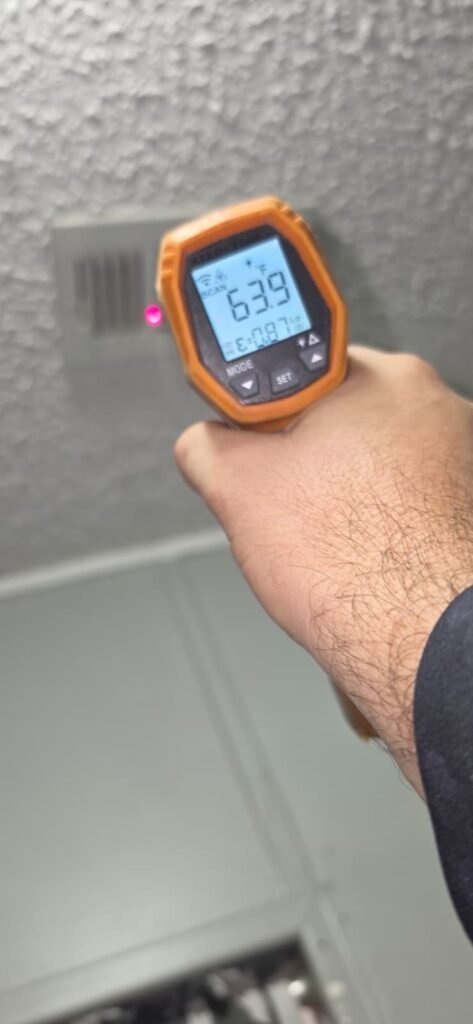
Capacitor failure symptoms can overlap with blower motor problems, especially after storm-related power dips. In this Spring Hill, FL 34610 AC repair call, the strange noise and loss of indoor airflow pointed to a damaged blower motor, and replacing that motor was the repair needed to restore proper air movement.
The key finding on this US-41 call was that the homeowner had been told to expect a capacitor problem or possibly a simple electrical issue, but Alejandro’s inspection pointed somewhere else. Three days after a storm caused two abrupt power dips, the package unit started making an unusual sound and stopped pushing air into the home. That symptom pattern matters. On this Spring Hill visit, the system needed a closer look because capacitor failure can mimic other AC issues, but the failed component affecting comfort here was the blower motor inside the unit.
- Service performed: Free AC diagnosis and 825 RPM universal condenser fan motor replacement line item
- Street: US-41
- Technician: Alejandro
- Symptom: Strange noise and no airflow into the home after storm-related power dips
- Cause: Damaged blower motor confirmed during inspection
- What was done: System inspection and recommendation to replace the failed motor
- Equipment type: Package unit
- System age: Approximately 5 years
Capacitor failure symptoms were part of the question, but the airflow problem traced back to the blower motor
Capacitor failure is a common search because homeowners often notice the same outward signs first: odd noises, weak performance, or an AC system that seems to be running without doing its job. That is exactly why this call mattered. The homeowner wanted to know whether a storm had damaged only one part or whether the problem went deeper. Alejandro checked the package unit with that question in mind and confirmed the blower motor was damaged, which matched the report of noise followed by no air pushing indoors.
That distinction is important because a bad capacitor and a bad motor do not create the same repair path. A capacitor helps a motor start and run. The blower motor is the component that physically moves conditioned air through the duct system. If the blower motor is damaged, the house can feel like the AC stopped working even if other parts of the system still power on. That is one reason homeowners searching for ac making loud noise often need a full diagnosis instead of a guess.
There is also a useful insider takeaway here. After voltage disturbances, many people jump straight to the cheapest likely part. We understand why. But on this call, replacing a capacitor first would have been the wrong move if the actual airflow failure was the motor. The smarter path was to verify the failed component before spending money on a part that would not solve the comfort problem.
The storm timing and the two power dips made the diagnostic story more specific
The most useful detail from this Spring Hill service call was the timing. The homeowner reported that the problem began after a storm three days earlier and that two sudden power dips happened during that event. That kind of electrical disturbance can damage motors, controls, or starting components. It does not automatically mean every no-cool call is a capacitor failure, but it does give us a strong clue about where to look first and what kinds of failure modes are possible.
In plain language, voltage instability can stress electrical windings and motor components. When the blower motor takes that hit, the system may still make noise while failing to move air where it needs to go. That fit this job well. The package unit was also in easy-to-access condition, which helped Alejandro inspect it efficiently and narrow the issue down without unnecessary disassembly. Because the unit is about five years old, this was not a case of extreme age alone. The reported storm event mattered.
For homeowners wondering what causes capacitor failure Spring Hill searches to spike after summer weather, the answer is that heat and electrical stress often show up together. Florida’s long cooling season already puts repeated load on motors and electrical parts. Add storm-related voltage swings, and weak components can fail fast. The U.S. Department of Energy offers a good overview of how central air systems depend on multiple electrical components working together, which is why accurate diagnosis matters more than symptom matching alone.
This Spring Hill AC repair visit was priced as a combined diagnostic and motor replacement
This job had two line items, the complimentary diagnosis and the replacement line item for the motor-related repair, so the invoice needs context. The combined visit total came to $849, covering the diagnostic work and the blower motor replacement scope tied to restoring airflow. That framing matters because it keeps the reader from assuming every symptom that resembles capacitor failure carries the same repair cost.
It also explains why we are careful with recommendations. The homeowner specifically asked whether the blower motor was the only damaged part and wanted the most economical repair path if possible. That is the right question. On a call like this, the goal is not to stack parts. The goal is to identify the failed component, repair that first, and then verify overall system performance once proper airflow is back. If you want broader pricing context on similar electrical component work, our guide to what this work typically costs can help show how symptom-based searches and final repairs do not always match one to one.
The package unit layout made this a good call for verification before any larger recommendation
This US-41 home has a package unit, which changes the service experience compared with a split system that has separate indoor and outdoor sections. With a package unit, the blower section and other major components are housed together, so the strange noise and no-airflow complaint had to be interpreted in the context of one cabinet. That is another reason guessing from symptoms alone would have been risky.
The practical advantage here was access. The unit was easy to reach, so Alejandro could inspect the motor area, wiring connections, and overall condition without the delays that attic or crawlspace equipment often creates. That may sound like a small detail, but access affects how quickly a diagnosis can move from suspicion to confirmation. It also helps us avoid recommending broader replacement conversations too early when a targeted repair may still make sense on a five-year-old system.
For readers comparing this to other cooling problems, loss of airflow is not the same thing as ac blowing hot air. Both feel like the AC is failing, but one points more toward air movement and blower-side issues, while the other can involve refrigerant, outdoor operation, or controls. This job lived on the airflow side of that line.
Pro tips for Spring Hill homeowners after storm-related AC repair calls
Storm-related electrical events create confusing symptoms, so a few practical habits can save time and money in Pasco County and the surrounding Tampa Bay area.
First, pay attention to sequence. If the system changed behavior right after a storm, note whether you heard a noise first, lost airflow first, or noticed the thermostat was on with no comfort change. That sequence helps narrow the likely component.
Second, do not assume every electrical symptom is a capacitor. Air conditioner capacitor failure symptoms are real, but motors, relays, and other electrical parts can overlap enough that a professional diagnosis is worth it.
Third, if your system is a package unit, keep the area around it clear. Easy access speeds up testing and can reduce labor time when a repair is needed.
Fourth, after any motor-related repair, ask for post-repair verification. Restoring the failed part is step one. Confirming that airflow and overall operation are normal is what tells you the original issue did not hide a second one.
Fifth, if your utility service has frequent storm-related interruptions, consider discussing surge protection options during your next air conditioning visit. Florida weather is hard on electrical components.
Questions homeowners ask after a storm-related blower motor diagnosis
How can you tell if a capacitor is going bad?
A failing capacitor usually shows up through hard starting, humming, inconsistent operation, or a fan or compressor that struggles to run. In this Spring Hill job, those broad electrical symptoms were part of the initial concern, but the inspection confirmed the airflow failure was tied to the blower motor instead. That is why symptom lists are helpful, but they are not a substitute for testing the actual component involved.
Will the AC still run if the capacitor is bad?
Yes, some parts of the AC may still appear to run when a capacitor is bad, but performance will be abnormal. A system may hum, start poorly, or fail to move through a full cooling cycle. On this call, the homeowner noticed noise and no air moving into the house, which can sound like a capacitor issue at first. The confirmed problem, though, was the damaged blower motor affecting indoor airflow.
What is the common cause of capacitor failure?
Heat and electrical stress are two of the most common causes of capacitor failure. In Florida, long cooling hours already wear on electrical components, and storm-related voltage dips can add another layer of stress. That said, this job is a good example of why the common cause is not always the actual answer. The weather event mattered here, but the failed part that needed action was the motor, not a capacitor.
How much does it cost to fix a capacitor?
Capacitor repair costs vary because the final invoice depends on which part actually failed and what else the diagnosis uncovers. This Spring Hill visit is a good example. The homeowner came in asking about the most economical route and about likely capacitor-type issues after a storm, but the confirmed repair path involved the blower motor instead. Accurate diagnosis keeps homeowners from paying for the wrong repair first.
Why would someone replace the motor instead of trying a cheaper part first?
The right answer is that the failed component should drive the repair, not the cheapest guess. On this call, the symptom was no indoor airflow after storm-related power dips, and Alejandro confirmed the blower motor was damaged. Replacing a cheaper electrical part without proof would have risked spending money without restoring comfort. When airflow is the complaint, the motor that moves the air has to be evaluated seriously.
Schedule AC repair in Spring Hill, FL 34610
If your system changed behavior after a storm, Home Therapist can help you sort out whether you are dealing with capacitor failure symptoms, a motor issue, or another electrical problem entirely. We have served Tampa Bay homeowners since 2017, and our team brings licensed HVAC and plumbing service backed by CAC1819196 and CFC1431159. We are proud of our 1,300+ five-star reviews because they reflect the kind of calm, honest diagnostic work this Spring Hill call required.
For homes near US-41 and throughout Spring Hill, FL 34610, we focus on finding the actual failed component before pushing a bigger recommendation. That matters when the symptom sounds simple but the repair path is not. You can also review our customer reviews or verify Florida contractor licensing through the Florida DBPR. If you need AC repair, call Home Therapist at (813) 343-2212. We offer FREE estimates and FREE diagnosis, and we are happy to help homeowners in Spring Hill understand what their system is really doing before they commit to the next step.


