

Home Automation HVAC: Creating Comfort and Efficiency
Nearly 60 percent of American households are now exploring smart technology for greater comfort and energy savings in their homes. For many, traditional heating and cooling systems just do not offer the convenience or precision modern families expect. Automated HVAC systems promise more than a simple upgrade, delivering personalized climate control and real-time efficiency with features that adapt to your daily life.
Table of Contents
- Defining Home Automation HVAC Systems
- Types of Smart HVAC Technologies Used
- How Automated HVAC Systems Operate
- Benefits for Homeowners and Energy Savings
- Common Errors to Avoid in Smart HVAC
Key Takeaways
| Point | Details |
|---|---|
| Home Automation HVAC Systems | These systems use advanced connectivity and adaptive algorithms for personalized climate control and energy efficiency. |
| Key Technologies | Technologies like Variable Refrigerant Flow (VRF) and Direct Digital Control (DDC) enhance precision in climate management through smart sensors and algorithms. |
| Operational Benefits | Automated HVAC systems optimize comfort through real-time data analysis, adapting to both occupant preferences and environmental changes. |
| Common Errors to Avoid | Homeowners should ensure regular firmware updates and proper system configurations to prevent inefficiencies and security vulnerabilities in smart HVAC systems. |
Defining Home Automation HVAC Systems
Home automation HVAC systems represent a sophisticated technological approach to managing indoor climate control. These intelligent systems go far beyond traditional thermostats, using advanced connectivity and adaptive algorithms to create precise, personalized temperature environments. Smart HVAC control fundamentally transforms how homeowners interact with their heating, ventilation, and air conditioning infrastructure.
At its core, a home automation HVAC system integrates multiple components that communicate seamlessly to optimize comfort and energy efficiency. These systems typically include smart thermostats, sensors, wireless connectivity, and software algorithms capable of learning occupant preferences. Smart thermostats serve as the central nervous system, enabling remote adjustments, automatic scheduling, and intelligent temperature regulation based on real-time environmental data and user behavior patterns.
Key features of home automation HVAC systems include:
- Remote control via smartphone applications
- Machine learning capabilities that adapt to household routines
- Geofencing technology for automatic temperature adjustments
- Energy consumption tracking and optimization
- Integration with other smart home devices
By leveraging advanced technologies, these systems provide homeowners unprecedented control over their indoor climate while simultaneously reducing energy waste and operational costs. The result is a more comfortable living environment that responds intelligently to individual preferences and changing environmental conditions.
Types of Smart HVAC Technologies Used
Home automation HVAC technologies have evolved dramatically, offering homeowners sophisticated options for precise climate control. Variable refrigerant flow (VRF) systems represent one of the most advanced technologies, using refrigerant as a primary cooling and heating medium that allows for individualized temperature management across different zones within a home.
Another groundbreaking technology transforming home climate control is direct digital control systems. Direct digital control (DDC) systems enable unprecedented precision in automation, allowing centralized management of HVAC processes through digital devices. These intelligent systems can monitor and adjust temperature, humidity, and airflow with remarkable accuracy, creating environments that respond dynamically to changing conditions.
Key smart HVAC technologies include:
- Wireless smart thermostats
- Zone control systems
- Machine learning climate algorithms
- IoT-enabled HVAC sensors
- Predictive maintenance technologies
Modern smart HVAC technologies go beyond simple temperature regulation. Types of HVAC systems for Tampa Bay homeowners demonstrate how these advanced systems can significantly improve energy efficiency, comfort, and overall home environmental management. By integrating sophisticated sensors, machine learning algorithms, and wireless connectivity, these technologies transform traditional heating and cooling infrastructure into intelligent, responsive climate control networks.
How Automated HVAC Systems Operate
Automated HVAC systems represent a sophisticated approach to climate control that goes beyond traditional temperature management. Real-time occupancy recognition and model predictive control enable these systems to dynamically adjust operations, creating intelligent environments that respond instantly to changing conditions. By continuously analyzing environmental data, these advanced systems can optimize comfort while simultaneously reducing energy consumption.
The core functionality of automated HVAC systems revolves around complex neural network algorithms that process multiple data inputs simultaneously. Online learning techniques with interconnected neural networks allow these systems to model intricate relationships between indoor temperatures, external weather conditions, and occupant behaviors. This means the system can predict and proactively adjust heating, cooling, and ventilation to maintain optimal comfort levels with unprecedented precision.
Key operational components of automated HVAC systems include:
- Multisensor data collection networks
- Advanced machine learning algorithms
- Real-time environmental analysis
- Predictive temperature optimization
- Automated zone-based climate control
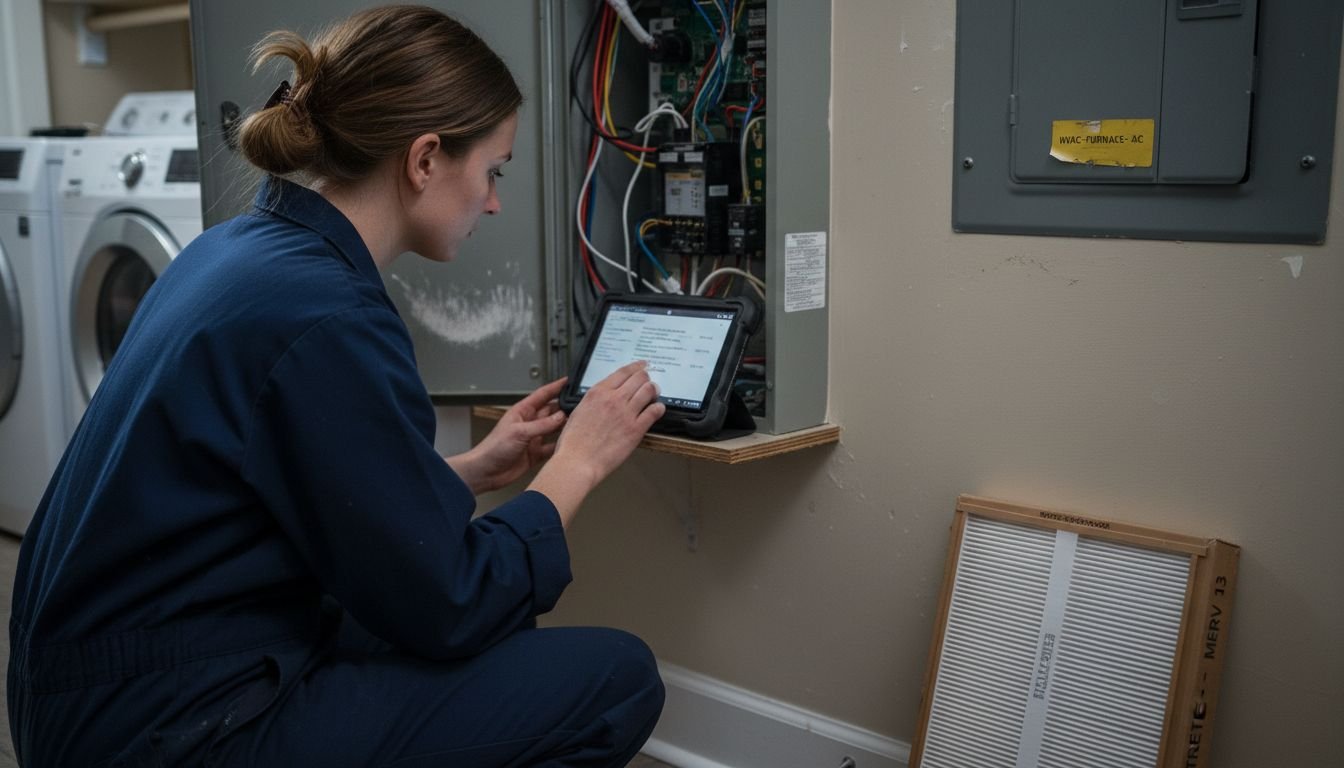
HVAC troubleshooting steps for homeowners become significantly easier with these intelligent systems. By providing detailed diagnostic information and self-monitoring capabilities, automated HVAC technologies empower homeowners to understand and manage their indoor climate more effectively. The result is a seamless, intelligent approach to home comfort that adapts to individual preferences while maximizing energy efficiency and system performance.
Benefits for Homeowners and Energy Savings
Smart HVAC controls revolutionize home comfort by delivering unprecedented energy efficiency and personalized climate management. These advanced systems go beyond traditional temperature regulation, offering homeowners sophisticated tools to optimize their indoor environments while simultaneously reducing energy consumption. By leveraging real-time data and intelligent algorithms, smart HVAC technologies can dramatically lower utility costs and enhance overall home comfort.
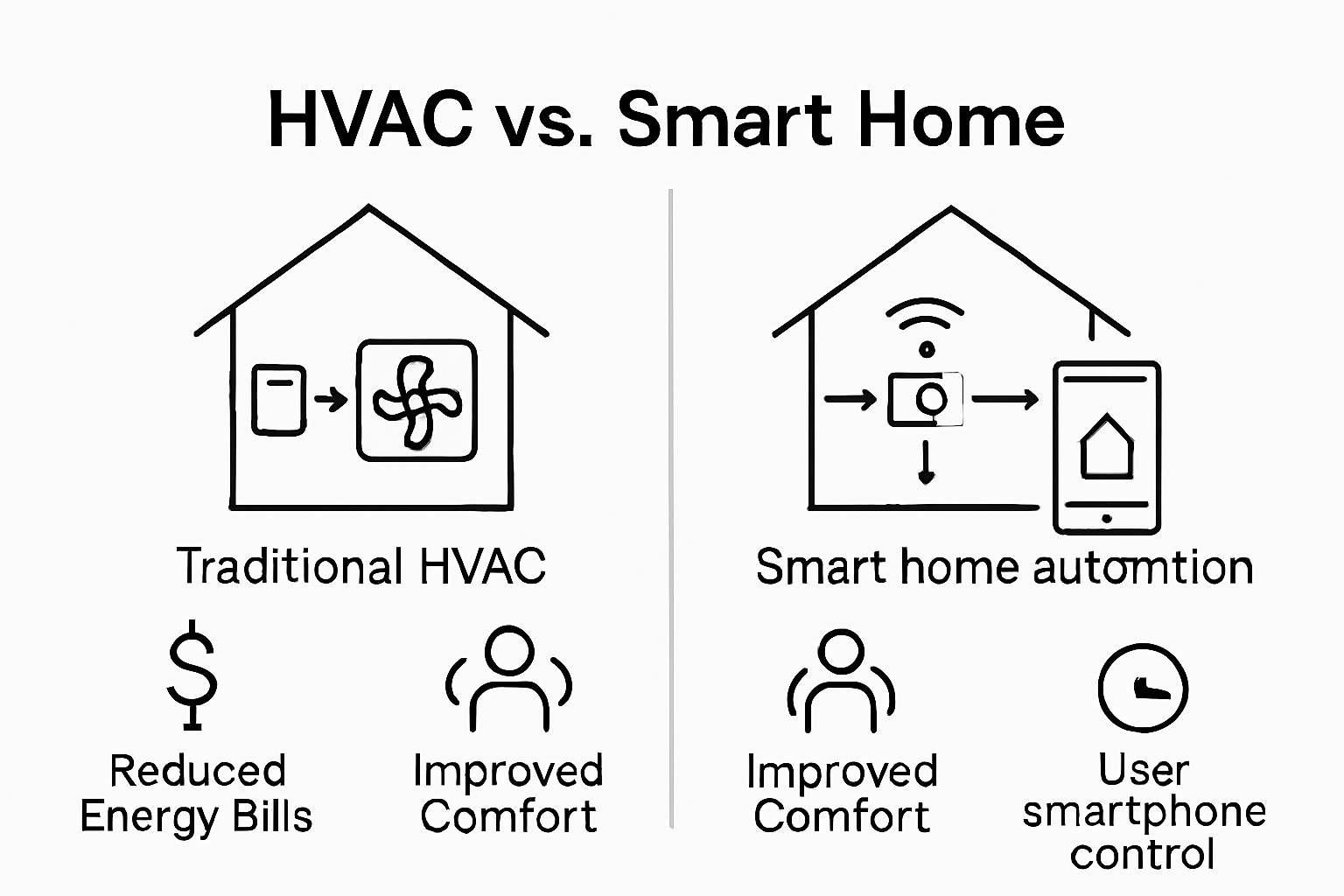
The core benefit of automated HVAC systems lies in their ability to learn and adapt to homeowner preferences. Smart thermostats enable precise temperature control through remote management and adaptive learning algorithms, which can potentially reduce energy expenses by up to 15% annually. These intelligent systems continuously analyze occupancy patterns, external weather conditions, and individual temperature preferences to create the most efficient heating and cooling strategy.
Key benefits for homeowners include:
- Automatic energy consumption optimization
- Remote temperature control via smartphone apps
- Detailed energy usage reporting
- Predictive maintenance alerts
- Personalized comfort scheduling
Why upgrade HVAC system becomes a compelling consideration when understanding the substantial long-term advantages. Homeowners can expect not just immediate comfort improvements, but significant financial savings through reduced energy waste, more efficient system performance, and proactive maintenance capabilities. The investment in smart HVAC technology transforms home climate management from a static utility service into a dynamic, responsive experience tailored to individual needs and preferences.
Common Errors to Avoid in Smart HVAC
Security vulnerabilities in smart building systems represent a critical consideration for homeowners implementing automated HVAC technologies. Overlooking potential cybersecurity risks can expose home climate control systems to unauthorized access, potentially compromising both system performance and personal privacy. Understanding these vulnerabilities is essential for maintaining the integrity and safety of advanced home automation infrastructure.
Improper system configuration remains one of the most significant challenges in smart HVAC deployment. Intelligent transducer enablers can help mitigate deployment complexities, but homeowners frequently make critical errors that undermine system effectiveness. These mistakes often stem from inadequate planning, insufficient technical understanding, and failure to integrate components systematically.
Common errors homeowners should avoid include:
- Neglecting regular firmware updates
- Ignoring network security protocols
- Improper sensor placement
- Failing to calibrate system settings
- Overlooking compatibility between devices
HVAC maintenance checklist tips become crucial in preventing long-term system degradation. By understanding potential pitfalls and proactively addressing configuration challenges, homeowners can ensure their smart HVAC systems operate at peak efficiency. Successful implementation requires a combination of technical knowledge, strategic planning, and ongoing system management to maximize comfort, energy savings, and overall performance.
Elevate Your Home Comfort with Expert Automated HVAC Solutions
The article highlights the challenge of managing complex home automation HVAC systems that combine smart thermostats, machine learning algorithms, and real-time environmental controls to create personalized comfort while maximizing energy savings. Many homeowners struggle with proper system configuration, security vulnerabilities, and the need for ongoing maintenance to keep these advanced systems running efficiently. At Home Therapist Cooling, Heating, and Plumbing, we understand these pain points and offer tailored HVAC services designed to simplify your smart home climate control. Our certified technicians ensure your automated HVAC system performs at its best by addressing sensor placement, system calibration, and predictive maintenance.
Discover how our expert team can help you avoid common smart HVAC errors and turn your home’s automation into a seamless experience that lowers energy costs and improves comfort. Don’t wait until small issues impact your system’s performance. Visit Home Therapist Cooling, Heating, and Plumbing today and take the first step toward smarter, more efficient climate control. Learn more about why it pays to upgrade your HVAC system and get helpful tips on HVAC troubleshooting steps for homeowners from trusted local professionals.
Frequently Asked Questions
- What is the $5000 HVAC rule?
The $5000 rule helps decide whether to repair or replace: multiply the unit's age by the repair cost, and if that number exceeds $5000, replacement is usually smarter. In Tampa's intense heat and salt-air environment, aging systems corrode faster, making replacement with a Goodman or Daikin unit often the better long-term value.
- How to automate home AC?
Automate your home AC by pairing a smart thermostat like Ecobee or Nest with your existing system for scheduling, remote control, and energy tracking. Tampa's long cooling season makes automation especially worthwhile. Home Therapist offers free estimates on compatible system upgrades. Call (813) 343-2212 to schedule.
- Can AC worsen allergies?
Yes, a dirty or poorly maintained AC can worsen allergies by circulating dust, mold spores, and pollen. Tampa's high humidity accelerates mold growth inside ductwork and coils. Regular filter changes, coil cleaning, and duct inspections help. Home Therapist provides free diagnosis to identify air-quality issues in your system.
- How to automate building HVAC?
Automate building HVAC using a building automation system or programmable smart thermostats zoned by area, enabling scheduled setpoints and remote monitoring. This reduces runtime during Tampa's brutal summers without sacrificing comfort. Home Therapist offers free estimates for commercial and residential automation-ready upgrades. Call (813) 343-2212 to get started.
- How do smart air conditioners work with home automation systems?
Smart air conditioners connect to your home Wi-Fi and communicate with platforms like Google Home, Amazon Alexa, or Apple HomeKit, letting you control temperature, schedules, and modes by voice or app. In Tampa Bay's intense summer heat, automated scheduling can cut runtime during peak hours and reduce energy bills significantly. Call Home Therapist at (813) 343-2212 for same-day service.
- How do I keep adapting water and HVAC systems in real time through service, repair, and replacement?
Schedule seasonal tune-ups, act on repair alerts quickly, and replace aging equipment before failure. In Tampa Bay, salt-air corrosion and hard water accelerate wear, so annual HVAC and plumbing inspections catch problems early. Home Therapist offers same-day service and free diagnosis on every visit. Call (813) 343-2212.
What is a home automation HVAC system?
A home automation HVAC system is an advanced climate control solution that integrates smart thermostats, sensors, and connectivity to optimize indoor temperature and energy efficiency based on user preferences and real-time data.
How do automated HVAC systems save energy?
Automated HVAC systems save energy by learning occupant behavior, optimizing heating and cooling schedules, and adjusting temperatures based on occupancy patterns and external weather conditions, potentially reducing energy costs by up to 15% annually.
What are the key features of smart HVAC technologies?
Key features of smart HVAC technologies include remote control via smartphone apps, machine learning capabilities, geofencing for automatic adjustments, energy consumption tracking, and integration with other smart home devices.
How can homeowners avoid common errors when using smart HVAC systems?
Homeowners can avoid common errors by ensuring regular firmware updates, following network security protocols, properly placing sensors, calibrating system settings, and checking device compatibility.
About This Guide
Written and reviewed by the Home Therapist Cooling, Heating & Plumbing team, a family-owned Tampa Bay HVAC and plumbing company serving the area since 2011. Our licensed techs hold Florida HVAC license CAC1819196 and Plumbing license CFC1431159, with over 1,100 five-star reviews across Tampa, St. Petersburg, Clearwater, Wesley Chapel, Lutz, Riverview, Brandon, Valrico, Apollo Beach, Palm Harbor, Land O’ Lakes, Plant City, New Port Richey, and surrounding Tampa Bay zip codes.
Honest pricing: Upfront quotes, no high-pressure sales, no surprise fees.
Questions about your home? Call (813) 343-2212 for a real tech, or request a callback. Available 7 days a week including evenings and weekends for emergencies.
Recommended
- HVAC Retrofitting Explained: Enhancing Home Comfort – Home Therapist Cooling, Heating, and Plumbing
- Role of Heating Systems, Comfort and Efficiency at Home
- 7 Essential HVAC Maintenance Checklist Tips for Homeowners – Home Therapist Cooling, Heating, and Plumbing
- 6 Types of HVAC Systems Every Tampa Bay Homeowner Should Know – Home Therapist Cooling, Heating, and Plumbing
- Diesel Engine Emissions Control Guide for 2025: Tools and Best Practices, My WordPress
More Related Articles
- Zone Damper Replacement and Full AC Tune-up in Lutz, FL 33558
- Visit #3 on W San Jose St: Evaporator Coil & TXV Replacement in Tampa, FL 33629
- 7 HVAC Maintenance Mistakes Tampa Bay Homeowners Make (and How to Fix Them)
- Medical Office HVAC Visit 4: Why Amperage Readings Matter More Than the Invoice on Sunshine Ave, Brandon FL 33511
- Air Conditioner Installation Repair Tampa FL Bay FL Services Review from Bonnie Wakefield


