

A Remote Fan Solved the Kitchen Smoke Problem Better in Tampa
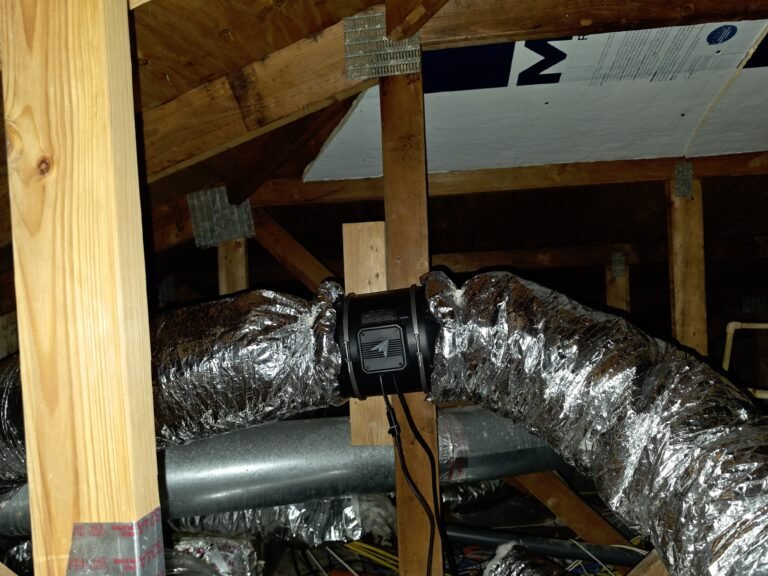
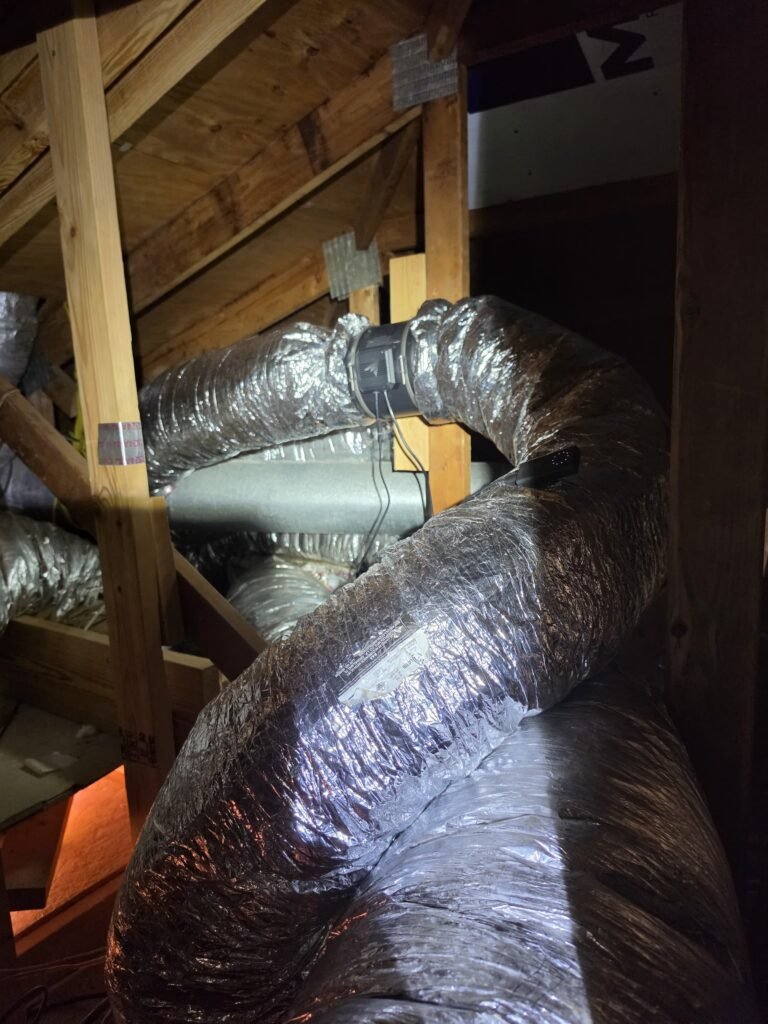
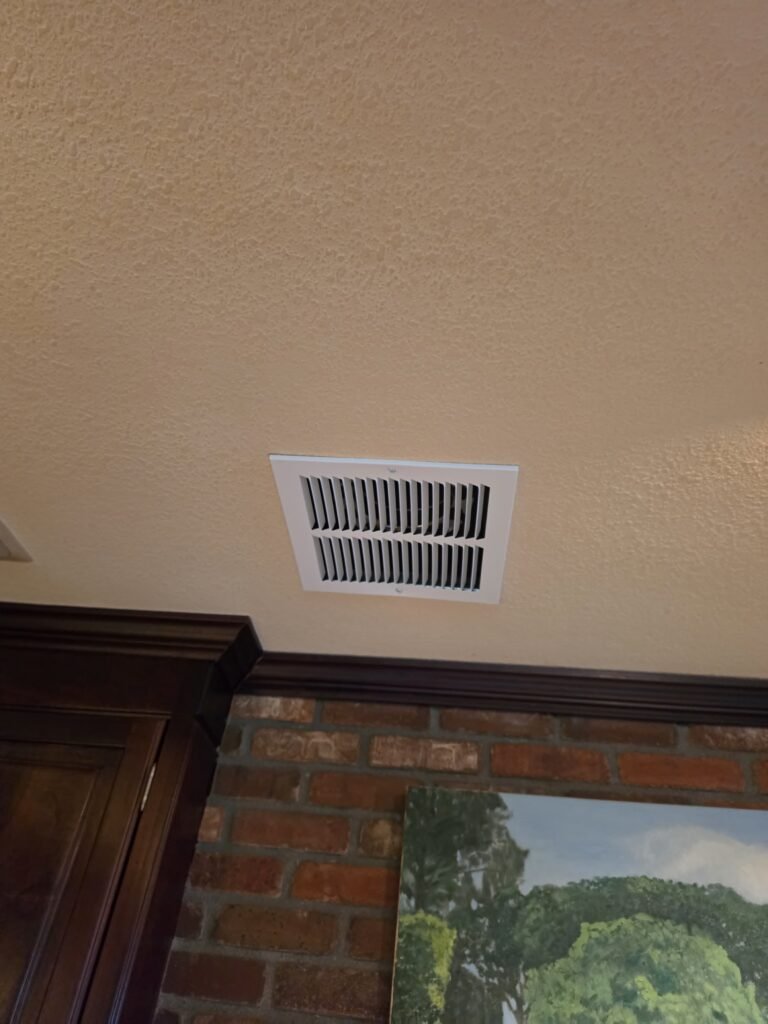
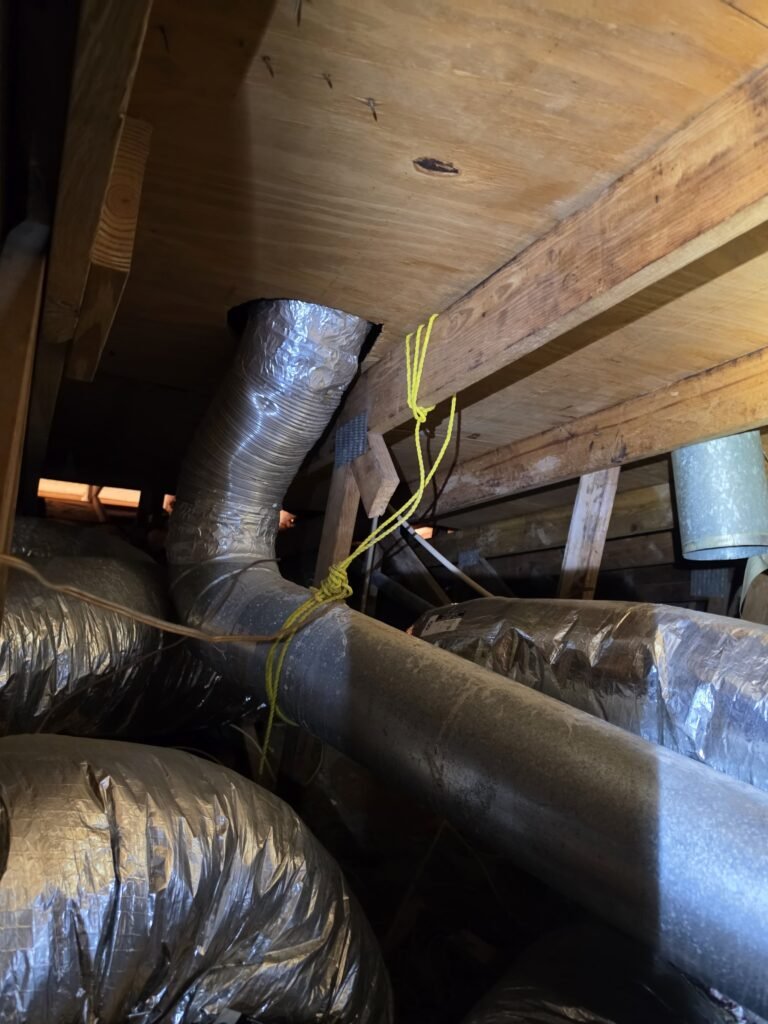
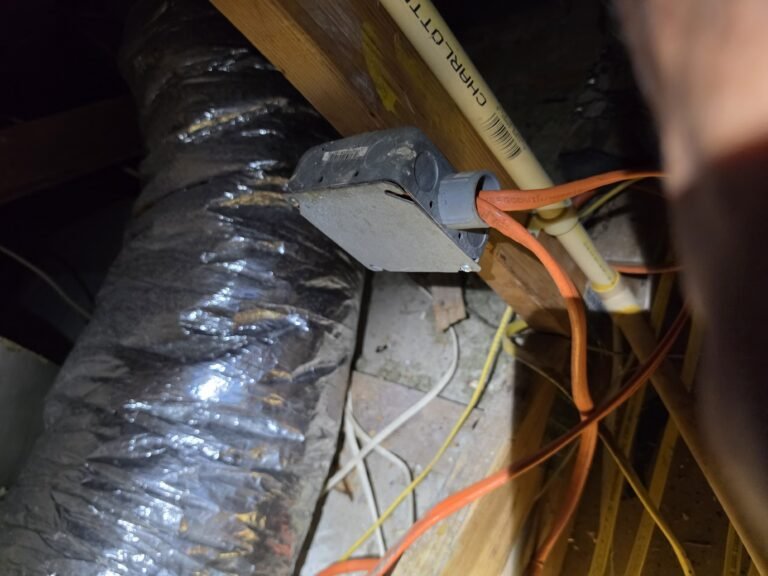
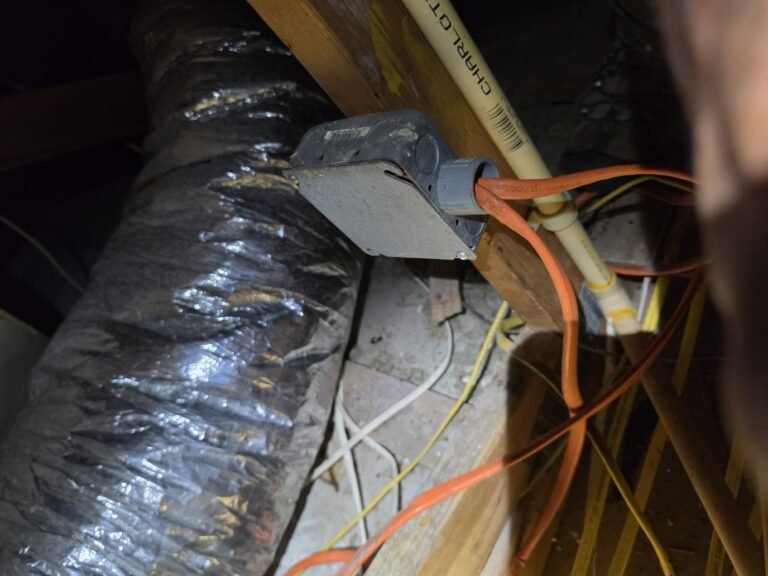
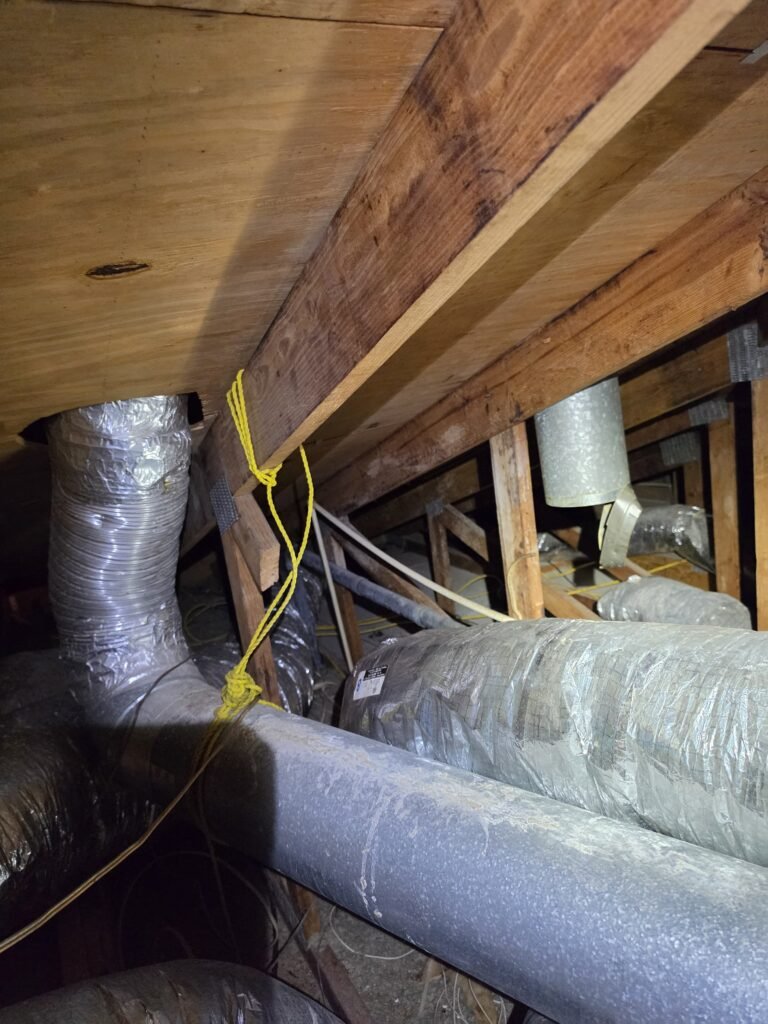
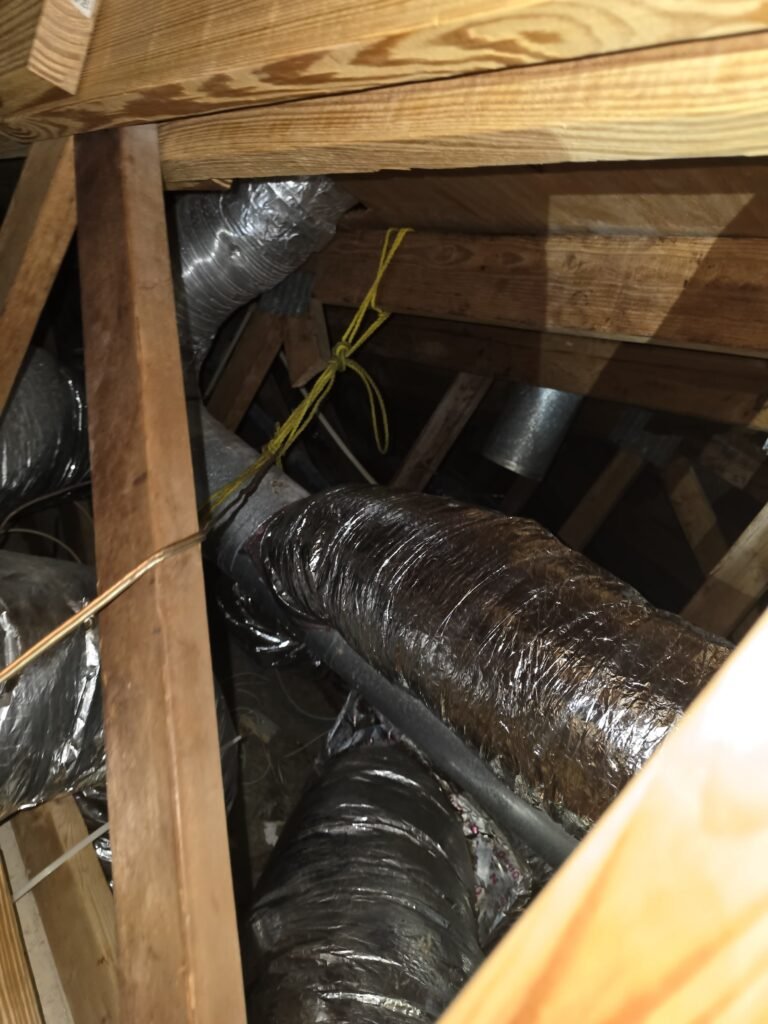
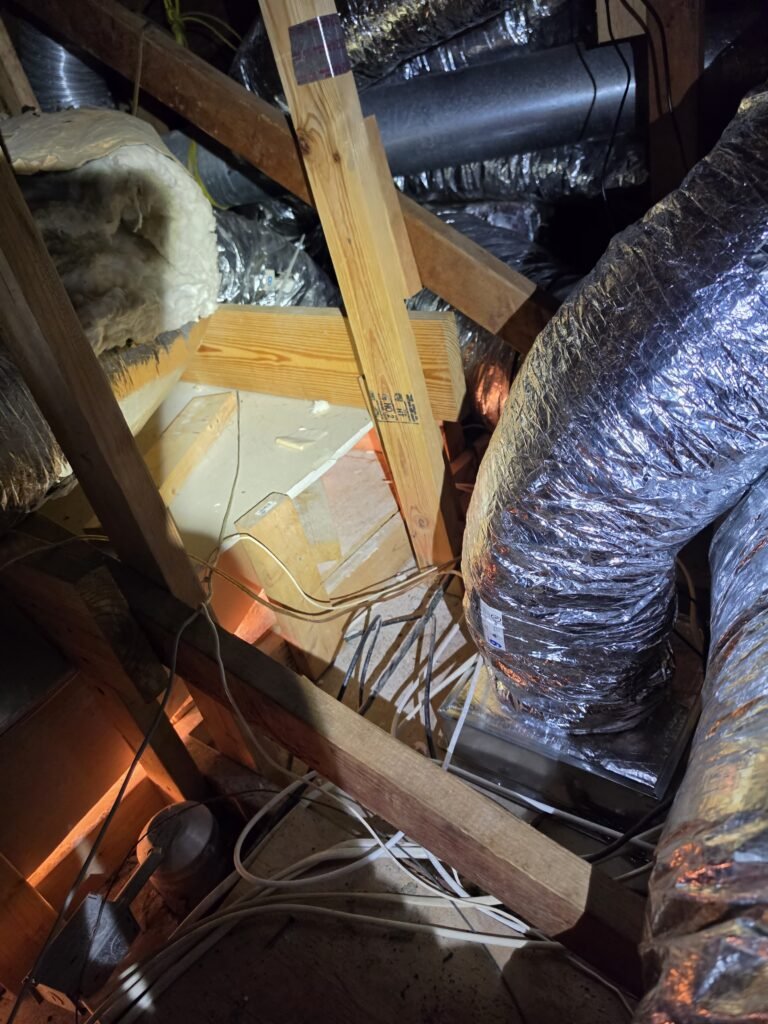
Ductwork heating and cooling projects in Tampa, FL 33618 sometimes come down to airflow path and controls, not just the fan itself. In this kitchen exhaust installation, the practical fix was a new 6-inch inline exhaust fan tied into the existing duct route, with discharge through the roof outlet already in place.
At this Hoedt Road home in Tampa, FL 33618, our crew was asked to look at a kitchen smoke and odor problem and figure out whether a separate exhaust setup could be added near the ceiling. Aridel evaluated the kitchen and attic, looked at the existing exhaust path, and confirmed that the homeowner’s original questions were really about three things at once: where the fan should go, how the duct should be routed, and how the new fan could be powered and controlled. That combination is what made this job more interesting than a basic fan swap.
- Service performed: 6-inch inline exhaust fan installation
- Street: Hoedt Road
- Technician: Aridel
- Symptom: Cooking smoke and odors were not being exhausted the way the homeowner wanted
- Cause: The previously purchased fan was not suitable for the installation plan
- What was done: Installed a new inline fan, tied it into the kitchen duct with a T-fitting, and routed it to the existing roof outlet
- Parts replaced: 6-inch inline exhaust fan and related connection materials
The best ductwork heating and cooling decision on this job was reusing the existing roof outlet.
Most homeowners assume a new exhaust project means cutting a new hole through a wall or roof. On this Tampa job, that was not the smartest path. The existing kitchen exhaust duct already had a roof termination in place, so the cleaner solution was to connect the new fan into that route instead of creating another exterior opening. That matters because every extra penetration adds complexity, weather exposure, and more finish work.
Aridel traced the duct path and found that a T-fitting could branch the new 6-inch inline exhaust fan into the existing kitchen exhaust line. In plain language, that means the new fan could join the current duct route rather than forcing a full reroute. For this homeowner, that was the detail that shaped the whole project. It kept the scope focused on airflow and fan placement instead of unnecessary roof or wall modification.
That is also where this job connects naturally to broader conversations about heating and ductwork. Whether the question is kitchen exhaust, heating air conditioning ductwork, or central heating ductwork, the route matters just as much as the equipment. Good duct planning reduces resistance, avoids awkward transitions, and gives the fan a realistic chance to move air the way it was intended to.
The original fan was the wrong fit, so the right call was supplying a different 6-inch inline unit.
The homeowner had already purchased an inline duct fan, but the on-site evaluation showed it was not the right fit for the installation as planned. That is an important distinction. A fan can be a real product and still be the wrong product for a specific duct layout, control preference, or installation method. In this case, the better recommendation was to supply a 6-inch inline exhaust fan that matched the job requirements and could work with a remote control setup.
This is the kind of insider call that saves frustration later. Replacing a fan before installation can feel backward, but it is often cheaper and cleaner than forcing an unsuitable fan into a duct system and then living with poor performance or awkward controls. The homeowner had also asked about a wall switch. Because a remote-controlled fan was the stronger option here, the switch was no longer the only practical control method. That gave the project more flexibility without overcomplicating the kitchen finish.
For homeowners comparing ductwork for heating and air conditioning with other airflow systems, this is a useful reminder: equipment selection should follow the route and the use case. It should not happen in reverse. Industry design resources like the ACCA technical manuals exist for exactly that reason. Air has to move through a real path, not an idealized one.
The electrical limitation mattered because the panel was full, but the attic junction box kept the project workable.
The fan on this job operates at 120 volts, and the home’s electrical panel was already full. That did not automatically stop the installation, but it did change how we had to think about power. When a panel has no open space, the next question is whether there is a safe and appropriate existing source nearby that can be evaluated for the new load. Here, the attic offered that possibility through an existing electrical junction box.
That is a good example of why a straightforward sounding exhaust project can turn into a coordination job. The homeowner specifically asked whether Home Therapist would handle the electrical connection or coordinate with a licensed electrician. That was the right question. Mechanical placement, duct routing, and power source all have to line up. Florida code requirements still apply even on smaller ventilation work, and the Florida Building Code is the baseline reference behind those decisions.
This visit covered multiple items, including the free diagnosis, the inline exhaust fan installation scope, and the parts needed for the final setup. The combined invoice came to $964.
For anyone searching broader phrases like what type of heating system uses ductwork blowers and grilles Tampa, the answer is usually a central forced-air system. That same basic principle applies here even though this was not a furnace or heat pump call. Air movement still depends on duct path, blower performance, and how the system is controlled.
This Tampa installation shows that accessories and routing matter more than homeowners expect.
The easiest mistake on a job like this is to focus only on the fan box. The real performance comes from the whole assembly: the 6-inch duct size, the branch connection, the discharge point at the roof, and the control method. A good inline fan installed in a poor route will still disappoint. A well-routed fan tied into a sensible discharge path usually performs better and looks cleaner from the homeowner’s point of view.
That is why this was more than a simple add-on. The kitchen needed a separate extraction strategy for smoke and odors, but the house did not need an entirely new exterior vent location. Reusing the existing outlet kept the project disciplined. In Tampa Bay homes, where attics can be tight and hot for much of the year, that kind of restraint often leads to a better result than overbuilding the solution.
It is also a useful contrast with homeowners researching heating and cooling without ductwork. Ductless options make sense in some parts of a house, but when an existing duct path already solves the routing problem, using it intelligently can be the better move.
Pro tips for Tampa homeowners planning a kitchen exhaust fan installation
Kitchen exhaust upgrades in Tampa work best when the fan, duct route, and controls are planned together. A few practical points from this job stand out:
- If a fan was purchased online or through a supply house, have the route evaluated before installation day. A real product can still be the wrong fit for the actual duct path.
- Ask whether an existing roof or wall termination can be reused. That can reduce cost and avoid unnecessary exterior work.
- Do not assume a wall switch is the only control option. In some layouts, a remote-controlled fan creates a cleaner installation.
- If the electrical panel is full, mention it early. That changes planning and may shift the connection point to an existing attic junction box or require electrician coordination.
- For any project involving heating and air ductwork nearby, keep the exhaust route distinct and intentional so airflow systems do not end up competing with each other.
Questions this Tampa ductwork heating and cooling job raises
What type of heating system uses ductwork, blowers, and grilles?
A forced-air heating system uses ductwork, blowers, and grilles. That usually means a furnace or heat pump moving conditioned air through ducts to supply registers and back through return grilles. This Tampa job was a kitchen exhaust project rather than a heating repair, but the same airflow logic applies. Duct size, routing, and blower performance still determine how well air moves where it needs to go.
Can a kitchen exhaust fan use an existing roof vent?
Yes, a kitchen exhaust fan can sometimes use an existing roof vent if the route and termination are appropriate. On this Hoedt Road project, that was the most practical option. Reusing the existing roof outlet avoided creating a new opening and let the new inline fan discharge through a path that was already in place. That kind of reuse only works when the duct connection and airflow plan make sense together.
Does a full electrical panel stop an exhaust fan installation?
No, a full electrical panel does not always stop an exhaust fan installation. It means the power source has to be evaluated more carefully. In this Tampa home, the panel was full, so the next workable option was to evaluate whether the fan could be powered from an existing electrical junction box in the attic. That is why electrical planning matters even on smaller ventilation jobs.
Is a remote control better than a wall switch for an inline fan?
A remote control can be better than a wall switch when it simplifies the installation and still gives the homeowner easy control. That was the logic on this job. The homeowner asked about switch control, but a remote-controlled 6-inch inline fan gave more flexibility and reduced the need to build the whole plan around one wall control location. The best choice depends on layout, wiring access, and how the fan will be used day to day.
Schedule heating repair in Tampa and airflow diagnostics in 33618
Home Therapist serves Tampa Bay with licensed HVAC and plumbing work, and we bring the same careful diagnostic approach to airflow and ventilation projects like this one. We have been serving local homeowners since 2017, we hold HVAC license CAC1819196 and plumbing license CFC1431159, and we have earned 1,300+ five-star reviews by staying clear, practical, and honest about what a job actually needs.
If you are in Tampa, FL 33618 and dealing with duct routing questions, a difficult exhaust setup, or a comfort problem that may involve heating and cooling ductwork, Home Therapist can help sort out the real path forward. Readers looking for heating repair in Tampa can start there, and you can also review our customer reviews or check our broader service area. Call (813) 343-2212 for FREE estimates and FREE diagnosis. You approve a written quote before any repair or installation begins.


