

A Failed Blower Motor, Not Capacitor Failure, Shut This Riverview AC Down
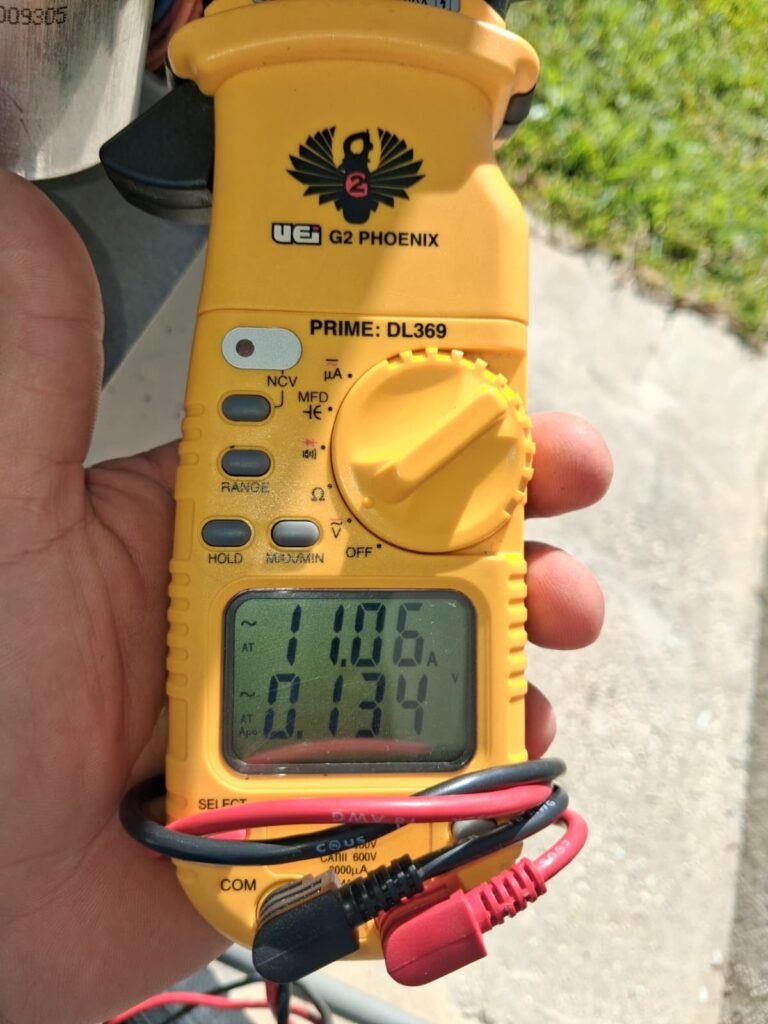
Capacitor failure is a common AC diagnosis, but this AC repair in Riverview, FL 33579 came down to a failed blower motor inside the air handler. With the indoor fan no longer moving air, the system could not deliver cooling through the vents. Replacing the failed motor restored airflow and normal operation.
At this Upward Place home in Riverview, Roberto responded to an urgent no-cool call where the system would not turn on and no air was coming from the vents. The homeowner described the AC as completely unresponsive, which is exactly why this kind of call can be misleading at first. Many homeowners searching capacitor failure or what causes capacitor failure Riverview are dealing with an outdoor problem, but this visit pointed indoors instead. Roberto traced the issue to the blower motor in the closet air handler, replaced it, and verified that the system was moving cool air again.
- Service performed: AC repair with blower motor replacement in the air handler
- Neighborhood or street: Upward Place
- Technician: Roberto
- Symptom: System would not respond and no air came from the vents
- Cause: Failed blower motor
- What was done: Replaced the blower motor and verified restored airflow
- Parts replaced: Blower motor
- Time on site: Single urgent service visit
Capacitor failure was not the issue on this AC repair in Riverview
The key finding on this call was simple: the blower motor had failed, and that failure stopped all airflow through the home. When a homeowner hears silence at the vents, it is easy to assume the entire system is dead or that a capacitor has failed outside. That is one reason AC repair in Riverview has to start with diagnosis instead of guesswork.
In this case, the air handler was located in a closet and was easy to access, which helped Roberto move quickly from symptom to cause. The blower motor is the fan assembly that pushes conditioned air into the ductwork. If that motor fails, the system may appear completely down because the home gets no airflow at all. That matches several electric motor capacitor failure symptoms people read about online, but the failed component here was the motor itself, not a capacitor.
This is also where a little restraint matters. We could have treated the homeowner’s description as proof of an outdoor electrical issue, but the better call was to verify where the airflow stopped first. That is the difference between a targeted repair and replacing parts that are not actually causing the shutdown.
The closet air handler told the real story
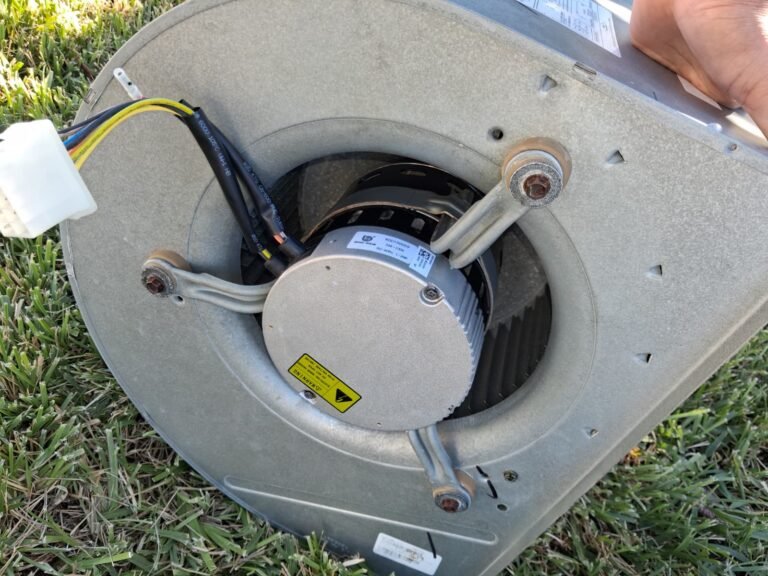
The most useful clue on this job was the complete lack of air movement from the vents. No airflow usually points to an indoor-side problem, especially when the blower section is not operating. Roberto inspected the closet air handler and confirmed that the blower motor had failed. Once that motor quits, cooled air stays trapped in the system instead of reaching the rooms where the homeowner feels it.
That matters because many searches for air conditioner capacitor failure symptoms, HVAC capacitor failure symptoms, or motor run capacitor failure symptoms describe behavior that overlaps with other failures. A homeowner may notice weak cooling, no cooling, humming, or a system that seems to start but never delivers air. Those symptoms can come from different components. On this visit, the deciding factor was not a visual guess or a generic checklist. It was the direct finding that the blower motor in the indoor unit was no longer doing its job.
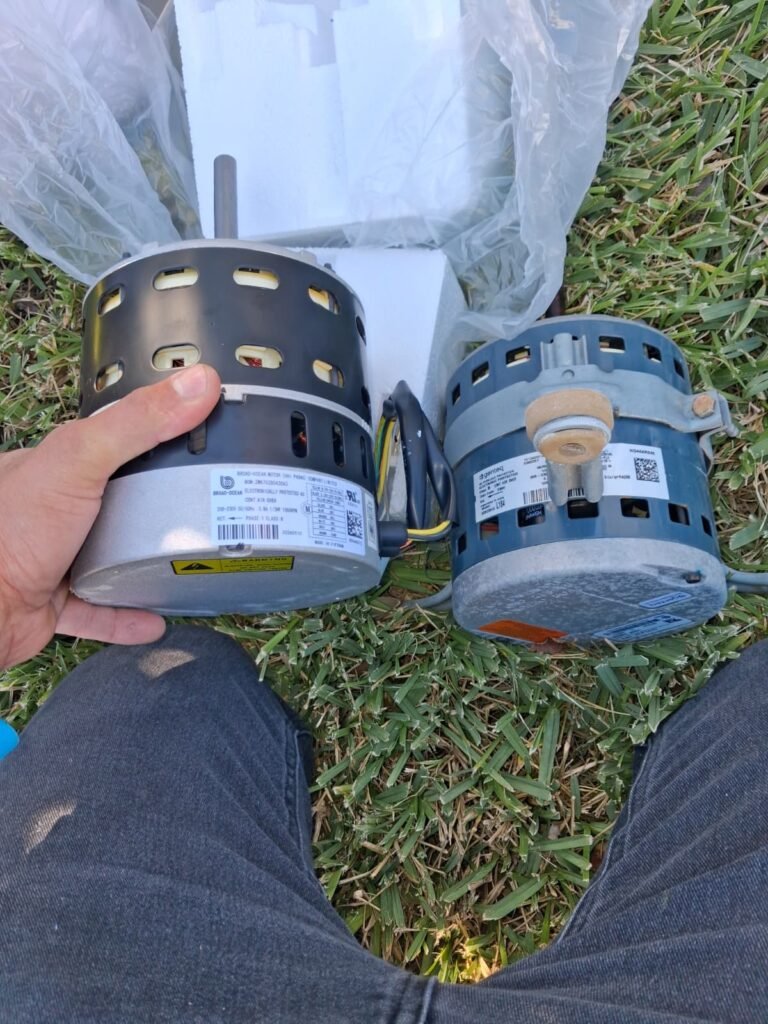
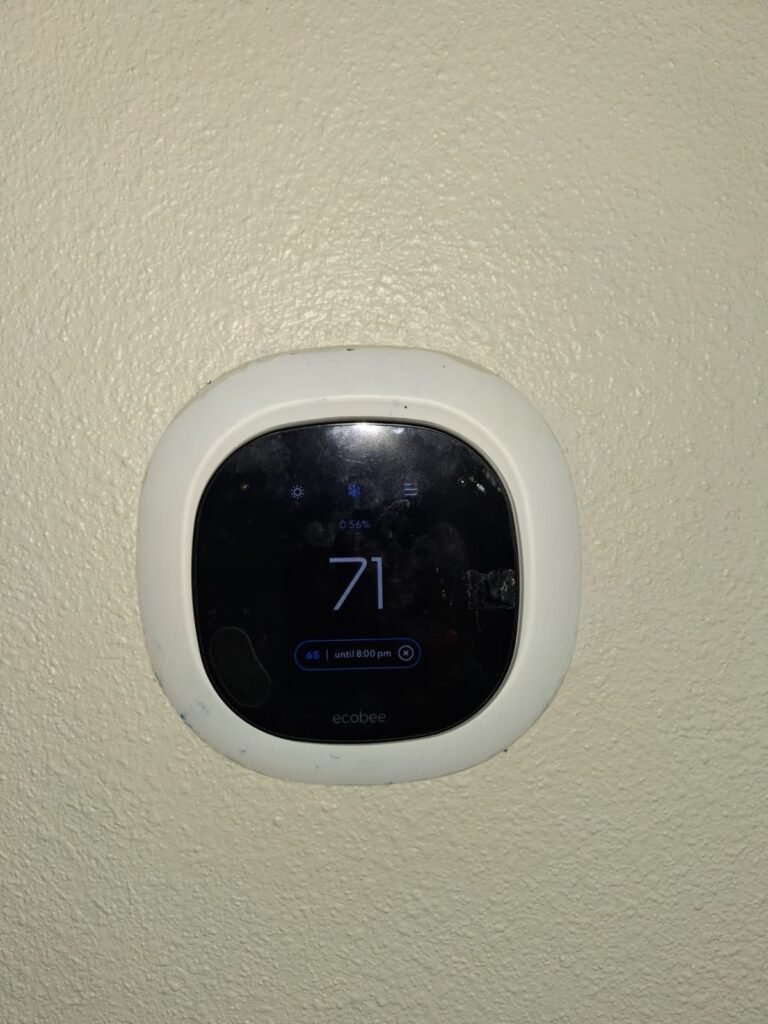
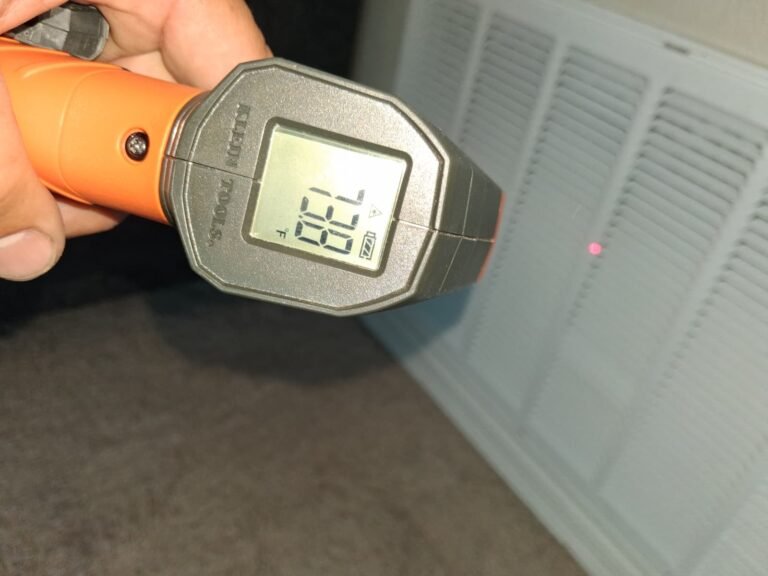
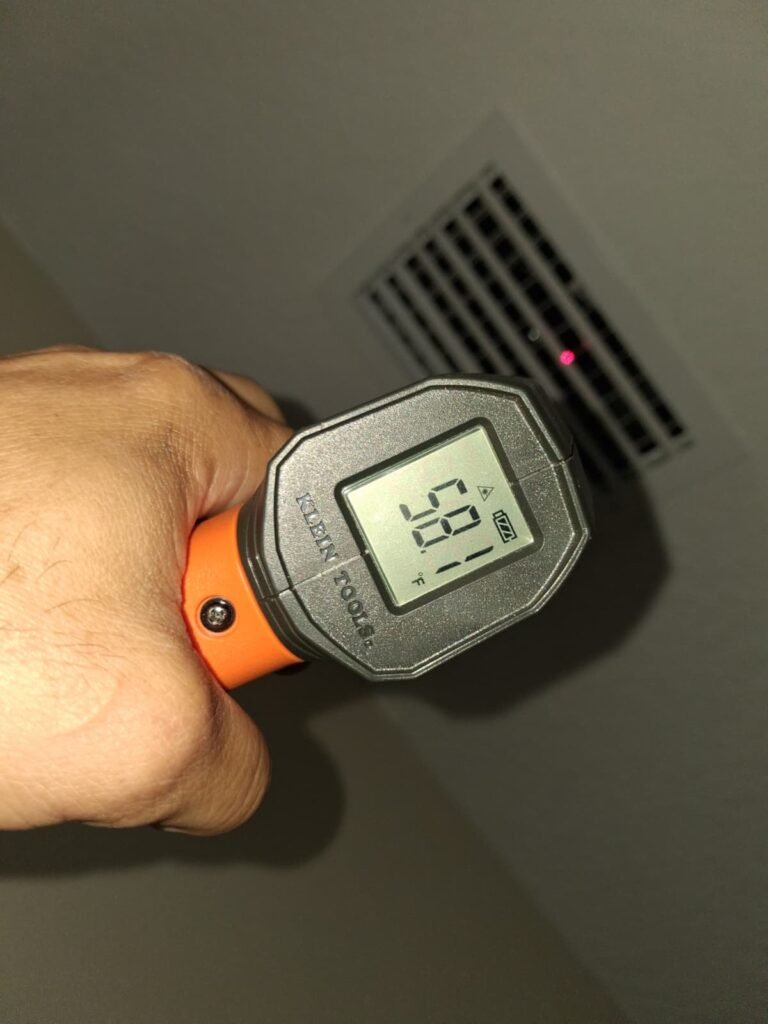
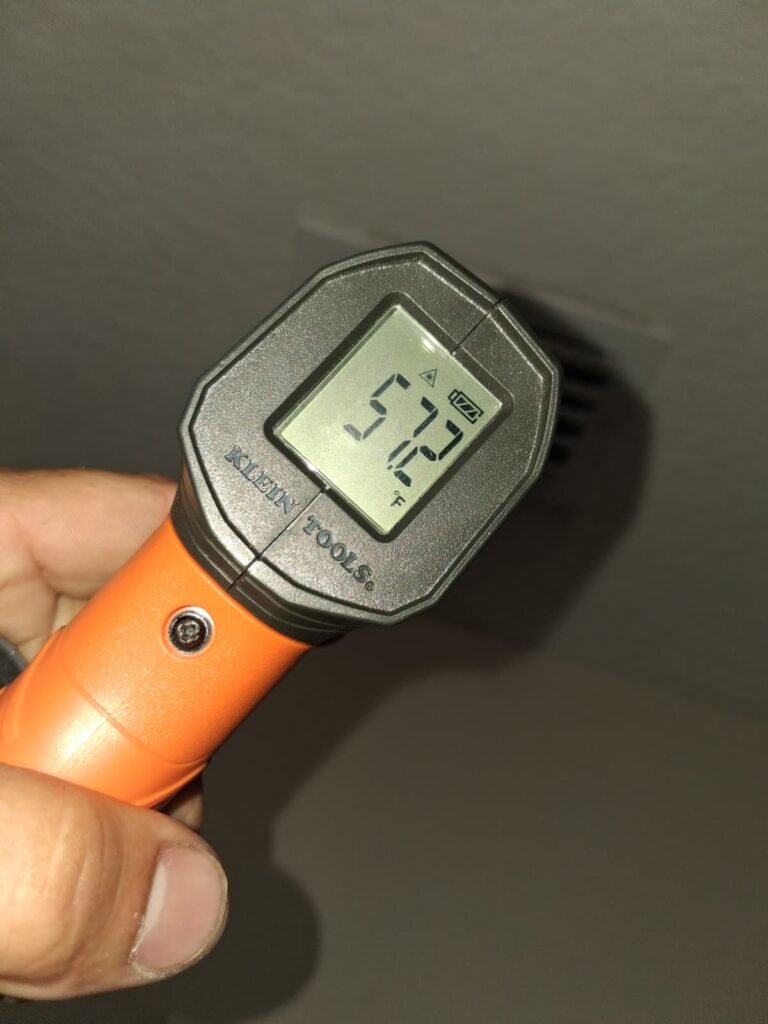
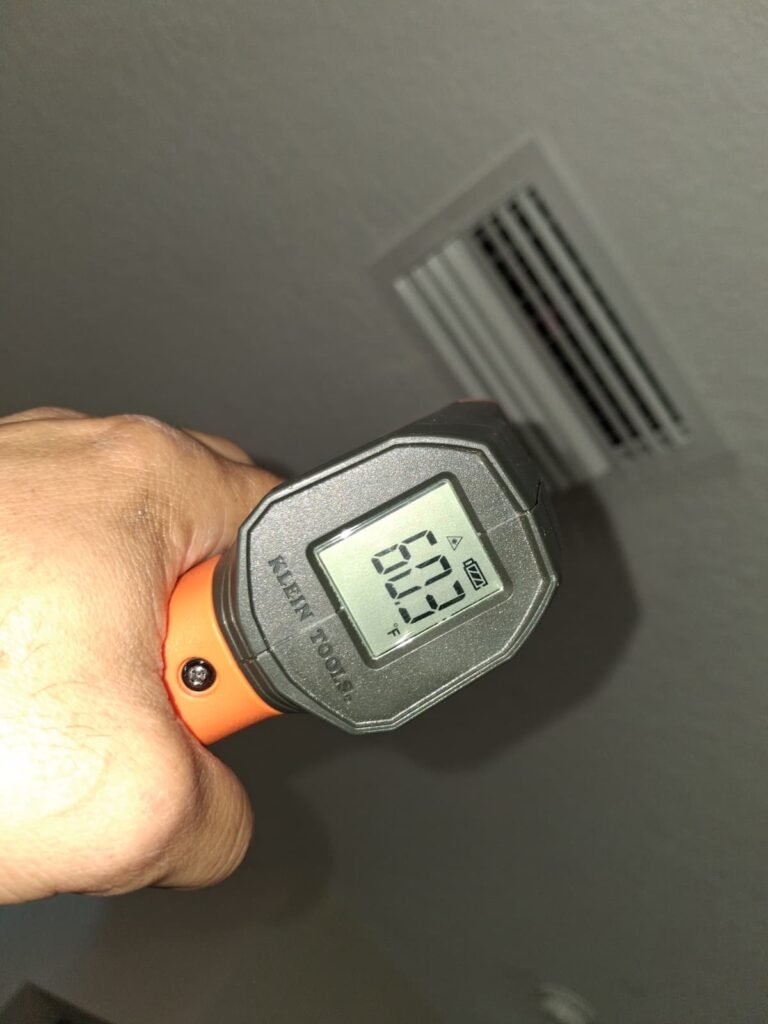
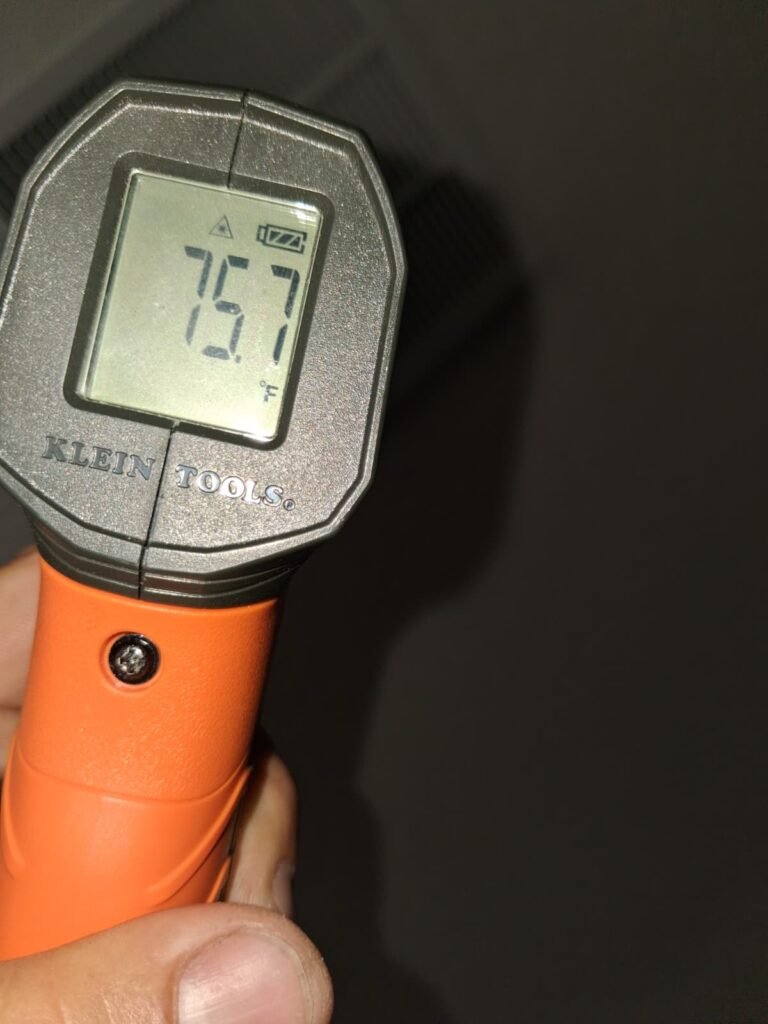
The photo set from this visit also lined up with that diagnosis. The failed motor and the replacement motor were both handled on site, and after the repair the vent temperature readings showed a clear improvement, moving from 75.7 degrees to 60.3 degrees once airflow was restored. That kind of before-and-after check matters because it confirms the repair solved the actual problem, not just part of it.
Replacing the blower motor was the targeted fix, not a bigger system replacement
The right repair here was to replace the failed blower motor and recheck operation after installation. That is a focused repair because it addresses the exact reason the AC stopped delivering air without turning the visit into a larger replacement conversation. The homeowner had one system, the unit was reported to be about 7 to 10 years old, and no prior technician had already been out to quote the job. In a situation like that, restoring the failed component is often the most sensible first step when the rest of the system can return to normal operation.
This visit covered three separate line items, including the free diagnosis, the blower motor replacement labor, and a warranty handling fee. The combined invoice came to $823.90. That bundled framing matters because it keeps the reader from assuming that every blower motor issue lands at the same number. Scope, warranty status, and what is included in the visit all affect the final total.
For homeowners comparing this to capacitor-related repairs, the bigger lesson is that motor capacitor failure symptoms and blower motor failure can feel similar from inside the house. The difference shows up during testing. If the motor itself has failed, replacing a capacitor will not restore airflow. If the capacitor is the failed part, replacing the motor would be unnecessary. Diagnosis has to separate those paths.
If you are dealing with related cooling symptoms, our guides on ac blowing hot air and ac short cycling explain how similar complaints can come from very different causes.
What this Riverview call says about capacitor failure symptoms and motor failures
The practical takeaway from this job is that a dead-silent system with no air at the vents does not automatically mean capacitor failure. In Tampa Bay, homeowners often search what causes capacitor failure Riverview because capacitors do fail in our long cooling season. Heat, repeated starts, and electrical stress all contribute. The U.S. Department of Energy has good baseline information on how central air systems operate, but field diagnosis still comes down to identifying which component has actually stopped the cooling cycle.
On this call, the insider point was straightforward: the symptom looked broader than the actual repair. A system that feels completely off can still come back with one targeted indoor repair. That is why we avoid turning every no-cool call into a worst-case conversation. The homeowner needed airflow back, not a lecture and not a sales pitch.
For readers in Riverview and nearby ZIP codes, this is also a reminder that closet air handlers deserve attention during service calls. They are easy to forget because they are out of sight, but that indoor fan section is what makes the cooling you paid for actually reach the living space. Without it, the outdoor side cannot make the home comfortable by itself.
Pro tips for Riverview homeowners dealing with no-airflow AC problems
These are the practical checks and habits that matter most after a job like this one:
- Pay attention to the difference between no cooling and no airflow. If the vents are silent, the problem may be in the indoor air handler, not just the outdoor unit.
- Do not rely on internet symptom lists alone. Searches for capacitor failure symptoms are useful, but several AC failures overlap from the homeowner’s point of view.
- Keep the closet around an indoor unit accessible. Easy access helped Roberto diagnose this Riverview call faster and get to the repair sooner.
- If the system is 7 to 10 years old, small electrical and motor components deserve a close look during service. That age range is when wear-related failures become more common.
- Use routine air conditioning service to catch weak airflow, unusual noise, or hard starts before they turn into a full shutdown during Florida heat.
Questions this blower motor repair raises for Riverview homeowners
What are the signs that a capacitor is going bad?
The signs of a bad capacitor usually include hard starting, humming, intermittent cooling, or a fan that struggles to run. This Riverview job is a good example of why that answer needs context, because the homeowner experienced a complete cooling loss and no airflow, but the failed part was the blower motor. Similar symptoms can point to different components, so testing matters more than symptom lists alone.
What causes capacitor failure in an AC system?
Heat, repeated start cycles, age, and electrical stress are common causes of capacitor failure. In Riverview and the rest of Tampa Bay, the long cooling season puts a lot of runtime on AC components, which is why capacitor-related searches are so common. On this call, though, the root cause was not capacitor failure. The indoor blower motor itself had failed, which is why the vents stayed dead silent.
How much does it cost to fix a capacitor?
The cost to fix a capacitor varies by system, part type, and what else is found during diagnosis. This specific visit was not a capacitor repair, so the final invoice reflected a bundled blower motor repair visit instead. That is exactly why online price comparisons can mislead homeowners. Two no-cool calls can sound the same at first and end up needing completely different repairs once the system is tested.
What does an AC blower motor do?
An AC blower motor powers the fan inside the air handler that pushes cooled air through the ductwork. On this Upward Place call, that function was the whole issue. The system could not move air into the home because the blower motor had failed. Once the motor was replaced, airflow returned and the vent temperature readings showed the system was delivering cooling again.
How long do AC motors and capacitors usually last?
AC motors and capacitors can last for years, but lifespan depends heavily on runtime, heat, maintenance, and installation conditions. The homeowner on this job reported a system age of about 7 to 10 years, which is a range where wear-related failures become more common. Florida systems work hard for most of the year, so age alone is never the full story, but it is always part of the diagnostic context.
Schedule AC repair in Riverview, FL 33579
If your system has stopped moving air or feels completely unresponsive, Home Therapist can help you narrow down the real cause without guessing. We have served Tampa Bay since 2017, and our team brings that experience to every call, whether the issue is a failed blower motor, an airflow problem, or one of the many symptoms homeowners mistake for capacitor failure. Home Therapist is licensed in Florida for HVAC and plumbing, CAC1819196 and CFC1431159, and we have earned 1,300+ five-star reviews by keeping the process clear and the scope honest. You approve a written quote before any repair begins.
For homeowners in Riverview, FL 33579 and nearby communities, call Home Therapist at (813) 343-2212 for FREE estimates and FREE diagnosis. If you want to verify state licensing, the Florida DBPR is the official source. Whether your issue turns out to be a blower motor, a control problem, or a true capacitor-related failure, we service every brand and focus on the repair that fits the facts.


