

Taped Return Filters Crushed Airflow in This St. Petersburg Renovation
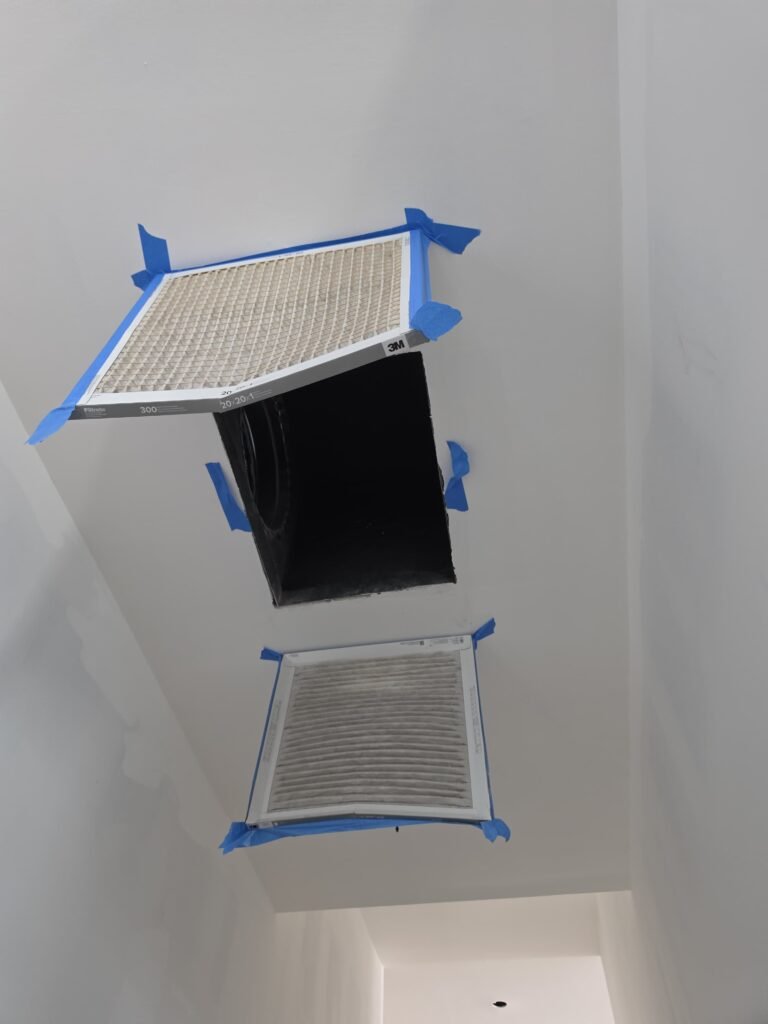
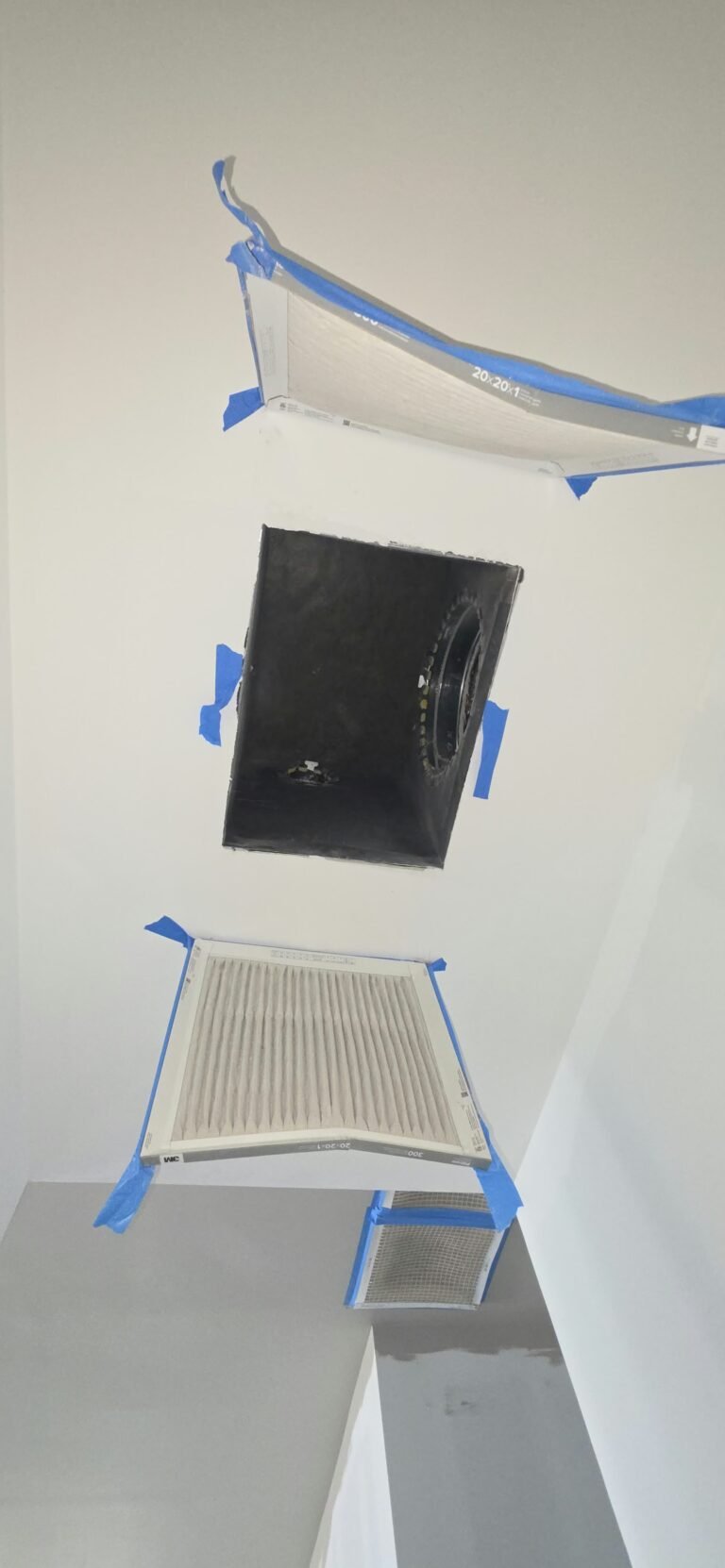
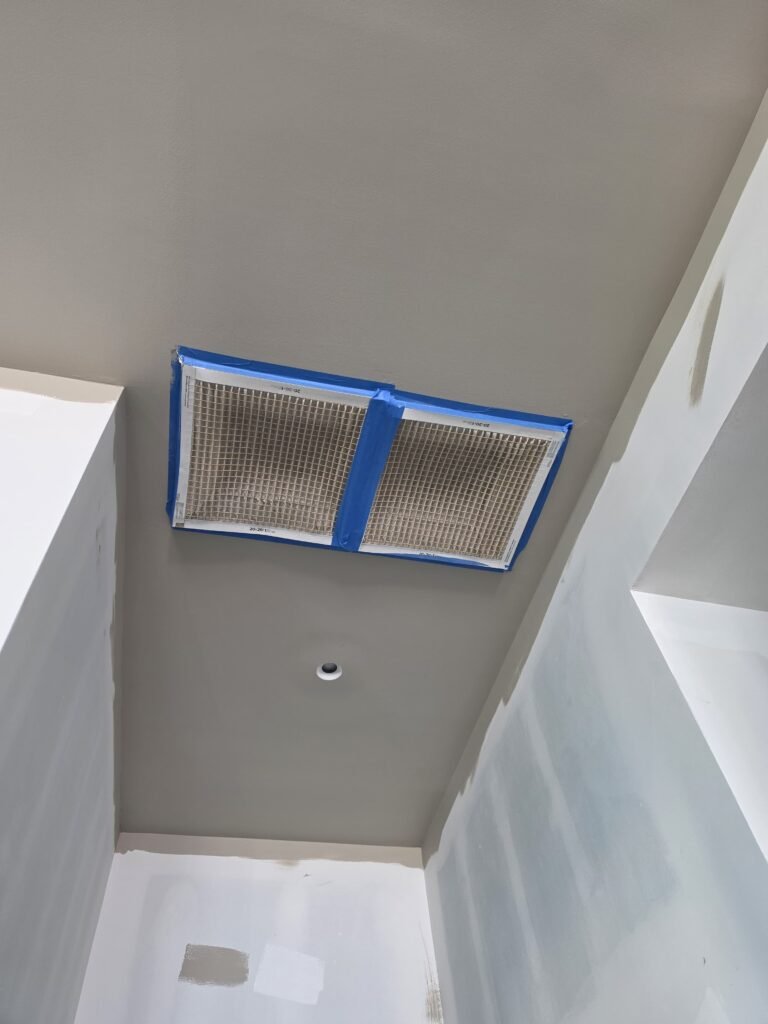
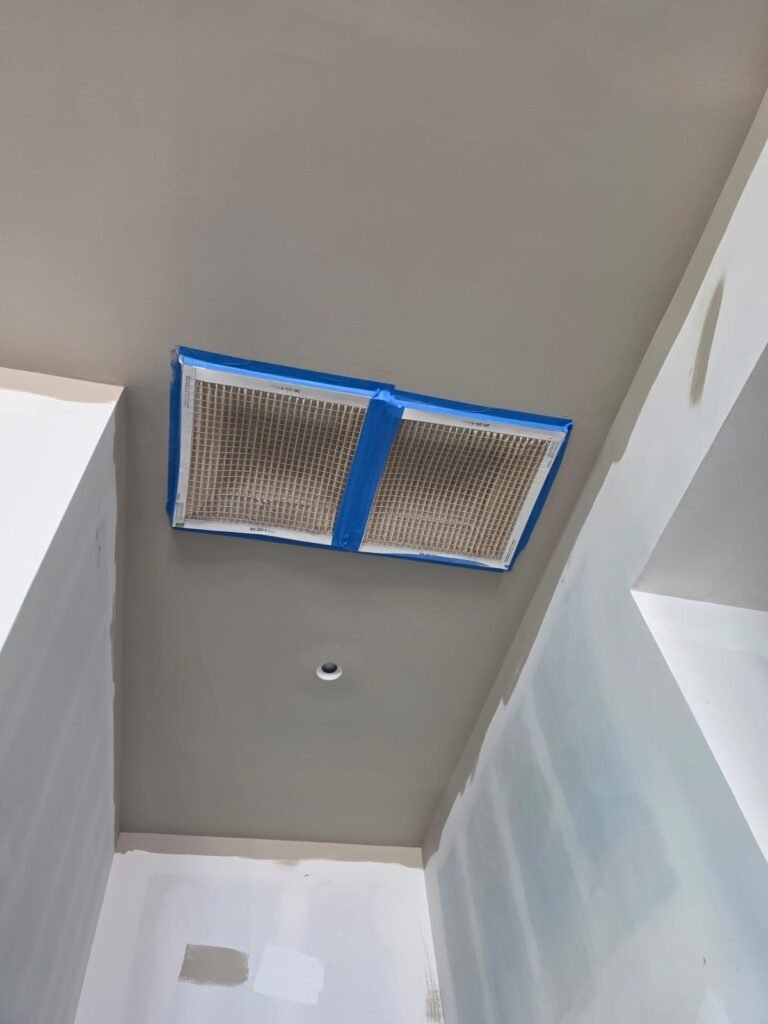
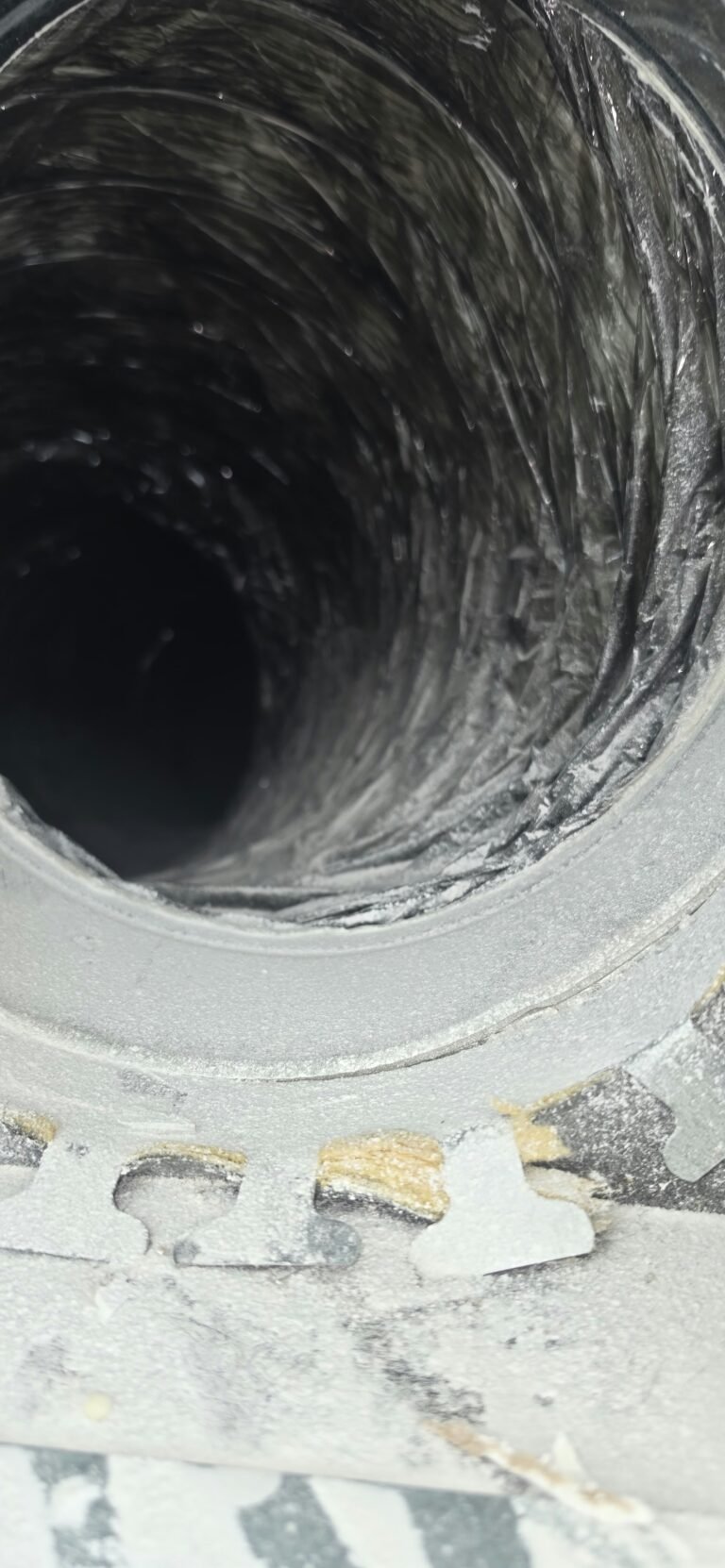
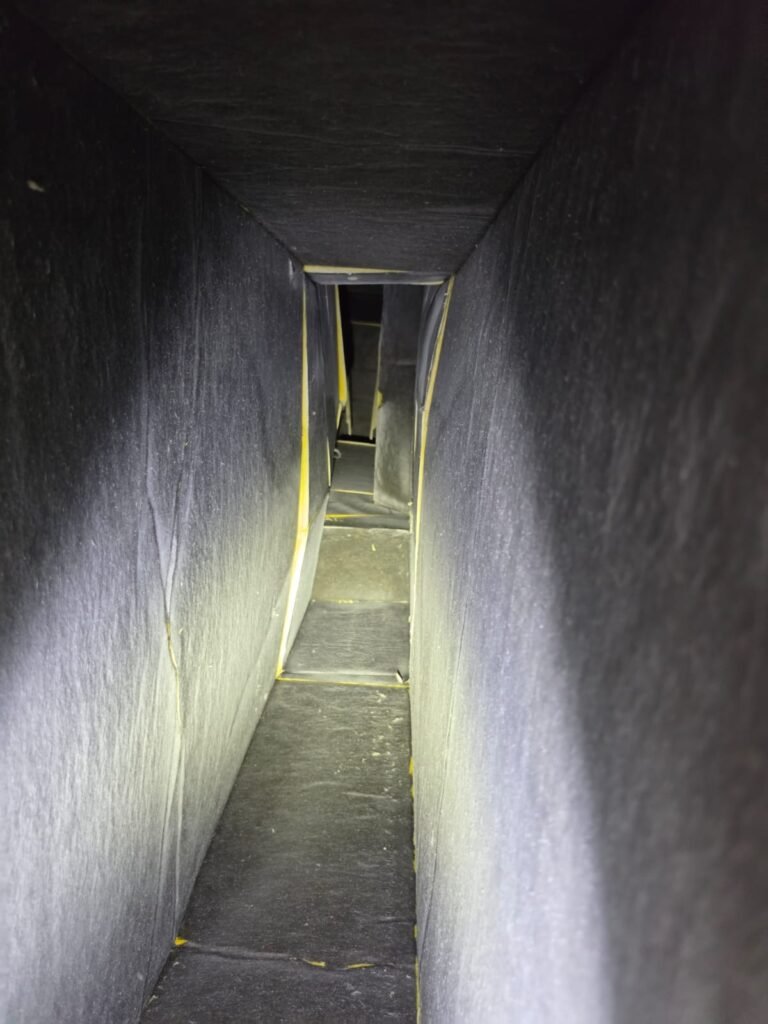
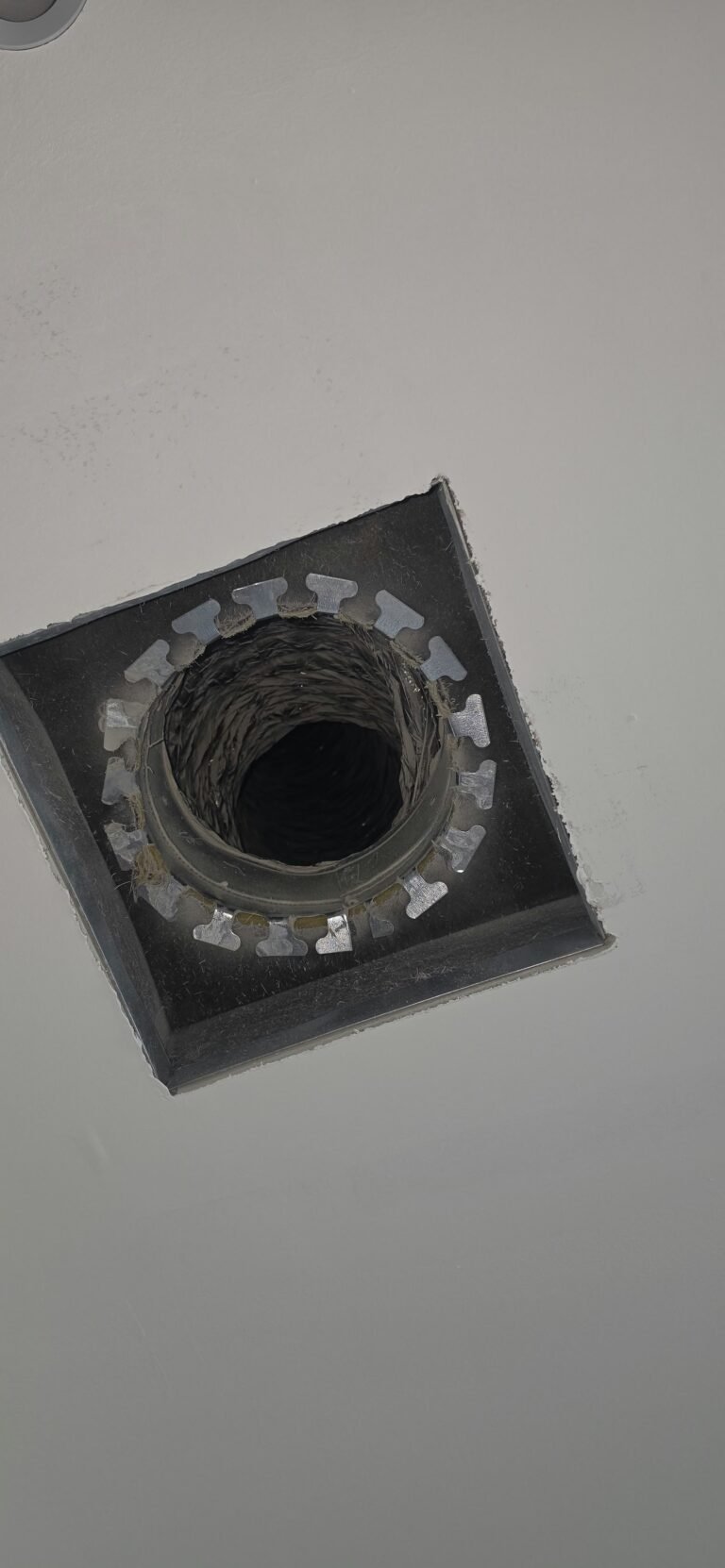
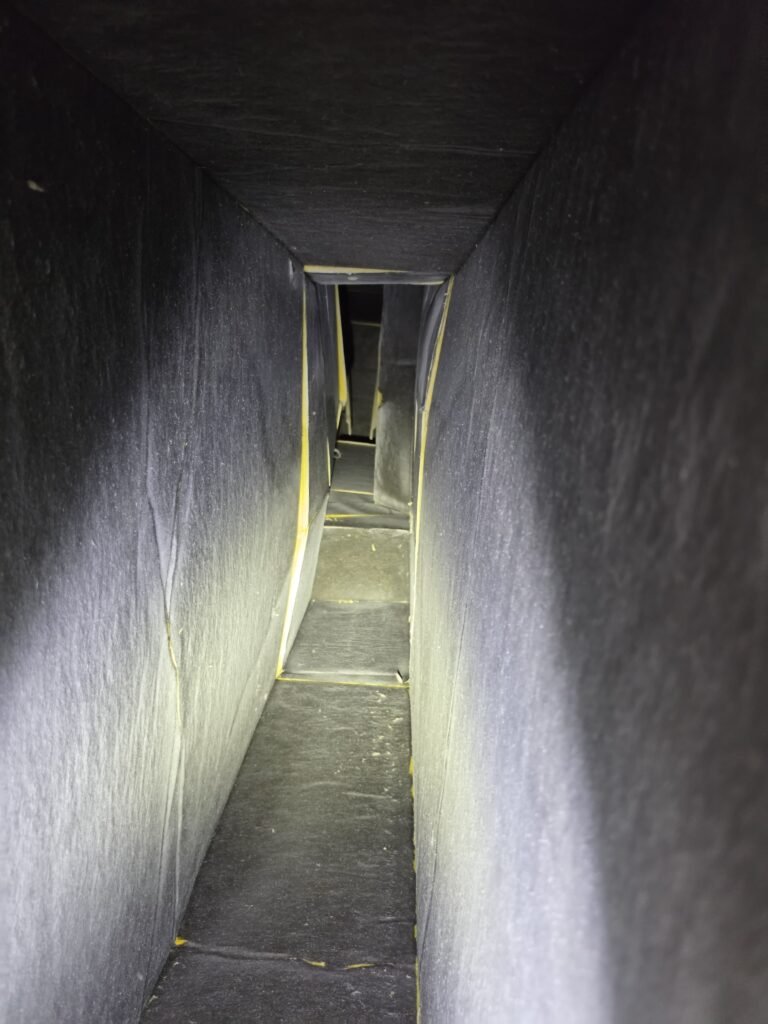
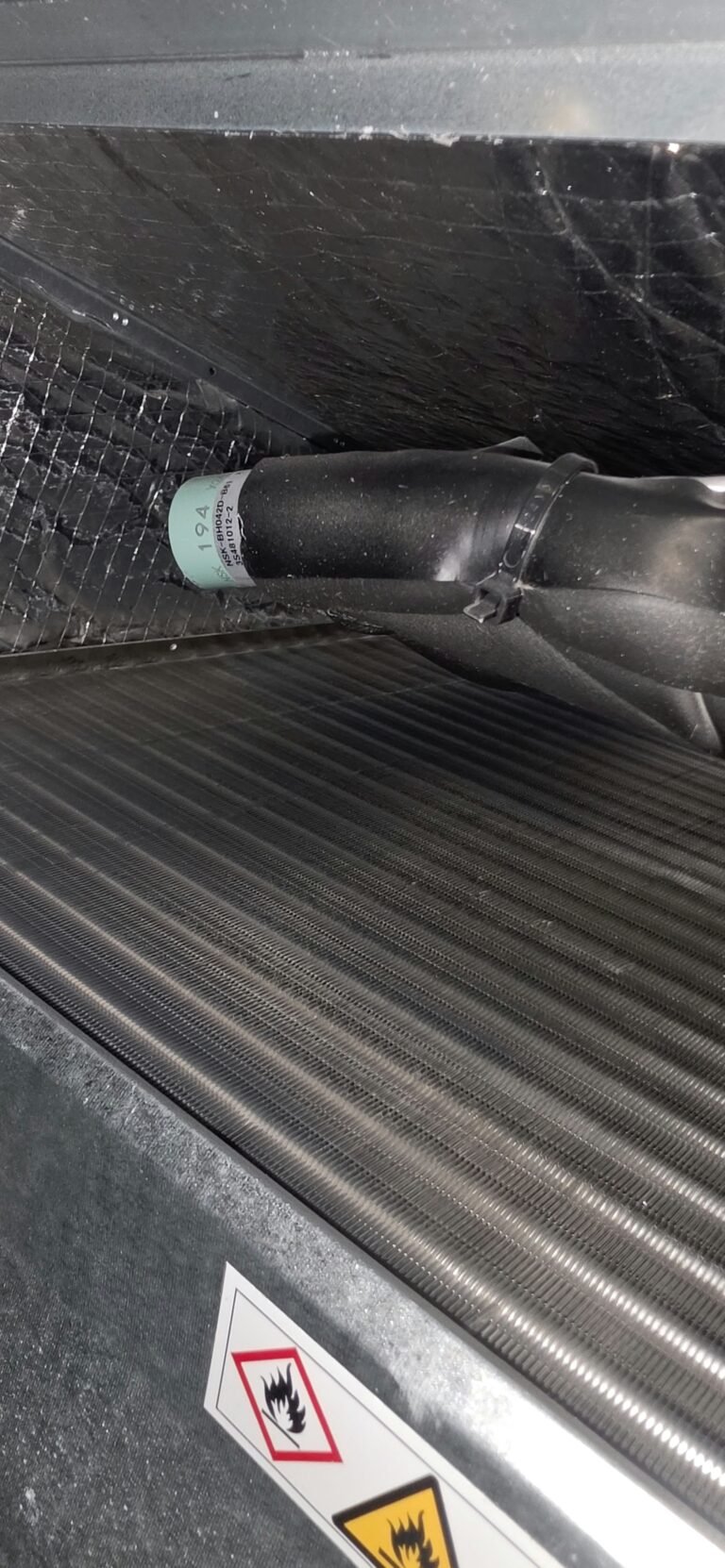
How to increase airflow in ductwork starts with removing restrictions, not forcing the system to run harder. In this HVAC diagnostic visit in St. Petersburg, FL 33712, taped filters at the return grilles severely choked airflow, contaminated the system with construction dust, and damaged the plenums, so the correct resolution was to leave the systems off until renovation dust stops.
Aridel and our crew were called to a Serpentine Cir S home in St. Petersburg, FL 33712 to install thermostats and start the systems during an active renovation. Instead of a simple startup, they found a bigger airflow problem. Drywall sanding and bathroom tile cutting were filling the home with airborne dust, and filters had been taped directly to the return grilles in an attempt to catch it. That improvised setup restricted return air so badly that one plenum had already deformed and another was completely damaged. This is a real example of how to increase airflow in ductwork St. Petersburg homeowners can learn from, because the answer was not a stronger blower or a booster fan. The answer was to stop the restriction and stop pulling jobsite dust through the HVAC system.
- Service performed: HVAC diagnostic visit during renovation
- Neighborhood or street: Serpentine Cir S
- Technician: Aridel
- Symptom: Homeowner wanted thermostats installed and systems started
- Cause: Taped return filters and heavy construction dust restricted airflow
- What was done: Restarted one system, confirmed operation, then left systems off pending construction completion
The airflow problem on Serpentine Cir S started at the return grilles, not inside the equipment.
When a homeowner asks how to adjust airflow in ductwork, the first place to look is often the return side. Supply vents get most of the attention because that is where people feel the air, but the system can only deliver what it can pull back. On this visit, filters had been attached to the return grilles with painter’s tape. That sounds minor until you think about what the blower was trying to do. It was pulling air through a blocked path while construction dust kept loading those filters even more.
That kind of restriction changes airflow through ductwork fast. Rooms may feel like they have weak airflow, vents may barely push air, and the equipment may keep running longer without moving enough conditioned air. In this home, the restriction was severe enough that the plenum deformed. The plenum is the main air box that connects the equipment to the duct system. When it is starved for airflow or stressed by abnormal pressure, it can warp or fail. That is why simply asking the system to run by next week was not the right next step.
For homeowners searching for service area coverage around St. Petersburg, this is one of the clearest examples of why airflow ductwork issues need to be diagnosed at the whole-system level instead of by guesswork.
Construction dust was the hidden reason the safest recommendation was to keep every HVAC system off.
Aridel confirmed that one system restarted and was operating properly at the time of the visit, but proper operation in that moment was not the full story. Drywall sanding and tile cutting were actively putting fine dust into the air. Once that dust gets pulled into returns, it does not stay at the grille. It travels through the ductwork, into the equipment, and into controls like thermostats. The job notes specifically pointed to contamination throughout the HVAC systems, including the equipment, ductwork, and thermostats.
This is the contrarian part most people do not expect. The way to increase airflow in ductwork is not always to clean a vent, add a fan, or open dampers. Sometimes the right answer is to shut the system down because running it during renovation makes the airflow problem worse and spreads contamination deeper into the system. That was the call here. Our team left the systems turned off and strongly recommended keeping them off until the dust-producing work is fully completed.
The visit itself was a complimentary diagnostic at no charge, which let the homeowner get a clear answer before approving any repair work. Once the renovation phase is finished, the next step is a full assessment for plenum repairs, cleaning of the equipment and ductwork, and inspection of the thermostats and controls.
The damaged plenums changed this from a startup request into a repair planning job.
One of the biggest findings on this St. Petersburg visit was that the plenum damage was not cosmetic. System 1 had a deformed plenum that would require opening walls for access to repair. System 3 had a completely damaged plenum, with repair expected to require opening walls from the attic down to the first floor. That matters because poor airflow in ductwork is not always a balancing issue. Sometimes the air path itself has been physically compromised.
If you are trying to calculate airflow in ductwork or compare it to a ductwork airflow chart, those tools only help when the duct system is intact and the static pressure is within a workable range. They do not solve crushed, deformed, or contaminated air pathways. This is also why duct booster fans rarely fix the real problem. A booster fan can only push or pull through a system that still has a sound path. It cannot undo a blocked return strategy or repair a damaged plenum.
Because the home was still under renovation, this was not the moment to open walls and begin corrective work. The smarter sequence was to stop further contamination first, then inspect and repair once the dusty trades are done. That protects the final repair from getting dirtied up immediately after completion.
Thermostat setup had to wait because startup conditions were not ready yet.
The original request included installing thermostats and starting the systems, but the site conditions did not support finishing that scope cleanly. The job notes also indicated a return visit would be needed when Wi-Fi is available to set the thermostats and configure them in the dealer app, and after the ceilings are painted so the grilles can be installed properly. That is a good example of a homeowner situation shaping the work, not just the mechanical condition of the HVAC system.
There is a lesson here for anyone wondering why can I barely feel air coming out of my vents during a remodel. If the grilles are not fully in place, the returns are improvised, and the house is full of sanding dust, the HVAC system is working in conditions it was never designed for. The best way to increase air circulation in a room during that phase is usually temporary ventilation for the construction process, not trying to operate the central system as if the project were finished.
For the broader technical side of airflow design, the ACCA technical manuals are the standard reference contractors use for proper duct design and air distribution. On an active renovation site like this one, though, even a well-designed system can be undermined by temporary restrictions and dust.
Pro tips for St. Petersburg homeowners dealing with HVAC during a renovation
Renovation work changes the rules for airflow in ductwork. A few practical steps can prevent expensive HVAC damage while the project is still underway.
- Do not tape filters over return grilles as a dust-control shortcut. That can create a major airflow restriction and stress the plenum.
- Keep the central system off during heavy drywall sanding, tile cutting, or similar dust-producing work unless a contractor has set up proper protection.
- Wait to install or finalize grilles and thermostat setup until the dusty phase is over and finish work is far enough along to protect the equipment.
- If airflow feels weak in one room during construction, do not assume a booster fan is the answer. Check for blocked returns, missing grilles, or temporary coverings first.
- After renovation, schedule a full HVAC assessment before regular operation resumes so contamination, controls, and duct damage can be addressed together.
Airflow questions this St. Petersburg HVAC diagnostic brought up
Why can taped filters over return grilles reduce airflow so much?
Taped filters over return grilles reduce airflow because they choke the system at the point where it draws air back in. The blower depends on a clear return path. In this St. Petersburg job, the taped filters loaded up with construction dust and created enough restriction to deform one plenum and contribute to major system stress.
Do duct booster fans really work for weak airflow?
Duct booster fans only help in limited situations, and they do not fix major return restrictions or damaged plenums. On this job, the airflow problem was caused by taped returns, contamination, and plenum damage. A booster fan would not have corrected any of those root causes, so it would have added cost without solving the real issue.
Why leave the HVAC systems off if one system was running at the visit?
Leaving the systems off was the safest recommendation because active renovation dust was still being pulled into the HVAC system. Even though one system restarted and operated at that moment, continued drywall sanding and tile cutting would keep contaminating the equipment, ductwork, and thermostats. Running the system longer would likely make the final repair scope larger.
What is the best way to increase air circulation in a room during remodeling?
The best way to increase air circulation during remodeling is to use temporary construction ventilation, not rely on the home’s HVAC system under dirty conditions. In this home, the central system was exposed to sanding dust and restricted returns. Until the renovation dust stops and the HVAC path is restored, temporary jobsite airflow methods are the better choice.
What should happen after the renovation dust is gone?
After the renovation dust is gone, the next step should be a full HVAC assessment before normal operation resumes. For this St. Petersburg property, that means evaluating plenum repairs, cleaning contaminated equipment and ductwork, and inspecting thermostats and controls. That sequence protects the system from being repaired too early and then contaminated again.
Schedule HVAC diagnostic service in St. Petersburg, FL 33712
Home Therapist has served Tampa Bay since 2017, and our team handles real-world HVAC problems the way they need to be handled, with honest findings and a clear next step. We are licensed for HVAC under CAC1819196 and plumbing under CFC1431159, and we have earned 1,300+ five-star reviews by staying straightforward about what a job needs and what can wait. This Serpentine Cir S visit is a good example. The original request was to start systems and install thermostats, but the real issue was restricted airflow, contamination, and plenum damage during renovation.
If you are dealing with airflow problems, renovation dust, weak vents, or startup concerns in St. Petersburg, FL 33712, Home Therapist can help you sort out the cause before any repair begins. You can review our customer reviews, verify licensing through Florida DBPR, and call us at (813) 343-2212. We provide FREE estimates and FREE diagnosis, and you approve a written quote before any repair begins.


