

How Do You Flush a Water Heater in Clearwater, FL 33764?
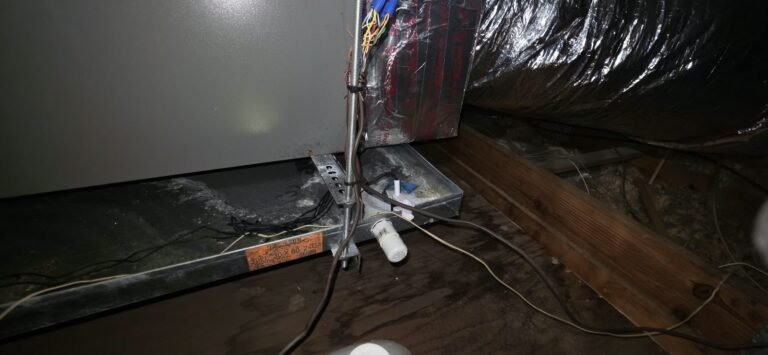
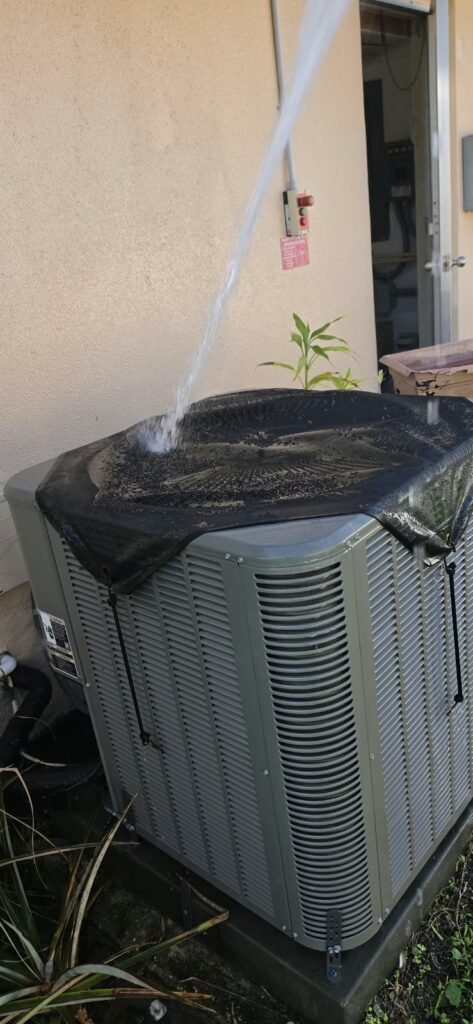
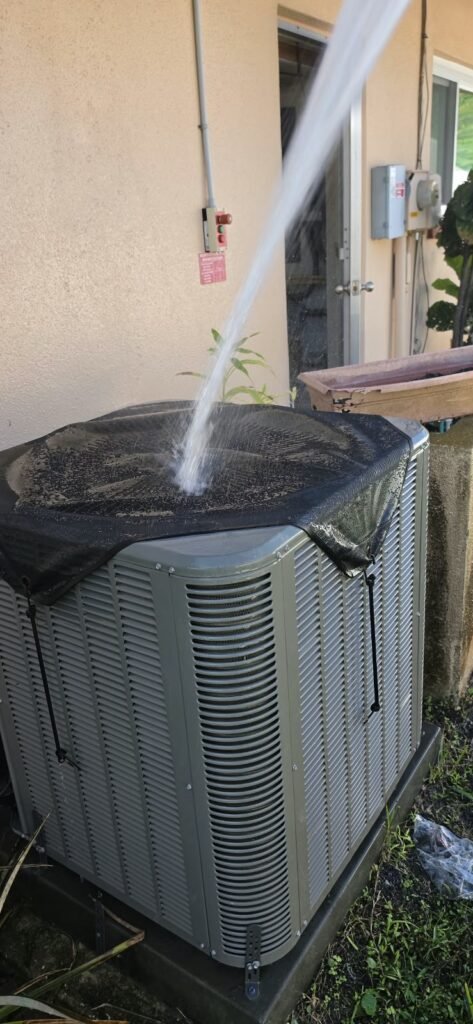
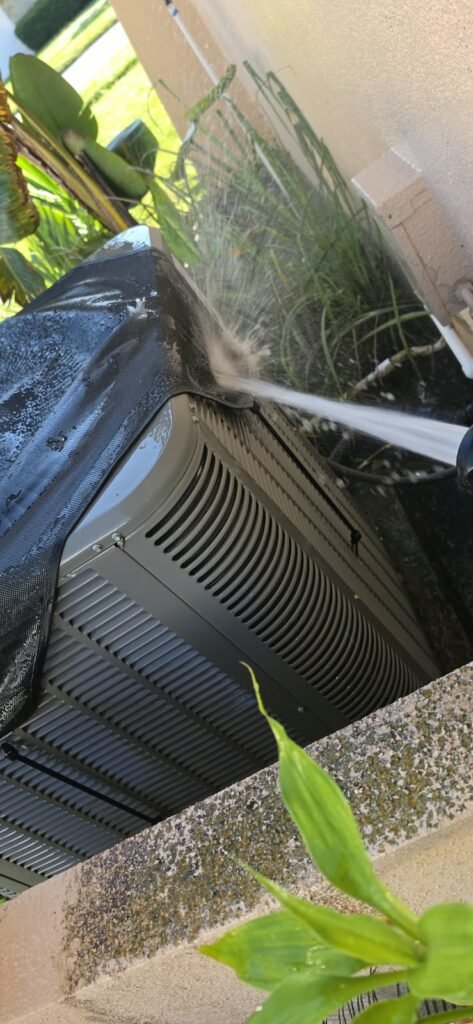
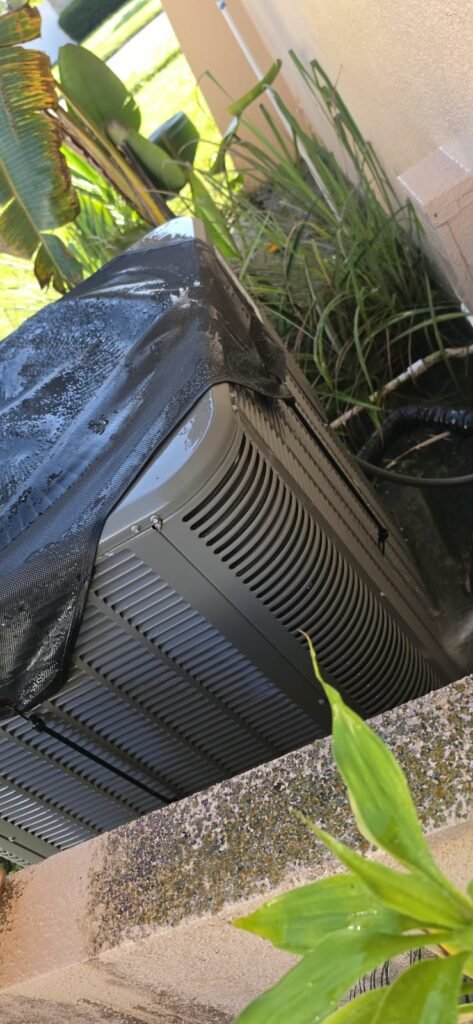
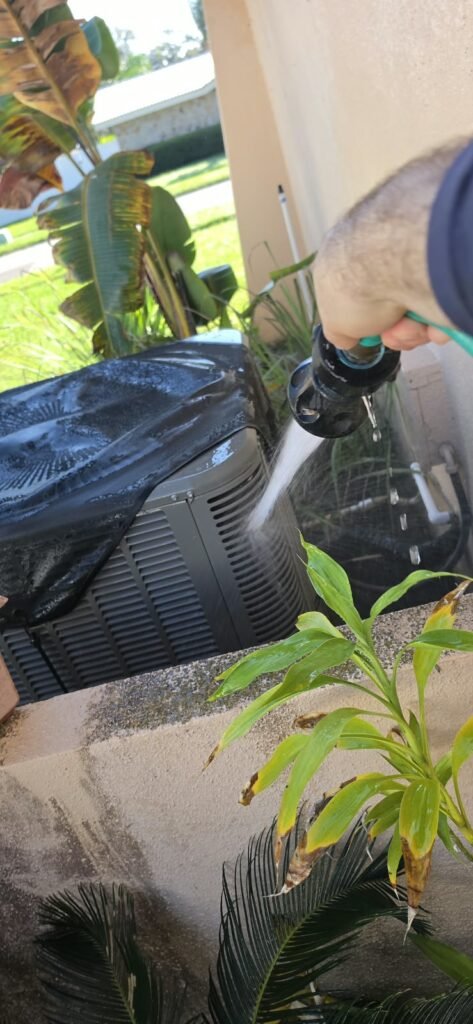
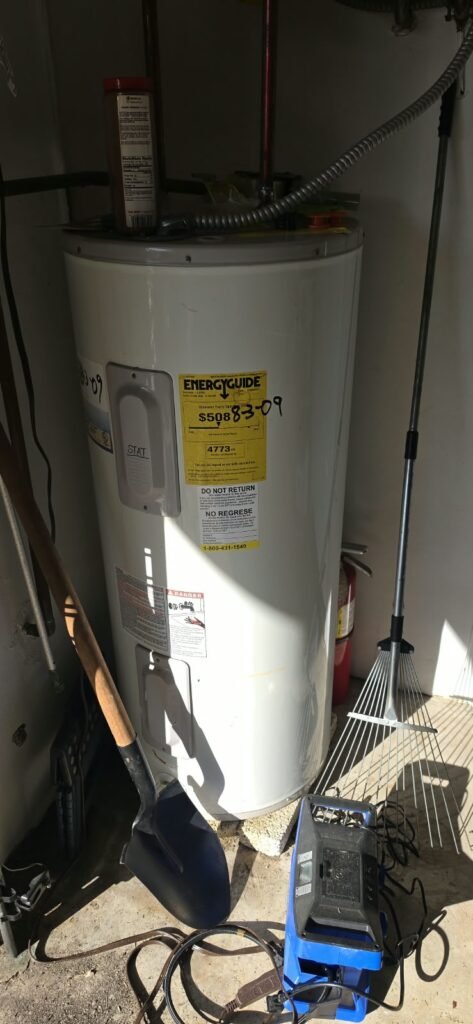
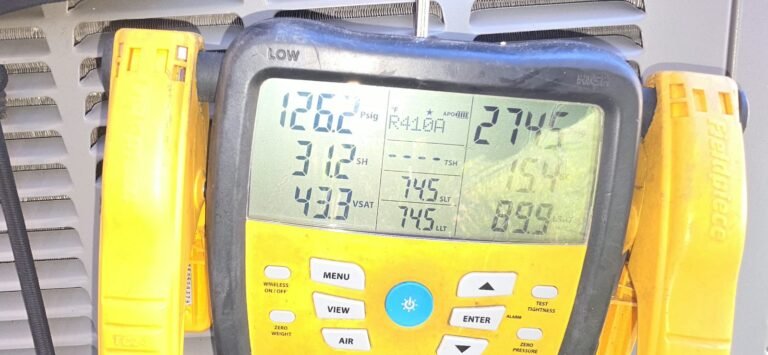
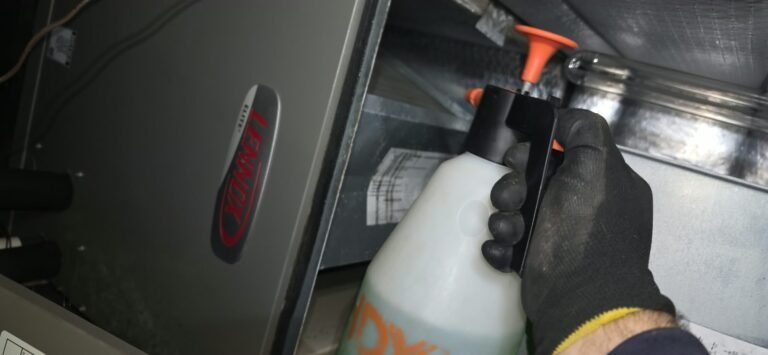
How do you flush a water heater in Clearwater, FL 33764? In most homes, it means shutting the unit down safely, connecting a hose, draining sediment from the tank, refilling it, and checking that everything returns to normal. The bigger point, though, is why it matters. On a recent Visit #4 Plumbing maintenance stop in Clearwater, Alejandro completed a routine water heater flush and found everything in good shape, exactly the kind of quiet, preventive visit that helps homeowners avoid bigger problems later.
That is why we talk so much about maintenance in Florida. A water heater does not have to be actively leaking or making loud noises to need attention. Sediment can build up slowly, efficiency can slip, and small issues can stay hidden until you suddenly run out of hot water or notice rust-colored water at the worst time.
Why water heater maintenance matters more in Florida
Florida homes put a lot of demand on plumbing systems. Even when we are not dealing with freezing weather, we are dealing with mineral-heavy water in many areas, year-round household use, humidity, and storm season. All of that adds up to wear that is easy to miss if nobody is looking at the system on a routine basis.
For tank-style water heaters, one of the biggest maintenance issues is sediment. Minerals settle at the bottom of the tank over time. That layer can make the heater work harder, reduce efficiency, and create popping or rumbling sounds as water heats underneath the buildup. Left alone long enough, it can shorten the life of the tank or contribute to overheating around the bottom of the unit.
In Clearwater, regular flushing is one of the simplest ways to keep that process from getting out of hand. It is not flashy, but it is one of the most useful plumbing maintenance steps a homeowner can take.
How do you flush a water heater, and what does the visit actually include?
If you have ever searched how do you flush a water heater, the basic process sounds simple enough. A plumber turns off power or gas to the unit, isolates the heater, connects a hose to the drain valve, drains the tank, helps clear out sediment, then refills and tests the system. But the value of a professional water heater flush is not just the draining part. It is the inspection that happens around it.
During this recent maintenance visit in Clearwater, Alejandro completed the water heater flush and everything checked out well. That may sound uneventful, but for a maintenance call, uneventful is a good result. It means the system got serviced before sediment buildup turned into a comfort problem or a repair visit.
A routine flush visit can help catch issues such as:
- Early sediment buildup before it starts affecting recovery time
- A drain valve that is getting stiff or beginning to seep
- Rusty water or debris that suggests internal wear
- Slow heating complaints tied to tank buildup
- Small leaks around fittings or the relief valve area
In other words, a flush water heater service is not just about emptying water out of the tank. It is a chance to see how the heater is aging and whether it is still operating the way it should.
What happens if you skip it for too long?
The cost of neglect usually shows up gradually first, then all at once. A little sediment at the bottom of the tank can become a thicker layer over the course of a year or two. Once that happens, the burner or heating elements have to work harder to heat the same amount of water. You may notice longer waits for hot water, reduced hot water volume, strange noises, or higher energy use.
If buildup keeps accumulating, it can stress the tank and internal components. Sometimes homeowners do not realize anything is wrong until they notice discolored water, inconsistent temperatures, or moisture around the unit. At that point, what could have been a routine maintenance visit may turn into a repair or replacement conversation.
That is the real value of a maintenance call like this one in Clearwater. Nothing dramatic had to happen for the visit to matter. Regular service helps keep small, predictable issues from becoming inconvenient ones.
Can you flush a water heater yourself?
Yes, some homeowners can flush a water heater themselves, but many are better off having it done during a professional maintenance visit. The process involves hot water, shutoff steps, pressure considerations, and knowing what to watch for while the tank is draining and refilling.
If the drain valve is stuck, if the water runs rusty, if the tank does not refill normally, or if there are signs of leakage, you want someone there who can spot the difference between normal maintenance and a developing problem. That is especially true for older units, where disturbing long-settled sediment can reveal issues that were already forming.
If you are wondering how flush water heater Clearwater homeowners should approach this, our advice is simple. If you are comfortable with the process and your unit is in good shape, a DIY flush may be possible. If you are not sure, or if the heater is older, routine professional service is the safer route.
Simple tips between maintenance visits
You do not have to wait for your next appointment to take good care of your water heater. A few habits go a long way.
- Pay attention to new noises, especially popping or rumbling from the tank
- Watch for rusty or cloudy hot water at faucets
- Check around the base of the heater for any moisture
- Do not ignore slower hot water recovery times
- Schedule routine service instead of waiting for a no-hot-water day
If you are not sure whether your home is in our coverage area, you can check our service area before booking.
Why homeowners join Home Therapy Club
This recent Clearwater visit is a good example of what maintenance is supposed to do. No emergency, no sales pressure, just a routine service that helps keep the system clean and operating the way it should. That is exactly why many homeowners join Home Therapy Club at $20 per month, or $220 if you pay for the year.
Plan members like the peace of mind that comes with regular visits, fewer surprise breakdowns, and priority scheduling when something does need attention. In Florida, where systems run hard and little issues can build quietly over time, a maintenance plan makes it easier to stay ahead of problems instead of reacting to them.
You can also see what local homeowners say about working with us in our customer reviews.
Water heater maintenance FAQ
How do I know if my water heater needs to be flushed?
Common signs include rumbling noises, reduced hot water, slower recovery, cloudy or rusty hot water, and higher energy use. Even without obvious symptoms, yearly maintenance is a smart way to keep sediment from building up too far.
How much do plumbers charge to flush a water heater?
Prices vary by company and by what the visit includes. At Home Therapist, $89 is our standing, everyday price for a water heater flush. You approve a written quote before any repair begins if anything else is found.
Should I flush a very old water heater?
Sometimes yes, but it depends on the condition of the unit. Older tanks that have gone years without maintenance may need a careful evaluation first, because heavy sediment and age-related wear can change the risk.
What are the symptoms of sediment buildup in water heaters?
The most common symptoms are popping sounds, less available hot water, inconsistent temperatures, and longer heating times. Sediment acts like a barrier inside the tank, making the heater work harder than it should.
If your water heater has been overlooked for a while, or if you want the kind of routine service that catches small issues before they become major ones, give Home Therapist a call at (813) 343-2212. We offer FREE estimates and FREE diagnosis on every service call. Whether you want to schedule a water heater flush in Clearwater, FL 33764 or join Home Therapy Club, we are here to help.


