

When a Noisy 10-Year Water Heater Is Still a Risky Flush in Tampa
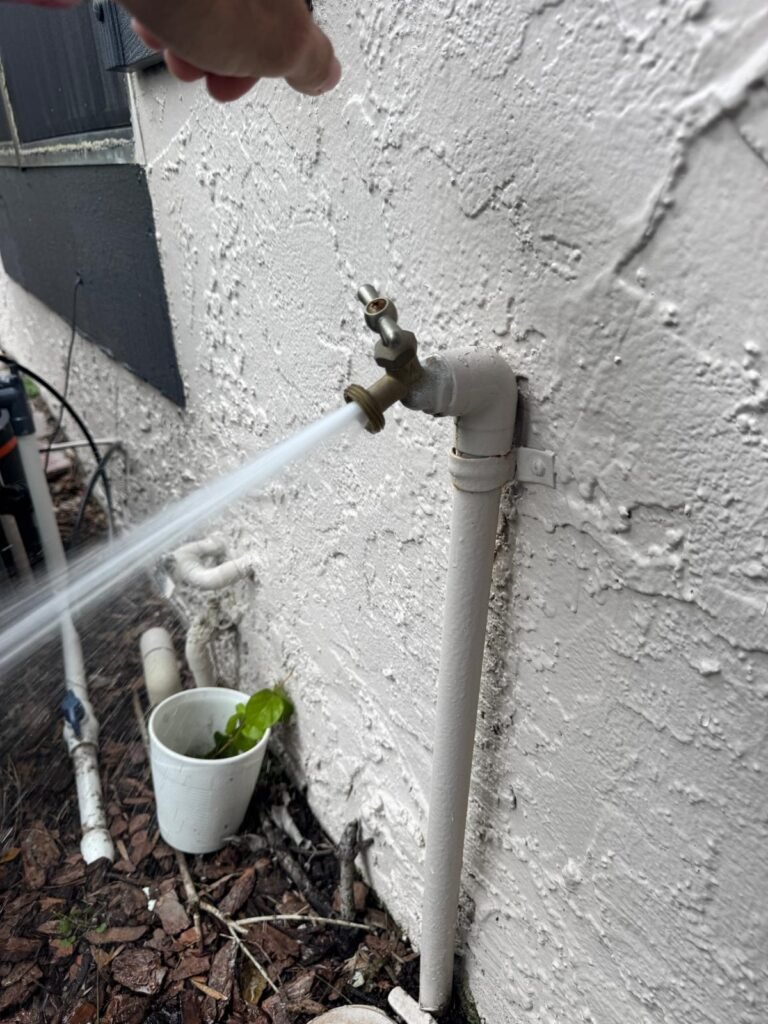
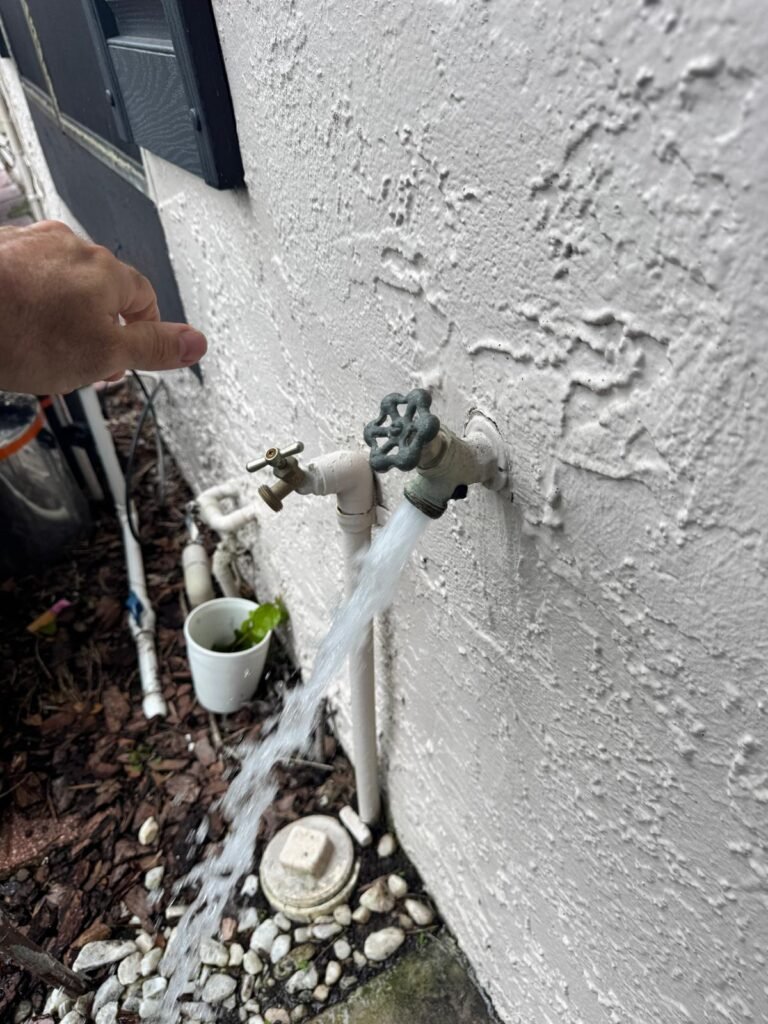
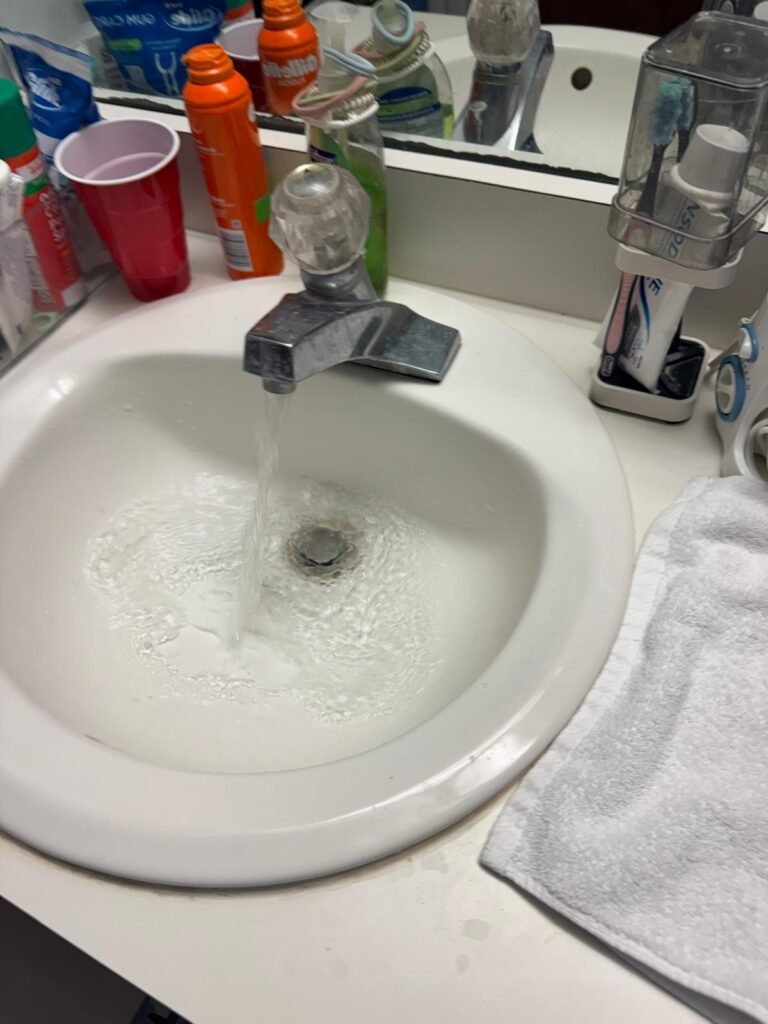
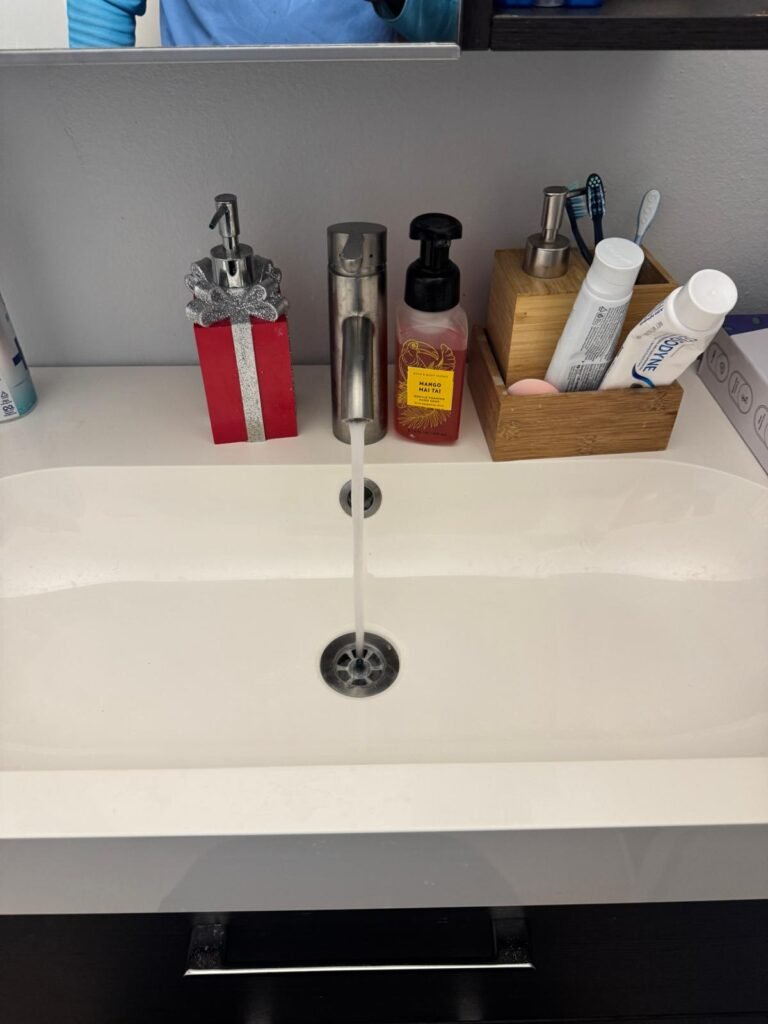
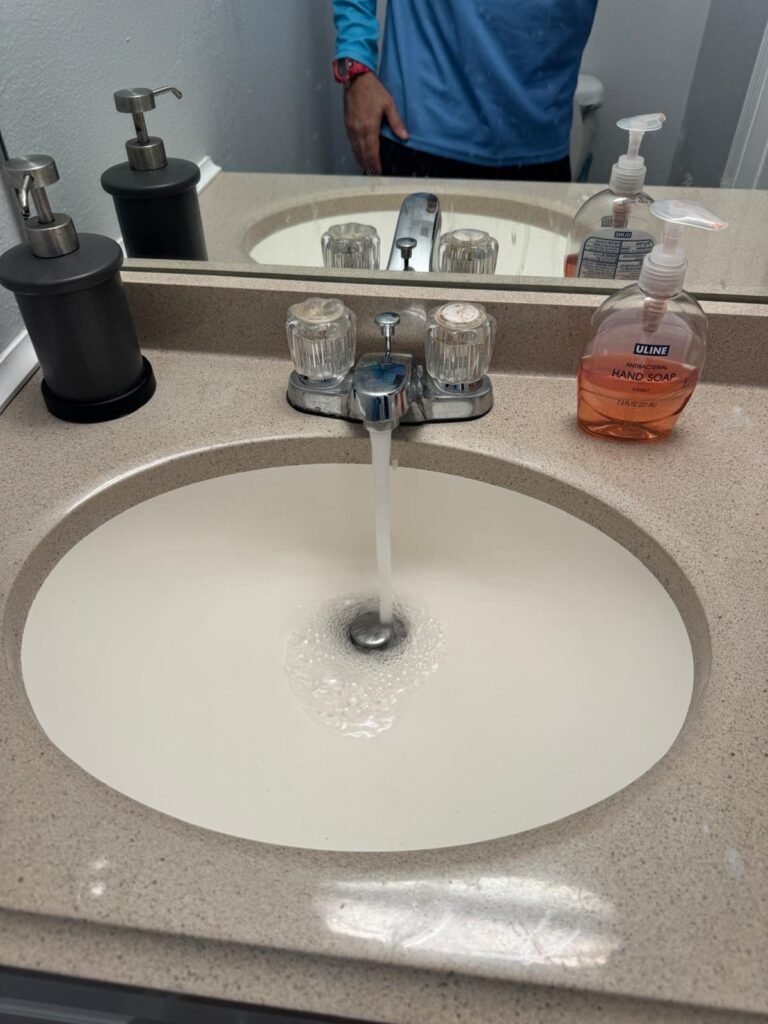
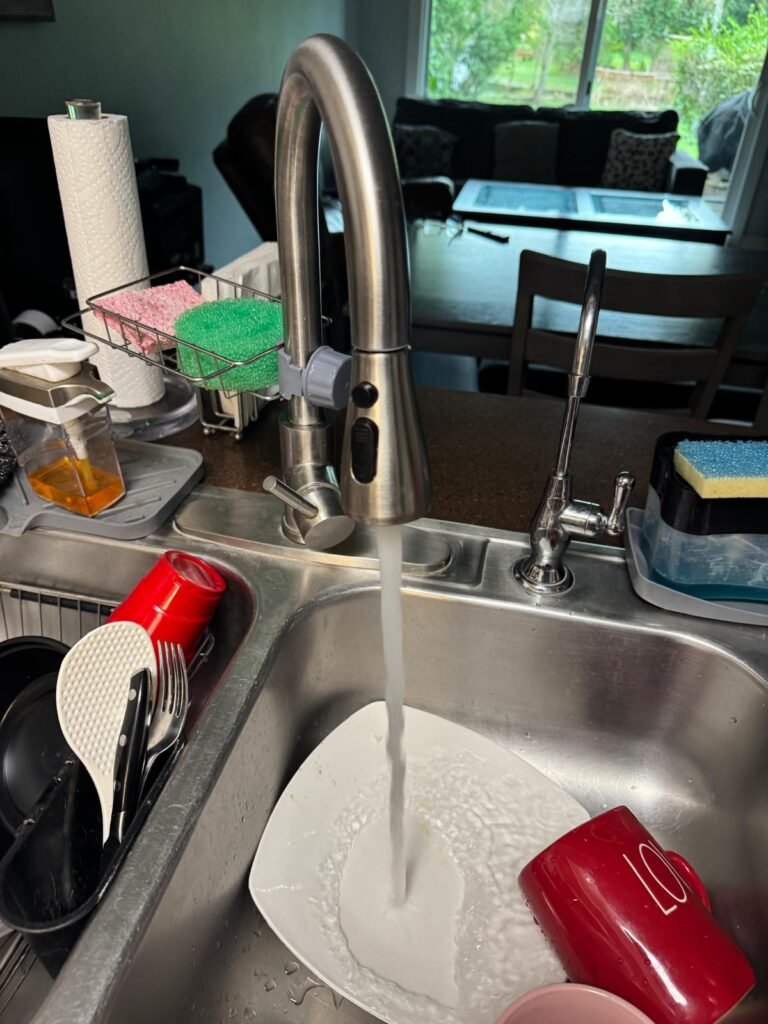
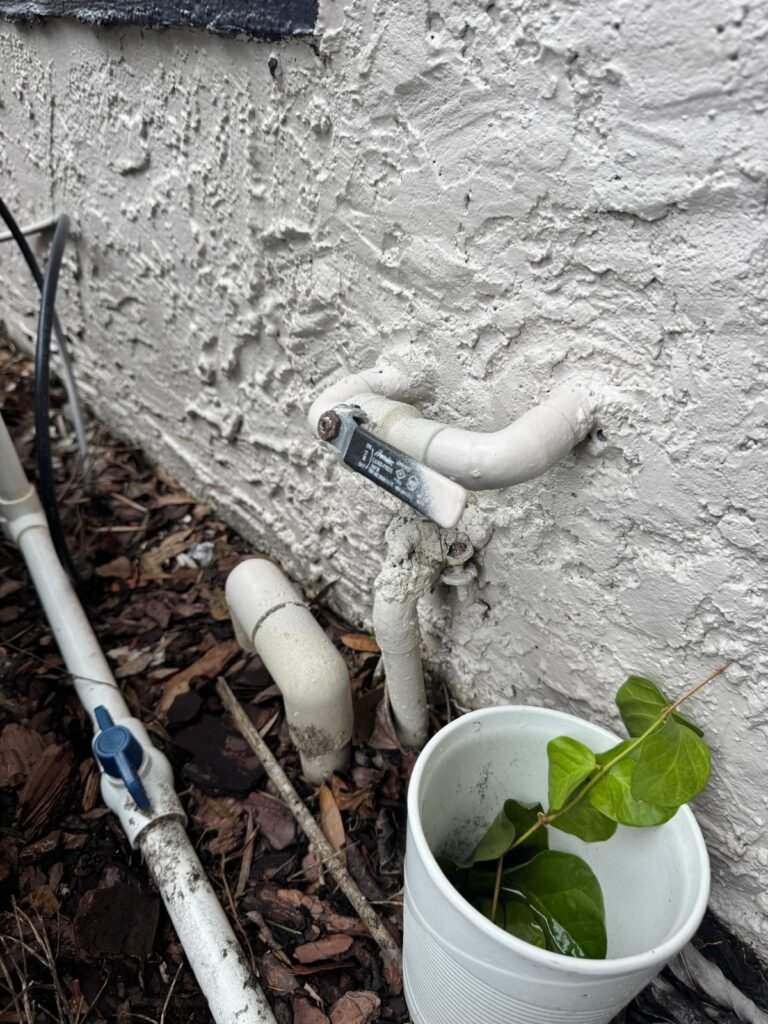
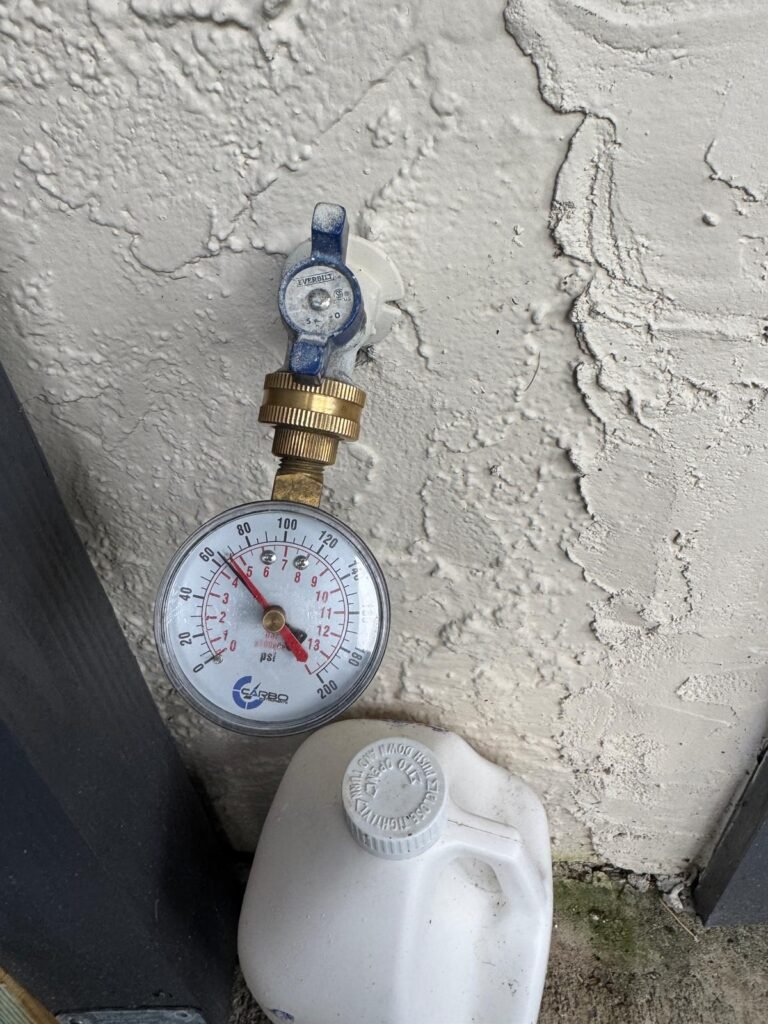
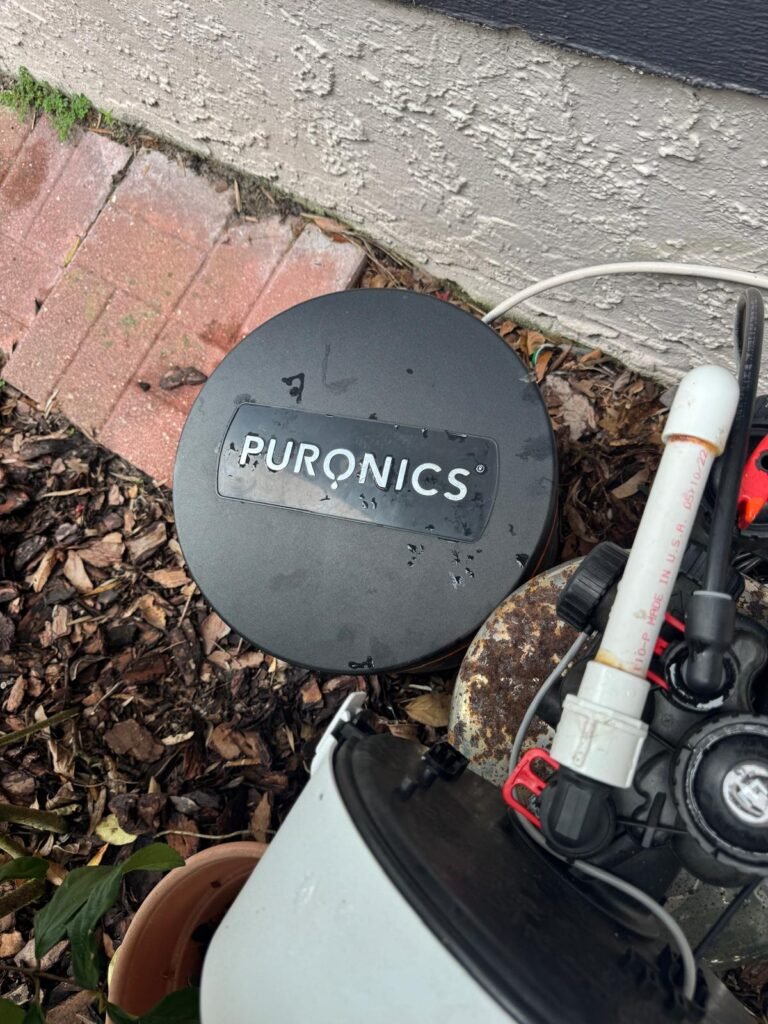
A noisy older tank can still make a water heater flush risky when age and sediment buildup raise the chance of leaks after the drain valve and connections are disturbed. In Tampa, FL 33618, this water heater service call centered on a tank that was still heating normally, but had gone years without maintenance and needed a careful risk discussion before flushing.
On Brigadon Drive in Tampa 33618, Lester arrived for a water heater flush and plumbing inspection after the homeowner reported that the unit was working fine but making some noise. The bigger concern from the household was whether sediment might be contributing to discoloration seen elsewhere in the plumbing system. Once Lester checked the data plate, the key detail changed the whole visit. The tank was about 10 years old, which matters because flushing an older unit can stir up long-settled sediment and expose weak points in aging parts. That turned a simple maintenance request into a conversation about risk, consent, and what made sense for this specific system.
- Service performed: Water heater flush and plumbing system inspection
- Street: Brigadon Drive
- Technician: Lester
- Symptom: Water heater working normally but making noise
- Cause: Age and likely sediment buildup in an older tank
- What was done: Verified age, reviewed risk, completed flush at homeowner request, inspected other plumbing components
- Time frame noted: Water heater had not been maintained in 5 years
This Tampa water heater service started with the age of the tank, not the noise
The most important finding on this job was not the sound itself. It was the age of the unit. Lester verified that the water heater was approximately 10 years old, which put it well past the point where a routine flush stays routine. On a younger tank, flushing is often straightforward maintenance. On an older one, the sediment at the bottom can act almost like a plug around worn internal surfaces or aging drain components. Once that material is disturbed, a tank that seemed fine before service can begin seeping at the drain valve, supply connections, or other stressed parts.
That is why this call on Brigadon Drive was less about selling a flush and more about explaining the tradeoff honestly. The homeowner had not had the water heater maintained in five years, and the light noise from the tank fit the pattern we often see when sediment has had time to collect at the bottom. As water heats, trapped mineral buildup can create popping or rumbling sounds. The tank may still produce hot water, but the maintenance decision gets more delicate as the unit ages.
Flushing an older tank is not always the safest move, even when the water heater still works
This is the part many homeowners do not hear clearly enough from contractors. A water heater can be heating normally and still be a poor candidate for flushing. That sounds backward, but it is true. Once a tank gets older, especially after years without service, the question is no longer just whether it can be flushed. The question is whether disturbing the sediment and older fittings creates more downside than upside.
For this Tampa homeowner, Lester explained the company policy around older tanks and why it exists. The concern was not that the water heater had already failed. The concern was that manipulating the drain valve, supply lines, connections, and other aged components during maintenance can trigger a leak that was not actively showing beforehand. The homeowner still wanted the flush completed and accepted that risk. That kind of informed decision matters more than pretending every maintenance task is automatically harmless.
The visit included the advertised service and inspection, and because this was a two-part appointment rather than a single isolated task, the combined invoice for the flush and plumbing system inspection came to $89.
Other plumbing concerns helped explain why this visit was broader than a simple flush
The homeowner did not call only because of the noise. Notes from the visit showed concern about yellow staining at the toilets and a desire to have the broader plumbing system looked over. There was also already a salt-based water filtration setup in the home, which made the inspection piece worth doing carefully rather than treating the appointment like a one-note tank visit.
That broader context is important for readers searching phrases like service tankless hot water heater or how to service tankless water heaters Tampa, because maintenance questions often start with one symptom and turn into a bigger system conversation. In this case, the home did not have a tankless unit at all. It had an older tank-style water heater, and that difference changes the maintenance logic. Tankless water heater flushing service usually focuses on scale inside a heat exchanger and service valves. A tank-style flush is about sediment settling at the bottom of the tank. Same word, very different risk profile.
When homeowners ask us whether they should keep servicing an aging tank or start planning ahead, we point them to practical factors like age, maintenance history, noise, and any sign that fittings are getting fragile. For anyone weighing repair vs replace water heater decisions, this Brigadon Drive call is a good example of why age changes the answer.
Planning replacement early is usually smarter than waiting for an older water heater to decide for you
The recommendation from this visit was straightforward. Because the tank was around 10 years old, replacement planning should start now rather than after a leak forces an emergency decision. That does not mean every 10-year tank fails tomorrow. It means the margin for safe maintenance gets smaller, and the odds of a drain valve, supply line, or internal component becoming the next issue go up.
For Tampa homeowners in 33618, planned replacement is usually calmer, cleaner, and easier on the budget than waiting for a tank to fail unexpectedly. If you are comparing options, our page on water heater installation in Tampa explains the process, and our guide to 40 vs 50 vs 75 gallon water heater sizing helps narrow down what actually fits the household. For code-related questions on plumbing work in Florida, the Florida Building Code is the right public reference.
Pro tips for Tampa homeowners with older tank water heaters
Older tank water heaters in Tampa need a different mindset than newer equipment. A few practical habits can help you avoid being surprised.
First, treat new rumbling or popping sounds as useful information, not just an annoyance. Those sounds often point to sediment buildup, especially after long gaps without maintenance.
Second, keep track of the tank’s age from the data plate, not from memory. This job is a good example of why. The homeowner believed the unit might be younger, but the label told a different story.
Third, if your tank has gone many years without service, ask about risk before authorizing a flush. The right answer is not always yes or no. It depends on age and condition.
Fourth, if you are already seeing plumbing symptoms elsewhere in the house, use the appointment to look at the bigger picture. That is where a full plumbing inspection can help.
Fifth, if replacement is getting close, review what this work typically costs before the tank becomes an emergency.
Water heater flush questions that came up on this Tampa visit
Is it worth flushing a hot water heater?
Yes, flushing a hot water heater is often worth it when the tank is not too old and has been maintained regularly. This Tampa job shows the exception. Once Lester verified that the tank was about 10 years old and had gone five years without maintenance, the value question changed. At that point, the possible benefit of removing sediment had to be weighed against the chance of disturbing older parts and triggering leaks.
What are the first signs of a water heater going bad?
Noise, age, and declining maintenance history are some of the first signs a water heater may be moving toward replacement. On this Brigadon Drive visit, the tank was still producing hot water, but the rumbling noise and the confirmed age put it in a higher-risk category. Other warning signs can include visible rust, moisture around fittings, inconsistent hot water, or a drain valve that no longer looks trustworthy.
What happens if I never flush my water heater?
If you never flush a tank water heater, sediment can build up at the bottom and reduce efficiency while increasing noise. That buildup is likely what made this Tampa tank start sounding different after years without maintenance. The catch is that waiting too long can also make a future flush less straightforward. Sediment that should have been removed earlier can become part of why the tank is now risky to disturb.
How much do plumbers charge to flush a water heater?
Water heater flush pricing depends on what the visit includes and whether the tank is a good candidate for service. On this job, the appointment covered both the flush and a plumbing system inspection, so the invoice reflected the combined visit rather than a flush-only number. When comparing quotes, make sure you are comparing the same scope, especially on older tanks where the real value is often in the inspection and risk review.
Can I descale a tankless water heater myself?
Some homeowners can descale a tankless water heater themselves if the unit has proper service valves and they understand the manufacturer’s procedure. That said, this Tampa call was not a tankless water heater service visit. It was an older tank-style flush, which is a different kind of maintenance. Tankless units are usually descaled through service valves, while tank tanks are drained and flushed, and the risk factors are not the same.
Schedule water heater service in Tampa, FL 33618
Home Therapist handles real-world plumbing calls the way this one needed to be handled, with a clear explanation first and the actual work second. Since 2017, our team has served Tampa Bay with licensed HVAC and plumbing service, including plumbing license CFC1431159 and HVAC license CAC1819196, backed by 1,300+ five-star reviews. If a water heater is making noise, if you are unsure whether an older tank is still worth flushing, or if you want to plan replacement before a leak makes the choice for you, we can help you sort out the next step without pressure.
For homeowners in Tampa 33618 and nearby communities, Home Therapist offers FREE estimates and FREE diagnosis on service calls. You approve a written quote before any repair begins. If you want a calm second opinion on an aging tank, a broader plumbing inspection, or help planning the next water heater, call (813) 343-2212. You can also check our customer reviews, verify Florida licensing through the Florida DBPR, and confirm whether your address is inside our service area.


