

Why a Mini-Split Kept Icing Up and Leaking in St. Petersburg
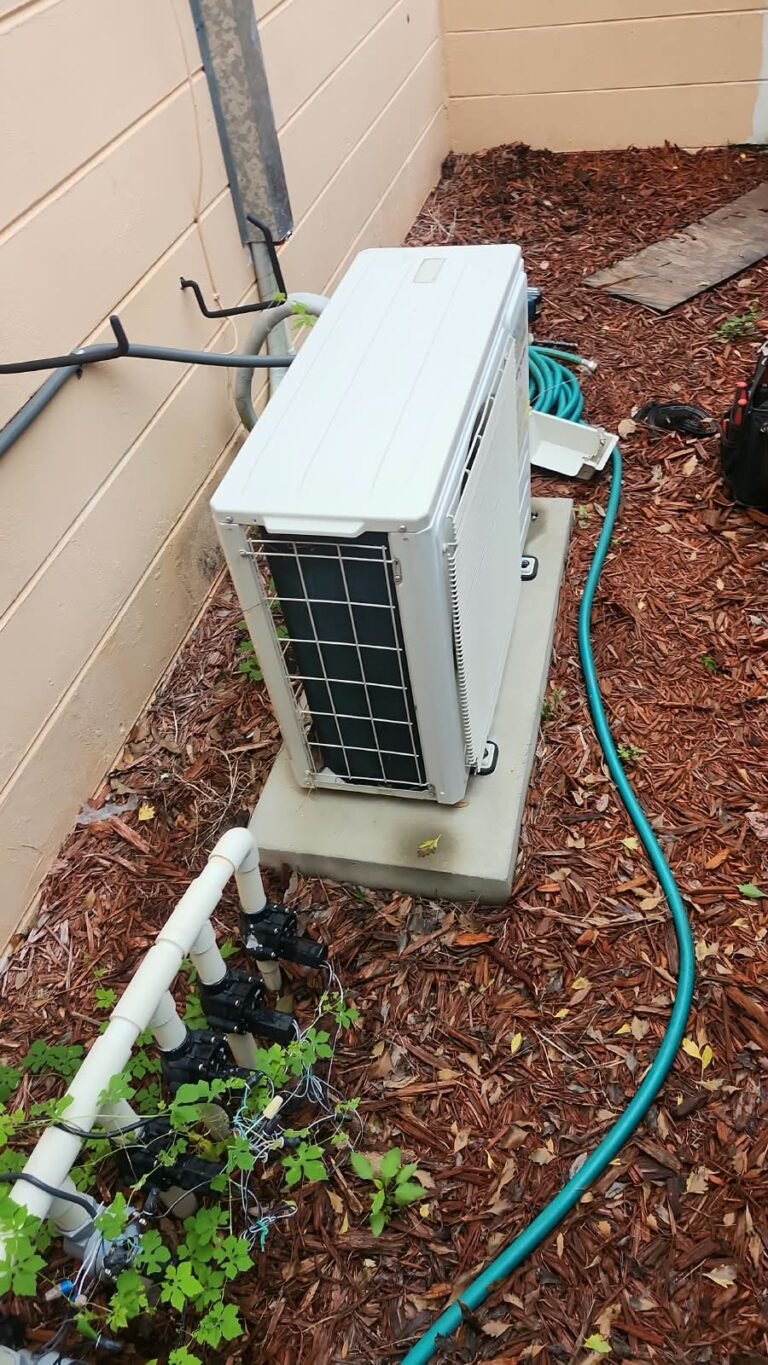
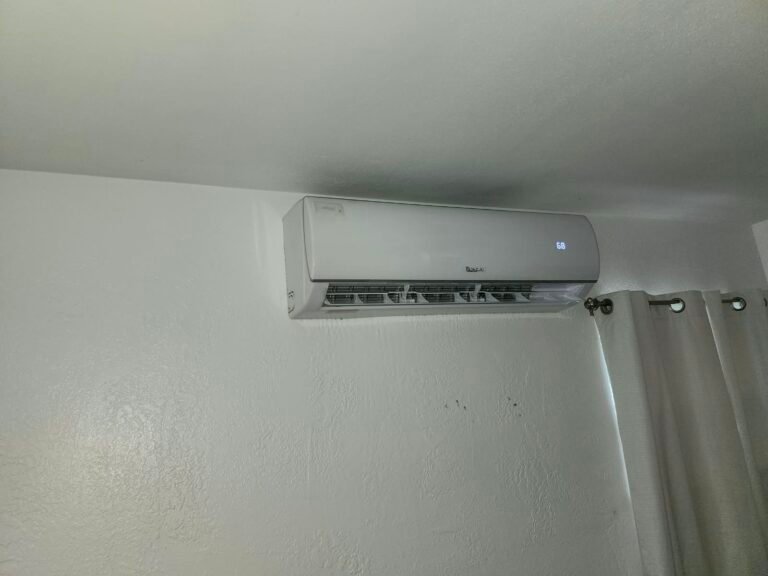
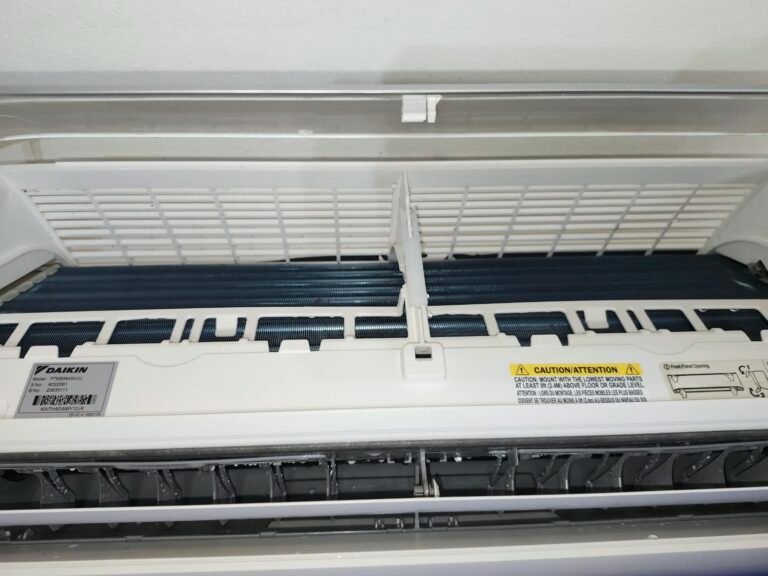
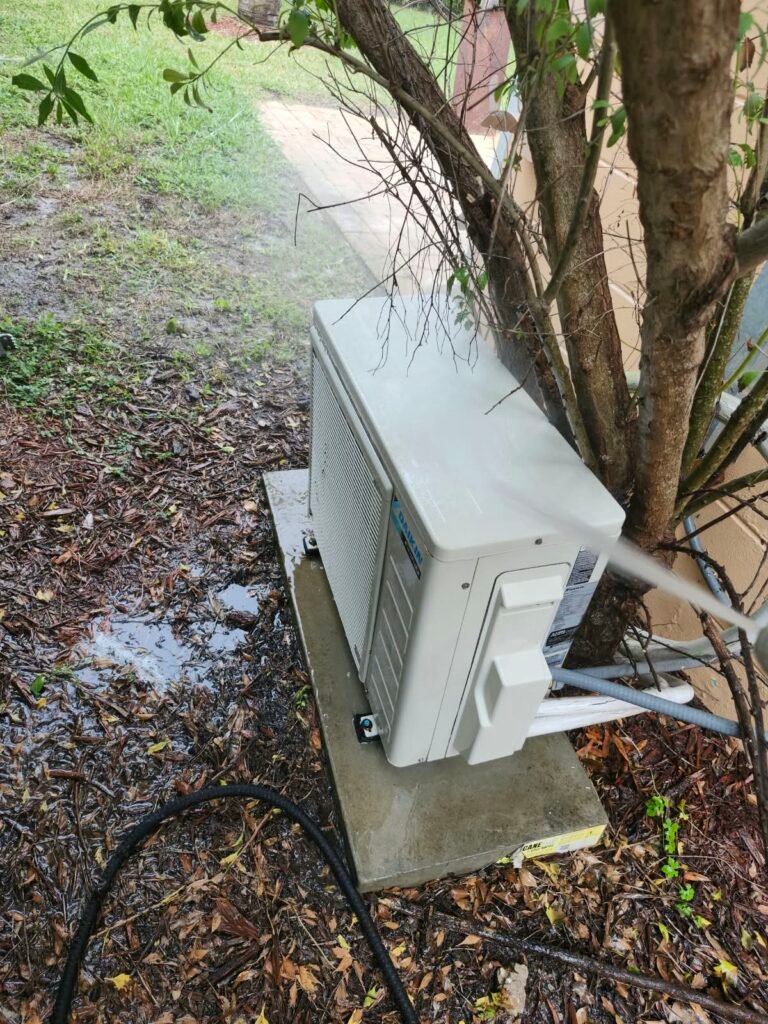
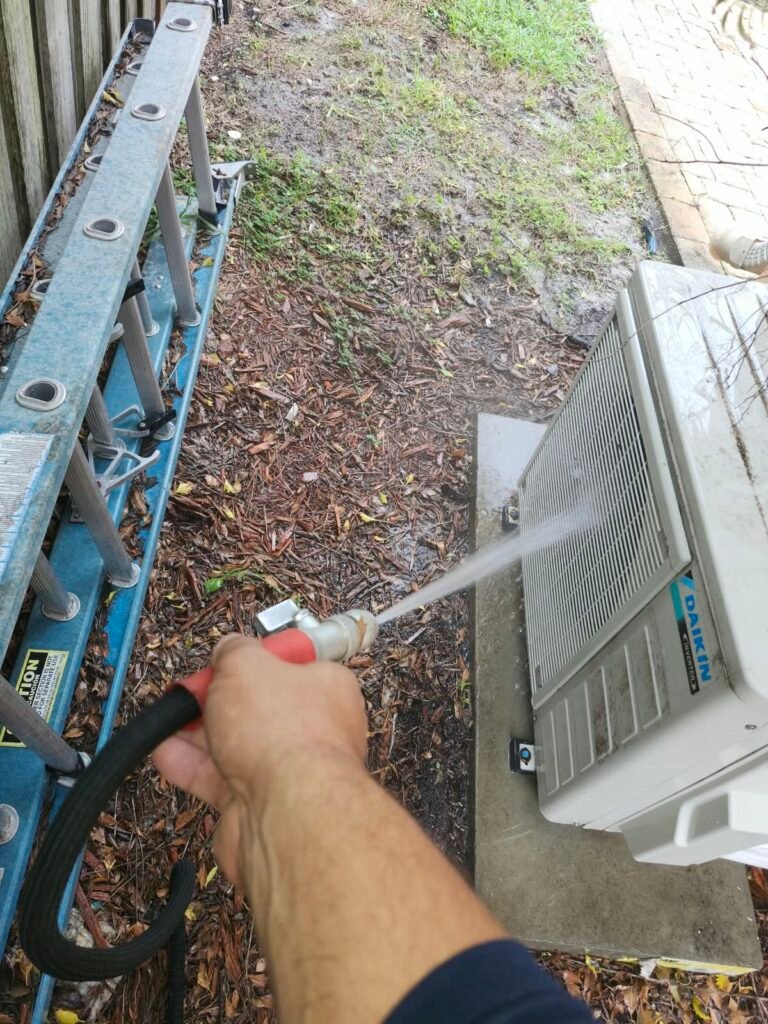
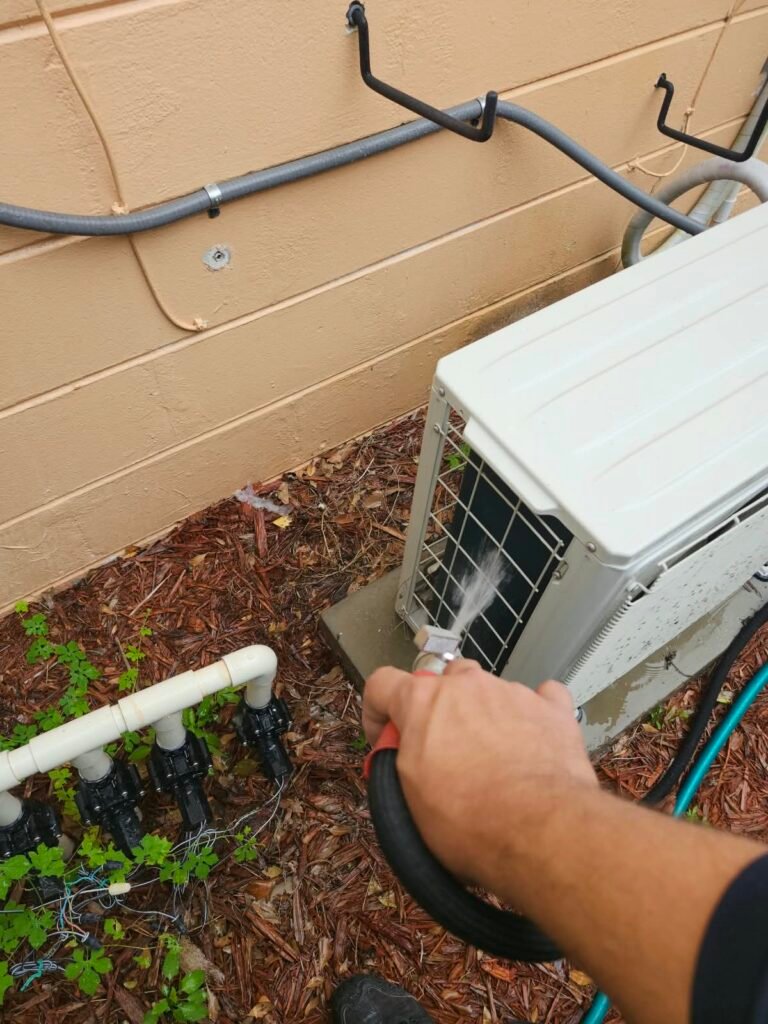
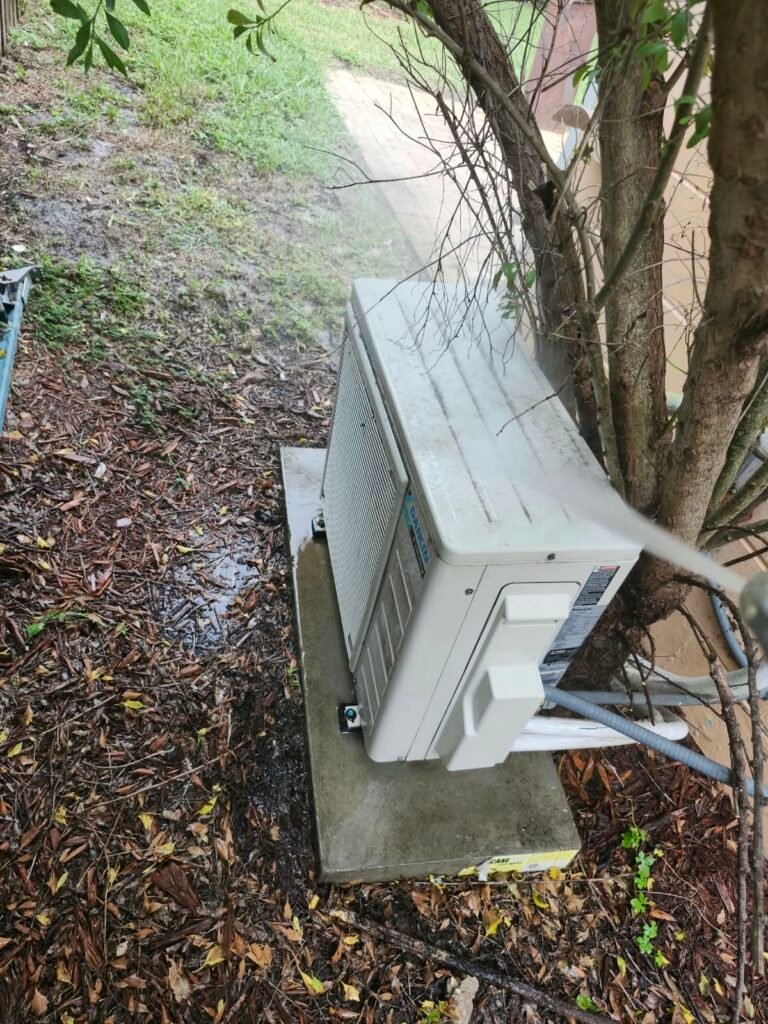
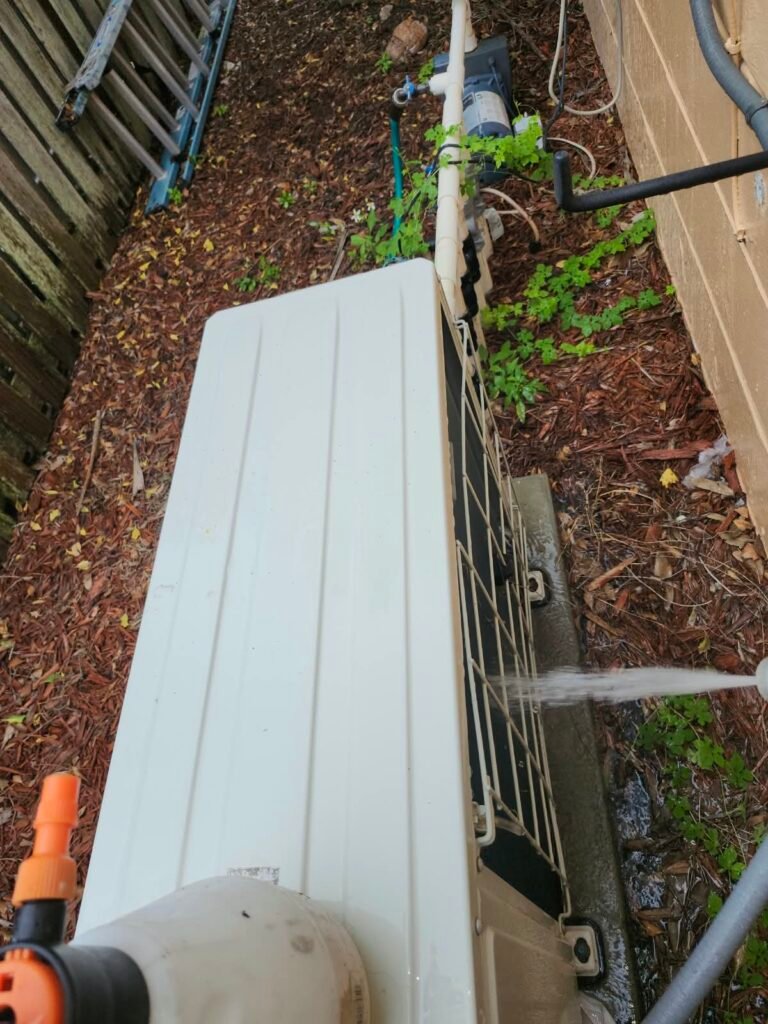
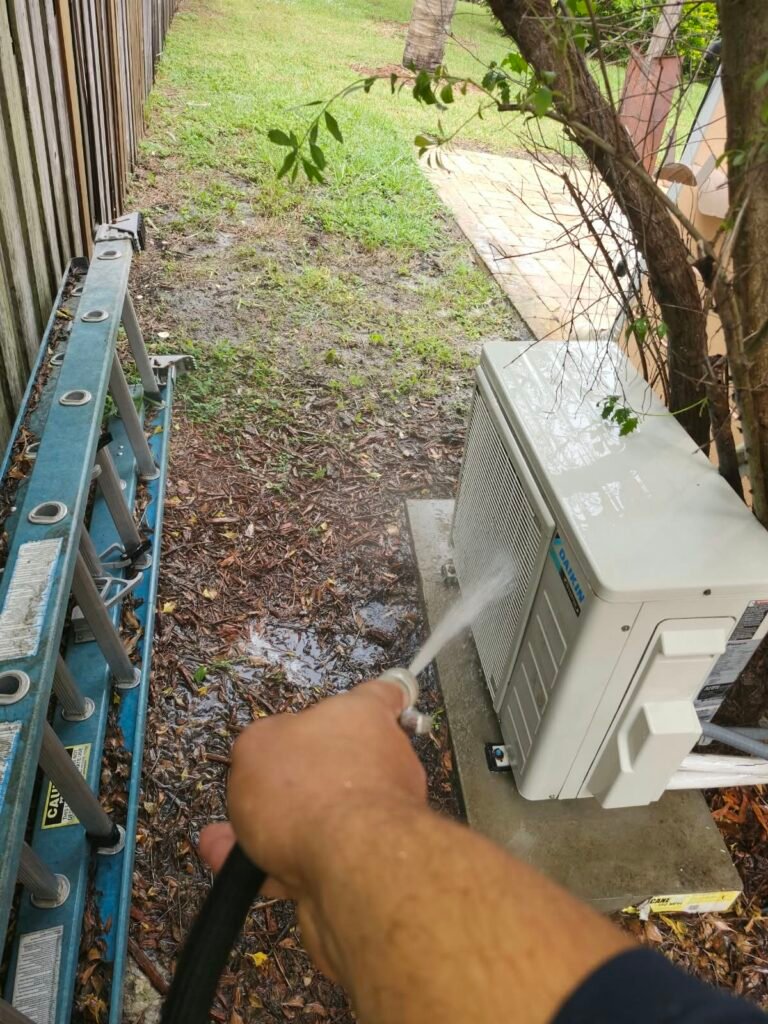
When should refrigerant be removed from the condenser outlet? In normal residential AC service, refrigerant is not removed from the condenser outlet as a routine fix. On this mini-split air conditioning visit in St. Petersburg, FL 33710, the real causes of icing and water leakage were restricted airflow from overdue maintenance and a slightly low R-410A charge.
At this 2nd Avenue North home in St. Petersburg, Jandiel was called out after the tenant noticed water dripping from the living room mini-split and ice forming on the indoor unit. That symptom can send people straight to refrigerant questions, but this call showed why airflow has to be checked first. After inspecting both mini-split systems, we found dirt and debris buildup restricting airflow through the indoor sections, with the living room unit also slightly low on refrigerant. The freezing made sense once those two findings were put together.
- Service performed: Full system AC tune-up on two mini-split systems, plus refrigerant added to the living room unit
- Neighborhood or street: 2nd Avenue North
- Technician: Jandiel
- Symptom: Indoor mini-split leaking water and forming ice
- Cause: Restricted airflow from dirt buildup, with a slightly low refrigerant charge contributing
- What was done: Cleaned and tuned both systems, then added about one pound of R-410A to the living room unit
Mini-split air conditioning problems like icing and leaking usually start with airflow, not the condenser outlet
The main issue on this St. Petersburg call was not a mystery inside the refrigerant condenser. It was neglected maintenance. When dust and debris build up inside a mini-split head, less air moves across the coil. That coil then runs colder than it should. Moisture on the coil freezes, the ice builds, and once it melts, the water can overflow and drip from the unit.
That sequence matched what the tenant reported in the living room. It also explains why homeowners searching for ac freezing up often end up needing cleaning and airflow correction before anything more invasive. In this case, both mini-split systems were overdue for service, so the condition was not isolated to one head alone.
This is also where the target question matters. Refrigerant should be recovered or removed only during specific repair procedures that call for proper handling, not because an indoor unit has ice on it. Refrigerant circuit work has rules for safety and compliance, and the EPA Section 608 guidance is the standard reference for that handling.
The living room unit was slightly low on R-410A, but that was a contributing factor, not the whole story
Jandiel also found that the living room mini-split was slightly low on R-410A. Low charge can absolutely contribute to freezing because it changes how heat is absorbed and released through the system. In plain English, the coil can get colder than intended, especially when airflow is already weak. That is why this job could not be solved by looking at only one side of the system.
Just as important, there were no obvious signs of a refrigerant leak during this visit. That matters because a low charge does not automatically mean a visible leak is present at that moment. It means the system needed to be brought back toward manufacturer specifications after the maintenance issue was addressed. The tune-up on both systems handled the airflow side of the problem, and adding approximately one pound of refrigerant addressed the low-charge side on the living room unit.
For readers searching when should refrigerant be removed from the condenser outlet St. Petersburg, the answer from a real field call is that removal is not part of normal tune-up logic here. The first diagnostic path was symptom, then airflow check, then coil condition, then refrigerant level. That order prevents unnecessary work.
What this St. Petersburg air conditioning visit covered
This visit covered separate items completed during the same appointment, so the invoice was bundled rather than tied to one single task. We performed a full system AC tune-up on both mini-split systems and added refrigerant to the living room unit after confirming the low charge was contributing to the freeze-up. The combined invoice came to $401.
That bundled framing matters because it keeps the pricing honest. This was not just a refrigerant top-off and it was not just a maintenance visit. It was both. If you want a broader sense of what this work typically costs, we keep that conversation straightforward and put everything in writing before any repair begins.
Because both mini-splits showed signs of overdue service, cleaning them together was the smarter call. A lot of homeowners wait until only the problem room gets attention, but on this job the second unit was already showing the same maintenance pattern. That is the insider takeaway from this visit.
Why this kind of mini-split freeze-up is common in coastal Pinellas homes
St. Petersburg homes put a lot of runtime on cooling equipment. Long cooling seasons, humidity, and fine debris all add up, especially on ductless systems that depend on steady indoor airflow across a compact coil. The outdoor mini-split equipment at this home also needed normal cleaning attention, which is part of keeping heat rejection efficient outside while the indoor head stays clean enough to breathe.
People often ask what happens to refrigerant in the condenser or in what state the refrigerant leaves the condenser. In a normal cooling cycle, refrigerant enters the condenser hot and under pressure, releases heat outdoors, and leaves as a high-pressure liquid before moving on through the rest of the system. That is useful background, but it was not the main failure point on this call. The practical issue here was that dirty indoor components reduced airflow enough to let the coil freeze.
If your system is leaking water indoors, it is also worth reading about ac blowing hot air and other related symptoms, because airflow and refrigerant issues often overlap in ways that are easy to misread from the thermostat alone.
Pro tips for St. Petersburg homeowners with mini-split air conditioning
Mini-split air conditioning in Tampa Bay does best when small issues are caught before they stack together. These are the practical takeaways from this 33710 job:
- Cleanliness matters more than many homeowners think. Mini-splits have compact indoor coils, so dirt buildup affects airflow faster than on some larger systems.
- Water dripping from the head unit does not always mean a drain issue. Freeze-thaw from restricted airflow can create the same symptom.
- Low refrigerant can contribute to icing, but it should be confirmed, not guessed. Adding charge without addressing airflow can leave the real problem in place.
- If one ductless head is overdue for service, check the others too. This visit involved two systems, and both showed the same maintenance pattern.
- Routine air conditioning service is especially important in coastal Florida, where long run times and humidity put extra stress on coils and filters.
Mini-split icing and refrigerant questions from this St. Petersburg job
When should refrigerant be removed from the condenser outlet?
Refrigerant should only be recovered during a repair procedure that actually requires opening or servicing the sealed system. On this St. Petersburg mini-split call, removal from the condenser outlet was not the right step because the main problem was restricted airflow, with a slightly low charge contributing. The correct fix was maintenance on both systems and a modest refrigerant adjustment on the living room unit.
What happens to refrigerant in the condenser?
Refrigerant releases heat in the condenser and changes from a hot vapor to a high-pressure liquid. That is the normal cooling-cycle function. On this job, though, understanding the condenser alone would not have solved the homeowner’s complaint. The indoor mini-split was freezing because airflow across the coil had dropped from dirt buildup, which then worked together with a low charge to create ice and water overflow.
How can I tell if a mini-split is leaking water because of airflow problems?
A mini-split leaking water because of airflow problems often shows icing first or leaves signs that the coil has been freezing. That is exactly what happened here. The tenant reported both water leakage and visible ice on the indoor unit. Once airflow is restricted, the coil can freeze, and the meltwater can drip or overflow later. That pattern is different from a simple splash or one-time condensation event.
Does a slightly low refrigerant charge always mean there is a leak?
No, a slightly low refrigerant charge does not always come with an obvious visible leak during the same visit. On this call, Jandiel did not find any obvious signs of a refrigerant leak while inspecting the system. That does not mean the charge should be ignored. It means the system needed to be brought back toward specification while also correcting the maintenance issue that was restricting airflow.
Schedule mini-split air conditioning service in St. Petersburg, FL 33710
If your ductless system is icing up, leaking water, or just not keeping rooms comfortable, Home Therapist can help without turning the visit into guesswork. We have served Tampa Bay since 2017, and our team brings licensed HVAC and plumbing expertise to every call. Our HVAC license is CAC1819196, our plumbing license is CFC1431159, and we have earned 1,300+ five-star reviews by keeping the process clear and practical.
For homeowners in St. Petersburg and the 33710 area, we start with FREE estimates and FREE diagnosis, then provide a written quote before any repair begins. Whether the issue is overdue maintenance, a low refrigerant condition, or another mini-split air conditioning problem, we service every brand and focus on the actual cause. You can also check our customer reviews or confirm our licensing through the Florida DBPR. To schedule service with Home Therapist, call (813) 343-2212.


