

Is Refrigerant Used for Heating? A Failed Sensor Shut This System Down in St. Petersburg
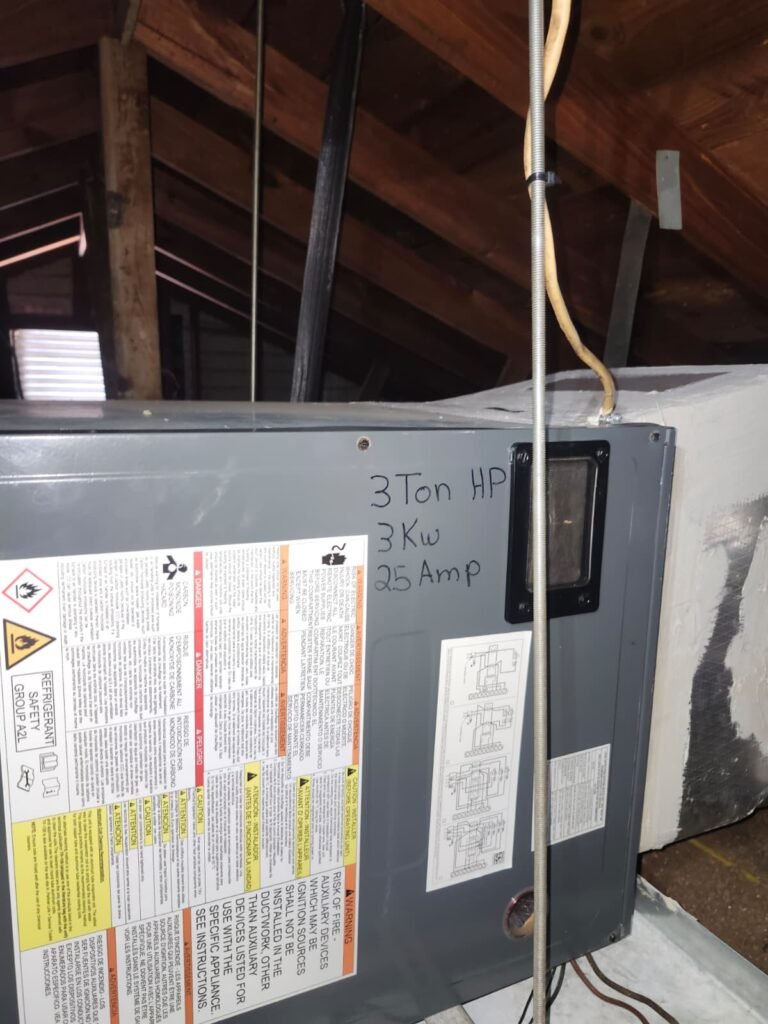
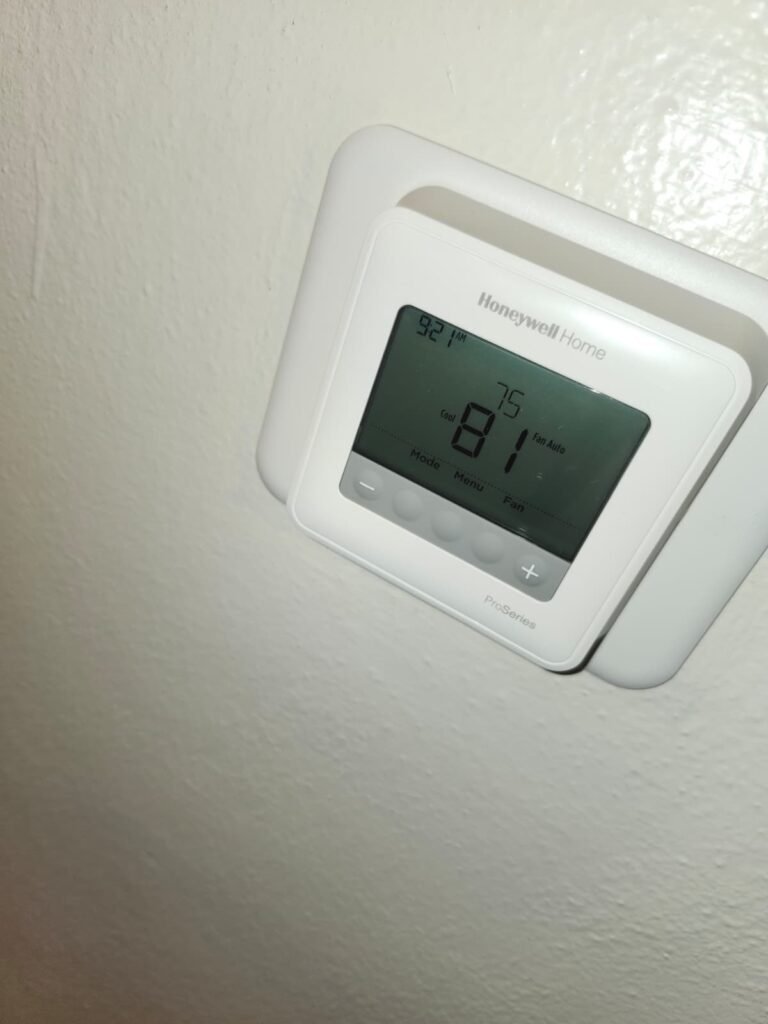
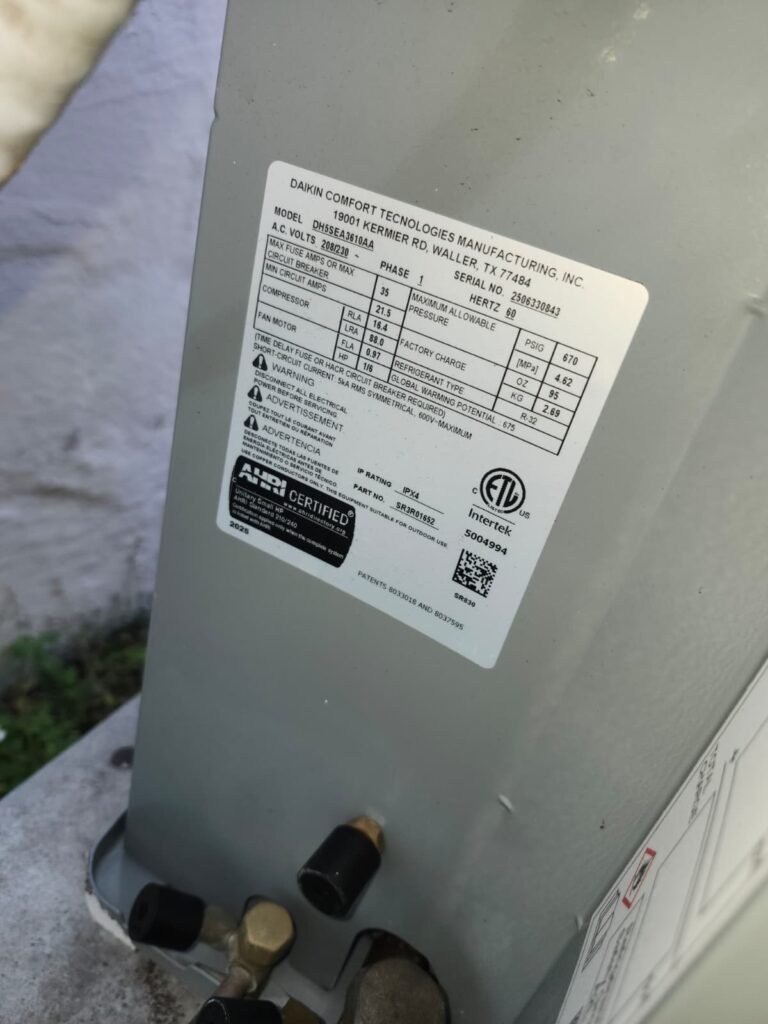
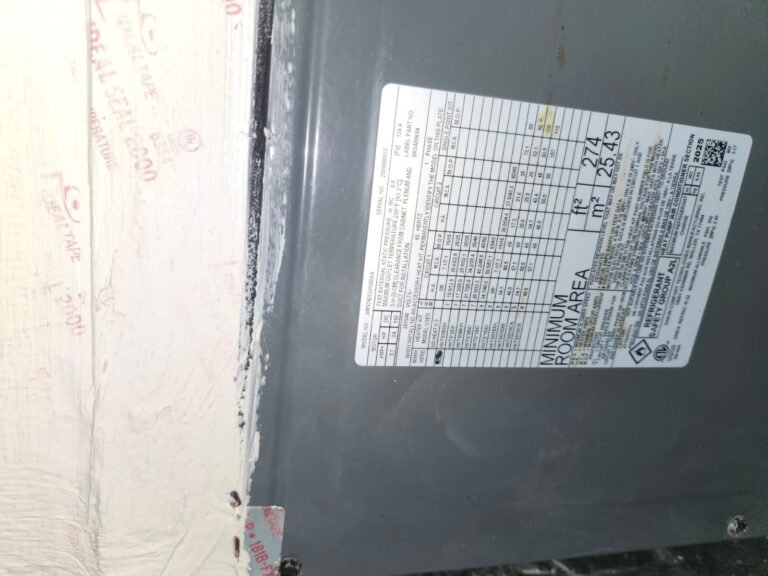
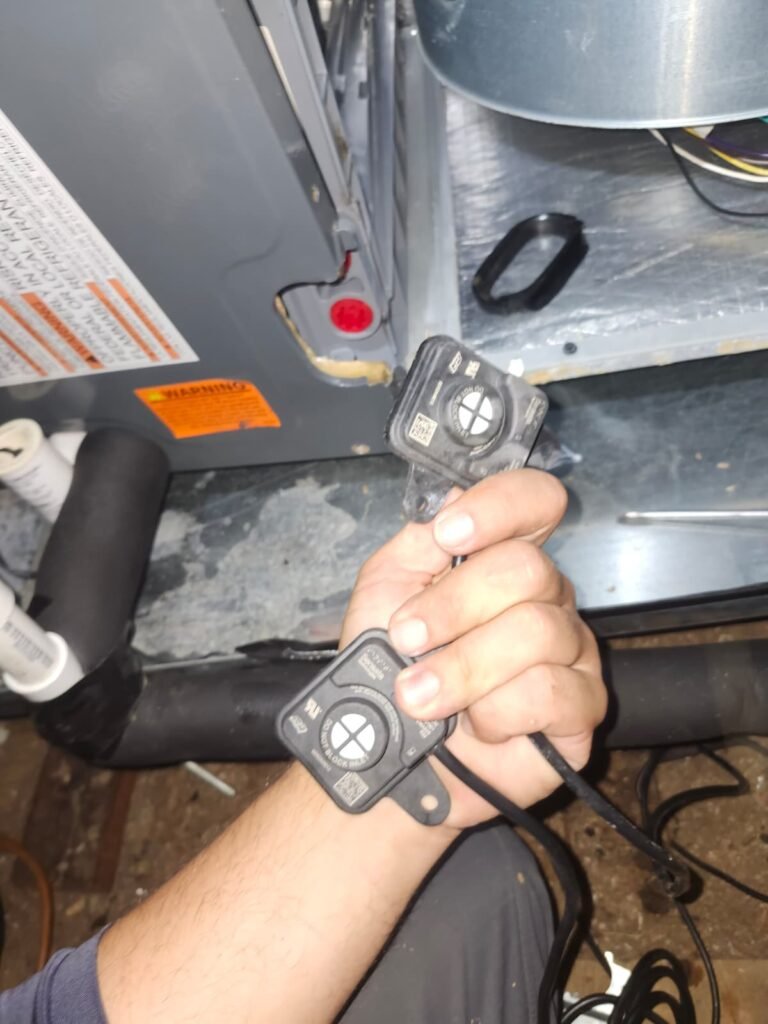
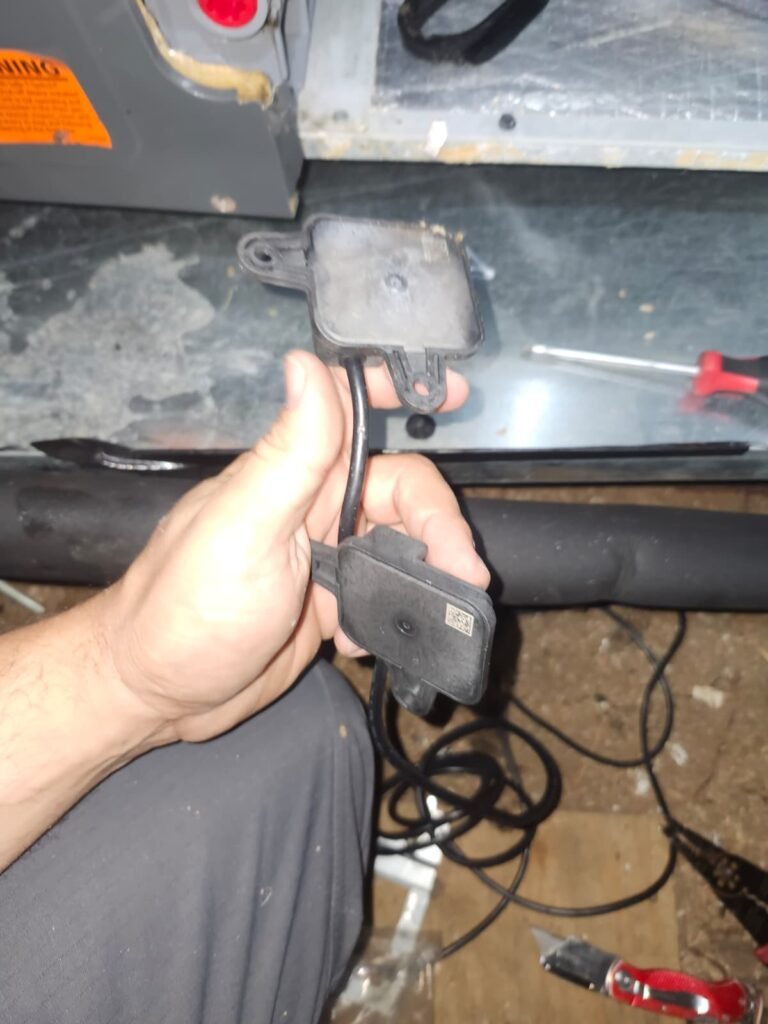
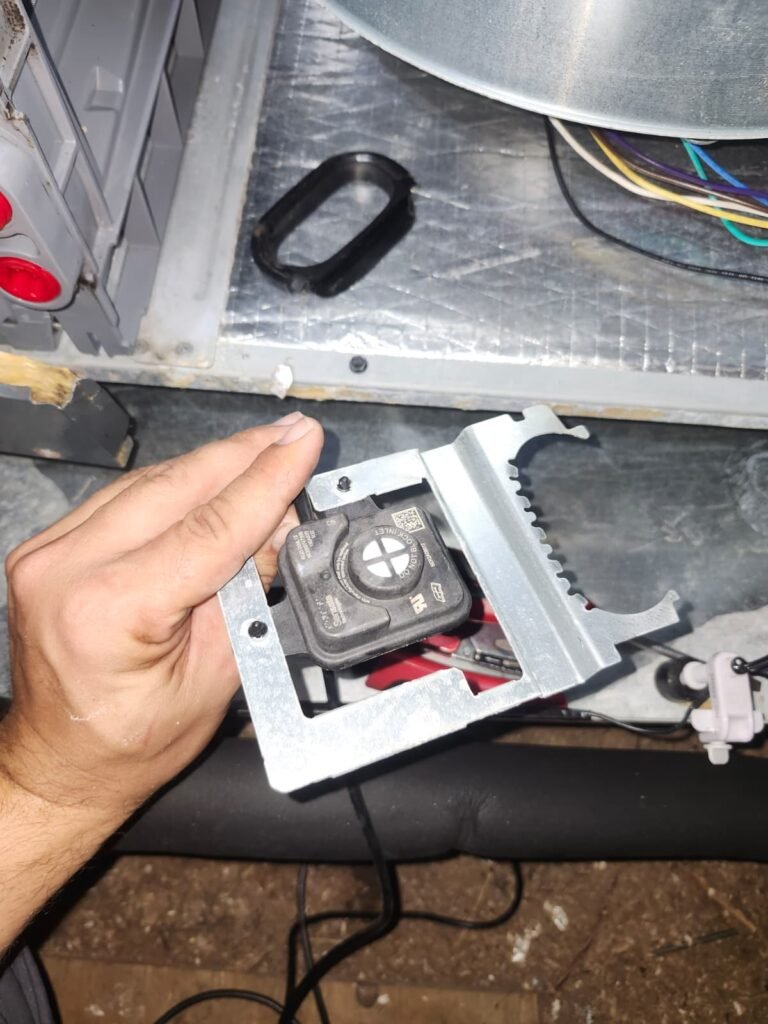
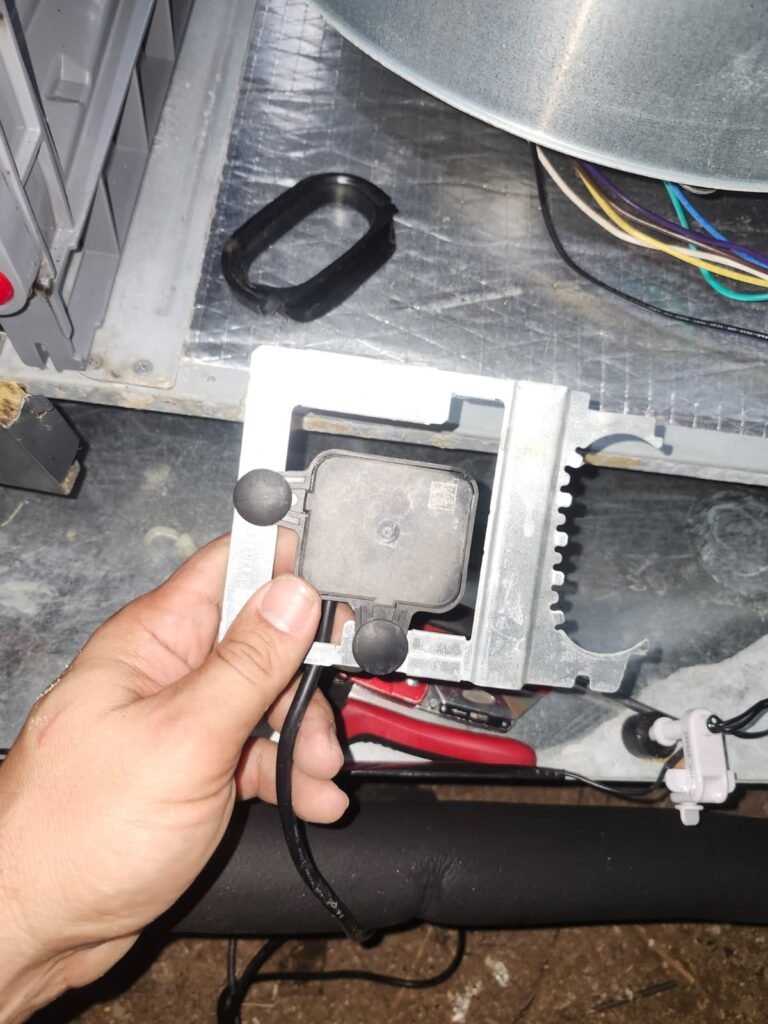
Yes, refrigerant is used for heating in heat pump systems, but this St. Petersburg, FL 33704 shutdown was not caused by a refrigerant leak. A failed refrigerant leak detection sensor inside the air handler interrupted operation, and replacing that sensor restored normal cooling and heating function.
At this 15th Street North home in St. Petersburg, Jandiel responded to an AC repair call after the homeowner reported that the system was stuck in fan mode, not cooling, and not responding correctly at the thermostat. The air handler was only about 1 year and 1 month old, and the system had passed preventive maintenance roughly 20 days earlier. That history mattered. Instead of assuming a refrigerant problem, we followed the fault back to the refrigerant leak detection sensor inside the iHandler, confirmed there was no actual leak, replaced the failed sensor, and verified normal operation before leaving.
- Service performed: AC repair and free diagnosis
- Neighborhood or street: 15th Street North
- Technician: Jandiel
- Symptom: AC not cooling, fan stayed on, thermostat not communicating correctly
- Cause: Failed refrigerant leak detection sensor inside the air handler
- What was done: Full leak check, sensor replacement, system restart, operation verified
- Time reference: Previous maintenance completed about 20 days earlier
Is Refrigerant Used for Heating on a St. Petersburg Heat Pump System?
Refrigerant is absolutely used for heating on a heat pump, because it is the substance that moves heat from one place to another. In cooling mode, it carries heat out of the house. In heating mode, it reverses direction and brings heat into the house. That is why a refrigerant-related safety device matters even when a homeowner first notices an AC not cooling symptom.
In this St. Petersburg job, the answer to the search question was yes, but the bigger point was that the system was shutting down because of a failed sensor, not because refrigerant had escaped. The air handler included a refrigerant leak detection sensor, and when that component failed after becoming damp, it created a fault condition that stopped normal operation. That distinction matters because a real leak and a bad sensor can look similar from the thermostat, yet the repair path is completely different.
For homeowners comparing symptoms, our heating page covers the broader ways heat pump systems behave in Florida homes.
The Damp Sensor, Not the Refrigerant Circuit, Caused This AC Repair
The failed refrigerant leak detection sensor was the actual reason this system stopped operating. Jandiel found the sensor inside the iHandler had failed and appeared damp, which pointed the diagnosis away from the thermostat itself and toward the safety chain inside the equipment.
This is where a lot of service calls can go sideways. A homeowner sees a thermostat screen with information on it, hears the fan running, and assumes the thermostat is bad or the system has lost refrigerant. Sometimes that is true. Here, it was neither. The fan staying on constantly and the thermostat not controlling the system correctly were symptoms of the shutdown condition created by the failed sensor.
The contrarian takeaway is simple: not every no-cool call with a refrigerant warning path is actually a refrigerant problem. In this case, replacing the sensor was the right repair because the rest of the system checked out. We did not need to chase an imaginary leak or recommend larger parts that the data did not support.
If you have seen similar behavior from a heat pump blowing cold air or running without delivering the right temperature, our guide on heat pump blowing cold air explains how those symptoms can overlap.
Why the Full Leak Check Still Mattered on This 15th Street North Visit
A full leak check was still necessary because a leak detection sensor is only useful if the diagnosis confirms whether refrigerant is actually present where it should not be. Jandiel verified that no refrigerant leak was present anywhere in the system before replacing the failed sensor and restarting the equipment.
That step is what turns a guess into a diagnosis. The system had preventive maintenance about 20 days earlier and was found to be in good working condition then, so a sudden major refrigerant loss would have been one possibility, but not the only one. By checking for an actual leak first, we kept the repair focused on the real failed part.
This visit was a complimentary diagnostic callback, so there was no charge to the homeowner for the diagnosis and completed work on this ticket. As always, leak detection is included with the diagnosis, and any repair begins only after the homeowner approves a written quote.
For homeowners who want context on efficiency and system operation, the U.S. Department of Energy has a useful overview of how central HVAC systems move heat, and EPA Section 608 explains the refrigerant handling rules licensed technicians follow.
What Changed After the Sensor Replacement in St. Petersburg 33704
Replacing the defective sensor restored normal system operation. After the new sensor was installed, we restarted the equipment and verified that the system was operating normally again.
That final verification matters more than homeowners sometimes realize. A part can be replaced, but the real test is whether the equipment comes back online, responds properly, and runs through normal operation without repeating the fault. In this St. Petersburg, FL 33704 home, the repair closed the loop from symptom to cause to resolution: no cooling, constant fan operation, and poor thermostat communication traced back to a failed sensor inside the air handler.
Because this system is still relatively new, this job also shows why newer equipment can still have isolated component failures without having a larger refrigerant or compressor issue behind them. If you are weighing system behavior in Florida, our comparison of heat pump vs central ac florida can help explain what is normal and what is not.
Pro Tips for St. Petersburg Homeowners With Newer Heat Pump Systems
Newer heat pump systems in Tampa Bay often include more sensors and protective controls than older equipment, which improves safety but also changes how faults show up.
First, do not assume a thermostat display means the thermostat is the problem. A powered screen can still be showing a system fault coming from the air handler or outdoor unit.
Second, if the fan runs constantly while the home is not cooling or heating correctly, pay attention to that combination. It often points to a control or safety issue, not just low refrigerant.
Third, recent maintenance is helpful history, but it does not rule out a new component failure. This system had been checked about 20 days earlier and still developed a sensor problem afterward.
Fourth, Florida humidity matters. If a component appears damp, that detail should be investigated, because moisture around sensitive controls can contribute to nuisance faults or part failure.
Fifth, when a system includes refrigerant detection hardware, let a licensed technician verify whether there is a real leak before assuming the worst. That keeps the repair precise and avoids replacing parts that are still doing their job.
Questions Homeowners Ask After a Sensor Failure Like This
Is refrigerant needed for heating?
Yes, refrigerant is needed for heating in a heat pump system because it is what carries heat into the home. In this St. Petersburg job, though, the heating and cooling problem was not low refrigerant. The failed leak detection sensor created the shutdown condition, and the full leak check confirmed the refrigerant circuit itself was not leaking.
Which way does refrigerant flow in heating mode?
In heating mode, refrigerant flow reverses so the system can move heat indoors instead of outdoors. That reversal is one reason heat pumps can both cool and heat with the same core components. On this call, the important point was that the refrigerant pathway remained intact, and the failed sensor, not the flow direction, was what interrupted operation.
Is Freon used in HVAC?
Yes, refrigerant is used in HVAC, although “Freon” is often used as a generic term rather than the exact product name. What matters on a service call is whether refrigerant is present and contained properly. Here, we verified there was no refrigerant leak at all, so the repair focused on the failed detection sensor inside the air handler.
How cold is too cold for a heat pump to work?
Heat pumps can still work in cold weather, but their performance depends on the equipment and outdoor conditions. That was not the issue on this Florida call. In St. Petersburg, the homeowner’s no-cool complaint came from a sensor fault, not from outdoor temperature limits, which is why the system returned to normal after the sensor replacement.
Is it okay for a heat pump to run all night in winter?
Yes, a heat pump can run for long periods when the home needs heating, especially during steady temperature recovery. Continuous fan operation without proper heating or cooling is different. In this job, the fan staying on constantly was part of the fault pattern, and it helped point the diagnosis toward a control or safety issue rather than normal runtime.
Schedule AC Repair and Heating Service in St. Petersburg, FL 33704
If your system in St. Petersburg or nearby Tampa Bay is running the fan but not cooling, showing thermostat communication issues, or acting like it has a refrigerant problem when it may not, Home Therapist can help sort out the real cause. We have served local homeowners since 2017, and our licensed team works under HVAC license CAC1819196 and plumbing license CFC1431159. With 1,300+ five-star reviews, our focus is straightforward diagnosis, clear written options, and repairs that match what the equipment is actually doing.
Readers in St. Petersburg, FL 33704 can also browse our customer reviews or check our wider service area if they are elsewhere around Tampa Bay. If you want us to take a look, call Home Therapist at (813) 343-2212. We provide FREE estimates and FREE diagnosis, and you approve a written quote before any repair begins.


