

Standing Water Behind the Washer Pointed to a Laundry Faucet in Seminole
Standing water behind a washer often comes from a nearby plumbing fixture, not the washer hoses themselves. In this faucet and fixture repair call in Seminole, FL 33776, the leak traced back to a laundry room utility sink faucet that was leaking at its base, and replacing that faucet resolved the source at that location.
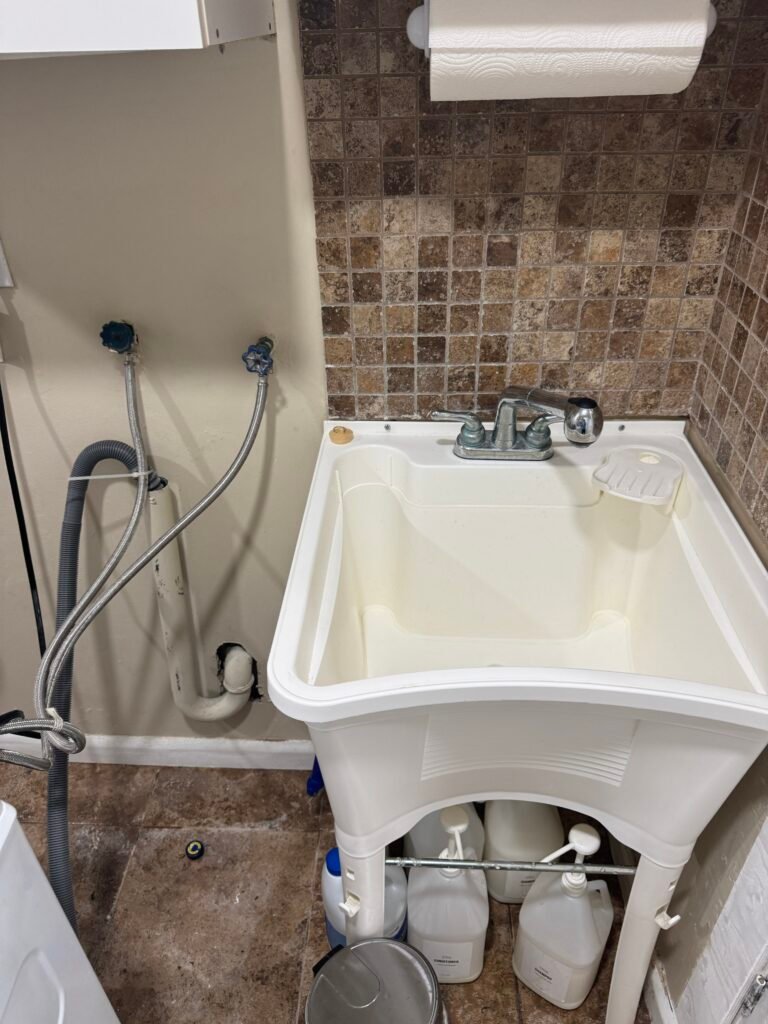
Lester was called to an 87th Place North home in Seminole, FL 33776 after the homeowner noticed water collecting behind the washer and suspected a hidden leak in the wall. That symptom can send a plumbing visit in a lot of directions, so the first step was to isolate the source instead of guessing. In this case, the utility sink faucet beside the washer was the problem. When Lester opened it, water leaked from the base and ran down to the floor. He also confirmed the washer connections were not the source of the water, which narrowed the repair quickly and kept the visit focused on the actual cause.
- Service performed: Free diagnosis and faucet replacement
- Street: 87th Place North
- Technician: Lester
- Symptom: Standing water behind the washer
- Cause: Utility sink faucet leaking from the base when opened
- What was done: Isolated the leak source and replaced the faucet
Standing water behind the washer was a faucet and fixture repair issue, not a washer hose issue
The key finding on this call was simple and specific. The water behind the washer was not coming from the washer supply connections. It was coming from the utility sink faucet on the right side of the laundry area. Once the faucet was opened, the leak showed itself at the bottom of the fixture and ran directly to the floor.
That matters because homeowners often assume any puddle near a washer has to be a hose, drain, or appliance problem. Sometimes it is, but not on this visit. Lester checked the nearby connections first, then verified the faucet itself was leaking. That step-by-step approach is what turns a vague complaint into a real answer. If you are dealing with a similar issue, our faucet and fixture repair in Seminole page explains the kinds of fixture leaks we handle every day.
The laundry faucet was leaking at the base because it was no longer sealing properly
The failure point on this job was the base of the utility sink faucet. In plain language, the faucet was no longer sealing the way it should, so water escaped from the lower portion of the fixture instead of staying inside the intended water path. That is why the floor kept getting wet whenever the faucet was used.
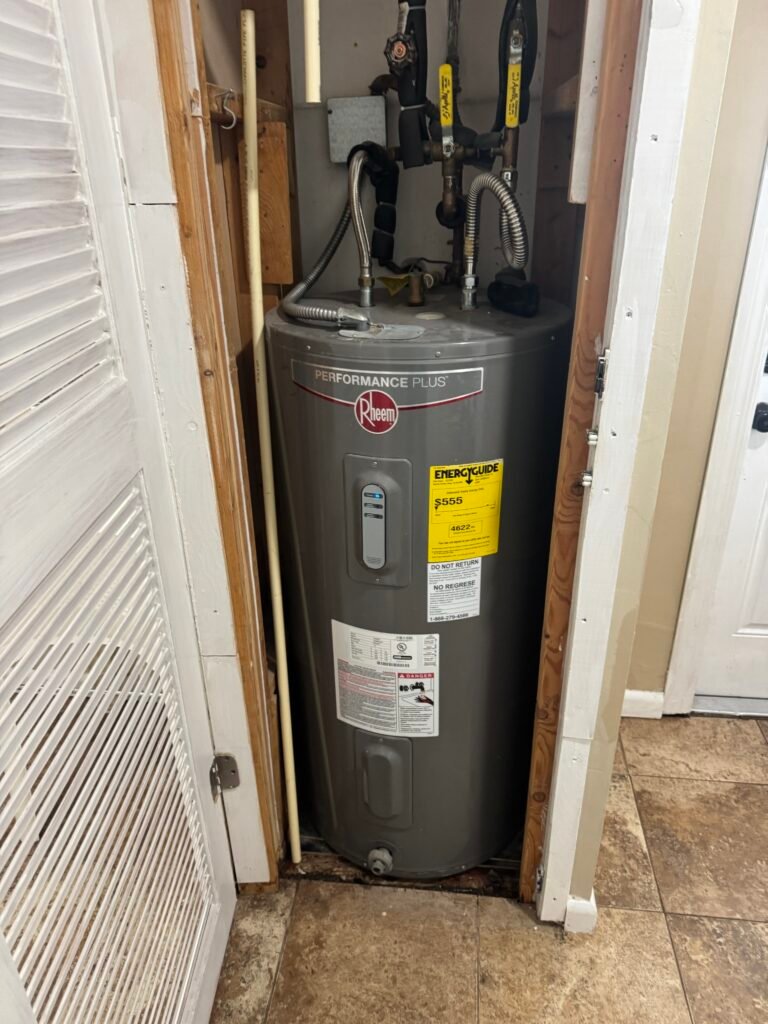
This is also a good example of why a leak diagnosis should stay narrow and factual. The homeowner had reason to be concerned about a hidden leak because water had been noticed in the area before. Lester verified that no other leak sources were identified at the washer connections during this visit. He also noted separate concerns involving the water heater and the refrigerator, but those were not the source of the standing water behind the washer on this call. Keeping those distinctions clear is part of honest plumbing work.
A lot of people search phrases like electric hot water heater faucet when they are trying to make sense of water around a laundry room, especially when a water heater is nearby. On this Seminole call, though, the active floor leak tied back to the sink faucet itself, not to draining a tank or a hot water connection.
Replacing the utility sink faucet was the right repair because the leak was in the fixture body
Once the leak was confirmed at the faucet base, replacement was the cleanest fix. When a fixture is leaking from the body or base instead of from a simple external connection, replacement is often more sensible than trying to chase a failing seal inside an older faucet. The goal is to stop the water at the source and leave the laundry room usable again.
This visit included the free diagnosis and the faucet replacement, so the combined invoice came to $287.20. The homeowner approved a written quote before any repair began. For readers comparing options, we also keep a page on what this work typically costs, but the exact price always depends on the fixture, access, and what the diagnosis shows on site.
One practical takeaway from this job is that not every laundry room leak calls for opening a wall. Sometimes the smartest move is to operate the nearby fixture, watch where the water starts, and rule out the obvious before assuming the worst. That saved time on this 33776 visit and kept the repair tied to the actual failed part.
What this Seminole laundry room leak did and did not tell us
This call answered one question clearly and left two other issues separate. It answered why water was showing up behind the washer: the utility sink faucet was leaking down to the floor when used. It did not mean every water-related issue in the room came from that one fixture.
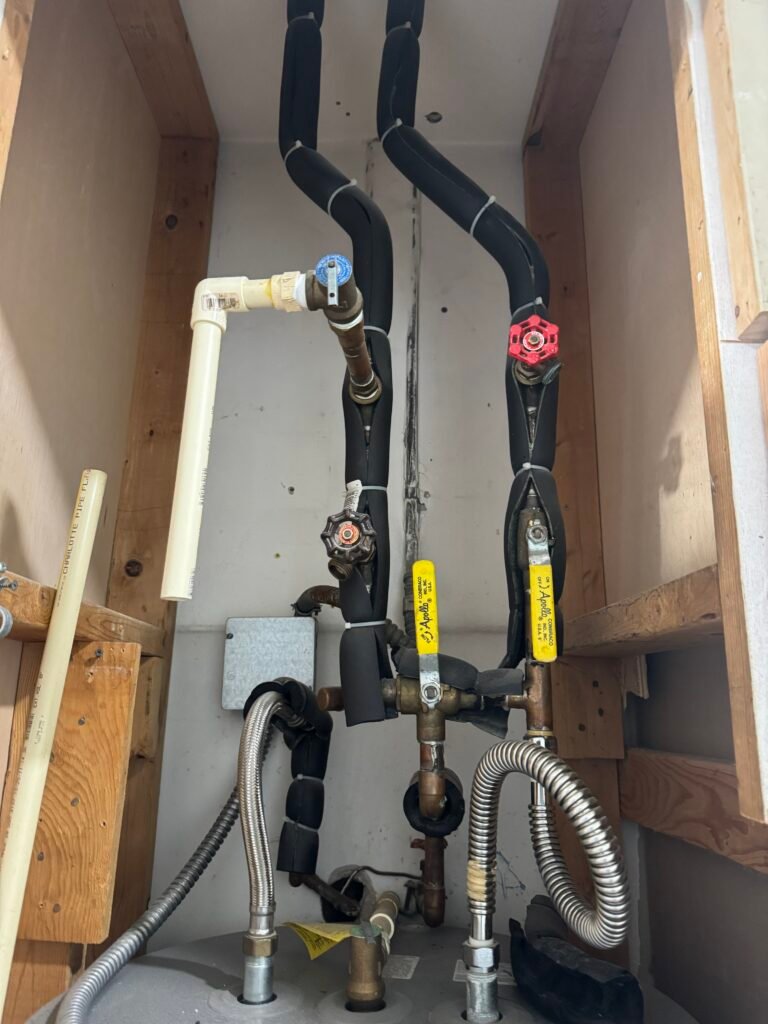
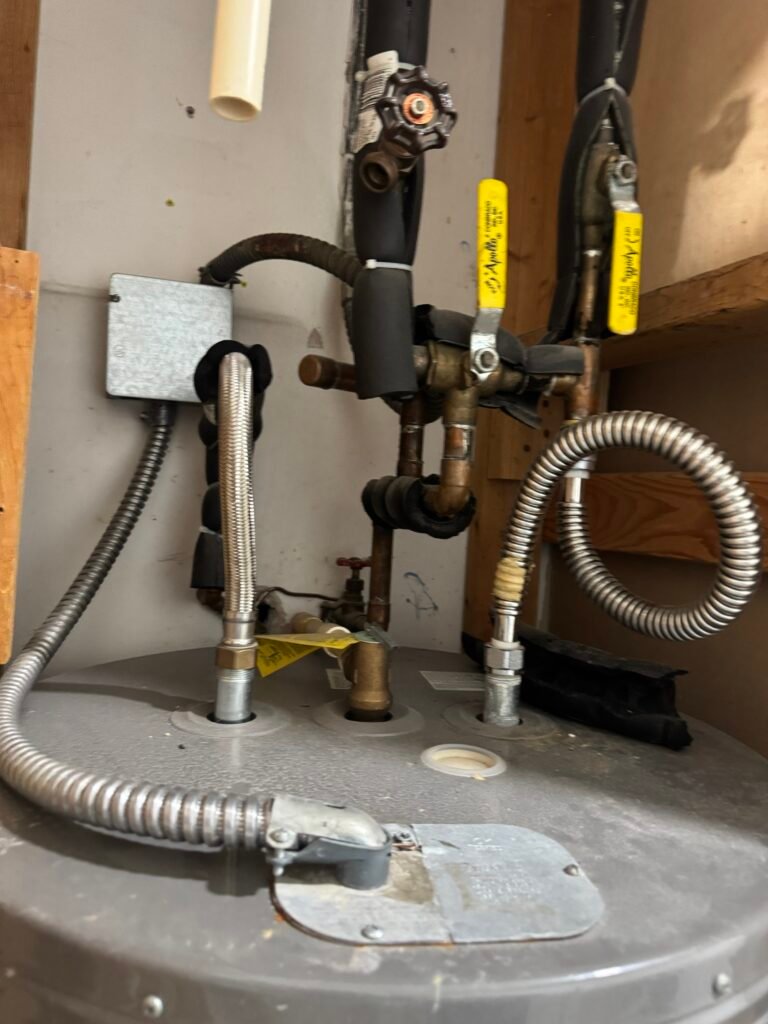
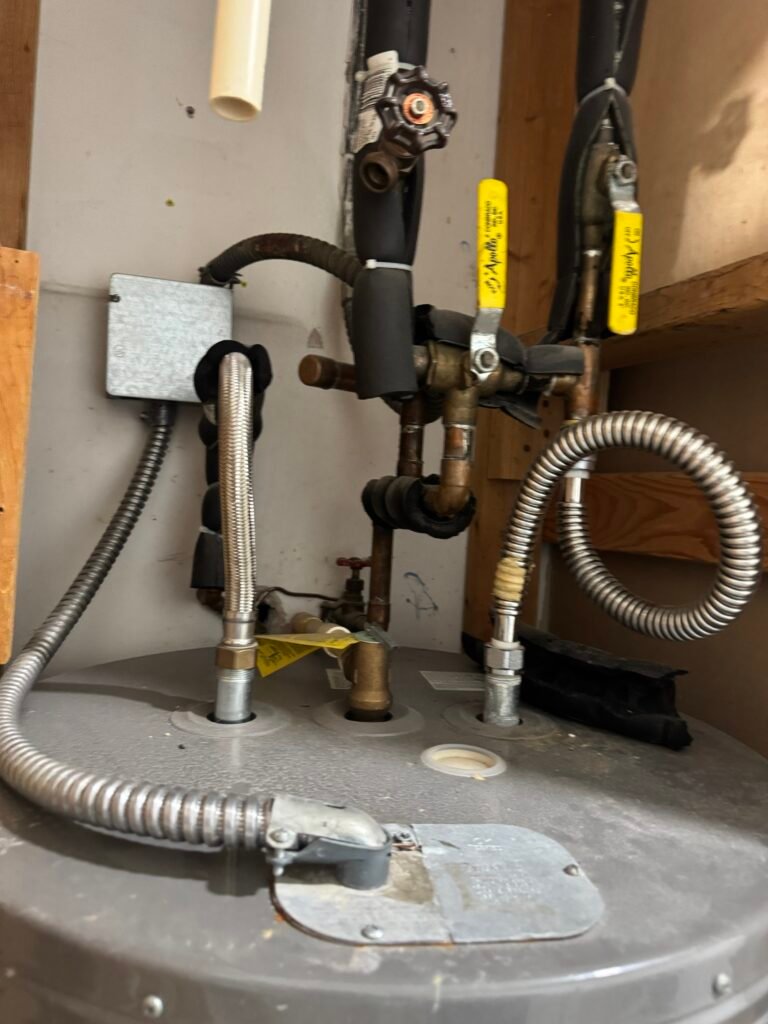
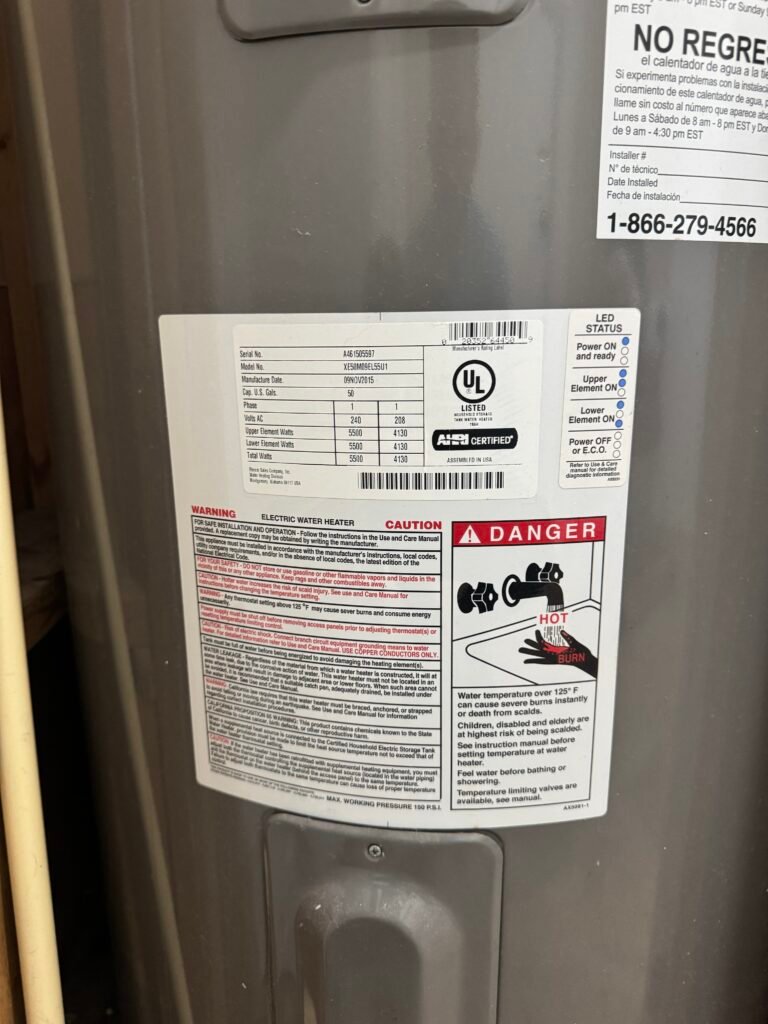
Lester documented that the water heater showed signs of an internal leak, with water inside the insulation and at the element cover plates. He also documented that the refrigerator appeared to have its own internal leak and should be evaluated by an appliance repair contractor. Those observations matter, but they are different problems. Combining unrelated leaks into one story is how homeowners get confused and how bad recommendations happen. This article is about the faucet and fixture repair that addressed the standing water behind the washer.
If you have ever wondered, can you drain hot water heater through faucet Seminole homeowners sometimes ask that when they see water near both a sink and a heater. In a situation like this one, that question is separate from the actual fixture leak. The right next step is always to identify which component is actively releasing water before deciding what to repair first. You can also browse our service area if you are nearby in Pinellas County and dealing with a similar laundry room leak.
Pro tips for laundry room faucet leaks in Tampa Bay homes
Small fixture leaks in laundry rooms can spread farther than people expect because washers, utility sinks, and water heaters often share a tight footprint. A few habits help catch problems earlier.
First, if water appears behind a washer, check whether a nearby sink faucet causes the puddle to grow when opened. That quick observation can separate a fixture leak from a hose leak.
Second, dry the floor after a leak and monitor it over the next day or two. In humid Tampa Bay conditions, lingering moisture can stick around longer and make it harder to tell whether the leak is still active.
Third, avoid using a faucet that leaks from the base until it is repaired or replaced. Continued use usually sends more water under or behind appliances where it is harder to spot.
Fourth, do not assume one wet area means one problem. This Seminole job is a good reminder that a faucet issue, a water heater issue, and an appliance issue can exist in the same room without sharing the same cause.
Finally, if you are comparing replacement fixtures, looking for water-efficient models with EPA WaterSense labeling can be a useful starting point.
Questions homeowners ask after a laundry faucet leak like this one
Can you drain a hot water heater through a faucet?
No, a standard faucet is not the normal way to drain a hot water heater. Water heaters are typically drained from their own drain valve, not through a nearby sink faucet. On this Seminole job, that question came up because the laundry room had both a faucet and a water heater in the same area, but the standing water behind the washer traced back to the leaking utility sink faucet, not to draining the heater.
What is the most common problem with electric water heaters?
Leaks and failed heating components are both common, but the most common issue depends on what part of the unit is failing. On this call, Lester noted signs of an internal water heater leak at the insulation and element cover plates, which is a different problem from the faucet leak that caused the floor puddling. The important point is to diagnose each source separately instead of assuming all water in the room comes from the heater.
How do you know whether water behind the washer is from the faucet or the washer connections?
You know by operating each nearby component and watching where the water begins. That is exactly what narrowed this job down. Lester inspected the washer connections and did not find them leaking, then opened the utility sink faucet and saw water leaking from the base and running to the floor. That sequence matters because it replaces guesswork with a direct observation.
Should a leaking laundry sink faucet be repaired or replaced?
Replacement is often the better choice when the leak is coming from the faucet body or base. A loose supply connection is one thing, but a fixture that is no longer sealing properly at the base can keep causing trouble even if you try to patch around it. On this visit, replacing the utility sink faucet was the straightforward way to stop the leak source that was wetting the laundry room floor.
Schedule faucet and fixture repair in Seminole, FL 33776
Home Therapist handles real-world plumbing calls like this across Seminole and the rest of Tampa Bay, with licensed service backed by plumbing license CFC1431159 and HVAC license CAC1819196. We have served local homeowners since 2017 and have earned 1,300 plus five-star reviews by staying clear about what we found, what we fixed, and what still needs separate attention. That was the same approach on this 87th Place North visit.
If you are dealing with a laundry room leak, a utility sink faucet that is dripping at the base, or water showing up near a washer and you are not sure where it starts, Home Therapist can help sort it out. We service all kinds of plumbing issues, from fixture leaks to larger system concerns, and you can check our customer reviews if you want to see how that work feels from the homeowner side. For faucet and fixture repair in Seminole, FL 33776, call (813) 343-2212. We lead every visit with FREE estimates and FREE diagnosis, and you approve a written quote before any repair begins.


