

A Storm-Damaged Float Switch Let This Ruskin AC Leak Through the Ceiling
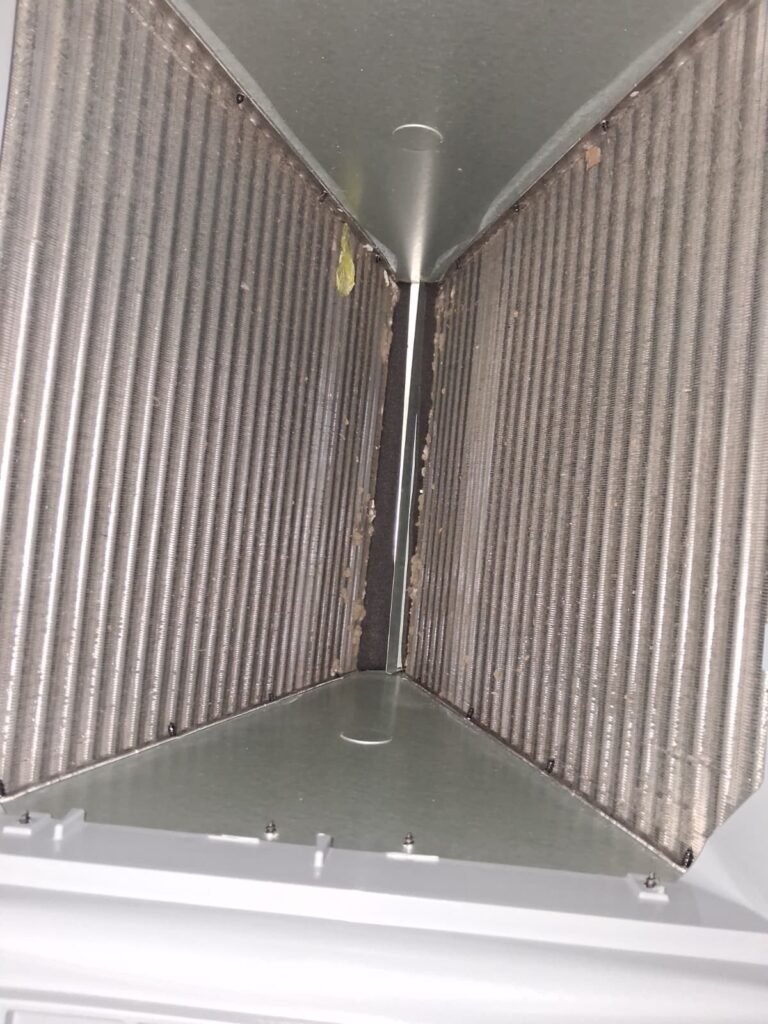
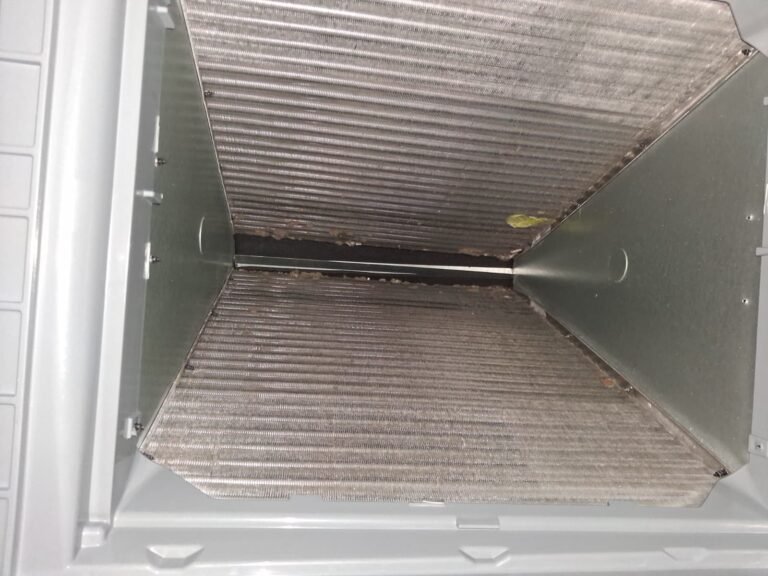
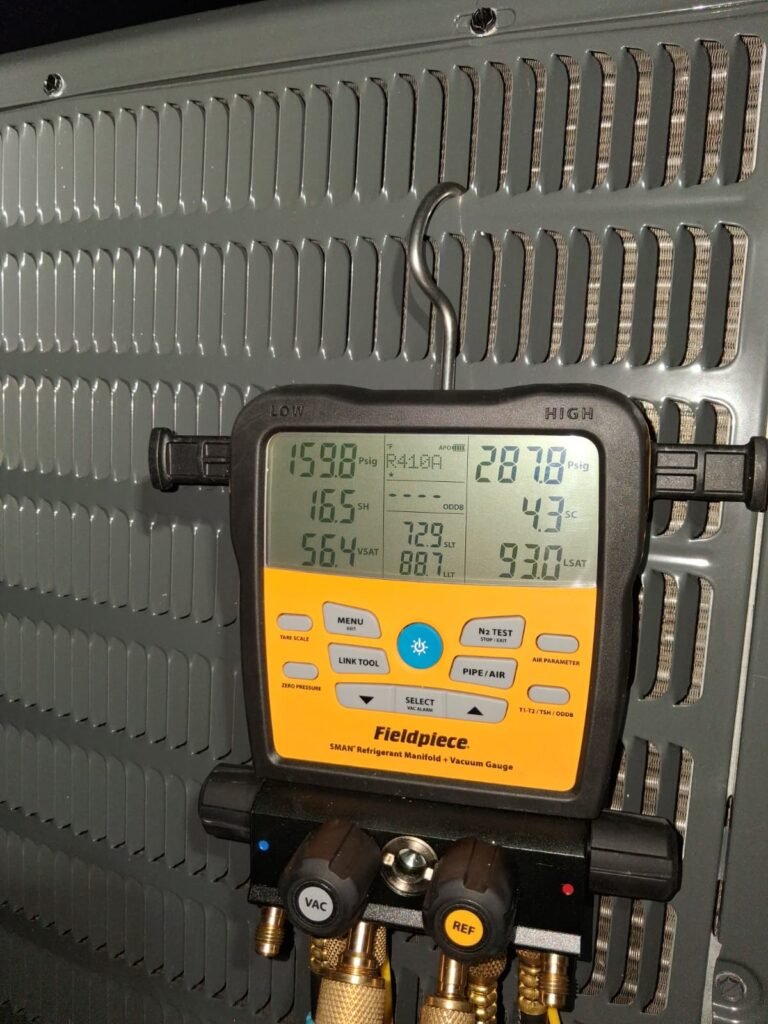
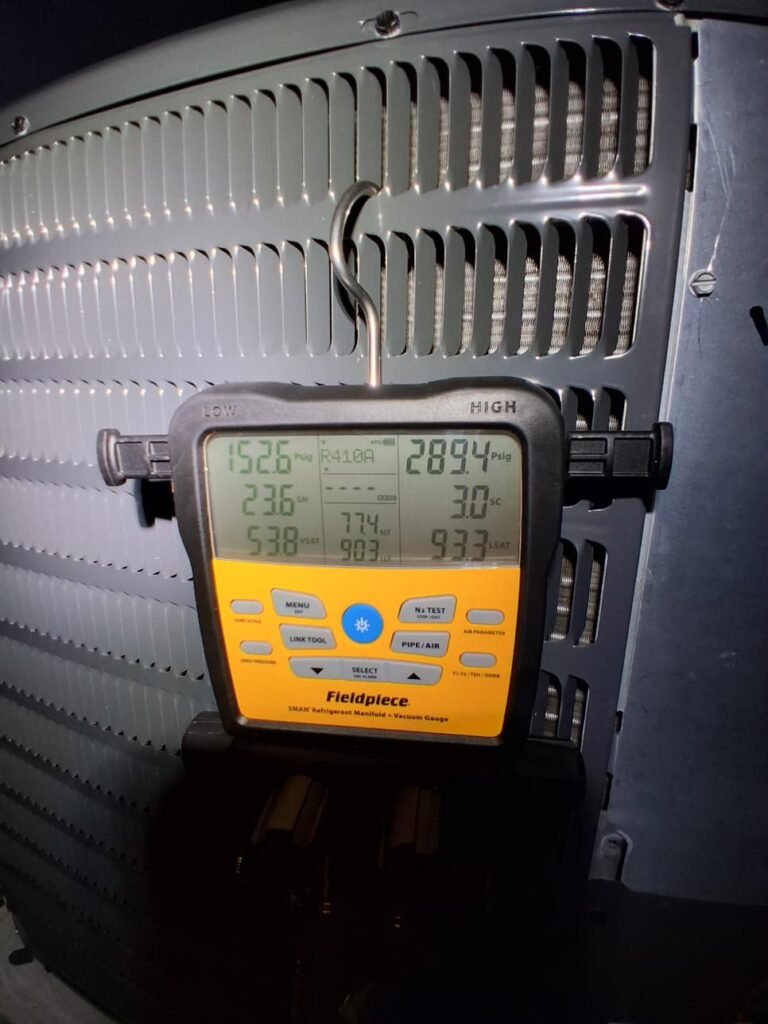
A float switch on AC unit systems is supposed to shut cooling off when the drain backs up, but a damaged switch can let water overflow instead. In Ruskin, FL 33573, this leak came from a failed safety switch and a backed-up drain line, and the resolution was float switch replacement plus a full drain line flush.
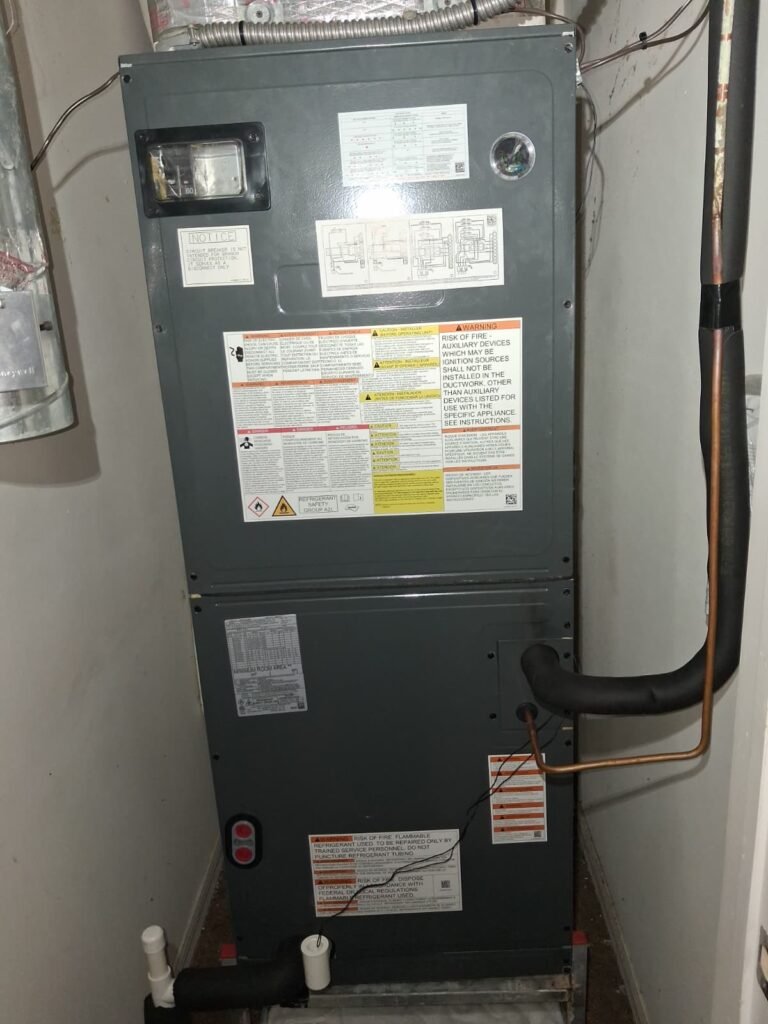
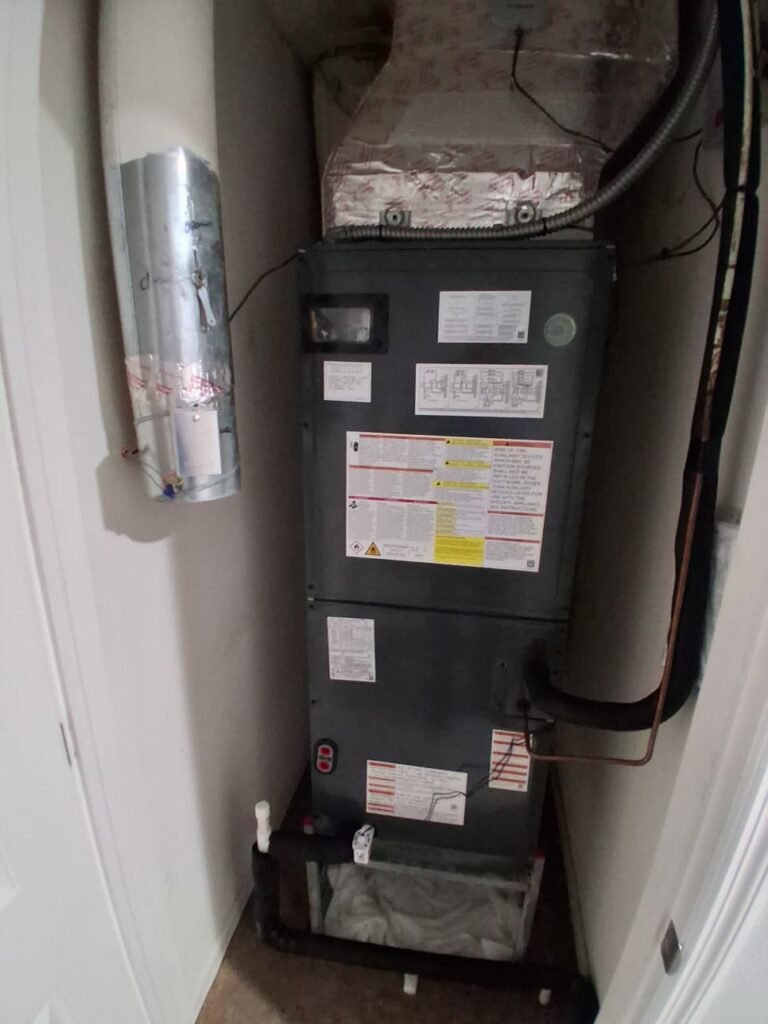
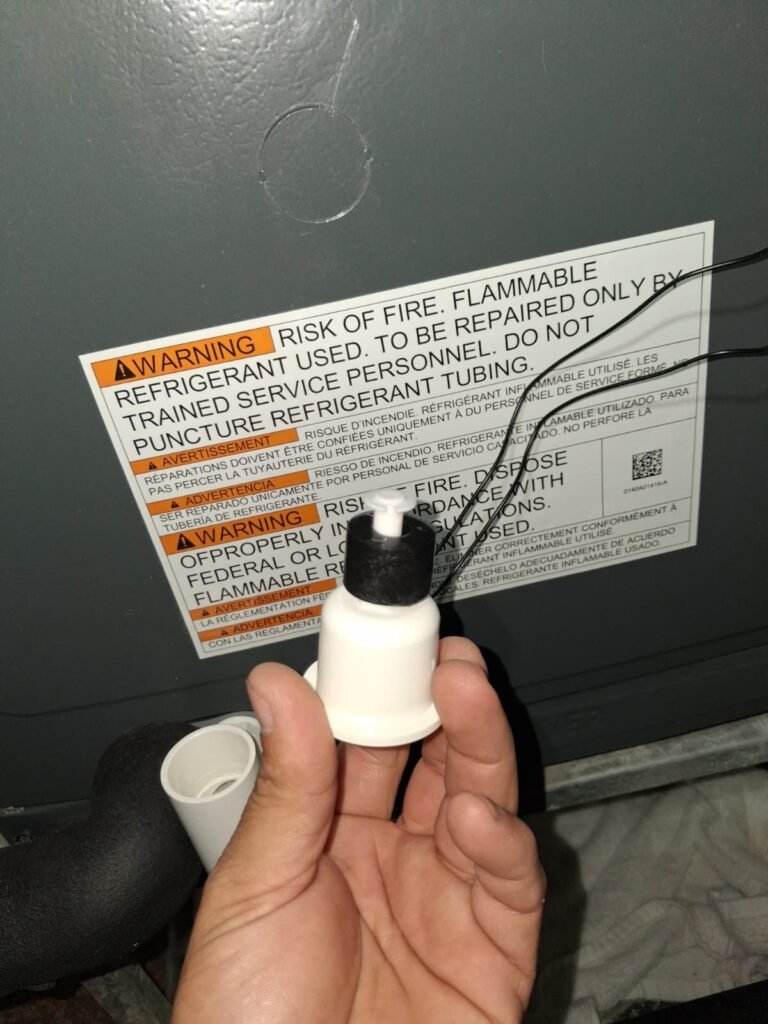
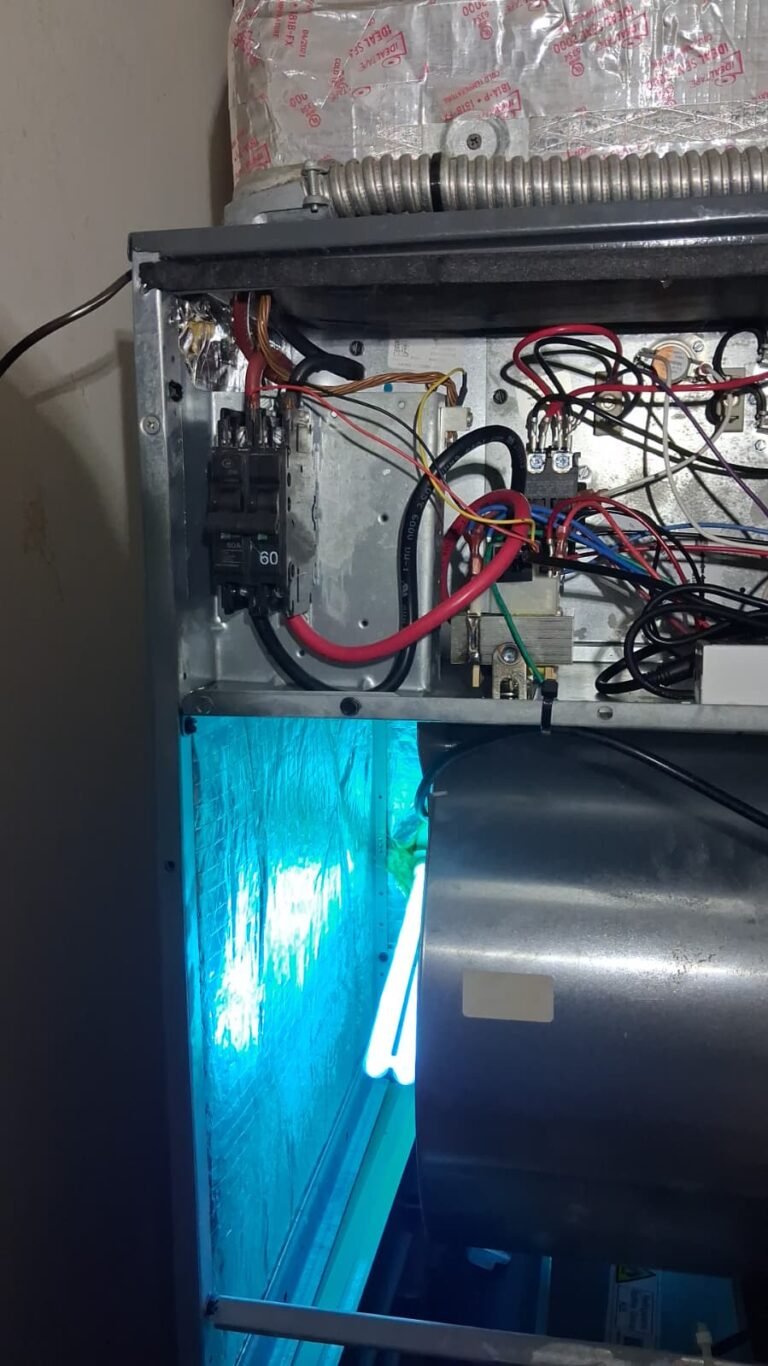
At this Celtic Ash Drive home in Ruskin, Roberto arrived for an AC leak that had already caused visible ceiling damage and left water on the floor. The homeowner had shut the system off, which was the right move. Once we checked the air handler area, the problem was not mysterious. The float switch installed with the newer system had been damaged, likely during a recent storm, so it could not shut the equipment down when the condensate line backed up. That left the drain line free to overflow until water came through the ceiling. This is the kind of AC repair in Ruskin that looks like a major system failure from inside the house, but the real issue is often a small safety device and the drainage path around it.
- Service performed: Float switch replacement and drain line flush
- Neighborhood or street: Celtic Ash Drive
- Technician: Roberto
- Symptom: AC unit leaking water and causing ceiling damage
- Cause: Damaged float switch and backed-up drain line
- What was done: Replaced the switch, flushed and sanitized the line, and removed standing water
The failed float switch was the reason this AC leak kept going
The float switch was the key finding on this call. That small control is there to stop the system if water rises where it should not. When it works, it helps prevent overflow and secondary damage. When it is damaged, the air handler keeps operating even though the drain is no longer clearing water correctly. That is exactly what happened here.
The homeowner called because water was actively leaking and the ceiling had already been affected. Roberto verified that the switch beside the newer AC equipment was no longer doing its job. In plain English, the safety was present, but it was not protecting the home anymore. That is why replacing the switch mattered just as much as clearing the line itself.
A lot of homeowners search for our full guide on this because they want to know where is the float switch on AC unit systems and what it actually does. On jobs like this one, the answer is practical, not theoretical. It sits in the condensate safety path, and if it fails, water can keep moving into places it should never reach.
Clearing the drain line was what stopped the backup from happening again
The drain line flush was the second half of the repair. A new switch alone would not solve anything if the line stayed restricted. This visit included a full flush and sanitize of the drain line, along with suctioning the accumulated water from the pan and nearby work area as needed. The scope also included a nitrogen flush and sanitation treatment, which matters because buildup inside the line is what often creates the backup in the first place.
This is where the diagnostic logic matters. Symptom first: water dripping from the unit and damage below. Then the check: confirm whether the safety shutoff worked and whether the condensate path was clear. Then the finding: the switch was damaged and the line needed to be flushed. Then the decision: replace the failed safety and restore drainage together, not one without the other. That is the difference between a patch and a real repair.
Because three separate items were tied to this visit, the free diagnosis, the float switch replacement, and the drain line flush, the cost did not land on the homeowner. This work was covered under the system’s existing warranty.
This Ruskin water leak was a drainage and safety problem, not a refrigerant problem
One useful takeaway from this Celtic Ash Drive call is that not every AC problem that looks severe is a cooling-component failure. Water around the unit, ceiling staining, or a soaked closet floor often points to condensate management first. Homeowners sometimes assume the system itself is ruined, or that a leak means something inside the refrigeration circuit has failed. On this job, neither was true.
The bigger issue was that the AC safety float switch could not respond when the line backed up. That is an important distinction because it changes the repair path completely. Instead of chasing the wrong problem, we focused on the actual chain of failure. The backed-up drain created the overflow risk, and the damaged switch failed to stop operation when it should have. Once both were addressed, proper operation could be verified after the repair.
If you are comparing symptoms, our broader air conditioning service work often starts exactly this way: isolate whether the issue is cooling, airflow, controls, or drainage before any repair is approved. You approve a written quote before any repair begins, even when the final covered work on a warranty call ends up costing you nothing.
What this job says about float switch on AC unit failures in Florida
A float switch on AC unit equipment is a simple part, but in Florida it protects against a very common kind of mess. Long cooling seasons mean long periods of condensate production. Add storms, attic heat, closet humidity, and occasional drain buildup, and the safety side of the system matters more than many homeowners realize.
The contrarian point here is that the expensive-looking damage is not always caused by an expensive mechanical failure. On this Ruskin call, the part that allowed the leak to continue was small. The consequence inside the house was much bigger than the part itself. That is why we take active water leaks seriously, even when the cooling equipment may still run.
For homeowners searching terms like float switch for AC unit, AC drain pan float switch, or AC safety float switch, the practical lesson is this: the switch is there to stop a drainage problem from becoming a house problem. If the switch is damaged, full of water, or bypassed, that protection is gone. The Florida Building Code is one reason overflow protection gets so much attention in our trade, especially where condensate can affect finished areas of the home.
Pro tips for Ruskin homeowners dealing with AC drain and float switch issues
Drainage problems around an air handler usually start small, so a few habits can help you catch them before they turn into ceiling damage.
- Turn the system off if water is actively dripping from the unit. That can limit additional overflow while the problem is being diagnosed.
- Do not assume a leak means low refrigerant or a bad compressor. Water at the air handler often points to condensate drainage or a float switch issue instead.
- Ask where your float switch is located. Many homeowners search where is float switch on AC unit only after a leak, but knowing the location ahead of time helps you recognize what tripped or failed.
- If your system has had drain issues before, ask whether the line was only cleared or also sanitized. Flushing without addressing buildup can shorten the time before the next backup.
- In Tampa Bay’s long cooling season, pay attention to any musty smell, slow dripping, or water near the closet or pan. Those are early warnings, not cosmetic annoyances.
Questions homeowners ask after a float switch and drain line repair
How do I know if my float switch is bad?
A bad float switch usually shows up when the system does not shut off during a drain backup, or when it shuts off for no valid reason. On this Ruskin job, the clue was active leaking with a damaged switch that failed to stop operation. The switch was present, but it was no longer protecting the home. Testing the switch and checking the drain path together gives the clearest answer.
Where is the HVAC emergency overflow shut off switch?
The overflow shutoff switch is usually located near the air handler’s condensate drain or secondary drain protection point. Its exact spot depends on how the system was installed. On jobs like this one, homeowners often ask where is the float switch on AC unit setups because they want to identify the safety after a leak. The important part is not just finding it, but confirming it still operates correctly.
How do I reset an AC float switch?
An AC float switch can only be reset safely after the water condition that triggered it has been corrected. If the drain is still backed up, resetting the switch without clearing the cause can let the leak continue. On this call, replacement was the right answer because the switch itself was damaged. If water is present, the priority is diagnosis and drainage, not just pushing a reset.
How much does it cost to install an AC float switch?
The cost to install an AC float switch depends on access, wiring, and whether the job also includes drain line work. This call is not a good stand-alone pricing example because the switch replacement and drain service were bundled under warranty coverage. In real-world service, the right question is whether the switch alone failed or whether the drainage problem that should have triggered it also needs to be corrected.
Do all AC units have a float switch?
No, not every AC system has the same float switch arrangement, but overflow protection is a very common safety feature. Some systems have a switch at the secondary pan, some at the drain, and some have different configurations depending on where the air handler sits in the home. This Ruskin repair is a good example of why that safety matters when the equipment is above or near finished interior spaces.
Schedule AC repair in Ruskin, FL 33573
If your system is leaking water, shutting off unexpectedly, or showing signs of a drain backup, Home Therapist can help. We have served Tampa Bay since 2017, and homeowners call us because they want clear answers, careful work, and a team that explains what actually failed. We are licensed in HVAC and plumbing, CAC1819196 and CFC1431159, and we have earned 1,300+ five-star reviews by staying straightforward about diagnosis and scope.
For readers in Ruskin and ZIP code 33573, we handle float switch replacement, drain line clearing, and broader AC repair without pressure or guesswork. You can verify Florida contractor licensing through Florida DBPR, and then call us directly at (813) 343-2212. We lead every service call with FREE estimates and FREE diagnosis, and you will approve a written quote before any repair begins. If your AC leak started around the air handler, drain pan, or condensate line, we will trace the cause and explain the next step clearly.


