

Why Static Pressure Matters More Than Duct Length on This Riverview Ductwork Job
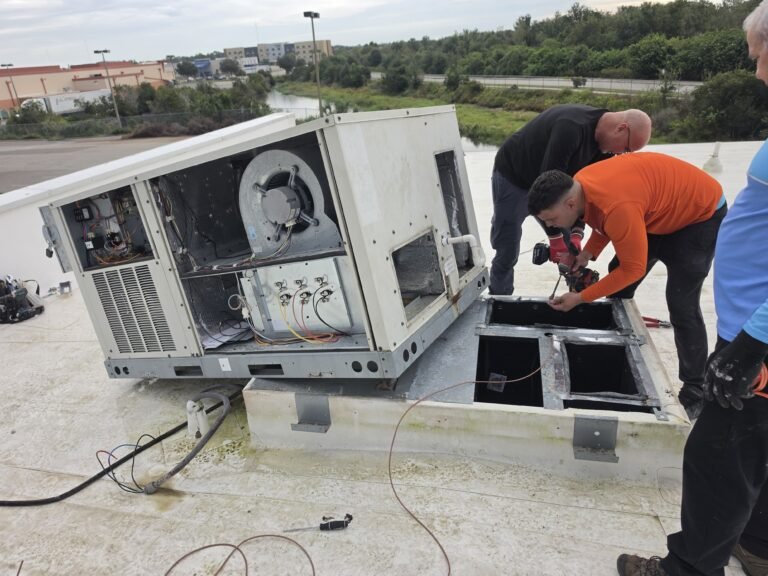
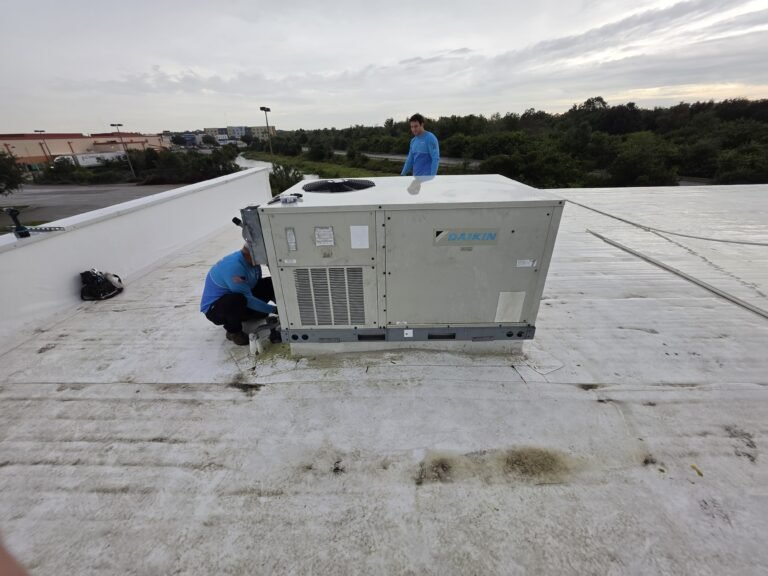
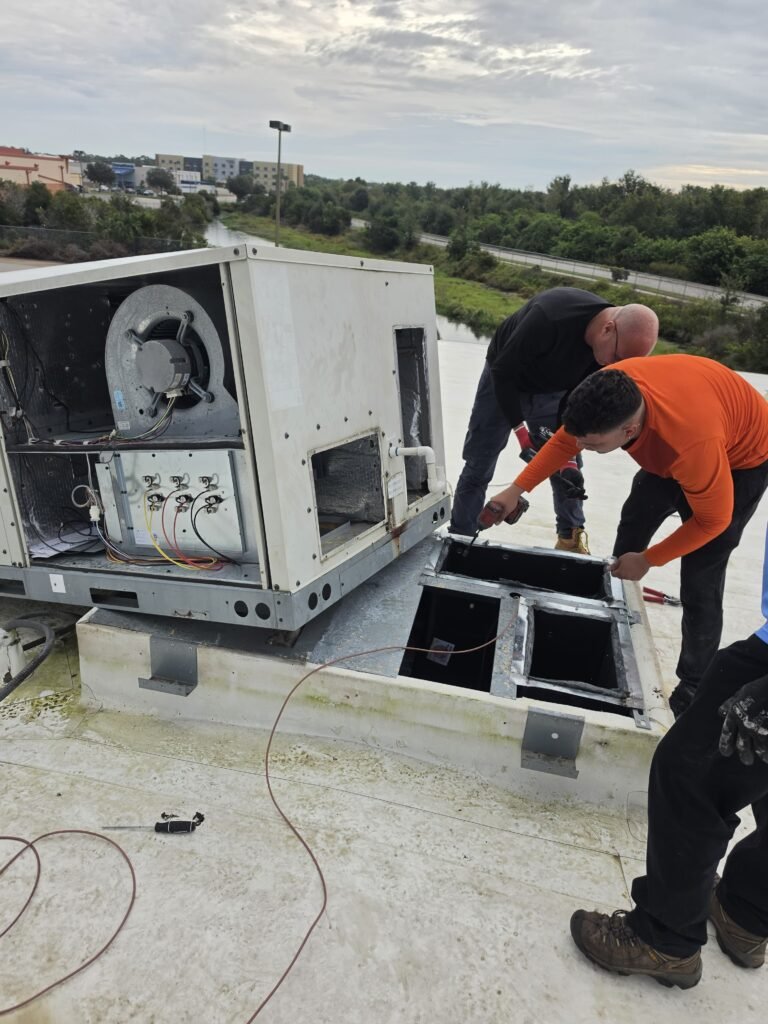
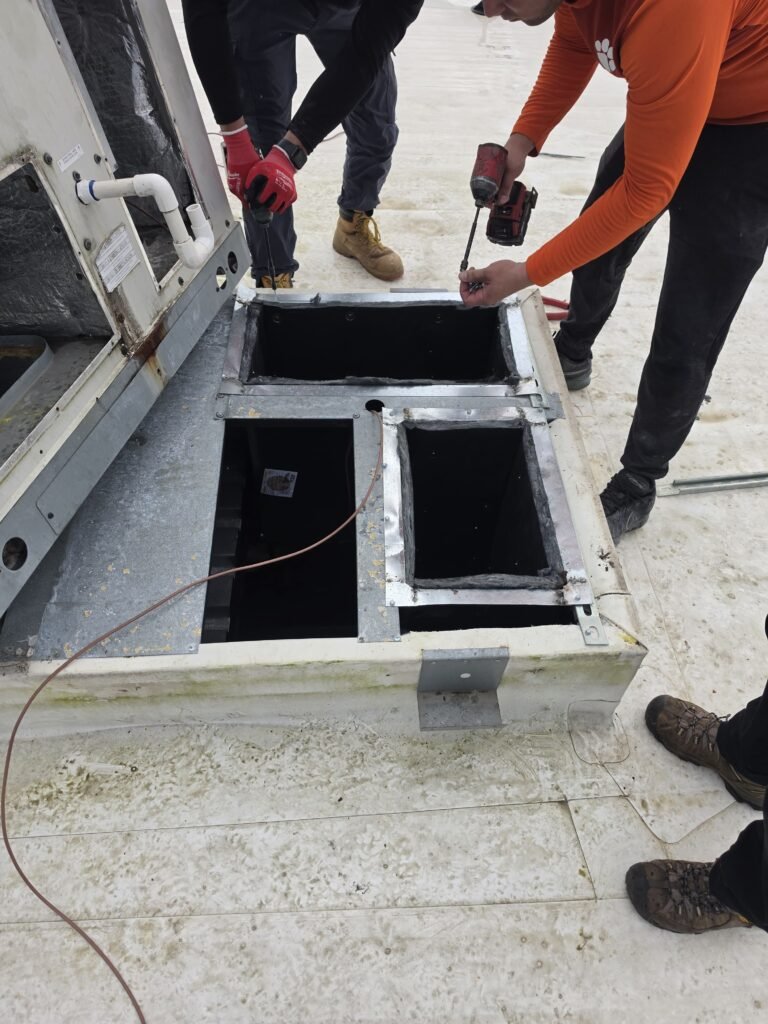
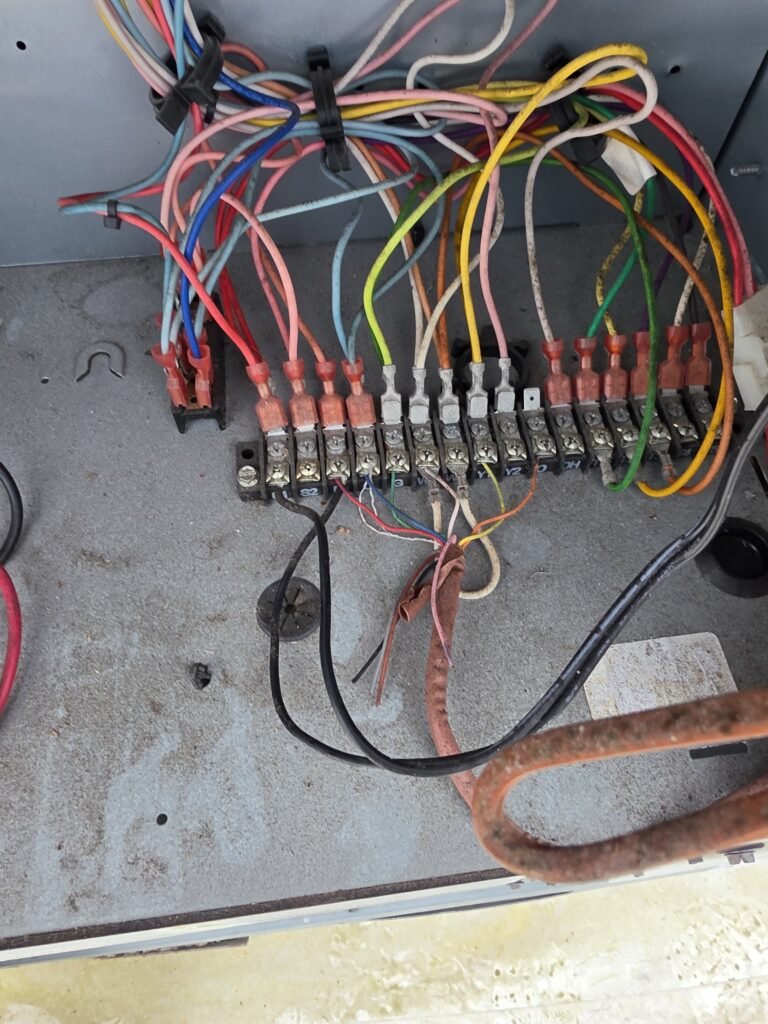
Airflow pressure in ductwork is measured in inches of water column, and that pressure matters because it tells whether a duct system can actually deliver air the way the plan intended. On this ductwork replacement in Riverview, FL 33579, the scope centered on new rigid insulated spiral duct runs, new drops, and balancing steps that support proper airflow after installation.
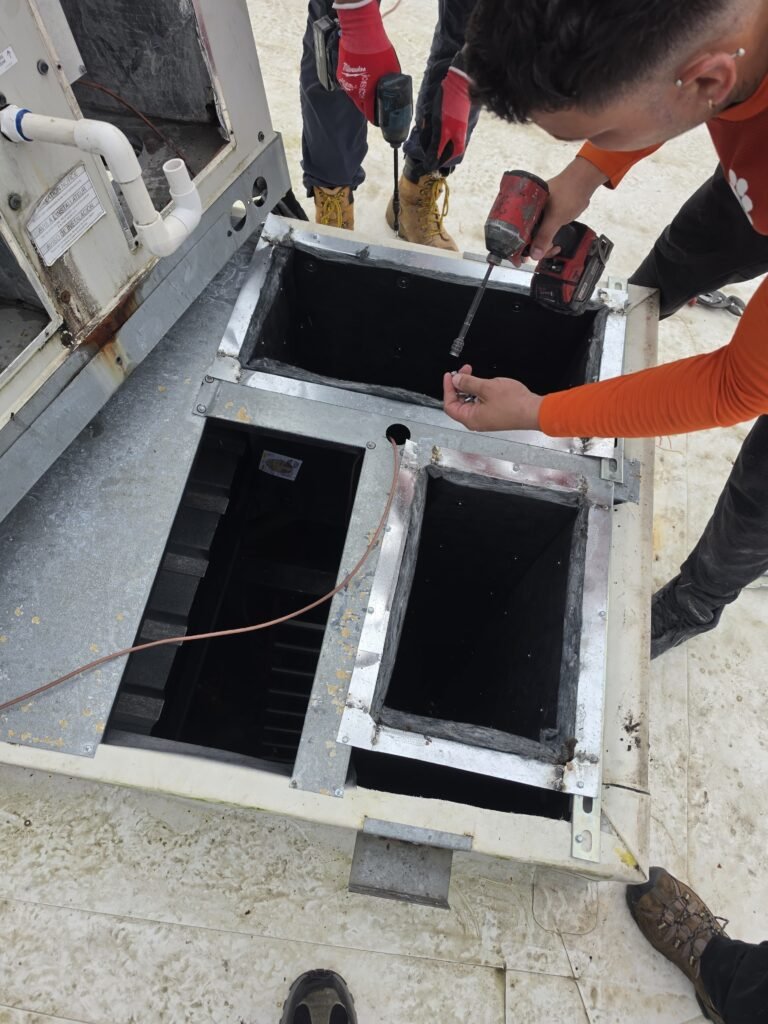
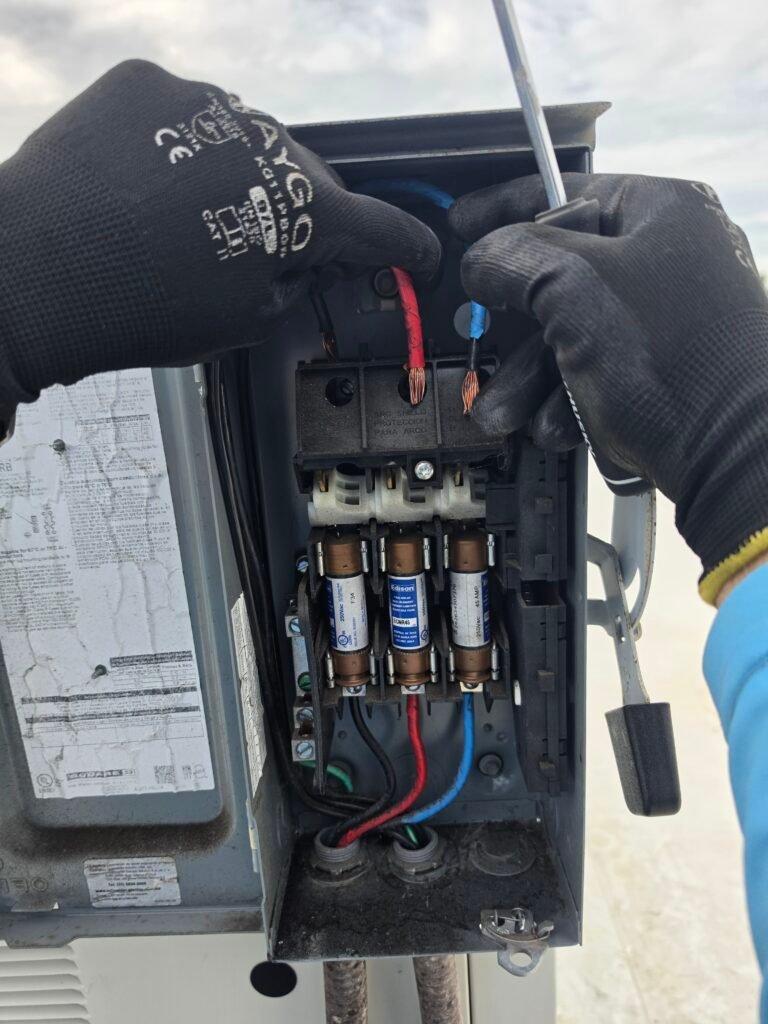
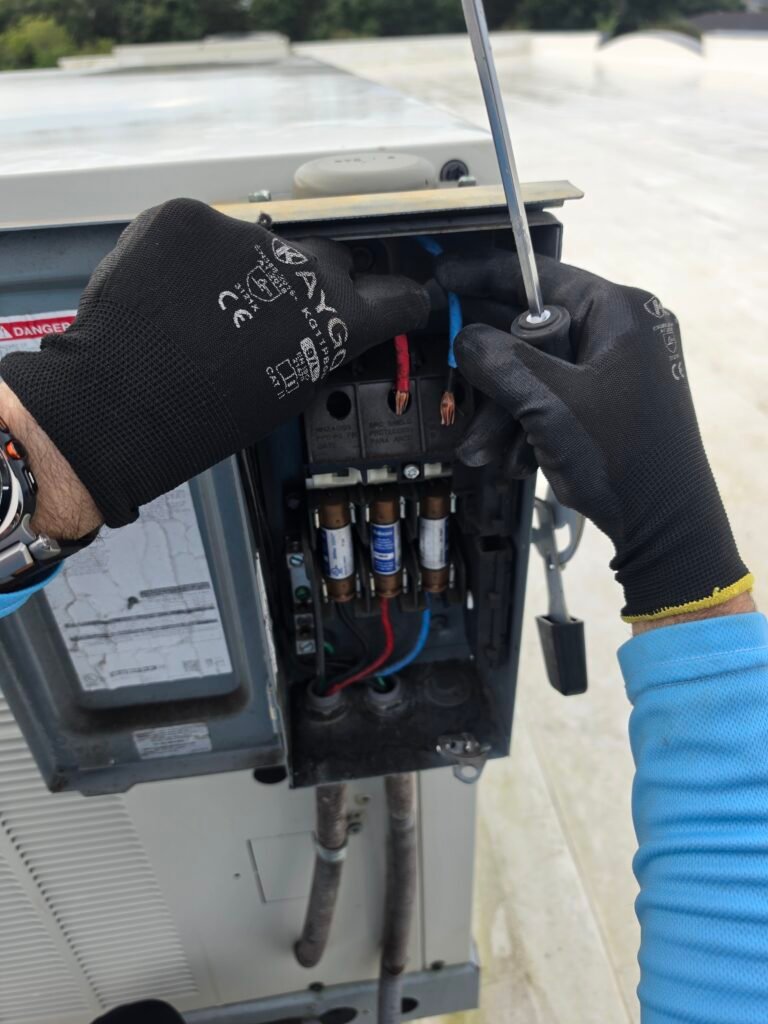
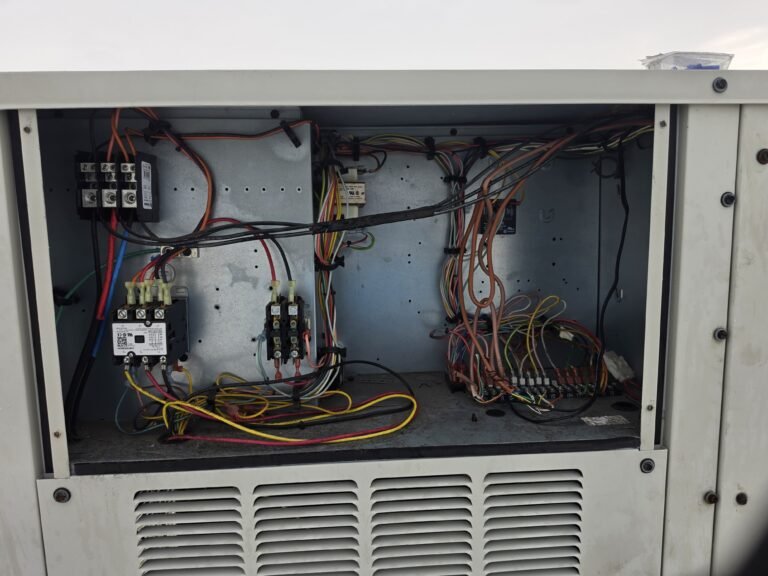
On this US-301 job in Riverview, Richard worked from a scope that was much more detailed than a basic duct swap. The plan called for rigid, galvanized, double-wall insulated ductwork, a test and balance report, duct smoke detectors in the quote, and fire damper installation. It also included 11 supply drops, 3 return drops, 2 plenums, 1 bath exhaust fan, new boots, new grills, new distribution boxes, and haul-away of the old ducts. That kind of scope matters because airflow in ductwork is not just about adding metal pipe. It is about how the whole system moves air from the equipment to each room without creating unnecessary resistance.
- Service performed: Duct work replacement, R6 metal spiral duct
- Neighborhood or street: US-301
- Technician: Richard
- What was done: Planned complete duct installation with new boots, round spiral ducts, grills, distribution boxes, returns, supplies, plenums, and bath exhaust fan
- Parts and counts: 11 supply drops, 3 return drops, 2 plenums, 1 bath exhaust fan
Static pressure was the real performance issue behind this ductwork replacement in Riverview
Most homeowners look at a duct project and think first about footage. In the field, airflow pressure in ductwork is measured in inches of water column because pressure tells us more than length alone. A long run can perform well if the layout, fittings, returns, and transitions are right. A shorter run can still struggle if the system is restrictive.
That is why this Riverview scope stood out. It included duct design and a test and balance report, which means the goal was not simply to hang new duct and leave. The goal was to install a system that can be checked, adjusted, and documented. For anyone dealing with hot or weak rooms, that is the difference between replacing material and solving ductwork airflow issues. If you are comparing options for air duct service in Riverview, this is the kind of planning that separates a cosmetic duct change from a functional one.
The 11 supply drops and 3 return drops shaped how air could move through the building
This job had a specific count: 11 supply drops and 3 return drops. That matters because supply and return have to work together. Supplies push conditioned air out, while returns give that air a path back to the equipment. When homeowners ask how to increase airflow in ductwork in Riverview, the answer is often not “make one vent blow harder.” It is to make sure the whole path is balanced.
On this project, the inclusion of 2 plenums and new distribution boxes shows that air distribution was part of the scope, not an afterthought. Plenums help organize where the air goes at the start of the run. Distribution boxes help divide that air across branches. New boots and grills matter too, because the final transition into the room affects throw, noise, and usable airflow. For readers trying to understand uneven temperature rooms, this is one of the biggest lessons from the job: room comfort problems often begin in the duct layout, not at the thermostat.
The combined invoice for this complete duct installation scope came to $28,500.
The test and balance report was as important as the new spiral duct itself
A test and balance report was required on completion, and that requirement tells you a lot about the intent of the project. New ductwork can look excellent and still underperform if nobody verifies how the air is actually moving afterward. When people search how to adjust airflow in ductwork or calculate airflow in ductwork, they are usually trying to solve a comfort problem that was never measured properly in the first place.
In practical terms, balancing means checking whether different branches are getting their intended share of airflow and making corrections where needed. That is especially important on a larger duct replacement with multiple supply and return drops. The phrase airflow ductwork sounds simple, but real performance depends on pressure, branch resistance, and how the air is divided across the system. For homeowners reading about ductwork and air quality, this is also where comfort and cleanliness intersect. Properly installed and balanced ducts help the system move air more evenly instead of forcing the equipment to fight unnecessary resistance.
The request to include duct smoke detectors and fire damper installation also shows this was not a bare-bones replacement. Those details point to a project where safety and code-related components were being considered right alongside airflow. For general code reference on mechanical work in Florida, the Florida Building Code is one of the standards professionals work from.
Rigid insulated spiral duct was chosen here for control, not just appearance
This project specified rigid, galvanized, double-wall insulated ducts with R-6 insulation. That choice matters because rigid ductwork gives a more controlled interior path for air than a loosely routed system. It can support cleaner layout decisions, more predictable branch routing, and better long-term durability when installed correctly.
The contrarian point on a job like this is simple: the accessories and layout usually matter more than the metal itself. Homeowners often focus on the visible duct sections, but the boots, plenums, returns, distribution boxes, and balancing steps are what determine whether the finished system actually improves comfort. On this US-301 project, the scope made room for those details. That is the right way to think about how to increase airflow in ductwork. You do not chase one magic part. You build a complete path for the air to travel.
For readers who want to understand the design side of air movement, the ACCA technical manuals are the industry reference behind load and duct design principles.
Pro tips for Riverview homeowners planning major ductwork replacement
Major duct replacement goes more smoothly when the planning is as thorough as the install scope. A few practical points can make a big difference in Tampa Bay homes and light commercial spaces.
- Ask about return air, not just supply vents. Weak airflow complaints often trace back to an undersized or poorly located return path.
- Do not judge a duct project by footage alone. Plenums, transitions, boots, and balancing are what turn a new duct system into a comfortable one.
- Clear the work areas below vents before installation day. On duct jobs, crews need access overhead, and prep helps protect furniture and belongings from dust.
- Pay attention to insulation level and material type. In Florida, long cooling seasons make duct insulation part of comfort, not just a line item.
- If you have visible leaks, disconnected sections, or persistent hot rooms, compare those symptoms against guides on ductwork visible leaks before deciding whether spot repair or full replacement makes more sense.
Ductwork airflow questions this Riverview job brings up
How do you measure airflow pressure in ductwork?
Airflow pressure in ductwork is measured in inches of water column. That reading helps show how much resistance the blower is pushing against as air moves through the supply and return system. On a project like this Riverview replacement, pressure matters because a system with 11 supply drops and 3 returns needs more than new materials. It needs a layout and balancing process that lets air move without excessive restriction.
What is normal duct static pressure?
Normal duct static pressure depends on the equipment and system design, so there is no one number that fits every home or building. What matters is whether the installed duct system stays within the operating range the equipment was designed for. That is why the test and balance requirement on this job was important. It creates a way to verify performance instead of guessing based on room temperature alone.
How do you increase airflow in ductwork?
You increase airflow in ductwork by improving the entire air path, not by focusing on one vent. That can mean correcting restrictive duct layout, improving return capacity, replacing damaged sections, or balancing branches after installation. On this US-301 project, the scope included new supply drops, return drops, plenums, distribution boxes, and balancing-related follow-through. That is the kind of complete approach that usually improves airflow more reliably than a quick patch.
Why are plenums and distribution boxes such a big deal?
Plenums and distribution boxes matter because they control how air leaves the equipment and divides into the branch ducts. If those transitions are poorly built or poorly sized, rooms can end up starved for airflow even when the blower is running fine. This Riverview job included 2 plenums and new distribution boxes, which shows the project addressed air distribution at the source instead of treating branch runs as isolated pieces.
Is replacing ductwork enough to fix uneven room temperatures?
Replacing ductwork can fix uneven room temperatures, but only when the design and balancing are part of the job. New duct alone does not guarantee comfort. This project is a good example because it included design, specific supply and return counts, and a test and balance report. Those details are what give new ductwork a real chance to solve airflow problems instead of just making the attic or roof look newer.
Schedule ductwork help in Riverview, FL 33579
Home Therapist has served Tampa Bay since 2017, and our team brings licensed HVAC and plumbing experience to projects that need careful scope control and clear communication. Our HVAC license is CAC1819196, our plumbing license is CFC1431159, and we have earned 1,300+ five-star reviews from homeowners across the area. Whether you are planning a full duct replacement, comparing layout options, or trying to understand what this work typically costs for your property, we focus on the actual airflow path and the details that affect comfort after the crew leaves.
If you are in Riverview, FL 33579 and want a second opinion on duct layout, air movement, or a larger replacement scope, call Home Therapist at (813) 343-2212. We provide FREE estimates and FREE diagnosis, and you approve a written quote before any repair or installation begins. If you are still deciding whether your issue points to leakage, poor balance, or a larger redesign, our what this work typically costs page and our customer reviews can help you compare your next step with more confidence.


